First-time Sydney mistakes I made so you don't have to
The taxi from the airport
My first Sydney mistake happened before I’d left the airport building. I joined the taxi queue at Sydney Kingsford Smith, spent 25 minutes waiting, and paid $55 AUD to get to my hotel in the CBD. The Uber from outside the same terminal would have cost $28. The train — which goes directly from underneath the international and domestic terminals to the city centre in under 15 minutes — would have cost $19.52 on an Opal card.
At a glance
| Where | Applies across Sydney — airport, CBD, transport, attractions |
| Cost | Avoidable overspend of roughly $50–150 across a week if these mistakes stack up |
| Time needed | None extra — these are planning fixes, not extra activities |
| Getting there | Opal card covers train, bus, ferry, and light rail city-wide |
| Best time | Sort the Opal card and rough itinerary before you land |
The airport train is not a complicated or risky option. It runs every 10 minutes, has luggage space, air conditioning, and arrives at Central, Town Hall, Wynyard, and Circular Quay stations. The taxi queue at peak times is genuinely long. The only realistic case for taxis from the airport is if you have significant luggage, are travelling as a group of four, or your hotel is not near a train station.
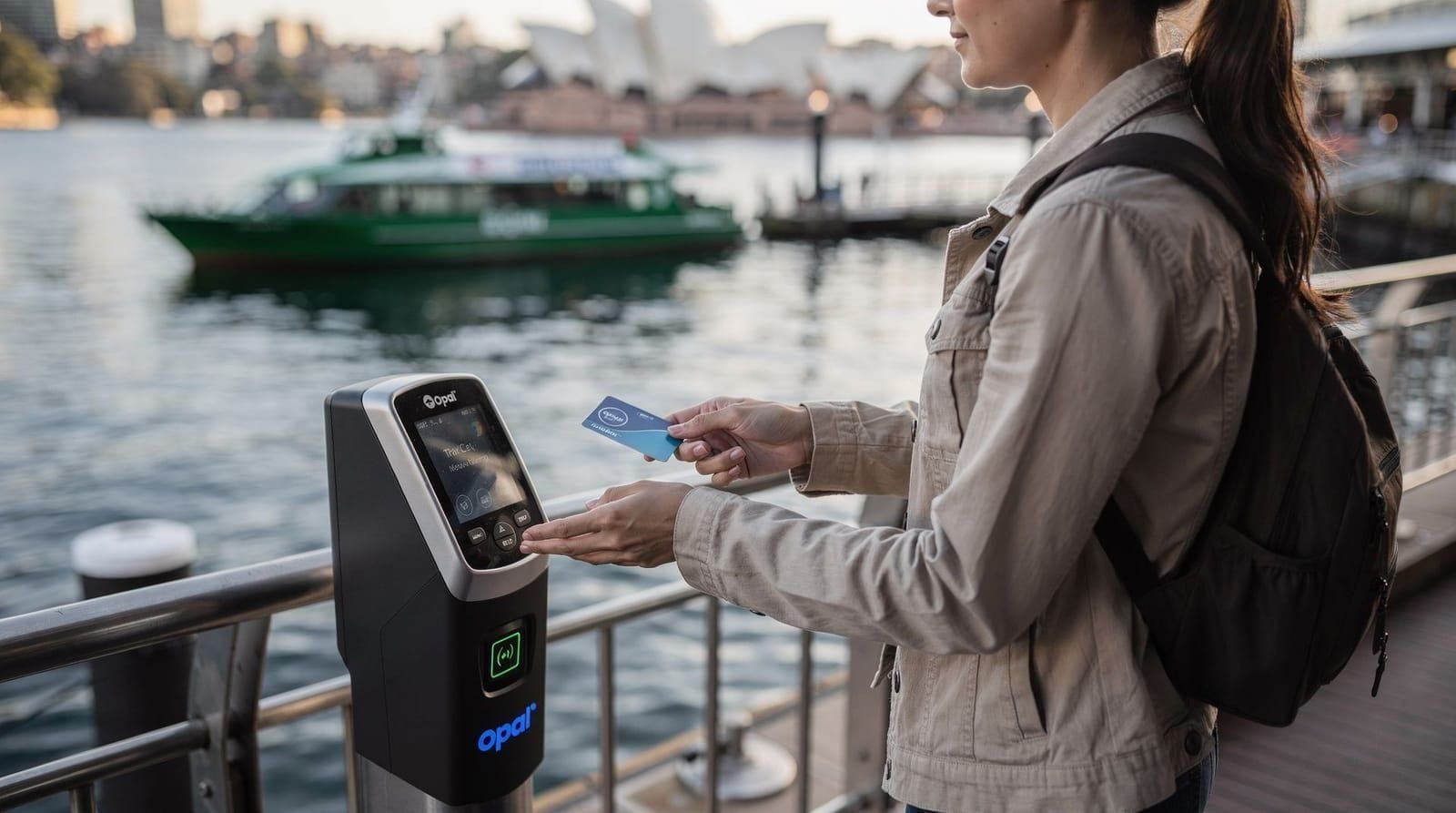
Get the Opal card at the airport station newsagent before you board the train. It is reloadable, works on all Sydney public transport (trains, buses, ferries, light rail), and gives you access to the daily and weekly fare caps that make moving around Sydney significantly cheaper than paying cash fares.
Spending three days in the CBD
Sydney’s CBD — the central business district around Town Hall, George Street, and Pitt Street Mall — is a functional city centre that most Sydneysiders spend as little time in as possible. The shopping is standard international high street fare. The restaurants are a mix of corporate lunch spots and tourist-facing venues. The architecture is pleasant in patches but not a destination in itself.
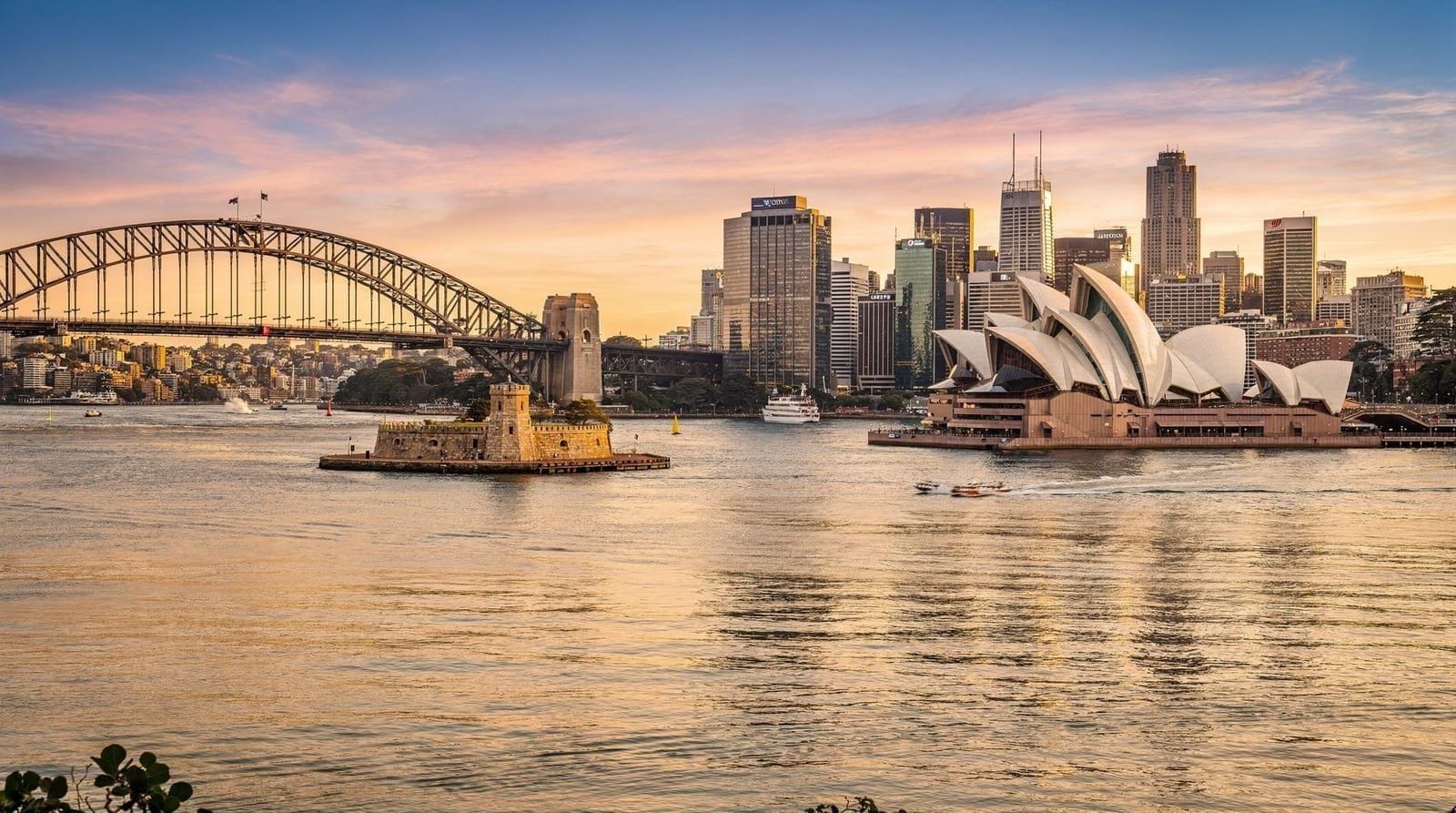
The parts of Sydney worth your time are largely elsewhere. Circular Quay and the Opera House foreshore are genuinely impressive and worth a morning. The Rocks is worth a couple of hours for its history and the weekend markets. But the inner-city neighbourhoods — Surry Hills, Newtown, Paddington, Glebe — are where the city’s actual character lives: the coffee culture, the independent restaurants, the street art, the local bars.
If your itinerary puts you in the CBD for most of each day, you are effectively visiting the city’s least interesting parts while its most interesting parts are a 10-minute bus ride away.
Eating dinner in Darling Harbour
Darling Harbour is a spectacular waterfront precinct that has been comprehensively colonised by tourist-oriented restaurants charging a significant premium for the view. A pasta dish that would cost $22 in Newtown costs $34 with a harbour view. A cocktail that would be $18 in Surry Hills is $28 at a Darling Harbour rooftop.
This is not unique to Sydney — waterfront tourism precincts work this way in most cities. The mistake is treating Darling Harbour as a place to eat rather than as a place to walk by after dinner. The SEA LIFE aquarium, WILD LIFE zoo, and Madame Tussauds on the eastern wharf are decent rainy-day activities if you have children. The Chinese Garden of Friendship is a genuine underrated respite. But the restaurants, with very few exceptions, are overpriced for what they deliver.
Eat in Surry Hills (the city’s strongest restaurant neighbourhood), Newtown (great Vietnamese and Thai, excellent cheap eats), or along Crown Street in Darlinghurst. Then walk to Darling Harbour if you want the view.
If you do want a meal with the harbour as the backdrop, a cruise is a better way to pay for the view than a waterfront table, because the water and the skyline are the point and the food is secondary. Something like a lunch cruise with an à la carte menu puts the Opera House and the Harbour Bridge on your side of the glass instead of across a crowded promenade. Our dinner cruise comparison and the lunch cruise guide explain which style suits which kind of traveller.
Not buying an Opal card on day one
I spent my first Sydney trip buying individual train tickets at station machines, which costs more per journey, requires understanding which ticket to buy each time, and — critically — means you don’t benefit from the daily and weekly fare caps. The daily Opal cap is $19.30 Monday to Thursday and $9.65 Friday to Sunday and public holidays. Once you’ve spent that on fares in a day, every subsequent journey is free. On a busy sightseeing day with four or five journeys, this is a significant saving.
Ferries are included in the Opal cap, which matters because the Manly Ferry from Circular Quay — one of the world’s great ferry rides, passing the Opera House and Harbour Bridge on its way to Manly Beach — costs up to $9.20 single. Do that twice in a day, add a couple of train journeys, and you’re approaching the daily cap without doing anything extraordinary.
The full guide to using the Opal card explains how the caps work. The short version: get one at the airport, add $30–50 to it, and stop thinking about individual fares.
Underestimating travel times
Sydney is a large, sprawling city built around a deep harbour with no central bridge crossing below the Harbour Bridge. This geography means that distances on the map can translate into surprisingly long journey times by public transport.
Getting from Bondi Beach to Manly by public transport involves going back into the city (bus to Bondi Junction or Paddington, train to Circular Quay, ferry to Manly). That round-trip journey — which looks like a short hop on a map — takes around 1.5 to 2 hours each way. Visitors who plan “Bondi in the morning, Manly in the afternoon” discover this problem the hard way.
The Sydney getting-around guide has realistic journey times for the main tourist routes. The key insight: the train network is efficient for north-south CBD trips and for reaching outer destinations like Bondi Junction, Parramatta, and the airport, but the harbour creates an east-west barrier that often means going through the city centre.
For the northern suburbs and beaches, the ferry is usually both the fastest and most enjoyable option. For the eastern suburbs, the bus is often better than it looks on the timetable.
Paying full price for attractions
Sydney’s major tourist attractions — the Sydney Tower Eye, Sea LIFE Aquarium, WILD LIFE zoo, Madame Tussauds — are owned by Merlin Entertainments, and Merlin runs a sophisticated tiered pricing system where paying at the door is always the most expensive option. Online booking is typically cheaper than paying at the door. Combination tickets (two or three attractions on a single pass) save more.
The Sydney iVenture Pass and Sydney Explorer Pass bundle multiple attractions at a discount. Whether these represent genuine value depends on how many attractions you actually use. Run the maths honestly: if you’d pay full price for three Merlin attractions anyway, the bundle saves money. If you’re bundling a third attraction you wouldn’t otherwise visit, you might be paying for something you don’t want just to feel like you’re saving.
The Taronga Zoo ferry-and-entry package is one deal that usually represents genuine value — the ferry from Circular Quay to Mosman, the zoo’s dramatic hillside setting overlooking the harbour, and the return ferry make for a well-structured half-day, and the combined ticket saves time as well as money.
Missing the free stuff
The Art Gallery of NSW has free permanent collection admission and regularly hosts good temporary exhibitions. The Museum of Contemporary Art at Circular Quay has free entry for under 18s and MCA members; see the official MCA website for adult ticket prices. The Royal Botanic Garden is free, spectacularly maintained, and has some of the best views of the Opera House and harbour from ground level.
The Bondi to Coogee walk is free. The Spit Bridge to Manly walk through Sydney Harbour National Park is free. Walking across the Harbour Bridge to the Milsons Point side and back — not the BridgeClimb, just walking on the pedestrian path — costs nothing and gives you views that are close to what a BridgeClimb ticket gets you from the arch.
The free things to do in Sydney guide covers this comprehensively. First-timers who don’t read it before they go tend to spend more than they need to.
Staying in an outer suburb to save money
Accommodation in Sydney’s outer suburbs — Parramatta, Burwood, Liverpool — is significantly cheaper than in the CBD or eastern suburbs. This seems rational. The problem is that you spend more on transport, lose time commuting, and — in a city where proximity to the harbour and beaches is a significant part of the appeal — end up feeling geographically disconnected from the Sydney you came to see.
The CBD, Darlinghurst, Surry Hills, and Bondi itself are the most convenient bases for most first-time visitors. Manly is excellent if you’re happy to build your itinerary around the northern side of the harbour. Each of these areas has a range of accommodation types at different price points.
If budget is the genuine constraint, hostels in Kings Cross, Glebe, and the CBD offer well-located beds at backpacker prices. The where to stay in Sydney guide covers the trade-offs by neighbourhood honestly.
The Opera House exterior vs the tour
The Sydney Opera House is one of the world’s most recognisable buildings, and its exterior — particularly from the water, or from the Mrs Macquaries Chair viewpoint at the end of the Royal Botanic Garden — is genuinely extraordinary. The interior is a different proposition.
The standard guided tour costs $50 AUD booked in advance ($55 on the day) and covers the public foyer areas of the main performance spaces. It is informative but not visually spectacular — the interiors are 1970s institutional in character, not the soaring Jørn Utzon architecture the exterior suggests. The backstage tour at $199 goes further and is more worthwhile if architecture genuinely interests you.
The honest assessment of whether the Opera House tour is worth it suggests that seeing a performance inside the building is a better use of the money for most visitors. A ticket to an evening concert or theatrical performance will cost a similar amount and gives you both the architecture and the function it was built for.
Skipping the ferry
The final and probably most common mistake: treating the Sydney ferry network as a commuter service rather than a tourism asset.
A Manly Ferry trip — 30 minutes from Circular Quay past the Opera House, under the Harbour Bridge, out through the headlands — is one of the best ways to experience Sydney Harbour at the cost of a standard Opal fare. The circular ferry routes to Watsons Bay, Cockatoo Island, and Neutral Bay cover parts of the harbour that you can’t see from land or from tour boats without paying significantly more.
The ferry is not just transport. In Sydney, it is part of the experience. Don’t spend the whole trip on trains.
If you want to get closer to the water than a ferry deck allows, the harbour has more to offer than most first-timers realise. Taking a paddle across the harbour at sunrise shows you the Opera House and the bridge without the daytime crowds, and it is a very different Sydney from the one you see from a train window. For something faster and louder, a jet boat ride from Circular Quay is the opposite end of the scale. Read the harbour kayaking guide and the jet boat guide before choosing, and see the harbour cruises overview if you would rather stay dry and seated.
The mistakes that cost the most, ranked
If you’re triaging which of these to fix first, here’s roughly how much each one costs you in money or time:
| Mistake | Main cost | Fix |
|---|---|---|
| Taxi from the airport | More expensive than the train | Take the airport train, buy Opal at the station |
| No Opal card on day one | Loses daily/weekly fare caps | Buy on arrival, load $30–50 |
| Underestimating cross-harbour travel | 1.5–2 hours lost | Plan Bondi and Manly on separate days |
| Full-price attraction tickets | Overspend on each attraction | Book online in advance |
| Darling Harbour dinners | Roughly 30–50% markup vs Surry Hills | Eat elsewhere, walk through after |
For a fuller cost breakdown across a whole trip, the Sydney trip cost guide and is Sydney expensive in 2026 go into more detail than this list can.
One more question
Is it worth buying a multi-attraction pass like the Sydney Explorer Pass? Only if you’d genuinely visit three or more of the included attractions anyway at full price. If you’re adding attractions just to justify the pass, you’re not actually saving money.