Sydney for first timers — everything you need before you arrive
Sydney: Sunrise kayak Opera House under Harbour Bridge
How many days do you need in Sydney for a first visit?
Five to seven days allows you to cover the essential city highlights (Opera House, Harbour Bridge walk, Bondi, Manly by ferry, The Rocks), one day trip (Blue Mountains is the best single-day option), and some genuine neighbourhood time. Three days is a rush; ten days lets you add Hunter Valley wine and a second day trip.
At a glance
| Where | Sydney, New South Wales, Australia (harbour city, ~80 km metro area) |
| Ideal length | 5–7 days for a first visit; 3 days is a rush |
| Cost (mid-range) | Around AUD 1,500–2,270 per person for 5 days, excluding flights |
| Getting around | Opal card or contactless bank card on train/bus/ferry/light rail |
| Best time | March–May (autumn) or September–October (spring) |
What kind of city Sydney actually is
Sydney is a harbour city before it’s anything else. The visitor experience is defined by water — the Harbour, the beaches, the ferry network, the coastal walks. The attractions that photograph best (Opera House, Harbour Bridge, Bondi) are all at or near the water’s edge. The best cheap meal is often at a harbourside café rather than a rooftop restaurant. The famous NYE fireworks happen over the water.
The CBD itself is modern, functional, and not particularly beautiful. The interesting neighbourhoods — Surry Hills, Newtown, Paddington, Glebe — are a short train or bus ride from the centre. Tourists who don’t leave the Circular Quay/CBD/Darling Harbour triangle end up at the most expensive and least distinctive parts of the city.
For a closer look at individual areas, the Surry Hills, Newtown and Paddington pages are good starting points, while Circular Quay, The Rocks and Sydney Harbour cover the waterfront core. Beach-minded readers can compare Bondi vs Manly and browse the best beaches in Sydney.
Sydney is spread out. The metropolitan area is roughly 80 km north to south. Most of what visitors want to see is within the inner ring (CBD, Eastern Suburbs, Inner West, Lower North Shore), accessible within 30 minutes of the centre by public transport.
What to prioritise — an honest ranking
If your first Sydney visit is five days, the following is what most visitors in retrospect wish they had prioritised:
Tier 1 — Do these:
- Walk the Harbour Bridge pedestrian path (free, excellent views, 20 minutes)
- Circular Quay to The Rocks to Observatory Hill (half day, mostly free)
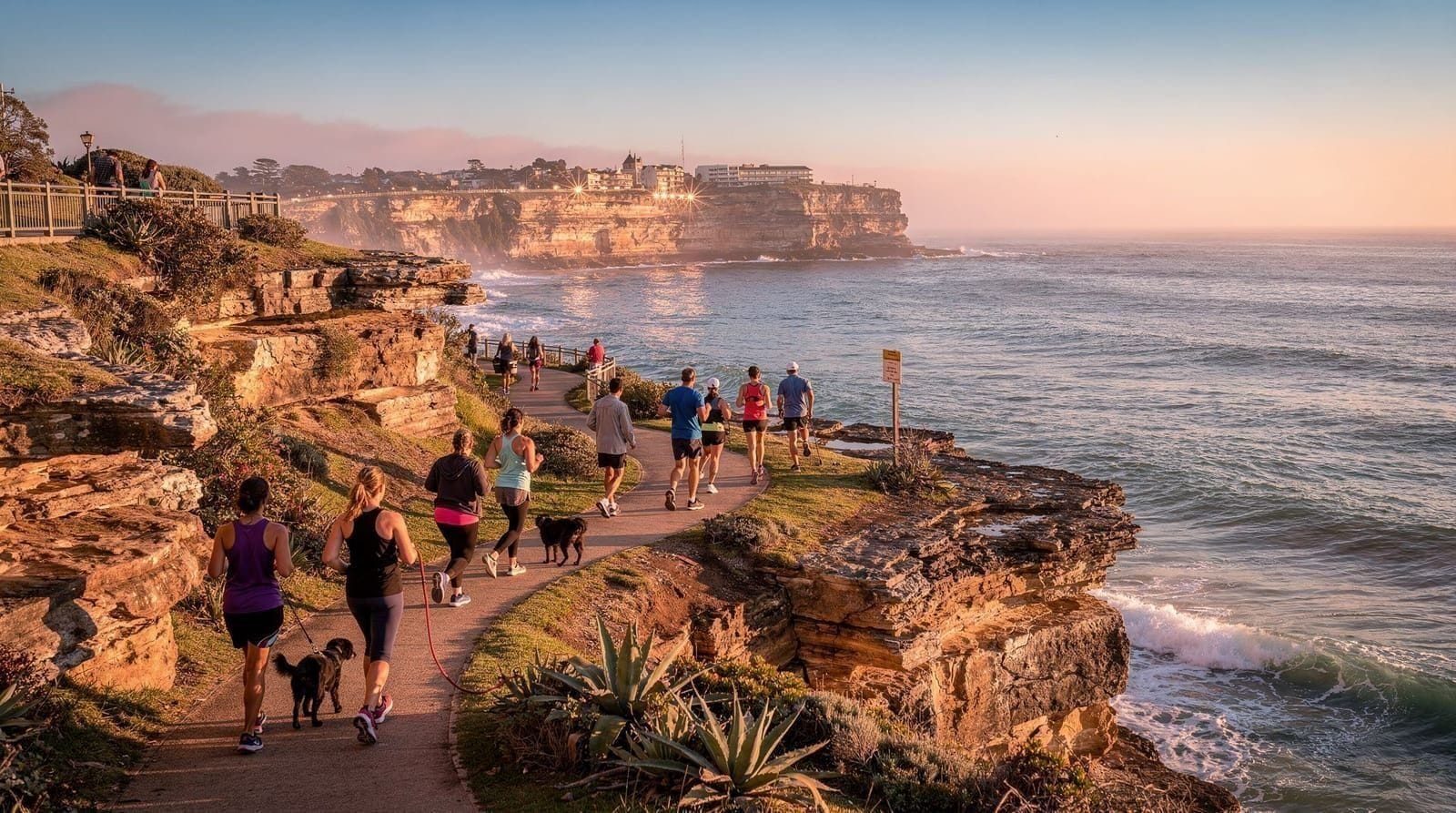
- Bondi to Coogee coastal walk (half day, free except transport)
- Ferry to Manly (Opal fare, includes the scenic harbour crossing)
- Taronga Zoo — worth doing if you have any interest in Australian wildlife (reached by ferry from Circular Quay; see the official Taronga Zoo website for ticket prices)
Tier 2 — Good but not essential on a first visit:
- Sydney Opera House exterior (free) — the interior guided tour is optional, honest assessment below
- Art Gallery of NSW (free permanent collection)
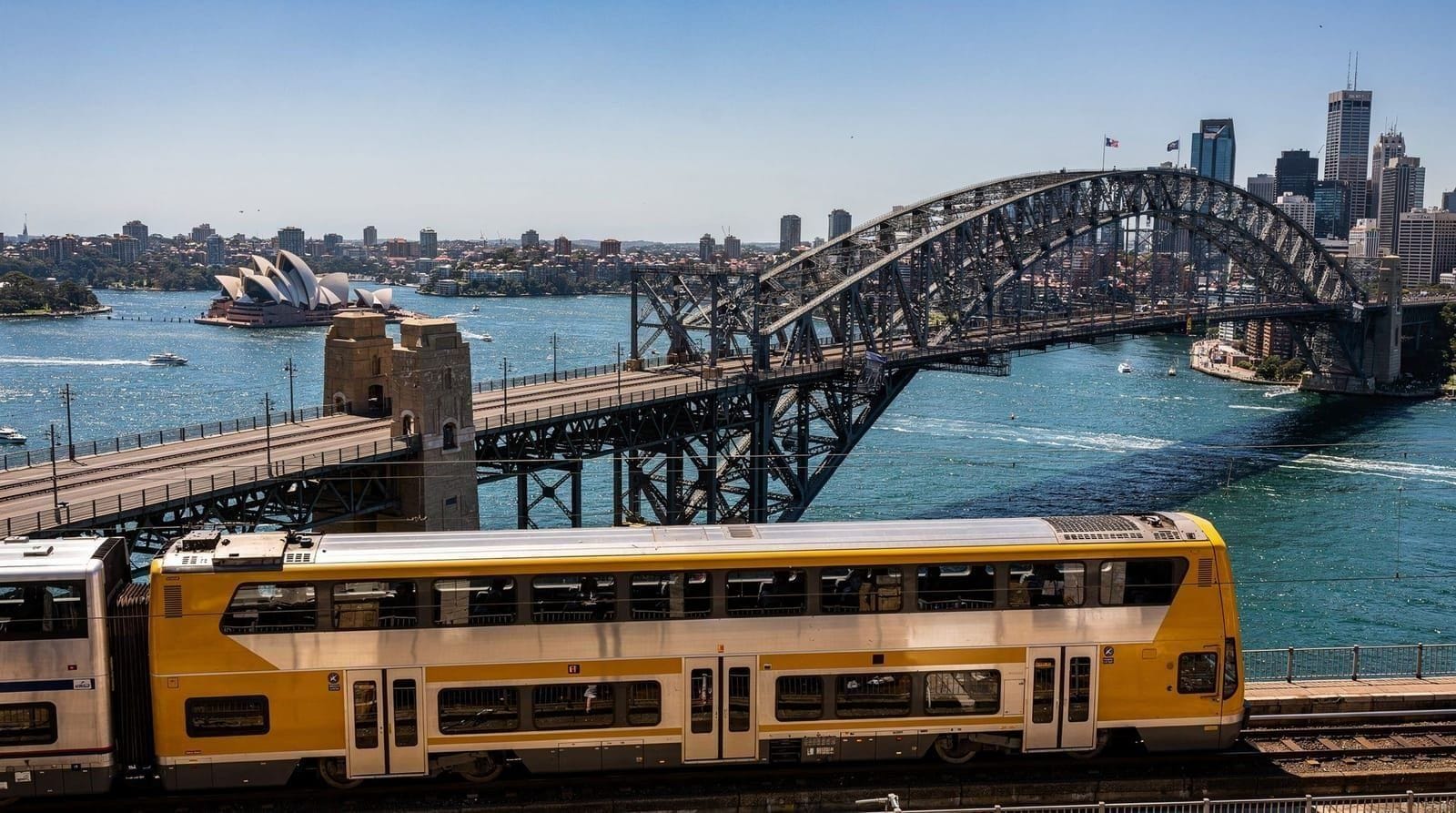
- Blue Mountains day trip (full day, by train on your Opal card)
- The Rocks markets (weekends)
Tier 3 — Worth reconsidering:
- BridgeClimb: spectacular, but the price varies by date and time of day (see the official BridgeClimb website). The free pedestrian bridge walk provides similar views. Do the climb if you’re a confident heights person with flexibility in budget.
- Opera House guided tour (see the official Sydney Opera House website for prices): The standard tour is somewhat perfunctory. The architectural tour (smaller group) is better if the building interests you specifically. See the Opera House guide for honest comparison.
- Sydney Tower Eye observation deck (see the official Sydney Tower Eye website for current prices): Views are good but the building is purely functional. Observatory Hill and the Harbour Bridge walk provide comparable views for free.
Getting onto the water rather than just looking at it
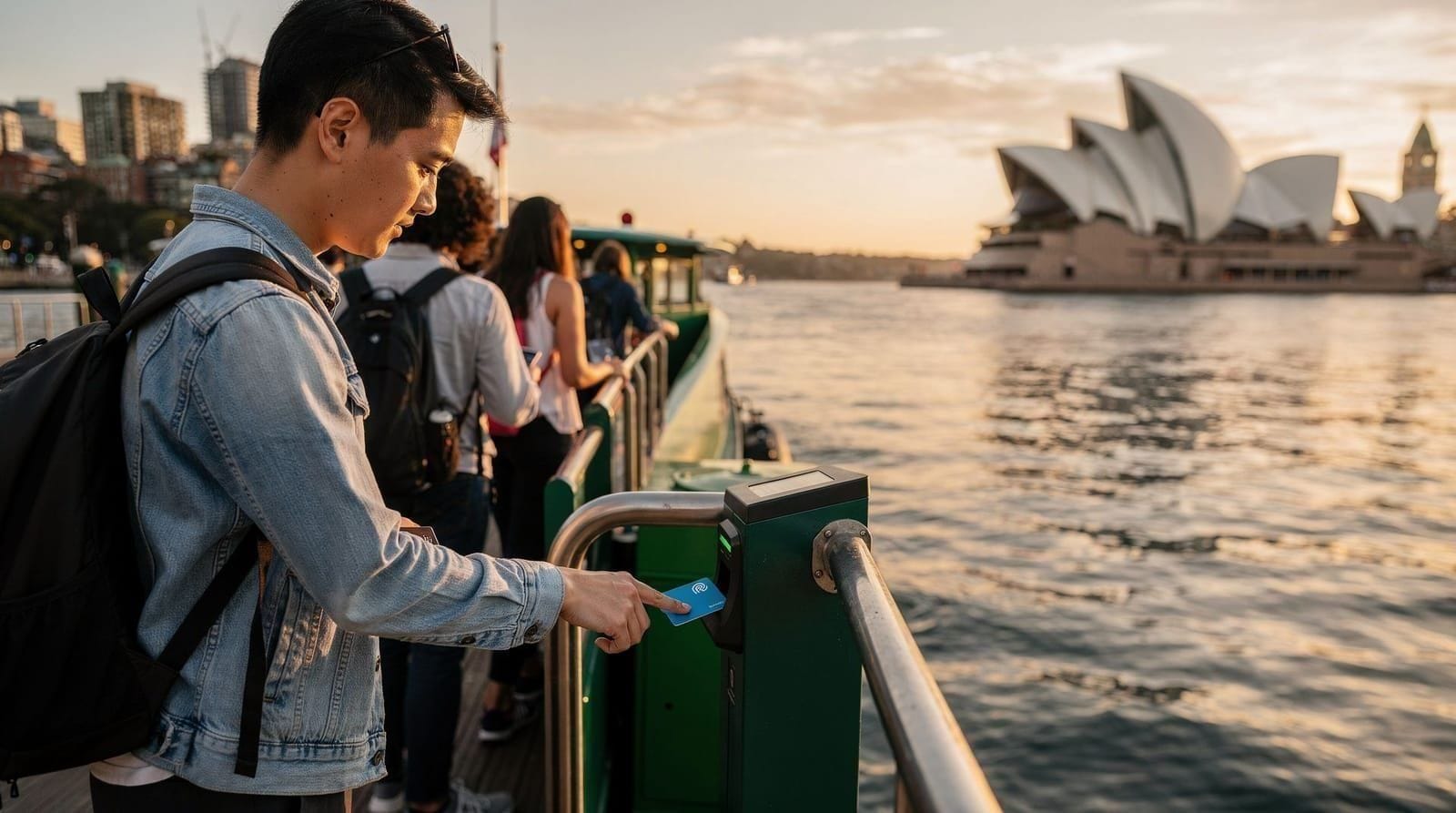
Because the harbour is the heart of the city, a first visit feels more complete if at least one outing puts you on the water. The cheapest version is the public ferry network, covered in the Sydney ferries guide; it needs no booking and shows you the Opera House and the bridge from the angle most postcards use. If you want something more active, paddling is a calm way to see the same skyline — the Sydney Harbour kayaking guide explains what to expect, and a guided kayak trip past the Opera House and Harbour Bridge suits beginners who want a guide to handle the route.
Travellers who prefer speed over stillness can look at the jet boat guide, which compares the options, or at the harbour cruises guide for a slower, seated experience. If you are still deciding between the big-ticket options, the BridgeClimb guide and the BridgeClimb vs Pylon Lookout comparison set out the trade-offs, and for those who do decide to climb, a daytime summit climb of the Harbour Bridge is the version most first-timers book.
Understanding the First Nations story of the place
Sydney sits on the land of the Gadigal people and other Aboriginal nations, and most visitors leave without hearing much about that. It is worth giving this some space in even a short trip. The Sydney Aboriginal heritage guide and the Aboriginal cultural tours guide outline what is available, and The Rocks Dreaming tour pairs well with the Rocks history walk. A guided Aboriginal walking tour with a smoking ceremony is a good way to hear the stories first-hand from the people who tell them, and it fits easily into a half day alongside the Royal Botanic Garden.
Tourist traps — what to skip or approach cautiously
Darling Harbour restaurants: The waterfront restaurants at Darling Harbour typically charge AUD 35–55 for a main course with views of a convention centre and fountains. The food quality does not justify the premium. Use Darling Harbour for the Maritime Museum, SEA LIFE, and WILD LIFE — not for a meal.
Circular Quay waterfront restaurants: Similar situation. Several restaurants on the Quay charge tourist prices for harbour views. The MCA café on Level 4 has better views of the Opera House at roughly half the price.
“Aboriginal art” souvenir shops: The dot-painting prints and mass-produced boomerangs sold in tourist shops throughout the CBD and The Rocks are typically manufactured overseas with no connection to Indigenous communities. The MCA Shop and the Art Gallery shop sell authenticated Indigenous art with clear provenance.
Overpriced dinner cruises: The dinner cruise market on Sydney Harbour is crowded with operators at AUD 100–200 per person. The food quality is consistently mediocre. If you want a harbour dinner experience, a restaurant at the Quay with a harbour view (Watson’s Bay Hotel, the Watsons Bay Boutique Hotel) provides better value.
Taxi from the airport without checking the meter: Always verify the meter is running from departure. Check the Transport for NSW website for current taxi fares from the airport to the CBD.
The practical essentials
Getting there from the airport
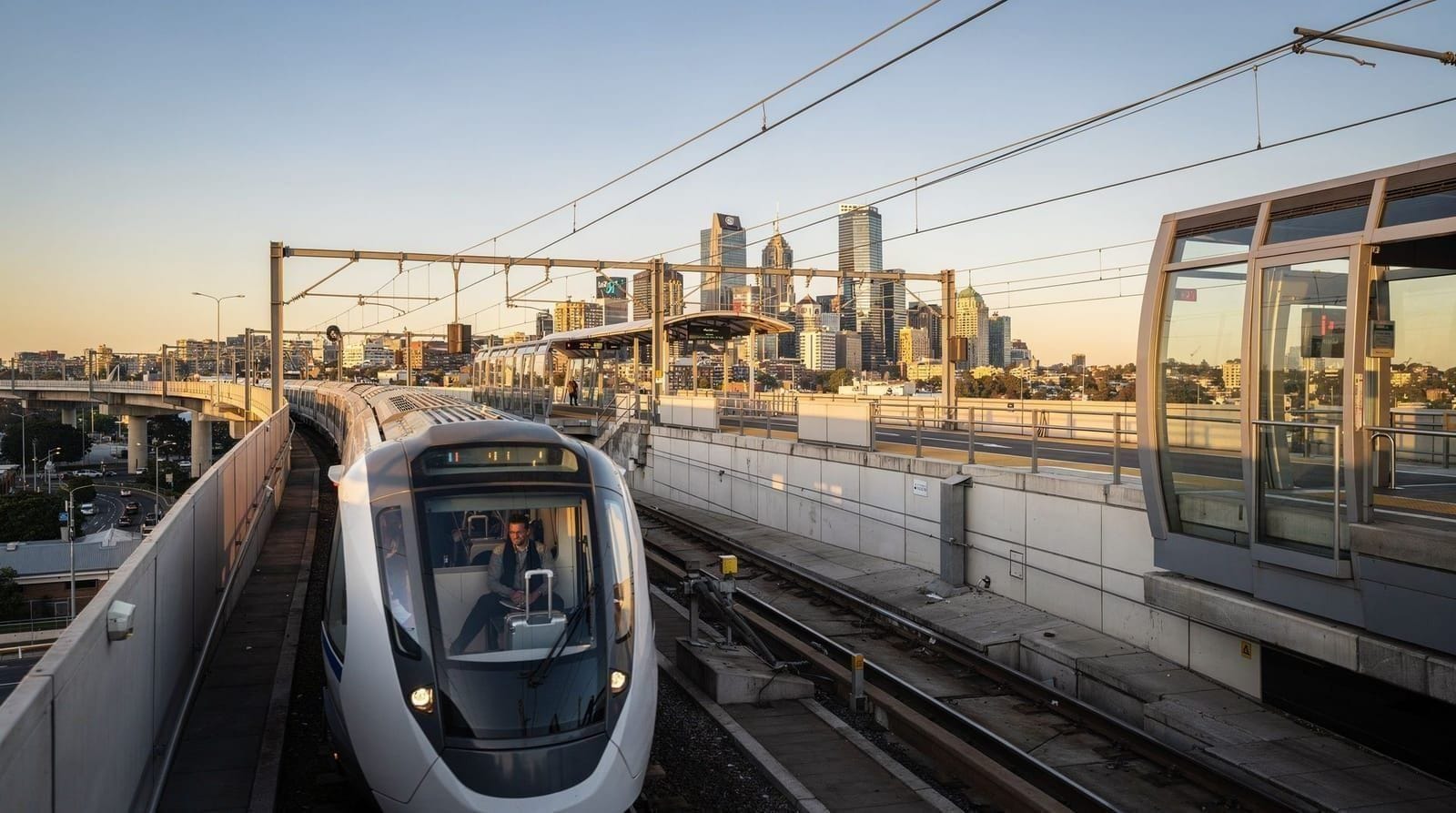
Sydney Kingsford Smith Airport (SYD) is 9 km south of the CBD. The Airport Link train takes 13 minutes to Town Hall station and costs the normal train fare plus an AUD 18.61 station access fee for adults (the airport stations charge this separately). This is the fastest option. Taxis and rideshares are slower due to traffic but door-to-door. See the Sydney Airport to CBD guide for a full comparison.
The Opal card system
Sydney’s public transport runs on the Opal card system — a single smart card for trains, buses, ferries, and light rail. Buy one at the airport station, any train station, or 7-Eleven stores (free card, minimum AUD 10 load). Contactless bank cards also work on all modes — tap on, tap off, same fare caps apply. No need to buy a dedicated Opal card if your bank card has contactless.
Daily cap: AUD 19.30 Mon–Thu, AUD 9.65 Fri–Sun (all travel free after reaching the cap). Weekly cap: AUD 50. This means Friday through Sunday is significantly cheaper for transport. See the Opal card guide for complete fare tables and how to avoid overcharging.
Where to stay
The inner city (CBD, Surry Hills, Darlinghurst) is the most convenient base. Surry Hills and Darlinghurst give access to better restaurants and cafés than the pure CBD hotel strip at similar prices. Circular Quay-adjacent hotels are convenient but among the most expensive.
Budget: The Bounce Sydney (Surry Hills, hostel), YHA Sydney Harbour (The Rocks, excellent location). Mid-range: The Paramount Hotel House (Surry Hills), Adina Apartment Hotel Central Sydney. The where to stay in Sydney guide covers neighbourhoods and specific properties in detail.
Visa requirements
Citizens of France, Germany, Spain, Italy, Portugal, Netherlands, and Poland use the eVisitor (subclass 651) visa — free, applied for online via the Australian Department of Home Affairs website. Processing is usually same-day. US citizens use the ETA (subclass 601), costing approximately AUD 20.
A practical 5-day itinerary for first timers
Day 1: Arrive, Opal card, check in. Circular Quay, MCA (free), Opera House exterior walk, Harbour Bridge pedestrian crossing (free), The Rocks for dinner.
Day 2: Bondi to Coogee coastal walk (bus to Bondi, 2.5 hours walking, bus back to CBD). Afternoon: Art Gallery of NSW (free). Surry Hills for dinner.
Day 3: Ferry to Manly (30 min each way). Morning at the beach and Manly Scenic Walkway section. Afternoon: Royal Botanic Garden and Mrs Macquaries Chair harbour view. Vivid walk if visiting May–June.
Day 4: Blue Mountains day trip. Train from Central to Katoomba (2 hours), Echo Point for the Three Sisters, a valley trail, Scenic World railway, train back. See the Blue Mountains day trip guide.
Day 5: Taronga Zoo (ferry from Circular Quay; see the official Taronga Zoo website for ticket prices). Half day at the zoo, afternoon: Newtown for neighbourhood exploration and dinner.
Budget summary for a 5-day first visit
| Category | Budget | Mid-Range |
|---|---|---|
| Accommodation (5 nights) | AUD 200–300 | AUD 900–1,400 |
| Transport (Opal card, 5 days) | AUD 50–70 | AUD 50–70 |
| Food and drink | AUD 200–300 | AUD 400–600 |
| Paid attractions (Opera House, Zoo, Blue Mountains) | AUD 100–130 | AUD 150–200 |
| Total per person | AUD 550–800 | AUD 1,500–2,270 |
These figures assume solo travel at mid-city accommodation. Two people sharing a mid-range hotel room reduces per-person accommodation cost significantly.
The Sydney trip cost guide breaks this down in greater detail with specific venue examples.
Frequently asked questions about visiting Sydney for the first time
See the FAQ section at the top of this guide for answers to the most common first-timer questions: best time to visit, daily budget, advance booking, airport transfer, safety, Opal card, best day trip, and taxi reliability.
What is the best time of year to visit Sydney for a first trip?
March to May (autumn) is the sweet spot — temperatures of 20–25°C, lower accommodation prices than the December–February summer peak, and fewer crowds at popular sites. September to October (spring, with jacaranda blooms) is a close second. Avoid January if possible — 40°C heatwaves are possible and accommodation is at its most expensive.
How much does a week in Sydney cost per person in 2026?
Budget travellers (hostel, self-catering, free attractions) can manage on AUD 115–150 per day. Mid-range (3-star hotel, restaurants for lunch and dinner, paid attractions) runs AUD 180–250 per day. A week’s accommodation alone in a central 3-star hotel costs AUD 900–1500 per person sharing. Budget around AUD 1500–2000 per person for a week at mid-range level, excluding flights.
Do I need to book Sydney attractions in advance?
BridgeClimb, whale watching tours, and the Royal Botanic Garden Aboriginal Heritage Tour should be booked at least a few days ahead. The Opera House guided tour sells out on weekends. For Taronga Zoo, SEA LIFE, and most museums, same-day booking is usually possible but online booking is often cheaper than door pricing. Restaurants in popular suburbs (Surry Hills, Newtown) benefit from a reservation at dinner.
How do I get from Sydney Airport to the city centre?
Airport Link train is the fastest option — 13 minutes to Central or Town Hall station, costing the normal train fare plus an AUD 18.61 station access fee one-way for adults (the access fee is not included in the Opal daily or weekly caps). For current taxi fares from the airport, check the Transport for NSW website. Rideshares (Uber, Ola) are broadly similar. The bus (routes 350, 420) is slower but cheaper — useful if budget is tight.
Is Sydney safe for tourists in 2026?
Sydney is consistently ranked among the world’s safest cities for tourists. The main hazards are environmental rather than criminal — UV radiation requires SPF 30+ sunscreen (Australia’s UV index is significantly higher than Europe), rip currents at ocean beaches require swimming between the red and yellow flags, and bushfire smoke occasionally affects air quality in summer. Petty theft at beaches (bags left unattended) occurs occasionally; don’t leave valuables visible.
What is an Opal card and do I need one?
The Opal card is Sydney’s public transport smart card (train, bus, ferry, light rail). Load it at the airport, train stations, or convenience stores. Alternatively, contactless credit and debit cards (Visa, Mastercard) work on all modes with the same fare caps — no card purchase required. The daily cap is AUD 19.30 Mon–Thu and AUD 9.65 Fri–Sun, meaning unlimited travel within those amounts. A week’s transport for a tourist covering the city well typically costs AUD 60–80 total.
Which Sydney day trip is best for a first visit?
The Blue Mountains (104 km west) is the most accessible and scenic day trip — dramatic cliffs, eucalyptus forests, the Three Sisters rock formation at Katoomba, and a spectacular scenic railway. Travel time is approximately 2 hours by train or 1.5 hours by car. Hunter Valley wine is better for adults with a strong food and wine interest. Port Stephens (dolphins, sand dunes) is less visited and genuinely different. See the Blue Mountains day trip guide for specifics.
Are taxis and rideshares reliable in Sydney?
Uber and Ola operate throughout Sydney and are generally more reliable and slightly cheaper than traditional taxis. Traditional taxis are metered; ensure the meter is running from departure. Never accept an unmetered fare offer from someone approaching you in the arrivals hall.
What makes Sydney different from Melbourne or other Australian cities
Sydney is more expensive than Melbourne, more physically beautiful (the harbour), and less culturally intensive (fewer galleries, less live music, a less developed food scene in the inner city — though Surry Hills gives Melbourne real competition). Melbourne is flatter, more grid-organised, and easier to navigate on foot. Sydney rewards time spent on and near the water; Melbourne rewards time spent in neighbourhoods.
For international visitors choosing between the two: Sydney has the natural setting and the single most recognisable landmarks. Melbourne has the food, the coffee culture, and the tram network. Both are worth a visit on a longer Australian trip. If you have only one, Sydney is the more visually striking.
See the Sydney vs Melbourne guide for a detailed comparison if this decision is relevant to your planning.
Once the basics are settled, a few companion pages help with timing and shape. The best time to visit Sydney page goes season by season, and the Sydney travel tips and Sydney safety guide cover the small habits that save money and stress. For ready-made routes, the 3-day first-time itinerary and the 5-day essentials itinerary turn the advice above into a day-by-day plan, and the Sydney tourist traps guide expands on the section above. If you are also planning an outing beyond the city, the best day trips from Sydney page is the place to start, and the blog post on first-time Sydney mistakes is a candid companion read.
Packing and practical prep first-timers underestimate
Sydney’s UV index is markedly higher than most of Europe or North America year-round, not just in summer — SPF 30+ (ideally 50+) and a hat are not optional extras, they’re daily necessities even on overcast days. A reusable water bottle is useful; tap water is safe everywhere and free refill stations exist at most parks and beaches.
Power sockets are the Australian/NZ type (three flat pins) — bring an adapter, not a voltage converter (Australia runs 230V, same as UK/EU). Phone SIMs are cheap and widely available at the airport and in the CBD (Optus, Telstra, Vodafone all have good coverage); an eSIM bought before arrival avoids the queue.
Layer for temperature swings — even in summer, evenings by the water can be 8–10°C cooler once the sea breeze picks up, and winter days (June–August) are mild by day (16–18°C) but genuinely cold after dark. See the Sydney packing guide for a full list by season.
Matching the trip to who you’re travelling with
A solo first-timer can move fast and lean into hostel stays in Surry Hills or The Rocks — see the solo travel Sydney guide for safety-specific notes and where solo travellers naturally socialise.
Travelling with kids changes the itinerary significantly: Taronga Zoo and the Royal Botanic Garden work well, but the Blue Mountains day trip and long coastal walks need to be shortened or skipped. The Sydney with kids guide covers age-appropriate pacing and which Tier 1 attractions above hold up with children in tow.
If budget is the primary constraint rather than time, the Sydney on a budget guide goes deeper than the summary table below, including which free attractions genuinely substitute for paid ones.