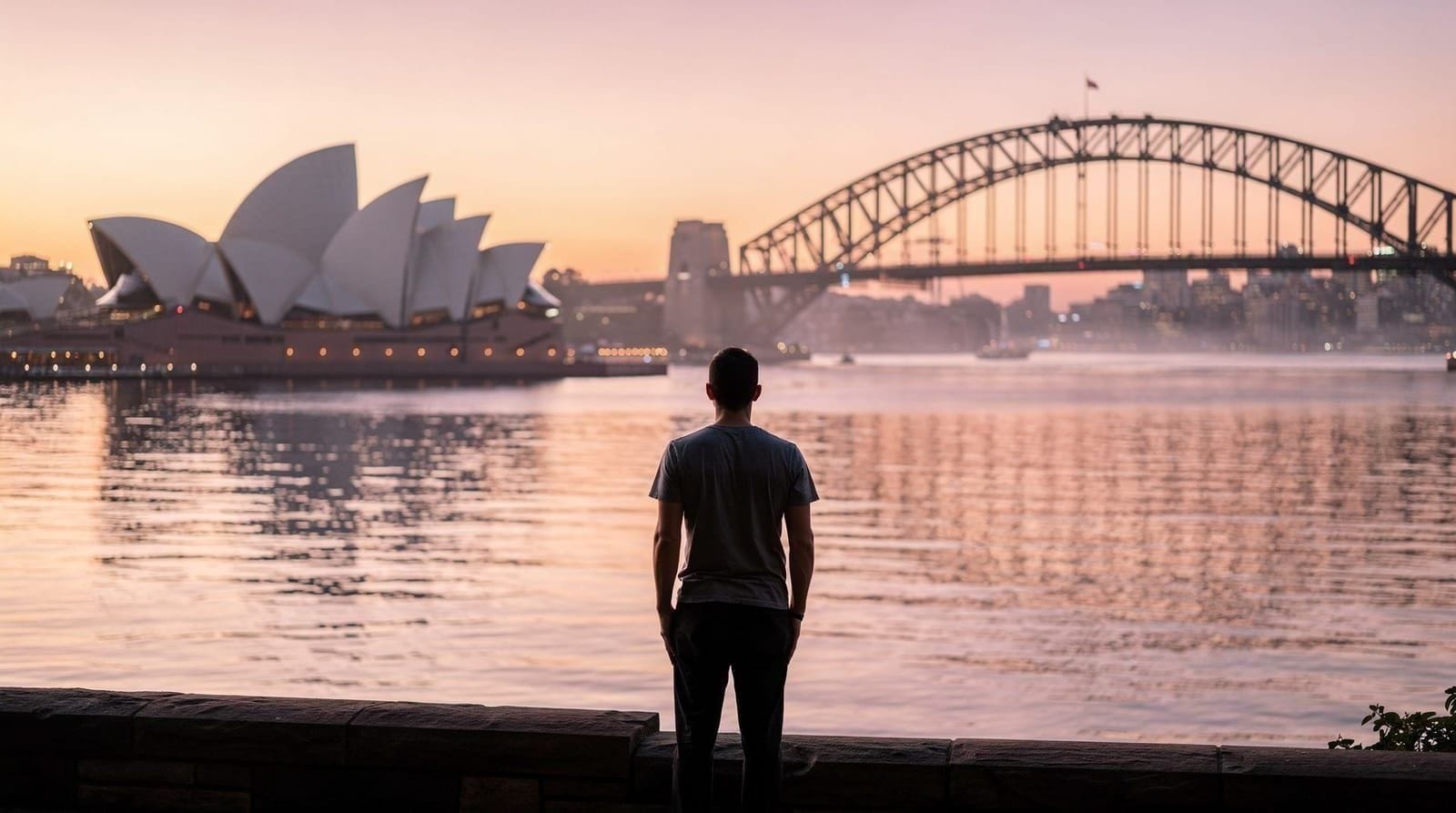
Darling Harbour
Honest guide to Darling Harbour — SEA LIFE Aquarium, WILD LIFE Sydney Zoo, Madame Tussauds, and what to skip. Family-friendly but budget-aware advice
Sydney: SEA LIFE Sydney aquarium entry ticket
Quick facts
- Best for
- Families, SEA LIFE Aquarium, WILD LIFE Zoo, Maritime Museum, jet boat rides
- Time needed
- Half day (1 attraction) to full day (2–3 attractions)
- Getting there
- Light rail from George Street (Town Hall stop), 5 min walk. Or walk from CBD (15 min)
- Avoid
- Restaurants on the waterfront strip — overpriced and mediocre
- Save money
- Buy combo passes online, visit attractions separately in off-peak hours
- Jet boat departs from
- King Street Wharf, Darling Harbour (30-minute rides from AUD 55)
What Darling Harbour actually is
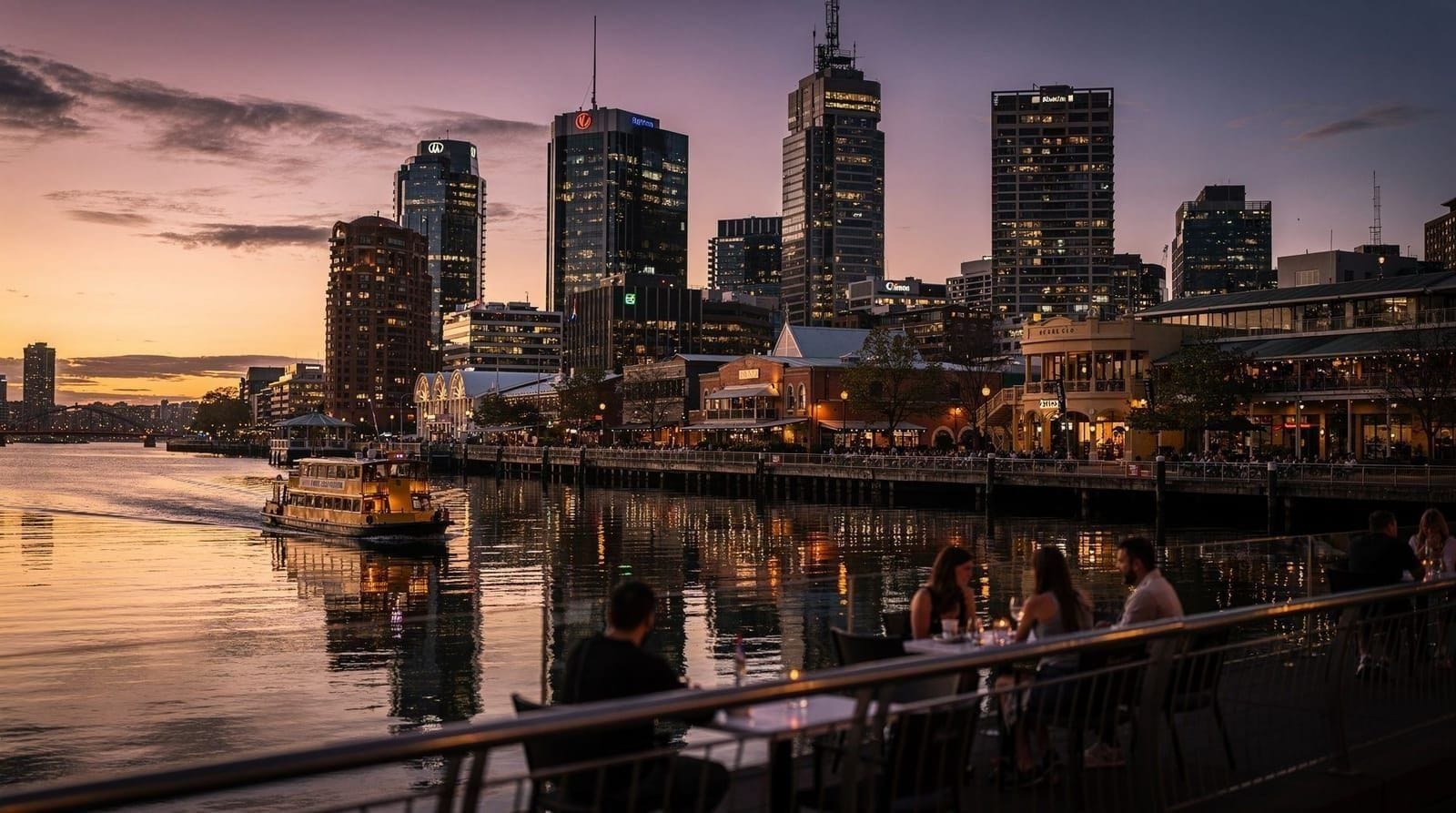
Darling Harbour sits on the western edge of Sydney’s CBD, roughly a 15-minute walk from Town Hall through Tumbalong Park. It was a working industrial harbour until the 1980s, when it was cleared and redeveloped as a tourist and convention precinct for the 1988 Australian Bicentennial. What replaced the working wharves was a large commercial entertainment zone: several major ticketed attractions, a convention centre, hotels, restaurants, and a waterfront promenade.
| At a glance | |
|---|---|
| Where | Western edge of the CBD, around a 15-minute walk from Town Hall |
| Cost | Waterfront and Tumbalong Park free; individual attractions roughly A$32-A$42, combo passes available |
| Time needed | Half day for one attraction, a full day for two or three |
| Getting there | Light rail from Town Hall to Convention, or walk from the CBD |
| Best time | Weekday mornings outside school holidays for the shortest queues |
It is worth being honest about what Darling Harbour is before you spend money there. The precinct is Sydney’s most deliberately tourist-facing zone — a concentrated collection of paid attractions, chain restaurants, and souvenir shops arranged around an artificial decorative harbour. This is not necessarily a criticism. The attractions themselves (SEA LIFE, WILD LIFE, the Maritime Museum) are genuine and well-run. The problem is the infrastructure around them: the restaurants are uniformly overpriced, the shopping is generic, and the jet ski rental and harbour cruise operations that tout on the waterfront are a reminder that you are in a place optimised for extracting money from visitors.
The practical conclusion: go to Darling Harbour for the specific attractions you want to see, and then go somewhere else to eat. If you want the wider picture of where visitors tend to overspend, the Sydney tourist traps guide puts this precinct in context, and the dedicated Darling Harbour overrated piece goes deeper into the criticism.
The attractions worth paying for
SEA LIFE Sydney Aquarium is the precinct’s best attraction, particularly for visitors with children. The collection is serious — sharks, rays, dugongs, penguins, and a large jellyfish display that is genuinely unsettling and beautiful in equal measure. The Sydney Harbour tank replicates the actual species mix of the surrounding harbour. Standard entry is around AUD 42 online (significantly more at the door — always book online). The aquarium is most enjoyable on weekday mornings before the school groups arrive.
SEA LIFE Sydney Aquarium entry ticket — buy online and save up to 30% versus the door price.
WILD LIFE Sydney Zoo is immediately adjacent to SEA LIFE and covers Australian land fauna: kangaroos, koalas, wombats, echidnas, and a range of reptiles and birds. The koala encounter breakfast (AUD 75–90, early morning, limited spaces) allows close-range photography. The zoo is smaller than Taronga Zoo and less impressive as a zoological experience — Taronga has a far larger collection and the harbour views are extraordinary — but WILD LIFE is worth considering if you are already in Darling Harbour and have children who want to see koalas without the 30-minute ferry trip to Mosman.
WILD LIFE Sydney Zoo with optional koala breakfastAustralian National Maritime Museum (at the Pyrmont bridge end of the precinct) is Sydney’s best museum that most visitors overlook. The outdoor collection includes a Destroyer (HMAS Vampire), a submarine (HMAS Ovens), and a replica of James Cook’s Endeavour. You can walk through the submarine, which is an unexpectedly claustrophobic and interesting experience. The indoor collection covers Australia’s relationship with the sea — from Aboriginal maritime culture through the First Fleet to the current Royal Australian Navy. Entry is AUD 32 all-inclusive. Avoid the add-on behind-the-scenes tours unless you are specifically a maritime enthusiast.
Jet boat rides depart from King Street Wharf at the northern end of Darling Harbour. The 30-minute rides are genuinely exciting — high-speed acceleration, 360-degree spins, stops in front of the Opera House and Harbour Bridge. It is not a subtle experience, but it is distinctive and the views from the water are spectacular. At around AUD 55–65 per person, it is not cheap, but it delivers something you cannot replicate on a regular harbour cruise.
30-minute jet boat ride from Darling HarbourMadame Tussauds is less compelling than the other attractions. Wax figures of Australian celebrities, international entertainers, and sports stars in a controlled environment — the execution is competent but the experience is passive. If you have children who are genuinely excited about celebrity encounters, the combo ticket (Tussauds plus one or two other attractions) reduces the per-attraction cost significantly.
The combo pass question
Merlin Entertainments operates SEA LIFE, WILD LIFE, and Madame Tussauds, plus Sydney Tower Eye and the Dungeon. They sell various combo passes that combine two, three, or four of these attractions at a discount versus individual entry.
The value proposition depends on which attractions you actually want to see. SEA LIFE plus WILD LIFE is a logical combination for families and the combo saves roughly AUD 15–20 per person. Adding Sydney Tower Eye makes sense if you want a panoramic city view and haven’t already paid separately for the Tower. The Dungeon is the weakest of the group — a theatrical haunted walk-through that is competent but not exceptional.
The explorer pass sold by iVenture covers a wider range of Sydney attractions including non-Merlin venues. It is worth calculating whether the savings justify the bundling if you are visiting for more than two days.
Where to eat (and where not to)
Darling Harbour’s waterfront restaurant strip is the most straightforward tourist trap in Sydney. The restaurants along Cockle Bay Wharf and Harbourside Shopping Centre are almost uniformly mediocre for their prices — expect AUD 35–55 for a main course in venues that exist primarily for their water views. The food is not terrible but it is not competitive with Sydney’s restaurant suburbs.
Better options:
Chinatown is a 10-minute walk south along Darling Drive. Dixon Street, Harbour Street, and the side streets around it have genuine restaurants at genuinely different prices — AUD 15–25 for a main course at most places, with dim sum options on weekend mornings.
Barangaroo is a 10-minute walk north along the waterfront. The restaurant strip here is still expensive but the food quality is markedly higher than the Darling Harbour waterfront. Our Barangaroo guide covers what is worth stopping for, and cheap eats in Sydney lists budget-friendly alternatives if the bill matters more than the view.
The Fish Market at Pyrmont is a 15-minute walk south and west. Sydney Fish Market is one of the largest in the southern hemisphere and sells fresh seafood at wholesale prices alongside cooked options at the retail stalls. A fish and chips lunch at the Fish Market (AUD 18–25) is substantially better than the equivalent at Darling Harbour.
Vivid Sydney and events
During Vivid Sydney (late May to mid-June), Darling Harbour becomes one of the festival’s best precincts. The light installations on the waterfront buildings and across Tumbalong Park are free, well-produced, and accessible without the harbour cruise fees that the festival’s nautical events charge. The precinct is crowded on Vivid evenings, but the installations are genuinely impressive — Sydney’s most photogenic evening experience outside of NYE.
The International Convention Centre (ICC Sydney) brings event crowds into the precinct year-round. If you are arriving during a major conference or convention, expect queues at restaurants and limited taxi availability.
Chinese Garden of Friendship
The Chinese Garden of Friendship at the southern end of Darling Harbour was gifted to Sydney by its sister city Guangzhou in 1988 for the Australian Bicentennial. Entry is AUD 6 — the only paid attraction in the precinct that consistently delivers value for its price. The garden is a genuine example of classical Chinese garden design: a winding path system revealing different pavilions, water features, and rock arrangements across a relatively small but effectively designed space. It provides 20–30 minutes of quiet in a precinct that otherwise has very little.
The tea house inside the garden serves Chinese teas at AUD 8–15 per pot. On a hot summer afternoon, the shade and the water features make this a genuinely useful rest stop.
IMAX Theatre
The Darling Harbour IMAX Theatre on Wheat Road is one of the largest cinema screens in Australia. It shows a combination of Hollywood blockbusters in IMAX format and documentaries specifically produced for the giant screen format. Tickets run AUD 30–38 for standard IMAX sessions. The experience of watching a purpose-built IMAX film (particularly nature documentaries) on a properly scaled IMAX screen is genuinely different from a standard cinema, though the films vary in quality.
If you have children who are interested in science or nature, the IMAX documentary program is worth checking — the content, shot specifically for the format, tends toward topics like ocean life, space exploration, and wildlife that translate particularly well to the large format.
Darling Harbour for events
The International Convention Centre Sydney (ICC Sydney) at the southern end of Darling Harbour is one of Australia’s largest event venues. When a major conference, exhibition, or consumer event is running at the ICC, the entire precinct becomes significantly busier — taxi supply drops, restaurants fill earlier, and queues at the attractions extend. Checking the ICC program before your visit is worth doing if you are planning to visit Darling Harbour on a weekday, when convention traffic can be substantial.
The Harbourside Shopping Centre on the western edge of the precinct is a largely unremarkable mid-market shopping centre with one useful feature: a food court on the upper level that provides cheaper eating options than the waterfront restaurants below.
Pyrmont Bridge and the Fish Market connection
The Pyrmont Bridge is a heritage lift-span bridge built in 1902, connecting Darling Harbour to the Pyrmont peninsula. It is the world’s oldest electrically operated swing-span bridge and is still opened periodically for tall vessels to pass through (you can check the schedule and potentially watch the opening if timing works). Walking across the bridge gives you a midpoint view over both sides of Darling Harbour.
Sydney Fish Market is a 15-minute walk south from the Darling Harbour precinct through Pyrmont. The market handles approximately 52 tonnes of seafood per day through its Dutch clock auction system, and the retail section sells fresh fish, cooked seafood, and sushi at wholesale-adjacent prices. A bag of prawns, a piece of fresh grilled fish, or a plate of oysters at the Fish Market costs AUD 15–30 — substantially less than the equivalent at Darling Harbour’s waterfront restaurants, with better quality in most categories.
Practical information
Darling Harbour is accessible from the CBD by a 15-minute walk from Town Hall (follow the signs through Chinatown and Tumbalong Park) or by light rail (Town Hall to Convention stop). The Pyrmont Bridge pedestrian walkway connects the precinct to Pyrmont and the Fish Market. King Street Wharf has ferry connections to some harbour destinations.
Parking is available in several multi-storey car parks within the precinct, typically at AUD 25–45 per day. Public transport is a better option for most visitors — the light rail and walking distance from the CBD mean a car is rarely justified.
For a family Sydney itinerary, Darling Harbour typically occupies a full day: SEA LIFE in the morning, lunch at the Fish Market, WILD LIFE in the afternoon. If you are working through the broader Sydney attractions guide, allocate accordingly.
If you are still deciding how many days the city deserves, how many days in Sydney helps you decide whether a full Darling Harbour day fits. The Opal card guide explains how to pay for the light rail without fumbling for tickets, and getting around Sydney covers the other ways to link the precinct with the rest of the city.
Travelling with very young children changes the day: Sydney with kids and the rainy day guide for kids are useful companions, because the indoor attractions here make Darling Harbour a solid wet-weather fallback.
Frequently asked questions about Darling Harbour
Is Darling Harbour overrated?
The precinct itself is overrated as a general destination — it is a commercial entertainment zone and not a neighbourhood with authentic local character. The specific attractions within it (SEA LIFE, the Maritime Museum, the jet boat rides) are genuinely good. The honest assessment is: go for the attractions, not the ambiance, and eat elsewhere.
What is the cheapest way to visit Darling Harbour attractions?
Buy tickets online at least 24 hours before you visit — discounts of 20–30% are standard versus door prices. Consider the combo pass if you plan to visit two or more Merlin attractions. Visit on weekday mornings outside school holidays for shorter queues. The Maritime Museum’s outdoor ship collection is partially accessible without the full ticket price.
How do I get to Darling Harbour from the CBD?
Walk from Town Hall (15 minutes through Darling Quarter), take the light rail from Town Hall to Convention, or walk from Central Station (20 minutes). There is no direct ferry service into the main Darling Harbour precinct, but King Street Wharf has some services.
Can I see Darling Harbour for free?
Yes, partially. The waterfront promenade, Tumbalong Park, the IMAX Theatre exterior, and the Chinese Garden of Friendship (small entry fee AUD 6) are all accessible without paying attraction entry fees. During Vivid Sydney, the light installations in the precinct are free and are among the festival’s better installations.
How Darling Harbour compares to other attraction-heavy precincts
If your priority is genuinely free things to do, Darling Harbour is not the best use of a limited day — the free things to do in Sydney guide points to better options like the Royal Botanic Garden or the Bondi-to-Coogee walk. If your priority is ticketed family attractions concentrated in one walkable area, Darling Harbour is hard to beat: SEA LIFE, WILD LIFE, Madame Tussauds, and the Maritime Museum are all within a 10-minute walk of each other, which is not true of Taronga Zoo or the Aquarium alternatives elsewhere in the city. For a wildlife-specific comparison, see Taronga vs Featherdale before committing to WILD LIFE Sydney Zoo here.
Top experiences
Bookable activities with verified prices and instant confirmation on GetYourGuide.
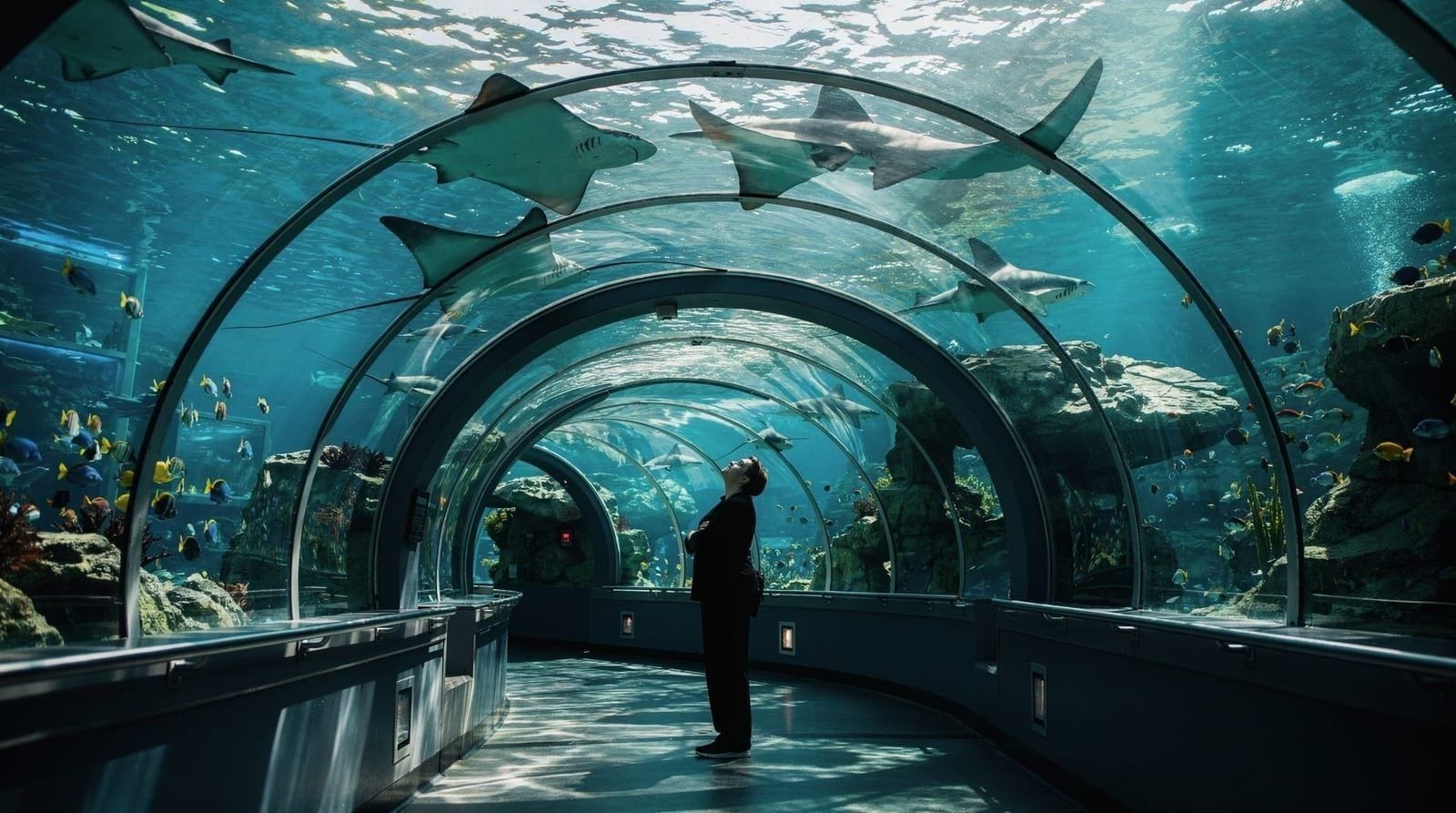
Sydney: SEA LIFE Sydney aquarium entry ticket
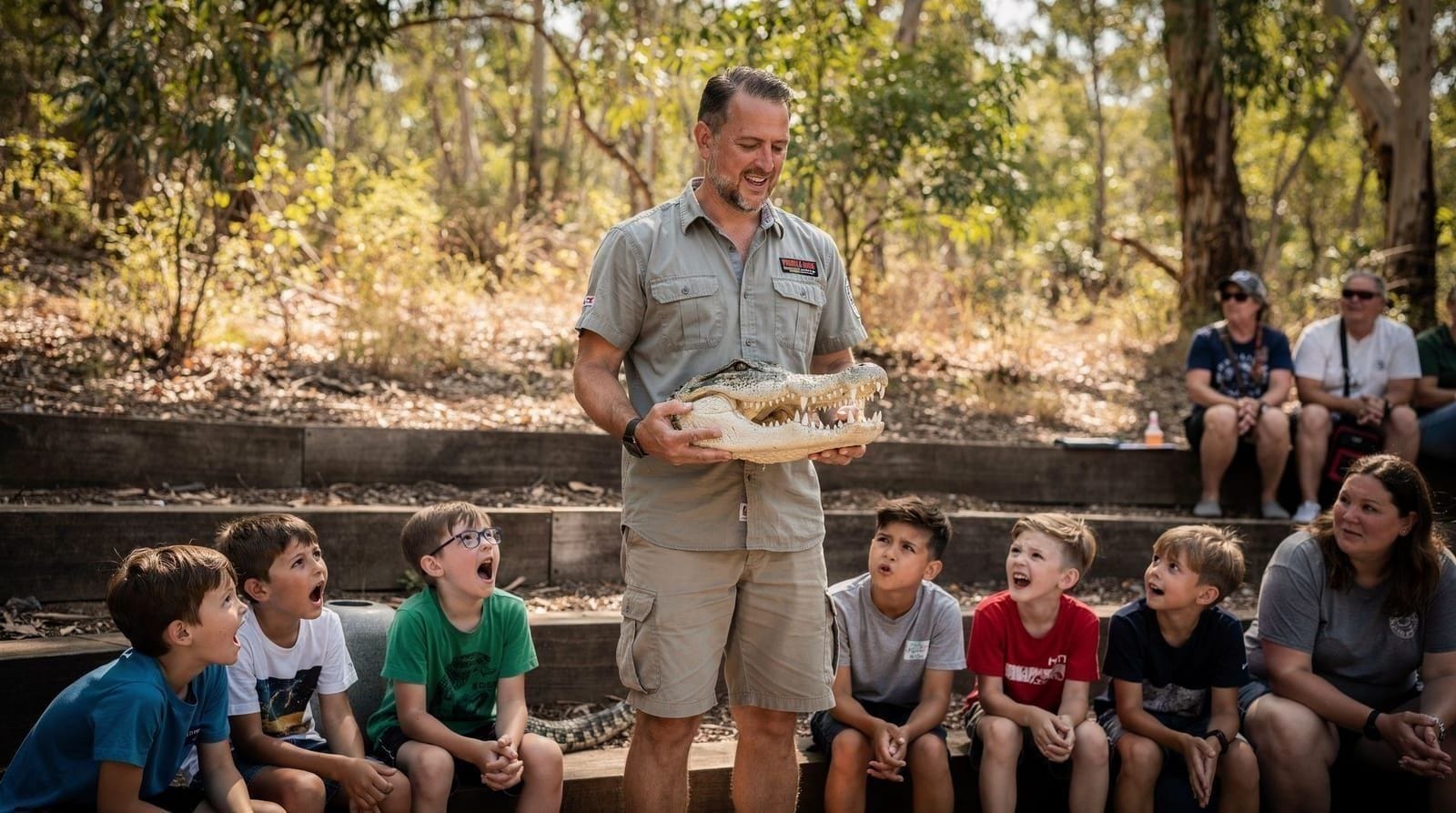
Sydney: Wild life Sydney optional breakfast with the koalas
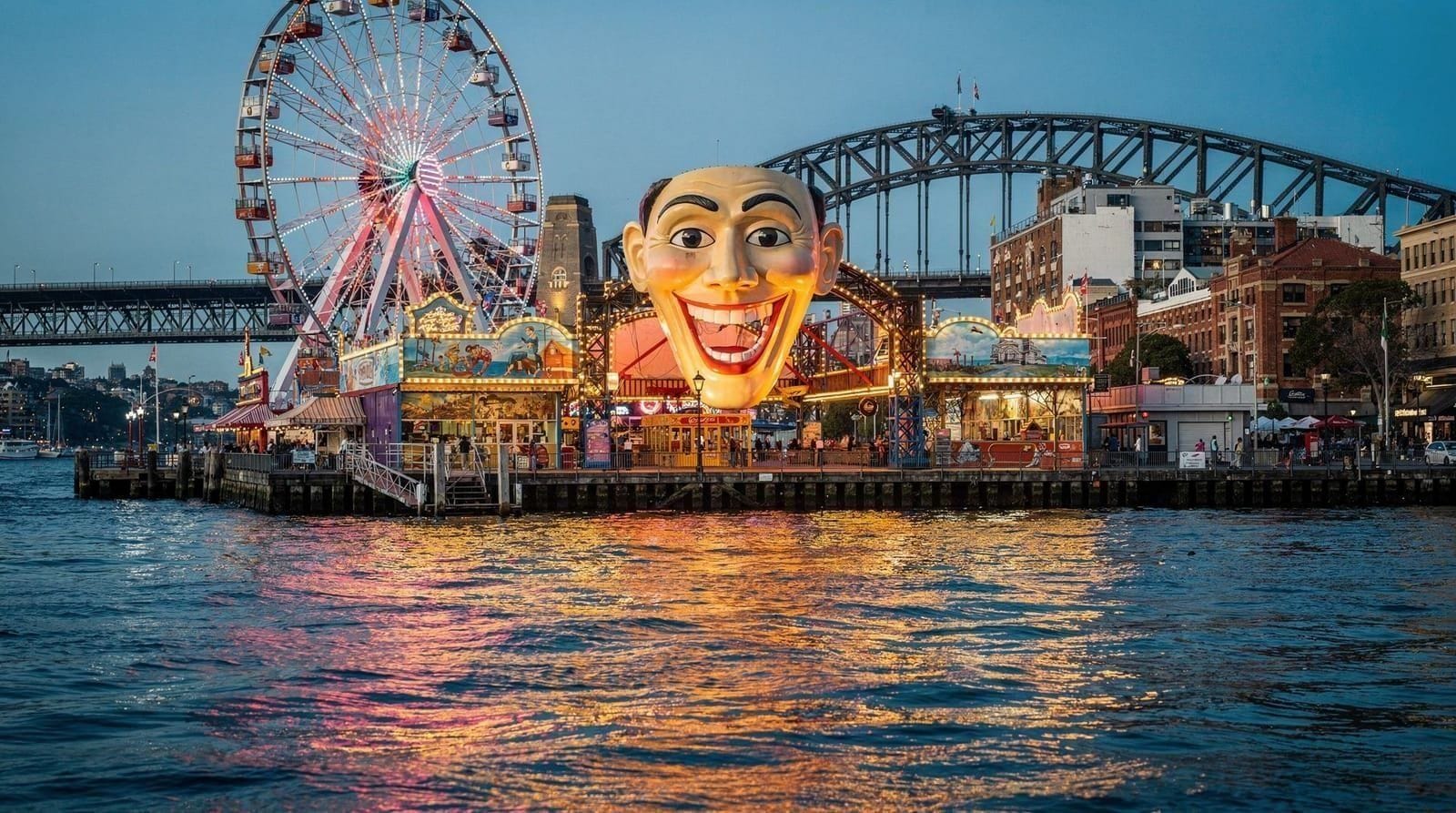
Sydney: Madame Tussauds Sydney tickets
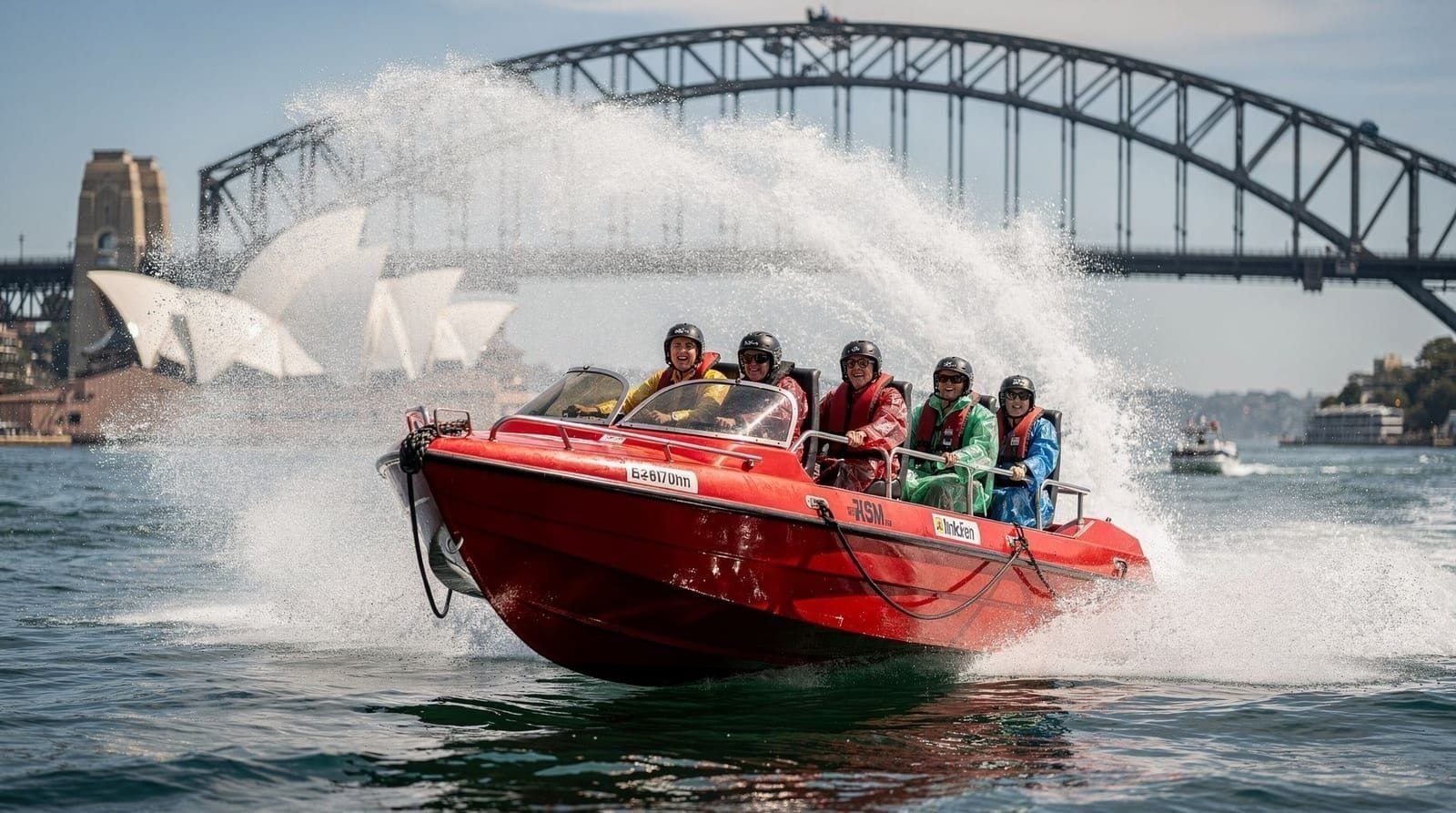
Sydney: 30 minute jet boat ride from Darling Harbour
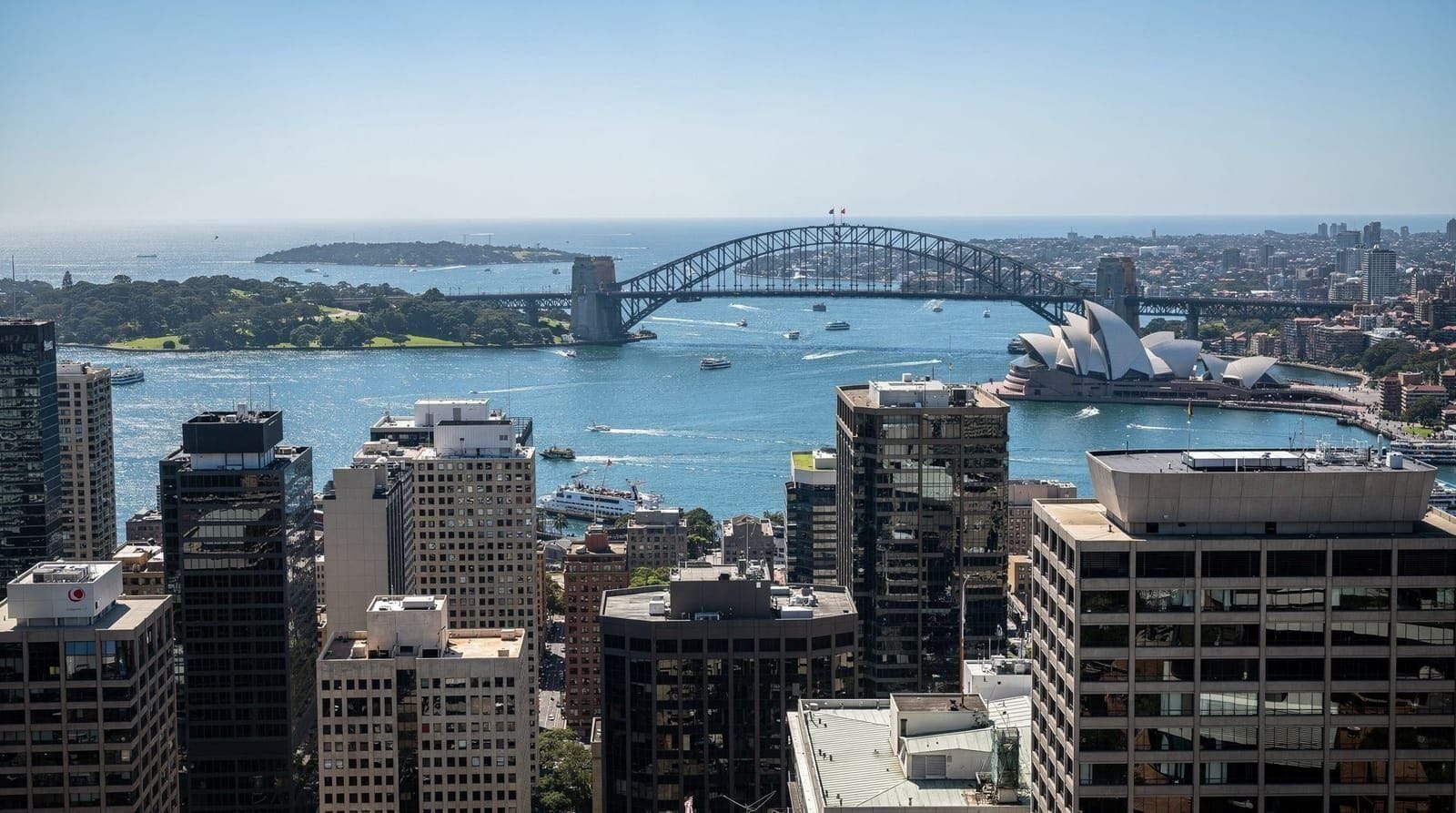
Sydney: Attractions combination tickets