Taronga Zoo Sydney — complete visitor guide
Sydney: Taronga zoo Sydney general entry ticket
How much does Taronga Zoo cost and how do you get there?
Adults pay AUD 57 at the gate and from AUD 51.30 online. The best way to arrive is the ferry from Circular Quay (around 12 minutes). Booking online is cheaper than paying at the gate.
| At a glance | |
|---|---|
| Where | Bradleys Head Road, Mosman |
| Cost | Adults AUD 57 at the gate, from AUD 51.30 online; children 4–15 from AUD 29.70 online; under 4 free. Check current prices on the official Taronga Zoo website |
| Time needed | 4–5 hours typical, up to 6 with young children |
| Getting there | 12-min ferry from Circular Quay Wharf 4 (about every 30 minutes), or Route 100 bus from the QVB |
| Best time | Weekday mornings 9:30–11:30 AM; autumn or spring for cooler, more active animals |
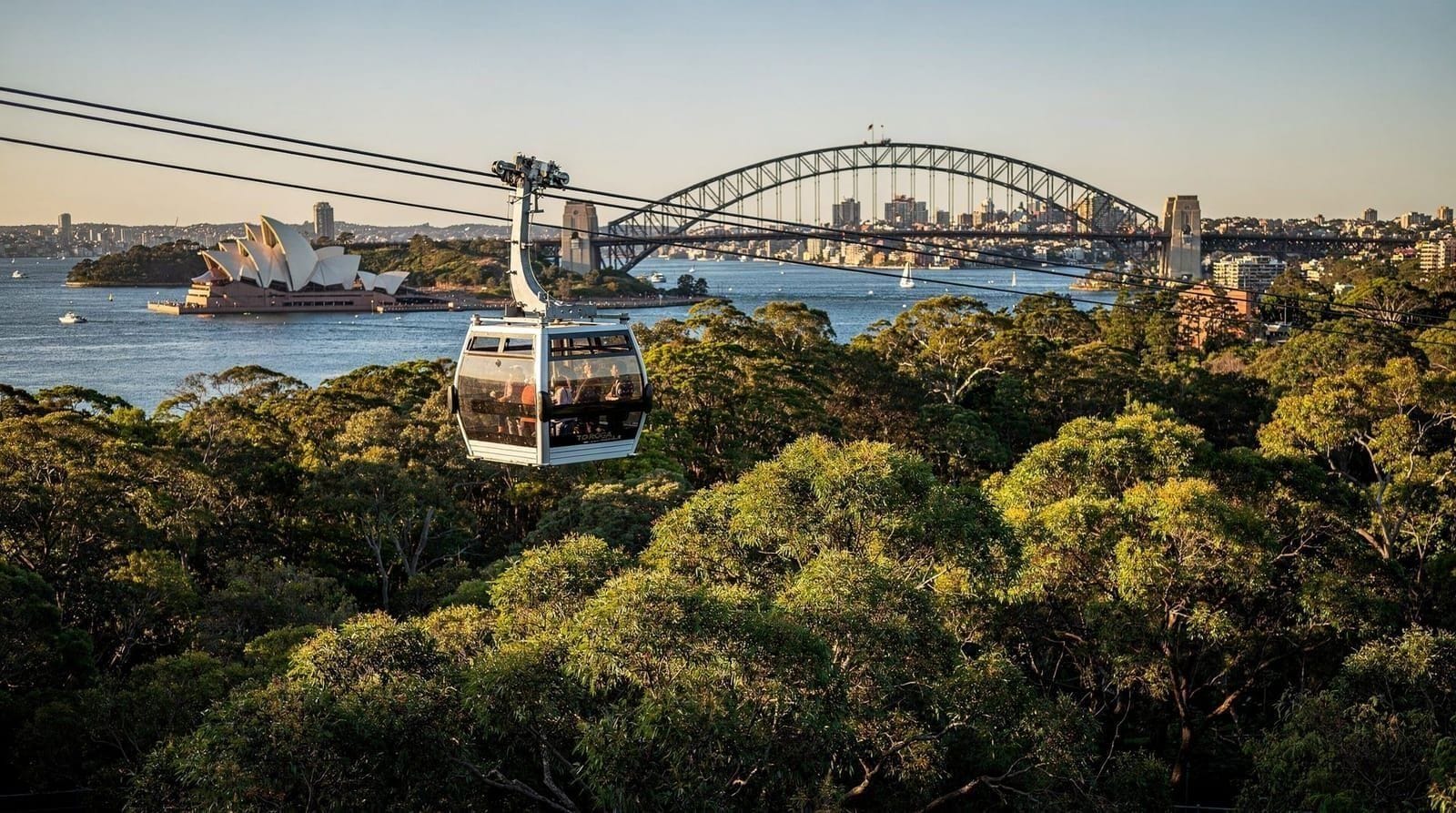
Taronga Zoo sits on a sloped headland in Mosman, 12 minutes by ferry from Circular Quay, with views over Sydney Harbour that no purpose-built attraction can match. Over 4,000 animals from 350-plus species live here — the collection spans Australian wildlife, African savannah species, great apes, and marine life. This guide covers what’s actually worth your time and money, what’s overpriced, and how to structure a visit so you don’t run out of steam halfway up the hill.
Getting there: the ferry is the right choice
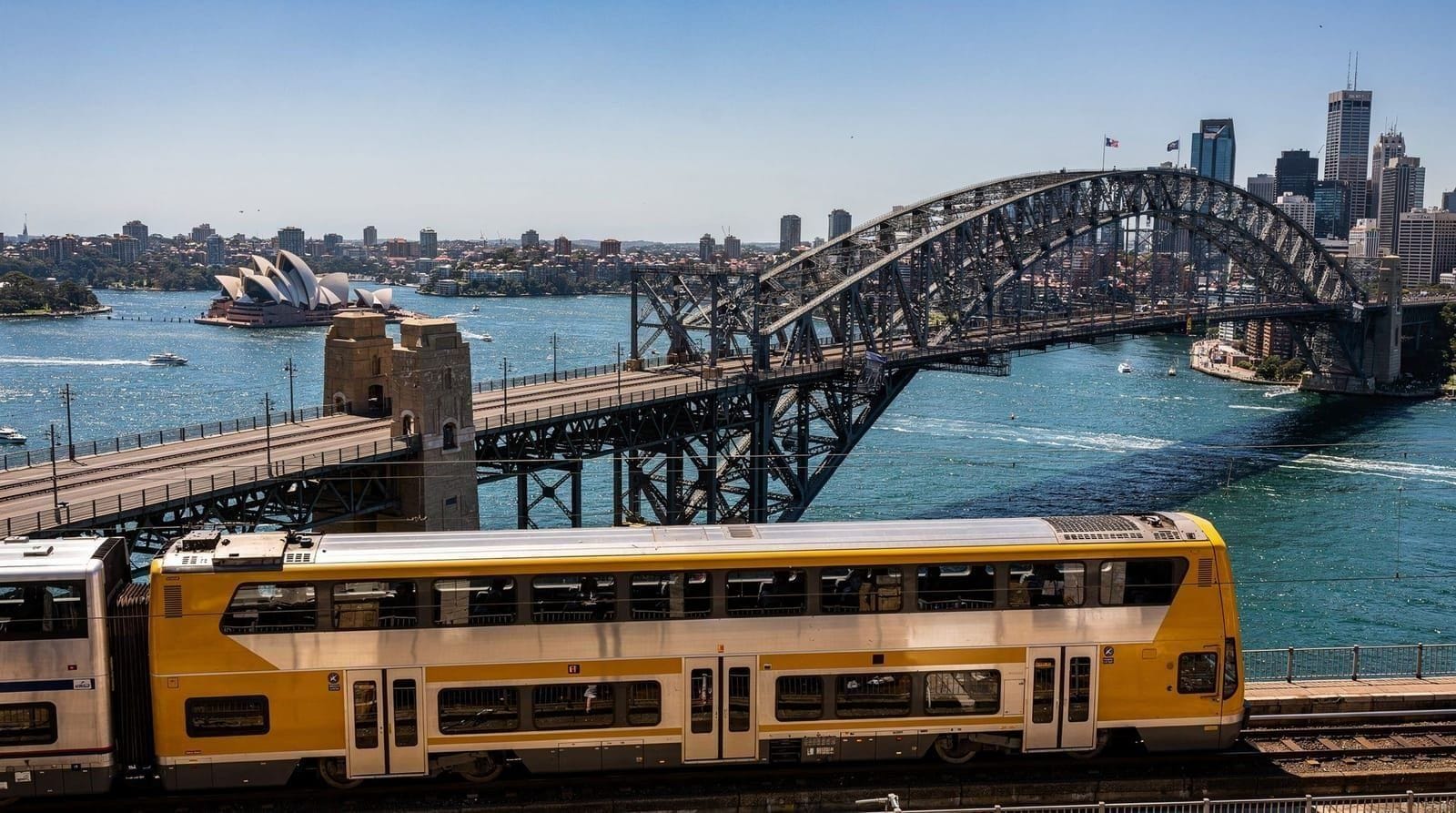
The most practical way to reach Taronga Zoo from central Sydney is the Taronga Zoo ferry departing Circular Quay, Wharf 4. The crossing takes around 12 minutes and is genuinely scenic — the Opera House and Harbour Bridge frame the view as you pull out. Ferries run about every 30 minutes.
At the Taronga Ferry Wharf you step off and there’s a shuttle bus (included with some ticket types) or the Taronga Wildlife Express train (AUD 5 each way, free for members) to take you up the steep hill to the top entrance. Most visitors enter at the top and walk downhill through the exhibits — this approach is both physically easier and logistically sensible, since the main carnivore and primate exhibits are near the top.
Bus alternative: Route 100 from the QVB (City) to Mosman, every 10–20 minutes, deposits you at the top gate directly. This is the better option if you want to skip the ferry, especially on weekday mornings when buses run frequently.
Driving: Bradleys Head Road, Mosman. Paid parking is available on-site but is limited and costs AUD 24 for the day (free if you enter and leave within 90 minutes before 4 pm). On weekends and school holidays, the nearby streets fill early. Driving is not recommended unless you have specific reasons (e.g. a large pram and equipment).
Ticket options: what to buy and where
Taronga Zoo tickets purchased online are consistently cheaper than paying at the gate. The main options as of 2026:
- General admission (adult): AUD 57 at the gate, from AUD 51.30 online.
- Ferry + Zoo combo: includes the return ferry from Circular Quay. See the official Taronga Zoo website for current prices.
- Taronga Wildlife Express train: AUD 5 each way (free for members), if you want a lift up the hill.
Children under 4 are free. Children 4–15 pay AUD 33 at the gate (from AUD 29.70 online). A concession rate exists (AUD 43 at the gate, from AUD 38.70 online) for eligible card holders.
Honest note on cost: A family of two adults and two children can easily spend AUD 200–250 just on entry, ferry, and a basic lunch inside. This is at the top end of Sydney attraction pricing. If you’re on a budget, Featherdale Wildlife Park out near Blacktown offers koala cuddles and kangaroo encounters for significantly less. Taronga’s differentiator is the world-class collection and the harbour setting — if those don’t matter to you, consider the alternatives.
You can book Taronga Zoo tickets directly through GetYourGuide:
Taronga Zoo entry with return ferry from Circular QuayWhat to see: the highlights worth prioritising
Australian Walkabout
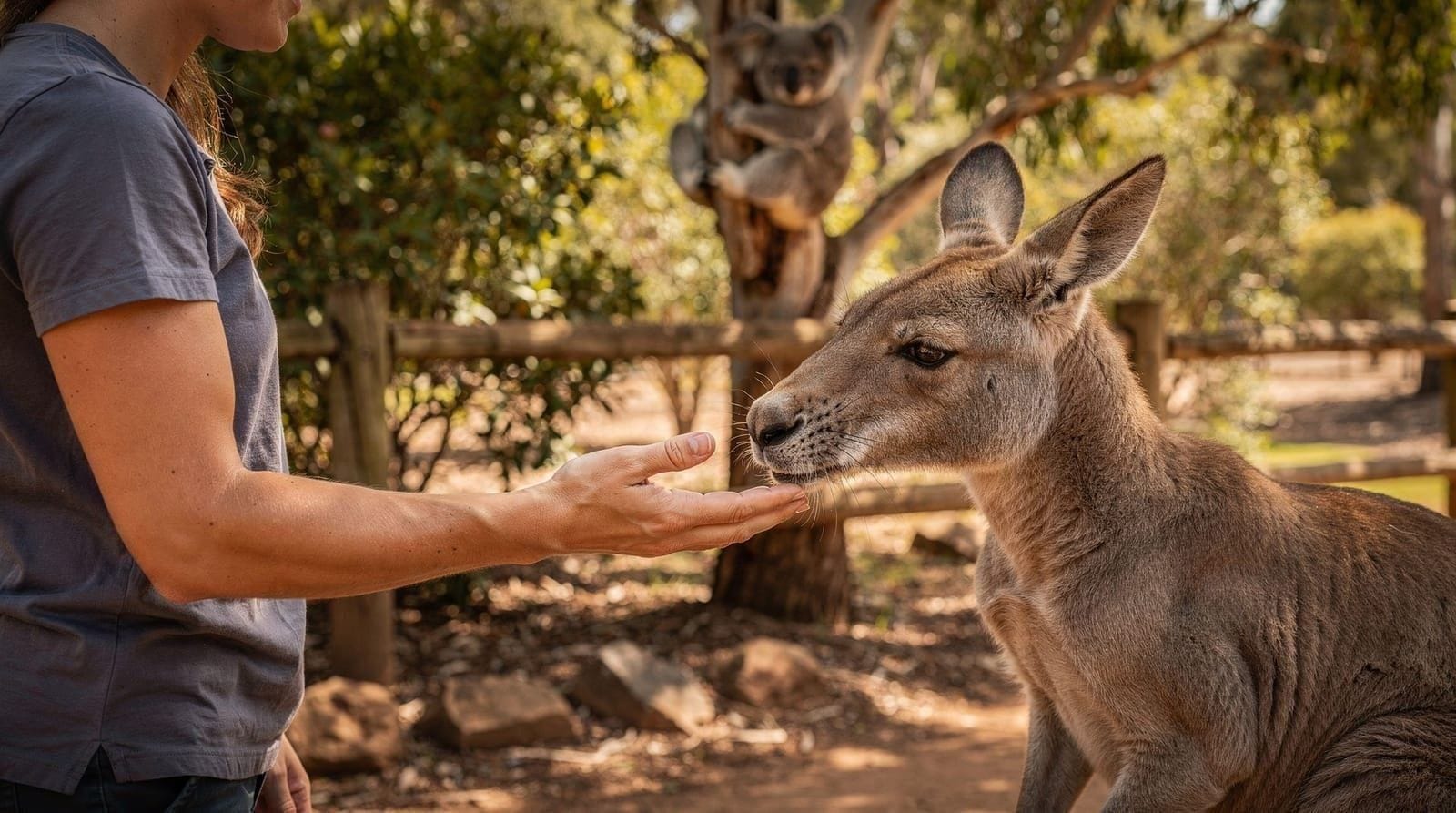
The koala exhibit and kangaroo/wallaby area are the most-visited sections for international travellers, and rightly so. The koalas are in a large eucalyptus exhibit with close-approach viewing platforms. Wombats are here too, along with Quokkas (not always on display — check the Taronga app on the day).
The free-roaming kangaroo enclosure allows you to walk among wallabies. Animals are fed in the morning, so arriving before 11 AM gives you a better chance of seeing them active.
Gorilla Forest
The Western Lowland Gorilla exhibit is one of the best in the Southern Hemisphere. The group includes several adults and younger animals. The indoor glass viewing allows close observation — early morning (9:30–10:30 AM) is when social behaviour peaks. The exhibit design means you can often get within 2–3 metres of a 200 kg silverback with only glass between you.
African Savannah
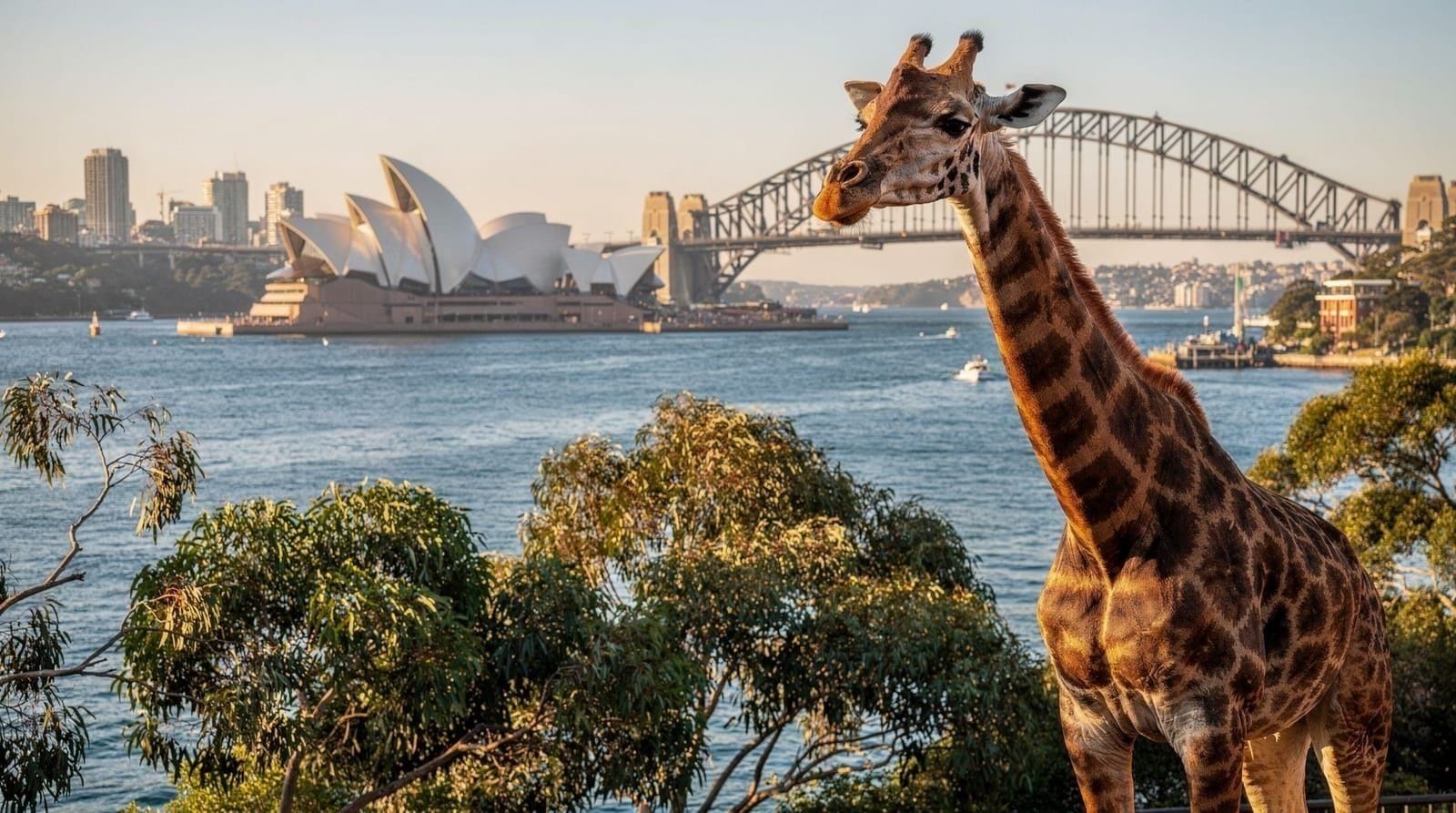
Giraffes, meerkats, zebras, and African wild dogs share this area near the main centre of the zoo. The giraffe deck offers eye-level viewing and there are paid giraffe feeding sessions (see the Giraffe Encounter below). This exhibit runs along the ridge, so the views over the harbour combine with the animals.
Big Cat exhibits
The snow leopard and tiger habitats are along the lower section of the zoo. Snow leopards are typically active in cooler weather — winter (June–August) mornings are your best bet for seeing them moving around rather than sleeping.
Reptile World and Bird exhibits
The raptor free-flight show is a highlight — check the day’s schedule in the Taronga app for timing. The nocturnal house (if open) shows sugar gliders, possums, and bilbies in darkened conditions.
Taronga Wildlife Express train
This is worth doing even if you arrive at the top entrance and walk down — you can ride back up at the end (AUD 5 each way, free for members).
Making the most of your visit: structure and timing
Ideal visiting order (arriving at top by ferry and train):
- Gorilla Forest (first thing — quietest at 9:30 AM)
- African Savannah and giraffes
- Big cats (tiger/snow leopard)
- Koala exhibit and Australian Walkabout
- Seal and penguin habitats (lower section)
- Children’s zone and farmyard (end of visit)
- Free-flight bird show (check schedule)
- Wildlife Express train back up, then ferry home
This route works with gravity, avoids doubling back, and puts the most crowd-sensitive exhibits (gorillas, big cats) in your first two hours.
Avoid: visiting on the first day of NSW school holidays (January, April, July, October, December). The zoo is manageable on other school holiday days but the very first day sees a surge. Weekends in December and January are the most congested.
Animal encounters and add-ons
Taronga offers a range of premium experiences beyond general admission:
- Giraffe Encounter: hand-feed the giraffes on the African Savannah deck. AUD 39.95 per ticket (up to 4 people), a 2-minute feed daily at 10:40 am. Tickets are sold at the Top Plaza shop from 9 am on the day or in the Taronga app.
- Keeper for a Day: a behind-the-scenes full-day experience (Junior Keeper 8–11, Cadet Keeper 12–17, Adult Keeper 18+). Priced separately by age group (see the official Taronga Zoo website) but genuinely immersive for wildlife enthusiasts.
- Roar and Snore: a glamping experience inside the zoo grounds. You stay overnight in a permanent safari tent, with a sunset and sunrise tour of the animals. This is a genuinely good product for couples or older families. See the official Taronga Zoo website for current prices. Availability is limited — book months ahead.
Taronga for families with toddlers
Taronga is stroller-accessible but the terrain is challenging — the hill is real and the paths vary in gradient. Bring a carrier as a backup for small children who tire easily. The ferry takes standard strollers.
The children’s farmyard near the bottom of the zoo has interactive elements for under-5s, but the main value for toddlers is the close-up animal encounters in the Australian Walkabout and the seal habitats. Toddlers are typically more engaged by the physical experience of proximity to animals than by reading species information — Taronga delivers on that.
Feeding times are posted in the daily schedule. Check the Taronga app before your visit.
For families specifically looking at wildlife parks with toddlers in mind, also see Sydney zoos for toddlers.
Food and facilities
Taronga’s internal cafes are functional but overpriced relative to quality. The Taronga Centre Cafe (near the top entrance) offers sandwiches, hot meals, and coffee. The Zoofari Lodge Cafe is calmer and has better seating. See the official Taronga Zoo website for current prices.
You are allowed to bring your own food and snacks. Picnic tables are dotted throughout the zoo and the grass near the African Savannah deck has views worth eating lunch with. A packed lunch from a CBD deli or supermarket saves AUD 15–20 per person.
Water fountains are available — bring a refillable bottle.
Taronga has no locker service; leave bags at your hotel or use the Bounce lockers at Circular Quay or Central station.
Combining Taronga with other visits
Taronga pairs naturally with the harbour ferry experience — many visitors treat the outbound ferry ride, the zoo visit, and the return ferry as the full day, perhaps adding a meal at Circular Quay on return (though be selective — Circular Quay restaurants cluster toward the tourist-trap end).
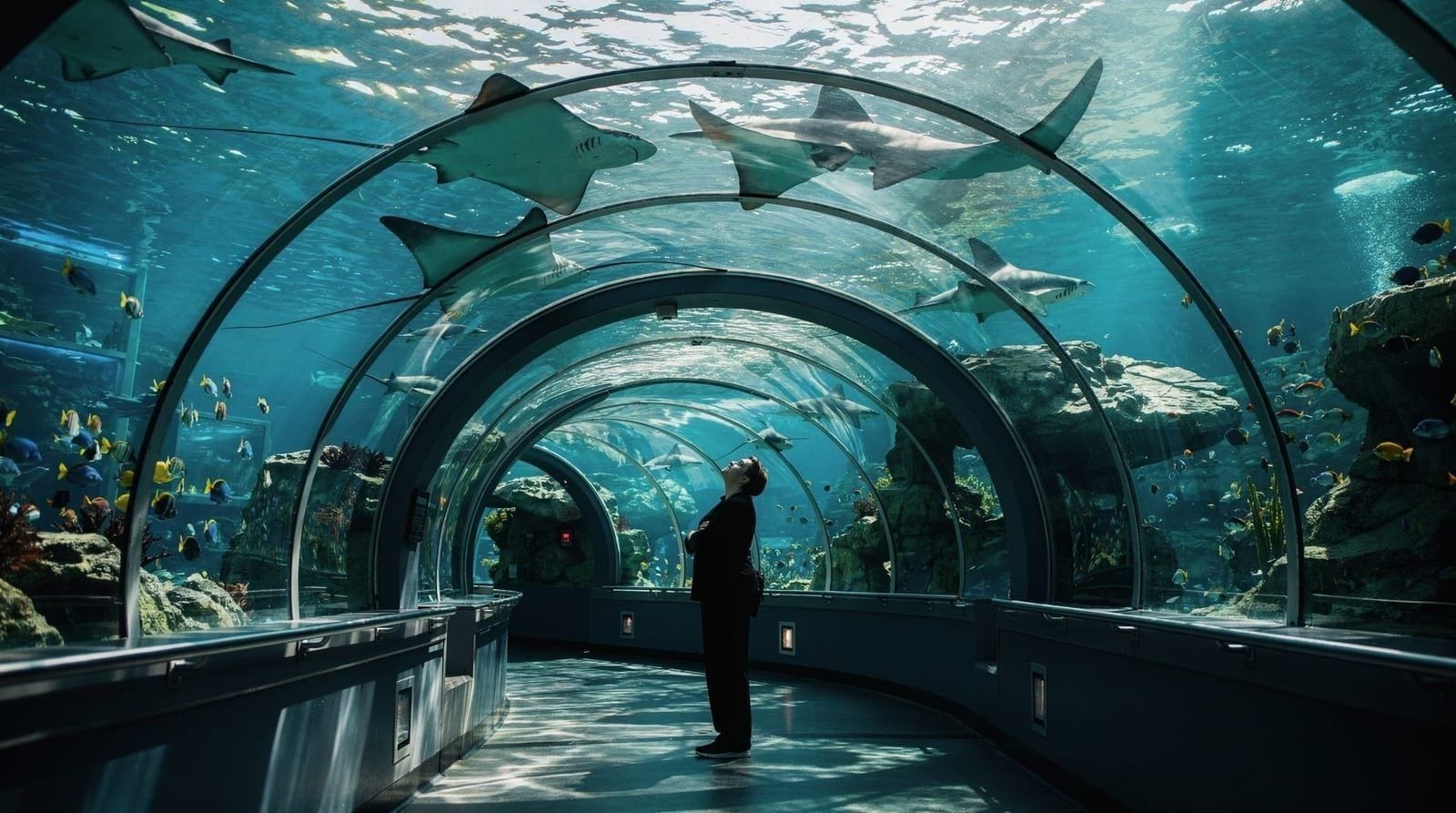
Taronga is one stop on a logical wildlife circuit of Sydney. The city’s three main wildlife attractions are Taronga Zoo (general world-class collection), SEA LIFE Sydney Aquarium in Darling Harbour (marine species), and WILD LIFE Sydney Zoo next door to SEA LIFE (Australian terrestrial species). The latter two are convenient for a combined visit; Taronga warrants its own day.
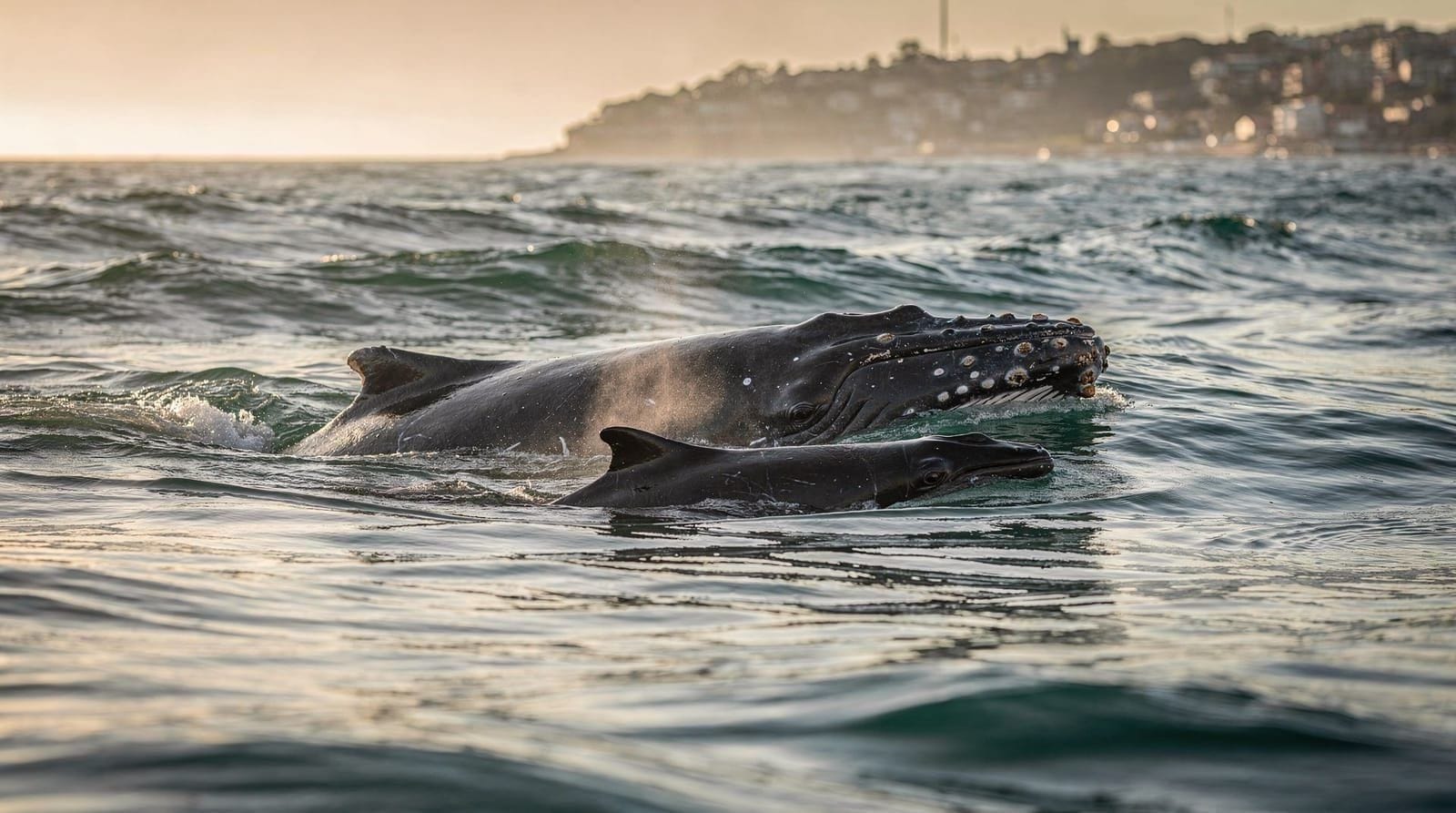
For those interested in a whale watching experience combined with a zoo visit, there is also a combined tour option:
Taronga Zoo and whale watching cruise comboPlanning context: when and how to buy tickets
Taronga Zoo is open 365 days a year. Open every day of the year: 9:30 am–5 pm from September to April, 9:30 am–4:30 pm from May to August. On some summer evenings there are extended hours for special events.
Buy online at least 24 hours ahead. The official Taronga website and GetYourGuide both sell tickets — GetYourGuide often has competitive pricing and the advantage of free cancellation on most ticket types.
Taronga Zoo general admission — book onlineIf you’re doing multiple Sydney attractions in one trip, also check the best zoos and aquariums in Sydney guide for combo pass options (the Sydney Attractions Pass covers Taronga, SEA LIFE, WILD LIFE, and others and can save 20–30% if you’re doing three or more).
Practical details
- Address: Bradleys Head Road, Mosman NSW 2088
- Ferry: Circular Quay Wharf 4 (about every 30 minutes) to Taronga Zoo Wharf
- Bus: Route 100 from the QVB (City) to Mosman, every 10–20 minutes
- Opening hours: 9:30 am–5 pm September to April, 9:30 am–4:30 pm May to August, every day
- Phone: +61 2 9969 2777
- Website: taronga.org.au
- Wheelchair access: Full (lifts, accessible paths)
- Dogs: Not allowed on premises
- Annual passes: Taronga membership starts from AUD 124 per adult (Family Flex from AUD 140), plus a AUD 20 joining fee, and is worth it if you plan more than two visits
Taronga Zoo represents the most complete zoo experience in Australia. The combination of first-rate animal exhibits and one of the world’s great harbour views makes it a legitimate full-day attraction. Plan your entry time, bring food, and follow the downhill route — you’ll get more out of it than most visitors who arrive without a plan.
Fitting Taronga into a wider Sydney trip
Taronga is best treated as its own day rather than squeezed alongside another major activity, given the ferry crossing and the 4–6 hours most visitors spend inside. For first-time visitors mapping out a broader stay, see the Sydney 3-day itinerary for first-timers or Sydney 5-day essentials for where a zoo day sits against the Opera House, Harbour Bridge, and beaches. Families building a trip specifically around younger children should see Sydney with kids: 5-day itinerary.
Frequently asked questions about Taronga Zoo Sydney
Is Taronga Zoo better than Featherdale Wildlife Park?
They serve different purposes. Taronga is a world-class zoo with thousands of animals from six continents — if you want variety, gorillas, and a spectacular setting, Taronga wins. Featherdale is smaller, cheaper, and allows hands-on encounters (koala cuddles, feeding kangaroos directly). Families with young children wanting interactive time with Australian animals often find Featherdale more satisfying per dollar. See Taronga vs Featherdale for a detailed comparison.
Do you need to book Taronga Zoo tickets in advance?
Not always, but it’s strongly recommended. During NSW school holidays and weekends from December to February, tickets can sell out — especially the ferry + zoo combo. Booking 48–72 hours ahead is safe for most of the year; book 1–2 weeks ahead for December/January.
Are there evening events at Taronga Zoo?
Taronga runs seasonal evening events such as Twilight at Taronga and a New Year’s Eve event. They are separately ticketed and a different product from the Roar and Snore glamping. Check the official Taronga Zoo website for current programming.
Can you see the Taronga Zoo from the ferry for free?
The zoo grounds are partially visible from the ferry as you approach Mosman. You can see the upper terraces. However, you cannot see any animals from the public ferry — the exhibits are set back from the waterfront. The ferry view is of the zoo infrastructure, not the animals.
How fit do you need to be for Taronga Zoo?
The zoo is on a slope. If you arrive by ferry and take the Wildlife Express train up, your first steps are at the top and you walk downhill for most of the visit — manageable for most people. If you arrive by bus at the top gate and exit at the lower wharf, the same applies. Going uphill through the entire zoo is tiring and not recommended. People with limited mobility should ask staff about the accessible route at the top entrance.
What is the best time to visit Taronga Zoo?
Weekday mornings from 9:30 to 11:30 AM are quietest. Animals are most active in cooler temperatures, so autumn (March–May) and spring (September–October) visits work best. Avoid January school holidays if you dislike crowds.
How long do you need at Taronga Zoo?
Most visitors spend 4–5 hours. Families with small children who want to see everything should plan 6 hours. If you only want the highlights (gorillas, giraffes, harbour view), 3 hours is feasible.
Is Taronga Zoo worth the money?
For most visitors, yes — the harbour views alone justify a trip, and the collection is genuinely world-class. That said, if budget is tight, the entry price (especially with the ferry) adds up fast for families. Compare the combo tickets that include the ferry against buying the pieces separately.
Can you see koalas and kangaroos at Taronga Zoo?
Yes. There is a dedicated Australian Walkabout area with koalas, kangaroos, wallabies, and wombats. Koalas are in an accessible exhibit — you cannot hold them at Taronga (that’s possible at some regional parks), but you can get within a metre or two.
Is there a way to arrive other than the ferry?
Yes — Route 100 from the QVB (City) drops you near the top entrance, which is actually convenient if you want to walk downhill through the zoo rather than uphill. Some visitors prefer this to avoid ferry queues. Driving is possible but parking is limited and costs extra.
What are the animal encounter sessions at Taronga Zoo?
Taronga offers daily free presentations — keeper talks, birds of prey shows, and seasonal evening events. Paid animal encounters (e.g. giraffe feeding, keeper-for-a-day) are bookable online and sell out fast in school holidays.
Is Taronga Zoo good for toddlers under 3?
Very good. The Australian Walkabout, the farmyard area near the children’s zone, and the seal/penguin habitats all work well for toddlers. Bring a carrier or small stroller — the terrain is hilly.
What food is available at Taronga Zoo and is it expensive?
There are several cafes inside — the main options are Zoofari Lodge Cafe and the Taronga Centre Cafe. It’s on the pricier side for what it is; see the official Taronga Zoo website for current prices. Bringing your own snacks and water is allowed and advisable. A reusable water bottle saves money and reduces plastic.
Does the ferry ticket to Taronga Zoo cost extra on top of entry?
If you buy the ferry and zoo combo ticket, the return Opal-fare ferry is bundled into the price, which usually works out cheaper than buying the ferry and zoo entry separately. If you already have an Opal card and plan to use it anyway for other travel, compare the combo price against buying entry alone plus your normal ferry fare.
Is Taronga Zoo better visited before or after the Blue Mountains?
There’s no dependency between the two, but most visitors find it easier to do Taronga on a standalone city day (it pairs naturally with Circular Quay and the Opera House) and treat the Blue Mountains as a separate full day given the travel time involved.
Top experiences
Bookable activities with verified prices and instant confirmation on GetYourGuide.