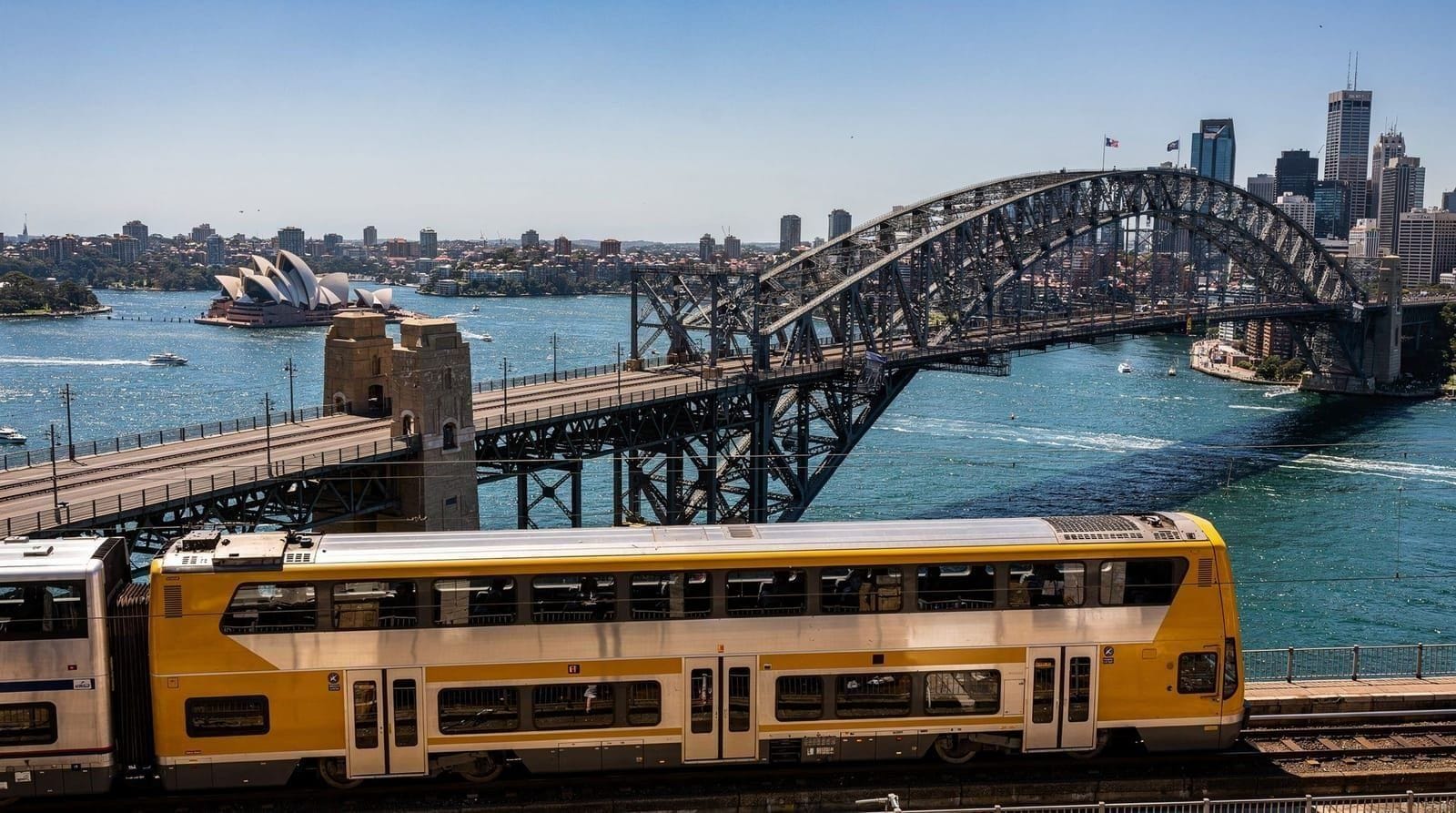
The Rocks
Sydney's oldest precinct: convict-era sandstone laneways, heritage pubs, weekend markets, and honest advice on what's worth your time in The Rocks.
Sydney: The Rocks 90 minute history walking tour
Duration: 1.5 hours
Quick facts
- Best for
- Colonial history, heritage pubs, weekend markets, walking tours
- Time needed
- Half day to full day
- Getting there
- Train to Circular Quay (2 min walk) or Wynyard (10 min walk north)
- Markets
- Sat–Sun 10am–5pm (The Rocks Markets, George Street)
- Don't miss
- Hero of Waterloo cellar, Glenmore Hotel rooftop, Dawes Point Park
- Avoid
- Overpriced "authentic Aboriginal art" shops without artist attribution
At a glance
| Where | Sandstone headland immediately west of Circular Quay, inner Sydney |
| Cost to visit | Free to walk the laneways and Dawes Point Park; museum entry free; pub drinks around A$9–11; walking tours are ticketed |
| Time needed | Half day independently, a full day with a guided tour and the markets |
| Getting there | Train to Circular Quay (2 min walk) or Wynyard (10–12 min walk) |
| Best time | Weekday mornings for quiet laneways; Sat–Sun 10am–5pm for the markets |
Australia’s oldest surviving neighbourhood
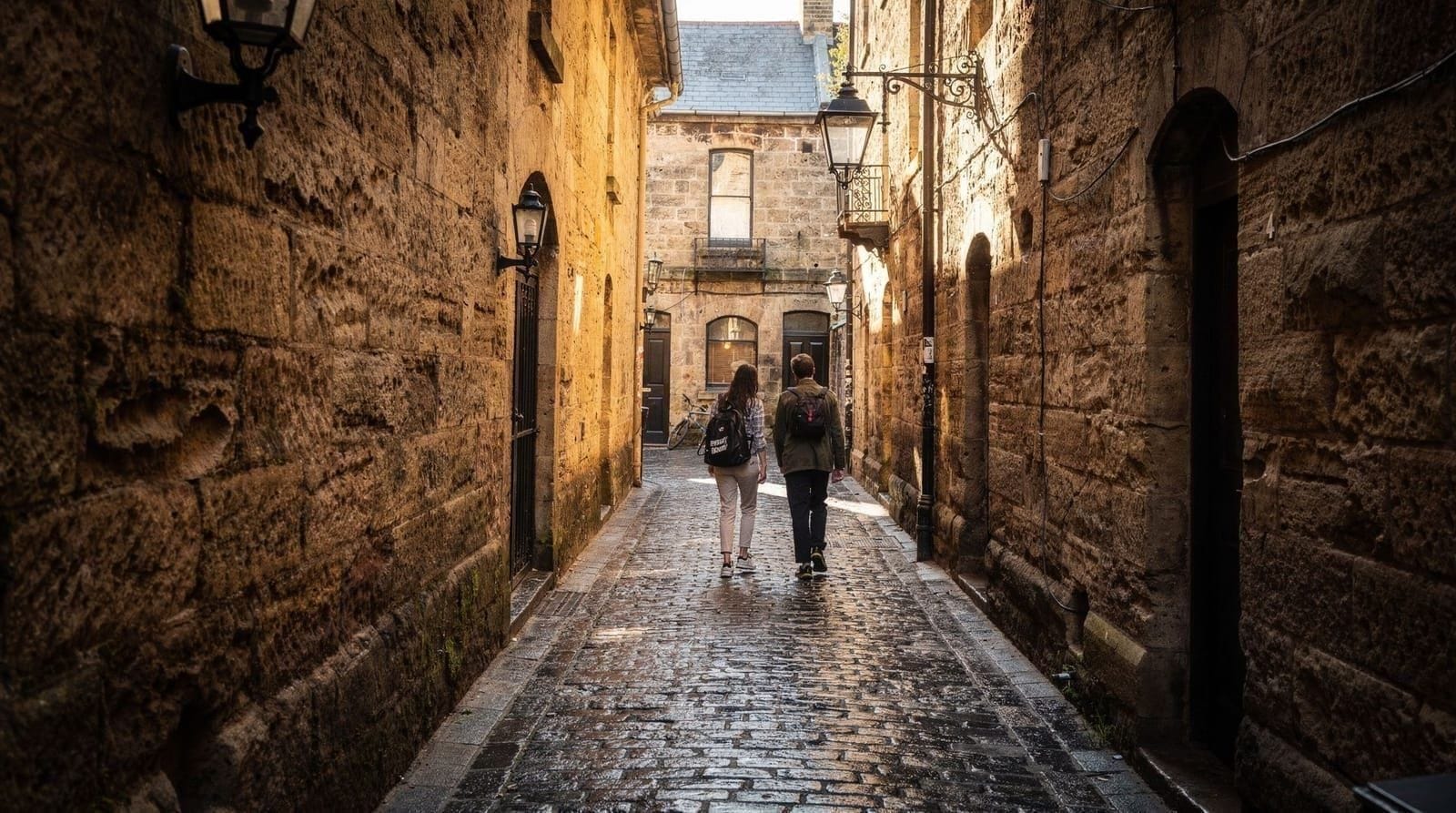
The Rocks sits on a sandstone headland immediately west of Circular Quay, occupying roughly one square kilometre of what was, in January 1788, a chaotic encampment of convicts, marines, and free settlers who had just arrived at the end of the world on twelve ships. For about a century after that first landing, The Rocks was one of the most disreputable areas in Australia: a dense warren of timber and sandstone dwellings housing sailors, prostitutes, escaped convicts, and the kinds of people who generally preferred not to be found.
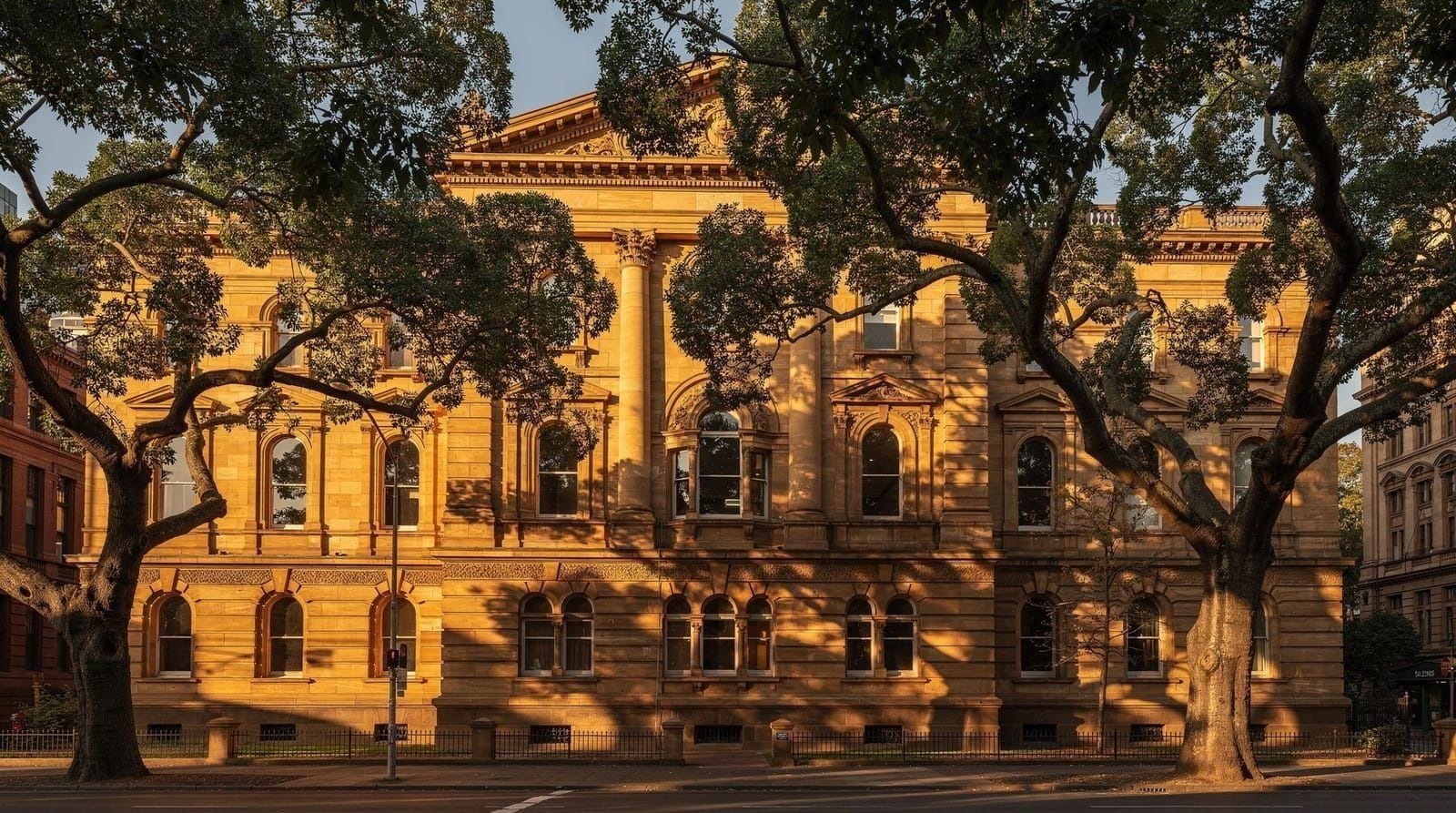
A bubonic plague outbreak in 1900 led to the demolition of many original buildings and a forced evacuation of residents. What survived is what you see today — a collection of nineteenth-century sandstone structures on winding laneways that somehow escaped the wrecking ball.
In the 1970s, the Sydney Harbour Bridge had already taken out the northern half of the neighbourhood when highway engineers proposed demolishing what remained to build a freeway. A coalition of resident groups, led by Jack Mundey and the Builders Labourers Federation, organised a series of “green bans” — refusals to demolish buildings of historical or ecological significance — that stopped the freeway and are credited with saving much of what stands today. The Rocks is consequently one of Australia’s best arguments for the value of organised resistance to development.
The pubs: what to know before you drink
The Rocks has several legitimate heritage pubs, and a handful of bars that are heritage in name only.
The Hero of Waterloo (81 Lower Fort Street) opened in 1843, making it one of Sydney’s oldest continuously licensed pubs. The interior is genuinely old — flagstone floors, low ceilings, a bar that has been serving beer to sailors, soldiers, and now tourists for nearly 180 years. The basement and connecting tunnels are the basis of the press-gang legend (drunken men allegedly dropped through trapdoors into boats below). Whether this actually happened is contested by historians; the stories persist because they are good. The cellar is accessible on the haunted pub tour. A pint of Carlton Draught runs around AUD 10–11.
The Glenmore Hotel (96 Cumberland Street) is the rooftop option. The ground floor is an unremarkable pub; the rooftop delivers an unobstructed view of the Harbour Bridge that rivals anything you’ll pay for in a fancy bar. A schooner of beer is AUD 9–10. Go at sunset on a clear day and you will not be disappointed.
The Lord Nelson Brewery Hotel (19 Kent Street) has been brewing its own beer since 1841, making it one of Sydney’s oldest operating breweries. The Three Sheets pale ale is their flagship and is worth ordering. The hotel rooms above are among the more characterful options if you want to stay in the precinct.
The weekend pub crawls that operate out of The Rocks are a legitimate way to see several venues in a single evening with a guide who adds historical context between drinks.
Ghosts and Grog haunted pubs and cellar tour — combines the historical narrative with access to several heritage cellars that are not open during normal pub hours.
Walking tours: which one is worth it
There are several walking tours of The Rocks, ranging in quality from genuinely excellent to perfunctory. The key difference is whether the guide has done serious research on the colonial period or is reciting a script.
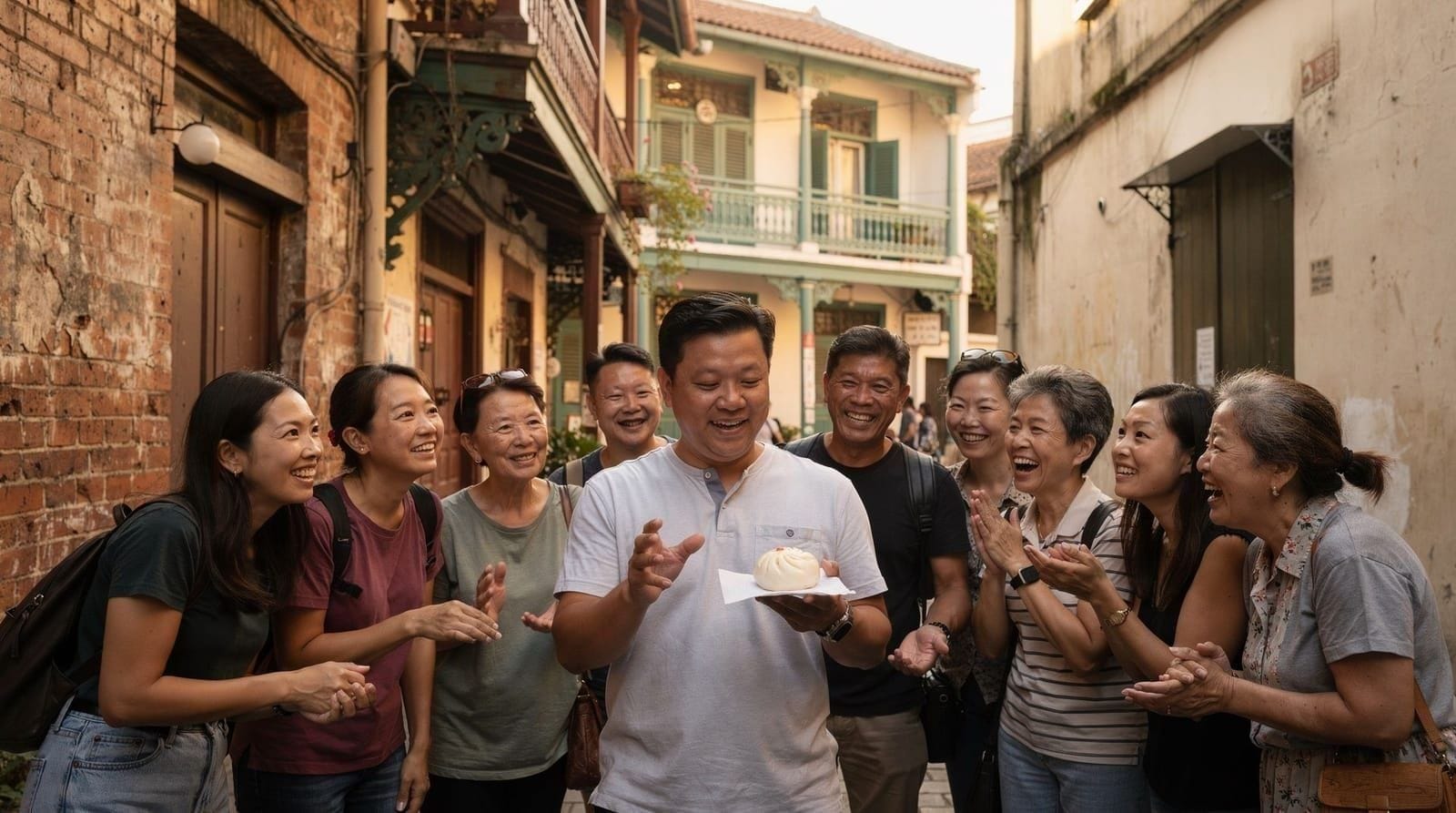
The 90-minute history walking tour covers the First Fleet landing, convict transportation, the plague of 1900, and the green bans movement. It operates from the Clocktower Square meeting point and is the most efficient way to understand the neighbourhood’s arc from settlement to tourist precinct. Group size is usually small (8–15 people).
The Rocks 90-minute history walking tour — recommended as a first activity before you explore independently; knowing what you’re looking at makes everything else more interesting.
The two-hour convict colony tour goes deeper into the criminal justice system of the late 1700s and early 1800s — the conditions of transportation, the assignment system whereby convicts were leased to free settlers as labour, and the gradual transition from penal colony to self-governing colony. It is more academic than the 90-minute option and suits visitors who want genuine historical depth.
The ghost tour (evening only) covers the same geography as the daytime tours but with a different narrative focus — murders, executions, unexplained deaths, and the supernatural folklore that has accumulated around the older buildings. It is not designed to be historically rigorous, but it is entertaining and provides access to spaces that are closed during the day.
The markets
The Rocks Markets run on Saturday and Sunday between 10am and 5pm on George Street North (the upper section, near Argyle Street). The market is legitimately good — a mix of local artisans, food vendors, vintage clothing, and craft producers. Quality is considerably higher than the tourist-souvenir traps that have colonised parts of The Rocks. You will find handmade leather goods, original artwork, locally produced food products, and the occasional excellent second-hand find. Prices are marked so bargaining is not expected.
The Rocks Discovery Museum on Kendall Lane is free, small, and surprisingly good — four permanent exhibitions covering the Aboriginal history of the site before 1788, the colonial period, and the green bans era. Allow 45 minutes.
Aboriginal history: what to know
The Rocks sits on the country of the Cadigal people of the Eora Nation. The Cadigal population was decimated by a smallpox epidemic in 1789 — the year after the First Fleet arrived — that killed an estimated 90% of the Aboriginal population along the Sydney coast. The epidemic arrived before most colonists had moved inland, which has led to ongoing historical debate about whether the disease was deliberately introduced or arrived through accidental contact.
Several of the walking tours include information about the pre-colonial history of the site, but if you want more depth, the Aboriginal cultural tours and the Royal Botanic Garden Aboriginal tour provide dedicated programs led by Aboriginal guides.
A note on souvenir shops selling “authentic Aboriginal art” in The Rocks: some are legitimate, but many sell mass-produced items made in factories, not by Aboriginal artists. If you want to buy Aboriginal art, ask the seller for the artist’s name, community affiliation, and proof of provenance. Legitimate galleries will provide this information readily.
Practical information
Getting there: The most straightforward route is the train to Circular Quay (served by all eastern suburbs and northern lines), then a 5-minute walk north along the waterfront. The George Street light rail also stops near the Rocks. Wynyard station (10–12 minutes walk) is an alternative if you are coming from the western suburbs.
Eating: The Rocks has a handful of decent cafés alongside tourist-priced restaurants. Four Ate Five Café on George Street does a reliable breakfast. The Lowenbrau Keller on The Rocks Square is a German beer hall that is considerably better than its location might suggest. For a proper meal, the restaurants at Circular Quay (specifically those set back from the waterfront) are a slight improvement on the waterfront strip, though you are still paying a harbour premium.
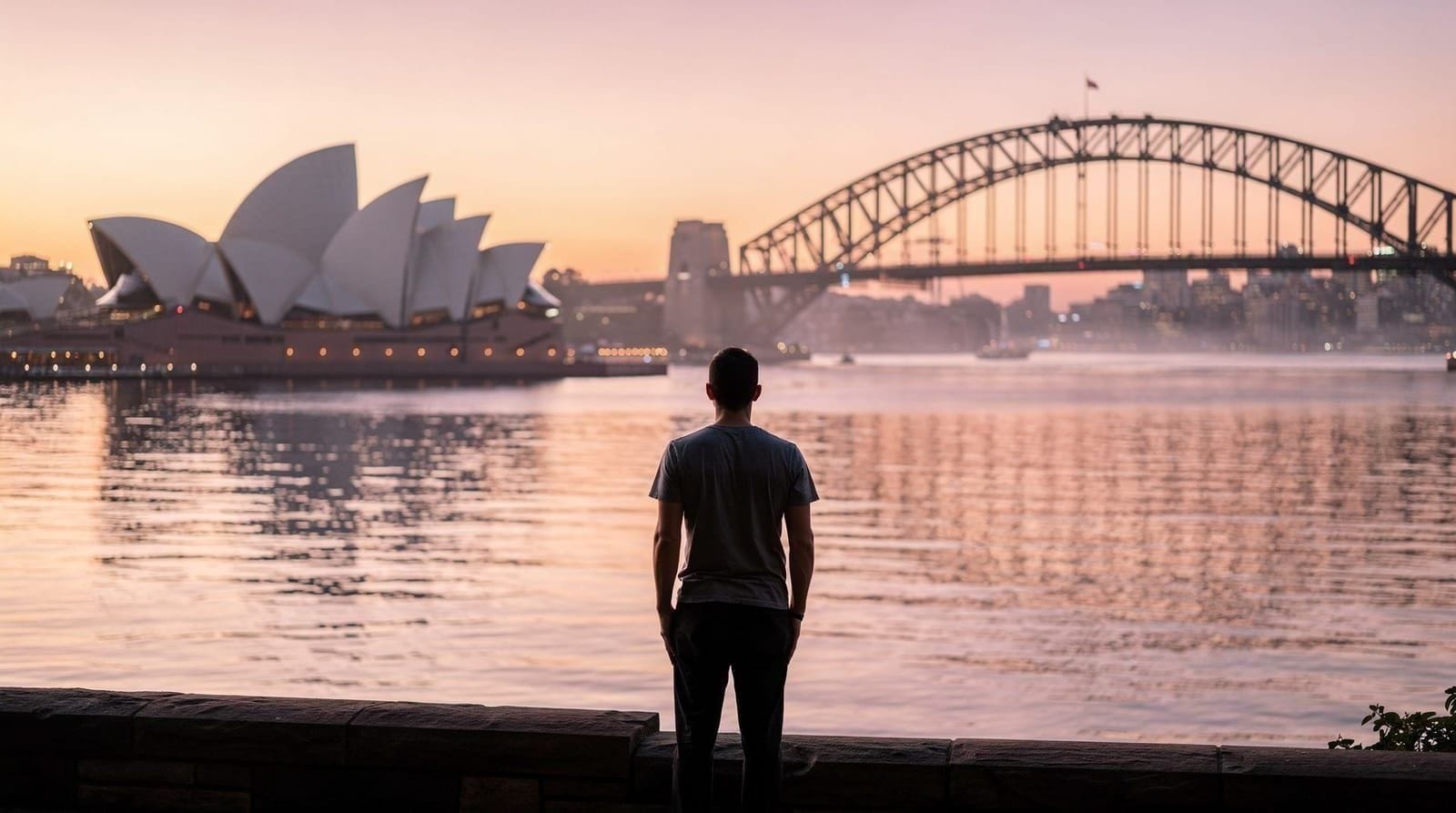
Photography: The Harbour Bridge from Dawes Point Park (at the water’s edge, northern end of The Rocks) is one of Sydney’s best low-key photography spots — you get the underside of the bridge structure from almost directly below, which is a completely different perspective from the postcard view at Circular Quay. Sunrise is recommended.
Combining The Rocks with the rest of the harbour
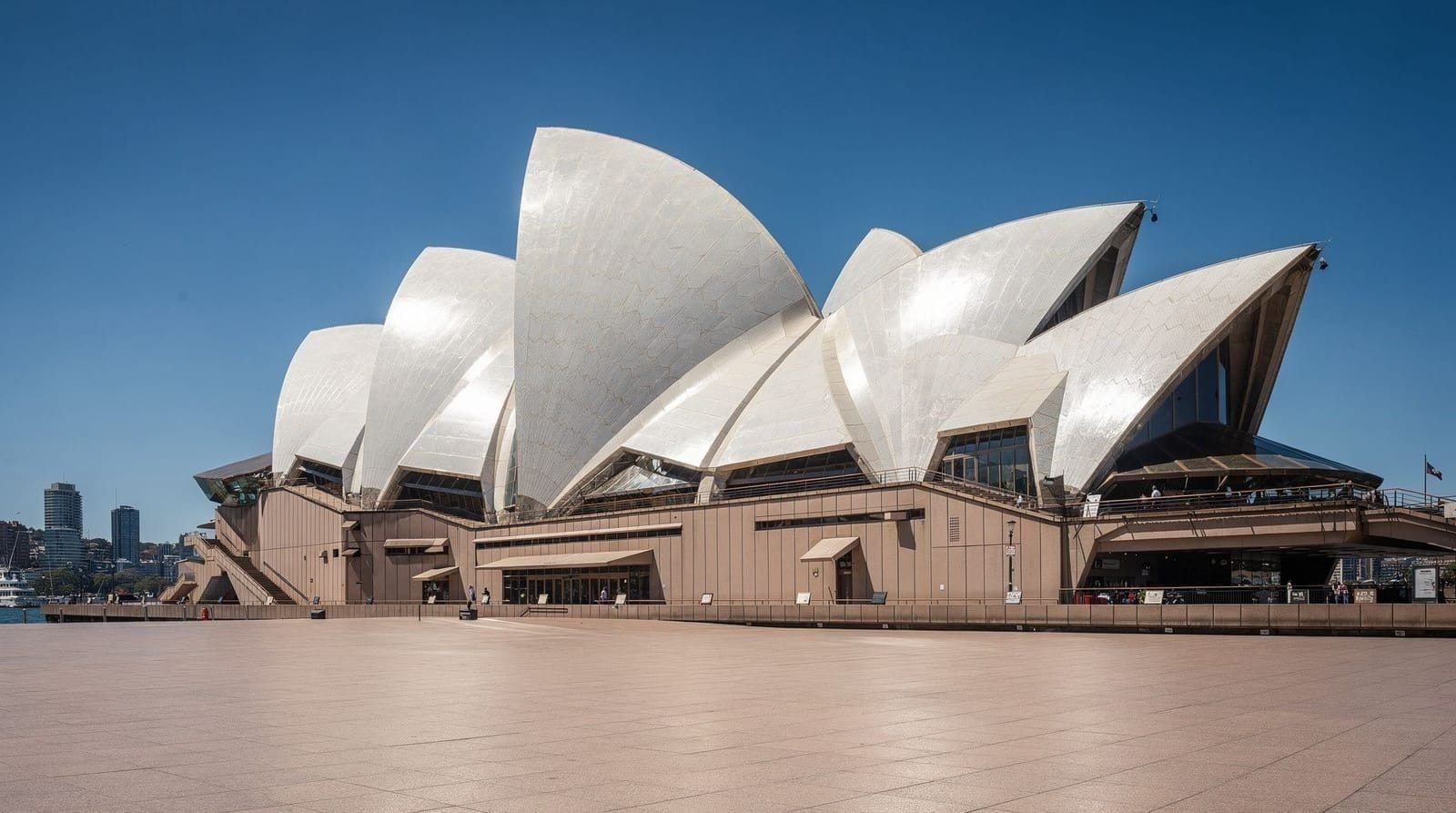
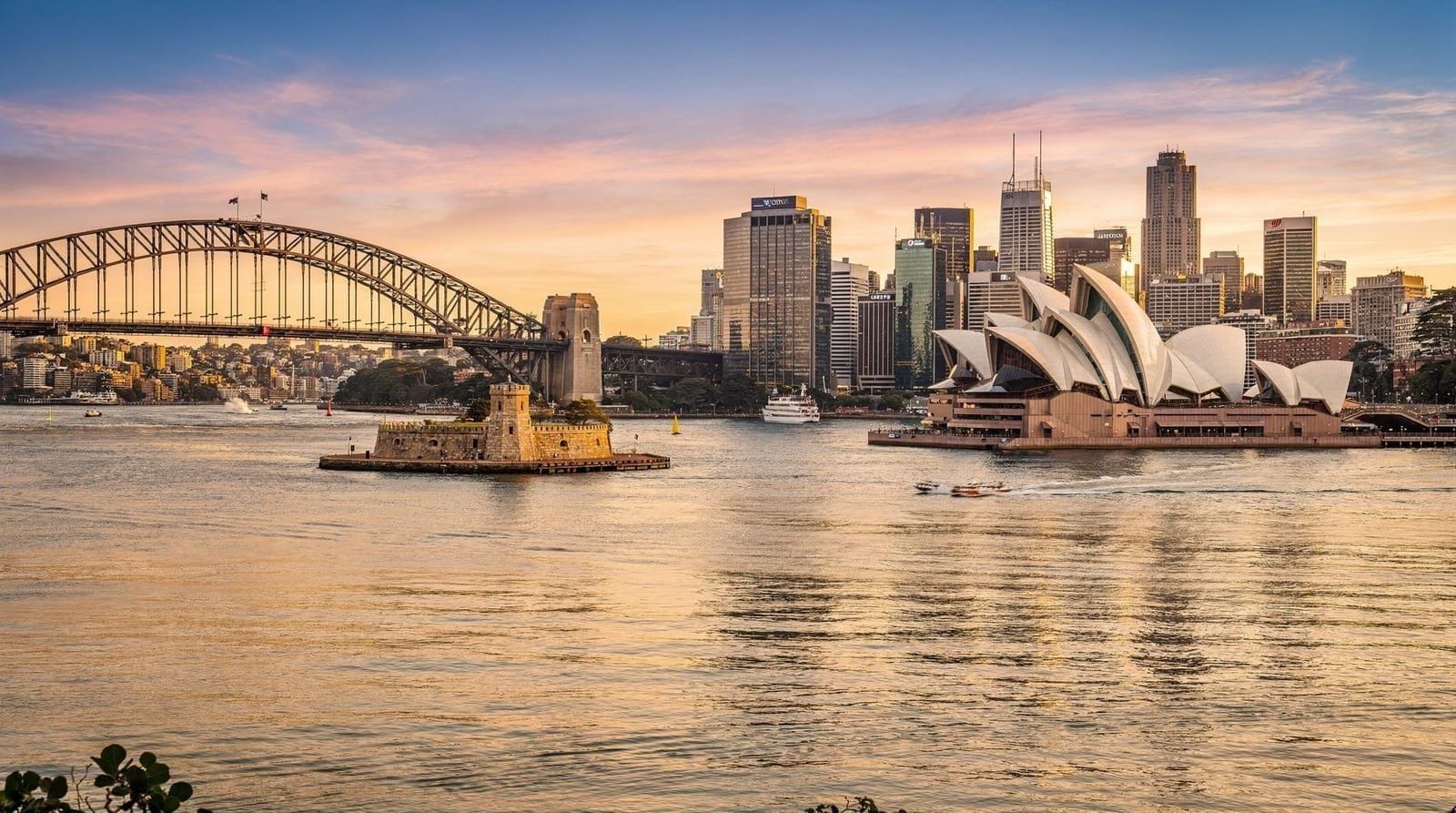
The Rocks is a natural anchor for a first day in Sydney because it sits directly beside Circular Quay and the Opera House forecourt. A practical half-day sequence: arrive by train at Circular Quay, walk the Rocks laneways and Dawes Point Park in the morning while the light is good and the crowds are thin, have lunch at one of the George Street cafés, then continue east to the Opera House or across the Harbour Bridge pedestrian walkway (free) in the afternoon. If you only have 3 days in Sydney, The Rocks belongs on day one, before the CBD orientation makes more sense.
For visitors deciding how to sequence a first-timer’s itinerary more broadly, the Sydney for first-timers guide and how many days in Sydney cover where The Rocks fits relative to the beaches and day trips.
Is the Opera House tour worth adding on
Because The Rocks sits a five-minute walk from the Opera House, many visitors ask whether to add the guided Opera House tour to the same day. The forecourt and Circular Quay promenade are free to walk regardless; the guided interior tour is ticketed and covers the building’s construction history and performance spaces. See the dedicated is the Opera House tour worth it guide for a direct answer before you commit the extra time.
Frequently asked questions about The Rocks
Is The Rocks worth visiting?
Yes, with appropriate expectations. The Rocks is the most historically significant precinct in Sydney and arguably in Australia — the site where European settlement of the continent effectively began. The walking tours are genuinely informative, the heritage pubs are real (not constructed nostalgia), and the weekend markets are among Sydney’s better artisan markets. It is not a neighbourhood of great restaurants or cutting-edge culture, but as a historical experience it is unique.
How long should I spend in The Rocks?
A half day is sufficient to see the main sights independently: Dawes Point Park, Cumberland Street laneways, the Rocks Discovery Museum, and a beer at one of the heritage pubs. A full day allows for a walking tour (90 minutes) plus independent exploration, lunch, and the weekend markets if you’re visiting on a Saturday or Sunday.
What are the best pubs in The Rocks?
The Hero of Waterloo (oldest, most atmospheric), the Glenmore Hotel (best rooftop view), and the Lord Nelson Brewery Hotel (best beer selection). Avoid the polished bar venues that have opened in The Rocks over the past decade — they lack the character of the heritage pubs and charge the same prices.
When is the best time to visit The Rocks markets?
The markets run Saturday and Sunday 10am–5pm. Saturday morning (arriving around 10–10:30am) before the main tourist crowds arrive gives you access to the best stalls before the popular items sell out. The markets run regardless of weather.
Can I do The Rocks as part of a walking tour?
Yes. The walking tours meet at Clocktower Square on Argyle Street and are an efficient way to cover the historical narrative before exploring independently. The evening ghost tour is a different experience from the daytime options and suits visitors who want entertainment alongside the history.
Is The Rocks safe at night?
Yes, generally. The Rocks is well-lit, well-patrolled, and popular with tourists and locals alike into the evening, particularly around the heritage pubs. As with anywhere in central Sydney, stick to the main lit laneways rather than quieter side alleys late at night.
Can I visit The Rocks for free?
Most of the best experiences are free: walking the laneways, Dawes Point Park, the Rocks Discovery Museum, browsing the weekend markets, and crossing the Harbour Bridge pedestrian path. The paid elements are the guided walking tours, drinks at the heritage pubs, and any shopping.
Top experiences
Bookable activities with verified prices and instant confirmation on GetYourGuide.