Sydney CBD
The complete guide to Sydney's city centre — Opera House, Harbour Bridge, Royal Botanic Garden, best restaurants, and how to get around without
Sydney: The Sydney Opera House tour
Quick facts
- Best for
- Iconic landmarks, harbour views, fine dining, cultural experiences
- Time needed
- 2–3 full days minimum
- Getting there
- Airport Link train from SYD to Town Hall or Central, 13 min (~AUD 19)
- Opal daily cap
- AUD 19.30 (Mon–Thu), AUD 9.65 (Fri–Sun)
- Don't miss
- Sunrise at Mrs Macquarie's Chair, Royal Botanic Garden at golden hour
- Avoid
- Circular Quay waterfront restaurants (tourist prices, ordinary food)
Where Sydney’s story begins
| At a glance | |
|---|---|
| Where | 3 km strip from Central Station to Circular Quay, including The Rocks, Barangaroo, and Haymarket |
| Cost | Free landmarks (Royal Botanic Garden, foreshore, Hyde Park); paid attractions from around A$21 (Pylon Lookout) to A$270 (BridgeClimb summit) |
| Time needed | 2–3 full days minimum |
| Getting there | Airport Link train from SYD to Town Hall/Central (around 13 min, ~A$19); City Circle trains and light rail within the CBD |
| Best time | March–May (autumn) or September–October for mild weather and thinner crowds; avoid the NYE period unless pre-booked |
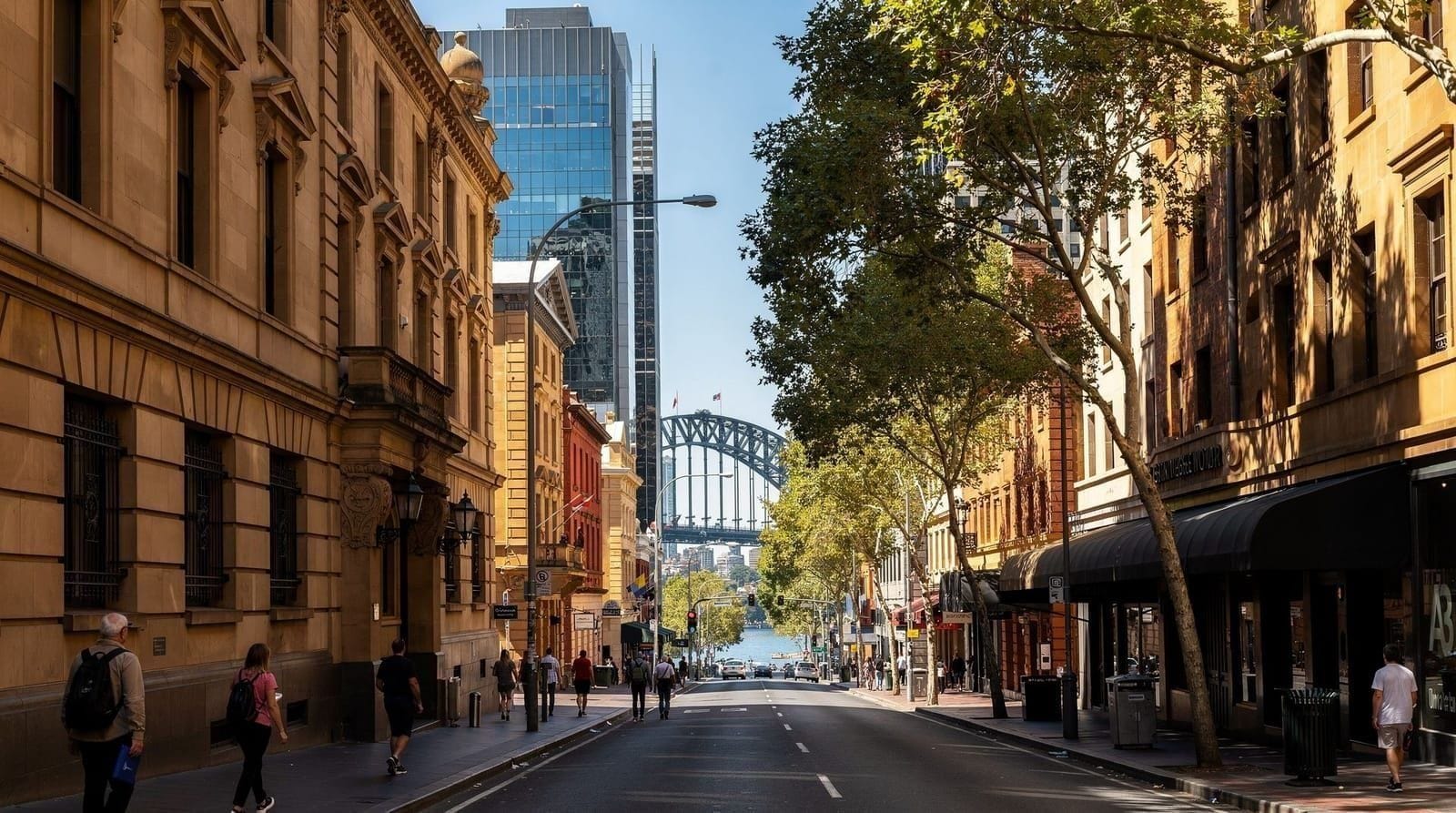
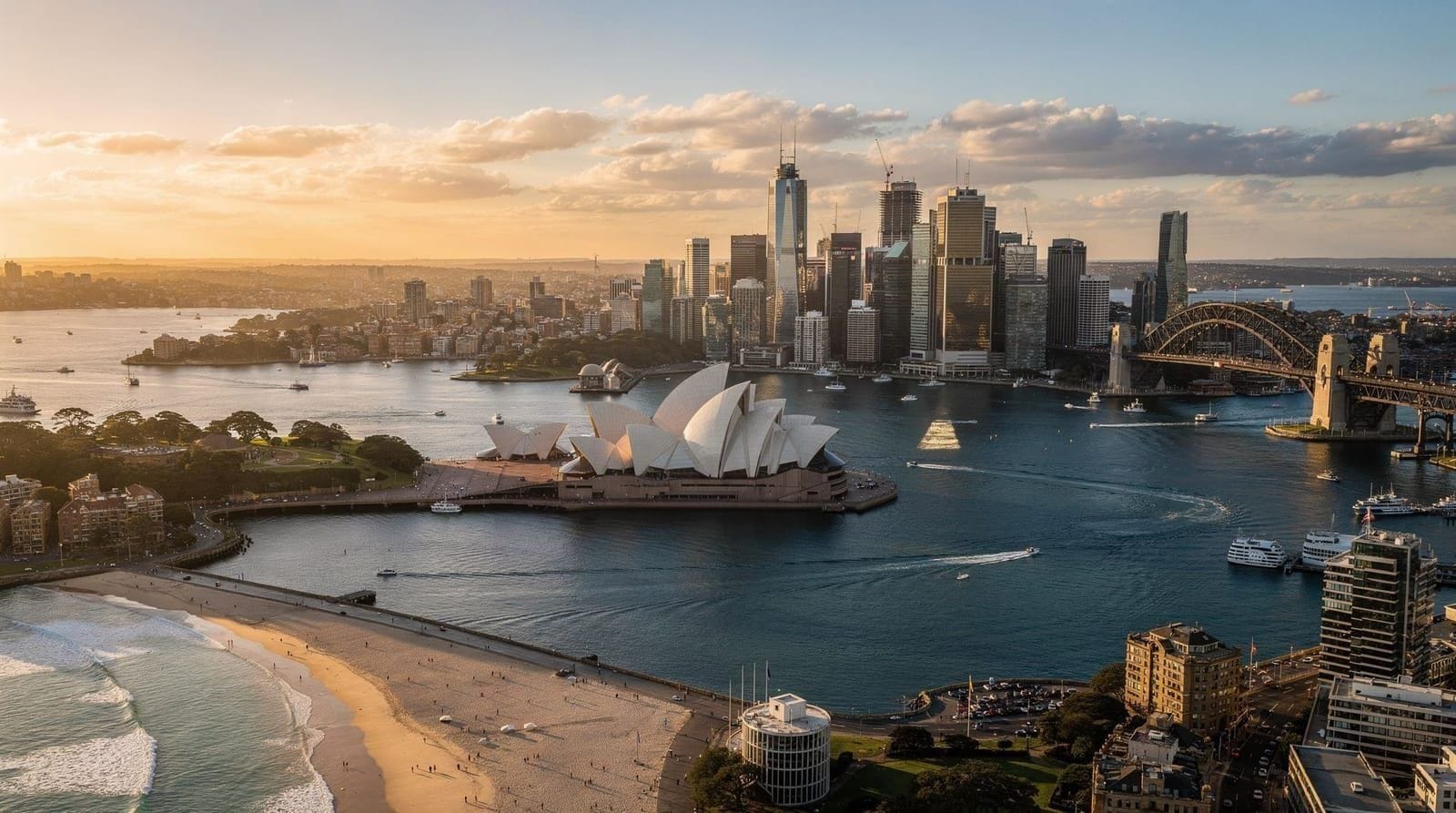
Sydney’s CBD is a 3-kilometre strip of sandstone and glass pressed against one of the world’s great natural harbours. It is compact enough to walk in a morning yet dense enough that you could spend a full week here and still miss corners worth returning to. George Street, the main commercial spine, runs north from Central Station to Circular Quay, threading through the Queen Victoria Building, the CBD’s main shopping precincts, and a scatter of laneways that harbour some of the city’s best coffee.
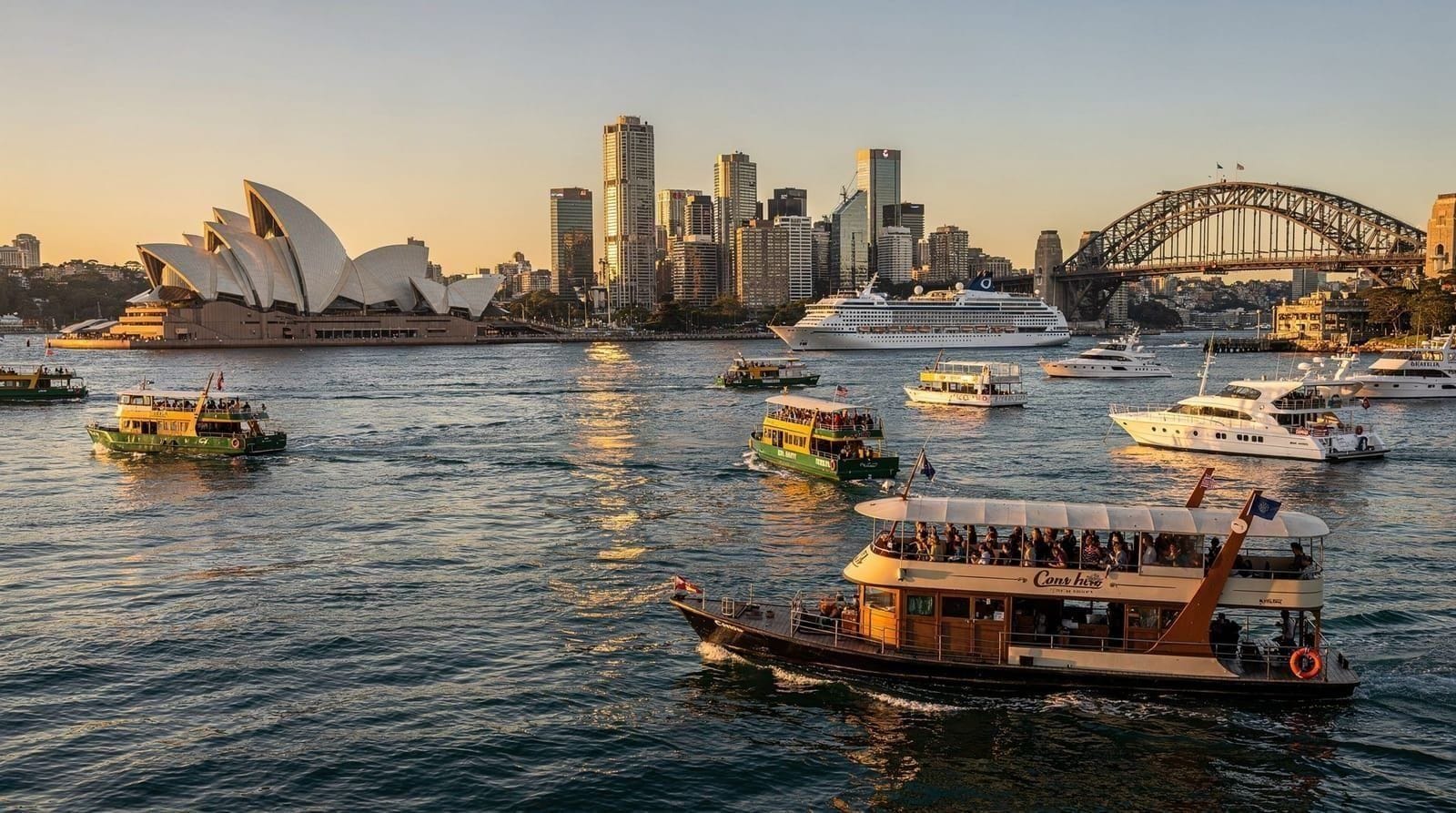
The appeal for visitors is straightforward: the Opera House and Harbour Bridge are both within fifteen minutes’ walk of most CBD hotels, the Royal Botanic Garden is free and enormous, and the ferry network at Circular Quay connects the CBD to Manly, Watsons Bay, Taronga Zoo, and Parramatta without any need for a private vehicle. If you are visiting Sydney for the first time, the CBD is where you should base yourself.
That said, not everything in the CBD deserves your money. The strip of restaurants along the Circular Quay waterfront — particularly those facing the Opera House — are among the most overpriced dining options in Australia. A mediocre seafood pasta will cost you AUD 40–55 in a venue that exists almost entirely for the view. Walk two blocks away and you will eat substantially better for half the price.
The landmarks worth your time
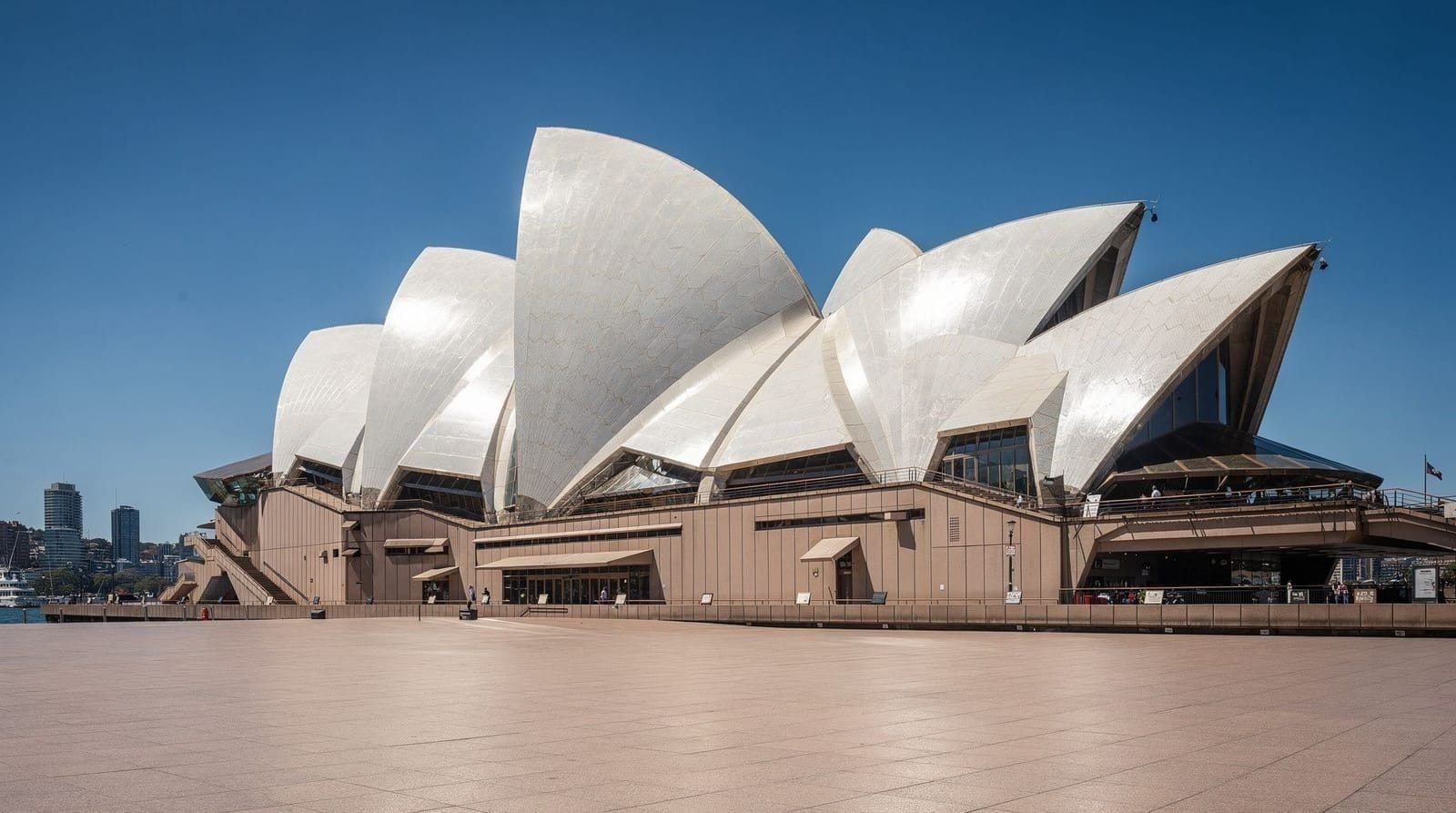
Sydney Opera House is not just a backdrop for photos — it is a functioning arts venue with a genuinely diverse program covering opera, contemporary theatre, jazz, and family events. A guided architectural tour (about 1 hour, AUD 45) is worth it even if you have no interest in opera; the interior is full of surprising details, including the award-winning acoustics in the Concert Hall and the building’s structural oddities that emerged from Jørn Utzon’s evolving design process. The backstage tour (AUD 143) goes further and includes the stage areas and technical infrastructure.
Book the Sydney Opera House guided tour — this is the best single hour you can spend inside one of the world’s most recognisable buildings.
Harbour Bridge is best experienced from the Pylon Lookout (AUD 21, open daily), which gives elevated views over the harbour without the cost of the BridgeClimb. The BridgeClimb itself (from AUD 178 for the Sampler, AUD 270 for the full summit day climb) is a legitimate experience — three hours on the arch with a licensed guide and 360-degree harbour views — but it is not essential viewing if your budget is tight. The Pylon Lookout delivers roughly 70% of the experience for 10% of the price.
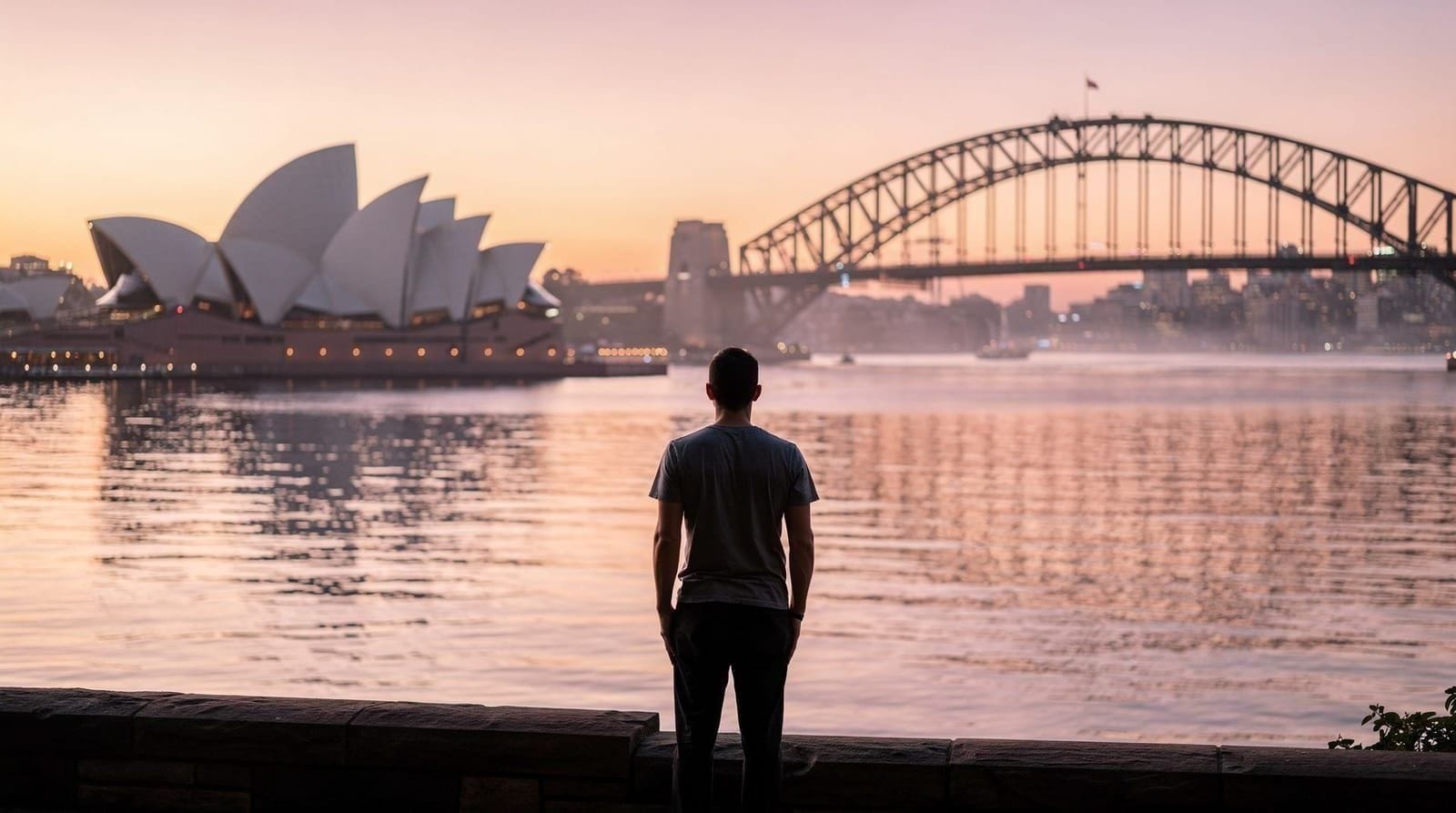
Royal Botanic Garden is one of Sydney’s great free assets. Established in 1816 on the original farmland of the First Fleet’s agricultural colony, the garden stretches from Farm Cove along the harbour to Mrs Macquarie’s Point. The view of the Opera House and Harbour Bridge from Mrs Macquarie’s Chair at sunrise is, objectively, the best free photograph you can take in Sydney. Ibises wander through the grounds treating the place as theirs, which it partly is.
Sydney Tower Eye sits on Market Street and gives a 360-degree view of the city and harbour from 268 metres. Admission (AUD 30–38) includes a 4D cinema experience that provides context for the geography below you. The adjoining Skywalk (AUD 75–85) takes you outside on a glass-floored observation platform. Neither is essential, but the Tower gives a spatial orientation that genuinely helps you understand Sydney’s layout before you start exploring.
Sydney Tower Eye tickets with 4D experienceNeighbourhoods within the CBD
The CBD is not uniform. Each pocket has a distinct character:
The Rocks (north, adjacent to Circular Quay) is Sydney’s oldest precinct — narrow laneways, sandstone buildings from the 1800s, weekend markets, and several pubs that date back to the convict era. The Glenmore Hotel on Cumberland Street has a rooftop with unobstructed Harbour Bridge views. The Hero of Waterloo on Lower Fort Street, built in 1843, has a basement with tunnels that were allegedly used to press-gang drunken sailors into naval service. Whether the tunnel stories are entirely true is debatable; the pub is genuinely old and the beers are cold. The Rocks walking tour covers the neighbourhood’s convict and colonial history in about 90 minutes.
Haymarket and Chinatown (south, around Paddy’s Market) is where you eat well cheaply. Dixon Street is the traditional Chinatown strip; Thomas Street and Ultimo Road have expanded the precinct considerably. Dim sum on a weekend morning in Chinatown costs AUD 15–25 per person and is substantially better than most of the waterfront alternatives. Paddy’s Market (weekends, free entry) sells everything from fresh produce to tourist souvenirs — useful for stocking up on snacks before a day trip.
Barangaroo (west, on Darling Harbour’s northern edge) is the city’s newest major precinct, built on the former container terminal site. The southern headland reserve is a restored coastal bushland with views across to the Balmain peninsula. The retail and restaurant strip at Barangaroo South is polished but pricey. The Crown Sydney hotel and casino complex is here, along with a concentration of restaurants that tilt toward the expense-account end of the spectrum.
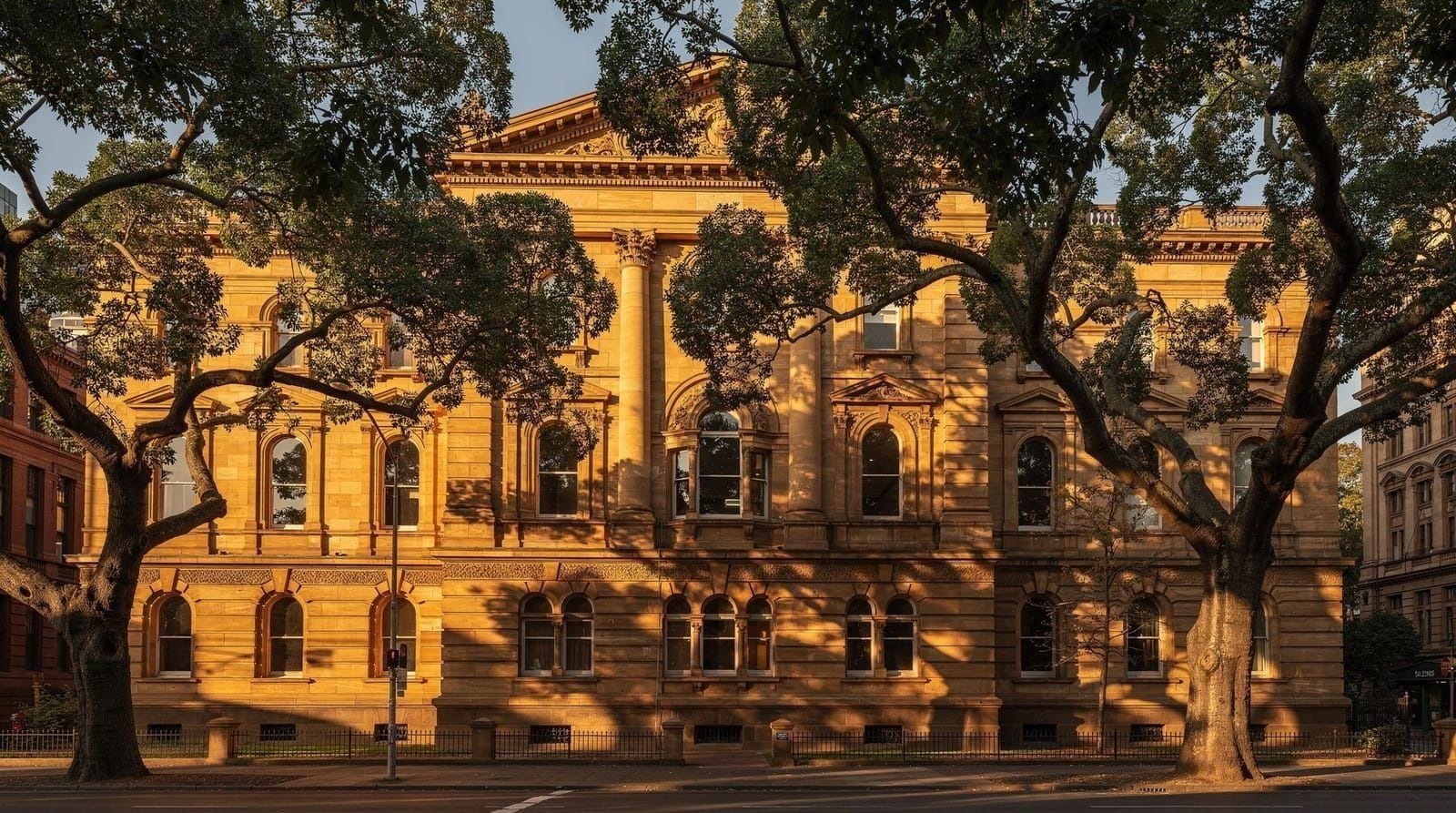
The Strand Arcade and QVB are Sydney’s two Victorian shopping arcades — both worth visiting for the architecture regardless of any shopping intention. The Queen Victoria Building on George Street is a particularly fine piece of late-Victorian commercial architecture with a working replica of the royal clock on the upper level.
Getting around the CBD
The CBD is walkable north-to-south in about 30–40 minutes (Central to Circular Quay). The light rail runs along George Street and is useful for getting between Central and Circular Quay without walking, though the distances are rarely challenging.
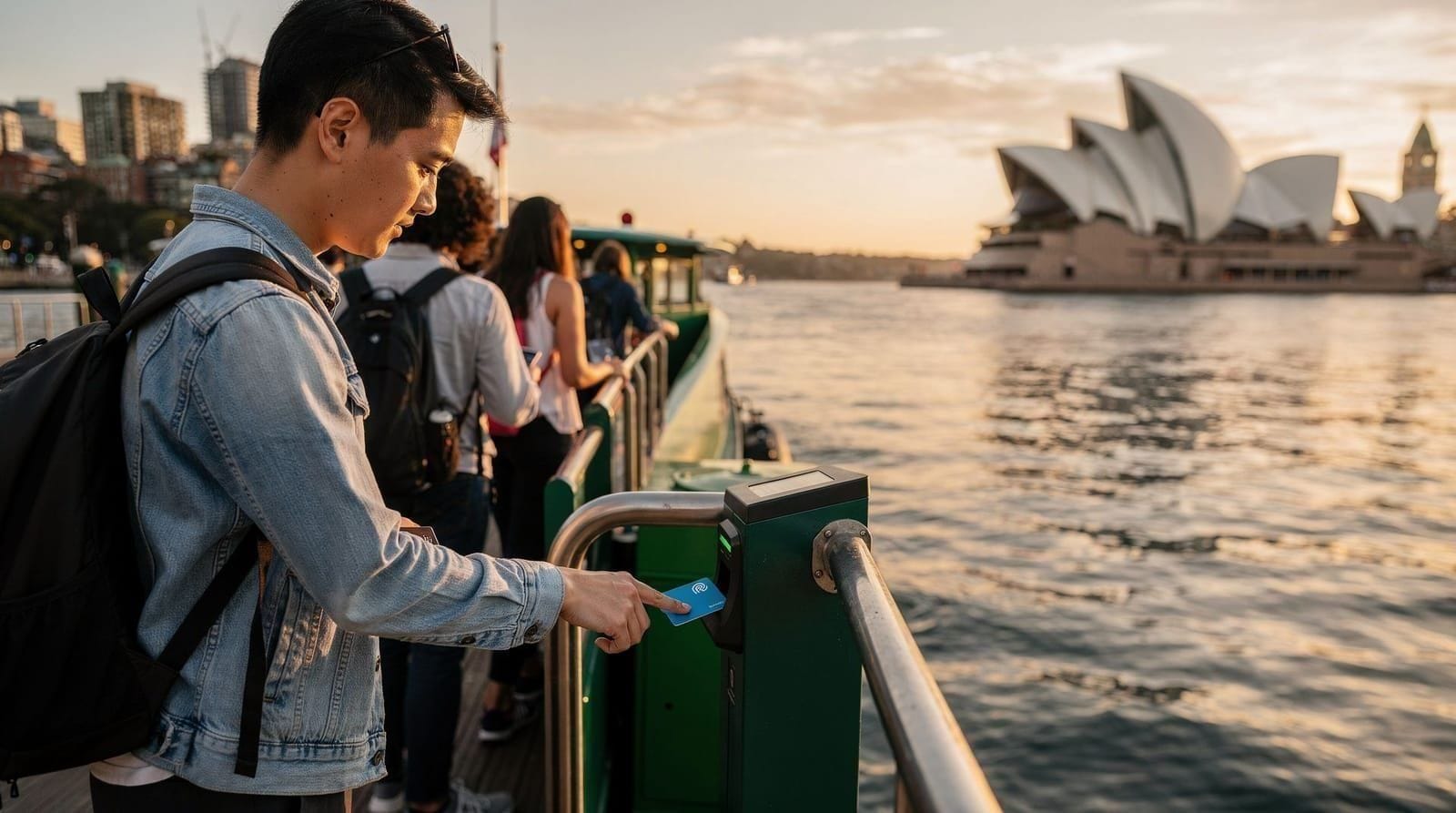
For moving beyond the CBD, the Circular Quay ferry wharves are your most useful asset. Wharf 2 serves Manly (30 minutes each way, spectacular harbour crossing), Wharf 4 and 5 serve Taronga Zoo and Neutral Bay, and Wharf 6 serves Parramatta via the Parramatta River. All trips run on Opal or contactless card. The Opal card guide covers fares, caps, and contactless payment options in full.
Big Bus hop-on-hop-off with optional harbour cruise — worth considering for day one orientation; the commentary fills in context while you’re still getting your bearings.
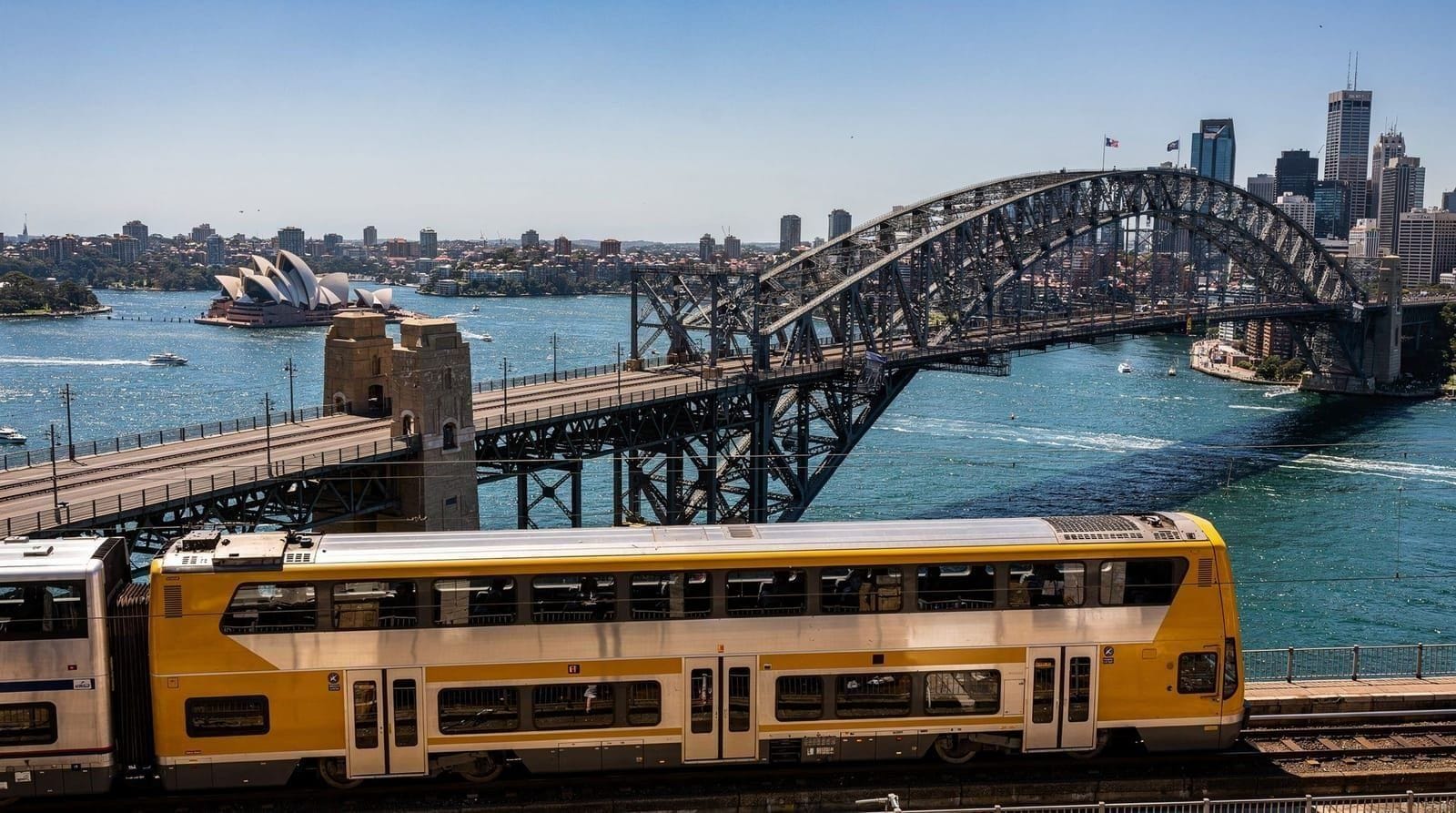
Train access: the City Circle underground (Town Hall, Wynyard, Circular Quay, St James, Museum stations) loops under the CBD and connects to all suburban lines at Central and Wynyard. The Airport Link train runs every 10 minutes and reaches the international terminal in 13 minutes.
Where to eat and drink
Skip the Circular Quay waterfront restaurants unless you are happy paying premium prices for average food. Instead:
Breakfast and coffee: The CBD has a strong café culture centred around the laneways off Market and King Streets. Reuben Hills on Albion Street (Surry Hills, a 10-minute walk from the southern CBD) is a specialty coffee institution. In the CBD proper, Paramount Coffee Project on Commonwealth Street is among the better options.
Lunch: The lunch options around Pitt Street Mall range from food court mediocre to decent. Boon Café on Dixon Street (Chinatown) does excellent Thai; Haymarket’s food halls on Little Hay Street offer a range of Asian cuisines at AUD 12–18 a dish.
Dinner: Ash Street Cellar near Martin Place has a wine list that punches above the CBD average. The CBD proper lacks the neighbourhood feel of Surry Hills, Newtown, or Paddington for evening dining — if you are prepared to travel 15 minutes by bus or light rail, the food quality improves and the prices drop.
Rooftop drinks: The Glenmore in The Rocks has a rooftop with a Harbour Bridge view. The Blu Bar at the Shangri-La Hotel (Level 36, Market Street) is a more expensive option but gives panoramic views across the entire harbour.
Planning a visit to the CBD
The CBD is always busy but predictably so. Weekday lunchtimes (12–2pm) create pedestrian congestion around Pitt Street and Market Street. Saturday afternoons from November to January attract heavy retail crowds. The NYE period (December 29 – January 1) makes the CBD almost unnavigable unless you have a pre-booked vantage point.
For a first-time Sydney itinerary, the practical sequence is: Day 1 — Opera House tour in the morning, Royal Botanic Garden and Mrs Macquarie’s Chair, The Rocks in the afternoon. Day 2 — Harbour Bridge Pylon Lookout or BridgeClimb, ferry to Manly or Taronga Zoo, return at sunset. Day 3 — Museum of Sydney, Chinatown lunch, a cruise or kayak on the harbour.
For a 5-day Sydney itinerary that takes in more of the CBD’s depth alongside day trips, allow two full CBD days plus three days for surrounding areas.
Budget note: accommodation in the CBD runs AUD 180–350 per night for a mid-range hotel room. The neighbouring suburbs of Surry Hills, Newtown, and Glebe have cheaper options 15–25 minutes away by public transport.
Frequently asked questions about Sydney CBD
How much does it cost to visit Sydney CBD?
Most of the CBD’s major public spaces — the Royal Botanic Garden, the foreshore walk, The Domain, and Hyde Park — are free. Paid attractions include the Opera House tour (AUD 45), Sydney Tower Eye (AUD 30–38), BridgeClimb (from AUD 178), and the various museum entry fees (AUD 15–25). A realistic daily budget for mid-range visitors covering attractions, meals, and transport is AUD 180–250 per person.
Is Sydney CBD walkable?
Yes, the core CBD between Central Station and Circular Quay is comfortably walkable in 35–40 minutes. The Rocks, the Royal Botanic Garden, and Darling Harbour are all within 15–20 minutes’ walk of the city centre. George Street’s light rail is useful if your feet tire, but you can see most CBD landmarks on foot.
What is the best time of day to visit the Opera House?
Early morning (8–9am) gives you the best light for photography from the forecourt and near-empty crowds. Guided tours run from around 9am. The forecourt is also magical at night when the building is lit — though this will vary depending on whether an Utzon-inspired light installation is running at the time of your visit.
Are there tourist traps to avoid in the CBD?
Yes. The main one is the strip of restaurants between Circular Quay and the Opera House forecourt — these charge 30–50% more than equivalent restaurants two streets away. Avoid any “Sydney Harbour cruise” offered by touts outside Darling Harbour or along the waterfront; book through reputable operators or directly through GetYourGuide. Souvenir shops selling “authentic Aboriginal art” near The Rocks vary enormously in legitimacy — look for galleries that clearly credit the artist’s name and community.
What is the best way to get from the airport to the CBD?
The Airport Link train is the most reliable option: 13 minutes to Town Hall, approximately AUD 19 on Opal (capped). Taxis and rideshare (Uber, Ola) typically cost AUD 45–55 depending on traffic. The airport-to-CBD guide covers all options including the bus routes that avoid the airport train surcharge.
Can I visit Sydney CBD without a car?
Absolutely. The CBD is best explored without a car — parking is expensive (AUD 25–55 per day) and the public transport network covers everything you need. The Opal card system covers trains, ferries, buses, and light rail. Taxis and rideshare services are available for late-night journeys when public transport frequency drops.
How many days do I need in the CBD alone?
Two to three full days covers the major landmarks (Opera House, Harbour Bridge, Royal Botanic Garden, The Rocks) without rushing, plus time for at least one harbour cruise or ferry trip. Add a fourth day if you want to properly explore Barangaroo, the museums, and a couple of the CBD’s better restaurants rather than just the sights.
Is the CBD the best place to stay in Sydney?
For first-time visitors, yes — it puts the Opera House, Harbour Bridge, and Circular Quay ferries within walking distance, which matters most on a short trip. If you’re staying longer or on a tighter budget, Surry Hills offers similar proximity with a better food scene and cheaper rooms.
Beyond the headline landmarks
Once the Opera House, Harbour Bridge, and Botanic Garden are ticked off, the CBD rewards a slower second pass. The Museum of Sydney (corner of Bridge and Phillip Streets) sits on the site of the first Government House and covers the colony’s earliest years in more depth than the larger institutions. The Australian Museum, near Hyde Park, has a genuinely strong First Nations and natural history collection and free general entry. Hyde Park itself, with the Anzac Memorial at its southern end, is an underused green space for a break between sightseeing stops — see the Hyde Park and Anzac Memorial guide for the history.
For a different angle on the CBD’s colonial history, The Rocks Dreaming tour covers Aboriginal heritage and perspectives that the standard convict-era walking tours tend to skip.
How the CBD compares to basing yourself elsewhere
Staying in the CBD maximises landmark proximity but comes at a price premium and without the neighbourhood food culture of areas like Surry Hills or Newtown. For a first Sydney trip of 3–5 days, the CBD is still the right base — you’ll want the Opera House, Harbour Bridge, and ferries close at hand every day. For longer stays, splitting your nights between the CBD and an inner suburb gives the best of both. The where to stay in Sydney guide breaks this down area by area.
Top experiences
Bookable activities with verified prices and instant confirmation on GetYourGuide.