Is Darling Harbour overrated? An honest guide
Sydney: 30 minute jet boat ride from Darling Harbour
Duration: 30 minutes
Is Darling Harbour worth visiting in Sydney?
It depends entirely on what you want from it. The marine and wildlife attractions (SEA LIFE, WILD LIFE, Australian National Maritime Museum) are legitimate. The restaurants are mostly overpriced average food in a contrived setting. As a neighbourhood base, it lacks authentic character. Families with children under 12 visiting the paid attractions will get value here. Others should prioritise the harbour proper and its ferry network.
| At a glance | |
|---|---|
| Where | Western edge of the Sydney CBD, walkable from Town Hall or Central |
| Cost | Free to walk; paid attractions are ticketed separately (see the official attraction websites for prices), combo tickets reduce the total |
| Time needed | 2–3 hours for the Maritime Museum alone; a full day with children doing SEA LIFE/WILD LIFE/Madame Tussauds |
| Getting there | Light rail to Convention Centre or Exhibition Centre; 15-minute walk from Town Hall |
| Best time | Weekday daytime for shorter queues; Vivid Sydney evenings (May–June) for atmosphere |
Darling Harbour occupies a former industrial waterfront on the western edge of the Sydney CBD. It was redeveloped as a tourist and convention precinct beginning in the 1980s, and the 2016–2019 redevelopment replaced the original Harbourside shopping centre with the International Convention Centre and a reconfigured waterfront. The result is polished, accessible and — for most adult visitors without children — underwhelming.
What Darling Harbour actually is
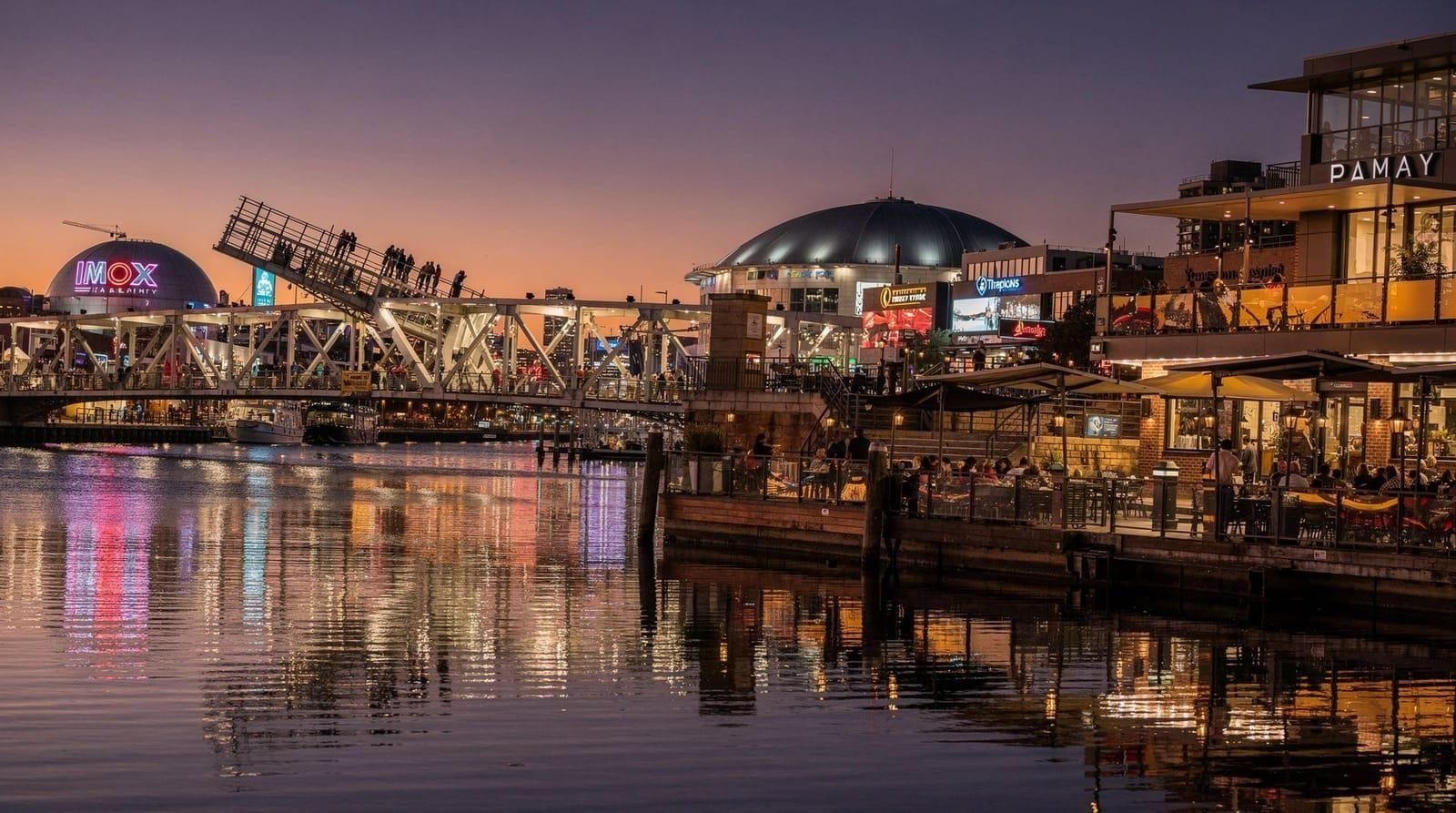
The precinct runs from Pyrmont Bridge at the north to the new ICC and Tumbalong Park at the south, roughly 700 metres of pedestrianised waterfront. It includes:
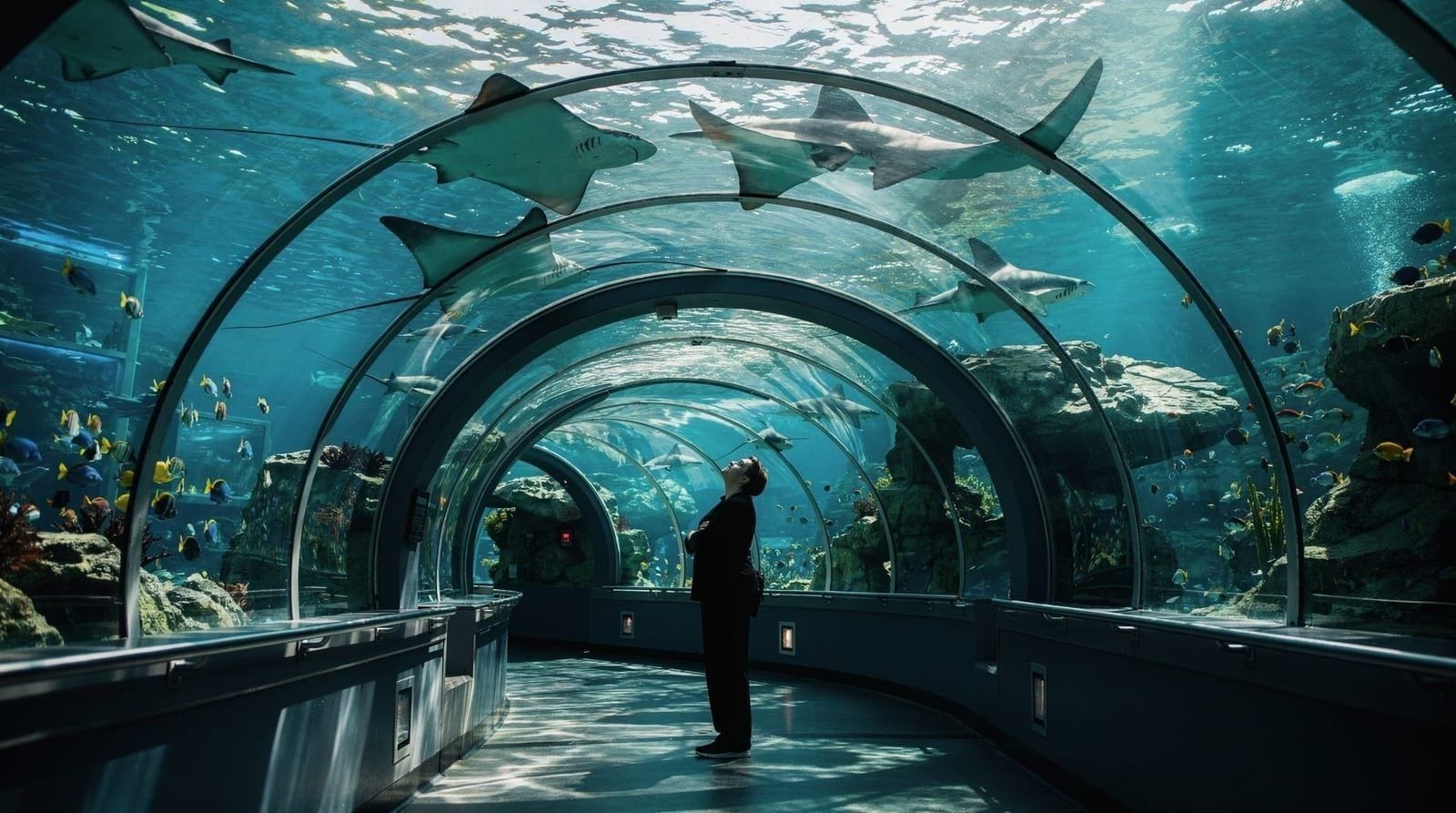
- SEA LIFE Sydney Aquarium: Australia’s largest aquarium, with a good Great Barrier Reef section and the shark tank as a clear highlight.
- WILD LIFE Sydney Zoo: Compact zoo focused on Australian species (koalas, wombats, Tasmanian devils, reptiles). Good for time-limited visitors but significantly smaller and less comprehensive than Taronga Zoo.
- Madame Tussauds: International wax museum franchise. Standard format, Sydney-specific celebrity section added.
- Australian National Maritime Museum: Actually excellent and underattended. The outdoor fleet (including a replica HMB Endeavour, a destroyer and a submarine) is one of the more unusual free-access museum experiences in Sydney.
- Harbourside Shopping Centre (now International Convention Centre precinct): Convention and event space.
- Tumbalong Park: Open grassed area, children’s playground, outdoor events.
- China Town (adjacent, south-east corner): Dixon Street and Thomas Street are worth knowing about for cheap, good-quality food.
The restaurant problem
The Darling Harbour waterfront restaurants — the chains lining the waterfront between King Street Wharf and the aquarium — operate on a captured tourist trade model. Foot traffic is enormous, international visitors rotate through daily, and restaurants do not need to compete heavily on quality or price. The result is restaurants charging AUD 35–55 for main courses of ordinary quality.
Specific observations:
King Street Wharf restaurant strip: Multiple restaurants (The Bavarian, Cargo Bar, Barrio Bonito and others) offer outdoor waterfront seating. The food quality is reliable but not exceptional. Mains run AUD 32–50. A comparable meal costs AUD 24–36 in Surry Hills or the CBD.
Cockle Bay Wharf: Similar format on the opposite side of the inlet — large multi-level venues (The Meat and Wine Co, FLYING FISH) that use the harbour view to justify premium pricing.
Harborside Woolworths Supermarket (inside the precinct): Bizarrely, one of the best lunch solutions near Darling Harbour — the supermarket deli section at the Broadway Shopping Centre (10-minute walk) has salad bars and prepared meals for AUD 8–15. Not romantic, but you are not paying for a harbour view you can get for free from the walkway.
China Town: Dixon Street is a 10-minute walk from the main Darling Harbour precinct. Vietnamese, Chinese, Malaysian and Korean restaurants run AUD 12–22 for a full meal. The quality significantly exceeds the waterfront price tier. Ippudo ramen, Chat Thai, and a cluster of excellent Malaysian Halal options make this the obvious lunch destination near Darling Harbour.
What is worth visiting
SEA LIFE Sydney Aquarium: The shark tank walkthrough is legitimately impressive — a 170-metre tunnel under the shark display is unlike anything in most European aquariums. The dugong exhibit and the penguin colony are the other highlights. Worth the cost for families. For adults, manage expectations: it is a good aquarium, not an exceptional one.
WILD LIFE Sydney Zoo: Practical for visitors who want a koala or wombat encounter and cannot fit a full Taronga Zoo or Featherdale Wildlife Park visit. The walkthrough eucalyptus forest section housing koalas is the draw. For a more comprehensive wildlife experience, Taronga Zoo (Opal ferry + entry) is significantly better. See the Taronga Zoo guide.
Australian National Maritime Museum (free for most exhibits): Genuinely worth a few hours. The museum covers Australian nautical history from the First Fleet to modern naval vessels. The outdoor fleet includes a decommissioned destroyer (HMAS Vampire), a Cold War-era submarine (HMAS Onslow) and the Endeavour replica. Additional tickets required for the vessels — check the official Australian National Maritime Museum website for prices and which vessels are open. Well worthwhile.
Tumbalong Park and the fountain: Fine for a break with children. The park hosts free outdoor events during festivals including Vivid Sydney.
When to visit Darling Harbour
Daytime with children: The combination of SEA LIFE, WILD LIFE and the Maritime Museum makes a full family day in Darling Harbour sensible and reasonably priced with combination tickets.
Vivid Sydney evenings: Darling Harbour’s waterfront and Cockle Bay are a major installation zone during Vivid Sydney (May–June). The evening light festival programming makes Darling Harbour genuinely atmospheric. See the Vivid Sydney guide.
NYE fireworks viewing: Cockle Bay has ticketed NYE events with adequate but not exceptional fireworks views — the main harbour display is visible but the Opera House/Harbour Bridge combination is not in direct sightline from Cockle Bay.
Better alternatives to Darling Harbour for general visitors
For the harbour experience: Circular Quay, the ferry to Manly or Watsons Bay, and the harbourside walks between the Opera House and the Royal Botanic Garden.
For waterfront dining at reasonable prices: The Rocks has a higher quality-to-price ratio than Darling Harbour. Watsons Bay has excellent casual seafood (Doyle’s on the Beach, Sydney Fish Market alternatives).
For a wildlife experience: Taronga Zoo is a better zoo in a better setting. Featherdale Wildlife Park in the western suburbs is more intimate and cheaper.
For family entertainment: Luna Park (directly under the Harbour Bridge on the north shore) is a more distinctive Sydney experience than any of the Darling Harbour equivalents.
Seeing the water without the waterfront strip
If what you want from Darling Harbour is the feeling of being on the water, the better move is usually to get onto it. The Darling Harbour destination page covers the precinct itself, while the wider Sydney Harbour page shows how much more there is beyond Cockle Bay. Several operators start from this side of the city, and the experience is far more memorable than a table on the promenade.
For something fast and loud, a jet boat ride from Darling Harbour is the obvious choice, and a jet boat ride that departs from the Darling Harbour waterfront keeps the logistics simple. If you are undecided between speed and a slower format, the jet boat vs sailing comparison and the tall ship sailing guide lay out the trade-offs.
For a calmer option, the Sydney Harbour kayaking guide explains what to expect, and a paddle on the harbour at sunset gives you the Opera House and Harbour Bridge views that Cockle Bay cannot. The sunset harbour cruises guide covers the less active versions of the same idea.
If you still want to eat with a view, a cruise is a more honest way to pay for it than the waterfront strip, because the scenery actually changes while you eat. a multi-course dinner cruise on the harbour is one example, and the best dinner cruises guide and Sydney lunch cruises guide compare the formats. For the full range of boat trips, start with the Sydney Harbour cruises guide.
If you are building a wider plan, the Sydney 3 days first-time itinerary and the Sydney weekend in 48 hours itinerary show where a Darling Harbour visit can fit without taking over the trip, and the Sydney ferries guide explains how to move around the harbour cheaply.
The honest verdict
Darling Harbour exists because the waterfront is there and large numbers of tourists need somewhere to go in proximity to the CBD. The maritime museum is an underrated gem. SEA LIFE is a legitimate attraction. The restaurants are primarily running on location and marketing. For visitors who read this guide before arriving, the appropriate approach is to visit the paid attractions that suit your group, eat in China Town or bring your own food to the park, and allocate the rest of your Sydney time to the harbour proper and the eastern beaches.
See Sydney tourist traps for the broader picture, and Sydney on a budget honest for cost management across the whole trip.
The full cost breakdown for a Darling Harbour family day
For a family of 2 adults + 2 children planning a Darling Harbour day, a realistic cost breakdown:
| Activity | Adult | Child (4–15) | Notes |
|---|---|---|---|
| SEA LIFE Aquarium | See official website | See official website | Book online |
| WILD LIFE Sydney Zoo | See official website | See official website | Can combine with SEA LIFE for savings |
| Madame Tussauds | See official website | See official website | Lowest value-for-cost of the three |
| Lunch (waterfront café) | AUD 35 | AUD 18 | Per person estimate |
| Transport (Opal, return) | AUD 19.30 | AUD 9.65 | Within daily cap, weekdays |
Better value alternatives for the same budget:
- Taronga Zoo (AUD 180 for family of 4) + Manly Ferry (within Opal cap) + a Manly café lunch (AUD 80) = AUD 260 total with a superior zoo experience and genuinely exceptional harbour views
Darling Harbour for adults without children
Adult visitors to Darling Harbour without children face the clearest case for prioritising elsewhere. The attraction line-up is primarily designed for families. The restaurant strip serves tourist demand. The Maritime Museum is the genuine exception.
A suggested Darling Harbour visit for adults (2–3 hours maximum):
- Australian National Maritime Museum (free to enter main building; a separate ticket for vessel fleet access)
- HMAS Onslow submarine and HMAS Vampire destroyer (included in fleet ticket)
- Walk the Pyrmont Bridge to the eastern side
- Coffee at the waterfront — Cafe Morso (Jones Bay Wharf, slightly north) rather than the Cockle Bay chain restaurants
Total: 2.5 hours, genuinely interesting. The remaining Sydney day should be allocated to the harbour proper (ferries, Circular Quay, Opera House area) rather than more Darling Harbour time.
Why Darling Harbour gets more visitors than it deserves
This is a structural question worth answering directly. Darling Harbour draws large visitor numbers because:
- Hotel proximity: Many Sydney conference hotels and mid-range CBD hotels are within walking distance. Conference visitors and CBD-adjacent tourists walk there naturally.
- Marketing infrastructure: Destination NSW and the Darling Harbour operators fund significant marketing — it appears prominently in “things to do in Sydney” articles and Google results.
- Family convenience: The concentration of paid child attractions in one walkable precinct is genuinely useful for families who want to do multiple things without transport logistics.
- Free public space: The waterfront walkway is pleasant and genuinely accessible. Locals walk through, eat lunch at the parks, and use it as transit.
None of these reasons make the restaurants better or the experience more authentically Sydney. Knowing why the crowds are there helps you make an independent decision about whether you should join them.
The honest Darling Harbour visit is: plan what you want to do before arriving, execute it, eat in China Town, leave. Treat it as a transit zone for attractions rather than a destination neighbourhood, and your expectations and experience will align.
Practical logistics for Darling Harbour visits
Transport: Light rail from Central or Town Hall stations stops at Convention Centre (southern end) and Exhibition Centre. Walking from Town Hall is 15 minutes. The area is well-signposted.
Parking: Expensive and unnecessary. Darling Harbour is entirely accessible by Opal transport.
Timed entry: SEA LIFE and WILD LIFE both use timed entry windows. Book online in advance — it is typically cheaper online than at the door, and you avoid queue uncertainty.
Combination tickets: The Merlin Entertainment combo (SEA LIFE + WILD LIFE + Madame Tussauds) offers a price reduction if you plan all three. Run the arithmetic for your group — the saving is real but the combo only works if you have time and interest for all three.
The Darling Harbour redevelopment — context
The 2016–2019 redevelopment replaced the 1988 Harbourside Shopping Centre with the International Convention Centre (ICC Sydney) and a redesigned waterfront. The original Harbourside was a product of the Bicentennial year (1988, marking 200 years of European settlement in Australia) — a waterfront development intended to revitalise a former industrial area.
The current precinct is cleaner, more professionally executed, and more architecturally coherent than its predecessor. The Cockle Bay waterfront promenade is well-maintained. The Tumbalong Park redesign included better public space and event infrastructure.
What the redevelopment did not change: the fundamentally commercial and tourist-oriented nature of the precinct. It remains a place designed primarily for conferences, family entertainment and tourist spending — not a neighbourhood with organic character. This is not a criticism so much as a calibration of expectation.
What locals actually do in Darling Harbour
Asking Sydney residents what they do in Darling Harbour produces a consistent pattern:
- Visit SEA LIFE or WILD LIFE with visiting interstate family, particularly children
- Attend events at the ICC Sydney (conferences, exhibitions, concerts)
- Walk through as a transit route between the CBD and Pyrmont or Ultimo
- Occasional evening drinks at a King Street Wharf venue
- Watch NYE or New Year’s Day fireworks from Cockle Bay
What they do not do: choose the Darling Harbour restaurant strip for a quality dinner. Go there spontaneously for entertainment. Recommend it to visiting friends as a must-see area.
This is useful information. Darling Harbour works as event infrastructure and a family activity hub. It is a poor substitute for experiencing Sydney’s actual food and social culture.
The harbour from Darling Harbour vs the harbour from Circular Quay
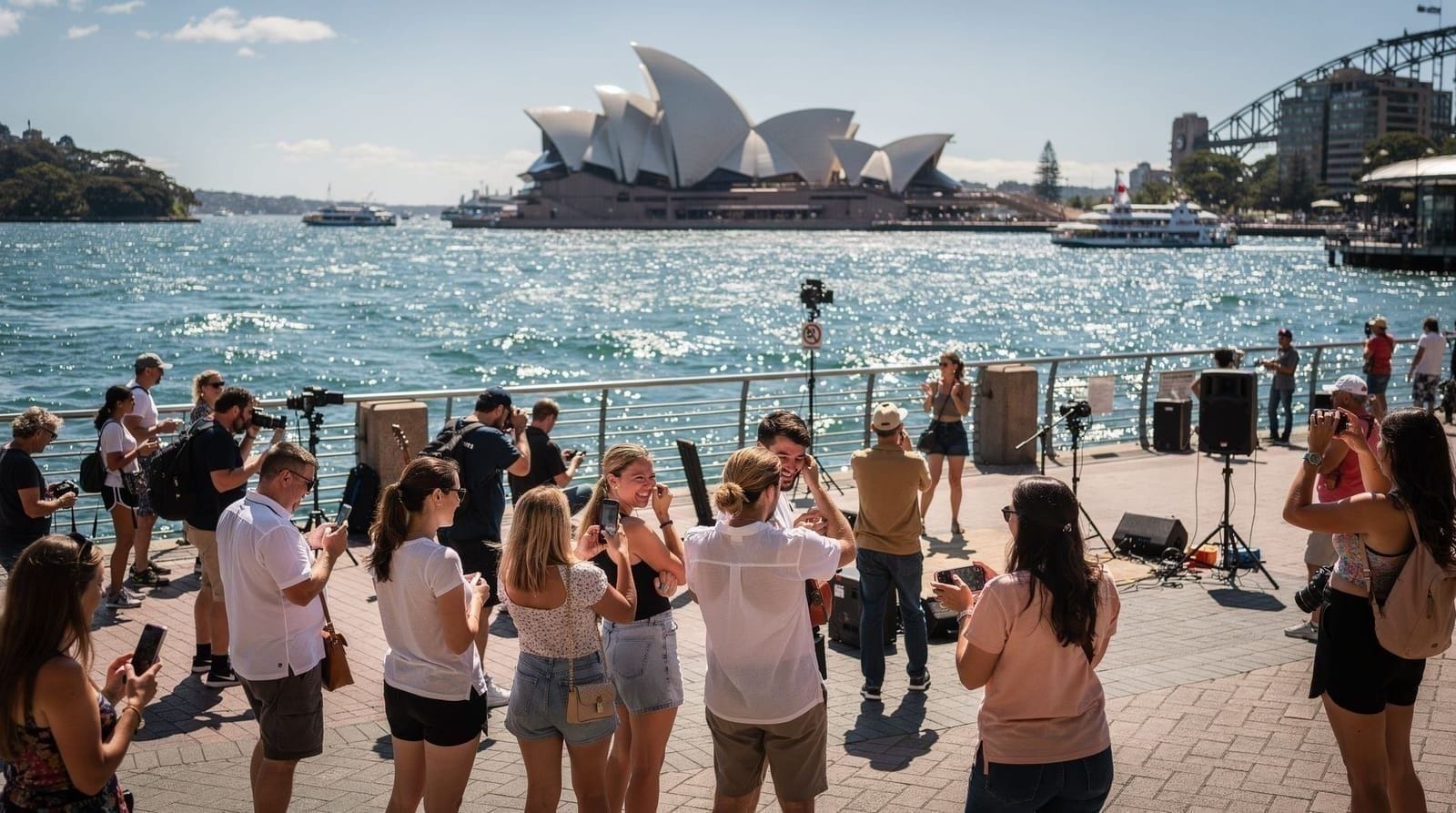
One nuance worth noting: the “harbour” in Darling Harbour is Cockle Bay, an inlet off the main Sydney Harbour. It is technically tidal but not part of the main harbour basin. The Opera House, Harbour Bridge, and the iconic Sydney skyline views are not visible from Darling Harbour.
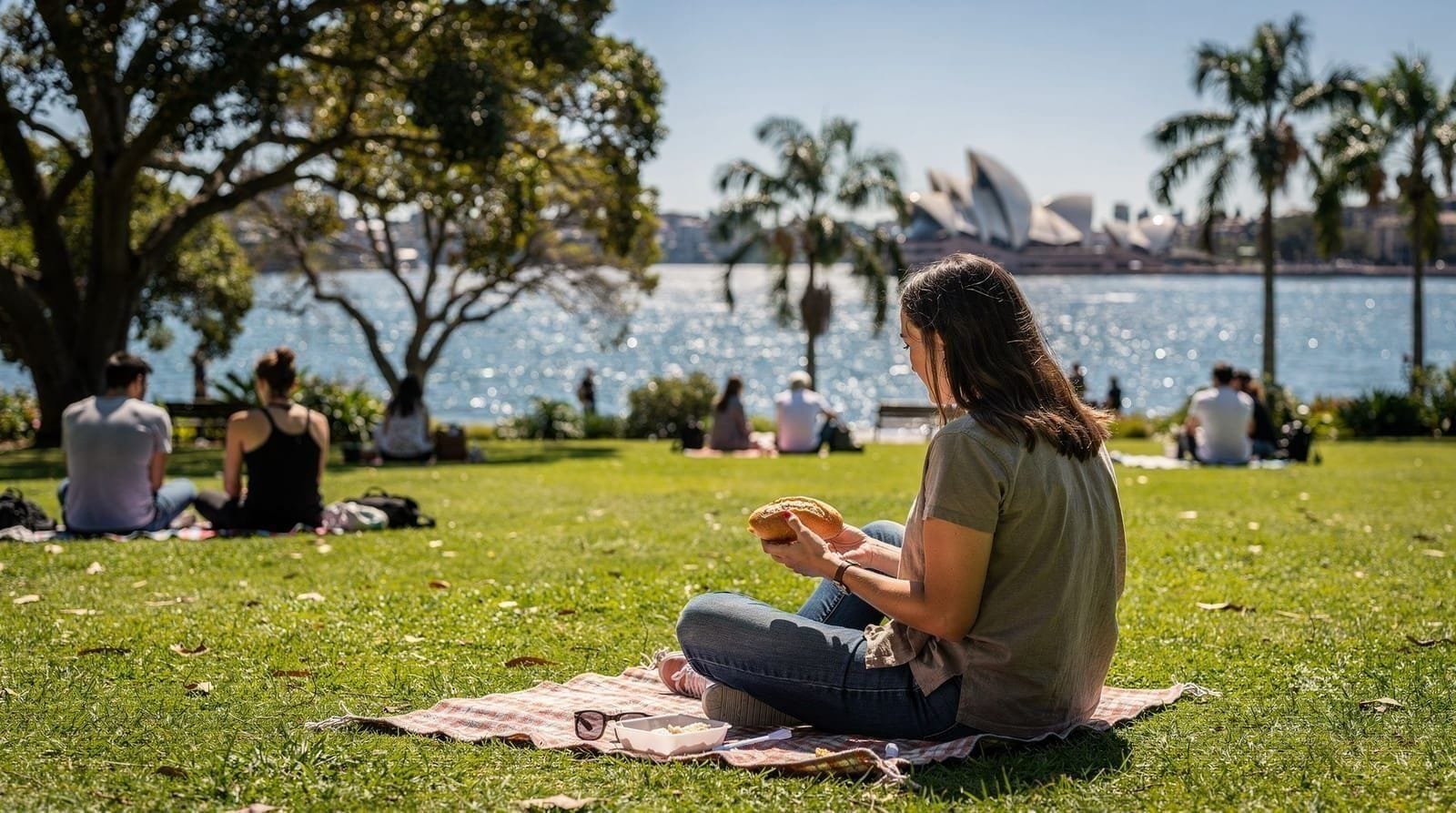
Circular Quay, accessed by train, bus, light rail or foot in 15–20 minutes from Darling Harbour, is where the real harbour meets the city. For the classic Sydney waterfront experience, Circular Quay and the Botanic Garden foreshore is the correct address.
Darling Harbour vs the harbour proper: for first-timers deciding where to spend a day
If you’re weighing up Darling Harbour against Circular Quay and the eastern harbour foreshore for a single Sydney day, the honest framing is that they serve different purposes. Circular Quay, the Opera House forecourt and the Royal Botanic Garden give you the view-driven, free experience that most visitors picture when they imagine Sydney.
Darling Harbour gives you ticketed indoor attractions and a controlled family-friendly environment. For a first Sydney visit with limited time, the Sydney for first-timers guide and the how many days in Sydney guide both help calibrate how much (if any) of a short trip should go to Darling Harbour versus the harbour proper.
If you’re travelling with kids specifically
Families weighing Darling Harbour against other child-focused options in Sydney should also look at Luna Park, which several locals interviewed for this guide rated as a more distinctive experience than any single Darling Harbour attraction, and the dedicated best family attractions in Sydney guide, which places Darling Harbour’s offering in context against Taronga Zoo, Featherdale and the northern beaches rock pools.
Restaurants worth trying near Darling Harbour
Within or adjacent to the precinct, a few venues distinguish themselves:
Flying Fish (Jones Bay Wharf, Pyrmont): A short walk north of the main Darling Harbour precinct. Quality seafood restaurant with genuine cooking. Mains AUD 40–60. More expensive than casual dining but the food justifies the price unlike the Cockle Bay options.
Marigold Chinese Restaurant (Chinatown, 10-minute walk): Sunday yum cha is a Sydney institution and Marigold is one of the major yum cha venues — busy, trolley service, excellent bang-for-buck at AUD 18–30/head. A far better dining option than anything in Darling Harbour itself.
Pancakes on the Rocks: A 25-year Sydney institution, technically in The Rocks rather than Darling Harbour, known for late-night and early-morning pancakes. Consistent, well-priced, open 24 hours in weekends. Not fine dining, but it does what it does reliably.