How many days do you need in Sydney?
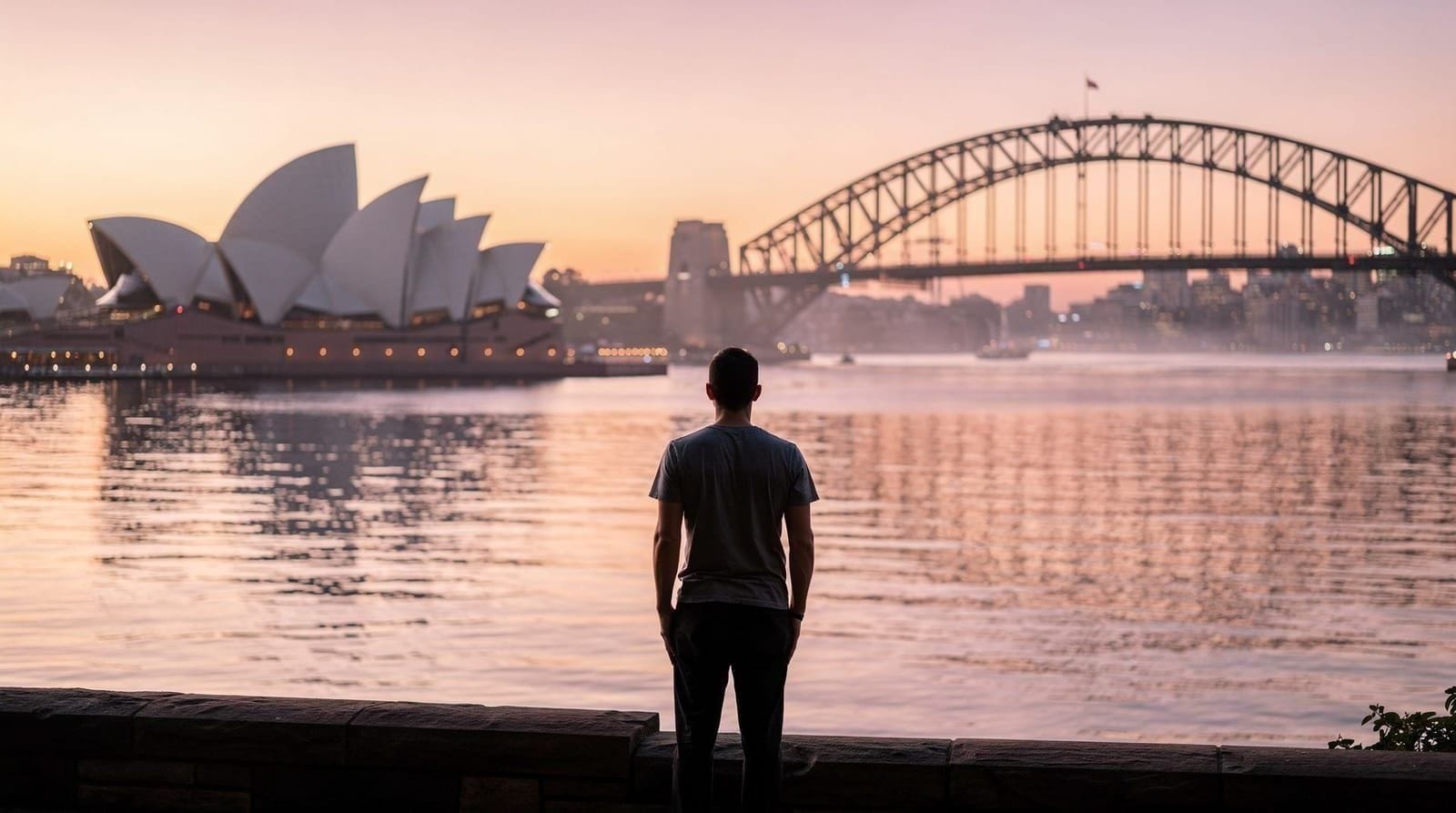
Sydney: Harbour BridgeClimb summit twilight
Duration: 3 hours
How many days should I spend in Sydney?
Five to seven days is the sweet spot for most first-time visitors — enough to cover the harbour, beaches, a day trip and have some breathing room. If you only have three days, you can see the highlights but will feel rushed. Ten or more days makes sense if you plan multiple day trips or are combining Sydney with the Blue Mountains and Hunter Valley.
The honest answer to “how many days in Sydney” depends on what you actually want to do — and whether you are treating it as a standalone destination or a gateway to New South Wales. This guide gives you a realistic framework rather than a generic “the more the better” answer.
| At a glance | |
|---|---|
| Minimum for highlights | 3 days (rushed, postcard version) |
| Recommended sweet spot | 5–7 days |
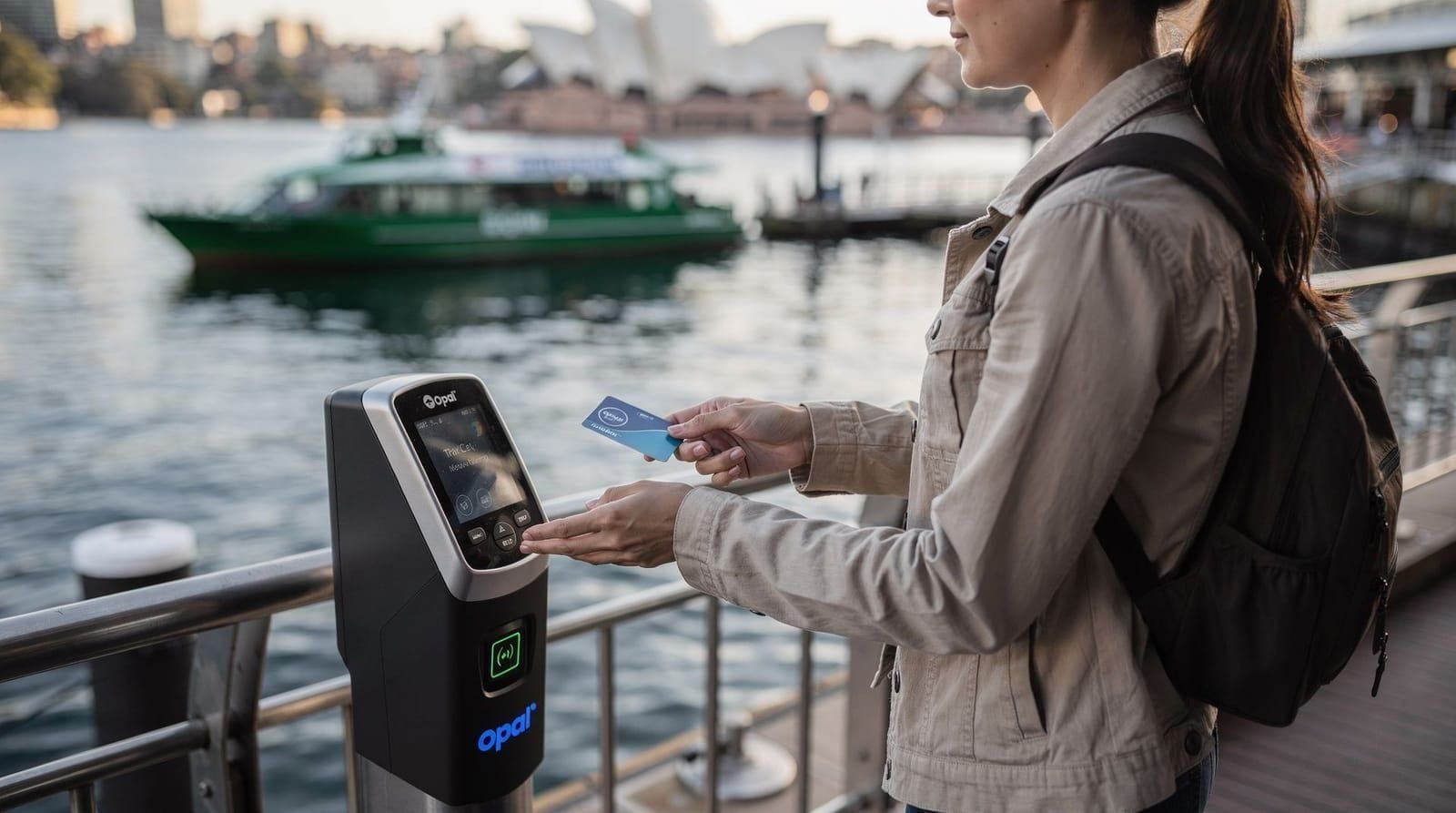
| Getting around | Opal card on trains, buses and ferries — see the Opal card guide |
| Best time to visit | Autumn (March–May) for the most comfortable full-day itineraries |
| Combine with | Blue Mountains, Hunter Valley, or a wider NSW road trip |
What Sydney actually requires time-wise
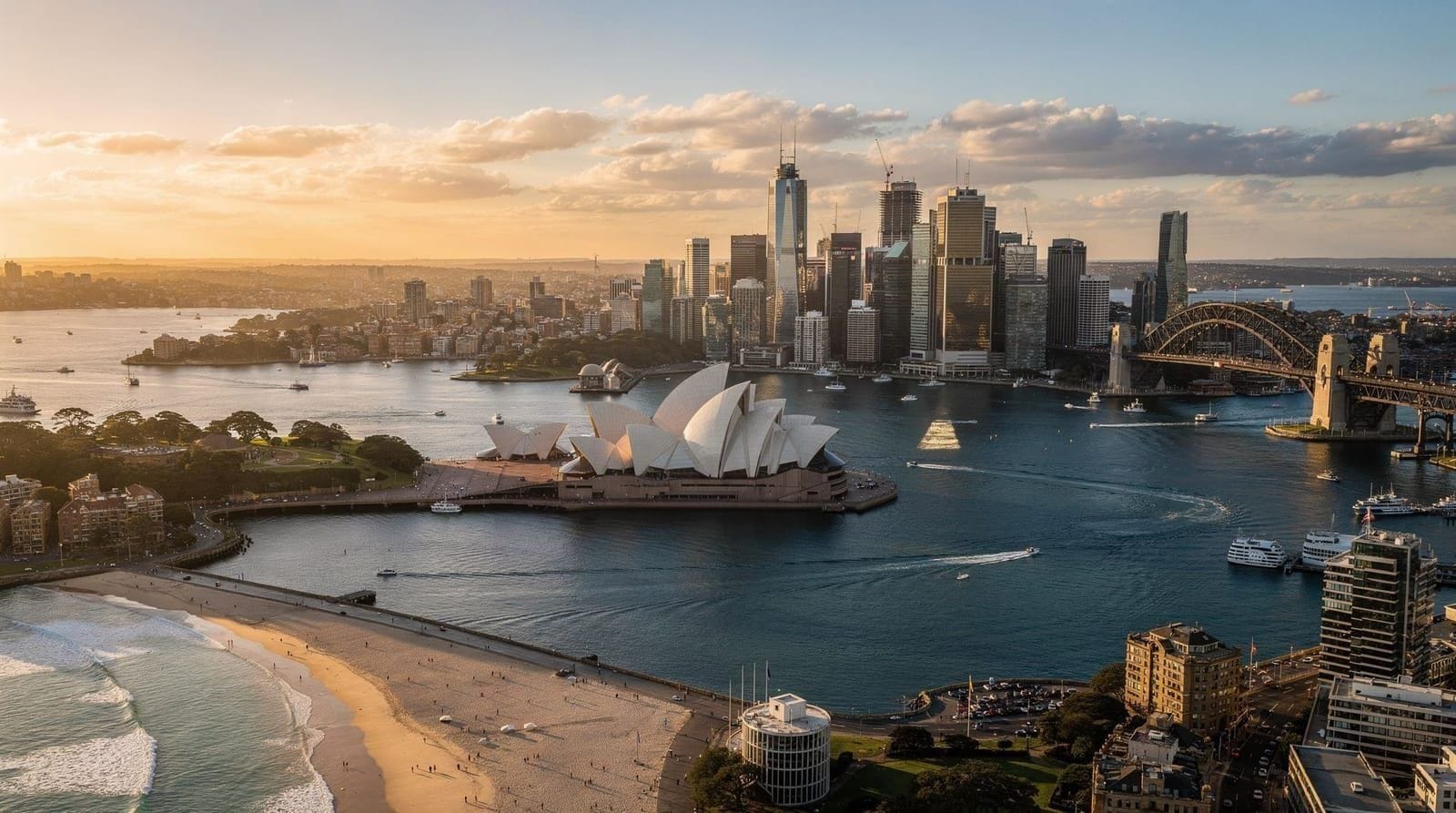
Sydney is a large, spread-out city. Greater Sydney covers over 12,000 square kilometres — roughly the size of greater Los Angeles. Distances between major tourist areas are manageable on the Opal network, but you need to factor travel time into every day.
A rough framework:
- Circular Quay to Bondi Beach by bus: 35–50 minutes
- Circular Quay to Manly by ferry: 30 minutes (one of the best public ferry rides in the world)
- CBD to Taronga Zoo by ferry: 12 minutes from Circular Quay
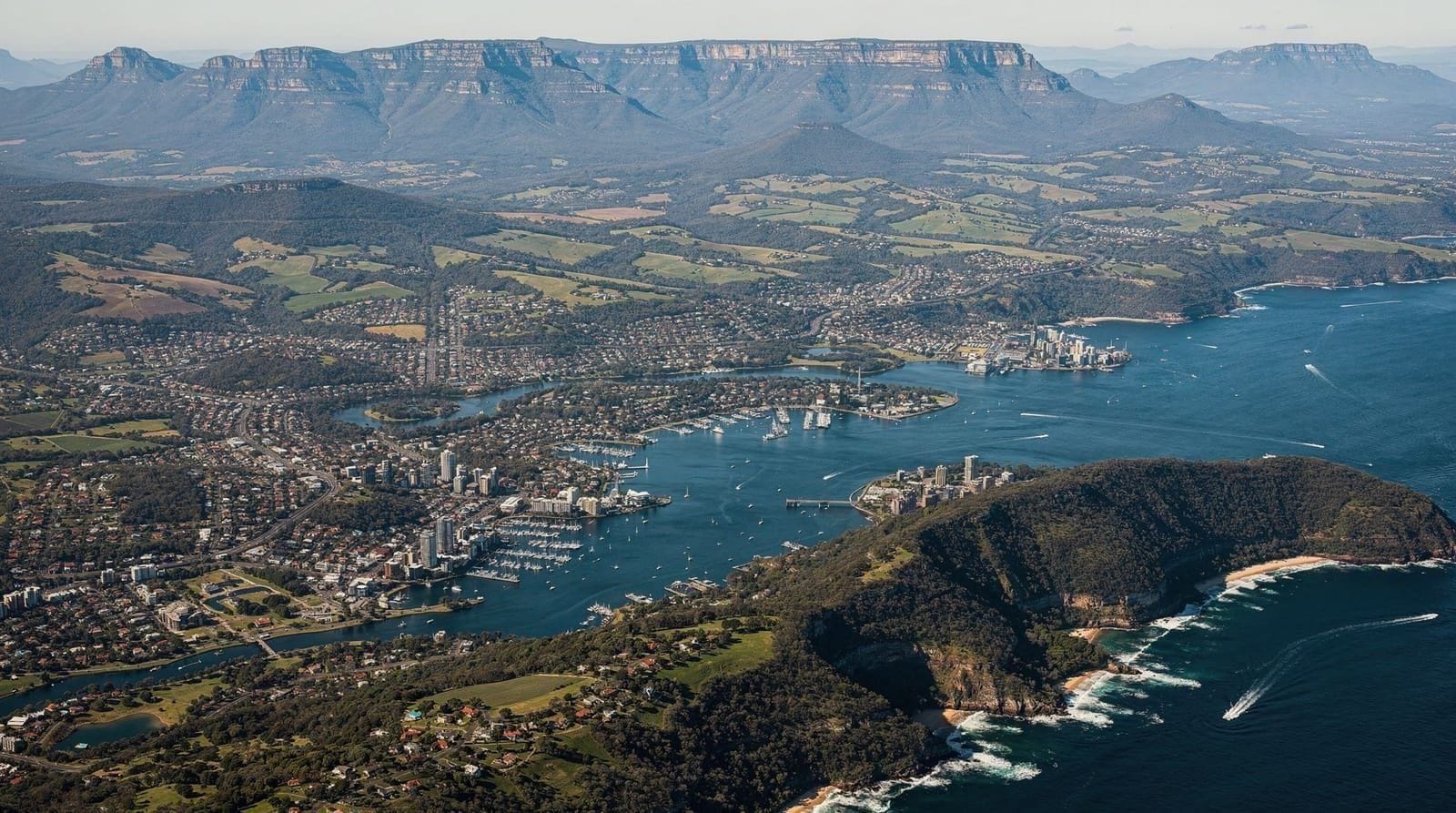
- CBD to the Blue Mountains by train: 2 hours to Katoomba
This means that a “day in Sydney” doing multiple locations requires planning. If you try to cram Bondi, the Opera House, Taronga Zoo and The Rocks into one day, you will spend three hours of it on transport and queue systems.
Three days: the bare minimum
You can see Sydney’s iconic highlights in three days, but you will not experience the city — you’ll experience the postcard version.
A realistic three-day structure:
Day 1: Circular Quay and The Rocks. Opera House exterior and immediate surrounds, the Cahill Walkway view, a wander through The Rocks historic precinct, lunch in the area, afternoon on the ferry to Manly, evening back in the CBD.
Day 2: Eastern beaches. Bondi Beach in the morning, the coastal walk to Coogee (6 km, takes 2–3 hours with stops), afternoon at one of the coogee cafés, Surry Hills for dinner.
Day 3: Blue Mountains or wildlife. Either a day trip to Katoomba (Three Sisters, Scenic World), or Taronga Zoo combined with a harbour cruise.
What you miss at three days: any deeper neighbourhood experience, most museums, Darling Harbour’s WILD LIFE and SEA LIFE if those interest you, Hunter Valley, and any sense of what Sydney feels like on a Tuesday morning when the tourist infrastructure steps back.
See the Sydney 3-day first-timer itinerary for a tightly planned version. If this is your first visit, the Sydney for first-timers guide explains how the city fits together, and the getting around Sydney guide will save you from wasting your short window on transport mistakes. For the harbour day, read the Sydney Opera House guide and the Harbour Bridge guide so you know what is worth your limited time.
Five days: the recommended minimum
Five days allows you to breathe, revisit a favourite spot, and add one proper day trip without feeling like a sprint.
A solid five-day structure:
Days 1–2: Harbour and inner city — Opera House, Harbour Bridge walk, The Rocks, Circular Quay, ferry to Manly.
Day 3: Eastern beaches — Bondi to Coogee walk, a lunch at North Bondi Fish or any Coogee café.
Day 4: Full-day Blue Mountains excursion — Three Sisters at Echo Point, Scenic World, one valley walk, back to Sydney for dinner.
Day 5: Wildlife and culture — Taronga Zoo or SEA LIFE (not both in one day), afternoon at the Art Gallery of NSW or Museum of Contemporary Art, evening at Surry Hills or Newtown.
This gets you the city’s main characters without feeling overwhelmed. The Sydney 5-day essentials itinerary maps this out in detail.
With five days you can also afford one splurge on the harbour. If a bridge climb appeals, the BridgeClimb guide explains the options, and a climb at dusk, such as a twilight summit climb over the harbour, makes a good anchor for an otherwise light evening. For the Blue Mountains day, the Blue Mountains day trip guide sets out how to structure the hours, and the Manly Beach guide and Bondi Beach guide cover the two beach days in more depth.
Seven days: the sweet spot for a full first visit
Seven days lets you add a second day trip, spend more time in one neighbourhood, and have at least one genuinely unscheduled afternoon — which is often what people remember most.
Additional days over five might include:
- Hunter Valley wine region: 160–170 km north, 2–2.5 hours drive. A day of winery visits is best with a tour operator if you want to drink freely.
- Port Stephens: 209 km, dolphin watching and sand dunes. Worth the 2.5–3-hour drive if beaches and wildlife are your interest.
- Watsons Bay and the Gap: Half-day trip by ferry from Circular Quay — underrated compared to the main tourist circuit.
- Paddington and Oxford Street: Architecture, art galleries, weekend market.
- Newtown: Sydney’s bohemian inner-west neighbourhood, King Street for cafés, live music, independent bookshops.
The Sydney 7-day itinerary covers the city plus two day-trip regions.
The extra days are also the right moment for experiences that reward unhurried time. An early start on the water, such as a sunrise paddle on the harbour, only works when you are not racing to a fixed schedule; the Sydney harbour kayaking guide explains what to expect. Likewise, learning about the Aboriginal history of the city is better done with a spare half-day than squeezed between other plans. A guided Aboriginal walking tour with a smoking ceremony is one option, and the Sydney Aboriginal heritage guide gives wider context. For planning the longer excursions, see the Hunter Valley day trip guide, the Port Stephens day trip guide and the Watsons Bay and the Gap guide. If you prefer to spend a free afternoon on foot, Newtown rewards wandering without a plan.
Ten days or more: combining Sydney with NSW
If you have ten or more days, the calculation changes. Sydney itself does not require ten days unless you are a slow, unhurried traveller who wants to sit with a neighbourhood for a few days. Ten-day trips work best when Sydney is combined with:
- Blue Mountains overnight (2 days, staying in Katoomba or Leura)
- Hunter Valley wine weekend (1–2 nights in the valley)
- Port Stephens (2 days, overlapping with whale watching May–November)
- South coast: Jervis Bay and Royal National Park
The NSW 10-day trip itinerary structures this combination efficiently.
Events that change the calculation
Certain events justify longer stays or make a short trip feel rushed:
Vivid Sydney 2027 (28 May–19 June): The light festival runs evening installations across the CBD, Darling Harbour and suburbs. You need at least 2–3 evenings to see the main installations without rushing. If Vivid is a primary reason for your visit, add one or two extra days. See the Vivid Sydney guide for what to prioritise.
Sydney Mardi Gras (13 February–1 March): The main parade on Oxford Street is one night (late February), but surrounding events run for several weeks. A dedicated Mardi Gras trip might be 4–5 days minimum to catch multiple events. See the Mardi Gras guide.
NYE fireworks (31 December): Many visitors plan 5–7 days around New Year’s Eve to include pre-NYE Sydney and a few days’ recovery after. Accommodation must be booked months in advance.
Whale season (May–November): If whale watching is on the list, build in flexibility — weather can cancel cruises. Having 7+ days means you can reschedule a cancelled tour.
What you can realistically skip
Not everything in every guidebook deserves equal time:
Sydney Tower Eye: The observation deck is decent but the Opera House roof walk and BridgeClimb offer more interesting perspectives. If you’re pressed for time, this is cuttable.
Darling Harbour’s paid attractions: SEA LIFE and WILD LIFE are good, but not unique — you will find better wildlife experiences at Taronga Zoo or, if you travel further, Featherdale Wildlife Park. See the Darling Harbour honest guide for more.
Multiple harbour cruise variations: One well-chosen harbour cruise (sunset or highlights) is enough for most visitors. The operators all cover the same water; there’s no need to do a lunch cruise and a dinner cruise on the same trip. The Sydney harbour cruises guide helps you pick one, and the Sydney Tower Eye guide and Taronga Zoo guide give a fuller picture of what each costs you in time.
Practical advice for trip length decisions
If flying from Europe (20+ hours each way), the minimum that makes the journey feel worthwhile is around 10 days total — ideally 7 in Sydney and surroundings. Arriving jet-lagged and spending two of your three days adjusting is miserable.
The Sydney best-time guide can help align your trip length with the right season, particularly if whale watching or specific events are the draw.
Use the Sydney day-trip planner tool to map realistic distances and travel times from the CBD to each day-trip destination before finalising your schedule.
Jet lag and acclimatisation — the underrated factor
Most European and North American visitors underestimate jet lag when planning trip length. Sydney is UTC+10/11 (AEDT/AEST depending on season), meaning:
- From London (UTC): 10–11 hours ahead. The body clock inversion is significant — you will naturally feel alert at 2am on day one and sleepy by mid-afternoon.
- From Los Angeles (UTC-8): 18–19 hours ahead in summer. Effectively a full body clock flip.
- From Warsaw or Berlin (UTC+1): 9–10 hours difference.
A realistic allowance: the first 1.5–2 days of any trip to Australia from Europe or the Americas will be compromised by fatigue. Planning intensive sightseeing from day one is optimistic. A 7-day trip effectively becomes a 5.5-day functional trip; a 10-day trip has more buffer.
Practical acclimatisation strategies: arrive in the afternoon Sydney local time, stay awake until 10pm local time, avoid alcohol on the flight, and prioritise outdoor light exposure on day one (helps reset the circadian rhythm faster).
Day-trip scheduling within your trip length
Not all day trips require the same recovery time:
Blue Mountains (full day, 11–12 hours out including travel): This is a long day. If you return to Sydney at 7pm after a 6am departure, you will likely not want an active evening. Schedule it on a day when you are comfortable with an early night.
Manly (half day or evening): The Manly Ferry is a 30-minute each way. Manly works as a half-day extension of a city day or as a destination in its own right. Very low energy demand.
Hunter Valley (full day, 12–14 hours): Wine tasting all day on a coach is enjoyable but tiring. Many visitors nap on the return coach. Schedule Hunter Valley on day 3 or 4 when you are past jet lag but before fatigue accumulates.
Port Stephens or Jervis Bay (full day, 12+ hours): These are at the limits of comfortable day-trip distance. If you are determined to see Port Stephens, consider an overnight stay to spread the experience.
Trip length by visitor profile
The “first Sydney visit” tourist (primarily sights): 5–7 days is ideal. Enough to cover the major landmarks, one coastal walk, one day trip, and some neighbourhood exploration.
The beach-focused visitor: 7–10 days. The eastern beaches circuit, a day in Manly, perhaps a drive up to the northern beaches (Palm Beach) and back. This takes time done properly.
The food and wine visitor: 7–10 days, with Hunter Valley as the essential day trip and a good spread of the restaurant scene across Surry Hills, Newtown, and the CBD.
The nature and wildlife visitor: 10+ days. Blue Mountains, Port Stephens dolphins, whale watching (if in season May–November), Featherdale Wildlife Park, coastal national parks. These experiences are spread geographically and cannot be rushed.
The event visitor (Vivid, NYE, Mardi Gras): 4–6 days built around the event itself. These visitors often have a specific focus and Sydney is the backdrop rather than the full subject of the trip.
Combining Sydney with other Australian destinations
If you are flying from Europe, adding additional Australian destinations changes the trip-length calculation entirely. Common combinations:
Sydney + Melbourne: Both cities warrant at least 4–5 days. A 10–12 day trip handles both adequately. The flight between them is approximately 1.5 hours (multiple flights daily).
Sydney + Great Barrier Reef (Cairns): Sydney 5–7 days, Cairns 3–4 days. Total 8–11 days plus internal flights. This is a frequent European itinerary — the reef is a markedly different environment and worth combining.
Sydney + Uluru (Ayers Rock): Sydney 5 days, Alice Springs + Uluru 3–4 days. Uluru is a 3.5-hour flight from Sydney. A genuinely striking combination but requires careful scheduling given the distances involved.
Sydney only: A 7–10-day Sydney-only trip remains entirely justified. The city, beaches, harbour, day trips and surrounding national parks provide enough variety that the temptation to rush to Melbourne and back is often a mistake made under the influence of “but we’ve come so far” logic.
Matching trip length to season
The right number of days also depends on when you visit:
Summer (December–February): Budget for more indoor time due to heat. A 7-day trip in January should include 2–3 indoor or shade-based days. The shoulder and morning hours are your active outdoor window.
Autumn (March–May): The best season for active itineraries. All-day outdoor activity is comfortable. A 5-day autumn trip can comfortably fit more activity than a 7-day summer trip.
Winter (June–August): Shorter days (approximately 10 hours of daylight in July). Plan your day around this — start outdoor activities at 8am rather than 10am to maximise light. Winter is also when accommodation is cheapest, so longer stays are financially more accessible.
Spring (September–October): Similar to autumn. Occasional spring showers add a slight complication to day-trip planning — build in a half-day buffer for a cancelled Blue Mountains walk or a beach day interrupted by rain.
How to use the day trip planner
The Sydney day trip planner tool calculates realistic travel times from the CBD to each day-trip destination, accounts for driving vs coach tour options, and helps you map which day trips are realistic within different trip lengths.
As a quick reference:
- 3 days or fewer: Do not attempt day trips. The transit time costs too much of your limited Sydney time.
- 5 days: One full-day trip is the right number. Blue Mountains is the natural choice.
- 7 days: Two day trips — Blue Mountains and one of Hunter Valley, Port Stephens, or Jervis Bay.
- 10+ days: Three or more day trips, with potential for an overnight in one destination.
The how many days guide is a complement to the Sydney itineraries collection, which provides day-by-day structure for 3, 5, 7, and 10-day versions of the trip.
Trip length by traveller profile — quick comparison
| Profile | Recommended days | Priority focus |
|---|---|---|
| First-time sightseer | 5–7 | Harbour icons, one coastal walk, one day trip |
| Beach-focused visitor | 7–10 | Bondi to Coogee walk, Manly, Northern Beaches |
| Food and wine visitor | 7–10 | Hunter Valley, Surry Hills and Newtown dining |
| Nature and wildlife visitor | 10+ | Blue Mountains, whale watching, Featherdale |
| Event visitor (Vivid/NYE/Mardi Gras) | 4–6 | Built entirely around the event dates |
| Budget-conscious traveller | 5–7 | See the Sydney trip cost guide before locking in dates |
How trip length affects your budget
Every extra day in Sydney adds accommodation, food and transport costs, but it also spreads out big-ticket day trips so you are not paying for a rushed, half-enjoyed experience. A tight 3-day trip often ends up costing more per enjoyable hour than a relaxed 5-day one, because you pay full price for attractions you rush through. The Sydney trip cost guide breaks down realistic daily budgets, and the Sydney on a budget guide is worth reading before you commit to a shorter, more expensive-per-day trip.
Frequently asked questions about How many days do you need in Sydney
Is 4 days enough for Sydney? Four days works well as a middle ground between the rushed 3-day version and the more comfortable 5-day trip. It allows the harbour and CBD highlights, one beach day, and a half-day rather than full-day excursion — a shortened Blue Mountains visit focused on Echo Point and one walk, rather than the full Scenic World experience.
Do I need more days if I want to see the Blue Mountains and Hunter Valley? Yes — each is a full day (11–14 hours including travel), so add one day per day trip beyond your core Sydney days. A 7-day trip comfortably fits Sydney plus both regions; fitting both into 5 days means very little unscheduled time in the city itself.