Royal Botanic Garden Sydney — free harbour views and what to know
Sydney: Aboriginal rock art tour with smoking ceremony
Duration: 3 hours
Is the Royal Botanic Garden Sydney worth visiting, and is it free?
Entry is completely free and the garden is open every day from 7am until sunset (or later for some areas). It is one of Sydney's genuinely outstanding free attractions — 30 hectares of waterfront garden with direct views of the Opera House and Harbour Bridge from Mrs Macquaries Point. Allow 1–2 hours.
At a glance
| Where | Between the Sydney Opera House and the CBD, on the harbour foreshore |
| Cost | Free entry; The Calyx open daily 10am–4pm, entry by donation; see the official Royal Botanic Garden website for cafe prices |
| Time needed | 1–2 hours for the highlights, half a day if combining with Mrs Macquaries Point and the Art Gallery |
| Getting there | 5 minutes from the Opera House, 10 minutes from Circular Quay |
| Best time | Early morning for light and quiet; October–November for jacaranda and roses |
Sydney’s most underrated free attraction
The Royal Botanic Garden occupies 30 hectares on Sydney Harbour immediately east of the Opera House and CBD. Founded in 1816 — making it Australia’s oldest scientific institution — it contains 45,000 individual plants across more than 1,000 different species. More relevantly for most visitors: it provides free public access to harbour foreshore, the best land-based photography point for the Opera House and Harbour Bridge, and a genuinely peaceful green space 10 minutes’ walk from the crowded tourist precinct around Circular Quay.
Entry is free. Open daily from 7am (closing time changes by month, from 5pm in June–July to 8pm in November–February). Dogs are not permitted.
The walk from the Opera House
The most natural approach is through the main gate at the Opera House’s eastern side — a gate that many first-time visitors walk past without noticing. The path follows the harbour foreshore east through the garden, past the Rose Garden and the Government House Gatehouse, around the curved shoreline of Farm Cove (Sydney’s original agricultural area), to the tip of the peninsula at Mrs Macquaries Point.
This walk takes about 20–25 minutes at a leisurely pace, or 10 minutes if you walk directly. Along the route you pass a series of viewpoints that give gradually shifting perspectives on the Opera House — from beside it, then increasingly from across the water as you move further east.
Mrs Macquaries Point — the essential viewpoint
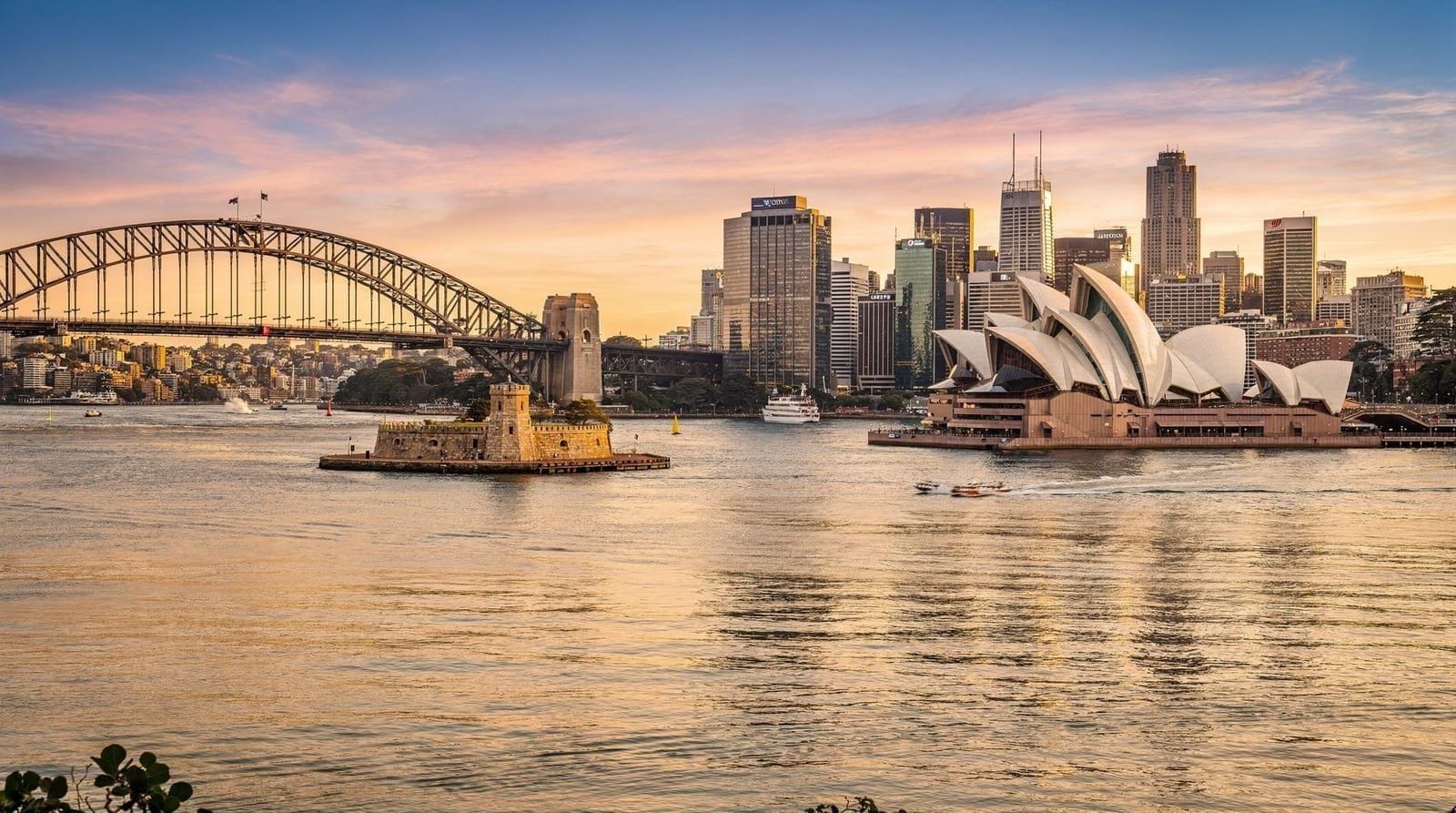
The headland at the end of the peninsula is a rock platform with carved stone steps — Mrs Macquaries’s Chair, hewn from the sandstone in 1810 at the direction of Elizabeth Macquarie, wife of then-Governor Lachlan Macquarie. From here, the Opera House and Harbour Bridge appear together in a single harbour frame, with the water of Farm Cove and Woolloomooloo Bay in the foreground.
This is the viewpoint used in almost every professional photograph of the Sydney harbour skyline. Best at:
Sunrise: The eastern sky behind you lights up the sails of the Opera House in orange. Low tourist traffic at this hour — usually just local joggers and dedicated photographers. This is genuinely one of the best free experiences in Sydney and requires only getting up early.
Blue hour (just after sunset): The CBD lights come on, the sky transitions through deep blue, and the bridge lights reflect in the harbour. Tripod conditions; handheld photography is difficult.
Late afternoon: Good light on the Opera House sails, manageable crowds. The tourist buses start arriving around 4pm, bringing large groups; arriving before 3pm gives you a quieter experience.
Midday: Bright and flat. Functional for documentation photos but not for atmospheric ones. The point becomes crowded with tour groups.
What else to see in the garden
The Calyx: A large greenhouse and contemporary exhibition space (open daily 10am–4pm, entry by donation) running changing themed plant exhibitions. Worth checking what is on, but not a must-do on every visit.
The Palace Rose Garden: Approximately 700 rose varieties in a formal garden setting. Peak bloom in October–November (spring) and again in April–May (autumn). Free to enter.
The Succulent Garden: A collection of cacti and succulents from arid regions worldwide, visually interesting year-round.
The Herb Garden: Behind the café near the Art Gallery Road entrance. Medicinal and culinary herbs labelled with their uses.
The fig trees: Large Morton Bay figs line several paths through the garden. These are 100–150 year-old trees with root systems that buckle the surrounding pavement — impressive specimens, and the shade they provide is welcome in summer.
Fruit bats (flying foxes): A large colony of grey-headed flying foxes roosts in the garden. The bats — large, with wingspans up to 1 metre — are visible in the trees throughout the day and take flight at dusk in large numbers over the harbour. They are disorienting for some visitors; fascinating for others. The population in the garden has been controversial with Sydney City Council due to damage to the trees, and management practices have shifted over the years. As of 2026, the colony remains present, though its exact location within the garden can shift.
Aboriginal heritage in the garden
The land the garden occupies — and the broader harbour foreshore — is Gadigal Country. Before the establishment of the colonial garden in 1816, this area was used by Gadigal people for thousands of years for fishing, food gathering, and ceremony.
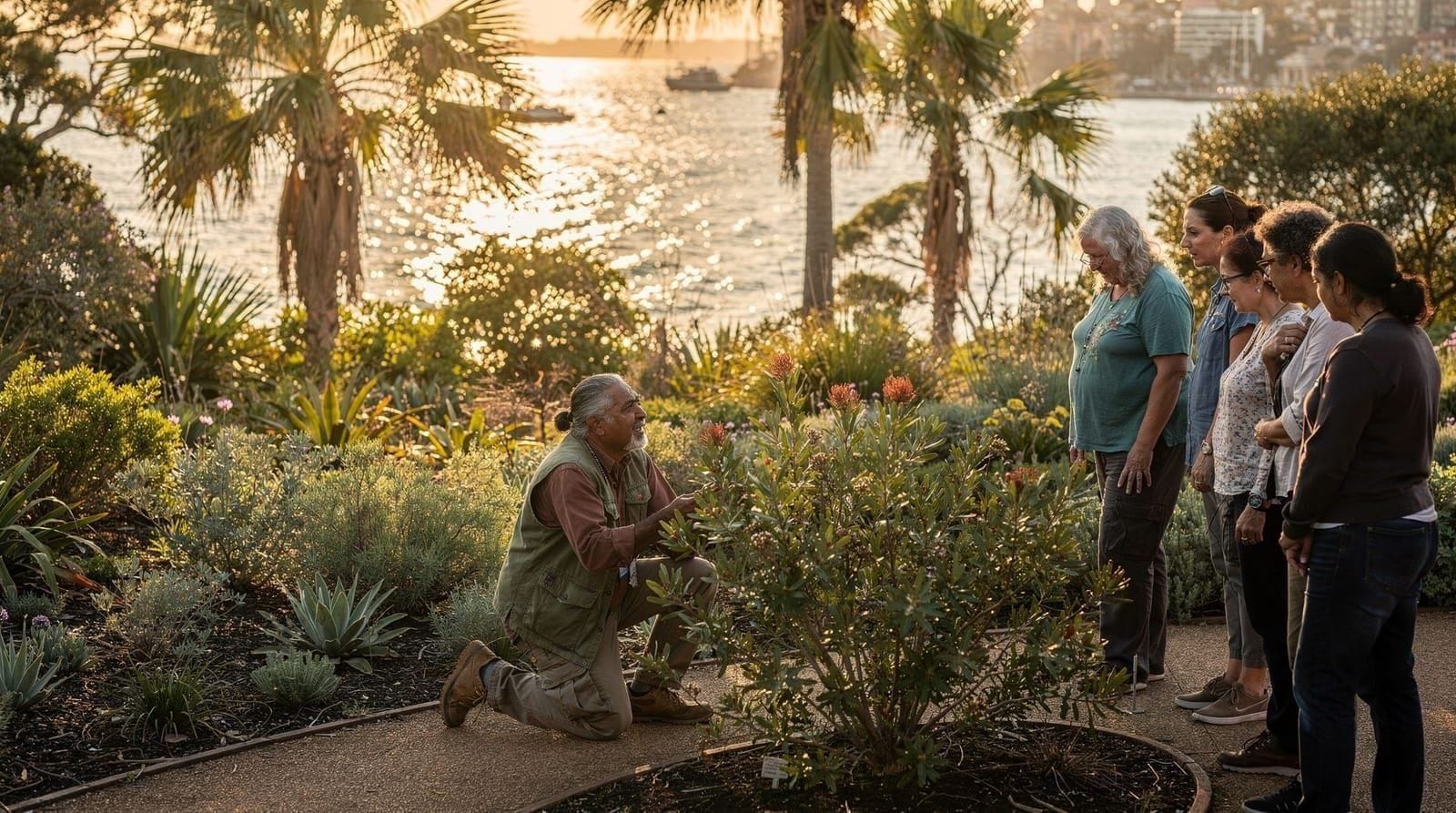
The Royal Botanic Garden offers Aboriginal Heritage Tours that cover the pre-colonial history of the site, the plant knowledge of Gadigal and Wiradjuri peoples, and the use of endemic plants for food, medicine, and ceremony. These tours are led by Aboriginal guides and are a more substantive cultural experience than most visitors expect. See the dedicated Royal Botanic Garden Aboriginal tour guide for details and booking information.
If a garden tour is not enough and you want the wider story of the harbour’s first people, Sydney Aboriginal heritage and the Aboriginal cultural tours guide explain what is on offer around the city. One option that sits well alongside a garden visit is an Aboriginal-led walking tour with a smoking ceremony, which adds a spoken, guided layer to the same Gadigal landscape you have just walked through.
Seeing the garden from the water
The garden’s foreshore looks different once you are out on the harbour. Farm Cove and the curve of the peninsula read clearly from a boat, and the Opera House sails sit right beside the garden edge. If you enjoy being on the water, a sunrise paddle on the harbour pairs well with a morning walk to Mrs Macquaries Point, since the light that makes the headland worth visiting at dawn also suits the water. For a calmer end to the day, a sunset kayak on the harbour offers the same city silhouette from below. Our Sydney Harbour kayaking guide compares the options, and the sunset harbour cruises guide covers the no-effort alternative if paddling does not appeal.
For more ways to see the foreshore from a different angle, see the Sydney Harbour cruises guide and the Sydney Opera House guide, which are both a short walk from the garden gate.
Practical notes
Café: Cafes and kiosks inside the garden serve breakfast, lunch, coffee, and snacks — useful if you are spending several hours here. See the official Royal Botanic Garden website for current venues, hours, and prices.
Toilets: Public toilets are available near the main Macquaries Street entrance, near the Garden Restaurant, and at the Mrs Macquaries Point area.
Getting there: Walk east from Circular Quay (10 minutes) or from the Opera House (5 minutes to the nearest garden gate). The Art Gallery Road entrance (from Hyde Park direction) is the alternative if coming from the CBD or Train Station.
Accessibility: The main paths are sealed and wheelchair-accessible. Some sections near the harbour foreshore have uneven surfaces. The Garden Restaurant and most facilities are accessible.
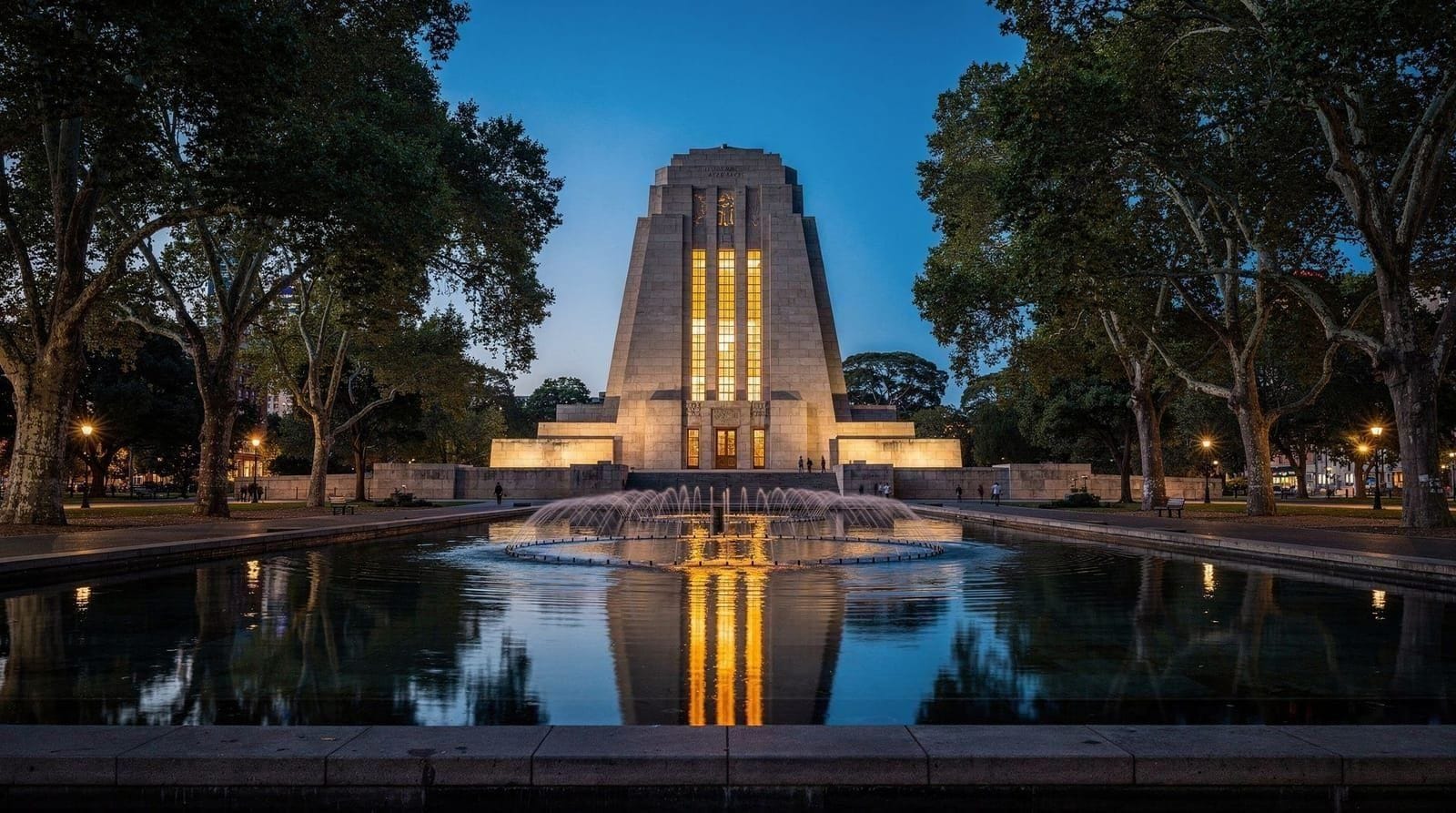
The garden pairs naturally with a visit to the Art Gallery of New South Wales (free entry to the permanent collection, immediately adjacent via the Domain) and the Hyde Park ANZAC Memorial for a full half-day in the eastern CBD green corridor. For a broader harbour and city circuit, see the Sydney 3-day first-timer itinerary.
Seasonal highlights in the garden
The Botanic Garden changes character meaningfully through Sydney’s southern hemisphere seasons. Planning your visit around what is in peak condition is worthwhile.
October–November (spring): The garden’s most photographed season. Jacaranda trees reach peak bloom in October — the vivid purple canopy over several main paths is particularly striking against the blue sky and harbour. The rose garden peaks in October–November. This coincides with rising tourist numbers, so arrive early to get the best light without crowds.
December–February (summer): The garden is lush but can be uncomfortably hot in the midday hours (the Sydney summer regularly reaches 35°C+). The flying fox colony is most active at dusk during this period. Some planting beds look stressed by late February. Visit early morning (before 9am) or late afternoon (after 4pm). Carry water.
March–May (autumn): Arguably the best season for an extended garden visit — temperatures are mild (18–24°C), humidity drops, the light is softer, and the summer tourist crowds thin. Many tropical plants continue to look their best well into April.
June–August (winter): The garden is quieter and the temperatures comfortable for extended walking (12–17°C). The deciduous European trees in the formal sections shed leaves, giving parts of the garden an atypical bare quality. The harbour views from Mrs Macquaries Point are often clearest in winter when the humidity-driven haze of summer is absent.
Events in the Royal Botanic Garden
The garden is used as a venue for several Sydney events annually:
Sydney Festival (January): Various free and ticketed events take place in the Domain (adjacent to the garden). The Domain has historically hosted the large free Opera in the Domain and Symphony Under the Stars concerts — check the Sydney Festival website for the current programme, as lineup varies year to year.
Carols in the Domain (December): A large free outdoor carols event on the Domain lawn, typically attended by 50,000+ people. The garden is the transit route to the Domain from Circular Quay.
Andrew (Boy) Charlton Pool: The harbourside pool on the western edge of the Domain (adjacent to the garden) is one of Sydney’s most beautiful outdoor pools — a 50-metre saltwater pool in a 1920s bathing pavilion, with a cafe. Adult entry around AUD 8. Worth noting if you are in the area in summer and want a swim.
Garden tours — free and paid
Free volunteer-led tours: The garden offers free guided walks led by trained volunteer guides (Friends of the Royal Botanic Garden), running daily from 10:30am to 12pm from the Garden Shop, by donation. Duration approximately 1.5 hours, for individuals and groups of up to 5; book ahead. The quality is high — these guides have deep botanical knowledge and the garden history context that you will not get from walking independently.
Paid specialist tours: The garden offers paid tours covering specific themes (Aboriginal plant knowledge, the history of botanical illustration, the carnivorous plant house). Check the garden website for current schedules. Prices vary by tour (the Aboriginal Bush Tucker Tour is AUD 36 adult, Thursday–Saturday, booking required).
Self-guided app: The garden has a free mobile app with an audio tour and plant identification features. Useful for independent visitors who prefer to go at their own pace.
The Domain — adjacent and connected
The Domain is a 27-hectare public parkland immediately north and west of the garden, effectively forming a continuous green zone from Farm Cove to Hyde Park. It is used for public gatherings, protests, free concerts, and as a general recreational space by CBD workers.
The Art Gallery of New South Wales sits on the Domain’s eastern edge. The permanent collection is free and covers Australian colonial and contemporary art, European old masters, Asian art, and Pacific art. Allow 1–2 hours for a reasonable survey of the permanent galleries. Special exhibitions carry a separate charge (see the official Art Gallery of New South Wales website for current prices). The 2022 expansion (the Sydney Modern Project) added a significant gallery extension and a free public art terrace.
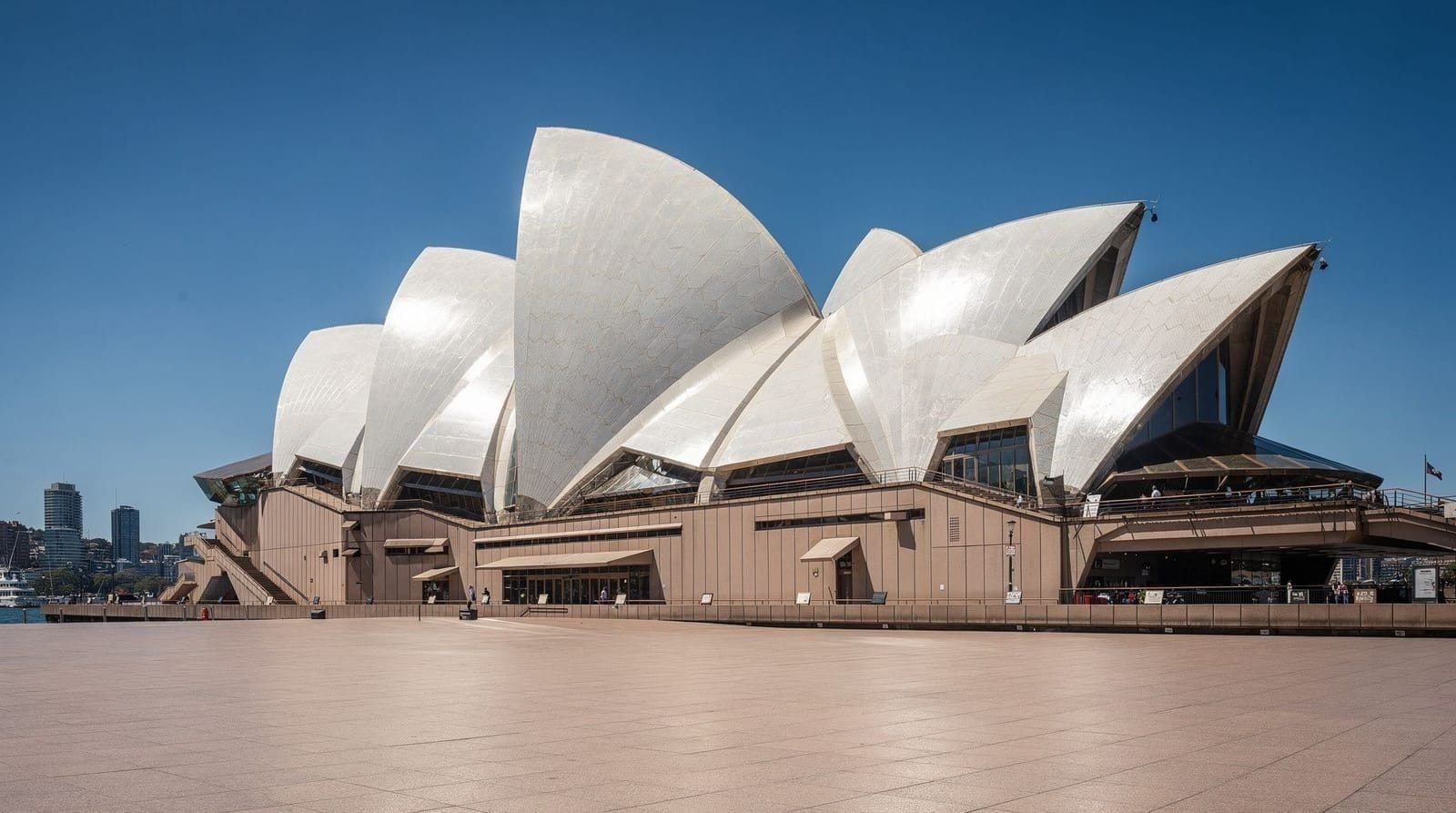
For a broader free half-day circuit: Opera House exterior → Royal Botanic Garden → Mrs Macquaries Point → Art Gallery of New South Wales → Hyde Park. This is one of the best free days in any Australian city and follows a natural geographic path eastward from the harbour landmarks through the green corridor to the CBD.
Where the garden fits in a wider Sydney visit
The garden is one of the few Sydney experiences that works equally well as a 45-minute detour or a half-day anchor. For visitors staying in Circular Quay or The Rocks, it’s an easy walk before or after exploring those precincts, and it pairs naturally with the Sydney architecture walk for anyone interested in the CBD’s built environment as well as its green spaces. First-time visitors mapping out priorities should see Sydney for first-timers, which places the garden alongside the Opera House and Harbour Bridge as one of the non-negotiable free stops.
Because entry is free every day, it’s also one of the more flexible items on a free things to do in Sydney list — useful for stitching together a low-cost day around paid attractions elsewhere, or for a rest day when budget is tight.