Rainy day activities for kids in Sydney — 12 indoor options
Sydney: Attractions combination tickets
What can you do with kids in Sydney on a rainy day?
Sydney's best rainy day options for families include SEA LIFE Aquarium and WILD LIFE Sydney Zoo (both fully indoor in Darling Harbour), the Australian Museum (dinosaurs), the Imax cinema, the QVB, and the Sydney Observatory. Luna Park's Coney Island funhouse is partially covered. Rainy afternoon in Sydney is easy to fill with good indoor content.
Sydney averages around 125 rain days per year — mostly short afternoon showers rather than all-day grey weather. A rainy morning or afternoon can disrupt beach plans, but the city has enough indoor content to turn a wet day into a productive one. This guide focuses on options genuinely worth the time and money, particularly for families with children under 12.
At a glance
| Where | Darling Harbour hub (SEA LIFE, WILD LIFE, Imax, Madame Tussauds), plus CBD museums |
| Cost | Free options exist (Art Gallery of NSW, State Library, QVB); paid attractions roughly A$29–49 per adult depending on venue and booking date |
| Time needed | Half a day (3–4 hours) to a full day if combining several venues |
| Getting there | Light rail to Convention (Darling Harbour) or a short walk from Town Hall/Central for CBD museums |
| Best time | Any rainy day, but book ahead during NSW school holidays |
1. SEA LIFE Sydney Aquarium (Darling Harbour)
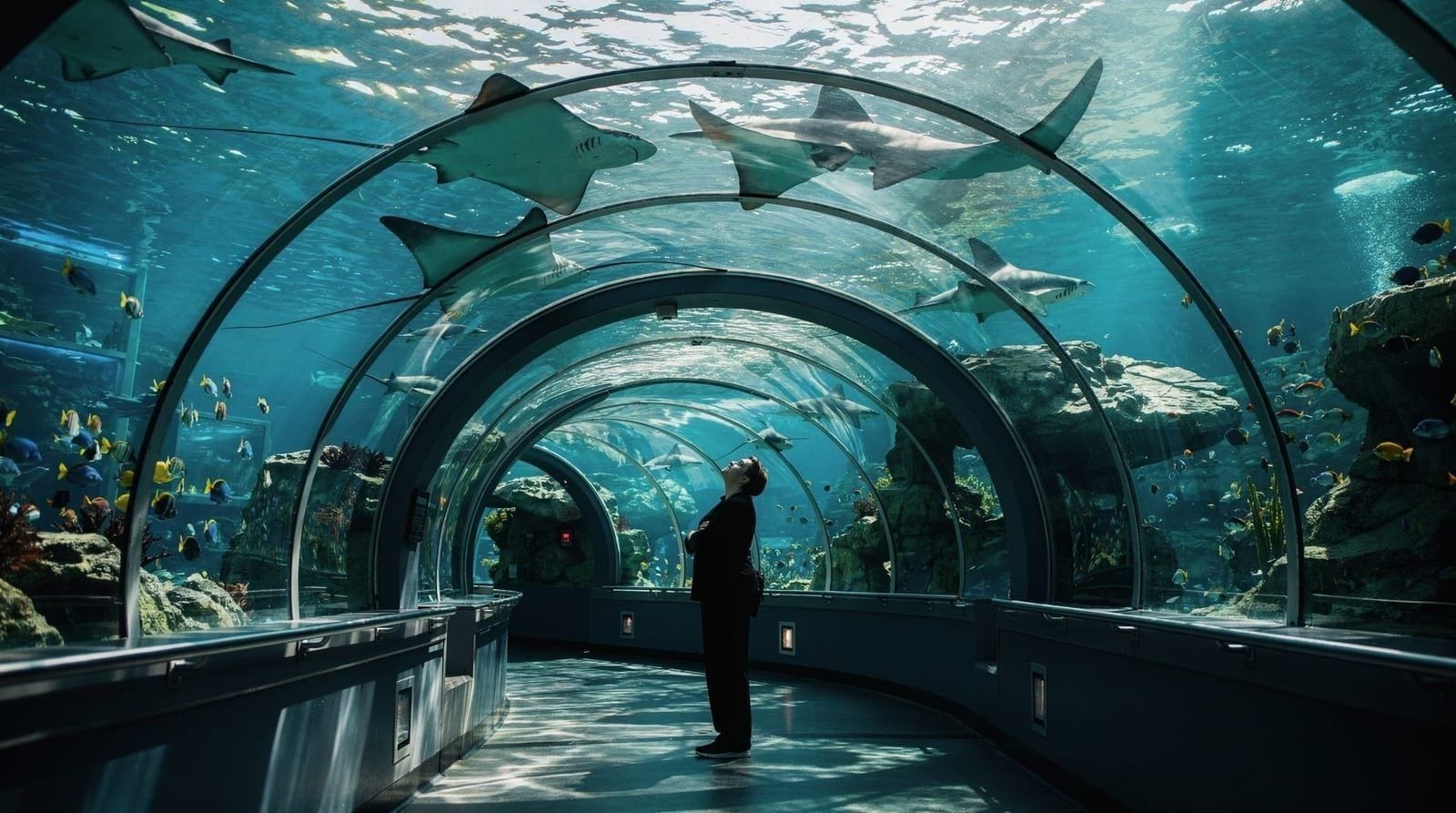
Entirely indoor. The shark tunnel, penguin colony, and touch pool fill 1.5–2 hours. The atmosphere is actually better on rainy days when the underwater tunnels feel more immersive without competing sunlight. Online tickets from AUD 39 adult and AUD 24 child (2–15) when booked in advance; higher at weekends and in school holidays; under-2s free. See SEA LIFE Sydney Aquarium guide.
2. WILD LIFE Sydney Zoo (Darling Harbour)
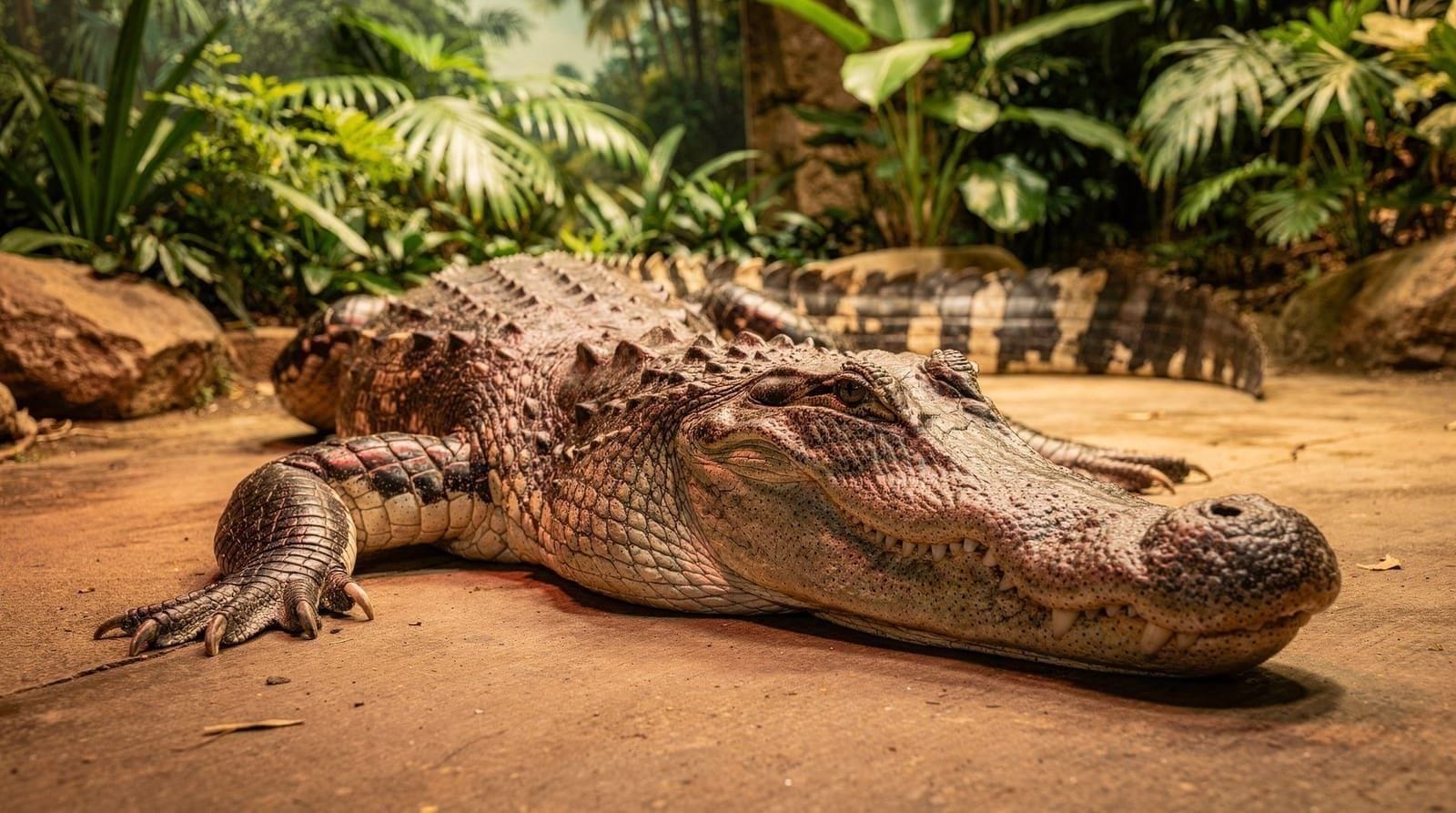
Next door to SEA LIFE and also fully indoor. The butterfly garden, nocturnal house, wombat and quokka habitats, and the koala walkabout are all weather-protected. Combining with SEA LIFE makes a full indoor family day in one walkable precinct. Tickets are AUD 49 adult and AUD 36 child on the day, from AUD 39 and AUD 26 booked in advance on weekdays; children 0–1 free. See WILD LIFE Sydney Zoo guide.
3. Australian Museum (College Street, CBD)
Sydney’s natural history museum, 15 minutes walk from Central Station. The dinosaur gallery is the major draw for children aged 5–14 — full skeletons, fossil displays, and interactive exhibits. The Kidspace section (under 5s) is designed for toddlers with hands-on exploration. Indigenous culture and environment galleries round out the collection. General entry is free; fees apply only to some special exhibitions. The museum is large enough for a full half-day.
4. Powerhouse Museum (Parramatta)
The Powerhouse Museum at Ultimo is temporarily closed for heritage revitalisation; Powerhouse Parramatta is due to open on 7 November 2026 (30 minutes by train from Central). The collection covers steam engines, spacecraft replicas, fashion design, and applied science. The interactive science section is the strongest part for children — hands-on electricity, physics, and engineering exhibits. Check entry prices and the current programme on the official Powerhouse website before visiting, as exhibits rotate.
5. Museum of Contemporary Art (Circular Quay — free entry to main collection)
The MCA at Circular Quay is a 5-minute walk from the ferry wharves. The general collection is free. Gallery visits with children work best for ages 7+ who can engage with contemporary art questions (“what do you think it means?”). The building itself is interesting architecturally and the waterfront cafe has good harbour views from the upper level.
6. Sydney Observatory (The Rocks)
The historic observatory on Observatory Hill in The Rocks offers daytime and evening programmes. Daytime: interactive astronomy exhibits, telescope demonstrations, 3D space shows. Evening: telescope viewing of the night sky (clouds permitting) with guided sessions. The observatory is open Thursday to Sunday; see the official Powerhouse website for session times and prices. The hilltop location means some exposure to rain getting there — bring an umbrella for the short uphill walk.
7. Imax Sydney (Darling Harbour)
The IMAX cinema in Darling Harbour. The programming includes family films and nature documentaries in 3D. See the official IMAX Sydney website for session times and ticket prices. Sessions run throughout the day. This is best as a 1.5-hour component of a Darling Harbour day rather than the sole attraction.
8. Sydney Tower Eye (Market Street, CBD)
The observation deck of the Sydney Tower at 309 metres gives 360-degree views across the city and harbour — though rain significantly reduces visibility and makes this less worthwhile than on clear days. A virtual reality Tower Coaster add-on is an indoor option regardless of weather. Adult tickets are from AUD 29 booked online (AUD 39 on the day), children from AUD 19 (AUD 29 on the day). Honest assessment: in heavy rain, skip this and save it for a clear day. In light rain or misty weather, the experience is diminished but still interesting for architecture and geography enthusiasts.
9. State Library of NSW (Macquarie Street — free)
The State Library of NSW is a beautiful sandstone building on Macquarie Street with a large, warm reading room and free public access to exhibitions. The Mitchell Library reading room is one of Sydney’s great architectural interiors. Permanent exhibitions on Australian history and exploration are free. Good for 45–60 minutes as a rest stop on a wet day, or longer for interested adults with older children.
10. Madame Tussauds (Darling Harbour)
The wax museum adjacent to SEA LIFE has Australian and international celebrity figures. Entry is AUD 49 adult and AUD 36 child on the day, from AUD 39 and AUD 26 booked online in advance; children under 2 free. Honest take: it’s entertaining for children aged 7–14 who care about the celebrities represented (sport, film, music), but it’s not strong educational content and the figures are variable in quality. Best as an add-on if you’re already at SEA LIFE/WILD LIFE and have time rather than as a primary destination.
11. The Queen Victoria Building (George Street, CBD — free)
The QVB is a heritage Victorian building covering a full city block on George Street. The interior is an ornate covered shopping arcade with high atrium ceilings, stained glass, and a famous mechanical clock (the Royal Clock) that performs a display on the hour. Entry is free — it’s a shopping centre, but the architecture alone is worth 20 minutes of a wet afternoon.
12. Sydney Aquarium Dive Experience
A note for families with teens: SEA LIFE Sydney Aquarium offers a shark dive experience in the main tank, with the minimum age set by the operator (see the official SEA LIFE Sydney website). This is a separately ticketed premium experience for interested teenagers. Worth knowing about if you have a teen who is a certified diver or wants to try scuba for the first time.
Practical logistics for rainy days
Darling Harbour is the best rainy day hub. SEA LIFE + WILD LIFE + Imax + Madame Tussauds are all within 5 minutes walk of each other, connected by covered walkways and the Pyrmont Bridge. A family can spend 4–5 hours here entirely indoors.
Budget: A combo attraction pass covering SEA LIFE + WILD LIFE + Madame Tussauds saves substantially over individual tickets.
Transport under rain: The light rail from Town Hall or Wynyard to the Convention stop is the easiest way to reach Darling Harbour dry. The covered walkways through Darling Harbour connect most of the indoor venues.
If you already know the forecast is poor, it is usually easier to decide on the day’s attractions in advance than to queue under an awning with tired children. Booking a multi-attraction pass covering two, three or four Sydney attractions lets you pick the indoor venues that suit your family’s ages and swap one for another if the rain clears. For more on the Darling Harbour precinct and how it fits into a wider plan, see the Darling Harbour destination page and the guide to the Darling Harbour tourist-trap question.
Managing the transition from indoor to outdoor on a mixed-weather day
Sydney rain is often afternoon-heavy — mornings can be clear and afternoons wet, particularly in late summer (February–March). A practical strategy:
- Use clear mornings for outdoor activities (Botanic Garden, Circular Quay walk, Bondi if surf permits)
- Plan paid indoor attractions for the afternoon when rain arrives
- The Opal daily cap (AUD 19.30 Mon–Thu, AUD 9.65 Fri–Sun) means transport cost doesn’t compound even if plans change
Rainy day budget breakdown
The all-indoor Darling Harbour circuit is the highest-quality rainy day option but also the most expensive:
| Activity | Cost per adult | Cost per child |
|---|---|---|
| SEA LIFE Aquarium | from AUD 39 | from AUD 24 |
| WILD LIFE Sydney Zoo | from AUD 39 | from AUD 26 |
| Madame Tussauds (optional) | from AUD 39 | from AUD 26 |
| Light rail return | Opal fare | Child Opal fare |
| Lunch (sit-down, basic) | AUD 25 | AUD 15 |
A family of four doing SEA LIFE + WILD LIFE spends from about AUD 256 for two adults and two children booked online in advance on weekdays (more at weekends, in school holidays or on the day). A combo pass is usually cheaper for this combination.
Cheaper alternatives for a rainy day:
- Australian Museum: free general entry — a full morning of content
- Art Gallery of NSW: free general admission
- State Library: free
- QVB + lunch at a food court nearby: transport + food only
Indoor play centres: not covered here but worth knowing
Sydney has a range of indoor play centres suitable for toddlers and younger children (roughly 1–8) that this guide hasn’t listed because they’re not attractions in the traditional sense. These are soft-play and climbing structures for active physical play — appropriate when children need to burn energy on a rainy day and parents need a coffee. Search “indoor play Sydney” for the options nearest your accommodation.
What about rainy days during NSW school holidays?
School holidays amplify the rainy day challenge: the best indoor attractions are busiest precisely when the weather drives everyone inside. Key adjustments:
- Pre-book timed entry slots (SEA LIFE, WILD LIFE) at least 3–5 days ahead during school holiday periods
- Imax is less affected by school holidays (cinema slots fill but new sessions begin every 2 hours)
- The QVB is never at capacity regardless of school holidays — a reliable fallback
- Consider visiting the Powerhouse Museum at Parramatta (often less crowded than CBD museums during holidays)
For broader planning including sunny-day options, see Sydney with kids and best family attractions in Sydney.
What Sydney rain is actually like
Before planning around rain, it’s worth calibrating expectations. Sydney’s 125 average rain days per year include:
- Summer (December–February): Short, heavy afternoon thunderstorms that clear within 1–2 hours. Mornings are often fine. Planning outdoor mornings and indoor afternoons handles most summer rain days without requiring full indoor planning.
- Autumn (March–May): Light, steady rain from frontal systems. These can last a full day but are not heavy. A rain jacket and waterproof shoes extend outdoor options significantly.
- Winter (June–August): Sydney winters have cool, persistent drizzle days. These are the most likely to require full indoor planning.
- Spring (September–November): Similar to summer — afternoon showers following fine mornings.
The practical implication: Sydney rarely has the all-day, all-season heavy rain that northern European visitors might associate with the word “rainy day.” Many “rainy days” in Sydney are morning-fine/afternoon-wet, and your plans can adapt rather than be scrapped entirely.
Combining indoor and outdoor on a mixed-weather day
A practical Sydney mixed-weather day structure:
Morning (clear): Outdoor activity — Royal Botanic Garden, Circular Quay walk, Manly Ferry trip Midday (rain arrives): Enter an indoor venue — SEA LIFE Aquarium, Australian Museum Afternoon (rain continues): Stay indoor — IMAX, café, QVB Evening (rain clears): Return outdoors if clear, or dinner in the Darling Harbour precinct
The Opal card daily cap means rain-driven transport changes (more buses, fewer walking trips) don’t add significant cost. Darling Harbour’s covered walkways make it the most practical precinct to be in when rain is unpredictable — you can move between venues largely under cover.
Five genuinely free rainy day options
Not all rainy day solutions require paid entry:
-
Art Gallery of NSW (Domain): Free general collection — permanent galleries covering European, Australian, Asian, and contemporary art. A large building with extensive galleries that can occupy 2–3 hours. Café on-site.
-
State Library of NSW (Macquarie Street): The Mitchell Library reading room is one of Sydney’s great architectural interiors. Free exhibitions. Warmth and a quiet environment — useful with older children who can browse independently.
-
Museum of Sydney (Bridge Street): A small but interesting museum covering colonial history at the site of the First Government House. Check the official Sydney Living Museums website for current entry details; it is smaller in scale than the big museums.
-
Australian National Maritime Museum (Darling Harbour, quay exhibits): Free access to the quay exhibits including historic vessels moored in the harbour. The submarine HMAS Onslow and the destroyer HMAS Vampire are the highlights. See the official Australian National Maritime Museum website for current entry details, including the vessels.
-
Westfield shopping centres (CBD or Bondi Junction): Not culturally enriching but practical with young children in heavy rain — large, warm, food courts with play areas for toddlers. Not a tourism recommendation, but a practical fallback.
Technology: apps and resources for weather management
- Bureau of Meteorology (bom.gov.au): The definitive Australian weather service. The hourly radar view shows Sydney’s rain cells moving across the region — useful for judging whether a shower will clear in 30 minutes or last all day.
- Windy.com: Better for weather pattern visualisation if you want a 2–3 hour window view of approaching rain.
- BeachSafe app: Shows beach conditions including weather-related hazards — useful if you’re planning a beach afternoon dependent on the rain clearing.
Rainy day vs a dry-season itinerary
Families visiting during Sydney’s driest months (winter, June–August) can lean harder on outdoor time; a wet-season visit (autumn or summer thunderstorm season) benefits from building in one or two indoor days from the start rather than improvising. If you’re mapping a full trip around kids, Sydney with kids in 5 days and Sydney with a baby both bake in flexible half-days that absorb weather changes without wrecking the plan.
Teenagers who find museums and aquariums a little tame often respond better to something physical under a roof. an indoor skydiving session in a vertical wind tunnel is weather-proof by design, so rain makes no difference to it, and it suits active older children who need to burn off energy. Check the operator’s age and weight rules when you book, and read the Sydney with kids guide for how to balance one big-ticket activity with calmer days.
Families watching their budget can pair it with the free options in free things to do in Sydney, and those tracing cheaper meals between venues can use cheap eats in Sydney. If the weather is wet in winter, Sydney in winter and the Sydney museums guide have more ideas, while the zoos and aquariums guide compares the animal options in one place. For a ready-made flexible schedule, Sydney with kids in 5 days works well alongside the Sydney trains guide when you need to get across town dry.
For older kids who want more thrill than museums, Luna Park Sydney has some covered rides, and the Taronga Zoo guide is worth checking for its covered exhibit areas even though the zoo itself is mostly outdoors.