Hyde Park and ANZAC Memorial Sydney — free visit guide
Sydney: Aboriginal rock art tour with smoking ceremony
Duration: 3 hours
Is the ANZAC Memorial in Sydney free to visit?
Yes, entry to the ANZAC Memorial is completely free. The memorial and its underground museum are open daily from 9am to 5pm. Hyde Park itself is open 24 hours. Together they provide a free 45-minute to 1-hour experience in the centre of the CBD.
| At a glance | |
|---|---|
| Where | Southern end of Hyde Park, Elizabeth Street, Sydney CBD |
| Cost | Free — both the park and the Memorial’s interior and museum |
| Time needed | 45 minutes to 1 hour for the Memorial; longer if combining with the wider park |
| Getting there | Museum or St James station, both on Elizabeth Street; 10-minute walk from Town Hall |
| Best time | Weekday mornings for a quiet visit; avoid event days if you want solitude |
Hyde Park
Hyde Park covers 16 hectares in the centre of Sydney’s CBD, split into two sections by Park Street. Named after the original Hyde Park in London (itself named after a royal deer park), it was first set aside as public land in 1810 by Governor Lachlan Macquarie. It has served as a cricket ground, a racecourse, and a military campsite before settling into its current role as a formal public park.
The park is free, open always, and one of the few significant green spaces within walking distance of the central train stations. It provides a useful east-west corridor between the CBD and the eastern green precincts (the Domain, the Art Gallery, the Botanic Garden).
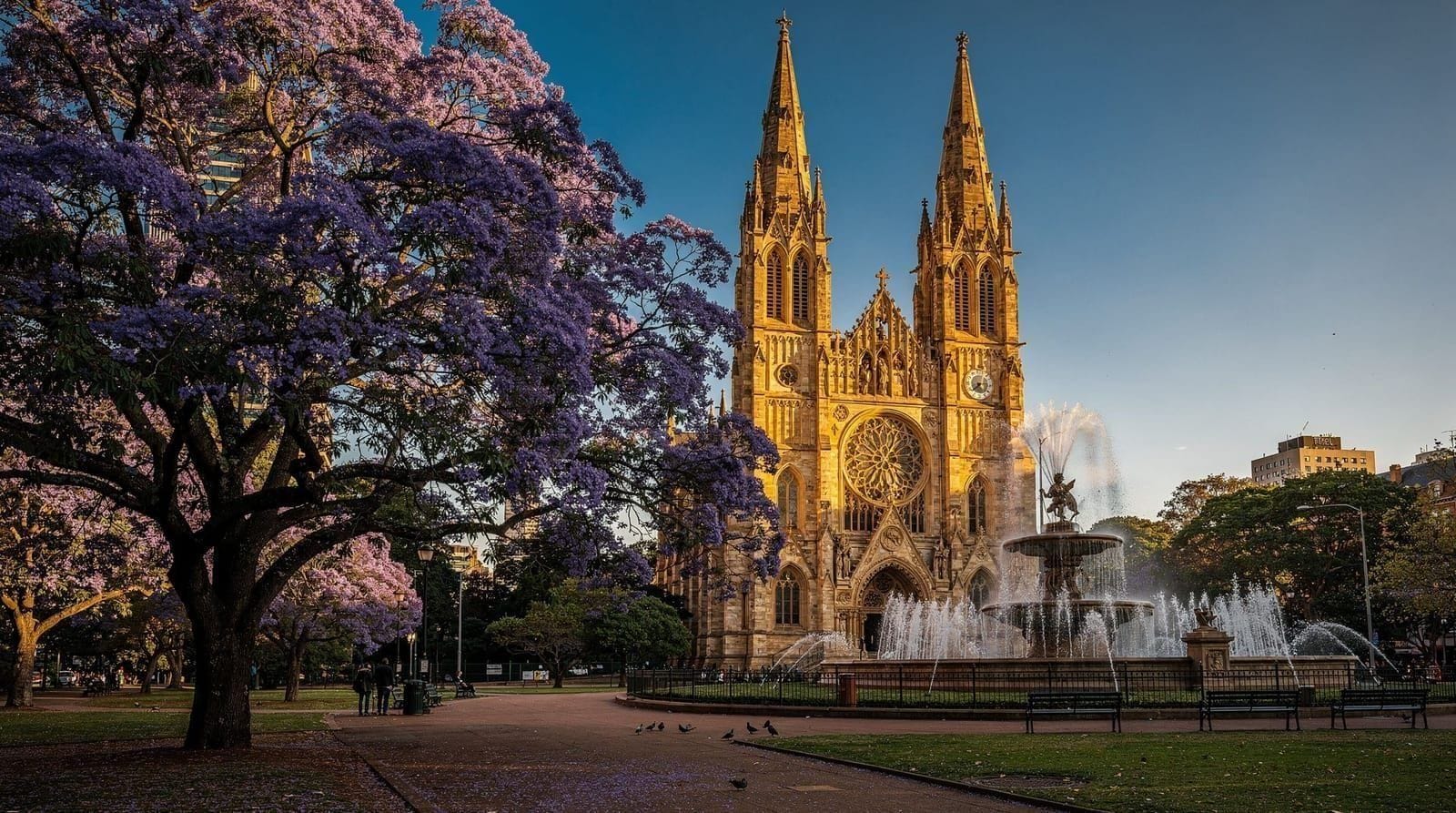
The northern section (north of Park Street) is more formal, with a central fountain (the Archibald Fountain, a 1932 bronze work by French sculptor François-Léon Sicard depicting the alliance between France and Australia in World War I), plane tree avenues, and maintained lawn. The southern section is more open, dominated by the ANZAC Memorial at its southern end.
Useful for visitors: public toilets, shade (critical in Sydney’s summer heat), a water fountain, and a bench-based lunch spot for people buying food from the nearby CBD streets.
The ANZAC Memorial
The ANZAC Memorial sits at the southern end of Hyde Park on Elizabeth Street. Built in 1934 and designed in Art Deco style by architect C. Bruce Dellit, it is one of Australia’s most significant war memorials — commemorating the servicemen and women of New South Wales who served in World War I and subsequent conflicts.
Entry is free. Open daily 9am–5pm.
The building itself: The exterior is faced in pink granite, with a geometric Art Deco design that was considered cutting-edge at the time of construction. The relief carvings on the exterior panels depict various military branches and service roles. The dome at the top, which filters natural light into the interior through amber glass panels, is visible from the exterior.
The interior — Pool of Reflection: The main chamber contains a pool of water at floor level, above which is a sculptural frieze by Rayner Hoff depicting a soldier lying on a shield supported by three female figures (representing the women — mother, wife, and daughter — who supported servicemen). Natural light through the dome falls directly onto this figure at specific times of day, making it a considered piece of memorial architecture.
The lower level museum: The underground section, added during a significant 2018 expansion, houses a permanent exhibition covering NSW’s contribution to World War I (the Gallipoli campaign, the Western Front), World War II, Korea, Vietnam, and subsequent conflicts to the present day. The exhibition uses personal narratives — individual service records, letters, photographs, and objects — rather than a macro-military approach. It is more affecting than the typical military history museum format. Allow 30–45 minutes for the full exhibition.
Anzac Day (25 April): The most significant day in the Australian calendar for war commemoration. The Dawn Service at the ANZAC Memorial draws thousands of people from approximately 4:30am, followed by a march through the CBD. If you are in Sydney on Anzac Day, this is worth experiencing as a cultural event — it differs significantly from how war commemorations operate in European contexts, with a particular emphasis on mateship, sacrifice, and the bonds between ordinary soldiers rather than the glorification of military achievement.
Getting there
Museum station (on Elizabeth Street, immediately adjacent to the memorial’s southern entrance) serves all major train lines. St James station (on Elizabeth Street, northern end of Hyde Park) is the alternative. Both provide direct access. The park is also a 10-minute walk from Town Hall station and 15 minutes from Circular Quay.
Combining with other sites
The Memorial and Hyde Park sit at the heart of Sydney’s eastern CBD heritage cluster:
- St Mary’s Cathedral: Directly across College Street from the eastern side of Hyde Park. Free entry, Gothic Revival interior, remarkable crypt mosaic. See the St Mary’s Cathedral guide.
- The Art Gallery of New South Wales: A 10-minute walk north through the Domain. Free permanent collection. Sydney’s principal art museum.
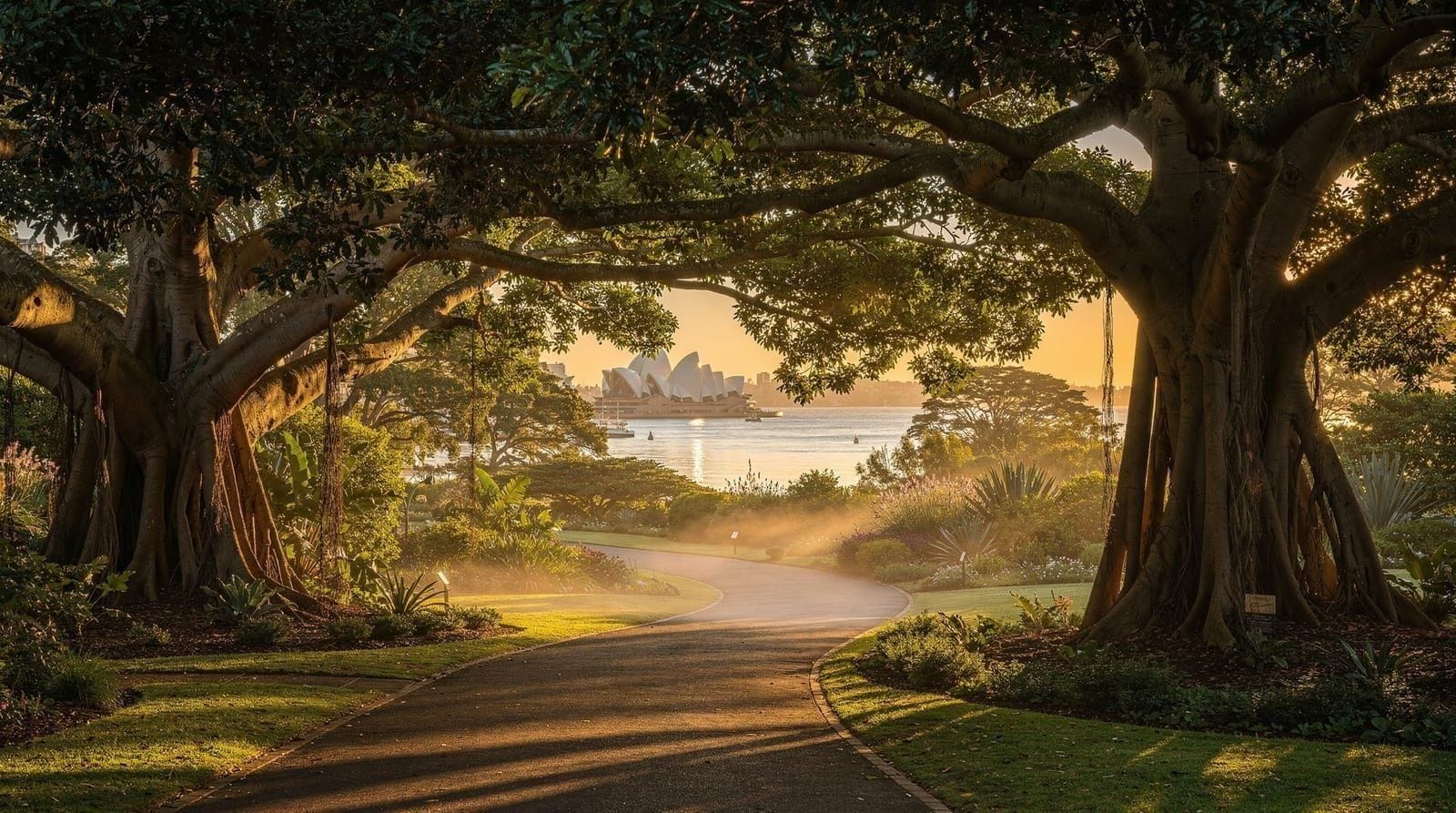
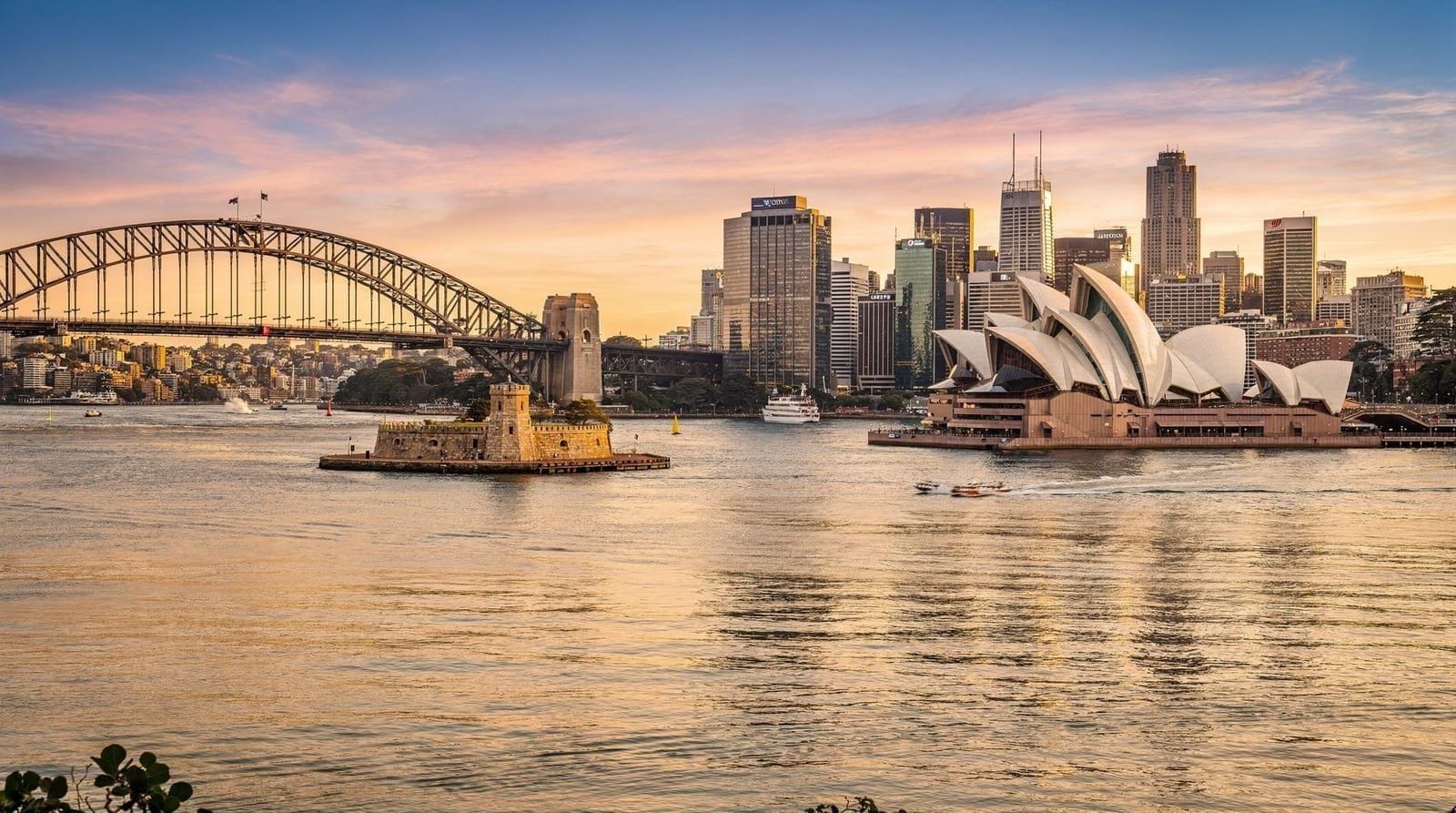
- Royal Botanic Garden: Adjacent to the Art Gallery. Free, open daily. Mrs Macquaries Point for the best Opera House and bridge photography. See the Royal Botanic Garden guide.
- Museum of Sydney: On Bridge Street (15 minutes north), this is a small but well-curated museum covering Sydney’s pre-colonial Aboriginal history and colonial founding. Check current entry prices on the official Sydney Living Museums website.
This cluster — Hyde Park, the Memorial, the Cathedral, the Art Gallery, and the Botanic Garden — forms a free half-day circuit in Sydney’s eastern CBD. The Sydney for first timers guide maps this as a suggested walking sequence.
For broader Sydney planning including how the CBD landmarks fit into a multi-day itinerary, see the Sydney 3-day first-timer itinerary and the Sydney 5-day essentials itinerary.
Hyde Park in context — the Australian relationship with war commemoration
For visitors from Europe, particularly from countries with their own war memorial traditions (France, Germany, Poland), Hyde Park and the ANZAC Memorial operate within a different cultural frame.
Australia’s participation in World War I is uniquely formative in Australian national identity in a way that is not always obvious to international visitors. The Gallipoli campaign of 1915 — where Australian and New Zealand troops (the ANZAC, or Australian and New Zealand Army Corps) suffered catastrophic losses in a failed Allied offensive against the Ottoman Empire — is treated in Australian culture as the defining moment of national coming-of-age: a baptism in sacrifice that forged a national identity distinct from British colonial roots.
This is why the annual Anzac Day (25 April, the anniversary of the Gallipoli landing) is observed more solemnly and widely than any other day in the Australian calendar, including Christmas. The Dawn Service in particular — which draws thousands of people before sunrise — reflects a genuine cultural weight, not a performative one. For international visitors who happen to be in Sydney on 25 April, attending the Dawn Service is a remarkable and sobering cultural experience.
The ANZAC Memorial’s lower-level museum explicitly engages with the ambiguity of this history — honoring individual sacrifice while acknowledging the strategic failure, the political decisions that sent poorly-prepared troops to an ill-conceived operation, and the long-term consequences of that moment on Australian society.
The Archibald Fountain — what it represents
The Archibald Fountain in the northern section of Hyde Park is worth a brief stop. Funded by J.F. Archibald (the founder of The Bulletin magazine) and created in Paris by French sculptor François-Léon Sicard, it commemorates the alliance between France and Australia during World War I.
The central figure is Apollo (associated with light, the arts, and civilisation — a deliberate choice symbolising what the Allied forces were fighting to protect). The surrounding figures include Diana (the hunt), Theseus and the Minotaur, and Pan. The bronze casting is detailed, and the patina after 90+ years gives it a quality that newly commissioned civic sculptures rarely achieve.
The fountain runs continuously during park hours and is a popular meeting point. The surrounding circular paving is often occupied by lunchtime workers from the adjacent courts and offices.
Hyde Park Barracks — nearby and significant
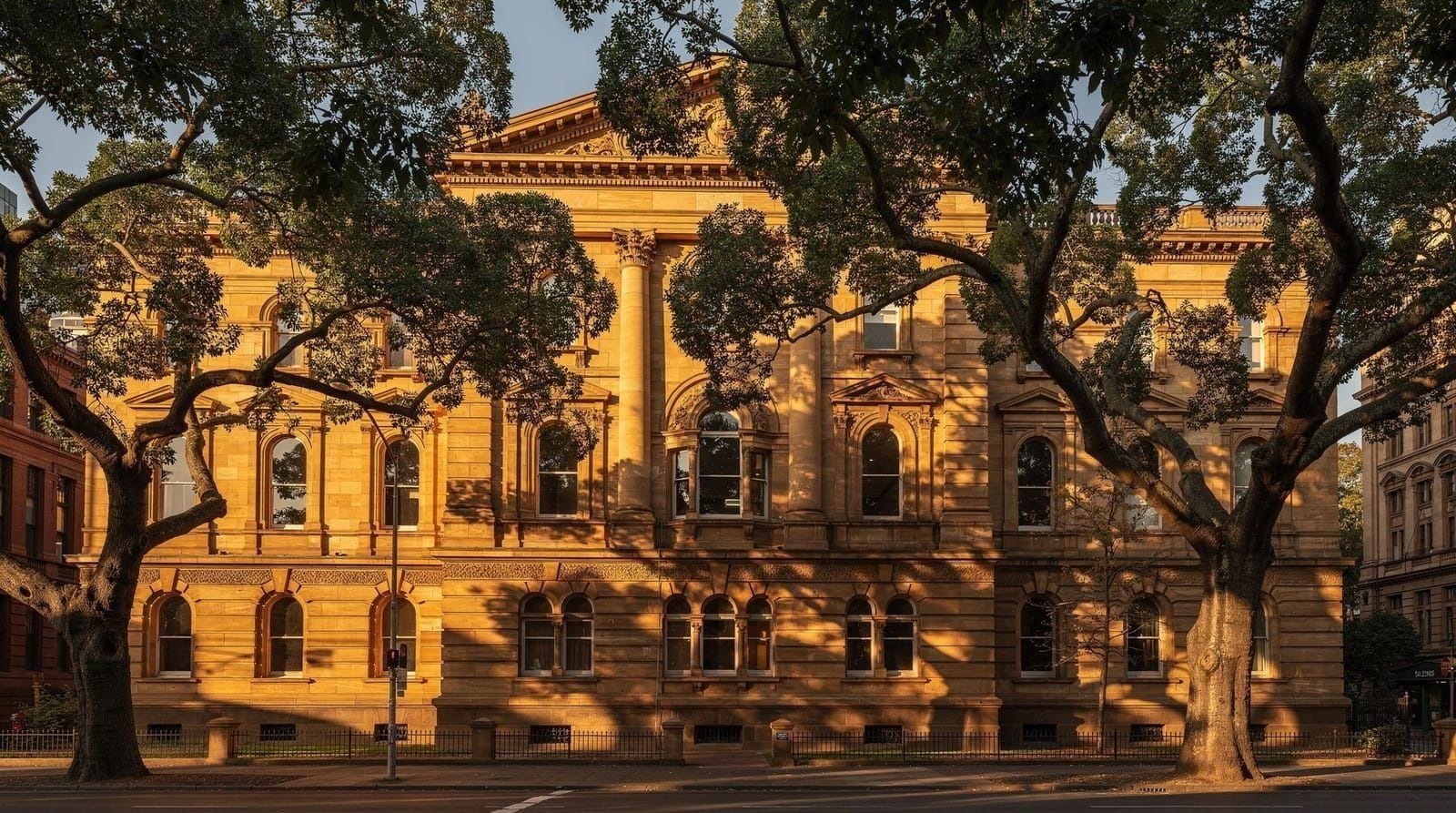
The Hyde Park Barracks (Macquarie Street, a 5-minute walk from the northern end of Hyde Park) is a UNESCO World Heritage Site and one of the most significant historic buildings in Australia. Designed by convict architect Francis Greenway and completed in 1819 under Governor Lachlan Macquarie, it was built to house the male convict workforce and later served as an immigration depot for assisted-passage immigrants (including many Irish famine immigrants in the 1840s–1850s).
The current museum inside the building covers the full history of the site from its convict origins through to the 20th century. Check current entry prices on the official Sydney Living Museums website. The building’s fabric — the rough sandstone, the timber floors with their convict-era inscriptions — conveys the period more directly than most museum installations.
The Barracks are the closest point in central Sydney where the convict history of the colony (which underpins much of Sydney’s colonial-era architecture and cultural narrative) is directly interpretable from a specific building and its contents.
Practical Hyde Park notes
Dogs: Hyde Park is one of the few inner-city parks in Sydney where dogs on a lead are permitted. Off-lead areas are not within the park itself.
Events: Hyde Park is used for major events several times a year — the Sydney Running Festival passes through, cultural festivals are staged in the northern section, and various community markets and fairs occupy the park on different weekends. These events can be disruptive if you are trying to visit the park for quiet enjoyment. Check the City of Sydney events calendar if park access is a priority.
Water: Public water fountains are located throughout the park. In summer, the fountain area around the Archibald is crowded with children cooling off.
The fig trees: Hyde Park’s avenue of Moreton Bay figs — planted in the 1870s and now enormous, with buttressed roots and canopies spanning 15–20 metres — is one of Sydney’s great urban tree plantings. They provide extensive shade in summer and are remarkable specimens in their own right. Sydney’s urban fig trees (concentrated in the CBD parks and the Botanic Garden) are a characteristic feature of the city that visitors from colder climates find unexpectedly impressive.
Where this fits in a wider Sydney visit
Hyde Park and the ANZAC Memorial work well as a low-cost, low-effort addition to a CBD day rather than a destination in themselves. If you are building a first Sydney itinerary, see the Sydney for first-timers guide for how it slots between Circular Quay and the eastern museums cluster, or the free things to do in Sydney guide for other no-cost stops to combine with it. Travellers on a tight budget should also check the Sydney on a budget guide, since a half-day built around Hyde Park, the Cathedral and the Botanic Garden costs nothing beyond food.
If you have more time in the CBD, the Sydney architecture walk passes near Hyde Park and pairs well with the Art Deco detailing of the Memorial itself. Families planning a rainy day can also use this cluster as an indoor-friendly option — see the rainy day Sydney with kids guide — since the Memorial’s lower-level museum is fully undercover.
Turning a Hyde Park stop into a fuller CBD day
Because the Memorial and the park cost nothing, they leave room in the day for something paid elsewhere. A sensible rhythm is to start here in the morning while the light is soft and the paths are quiet, then spend the afternoon on a booked experience nearby. The Sydney CBD destination page shows how the surrounding streets connect, and the Sydney travel tips guide covers the everyday practicalities that make a walking day easier.
If the Memorial has left you curious about the longer story of the land, the Sydney Aboriginal heritage guide and the Aboriginal cultural tours guide explain what is on offer. A guided Aboriginal walking tour with a smoking ceremony is one way to hear that history told by people connected to it, and you can look at an Aboriginal walking tour that includes a smoking ceremony if you would like to book one after your park visit. For something rooted in the Botanic Garden next door, see the Royal Botanic Garden Aboriginal tour guide.
A memorial visit also pairs naturally with a change of scale. After the quiet of the Pool of Reflection, many travellers want an open-air, high-up view of the city, and the Harbour Bridge guide and the BridgeClimb guide will help you decide whether that is for you. If it is, a daytime summit climb of the Harbour Bridge is the classic choice, and the BridgeClimb vs Pylon Lookout comparison is worth reading first if you are weighing it against a cheaper viewpoint. Those who want the climb to carry a cultural thread can consider a bridge climb with Aboriginal storytelling.
For a slower evening, the Barangaroo guide and the Rocks history walk both continue the heritage theme on foot, while the Sydney weekend in 48 hours itinerary shows where a Hyde Park morning can sit inside a short stay.
Frequently asked questions about Hyde Park and ANZAC Memorial Sydney
Is the ANZAC Memorial worth visiting if I’m not interested in military history? Yes — the memorial’s Art Deco architecture and the underground museum’s use of personal stories (letters, photographs, individual service records) make it accessible even without a specific interest in military history. Most visitors find the 30–45 minute museum visit more affecting than they expect.
Can you visit Hyde Park and the ANZAC Memorial as a standalone trip, or should it be combined with other sights? It works best combined with nearby free sites — St Mary’s Cathedral, the Royal Botanic Garden and the Art Gallery of NSW are all within a 10–15 minute walk, forming a free half-day circuit through Sydney’s eastern CBD heritage precinct.