Sydney rainy day survival guide — what to do when the harbour disappears
It does rain in Sydney
Sydney’s reputation is sunny, and most days it delivers. But Sydney averages around 1,200 mm of rain per year — more than London, more than Paris — and it tends to arrive in concentrated bursts rather than persistent drizzle. A Sydney thunderstorm in late spring (November) or late summer (February) can drop 50 mm in an hour and make outdoor plans genuinely unworkable.
This guide is for the day when you wake up to a grey sky and a weather app that shows rain for the next six hours. What you do instead matters more than most pre-trip planning accounts for.
| At a glance | |
|---|---|
| Where | CBD, Domain, Darling Harbour, Circular Quay — all within easy transit reach of each other |
| Cost | Free (galleries and general entry to several museums); paid attractions vary (see each venue’s official website) |
| Time needed | Half a day to a full day, depending on how many stops you combine |
| Getting there | Walking plus the covered arcade network, or a short Opal-covered train/bus hop between areas |
| Best time | Any season — Sydney’s concentrated rain bursts can hit at any time of year |
The best rainy-day decision you can make: galleries
Art Gallery of NSW (Domain, free entry for most collection): One of the genuinely excellent public art collections in the Asia-Pacific region. The Australian collection — colonial landscapes, the Heidelberg School, the modernists, and an exceptional contemporary Indigenous art holding — is the starting point. The Asian art galleries on the lower level are less-visited and very good. Budget two to three hours minimum. Free; some ticketed temporary exhibitions.
Museum of Contemporary Art (Circular Quay, free entry for most collection): The MCA faces the Opera House across Circular Quay and has a permanent collection of Australian and international contemporary art that changes in presentation regularly. The building has a good rooftop cafe — less useful on a rainy day, but the ground-floor café works fine. Free; ticketed exhibitions extra.
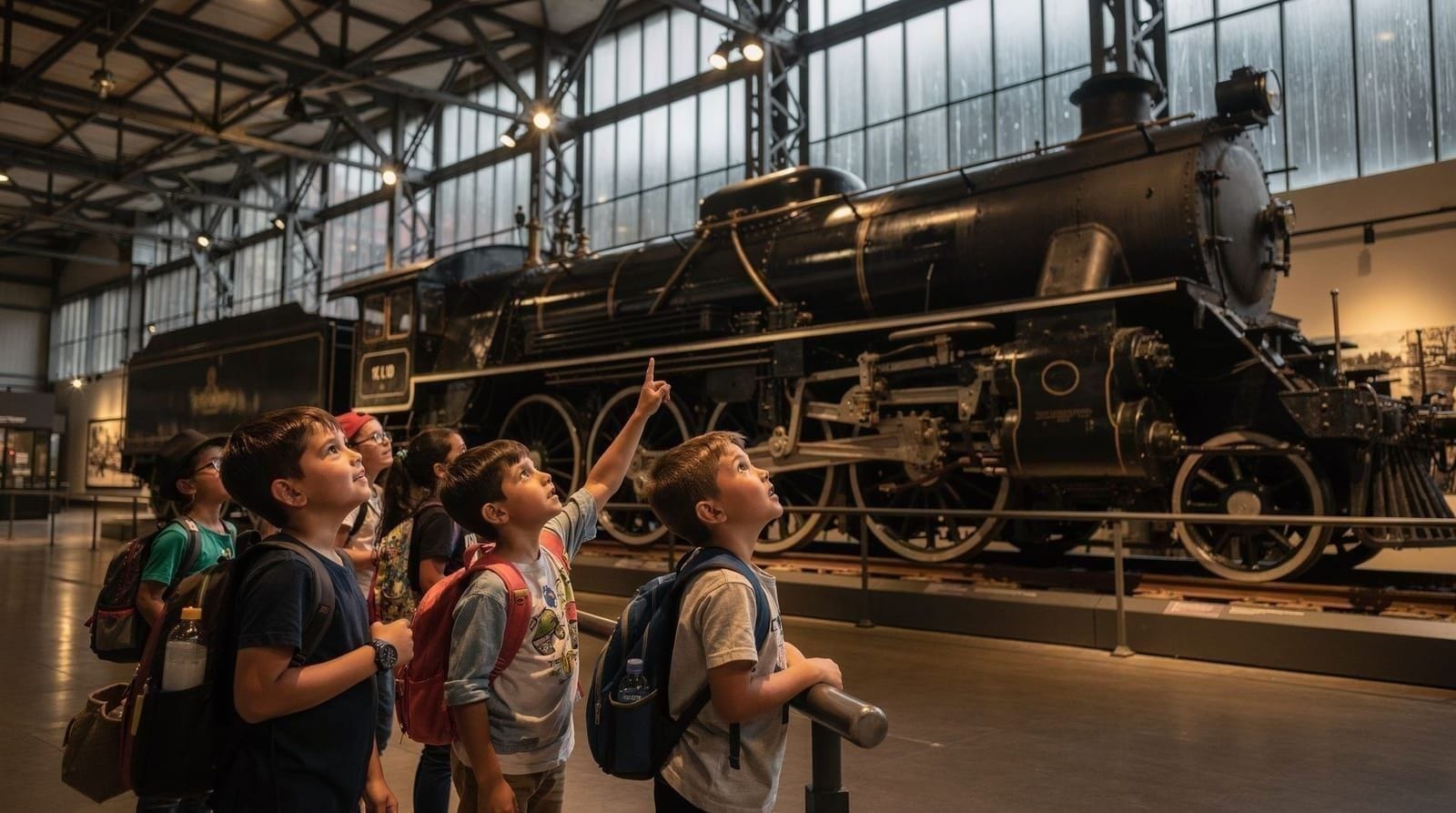
Powerhouse Museum (Ultimo, near Darling Harbour): Temporarily closed for a heritage revitalisation; check the official Powerhouse website for reopening and for the Powerhouse Parramatta museum.
Australian Museum (Hyde Park): Natural history, palaeontology, and an exceptionally strong First Nations collection. The dinosaurs gallery is what children come for; the Pacific cultures material is what adults end up spending most time in. General entry is free; special exhibitions are ticketed.
Covered markets and food halls
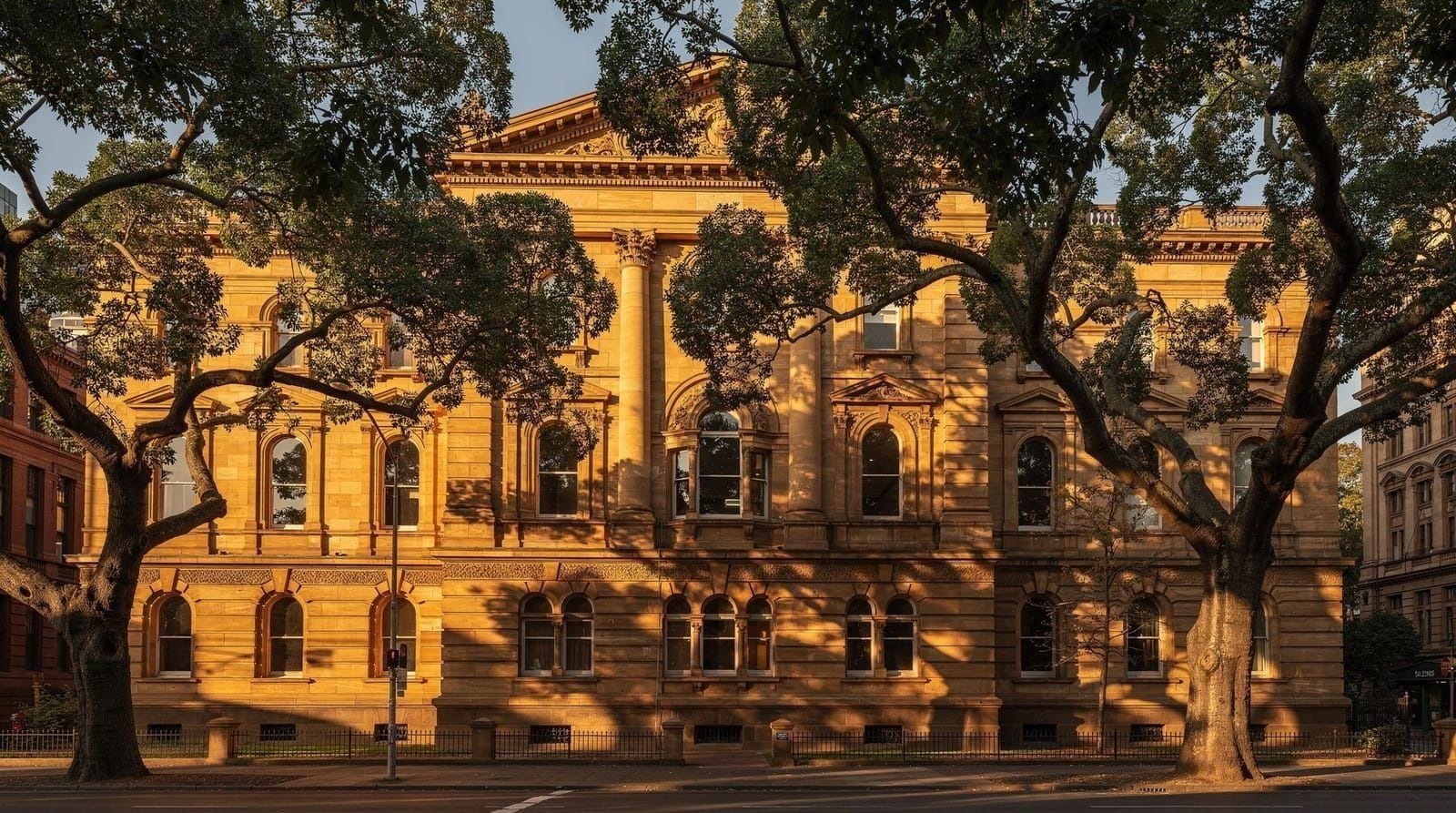
Queen Victoria Building (QVB, George Street): The 1898 sandstone commercial building is one of Sydney’s most beautiful pieces of Victorian architecture, and it houses mid-range retail shops over five levels with a covered, ornate interior that makes excellent rainy-day browsing. You don’t need to buy anything — it’s worth walking through for the building itself. The ornamental clocks and the stained glass windows are particularly good.
Sydney Fish Market (Glebe): The third-largest fish market in the world (by variety, not volume) is covered, working, and one of the better food experiences in the city regardless of weather. The retail section operates from about 7 am, and you can sit at covered outdoor-but-sheltered tables with fresh prawns and oysters and watch the working market. In rain, this is reliably good.
Westfield Sydney and the Pitt Street Mall: If you need to kill three hours on a wet afternoon, the covered arcade retail of central Sydney is extensive. Not exciting, but functional as weather shelter with coffee shops throughout.
The Opera House interior
The Sydney Opera House is an obvious bad-weather option, and slightly underused as one. The guided tour of the building interior (separate from any performance) runs daily and gives access to the main concert hall, the Joan Sutherland Theatre, and areas of the building not normally accessible. Duration about one hour; times and prices are on the official Sydney Opera House website.
On a rainy day when the harbour has disappeared behind low cloud, the interior of the Opera House is a particularly good place to be — the building’s relationship with its site and with the water is discussed in the tour, and the guides are knowledgeable and not scripted. Book in advance online; spots sell out, especially on rainy days when the demand spikes.
Aquarium and wildlife, honestly assessed
SEA LIFE Sydney Aquarium in Darling Harbour is the obvious indoor rainy-day choice and genuinely delivers for children under about 12. The oceanarium walk-through tunnel, where large sharks and rays pass overhead, is legitimately impressive. For adults without children, it feels slightly thin for the entry price, but booking online in advance is cheaper (see the official SEA LIFE website).
WILD LIFE Sydney Zoo, directly adjacent to the aquarium, covers Australian fauna — koalas, wombats, quolls, cassowaries. The koala section alone (where you can photograph, though not hold, the animals) justifies a visit. The indoor layout makes it genuinely rain-proof.
If you’re taking children to both and want to combine with a harbour cruise, the Sydney attraction pass offers combined entry that works out significantly cheaper than individual tickets.
Cinema
Sydney’s cinema culture is good. The Event Cinemas at George Street (near Town Hall) has a large screen cinema with reliable quality. The Palace Cinemas on Norton Street in Leichhardt is the best art-house option. The Dendy at Circular Quay or Newtown for independent and international cinema.
A rainy midweek afternoon at an IMAX screening (the largest IMAX screen in the Southern Hemisphere is at the Sydney Entertainment Quarter, now reopened after renovation) is worth planning around if you’re a film person.
An indoor activity that ignores the weather
If you want something more active than a gallery, indoor skydiving in a vertical wind tunnel is one of the few adrenaline options that rain simply doesn’t affect. It suits teenagers and adults who are restless after a morning of museums, and it gives a taste of free-fall without the weather dependence of the outdoor skydiving options near Sydney, which are cancelled whenever cloud or wind close in.
The covered walk you might not know
The Pitt Street to George Street arcade network in the CBD connects most of the central blocks through covered Victorian-era arcades. The Strand Arcade between George Street and Pitt Street is the finest — three levels of intricate Victorian ironwork and skylights, small independent jewellers and tailors, and a good bakery on the ground floor. This whole network means you can walk several hundred metres between Town Hall and Martin Place without getting rained on, if you know the connections.
When the rain stops: timing the break
Sydney rain often arrives in distinct cells — the weather clears for an hour, then closes in again. Check the Bureau of Meteorology radar (bom.gov.au) rather than a general weather app; the BoM radar refreshes every 6 minutes and shows exactly where the rain cells are relative to the city. Timing your window for a short harbour walk or a dash to a ferry between cells is the local skill.
If the rain has cleared by 3 pm, the late afternoon light on the harbour after a day of rain is one of the better versions of Sydney — clean air, dramatic clouds, a freshly washed city. It’s worth stepping outside for the 4:30–6 pm window if it opens up.
Budget breakdown for a rainy day
A reasonable indoor day for two adults:
- Art Gallery NSW (free) + MCA (free): A$0
- Sydney Fish Market lunch: prices vary by stall
- Opera House tour: see the official Sydney Opera House website
- Cinema evening: see your cinema’s website
Less than a full activity day, and genuinely worthwhile.
The covered arcade network explained
Sydney’s CBD has a largely undiscovered network of covered pedestrian arcades that connect George Street, Pitt Street, and Castlereagh Street across several blocks. Once you know the network, you can walk from Town Hall to Martin Place mostly undercover — useful when the rain is horizontal and your umbrella is losing the argument.
The key connections:
Strand Arcade (George Street to Pitt Street): Three-level Victorian arcade from 1892, the best-preserved in Sydney. The ironwork and glass ceiling are architecturally remarkable. Small independent jewellers, tailors, and the best bakery in this part of the city (Strand Hatters is also here, if you need a hat).
QVB undercover walkway: The Queen Victoria Building connects George Street to the Town Hall/Market Street corridor via its basement level, which houses cafés and retail with full cover.
Pitt Street Mall: The pedestrianised section between Market Street and King Street is covered by a glass canopy for much of its length. The indoor shopping centres at both ends (Westfield and Mid City) are fully covered and connect to the underground pedestrian concourse.
Underground concourse: The Martin Place-to-Town-Hall underground pedestrian corridor (associated with the train lines) provides fully covered passage between several key CBD blocks. Not scenic, but functional in heavy rain.
Knowing these connections means a rainy midday in the CBD doesn’t require getting soaked every time you change position.
Specific rainy-day exhibitions in 2025–2026
The Art Gallery of NSW opened the Sydney Modern Project extension in 2022, and the permanent collection has expanded substantially into the new building with large-format contemporary and First Nations works that genuinely reward extended time. The underground tunnel connecting the two buildings is worth traversing for the art installations in the passage alone.
The Powerhouse Museum at Ultimo is temporarily closed for a heritage revitalisation; check the official Powerhouse website for reopening and for the Powerhouse Parramatta museum.
Cooking classes and food experiences
Rainy days in Sydney are also good for food experiences that you might skip in good weather when outdoor options compete. The Sydney cooking class and food tour circuit includes several operators running indoor market tours and cooking sessions — particularly good in the winter months (June–August) when the city’s produce market is at its seasonal best.
The Sydney Fish Market morning tours run regardless of weather and give access to the working auction floor — a completely different experience from the retail section and one of the more interesting behind-the-scenes options in the city. Book in advance; places are limited, so check the official Sydney Fish Market website for tour times and availability.
The psychological advantage of rainy-day Sydney
There’s something worth saying about what rain does to Sydney’s tourist infrastructure. The visitors who turn up regardless of weather get the interior experiences at their best — galleries that aren’t rushed through on the way to outdoor activities, café culture that slows down rather than rushing tables, the covered arcades navigable without crowds.
Sydney’s residents largely continue their routines in the rain in a way that produces an interesting inversion: on a sunny Sydney day, everyone is competing for outdoor space. On a rainy one, the city’s interior spaces — which are excellent — have room for the people who know about them.
For family options on wet days, see rainy day Sydney with kids and best family attractions.
Quick comparison: which rainy-day option suits you
| Option | Cost | Best for | Time needed |
|---|---|---|---|
| Art Gallery of NSW + MCA | Free | Art lovers, a slow indoor morning | 3–4 hours combined |
| Powerhouse or Australian Museum | Australian Museum general entry free; Powerhouse temporarily closed | Families, science and natural history fans | 2–3 hours |
| SEA LIFE / WILD LIFE | See each venue’s official website | Younger children | 1.5–2 hours each |
| Opera House interior tour | See the official Sydney Opera House website | First-timers, architecture interest | 1 hour |
| Covered arcades + QVB | Free to browse | Killing an hour between other plans | Flexible |
Evening options if the rain continues
If the rain hasn’t cleared by dinner, Sydney’s indoor evening scene holds up well. The Sydney best bars guide covers plenty of fully indoor options in the CBD that don’t depend on a rooftop or outdoor terrace. Combining a gallery afternoon with a bar or restaurant evening turns what could be a write-off day into a genuinely good one — arguably better paced than a typical sunny-day itinerary that tries to cram in outdoor sights.
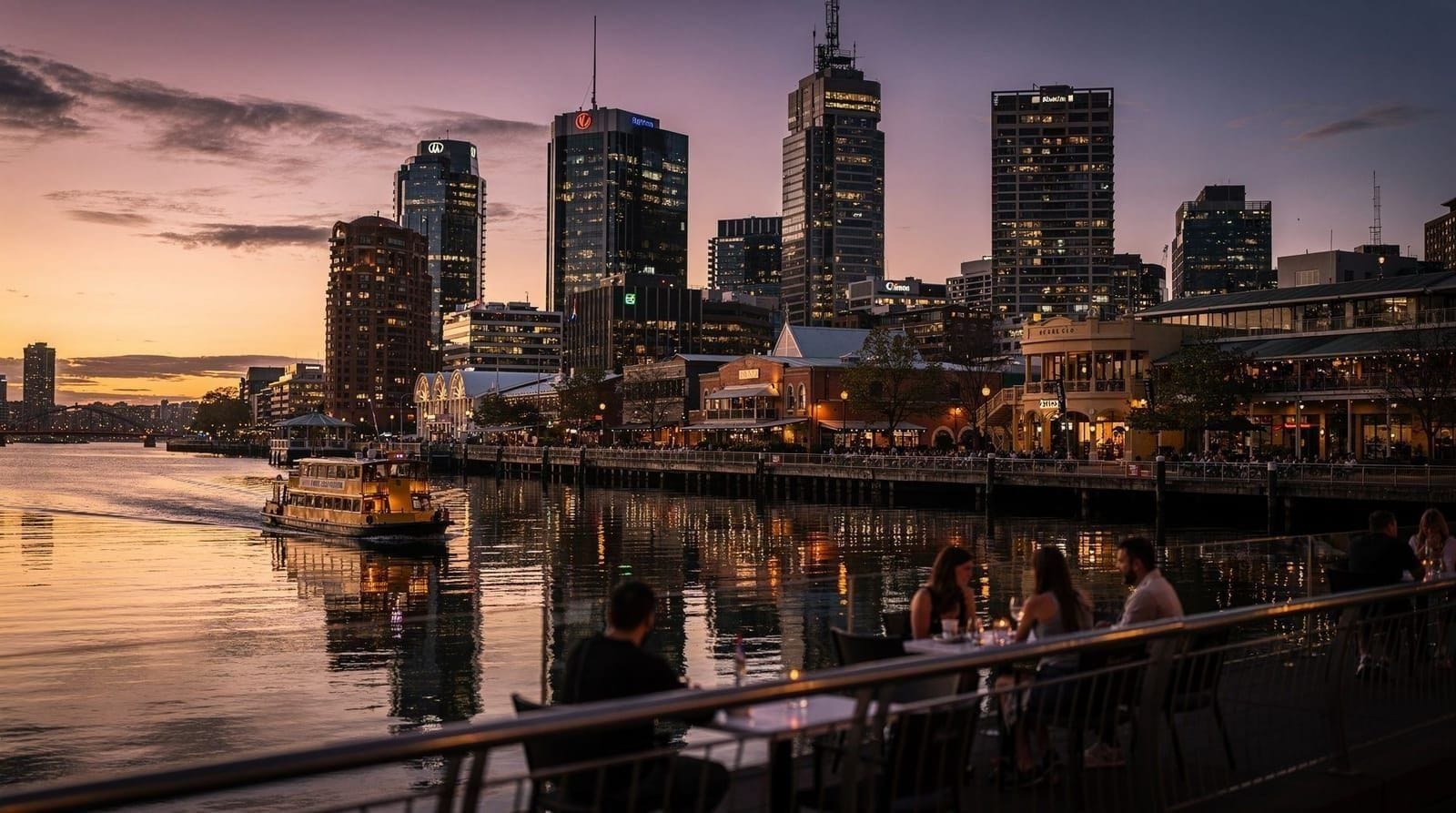
Another option for a wet evening is a multi-course dinner cruise on the harbour. Dining happens under cover, and the city lights on the water look good even through low cloud. Our best dinner cruises guide compares the main operators, and it’s worth checking the operator’s wet-weather arrangements when you book.
Rainy days aren’t only a summer-storm problem
While the sharpest downpours tend to arrive with summer thunderstorms, Sydney’s wetter months on average are actually in the first half of the year. If you’re travelling in winter and building flexibility into a 48-hour weekend itinerary, it’s worth pencilling in one of the indoor options above rather than assuming every day will be a clear-sky harbour day. Loading a bit of extra credit onto your Opal card so you’re not thinking about fares when you’re darting between covered options is a small thing that removes friction on the day.
Frequently asked questions about Sydney rainy day survival guide
Is it worth visiting Sydney if I’m worried about rain? Yes — Sydney’s rain arrives in bursts rather than persistent drizzle, and the city’s indoor options (galleries, museums, covered arcades, the Fish Market) are strong enough that a rainy day doesn’t have to be a lost day.
What’s the single best rainy-day option if I only have time for one thing? The Art Gallery of NSW, including the Sydney Modern extension — it’s free, takes two to three hours to do properly, and doesn’t feel like a fallback option even in perfect weather.