SEA LIFE Sydney Aquarium — honest visitor guide
Sydney: SEA LIFE Sydney aquarium entry ticket
How much does SEA LIFE Sydney Aquarium cost and is it worth it?
Adults from AUD 39 and children (2–15) from AUD 24 when booked online in advance; higher on weekends and school holidays; under 2 free. It takes 1.5–2 hours to see everything. The shark tunnel is genuinely impressive; the penguin colony is a highlight for children. Families will get solid value; solo adults may find the price steep for the duration.
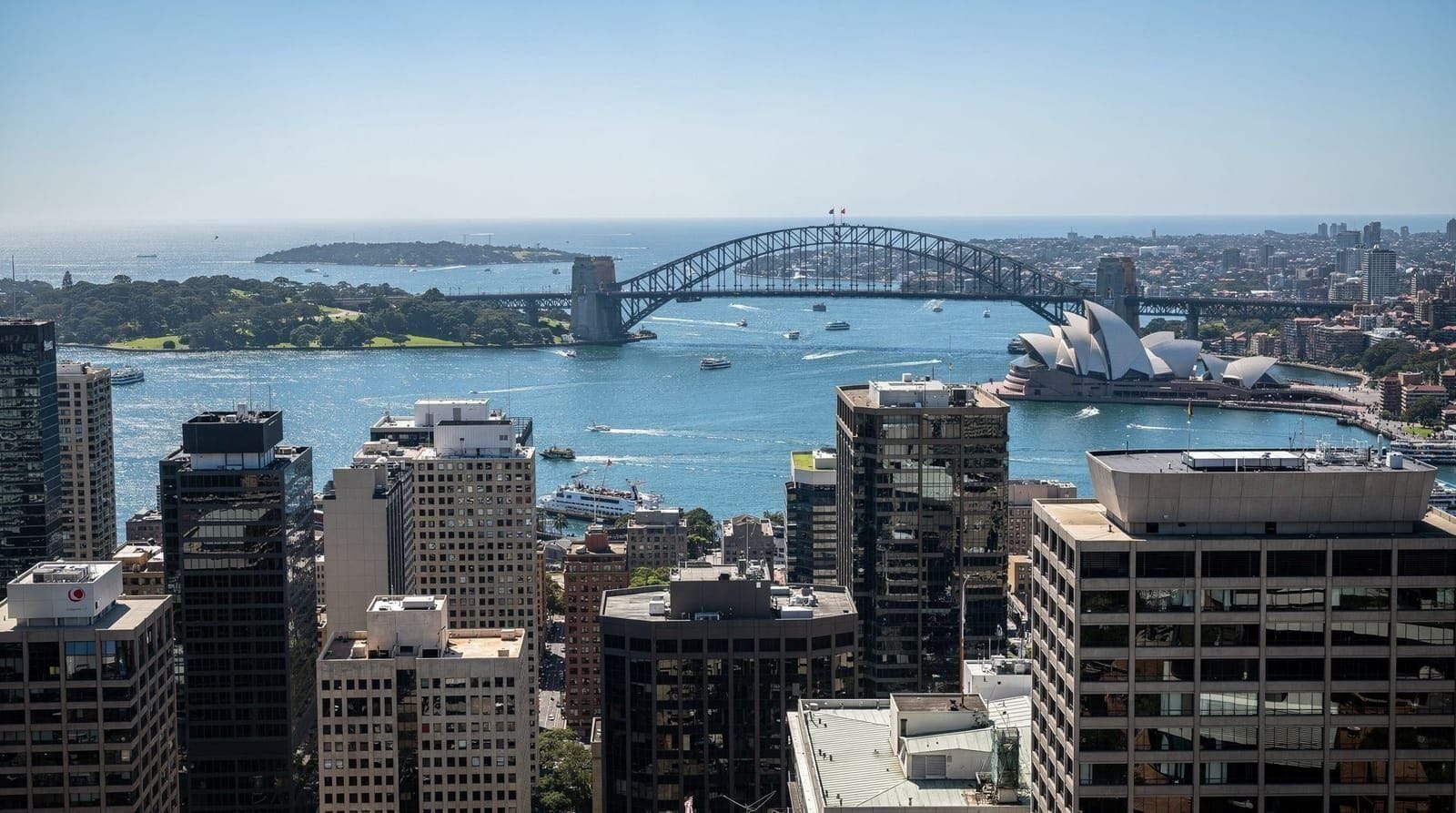
SEA LIFE Sydney Aquarium occupies a large building on the Darling Harbour waterfront, a short walk from the CBD. It holds more than 4,000 animals from over 300 species across themed zones and is one of the most visited paid attractions in Sydney. This guide covers what’s genuinely worth your time, what’s better at other Sydney wildlife venues, and all the practical details around tickets, timing, and planning your visit.
At a glance
| Where | 1–5 Wheat Road, Darling Harbour |
| Cost | Adults from AUD 39 and children (2–15) from AUD 24 when booked online in advance; higher on weekends and school holidays; under 2 free |
| Time needed | 1.5–2 hours |
| Getting there | 10-minute walk from Town Hall station; light rail to Convention stop |
| Best time | Weekday mornings 10–11:30 AM outside school holidays |
Location and getting there
The aquarium is at 1–5 Wheat Road, Darling Harbour — a 10-minute walk from Town Hall station or a 15-minute walk from Circular Quay along the harbourfront. The light rail from Wynyard to the Convention stop deposits you almost at the door. There is no meaningful car parking nearby; arriving by public transport is the obvious choice for most visitors.
The aquarium is immediately next door to WILD LIFE Sydney Zoo and within a few minutes walk of Madame Tussauds and the Chinese Garden of Friendship. The cluster makes Darling Harbour a logical base for a morning or afternoon of indoor activities, especially if you have young children or need wet weather cover.
Pyrmont Bridge connects Darling Harbour to the Fish Market area and inner west, making the whole precinct walkable from a wider area than most visitors realise. The walk from Town Hall along Market Street and down through Tumbalong Park takes around 12 minutes on foot.
Tickets: what to buy and where
Online tickets are cheaper than the gate. For 2026:
- Adults from AUD 39 and children (2–15) from AUD 24 when booked online in advance; higher on weekends and school holidays
- Under 2: free
- See the official SEA LIFE Sydney website for current prices
Buy online and pick a time slot. During NSW school holidays the aquarium can reach capacity by mid-morning — a timed entry removes the risk of queuing on arrival. Outside school holidays, walk-in tickets are generally available, but the online price saving is reason enough to book ahead.
If you’re planning to also visit WILD LIFE Sydney Zoo, Madame Tussauds, or Sydney Tower Eye during the same trip, the combo attraction pass saves significant money:
Sydney attractions combo pass — choose 2, 3, or 4 venuesThe combo pass covers SEA LIFE, WILD LIFE, Madame Tussauds, and Sydney Tower Eye in any combination of 2, 3, or 4 attractions. If you’re doing three or more, the saving can be up to 60% on the official Sydney Big Ticket.
What to see: the highlights
Shark Valley and the underwater tunnel
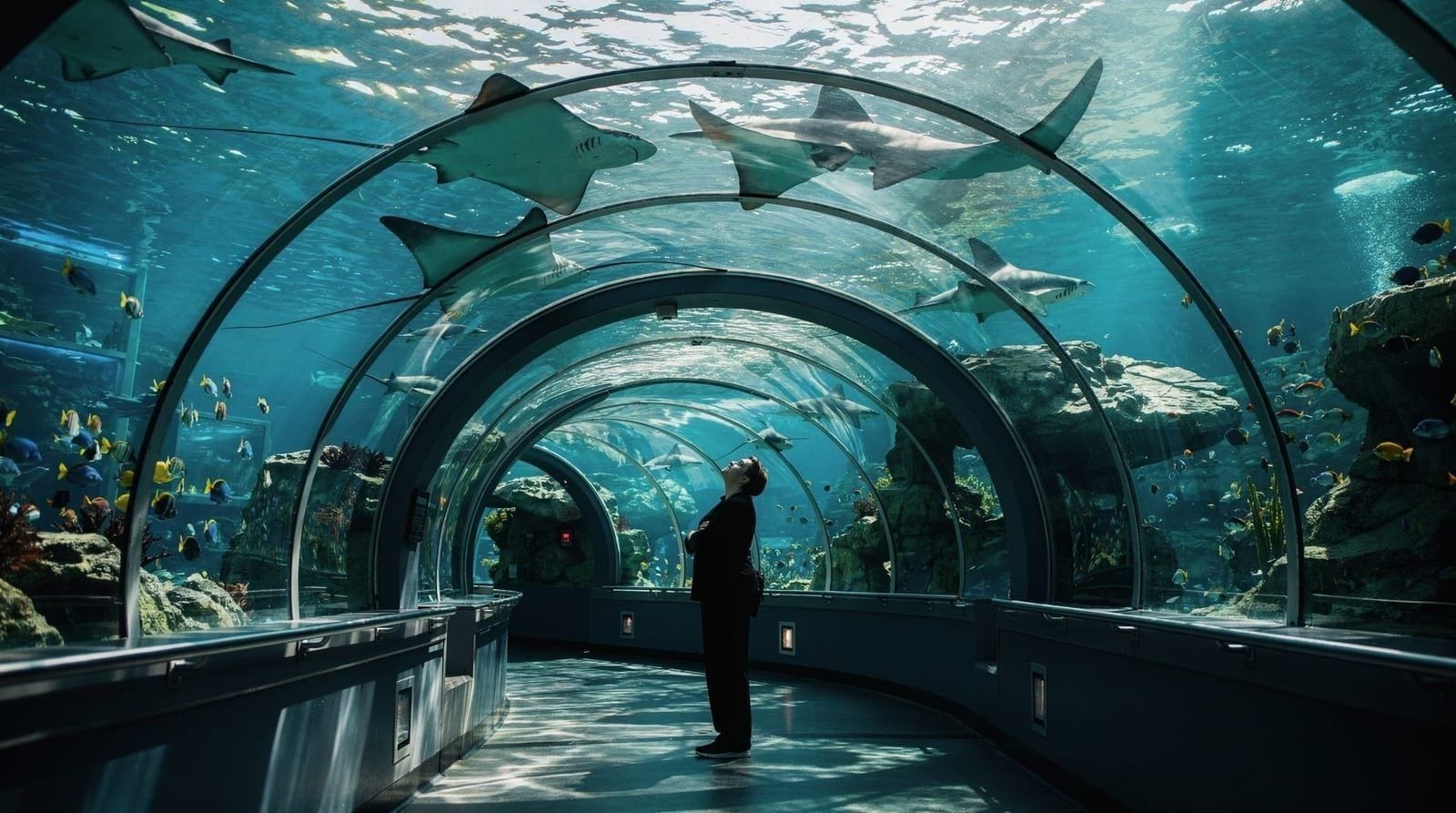
The centrepiece exhibit. A 160-metre transparent tunnel runs through a 6-million-litre oceanarium containing grey nurse sharks, shovelhead sharks, wobbegong sharks, stingrays, and large schools of pelagic fish. You stand on a moving walkway and the sharks pass overhead and on either side — the tank curves above you so you’re effectively walking through the middle of the water column.
Grey nurse sharks (known as sand tiger sharks outside Australia) are among the most visually striking sharks available to see in captivity — typically 2–3 metres in length, with multiple rows of visible teeth even when the mouth is closed. They are non-aggressive to humans despite their appearance. Wobbegongs are the bottom-dwelling species, patterned to look like the sandy floor, occasionally resting directly on the tunnel overhead.
This exhibit is genuinely impressive even for visitors who have been to large aquariums elsewhere. The sheer volume of water and the size of the animals makes it memorable. Children who are nervous about sharks find it either thrillingly scary or genuinely calming once they see the animals up close — the experience is almost always positive.
Dugong habitat
SEA LIFE Sydney is one of only two facilities in the world where you can see dugongs in a significant purpose-built display (the other is in Japan). The Dugong Island zone is temporarily closed, so check the official SEA LIFE Sydney website before you go. Dugongs are large marine mammals related to manatees, native to the waters of northern Australia and the Indo-Pacific. They are endangered, primarily due to habitat loss and boat strikes.
The dugong tank at SEA LIFE is large enough for the animals to move naturally. They are genuinely graceful in the water despite their rotund, torpedo-like shape — slow-moving, browsing on sea grass, occasionally drifting past the viewing glass at arm’s length. This is probably the encounter most visitors to SEA LIFE remember most clearly in retrospect, even though it’s quieter than the shark tunnel.
The dugong exhibit is the strongest argument for visiting SEA LIFE specifically over other Sydney wildlife venues. You cannot see dugongs at Taronga Zoo, Featherdale, or WILD LIFE.
Penguin Expedition
A penguin colony with King Penguins in a recreated sub-Antarctic environment. The exhibit is climate-controlled, noticeably cold when you enter, with artificial ice and low lighting. The King Penguins are large, formal-looking birds; the smaller penguins move with a characteristic waddle that most visitors find endearing.
Feeding sessions for the penguins are timed and announced on the daily schedule board. During feeding, a keeper enters the exhibit to hand-fish to the birds — the penguins become surprisingly active and assertive. This is a popular viewing window for children.
For context: Little Penguins also nest wild at Manly Beach and can be seen for free at night — see penguins at Manly.
Touch pool
A shallow open-top tank near the entry level where visitors can handle starfish and sea cucumbers under staff supervision. This is the one exhibit explicitly designed for physical engagement — important for toddlers and young children who need tactile rather than visual experience to connect with animals. Staff are attentive and prevent overhandling.
Jurassic Seas zone
This zone covers prehistoric marine species with a focus on animals that have survived largely unchanged for hundreds of millions of years — horseshoe crabs (650 million years of evolutionary history), nautiluses, and various species described as “living fossils.” The presentation is educational in a serious way, less curated for spectacle than the shark or dugong exhibits. Good for older children who engage with the evolutionary context.
Ray Bay
A large curved display with multiple species of ray including eagle rays and southern stingrays. A designated ray-touching area lets visitors make supervised contact with the rays as they pass through shallower water. Staff guide visitors on the correct technique — flat hand, don’t grab. Popular with children who are comfortable in the water but haven’t had a ray encounter before.
Coral reef tanks and tropical fish
Multiple large reef tanks display clownfish, angelfish, triggerfish, parrotfish, and surgeonfish among reconstructed coral. The visual impact is the draw here — the tanks are backlit and the fish colours are striking. The clownfish in anemone habitat is recognisable to most children with any exposure to animated fish films, and this recognition generates genuine enthusiasm.
The Freshwater section
The weakest part of the aquarium. Freshwater species lack the visual drama of marine exhibits and the presentation is notably less polished. Murray cod, freshwater turtles, and platypus (in some configurations — not always on display). The freshwater area tends to be quieter and is worth a quick pass rather than extended time.
Crocodile habitat
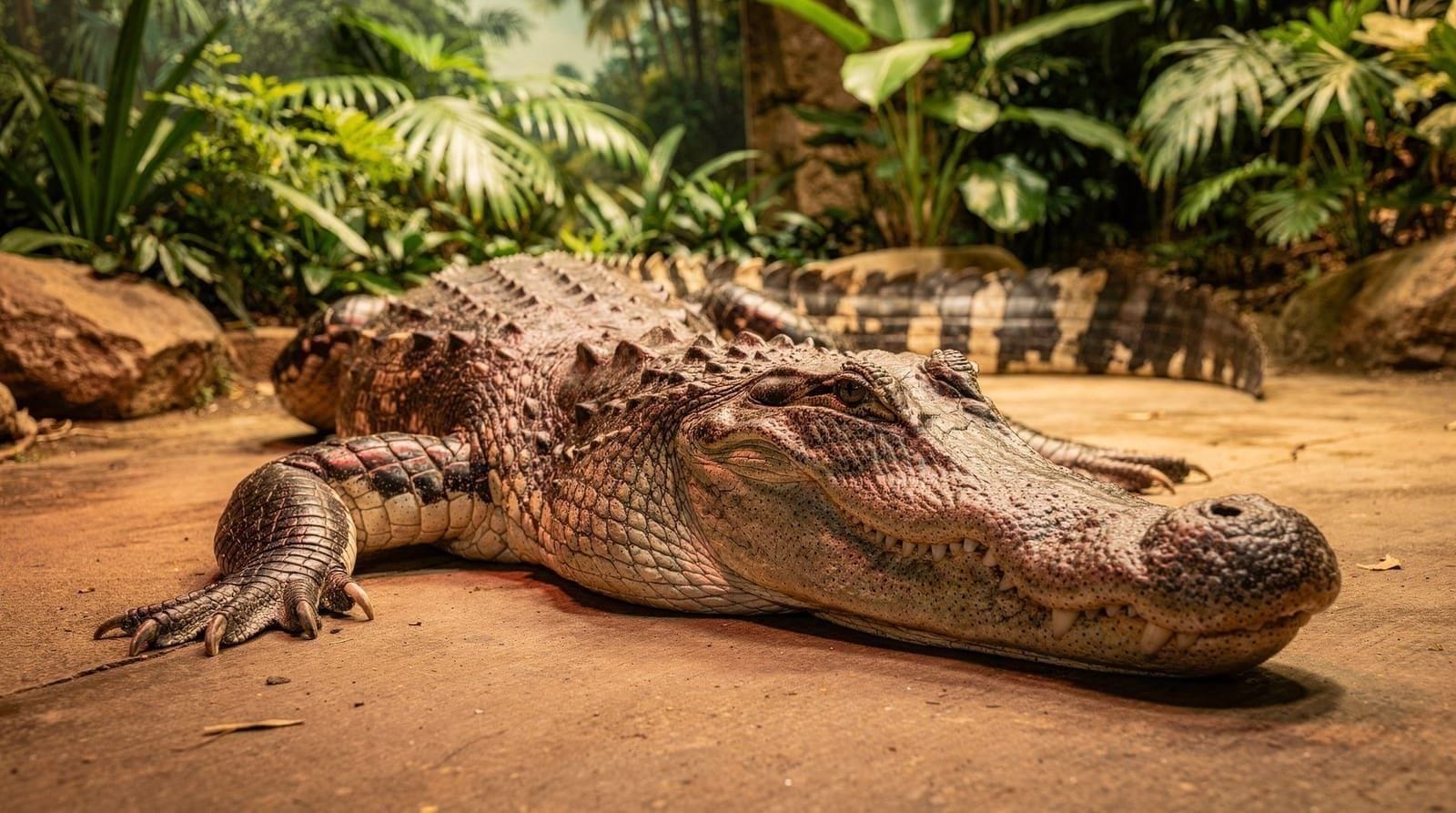
The aquarium has a small crocodile display, but it’s underwhelming compared to the dedicated reptile parks. The animals are often stationary for hours and the enclosure is not large. If crocodiles are a priority, the Australian Reptile Park at Somersby or WILD LIFE Sydney Zoo both have better crocodile exhibits.
Visiting with toddlers
SEA LIFE is one of the better Sydney attractions for toddlers (children under 2 enter free). Key reasons:
- The tunnel exhibit works at toddler eye-height — sharks pass directly in front of them at face level
- The touch pool is specifically designed for small hands
- The colourful reef fish tanks engage toddlers who respond to colour and movement
- The layout is flat and fully pram-accessible
- The indoor environment is temperature-controlled — useful in summer heat or winter chill
The main challenge for toddlers is the darkness of some sections (the penguin exhibit and parts of the tunnel zone). Some children find this unsettling; others engage more intensely. The darkness is not extreme — it’s dim rather than pitch-black.
Best time to visit
Weekday mornings (10–11:30 AM) are quietest outside school holidays. The aquarium opens at 10 AM on weekdays — arriving at opening means you have the shark tunnel largely to yourself for the first 30 minutes. Weekends and school holiday periods see significantly higher crowds, with the shark tunnel walkway backing up to a slow shuffle at peak times.
Summer (December–February) school holidays are the busiest period. If you’re visiting during this period, book a timed slot for 10 AM and expect larger crowds by midday.
Winter (June–August) is the quietest and cheapest overall period. Darling Harbour is less appealing as an outdoor space but the indoor aquarium is unaffected by the weather.
Food inside the aquarium
The aquarium has a cafe on the upper level with sandwiches, wraps, hot drinks, and children’s meal boxes. Prices are on the higher end. The quality is functional rather than notable. The better option is to eat beforehand at one of the Darling Harbour precinct cafes (which have more variety) or bring snacks for young children.
There is a good waterfront lunch option if you exit and walk 5 minutes — the Cockle Bay Wharf precinct has a range of casual restaurants. Avoid the waterfront-view places that charge a premium for the view; the parallel inland side has similar food at lower cost.
Photography at SEA LIFE
Photography is permitted throughout the aquarium without flash in most zones. The shark tunnel is the most popular photography location — the glass walls allow good visibility and the scale of the animals is impressive. For the best photographs of the sharks, move to the sides of the walkway (not the centre moving belt) and use a wide-angle lens or the widest setting on a phone camera. The blue tank lighting means photos taken without flash typically look better than flash-lit shots.
The dugong and penguin exhibits are both well-lit for photography. The nocturnal zones (freshwater, some reptile areas) are more challenging without specialist equipment.
After your visit: what to do next in Darling Harbour
SEA LIFE sits in a cluster with WILD LIFE Sydney Zoo and Madame Tussauds — all within 100 metres. Combining SEA LIFE and WILD LIFE in one day is a natural pairing (Australian marine life + Australian terrestrial wildlife) and covers about 4–5 hours of indoor content. The combo pass makes this economically sensible.
Darling Harbour itself has the Chinese Garden of Friendship, the Australian National Maritime Museum (free entry to the quay exhibits), and a direct walk along the harbourfront toward the CBD through Tumbalong Park. The Imax cinema in Darling Harbour is useful if you have an afternoon gap after the aquarium visits.
For the broader family planning context, see Sydney with kids and best family attractions in Sydney.
Practical summary
- Address: 1–5 Wheat Road, Darling Harbour NSW 2000
- Opening hours: Monday–Friday 10 am–5 pm, Saturday–Sunday 9:30 am–5 pm, NSW school holidays 9 am–5 pm (last entry 4 pm); hours vary on public holidays
- Duration: 1.5–2 hours
- Accessibility: Fully wheelchair and pram accessible; lifts between all levels
- Photography: Permitted; no flash in designated zones
- Nearest train: Town Hall station (10-minute walk)
- Nearest light rail: Convention stop (5-minute walk)
- Feeding schedules: Posted daily at the main entrance board
SEA LIFE Sydney Aquarium is a professional, well-run aquarium with some legitimately world-class exhibits. The shark tunnel is immersive and genuinely impressive. The price is high relative to the 1.5–2 hour duration, which means families with children who want to revisit exhibits and take their time get better value than solo adults doing a single pass. For marine life in Sydney, there is no comparable alternative — it’s the clear best option in the category.
How it compares to Sydney’s other wildlife venues
| Venue | Cost (adult) | Time | Strongest draw |
|---|---|---|---|
| SEA LIFE Sydney Aquarium | From AUD 39 online | 1.5–2 hrs | Dugongs, shark tunnel |
| Taronga Zoo | Higher, plus ferry | Half day | Native and exotic land animals, harbour views |
| WILD LIFE Sydney Zoo | Similar range | 1.5–2 hrs | Compact, Australian-only species, next door to SEA LIFE |
| Featherdale Wildlife Park | Similar range | 2–3 hrs | Koala handling, close wallaby contact |
For a full side-by-side, see best zoos and aquariums in Sydney and the direct Taronga vs Featherdale comparison. If you’re weighing up the zoo next door specifically, WILD LIFE Sydney Zoo covers that venue in the same depth as this guide.
Combining with the rest of your trip
SEA LIFE fits naturally into a Darling Harbour day alongside other indoor attractions, but it’s worth thinking about where it sits in your wider Sydney itinerary. Families building a longer stay should check Sydney with a baby or Sydney zoos for toddlers for age-specific advice, and rainy day Sydney with kids for other wet-weather indoor options if the aquarium is your fallback for a poor-weather day.
Top experiences
Bookable activities with verified prices and instant confirmation on GetYourGuide.