Sydney food tours — the honest guide to eating your way around the city
Sydney: Food tour in Surry Hills with 8 local delicacies
Duration: 3.5 hours
Are food tours in Sydney worth it?
The best ones — Surry Hills, Chinatown walking tours, and the fish market behind-the-scenes tour — are genuinely worthwhile for first-time visitors who want context with their eating. Budget AUD 85–130 per person for a quality 2.5 to 4-hour walking tour. Skip generic "foodie experience" day tours that spend more time in minibuses than eating.
Sydney’s food scene: what it actually is
Sydney does not have a single cuisine it can call its own in the way that, say, Naples has pizza or Tokyo has ramen. What it has instead is proximity to excellent seafood, a cosmopolitan population that has been building a multicultural food culture for over a century, and a café scene that is among the best in the world by any honest measure.
The result is a city where eating well is relatively easy if you know where to look — and where eating badly while spending a lot of money is also entirely possible if you stay within the tourist orbit of Circular Quay and Darling Harbour. Understanding the difference matters more in Sydney than in most cities, because the geographic distance between the overpriced tourist trap and the genuinely excellent neighbourhood restaurant can be as little as a 15-minute walk or a two-stop train ride.
Food tours exist to close that knowledge gap. The best ones take you into the real neighbourhoods — Surry Hills, Chinatown, Marrickville — and give you enough context to keep eating well independently for the rest of your trip.
At a glance
| Where | Surry Hills, Chinatown, Newtown/Enmore, Marrickville, Sydney Fish Market |
| Cost | Around AUD 57–170 depending on tour type and length |
| Time needed | 2–6 hours per tour |
| Getting there | Most tours meet centrally and are reachable by train, bus, or light rail |
| Best time | Weekday tours book up less; weekend mornings are busiest |
The best food tours, by type
Walking neighbourhood food tours
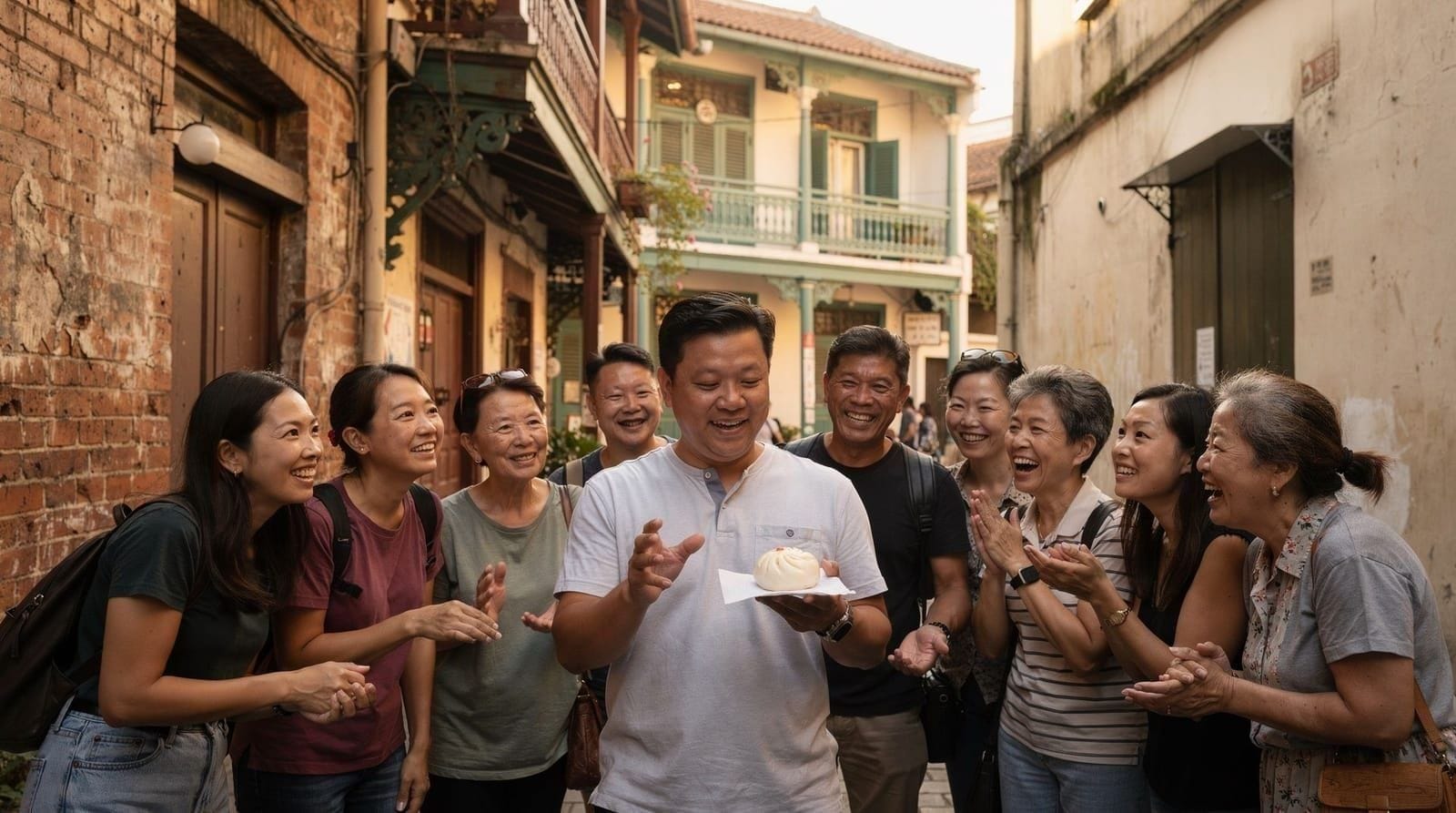
The walking tour format — a guide leads a small group through a neighbourhood, stopping at six to ten food and drink producers — is the most useful format for first-time Sydney visitors. You eat, you get context and stories, and you leave with a mental map of a neighbourhood that would take days to build independently.
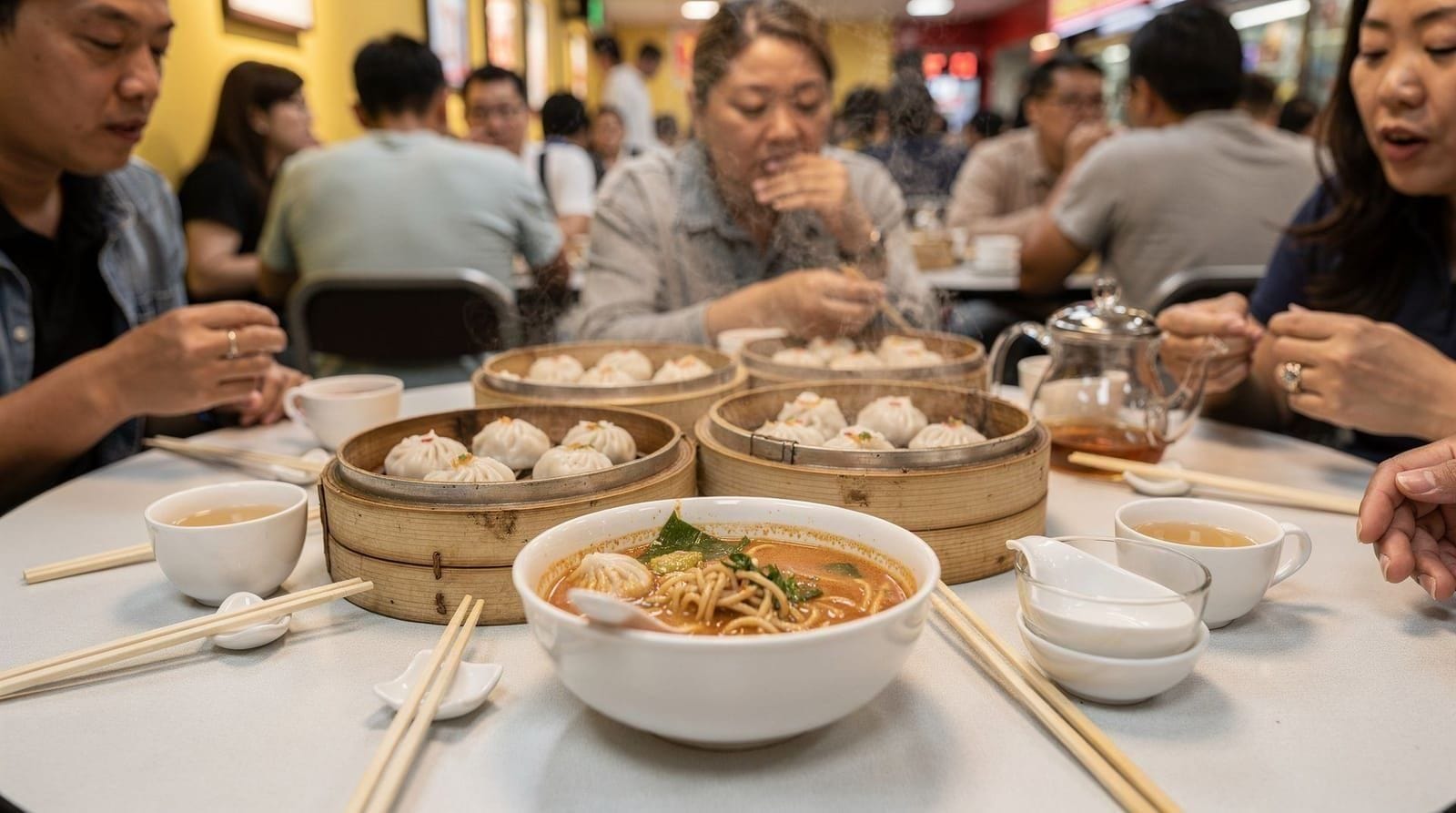
The Surry Hills food tour with eight local delicacies is the strongest option for this format. Surry Hills sits immediately south of the CBD and has been Sydney’s food neighbourhood of choice for serious eaters for the past decade. The tour runs 3.5 hours, costs AUD 113, and typically includes stops at a specialty coffee roaster, a charcuterie producer, a wine bar, a bakery and a bottle shop with tasting. The food eaten covers a light lunch’s worth of calories.
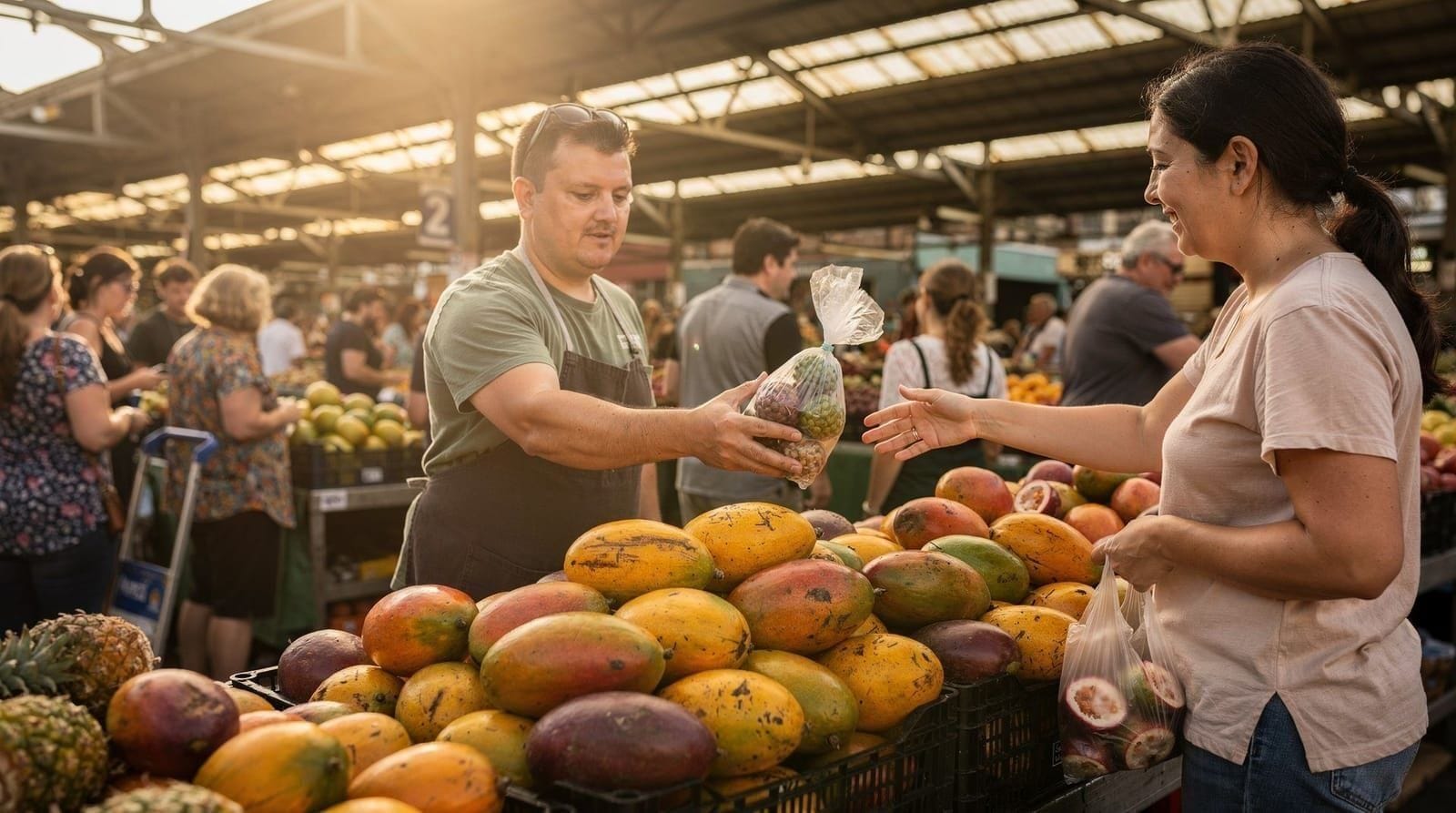
The Chinatown street food tour is a different flavour — shorter (2.5 hours), more chaotic, and best for people who want to understand Sydney’s deep Chinese food culture beyond the obvious. The guide navigates Dixon Street, the Market City food court (genuinely excellent, almost entirely unknown to tourists), and several less-visited Haymarket producers. Cost around AUD 70–85.
A multicultural food tour combining street art and eating covers Newtown and Enmore, which are Sydney’s most genuinely diverse eating neighbourhoods. Budget closer to AUD 90–100 for this option.
Sydney Fish Market tours
Sydney Fish Market in Pyrmont is a complex with two distinct experiences. The retail floor — open from 7 am daily — is legitimately excellent value. Sydney rock oysters at AUD 3–4 per shell, fresh barramundi and snapper, sashimi-grade tuna, and cooked prawns straight from the trawlers. Buy from the fish merchants directly; avoid the sit-down restaurants on the market perimeter, which charge café prices for market seafood of identical provenance.
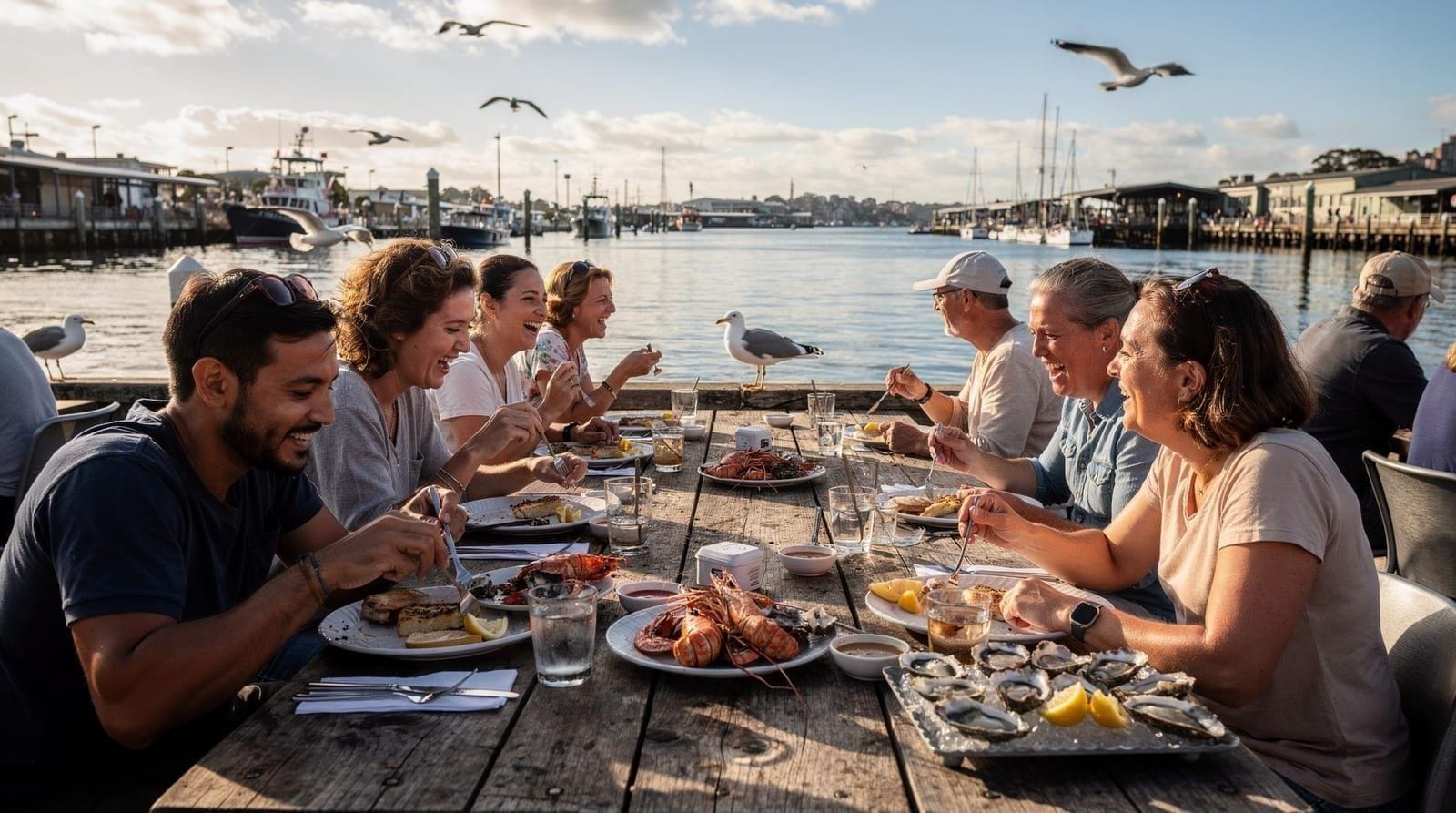
For visitors who want structure: the behind-the-scenes fish market tour is AUD 57 for two hours and takes you into the working market before opening, including the Dutch auction floor where approximately AUD 50 million worth of seafood changes hands each year. It is a genuinely unusual industrial-scale experience. Start time is around 5–6 am, so it requires genuine commitment — but it is one of the most interesting two-hour options in Sydney.
The morning walking tour of the market is a more accessible alternative for people who do not want a 5 am alarm: it covers the retail floor, the buyer relationships, and provides a structured tasting of five or six market products.
Brewery and bar tours
Sydney has a serious craft beer scene concentrated in the inner west — particularly Marrickville, which has earned a disproportionate reputation for small-batch brewing in a relatively short time.
The Marrickville breweries walking tour (AUD 85, three hours) visits three to four breweries on foot, including production areas and tasting rooms. Grifter Brewing Co, Willie The Boatman, and Batch Brewing Company are regularly included. The tour is relaxed and knowledgeable without being preachy about beer. Recommended for anyone with an interest in the craft end of Australian brewing.
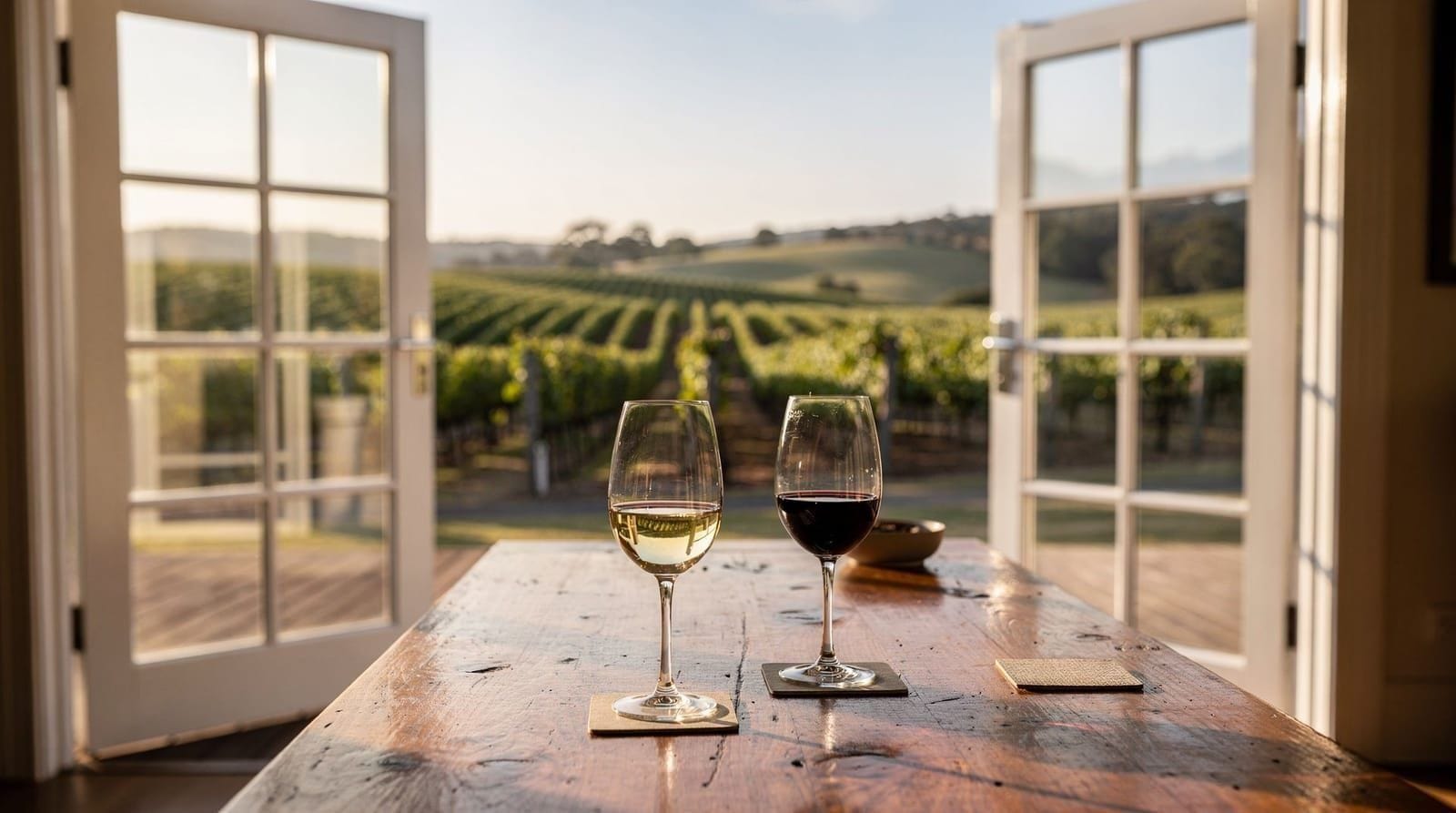
A broader alternative is the brewery, winery and distillery tasting tour, which covers different drink categories in a single session — better for groups with mixed drink preferences.
Eating independently: where locals go
A food tour is useful for orientation, but most of your eating in Sydney will be independent. Here is an honest summary of where to go and where not to bother.
Surry Hills
The single best neighbourhood for eating and drinking in Sydney for visitors who want genuine quality without a formal booking. Crown Street and the surrounding blocks have the highest density of interesting cafes, wine bars, natural wine shops and restaurants per kilometre anywhere in Sydney.
For coffee: Single O (a roaster with a cafe), Reuben Hills (a cult favourite, usually busy), or Room Ten (consistently excellent flat whites). For wine: Tio’s Cervecería is a small Spanish-influenced bar that is genuinely excellent and not expensive. For dinner: Restaurant Hubert is a French brasserie on the boundary of Surry Hills and the CBD that is probably the city’s most enjoyable restaurant at the mid-range price point — mains AUD 32–48, and it takes no bookings for the bar.
Newtown
King Street in Newtown is one of the more interesting single streets for eating in the city. Inexpensive and reliable: Cow and the Moon gelato (international award-winning), the plethora of cheap Thai and Vietnamese restaurants, and Thai Pothong (enormous portions, good value). For coffee: Black Wire Records (Newtown) doubles as a specialty coffee shop. For dinner: Bloodwood is a Newtown institution for share plates and natural wine.
Marrickville and Enmore
Increasingly the neighbourhood of choice for serious Sydney food people. Excellent Vietnamese (Thanh Binh on Illawarra Road, unassuming and excellent), Lebanese bakeries on Victoria Road, Suminato Japanese, and the craft brewery scene. Walking distance from Marrickville station (Inner West line from Central, about 12 minutes).
Fine dining worth the price
Quay (The Rocks / Circular Quay)
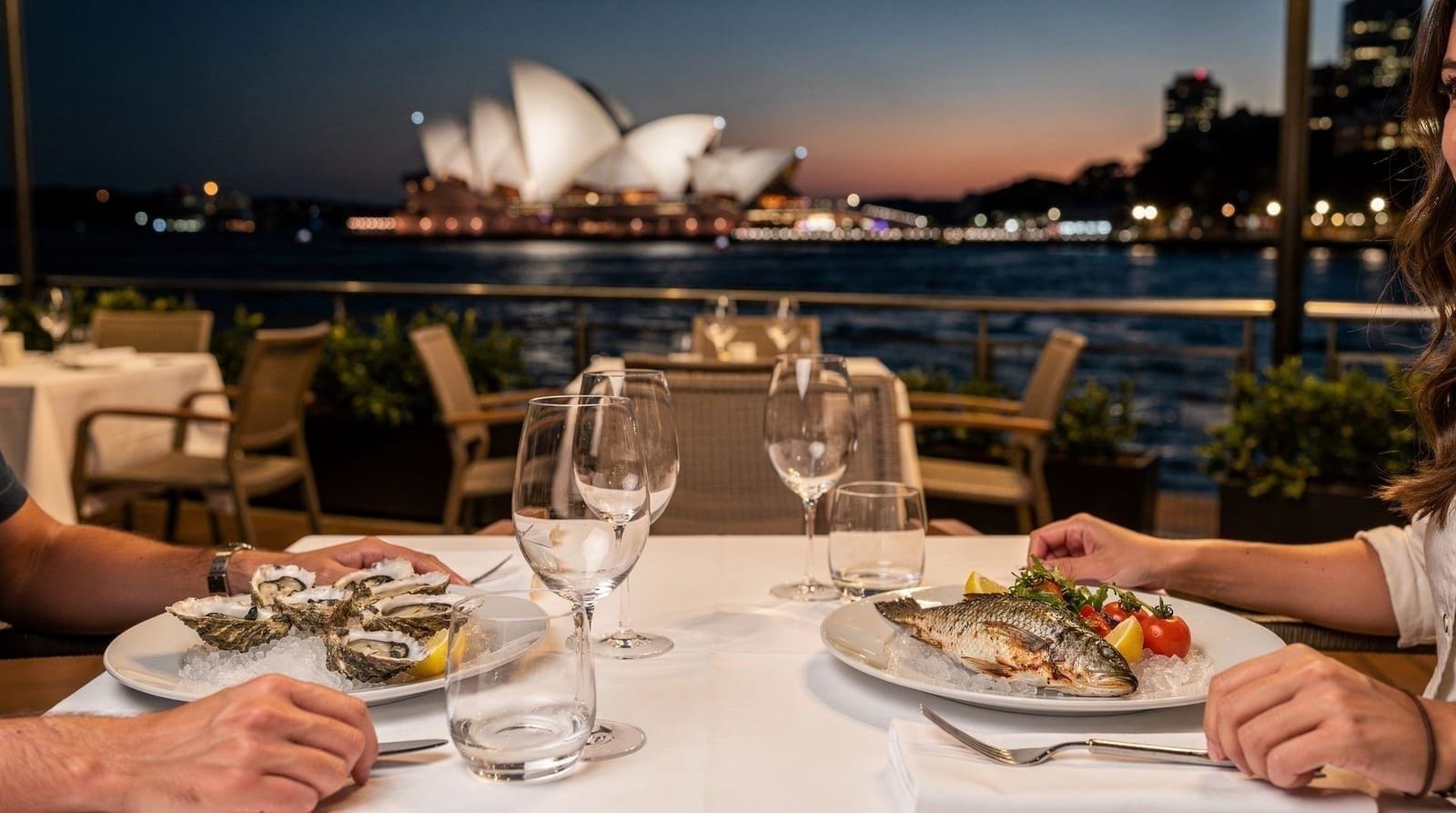
Peter Gilmore’s flagship at Overseas Passenger Terminal has held its position as arguably Sydney’s best fine-dining restaurant for over a decade. The views across the harbour to the Opera House and Harbour Bridge are genuinely extraordinary — one of the few Circular Quay area restaurants where the location is earned. Tasting menus run AUD 260–330 per person without wine. Bookings several weeks ahead are required for dinner; lunch is slightly easier to secure. See the fine dining in Sydney guide for the full picture.
Tetsuya’s (Sydney CBD)
Tetsuya Wakuda’s restaurant in a converted terrace house on Kent Street is one of Sydney’s most enduring fine-dining institutions. The degustation — Japanese-influenced modern cuisine with a strong French technique base — is AUD 320 per person. Rarely available without several weeks’ advance booking. Serious and serious only; the format is long (three-plus hours) and the room is formal.
Mr Wong (CBD / The Rocks)
The most accessible of Sydney’s upscale restaurants for casual visitors. A large, atmospheric Cantonese restaurant in the basement of a CBD building, drawing on Hong Kong tradition and high-quality local produce. Yum cha at lunch is AUD 25–45 per person; dinner dim sum and mains run higher. Bookings recommended; they usually have same-day availability for lunch.
Sydney’s coffee culture: a genuine highlight
Sydney’s café scene is serious enough to be a travel reason in itself for visitors from countries where coffee culture is less developed. The flat white — espresso with microfoamed milk, smaller and more concentrated than a latte — is the city’s house drink, and was either invented or significantly developed in Sydney (Melbourne disputes this endlessly).
The coffee neighbourhoods of note: Surry Hills has the highest density of specialty roasters per square kilometre. Marrickville has several independent cafes that source and roast their own beans. The CBD has excellent operators alongside the predictable chains.
For a deeper exploration of Sydney’s café culture, see the Sydney coffee culture guide.
Markets: where to go on a weekend morning
Carriageworks Farmers Market (Eveleigh, Saturday 8 am – 1 pm): Sydney’s best fresh produce market without contest. Most stallholders are genuine growers from the NSW hinterland. Heirloom vegetables, artisan cheese, raw honey, smallgoods, mushrooms, and fresh bread. Arrive early; popular items sell out by 10:30 am. Free entry. Getting there: Redfern station, 5-minute walk, or bus.
Marrickville Organic Markets (Sunday 8 am – 1 pm): Smaller and more neighbourhood-feel. Good for bread, Polish cold cuts, organic eggs and seasonal vegetables. The crowd is heavily local, which makes it one of the more authentically Sydney market experiences.
Paddy’s Markets (Haymarket, Wednesday–Sunday): Sydney’s largest covered market, primarily discount goods and produce. Excellent for cheap fresh fruit, vegetables and a strange array of cheap goods. Not a gourmet experience, but the produce prices are the lowest in the city. Chinese greens, tropical fruit, and whole fish.
For more on Sydney’s market scene, see the Sydney markets guide.
Day trips combining food and wine
If your food interests extend beyond city eating, the Hunter Valley — 160 km north — is the obvious pairing. Half the organised food-and-wine tours available from Sydney make the Hunter their centrepiece. For the full planning picture, including which tours represent genuine value and which are coach-focused with food as an afterthought, see the Hunter Valley wine tour guide.
The Sydney foodie weekend itinerary connects the city eating neighbourhoods with a Hunter Valley component in a three-day programme.
Building a food tour into the rest of your trip
A food tour works best when it sits at the start of a neighbourhood stay rather than as an isolated activity. If you are planning a first visit, the Sydney for first-timers guide and the three-day first-time itinerary show where an orientation tour fits naturally, usually on the first or second day while you are still working out the city.
Think about the logistics around the tour as well. Most of the neighbourhoods covered here are easy to reach on public transport, and the Opal card guide explains how to tap on and off so that hopping between Surry Hills, Chinatown and the inner west stays simple. Arriving hungry, wearing comfortable shoes and leaving the next meal unplanned are the three habits that make a tour feel generous rather than rushed.
For neighbourhood background before you go, the Surry Hills destination page and the Newtown destination page give a sense of what each area is like beyond its restaurants, which helps if you want to linger after the tour ends.
Budget and practical information
Food tour prices (AUD):
| Tour type | Duration | Approx. cost |
|---|---|---|
| Surry Hills walking food tour | 3.5 hours | AUD 113 |
| Chinatown street food tour | 2.5 hours | AUD 75–85 |
| Fish market behind-the-scenes | 2 hours | AUD 57 |
| Marrickville breweries tour | 3 hours | AUD 85 |
| 6-hour city food and drink tour | 6 hours | AUD 160–170 |
Independent eating budget:
- Quality café breakfast (coffee + eggs): AUD 20–28
- Lunch at a good neighbourhood restaurant: AUD 22–35
- Dinner (mid-range): AUD 40–65 per person without wine
- Fine dining: AUD 200–330 per person for a tasting menu
Sydney is not a cheap eating city by global standards, but the mid-range neighbourhood restaurants (particularly in Newtown and Marrickville) offer genuine quality at prices that undercut comparable European cities.
Frequently asked questions about Sydney food tours
Do I need to book food tours in advance?
Most walking food tours in Sydney operate with groups of 8–14 people. Weekend tours — particularly Saturday morning — book out a week or more ahead. Weekday tours often have availability 24–48 hours ahead. The fish market behind-the-scenes tour has early-morning departure times and limited capacity; book at least a week in advance.
What is the best area to eat in Sydney for one night only?
Surry Hills, with no hesitation. Walk south from the CBD to Crown Street, pick any direction, and you will find excellent food within a block. For a single meal: Restaurant Hubert (no reservations needed for the bar), Porteño (Argentine, book ahead), or Mr Crackles (pork rolls on Oxford Street, AUD 12–16, no queue needed, outstanding).
Is Darling Harbour worth visiting for food?
Not specifically. Darling Harbour’s restaurants are tourist-oriented and overpriced relative to quality. The exception is the Bund — a small pocket of Cantonese restaurants on the western edge that represent decent value. Avoid the main waterfront strip. For harbour views with decent food, head to Watsons Bay Boutique Hotel (eastern suburbs ferry, weekends) instead.
Where can I eat Sydney rock oysters?
Anywhere decent in Sydney will serve them. For the freshest possible oysters without ceremony, the Sydney Fish Market retail floor (buy a dozen from the counter, eat on the outdoor benches by the water) is AUD 36–48 per dozen. Restaurants in the CBD and Surry Hills serve them regularly; Bentley Restaurant and Bar (CBD) and Quay are particularly good. See the Sydney fish market guide for more detail.
What is “modern Australian” cuisine?
A loose term for a culinary style that became dominant in Sydney restaurants in the 1990s and 2000s. It draws on European technique (French foundations, Japanese precision) applied to Australian native ingredients (wattleseed, finger lime, lemon myrtle, saltbush) and top-quality local produce. Peter Gilmore at Quay and Kylie Kwong’s work (currently in various forms) are the most recognisable expressions.
How much do Sydney food tours cost?
Walking food tours run AUD 85–130 per person for three to four hours. The Sydney Fish Market behind-the-scenes tour is AUD 57 for two hours. Brewery and bar crawls run AUD 65–90 per person including some drinks. Full-day “food and drink” tours are AUD 160–200 and variable in quality. Most tours include enough food to replace a light meal.
Which Sydney neighbourhood food tour is best for first-timers?
Surry Hills is the strongest option for a first Sydney food visit — it is a genuine local neighbourhood with a high density of quality cafes, bakeries, wine bars and restaurants within walking distance. The Chinatown tour is excellent for understanding Sydney’s multicultural food culture, particularly if you want to explore the Dixon Street precinct and the Market City food court beyond the tourist-facing restaurants. The fish market tour is best if you specifically want seafood.
Is the Sydney Fish Market worth visiting?
Yes, but with caveats. The main retail floor is genuinely one of the largest fish markets in the Southern Hemisphere and the sashimi and fresh cooked seafood is excellent value. However, the tourist-facing restaurants and eateries around the perimeter are overpriced and mediocre. Buy directly from the market counters, sit on the harbour edge, and eat simply. The behind-the-scenes auction tour (from 5 am) is a legitimately interesting early-morning experience.
What food is Sydney known for?
Sydney’s food identity is built on proximity to the ocean (Sydney rock oysters, barramundi, John Dory, blue swimmer crabs), multicultural neighbourhoods (Vietnamese in Cabramatta, Chinese in Haymarket/Burwood, Lebanese in Lakemba), high-quality coffee culture, and a strong modern-Australian restaurant scene that blends European technique with local ingredients. The city punches above its weight at the fine-dining level, with restaurants like Quay and Tetsuya’s holding international reputations.
What are the best local food markets in Sydney?
Carriageworks Farmers Market in Eveleigh (Saturday mornings) is the best quality fresh produce market in the city, with serious growers, interesting producers and a genuine community atmosphere. Marrickville Organic Markets (Sunday mornings) are excellent for Eastern European deli goods, fresh bread and produce. The Rocks Markets on weekends are primarily craft and tourist-facing — the food component is limited. Glebe Markets (Saturday) has some food but is primarily clothing and secondhand goods.
Where do locals eat in Sydney?
Surry Hills, Newtown, Marrickville and Enmore are the local-heavy eating neighbourhoods. Newtown’s King Street has an unusually wide range of cuisine for its length, and the Turkish, Ethiopian and vegan scenes are particularly strong. Marrickville has become one of Sydney’s best-value dining neighbourhoods with Vietnamese, Greek, and a strong craft beer and pizza scene. Avoid the Circular Quay restaurant strip — it charges a harbour view premium of approximately 40% over the quality it delivers.
Can you do Sydney food tours with dietary restrictions?
Most walking food tour operators accommodate vegetarian diets; let them know at booking. Vegan and gluten-free are increasingly catered for in Surry Hills and Newtown tours. Fish market and seafood-heavy tours are not ideal for vegetarians but operators can usually arrange alternatives for specific stops. Always notify operators at least 24 hours in advance.
What is Sydney’s coffee culture like?
Sydney has one of the most developed café cultures in the world outside Melbourne. Specialty coffee — single-origin, properly extracted — is the norm in Surry Hills, Newtown and Marrickville, where cafes train their staff to barista competition standards. Flat white (espresso with microfoam) is the Sydney coffee of choice; macchiato and filter coffee have strong followings. A quality café flat white costs AUD 4.80–5.50. Chains such as Gloria Jean’s and the airport brands are roundly avoided by locals.
Do Sydney food tours include alcohol?
Most walking food tours include one or two tastings of wine, beer, or cider as part of the stops, but they are not built around drinking. The Marrickville breweries tour and similar drink-focused tours include more substantial tastings. If you specifically want a boozy afternoon, choose a brewery or bar tour rather than a general neighbourhood food tour.
Should I tip on a Sydney food tour?
Tipping is not customary or expected in Australia, including on guided food tours. Guides are paid a standard wage rather than relying on tips. A verbal thank-you or a positive online review is the norm; a small cash tip is appreciated but never required.
Choosing between a tour and eating independently
Not every visitor needs a booked tour to eat well in Sydney — the choice comes down to how much time you have and how comfortable you are navigating a new neighbourhood without a guide.
| Approach | Best for | Trade-off |
|---|---|---|
| Booked walking food tour | First 24–48 hours in the city, or a specific interest (seafood, beer) | Fixed schedule, group pace, AUD 57–170 |
| Independent eating with this guide | Visitors with a few days who want to set their own pace | Requires some planning; no built-in stories/context |
| Hybrid (one tour + independent eating) | Most visitors on a 4+ day trip | Best of both — the tour gives you a neighbourhood map, then you return independently |
For most trips of four days or more, doing one orientation tour (Surry Hills or Chinatown) early in the trip, then eating independently using the neighbourhood notes above, gets the best of both worlds.
If money is the deciding factor, the cheap eats guide shows how to eat well without booking anything, and the Sydney trip cost guide helps you decide how much of your budget a paid tour deserves.
Top experiences
Bookable activities with verified prices and instant confirmation on GetYourGuide.
Sydney: Food tour in Surry Hills with 8 local delicacies
Sydney: Chinatown street food and stories guided tour
Sydney: Fish market behind the scenes tour
Sydney: 6 hour small group food drink tour
Sydney: Marrickville breweries walking tour
Sydney: Street art multicultural food tour