Sydney Opera House guide — tours, tickets and what to actually expect
Sydney: The Sydney Opera House tour
How much does a Sydney Opera House tour cost and is it worth it?
The standard guided tour costs around AUD 50 per adult booked in advance, AUD 55 on the day (about EUR 32 / USD 36), and lasts roughly 1 hour. The backstage tour runs AUD 199 (about EUR 129) and is more detailed. Both are worth it if architecture or performing arts interest you; skip them if you just want the exterior shots from the harbour.
What the Sydney Opera House is and is not
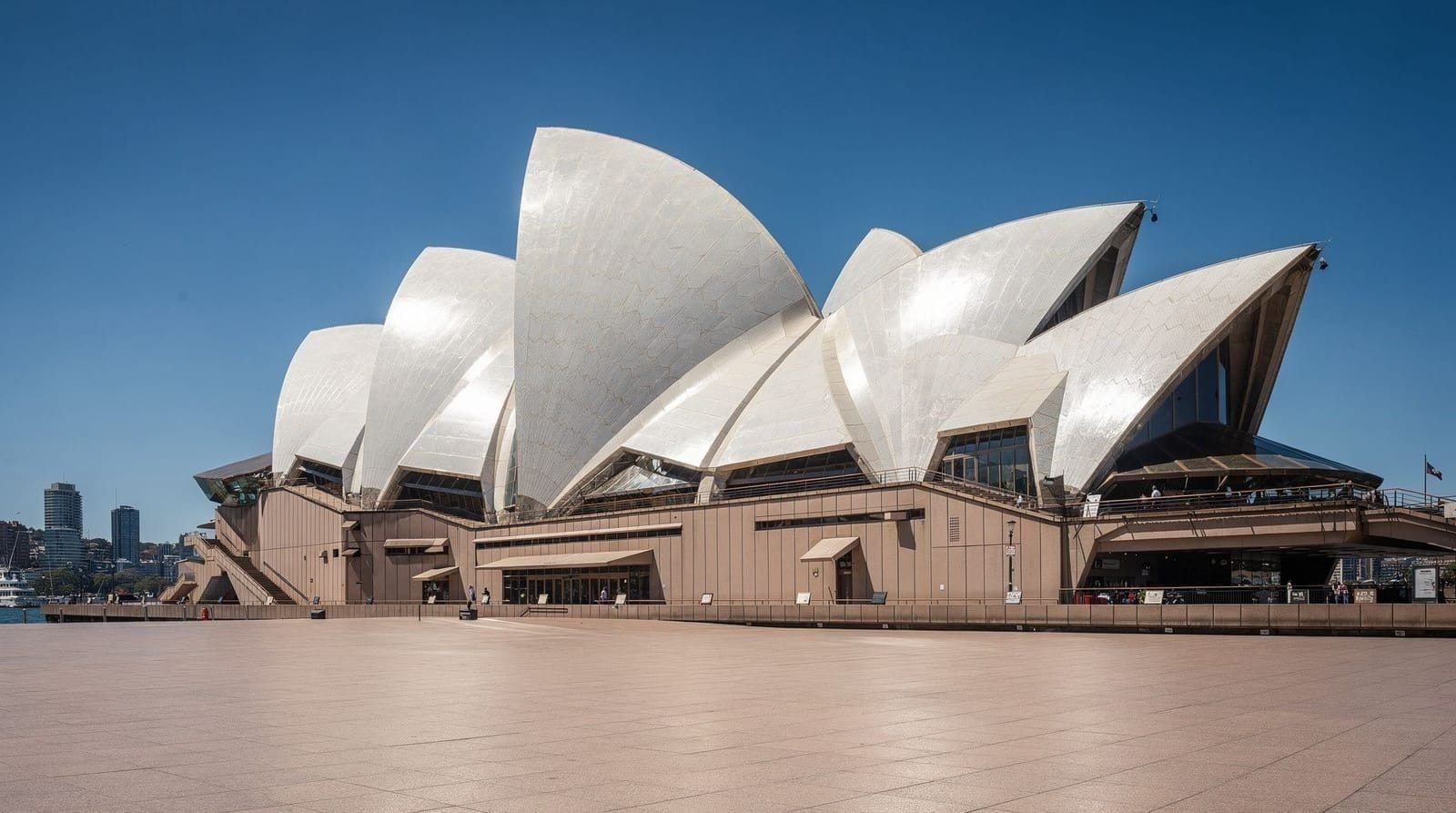
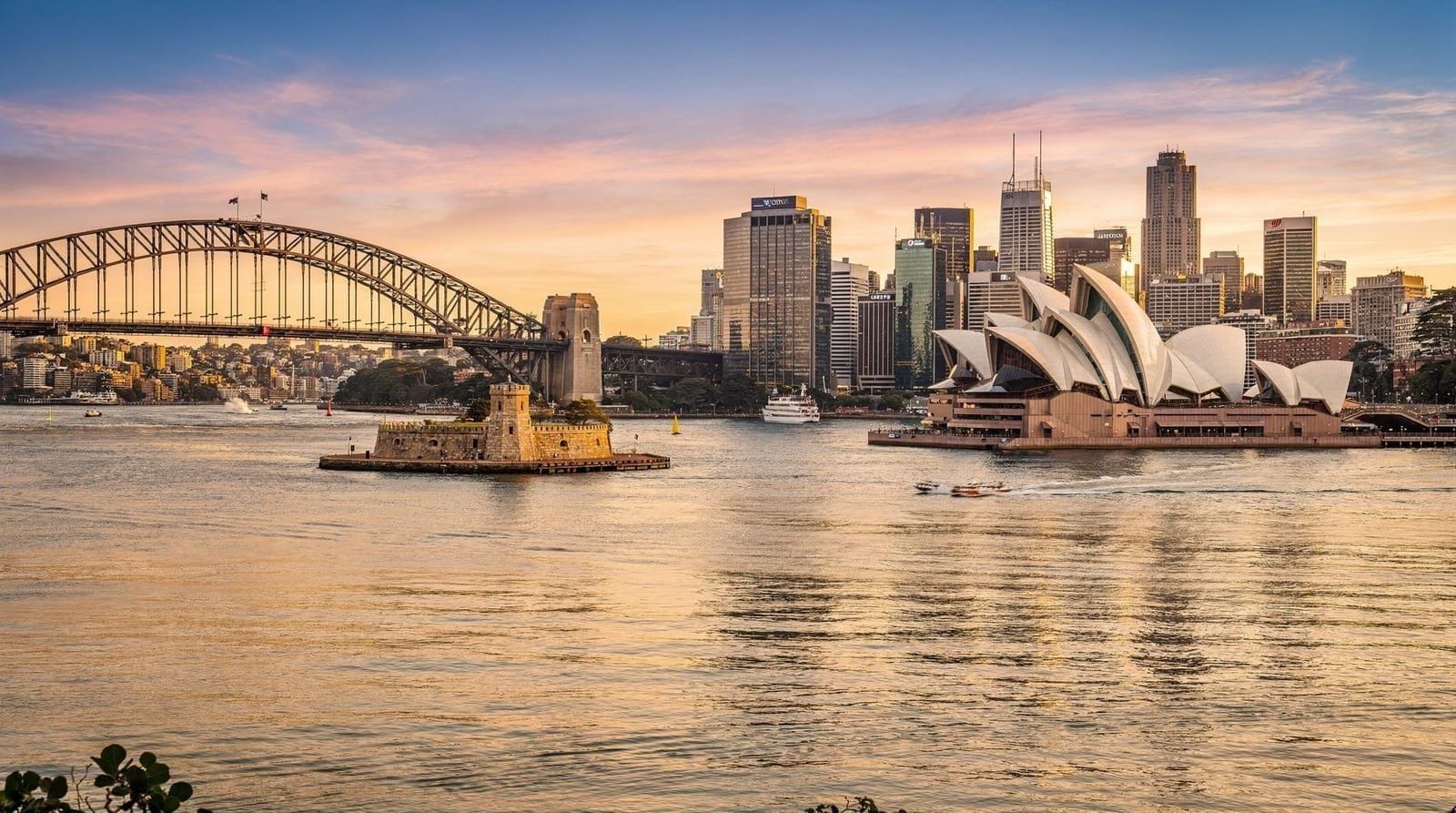
The Sydney Opera House sits on Bennelong Point, a small peninsula jutting into Sydney Harbour between the CBD and The Rocks. It is the most photographed building in Australia and one of the most recognised pieces of 20th-century architecture on the planet. That much is accurate. What the marketing does not always say: the interior is less grand than the exterior suggests, the standard one-hour tour is formulaic, and the surrounding tourist economy — restaurants on the forecourt, gift shops, dinner cruises marketed as “Opera House experiences” — is substantially overpriced relative to what you get.
This guide covers what the building actually offers, which tours are worth buying, what the honest prices are in AUD and approximate EUR/USD equivalents (using the June 2026 rate of 1 AUD ≈ 0.65 EUR / 0.72 USD), and what you can do for free.
| Where | Bennelong Point, Circular Quay — a 5-minute walk from the ferry/train/bus interchange |
| Cost | Free for the exterior; around AUD 50 standard tour (AUD 55 on the day); around AUD 199 backstage tour |
| Time needed | 30–45 min exterior only; 1–1.5 hours with the standard tour; about 2 hours 15 minutes for backstage |
| Getting there | Train to Circular Quay or Wynyard, then walk; ferry from Manly docks right beside it |
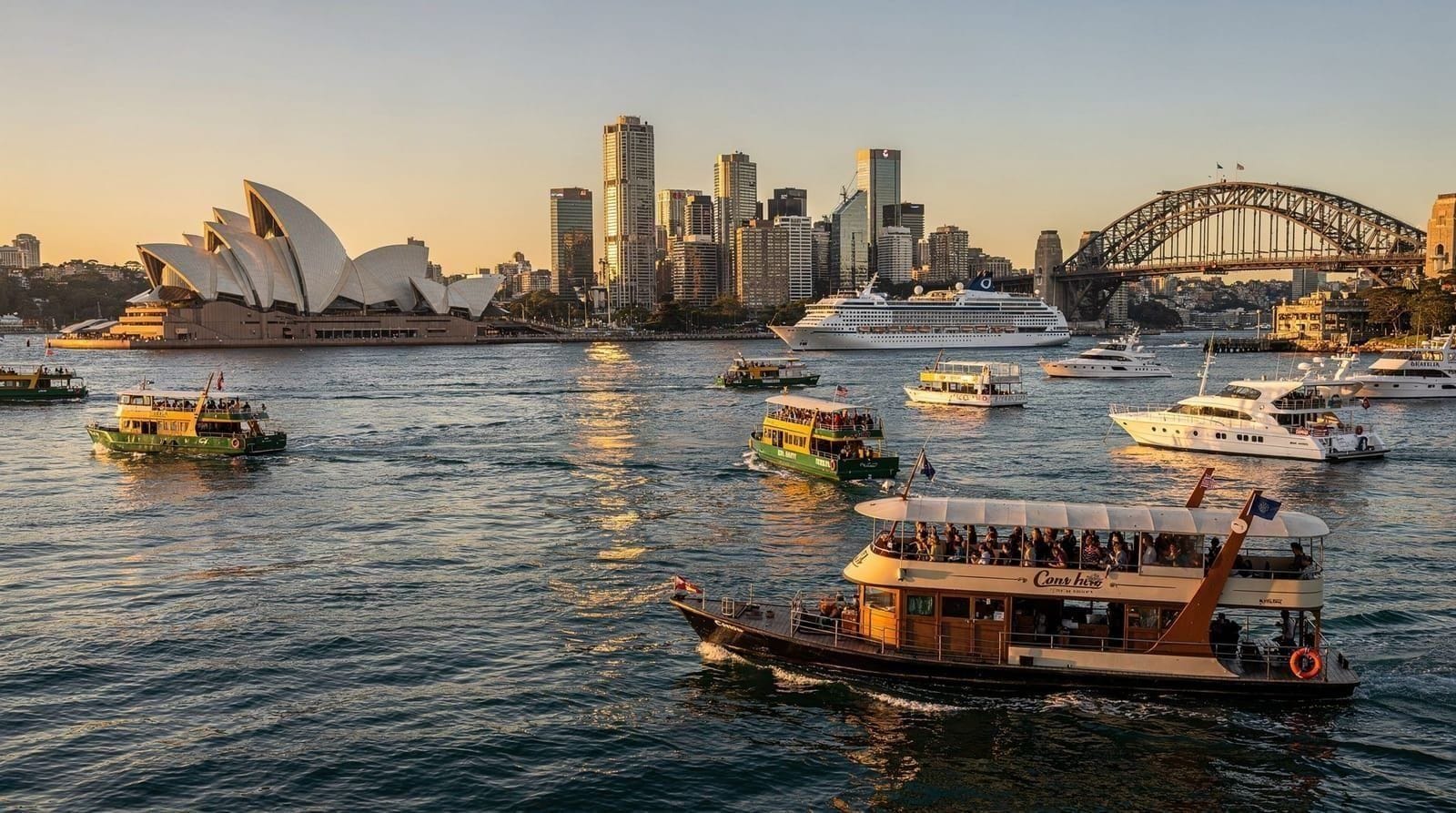
| Best time | Early morning for quiet photos; a ferry arrival at sunset for the classic Opera House plus Bridge shot |
Getting there — straightforward, no excuses
The Opera House is a 10-minute walk from Wynyard train station (take the Harbour side exit onto George Street, then walk north). From Circular Quay — where the trains, ferries and buses all converge — it is a 5-minute walk east along the waterfront promenade.
If you are arriving by ferry from Manly, you dock at Circular Quay, and the building is immediately visible to your left as you exit the terminal. From Darling Harbour, allow 20–25 minutes on foot or take a bus to Town Hall and walk.
Wilson Parking runs a car park under the Opera House (entrance at 2 Macquarie Street, open 24 hours), but do not drive to the Opera House for a standard daytime visit — the public transport access is too easy to justify it.
Exploring the exterior for free
Most visitors get everything they need from the exterior without paying anything. The walk around the forecourt, up the monumental stairs, and around the southern side (where you look toward the Harbour Bridge) is completely free and takes around 30–45 minutes.
The key vantage points:
The forecourt steps — the iconic image of people sitting on the broad sandstone steps with the harbour behind them. Free, always open, frequently used for free outdoor events during Vivid Sydney (May–June) when the building becomes a projection canvas.
The walk around to the north side — most visitors stop at the stairs and miss the walk around the building’s northern face toward the Botanic Garden. This gives you a direct view of the bridge from a quieter spot and is worth the extra 10 minutes.
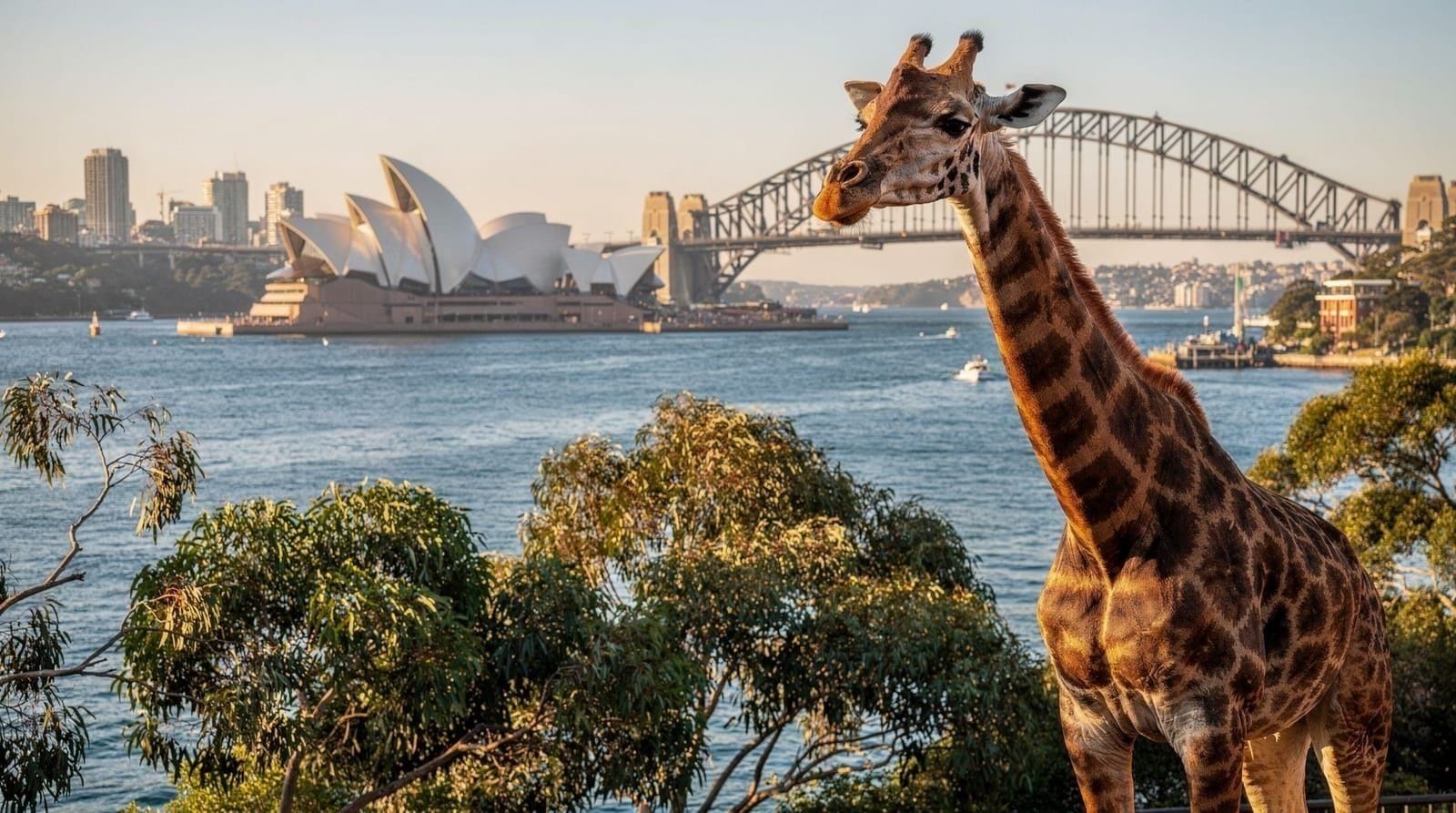
Mrs Macquaries Point — a 15-minute walk east through the Royal Botanic Garden, this headland gives you the classic double shot: Opera House and Harbour Bridge in the same frame. Best at sunrise (no crowds) or late afternoon.
Circular Quay Ferry Wharf — if you catch a ferry arriving from Manly or from Taronga Zoo, the 20-minute approach across the water gives you the most cinematic view of the building from the water.
For a food stop on-site, the Opera Bar (ground level, facing the harbour) is atmospheric but charges premium prices for drinks; see the official Sydney Opera House website for the current list of venues and menus.
The standard guided tour — honest assessment
The Sydney Opera House guided tour runs approximately 1 hour and covers the building’s main performance spaces (which vary by day), the exterior shells (up close), and the building’s history. As of 2026, adult tickets are around AUD 50 booked in advance, AUD 55 on the day (~EUR 32 / ~USD 36). Concession and child rates apply.
What it covers: Jørn Utzon’s design history, the technical engineering challenges of the shell construction, a walk through the Concert Hall (1,500-seat capacity, exceptional acoustic design), a look into the Joan Sutherland Theatre (opera and ballet), and the main foyer areas.
What it does not cover: any backstage areas, dressing rooms, or staging facilities. You do not go anywhere a regular audience member would not go on a normal performance night — except you do it in daylight with a guide.
Is it worth AUD 50? Conditionally. If architecture, performing arts history, or Australian cultural heritage interest you, yes. If you are visiting primarily because you feel obliged to tick the Opera House box, the exterior experience is free and frankly comparable from a photography standpoint. The tour adds context that the exterior does not give you.
See the booking calendar on the official Sydney Opera House website for departure times; groups are up to 35 people.
The backstage tour — worth paying more for, if this is your kind of thing
The Opera House backstage tour is a different proposition. It runs in the early morning (typically 7am), lasts about 2 hours 15 minutes, is capped at 12 people, is suitable from age 10 (10–15 with an adult), and costs AUD 199 (~EUR 129 / ~USD 143). Breakfast is included, and bookings must be made by 5pm the day before.
You access areas the standard tour does not reach: backstage corridors, rehearsal spaces, the orchestra pit and breakfast in the Green Room. The guide is typically a senior Opera House staff member with genuine insider knowledge rather than a generic tour operator.
Honest caveat: the backstage tour is heavily dependent on what productions are in residence. When a major Opera Australia season is running, some access may be restricted. Check the Opera House website when booking and read the access notes carefully.
For visitors who care about performing arts or theatre production, this is one of the more genuinely interesting experiences Sydney offers. For those who simply want to see the building, the standard tour suffices.
The architectural tour — for design enthusiasts
The guided architectural tour is a more specialist product aimed at visitors with an interest in Utzon’s design process, the original brief, the political controversy that led to Utzon leaving the project before completion, and the subsequent modifications. It goes into greater depth on the engineering of the shell structure, the tile and glass design, and the ongoing Utzon Room restoration.
Pricing is similar to the standard tour (check the Opera House website for current rates, as it varies). Group sizes are smaller. This is not a walk around the inside of the concert halls — it is more focused on the building as a design object.
If you are an architect, design student, or someone who read deeply into the Utzon story, book this. If not, the standard tour covers enough.
Dining at the Opera House — tourist trap alert
The Opera House precinct contains several restaurants and cafés. One deserves mention and one deserves a warning.
Bennelong Restaurant (inside the building, under the largest shell): Peter Gilmore’s fine dining venue. See the official Sydney Opera House website for current menus and prices. The cooking is genuinely excellent — this is one of Sydney’s top restaurants, not a tourist trap. If you want a special meal and can afford it, this is legitimate.
The restaurants along the forecourt and the Opera Bar in peak hours: prices are elevated relative to equivalent quality elsewhere in Sydney. The quality rarely justifies the premium. You are paying for the location. Know that going in.
What to avoid: The “Sydney Opera House Dinner and Show” packages sold by tour aggregators. The “dinner” component is typically a set menu at one of the tourist-oriented restaurants at unremarkable quality, and the “show” is whatever happens to be on that evening (not guaranteed to be relevant to your interests). The individual components are almost always better value purchased separately if you want both a meal and a performance.
Seeing a performance
If you can synchronise your visit with a performance, do it. The programming includes Opera Australia (the main opera company), the Sydney Symphony, Sydney Dance Company, Bangarra Dance Theatre (Aboriginal and Torres Strait Islander works — genuinely worth seeking out), and a wide range of visiting international artists.
Ticket prices vary widely by production and seat; see the official Sydney Opera House website for current prices. The Sydney Symphony regularly has affordable subscription offers and occasional free outdoor events (check their website).
The Concert Hall has near-perfect acoustics for orchestral music. The Joan Sutherland Theatre is used for opera and ballet, with decent sightlines from most seats. The Drama Theatre and the smaller Playhouse stage contemporary theatre and visiting companies.
Rush tickets (released the morning of the performance) and discounted A-reserve tickets (sometimes available on the website) are the most cost-effective route in. No dress code — Sydney audiences dress casually for most events.
The Opera House and Vivid Sydney
During Vivid Sydney 2027 (28 May – 19 June), the Opera House sails become a projection canvas for the Lighting of the Sails — a major light art commission that transforms the building after dark. This is free to watch from the forecourt and from Circular Quay. It is genuinely spectacular and draws large crowds. If you are in Sydney during Vivid, budget time to see it on at least two evenings (the projection changes and you want to see it without peak-hour crowds — aim for a Tuesday or Wednesday).
For more on planning around the festival, see our Vivid Sydney guide.
Internal links — what to see next
The Opera House is the natural starting point for a broader harbour circuit. Consider:
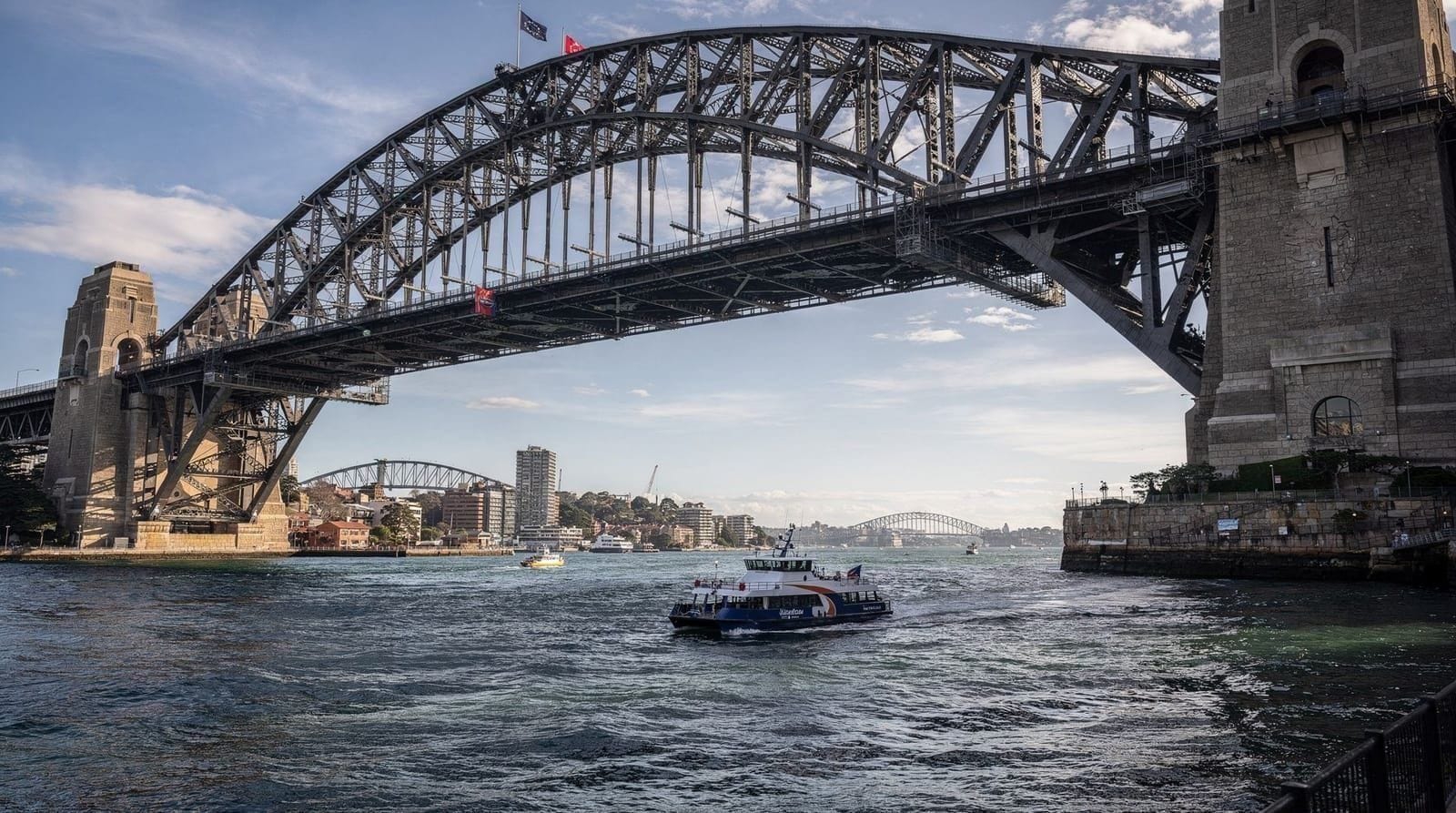
- Sydney Harbour Bridge guide — the bridge is a 15-minute walk west from the Opera House, and the pylon lookout is a low-cost alternative to the full BridgeClimb.
- Sydney Harbour cruises guide — the harbour itself is best understood from the water; the 1.5-hour sightseeing cruises that depart Circular Quay are good value.
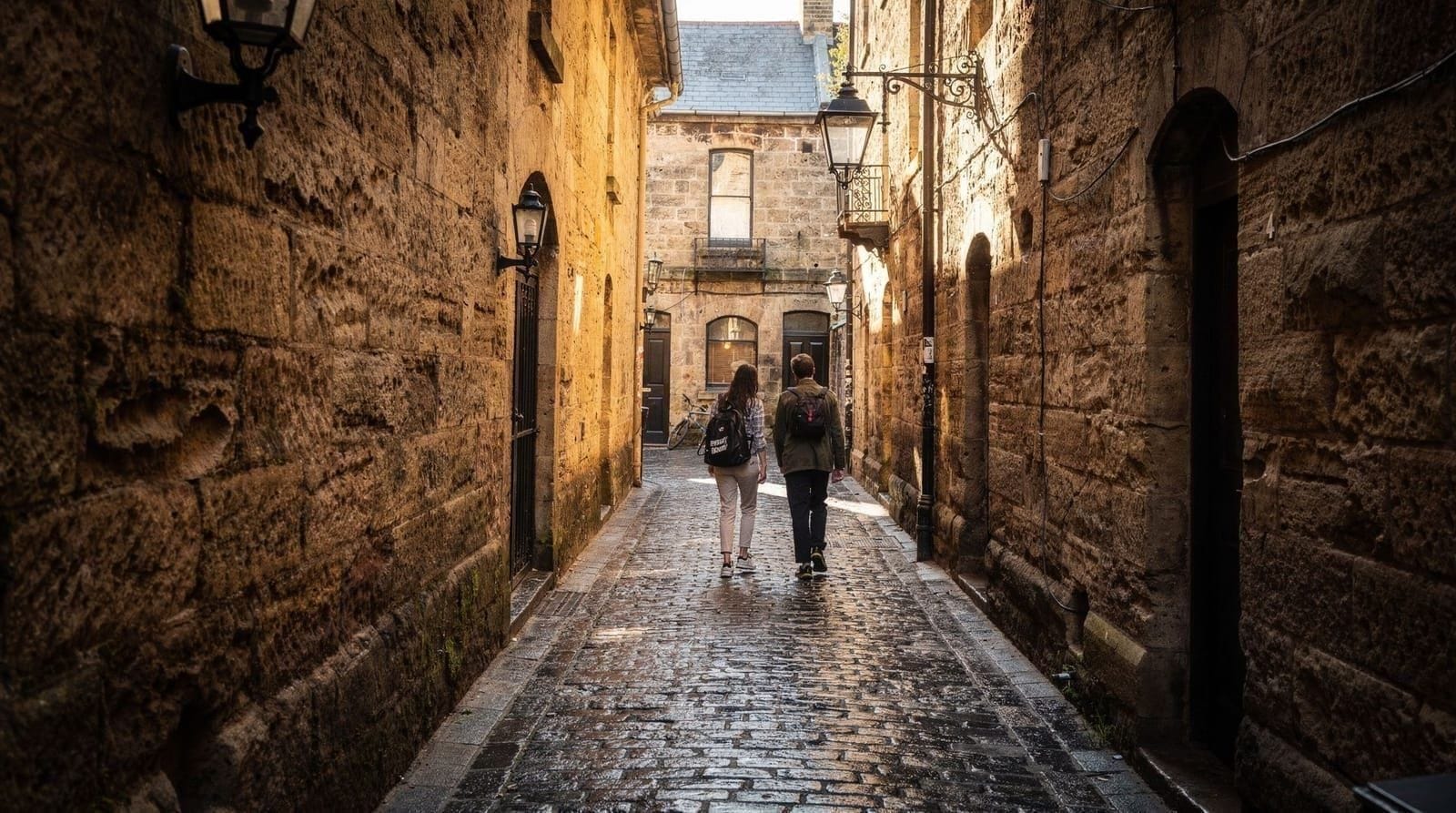
- The Rocks history walk — The Rocks precinct, a 10-minute walk from the Opera House, has Australia’s best-preserved colonial streetscape and free history walks.
- Sydney 3-day first-timer itinerary — if this is your first visit, the itinerary puts the Opera House in context of the full harbour day.
- Sydney for first timers — a broader orientation to the city before you start booking individual experiences.
- Best time to visit Sydney — southern hemisphere seasonality matters for planning; the Opera House is year-round but summer crowds and winter savings are significant.
Practical planning notes
Opening hours: Tours run daily; check the booking calendar on the official Sydney Opera House website for times (check for variations around major performances). The building itself may be accessed for events until late.
Accessibility: The main forecourt and ground level are fully accessible. The step-free Mobility Access Tour runs daily at 11:30am and 2:45pm — request a booking on the official Sydney Opera House website and specify your requirements.
Photography: There is no restriction on photography for personal use in the public areas of the building. The Concert Hall and Joan Sutherland Theatre interiors can only be photographed during tours.
Storage: For bag storage, check the official Sydney Opera House website before your visit.
Nearby toilets: Free, in the lower level of the Opera House building, accessible from the promenade.
Weather: The forecourt is exposed. In summer (December–February), the sandstone steps radiate heat — bring water and sun protection. The building provides no shade on the exterior. In winter (June–August), the harbourside location catches the wind; a jacket is advisable.
Is the Opera House worth the hype?
Yes, but with conditions. It is genuinely one of the most remarkable pieces of architecture built in the 20th century, and seeing it in person — particularly from the water on a ferry — is an experience that photographs do not fully convey. The shells are larger than most visitors expect, and the quality of the sandstone and glass tilework on the roof is extraordinary up close.
The trap is the tourist economy around it. The building itself is worth your time and, if architecture interests you, worth the tour fee. The surrounding restaurants, the packaged “Opera House experiences” marketed by third parties, and the gift shop are largely tourist-oriented profit centres. Treat them accordingly.
For a genuinely memorable Opera House experience on a moderate budget: walk there for free, spend 45 minutes on the exterior, have a coffee nearby, book the standard tour if the building interests you, and eat your main meal elsewhere in the city. That approach costs little more than the tour ticket itself and gives you the full architectural experience without the premium pricing.
How much time to actually budget
Visitors consistently underestimate how long a proper Opera House stop takes once photography, a tour and a coffee stop are combined. A realistic half-day plan: arrive by ferry (20–30 minutes of harbour views included), spend 30–45 minutes on the free exterior circuit, take the 1-hour standard tour, then allow another 30–45 minutes for a coffee or light meal before moving on.
That is a genuine 2.5–3 hour block, not the “quick photo stop” many first-time itineraries assume. If you are combining it with the Harbour Bridge or The Rocks on the same day, budget the whole morning or afternoon rather than squeezing it between two other stops — see the Sydney 3-day first-timer itinerary for how this fits into a wider harbour day.
Frequently asked questions about Sydney Opera House guide
Do I need to book Sydney Opera House tours in advance?
Yes, particularly during school holidays (Dec–Jan and Apr) and on weekends. The standard tour sells out regularly. Book in advance; Backstage bookings close at 5pm the day before.Can I visit the Sydney Opera House without a ticket?
Yes. You can walk freely around the exterior forecourt, sit on the steps facing the harbour, and visit the ground-floor restaurants without paying. The interior, including the concert halls, requires either a tour ticket or a performance ticket.What is the difference between the standard tour and the backstage tour?
The standard tour (AUD 50 booked in advance, ~1 hr) covers the building's main performance spaces (which vary by day) and its history. The Backstage tour (AUD 199, about 2 hours 15 minutes, early morning, max 12 people) goes into backstage corridors, rehearsal spaces and the orchestra pit — and includes breakfast in the Green Room.Is the Opera House open every day?
The forecourt and exterior are always accessible. Tours run daily (see the booking calendar on the official Sydney Opera House website for times), but they pause during technical set-ups for major performances. The Main Box Office is open daily 9am–5pm (later when a performance is on), closed on Christmas Day and Good Friday.How long should I spend at the Opera House?
Allow 30–45 minutes if you only want exterior photos. Add 1–1.5 hours for the standard tour. If you plan to have a meal at the Opera Bar or Bennelong Restaurant afterward, budget 2–3 hours total.What is the best time of day to photograph the Opera House?
Sunrise from Mrs Macquaries Point or the Harbour Bridge gives golden light on the shells. The ferry from Manly approaching Circular Quay in the afternoon gives the classic "Opera House plus Harbour Bridge" framing. Avoid the harsh midday sun (roughly 11am–2pm).Is the Opera House accessible for visitors with mobility issues?
Yes. The exterior is wheelchair-accessible with ramps. The step-free Mobility Access Tour runs daily at 11:30am and 2:45pm and covers the Concert Hall and the Joan Sutherland Theatre via lifts. Check the Opera House website when booking as tour routes vary by day.Should I see a performance at the Opera House?
The programming covers opera, ballet, classical concerts, theatre, and comedy — spanning Opera Australia, the Sydney Symphony, and visiting international companies. Ticket prices vary by show; check the official Sydney Opera House website for current prices and rush/last-minute offers. A performance is the most immersive way to experience the building — the acoustics in the Concert Hall are exceptional.
Top experiences
Bookable activities with verified prices and instant confirmation on GetYourGuide.