Hunter Valley wine tour guide — everything you need to know
Sydney: Hunter Valley wine tasting guided day tour
How do you get to Hunter Valley for a wine tour from Sydney?
Hunter Valley is 160–170 km north of Sydney, roughly 2–2.5 hours by car via the M1 motorway. Organised day tours depart Sydney CBD from around AUD 130–180 per person including tastings, and are the easiest option if you want to drink. Self-drive works well for couples or groups who prefer a slower pace and have a designated non-drinker.
| At a glance | |
|---|---|
| Where | Pokolbin, Lower Hunter — 160–170 km / 2–2.5 hours north of Sydney |
| Cost | Group tour around AUD 130–185 pp; private tour AUD 280–350 pp; self-drive roughly AUD 70–125 pp in a group of four |
| Time needed | Full day (12–14 hours), or one night for a more relaxed pace |
| Getting there | M1 Pacific Motorway self-drive, or a guided coach tour from central Sydney |
| Best time | Autumn (March–May) for harvest and mild weather; avoid January and October long weekends |
Why the Hunter Valley is worth the drive
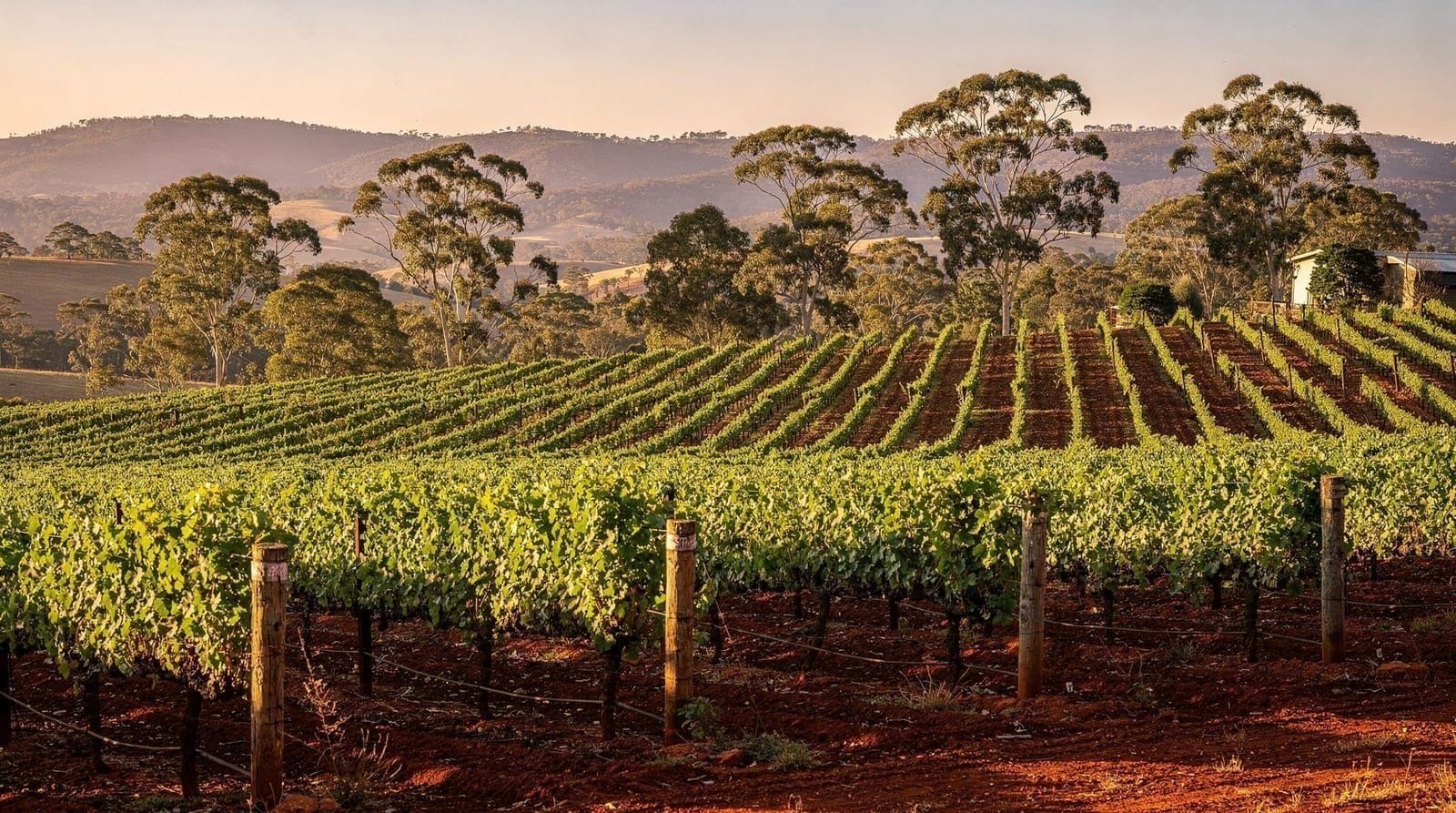
The Hunter Valley is not the flashiest wine region in Australia — Margaret River has better marketing, and the Barossa can out-muscle it on reputation. But for a visitor based in Sydney, it has one overwhelming advantage: two hours north on the M1 and you are in the oldest wine-growing region in the country, with more than 150 cellar doors, serious cheese producers, distilleries, and a genuinely pretty landscape of low green hills, grapevines and eucalyptus.
The region clusters around the village of Pokolbin in the Lower Hunter, which is where most day-trippers spend their time. The Upper Hunter — centred on Mudgee further west — is a different region entirely and not realistically doable as a day trip from Sydney. Stick to the Lower Hunter unless you are staying overnight or longer.
What makes the Hunter distinctive, beyond its age, is its Semillon. Nowhere else in the world produces Hunter Semillon quite like this — a wine that leaves the winery lean, almost austere, and then transforms over 10 to 20 years into something honeyed and complex that bears no resemblance to the same grape variety elsewhere. If you drink only one glass during your visit, make it an aged Hunter Semillon from a producer who has been making it for decades.
Tour vs self-drive: the honest comparison
This is the first decision to make, and the answer depends on your group composition more than anything else.
Organised tour: who it suits
A group day tour from Sydney makes the most sense when everyone wants to drink freely. Someone has to drive the return journey, and after three to five winery tastings, that role becomes considerably less appealing. Tour prices have crept up but remain reasonable: expect AUD 130–185 per person for a group tour including return transport from central Sydney, guided winery visits, and shared lunch. Private tours for small groups run AUD 280–350 per person but allow a completely custom itinerary.
A popular group option covers three tastings and a relaxed garden lunch, which is a solid format for a first visit. The pace is unhurried and the estates included are credible producers, not promotional stops.
The drawback of organised tours is the group format — you may spend more time at an estate than you want to, or less. And the bus departs on schedule, so cellar door impulse purchases require efficiency.
Self-drive: who it suits
A group of four or more adults who can split fuel costs and rotate the designated driver role can manage Hunter Valley self-drive economically. Fuel from Sydney return is roughly AUD 60–80 in a mid-size car; split four ways that is AUD 15–20 each, compared to AUD 130+ on a tour. Tasting fees average AUD 10–20 per person per winery and are typically waived if you buy a bottle.
The flexibility is real: you arrive when you want, linger at estates that interest you, skip ones that don’t, and explore back roads and smaller producers that tour operators skip. The Broke–Fordwich area to the east of Pokolbin has several excellent small producers rarely included on group tours.
The risk is the return drive. Do not underestimate it. Two and a half hours in the dark after an afternoon of wine tastings — even with a sober driver — is tiring. If self-driving, plan to leave the valley by 5 pm.
Getting there from Sydney
By car: Take the M1 Pacific Motorway north to Cessnock, then follow signs to Pokolbin. The journey is straightforward. GPS navigation is reliable, though mobile coverage in some vineyard areas can drop. Parking at cellar doors is free.
By organised tour: Most tours depart from central Sydney (typically near Circular Quay, George Street, or Central Station) between 7:30 and 8:30 am. Check departure points carefully — some operators pick up from multiple CBD hotels which can extend the start time.
By public transport + local taxi: Train from Sydney Central to Maitland (Intercity network, roughly 2.5 hours, check the fare on the official Transport for NSW website), then taxi or rideshare to Pokolbin. Taxi availability from Maitland is inconsistent; pre-book. This option is cumbersome for a day trip unless you are already staying in the Hunter overnight.
The best wineries to visit (and a few to skip)
Worth a stop
Tyrrell’s Wines — One of the great old houses of the Hunter, producing Semillon since the 1860s. The cellar door is unfussy and the wines are serious. Their aged Vat 1 Semillon is benchmark. Book a tasting in advance on busy weekends.
McWilliam’s Mount Pleasant — Another Hunter institution, located on a handsome property in Pokolbin. The Elizabeth Semillon is widely regarded as one of the best-value aged white wines made in Australia. Cellar door tastings start around AUD 10–15.
Brokenwood Wines — Well-known for Graveyard Shiraz but also makes consistently excellent Semillon and Chardonnay. Larger and more commercial than some, but the quality is reliable.
Two Fat Blokes — A smaller operation that often gets overlooked. Personal cellar door experience and genuinely good Shiraz. Worth the short detour off the main Broke Road.
Bimbadgen Estate — A larger estate with a decent restaurant, pleasant outdoor terrace and consistent wines. Good for lunch if you want a sit-down meal without having to pre-book months in advance.
Keith Tulloch Wine — One of the Hunter Valley’s more thoughtful producers, making elegant, restrained wines. The cellar door is small and personal. Better for serious wine drinkers than for first-timers seeking a party atmosphere.
Worth the money for non-wine experiences
Binnorie Dairy — Artisan cheese made on the premises. A genuine stop for non-drinkers, and the aged semi-hard cheeses pair well with whatever you are drinking. AUD 8–15 for a cheese board.
Distillery 78 — Hunter Valley vodka and gin made with local grain. Tasting flight is around AUD 15. Good stop for a group with mixed drinkers.
Overrated or avoid
Several large commercial estates near the main Broke Road have very high visibility but add tastings fees to itineraries with wines that do not justify the price. A few notable cellar doors operate primarily as wedding venues and their hospitality is shaped accordingly — brusque service, rushed tastings, wine priced at a premium over the same bottles at a Sydney bottle shop.
If an organised tour includes a “chocolate and fudge” producer as a major stop rather than as a quick add-on, treat that as a signal the itinerary is filler-heavy.
What a good tour day looks like
A well-structured Hunter Valley day from Sydney works on a tight schedule. Here is a realistic template:
- 7:30 am: Depart Sydney
- 10:00–10:30 am: Arrive Lower Hunter / Pokolbin area
- 10:30 am: First winery — Semillon tasting, purchase if inclined
- 12:30 pm: Lunch at an estate or a local restaurant in Pokolbin
- 2:00 pm: Second winery — Shiraz focus
- 3:15 pm: Third winery or gin distillery / cheese producer
- 4:30 pm: Head back to Sydney
- 7:00–7:30 pm: Arrive Sydney CBD
A full-day tour including lunch, cheese, and multiple tastings follows this structure and removes all the logistics. The “inc lunch, cheese, choc, vodka” format that several operators offer sounds gimmicky but is often well-paced and popular with groups who want variety.
Staying overnight: is it worth it?
Yes, if budget allows. Spending one night in the Hunter Valley changes the experience substantially. You can visit four or five wineries without rushing, enjoy a proper dinner at an estate restaurant (Margan Restaurant at Margan Wines is frequently cited as the region’s best — mains around AUD 40–55), and return the following morning at a civilised pace.
Accommodation in Pokolbin ranges from AUD 180–250 per night for comfortable self-contained cottage accommodation up to AUD 400+ for resort-style lodges. Weekends in autumn book out months in advance; mid-week is markedly cheaper and quieter.
If you plan overnight, align with the Sydney foodie weekend itinerary which builds in a proper two-day Hunter Valley component.
Combining Hunter Valley with other day trips
Hunter Valley pairs logically with Port Stephens if you have two days — the regions are roughly connected by a back road route via Dungog, though it adds time. Drive Sydney → Hunter Valley → Port Stephens → Sydney over two days.
A less-covered option: the scenic Wollombi Valley route back to Sydney, heading south through the village of Wollombi and rejoining the highway at Cessnock via the Putty Road or similar routes. This adds 40–60 minutes but passes through beautiful bushland and the historic village of Wollombi with its pub, the General Store, and one of the oldest licensed premises in Australia.
For other regional day-trip options from Sydney, see the best day trips from Sydney guide or the day-trip planner.
What to buy at the cellar door
Hunter Valley Semillon is the one thing you cannot easily find in the same quality at a Sydney bottle shop. Ask specifically for aged releases — producers often sell wines with six to ten years of age at the cellar door that are rare elsewhere. A bottle of aged Hunter Semillon runs AUD 25–60 depending on producer and vintage.
Fortified wines (Topaque, Muscat) are not the Hunter’s primary strength, but a few estates make decent examples worth tasting.
Wine shipping is available from most cellar doors; a case can be couriered to a Sydney address for AUD 20–30. Worth doing rather than carrying six bottles on a tour bus.
Budget breakdown (per person)
| Option | Approx. cost AUD |
|---|---|
| Group day tour (incl. transport, tastings, lunch) | AUD 130–185 |
| Private day tour | AUD 280–350 |
| Self-drive: fuel per person (car of 4) | AUD 15–20 |
| Cellar door tastings (3 wineries) | AUD 20–50 |
| Lunch at a winery restaurant | AUD 35–55 |
| Self-drive total (per person) | AUD 70–125 |
The self-drive total assumes a group of four sharing costs. Solo or as a couple, organised tours are usually the better financial choice.
Practical logistics
Weather: Hunter Valley summers (Dec–Feb) are hot and can exceed 40°C. Tasting rooms are air-conditioned but outdoor terraces are unpleasant. Autumn (March–May) is ideal. Winter (June–August) is cool (8–16°C at night) but pleasant during the day.
Mobile coverage: Reasonable in Pokolbin and along the main Broke Road corridor. Drops off in some vineyards and at more remote estates. Download a map offline before you go.
Booking: Cellar doors at major estates generally accept walk-ins on weekdays. Weekends in March–May (harvest season) and September–October fill up quickly; book ahead by at least a week. Organised tours should be booked 3–7 days in advance.
What to wear: Smart-casual is the norm at cellar doors. No estate requires formal dress. Comfortable walking shoes are useful if you plan to explore vineyard areas.
For the full regional picture, see the Hunter Valley destination page and the best Hunter Valley wineries guide.
Frequently asked questions about Hunter Valley wine tours
How far is Hunter Valley from Sydney?
The Lower Hunter (Pokolbin area) is 160–170 km north of Sydney CBD, approximately 2 to 2.5 hours by car via the M1 Pacific Motorway and the New England Highway. Allow extra time for Friday afternoon traffic leaving Sydney.
Do I need to book winery tastings in advance?
Major producers — Tyrrell’s, McWilliam’s Mount Pleasant, Brokenwood — are generally walk-in friendly on weekdays. Weekends in autumn and around Vintage Weekend (May) require advance booking at most estates. If you are on an organised tour, the operator handles all bookings.
Is Hunter Valley good for non-wine drinkers?
Better than most wine regions. The Hunter has a well-developed craft spirits scene (Distillery 78, Printhie Wines makes cider), several artisan food producers (Binnorie Dairy, Hunter Valley Smelly Cheese Shop), and the natural landscape — vineyards, wildlife, rolling hills — is enjoyable regardless of what you drink.
What is the Hunter Valley Semillon and why is it special?
Hunter Semillon is an anomaly in global white wine. It is harvested early (low sugar, high acid), fermented dry, and released young when it tastes thin and almost neutral. With age — six to twenty years — it transforms into something completely different: rich, honeyed, toasty and complex. Most wine regions produce Semillon for blending or consume it young; only the Hunter consistently ages it like a fine Burgundy. Tyrrell’s, McWilliam’s and Brokenwood are the benchmark producers.
Can I visit Hunter Valley without a car?
Technically yes — train to Maitland, then taxi to Pokolbin — but it is cumbersome for a day trip. Organised coach tours from Sydney are far more practical if you have no car. See the getting around Sydney guide for transport options.
When is Vintage Weekend in Hunter Valley?
Hunter Valley Vintage Festival typically runs across May (dates vary annually). It involves cellar door events, winemaker dinners, and live music. It draws significant crowds; accommodation and tour bookings fill rapidly. For a serious wine interest, it is worth attending; for a casual day trip, avoid it unless you have booked well ahead.
How much does a Hunter Valley wine tour from Sydney cost?
Organised group day tours run AUD 130–185 per person, typically covering return coach transport, three to five winery tastings, and a shared lunch. Private tours start around AUD 280–350 per person. Self-driving costs roughly AUD 60–90 in fuel per car plus tasting fees of AUD 5–25 per winery, so a couple self-driving can pay less — provided one person stays sober.
How many wineries can you realistically visit in a day?
Three to four wineries is the comfortable limit on a single day trip. Tasting sessions typically run 30–45 minutes, and you need time to eat, browse the cellar door shop, and travel between estates. Most organised tours build in exactly three to four stops. Trying to squeeze in six creates a rushed, unpleasant day.
What is the best time of year to visit Hunter Valley?
Autumn (March–May) is the best time. Grape harvest runs February–April, giving a chance to see the vines at work, and temperatures are mild (18–24°C) without summer humidity. Vintage Weekend in May is a popular event. Winter (June–August) is the quietest and cheapest period; tastings still run, but some restaurants reduce hours. Avoid January — it is hot, crowded and many wineries are fully booked by tourist groups.
Is a guided tour better than driving yourself to Hunter Valley?
It depends on your group. Guided tours make the most sense if everyone wants to drink freely, if you are travelling solo or as a couple without a designated driver, or if you want an expert to choose the best wineries. Self-drive suits groups of four or more who share fuel costs, prefer flexibility, and have a confident navigator — the region is easy to navigate and most estates are well signposted.
Can you do Hunter Valley as a one-day trip from Sydney?
Yes, but it is tight. Departure before 8 am is ideal to reach the valley by 10:30 am and have a full afternoon before the 2.5-hour return drive. Organised tours handle all timing for you and typically return to Sydney by 7–8 pm. Spending one night in Pokolbin transforms the experience significantly and is worth considering if budget allows.
What wine varieties is Hunter Valley known for?
The Hunter Valley is internationally recognised for its Semillon — a lean, acid-bright style that ages for decades and is unlike anything produced elsewhere. It also produces well-regarded Shiraz with earthy, savoury characteristics. Chardonnay and Verdelho are also widely grown. If you have only one tasting goal, make it an aged Hunter Semillon from a producer such as Tyrrell’s, McWilliam’s Mount Pleasant or Brokenwood.
Are there non-wine options for non-drinkers or teetotallers?
Yes. Hunter Valley has several gin and vodka distilleries, craft breweries, cheese and chocolate producers, and olive oil tastings alongside the wineries. Tours that include gin, cheese and chocolate exist specifically for mixed groups. Binnorie Dairy in Pokolbin is a strong non-wine stop. The natural scenery and wildlife — kangaroos are common at dawn and dusk on estate grounds — are enjoyable regardless of drinking preference.
What should I watch out for on a Hunter Valley wine tour?
A few recurring issues worth knowing. Some budget tours include wineries that pay to be on the itinerary rather than for quality — ask specifically which estates are visited before booking. Cellar door tasting fees have risen sharply and are often waived only if you buy a bottle; budget accordingly. Restaurants at major estates book out on weekends; if your tour includes lunch, check whether it is a set menu or from a proper kitchen. Finally, do not underestimate the return drive in the dark if self-driving after an afternoon of tastings.
Best time to visit — seasonality at a glance
| Season | Weather | Crowds | What’s on |
|---|---|---|---|
| Summer (Dec–Feb) | Hot, can exceed 40°C | Very high over the holidays | Christmas/NYE bookings fill early; avoid January if possible |
| Autumn (Mar–May) | Mild, 18–24°C | High, especially around Vintage Weekend | Grape harvest, the best all-round season |
| Winter (Jun–Aug) | Cool, 8–16°C at night | Lowest of the year | Cheapest accommodation and quietest cellar doors |
| Spring (Sept–Oct) | Mild, occasional showers | Moderate, spikes on long weekends | Good alternative to autumn with fewer crowds |
Who this trip suits
Not every visitor should prioritise Hunter Valley over Sydney’s other day trips. For a comparison of how it stacks up against the other main options, see best day trips from Sydney and, if travelling with children, the Blue Mountains with kids guide — Hunter Valley is a distinctly adult-oriented day out. If you’re deciding between a single wine day and a broader NSW loop, the Sydney 7-day itinerary shows how Hunter Valley fits alongside a second day trip.
Top experiences
Bookable activities with verified prices and instant confirmation on GetYourGuide.
Sydney: Hunter Valley wine tasting guided day tour

Sydney: Wine tour from Sydney inc lunch cheese choc vodka
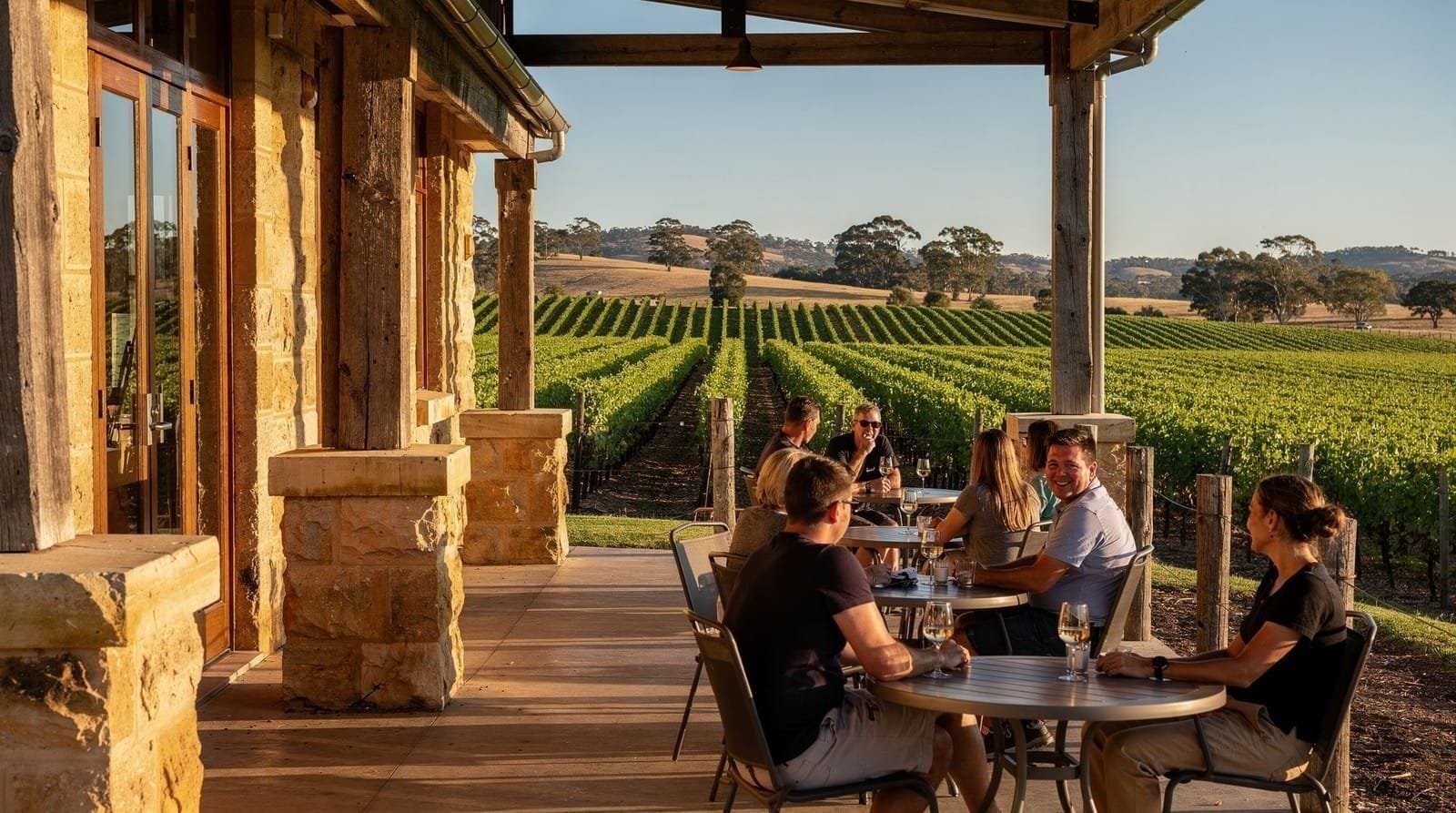
Sydney: Hunter Valley wine tour with 3 tastings and garden lunch
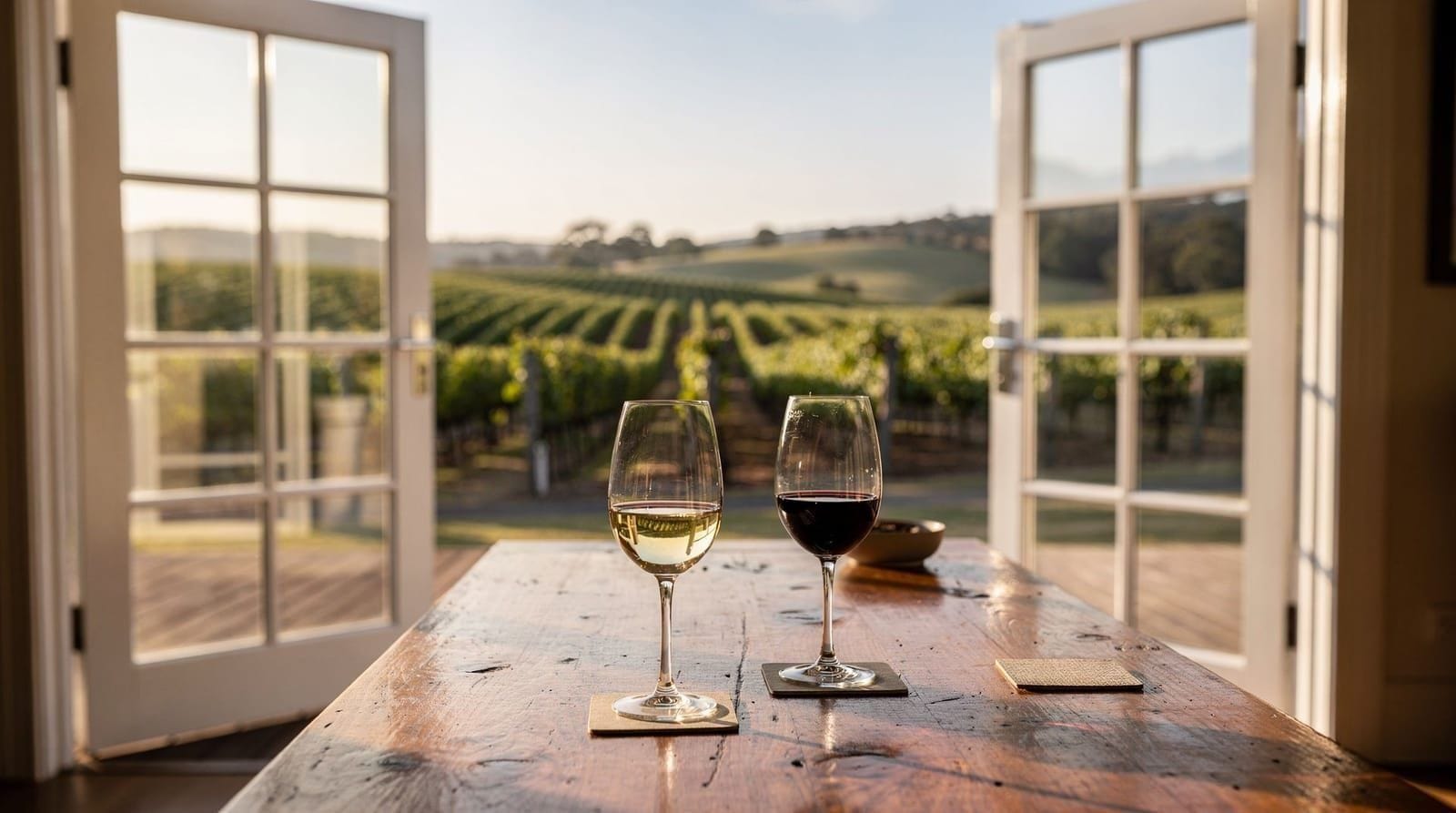
Hunter Valley: Wine gin cheese chocolate tour from Hunter Valley
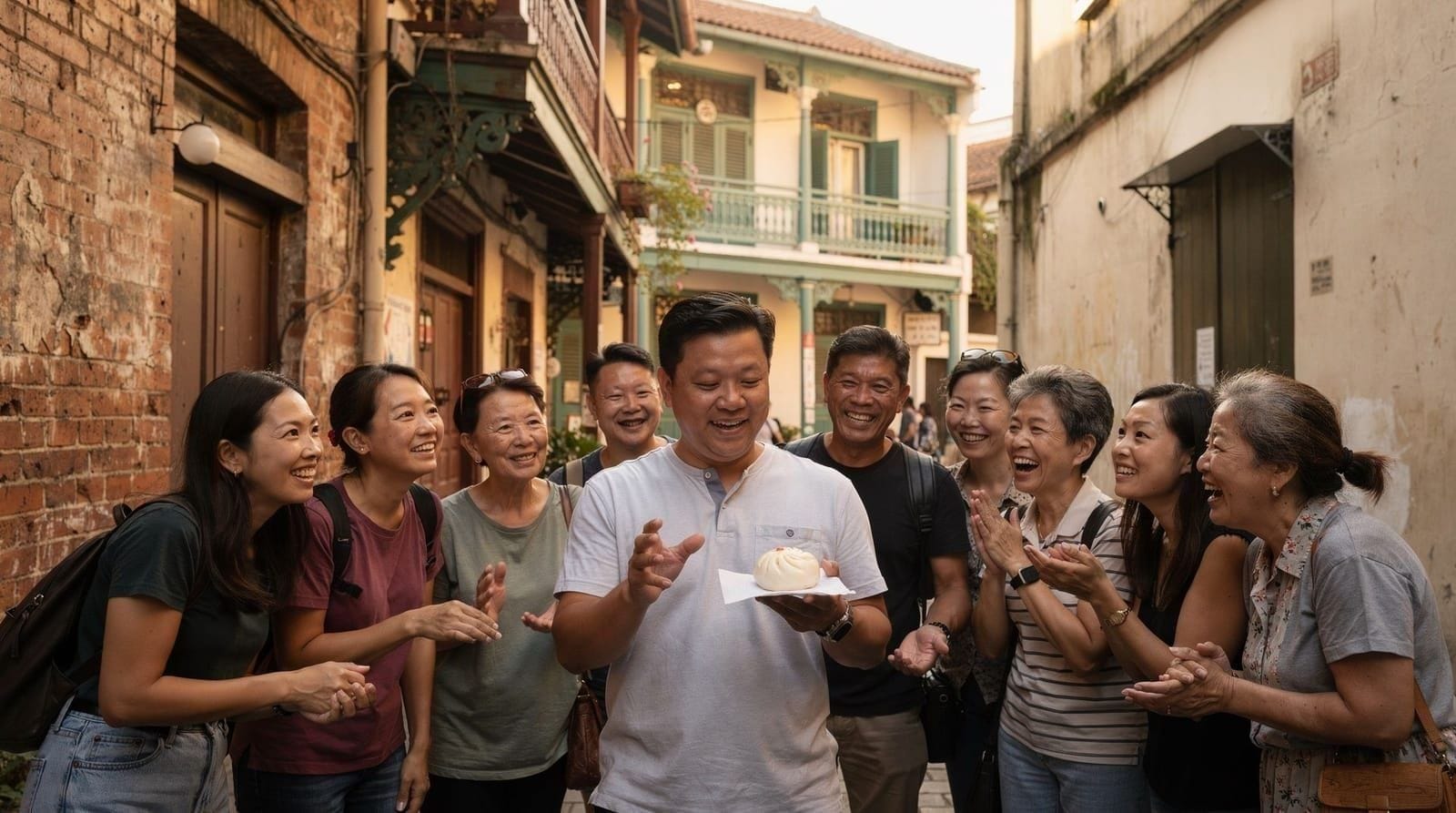
Sydney: Private Hunter Valley wine tasting day trip tour from Sydney
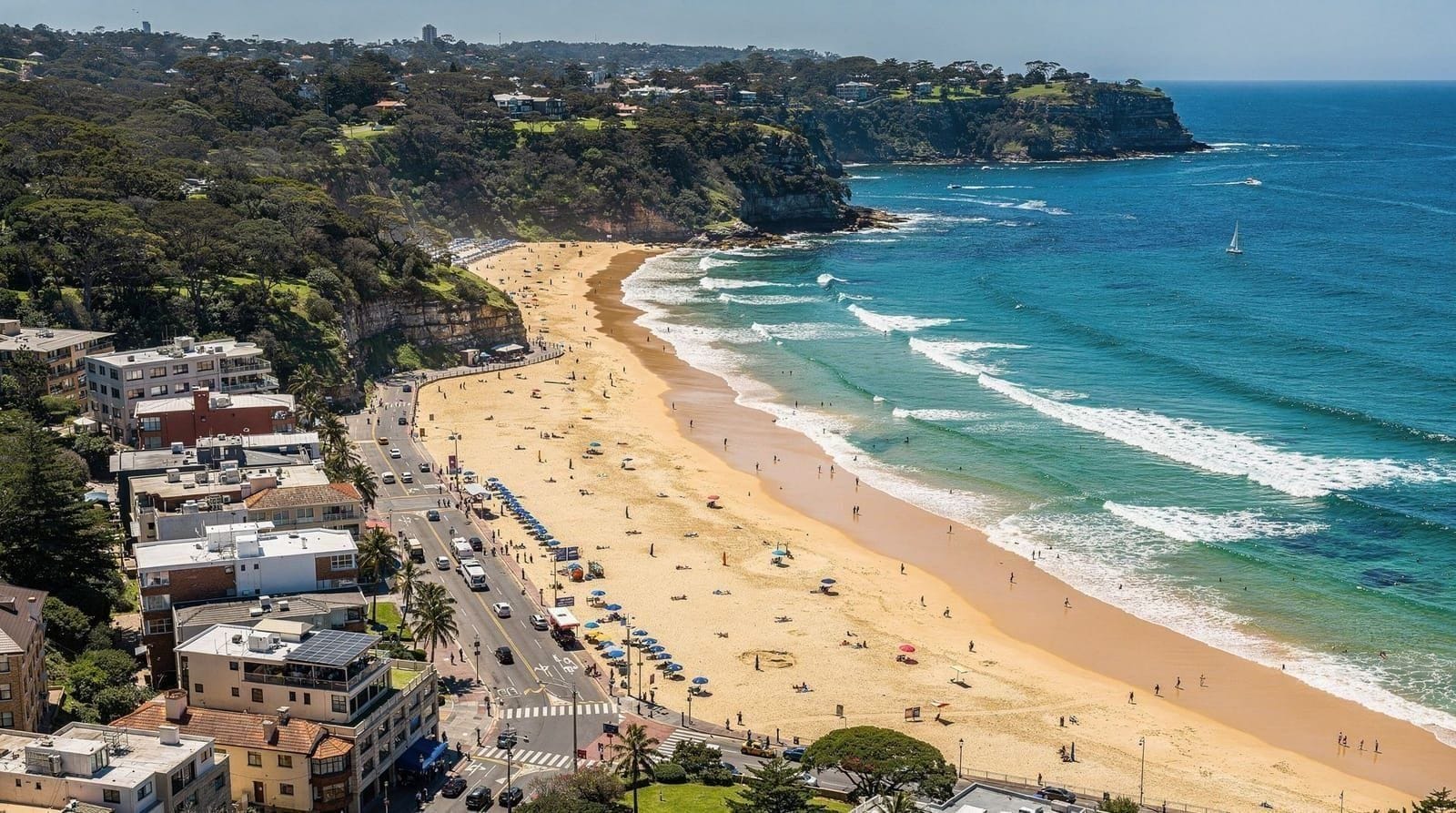
Sydney: From Sydney Hunter Valley wine tasting day tour