Best Hunter Valley wineries — a cellar door guide without the hype
Hunter Valley: Wine gin cheese chocolate tour from Hunter Valley
What are the best wineries to visit in Hunter Valley?
Tyrrell's and McWilliam's Mount Pleasant are the benchmarks for aged Semillon, the Hunter's signature wine. Brokenwood is the most reliable for Shiraz. Keith Tulloch and Two Fat Blokes are worth seeking for smaller, more personal experiences. For non-wine stops, Binnorie Dairy (cheese) and Distillery 78 (spirits) are genuinely good.
How to choose a cellar door in Hunter Valley
The Hunter Valley has over 150 cellar doors across the Lower Hunter region, and not all are equal. Some are serious wine producers who also happen to welcome visitors. Others are primarily visitor experiences with wine as the vehicle for selling a day out. The difference matters if you care about the wine itself — though both types have their place.
This guide focuses on the Lower Hunter (Pokolbin and surrounds), which is where the majority of day-trippers from Sydney spend their time and where the historic estates operate. The Broke–Fordwich area to the east of Pokolbin has several smaller producers worth a separate visit.
| At a glance | |
|---|---|
| Where | Pokolbin and the Lower Hunter, with Broke–Fordwich further east |
| Cost | Tastings around AUD 10–25 pp (often waived with a bottle); bottles roughly AUD 20–60 |
| Time needed | A full day (around 8–9 hours door to door) for 3–4 cellar doors |
| Getting there | Self-drive around 2–2.5 hours via the M1, or a guided day tour with transport included |
| Best time | Weekdays for quieter cellar doors; Sept–Nov and Mar–Apr for milder touring weather |
The benchmark estates
Tyrrell’s Wines
Murray Tyrrell planted his first vines in the Hunter in 1858, making this one of the oldest continuously operating family wineries in Australia. Tyrrell’s is the single most important address for anyone who wants to understand Hunter Valley Semillon — the Vat 1 Semillon, made since 1963, is Australia’s most awarded white wine.
The cellar door is unfussy, not architecturally impressive, and better for it. Staff understand the wines rather than performing hospitality. Ask for an older release of the Semillon (the HVD and Vat 1 from at least five years back) rather than the youngest vintage. Tasting fee approximately AUD 10–20, typically waived with a bottle purchase.
McWilliam’s Mount Pleasant
The Elizabeth Semillon from Mount Pleasant is frequently described as the best-value aged white wine in Australia — a serious statement that holds up. The estate occupies a handsome property in Pokolbin with more visitor infrastructure than Tyrrell’s while remaining genuinely estate-focused. The Lovedale Semillon (a single-vineyard expression) is worth seeking if available.
Tasting sessions are structured and informative. The cellar door hosts both walk-in tastings and seated experiences. AUD 10–25 per person for tastings.
Brokenwood Wines
Brokenwood is the most visitor-ready of the major Hunter estates without compromising quality. The Graveyard Shiraz is one of Australia’s great red wines — a single-vineyard expression that occasionally appears on international wine lists at premium prices. The standard Cricket Pitch range is the entry point and reliable for everyday drinking.
The cellar door has a café alongside the tasting room, making it a practical lunch stop as well as a wine visit. More commercial in atmosphere than Tyrrell’s but the wines justify it.
Smaller producers worth finding
Keith Tulloch Wine
One of the Hunter’s more thoughtful producers — restrained, precise wines made by a winemaker who has worked at some of the region’s most respected estates. The Semillon and Chardonnay are particularly good. The cellar door is small and personal; worth calling ahead to check it is staffed.
Two Fat Blokes
Located off the main Broke Road corridor and consequently less visited than the headline estates. The cellar door experience is genuinely relaxed and the Shiraz is among the better examples from smaller producers. Worth a detour for anyone who wants a break from the larger, more commercial operations.
Hungerford Hill
A mid-sized estate with broad varietal range and solid quality. Popular with touring groups, which makes weekend afternoons busy. Better value on weekdays.
Non-wine stops
Binnorie Dairy
The best artisan cheese producer in the region, making fresh and aged cheeses on the premises. A cheese board at the tasting room is AUD 8–15. The brie-style soft cheeses are reliably excellent; the aged semi-hard cheeses reward the extra price. Open most days.
Distillery 78 / Hunter Distillery
Hunter Valley spirits have expanded significantly in recent years. A combined wine, gin, cheese and chocolate tasting tour is an efficient way to cover the main non-wine producers in a single guided stop. Particularly good for groups with mixed drink preferences.
A similar gin and food tasting tour from Sydney is available if you want the full day managed.
How to taste like you mean it
A cellar door visit rewards a little preparation. Arrive hungry enough to enjoy the wine but not so hungry that the first pour hits hard, and take the staff up on any offer of water or a plain cracker between wines. Tell the person pouring what you usually drink and what you want to learn; at the serious estates they are happy to steer you towards the wines that explain the region rather than the ones that sell fastest.
Spitting is normal and expected in the Hunter, and nobody will think less of you for using the bucket. It is the only way to taste across several estates and still remember what you liked. Keep a note on your phone of the wines you enjoyed, with the vintage, because a bottle that impressed at 11 am can be hard to identify by the evening.
If you are new to Semillon, expect something unlike the fruity whites you may know. Young Hunter Semillon is lean, pale and sharply refreshing, and the toasty, honeyed character people rave about develops with age in the bottle. That is why asking for an older release at the benchmark estates is the single best tip in this guide. For the wider picture of how the day fits together, the Hunter Valley wine tour guide walks through the region from the visitor’s side.
Matching the cellar door to your trip
Not every traveller wants the same Hunter Valley. A few ways to decide:
- You care about the wine itself. Spend most of the day at Tyrrell’s, McWilliam’s Mount Pleasant and Brokenwood, and add one smaller producer such as Keith Tulloch for contrast.
- You want a relaxed, social day. Choose estates with a café or terrace, keep the tastings to a minimum and leave room for a long lunch. Mixed groups where not everyone drinks wine are often happiest with the cheese and spirits stops.
- You are travelling as a couple. The smaller cellar doors tend to be calmer and give you more time with the person pouring, which makes for a more memorable afternoon.
- You are on a tight budget. Taste at one or two estates, buy a bottle to waive the fee, and picnic or eat simply. The Hunter Valley on a budget story shows how one real trip handled the costs.
- You are combining wine with other plans. If the Hunter is one stop in a longer trip, look at how it sits beside the Port Stephens day trip or the Blue Mountains day trip guide before committing a full day.
What to bring and how to dress
Cellar doors are casual, and comfortable shoes matter more than anything fashionable, since many estates have gravel paths, vineyard rows or barrel halls with uneven floors. Bring a hat and sunscreen for the outdoor terraces, and a light layer for cool cellars. If you plan to buy wine, a soft cooler bag or a small box in the boot keeps bottles from rolling around on the drive back, and it protects them from heat on a warm afternoon.
Carry some water and a snack in the car as well. The distances between estates are short, but the gaps between tastings can stretch when a cellar door is busy. Remember that bottles left in a hot car for hours will suffer, so buy near the end of the day where you can, or ask the estate to hold your order for collection or shipping.
Choosing your base and your timing
Most visitors from Sydney do the Hunter as a long day, but an overnight stay changes the experience. You can start late, linger over lunch, and take a second tasting session the next morning without watching the clock. If an overnight appeals, the Hunter Valley destination page gives the wider context, and the Sydney 7 days and surroundings itinerary shows how a stay can fit into a longer trip.
On the question of season, the vines look different through the year, and each period has its charm. Autumn brings colour in the vineyards and the harvest atmosphere, while spring is fresh and green. Summer is warm and can be crowded, and winter is quiet and good for lingering by a fire. Weekday visits are calmer than weekends in every season, so if your schedule allows, go midweek. For help deciding when to travel generally, see the best time to visit Sydney.
Getting around once you arrive
The cellar doors are spread across rolling country with few footpaths, so walking between them is not realistic. That makes the question of who drives, or whether to hire a guided service, the most important practical choice you will make. Plan your route in advance so you are not doubling back across the valley, and group the estates that sit close together. If you are driving yourself, the driving in Sydney and NSW guide covers the habits worth knowing before you set out, and the Hunter Valley day trip guide has the broader logistics.
If you would rather not manage any of it, a guided option removes the planning and lets you hand over the route and enjoy the glass in your hand.
Self-drive vs guided tour
Both approaches work, but they suit different priorities. If you want to linger at one or two estates, taste extensively, and control the pace, self-driving gives you that freedom — with the obvious catch that whoever drives should spit rather than swallow at every tasting, or nominate a driver who does. If you want to relax, cover several producers without navigating back roads, and not worry about designated drivers, a guided day tour is the better fit.
| Self-drive | Guided tour | |
|---|---|---|
| Flexibility | High — stay as long as you like at each stop | Fixed itinerary and timings |
| Drinking freely | Only if you have a non-drinking driver | Everyone can taste properly |
| Cost | Fuel + tastings only, often cheaper for groups | Higher upfront but transport and lunch bundled |
| Best for | Wine-focused visitors, couples, small groups with a driver | Solo travellers, groups wanting a stress-free day |
For a broader look at logistics and cost trade-offs, the Hunter Valley day trip guide and the budget-focused write-up on visiting Hunter Valley both go deeper into the self-drive math. If food matters as much as wine to you, pair a cellar door day with the region’s better restaurants — see Sydney food tours and fine dining in Sydney for context on what “worth it” dining looks like by comparison.
Tasting fees and buying wine
Tasting fees have risen across the Hunter. Most estates now charge AUD 10–25 per person for a standard tasting of four to six wines. Fees are commonly waived if you purchase a bottle — typically one bottle per person is enough. Budget AUD 20–60 per bottle depending on the range you choose.
If you are buying to take home, the cellar door price is usually close to retail and you avoid the markup of a bottle shop. Ask specifically about “museum releases” — many estates have older vintages at cellar door prices that are significantly below what they would cost if you found them at auction.
Wine shipping is available from most major estates; a case to a Sydney address typically costs AUD 20–35.
Planning your day
Three to four wineries is the right number for a full day. More than that compresses each visit and the tastings begin to blur. A suggested flow for self-drivers:
Morning (arrive ~10 am): Tyrrell’s or McWilliam’s Mount Pleasant for aged Semillon tasting — this is the intellectual core of a Hunter visit.
Midday (12–1:30 pm): Lunch at Bimbadgen Estate terrace or Margan Restaurant (book ahead; AUD 40–55 mains).
Afternoon (2–4 pm): Brokenwood for Shiraz, then Binnorie Dairy for cheese. Depart by 4:30 pm for Sydney.
For a guided tour that covers multiple estates: a Hunter Valley tour with three tastings and garden lunch follows a comparable structure with logistics handled.
Getting here and practical details
160–170 km from Sydney via the M1 and New England Highway; approximately 2–2.5 hours. Most cellar doors open 10 am–5 pm daily. Some close Monday or Tuesday; check ahead.
For full transport and logistics information, including the tour vs self-drive comparison, see the Hunter Valley wine tour guide and the Hunter Valley destination page.
If combining with an overnight stay, the Sydney 10-day NSW itinerary includes a Hunter Valley component alongside Blue Mountains.
Frequently asked questions about Best Hunter Valley wineries
Is Hunter Valley worth a day trip from Sydney just for wine?
Yes, if you like wine and can commit to a full day — the round trip alone is around 4–5 hours, so a quick half-day visit rarely justifies the drive. Pair it with lunch and one or two non-wine stops (cheese, gin) to make the day feel balanced rather than purely about tastings.
Do you need to book cellar door tastings in advance?
Most Hunter Valley cellar doors accept walk-ins for standard tastings, but weekends and long weekends get busy, especially at the larger estates. Seated or premium tasting experiences at places like McWilliam’s Mount Pleasant are worth booking ahead; standard walk-in tastings at Tyrrell’s or Brokenwood usually don’t need a reservation on weekdays.
Top experiences
Bookable activities with verified prices and instant confirmation on GetYourGuide.

Hunter Valley: Wine gin cheese chocolate tour from Hunter Valley
Pokolbin: Hunter Valley wine and cheese tasting with chocolate
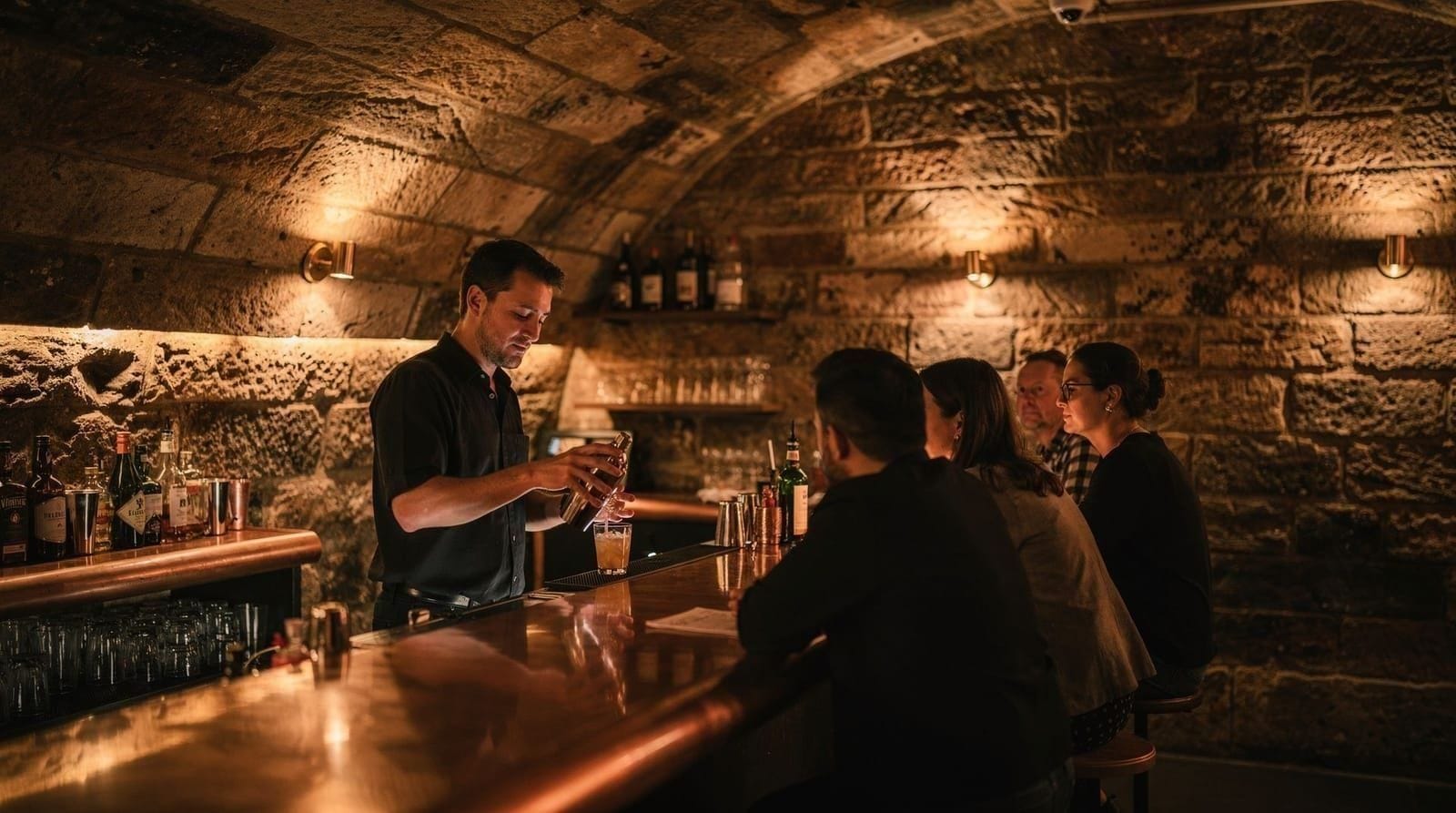
Pokolbin: Hunter Valley private wine cheese and chocolate tour
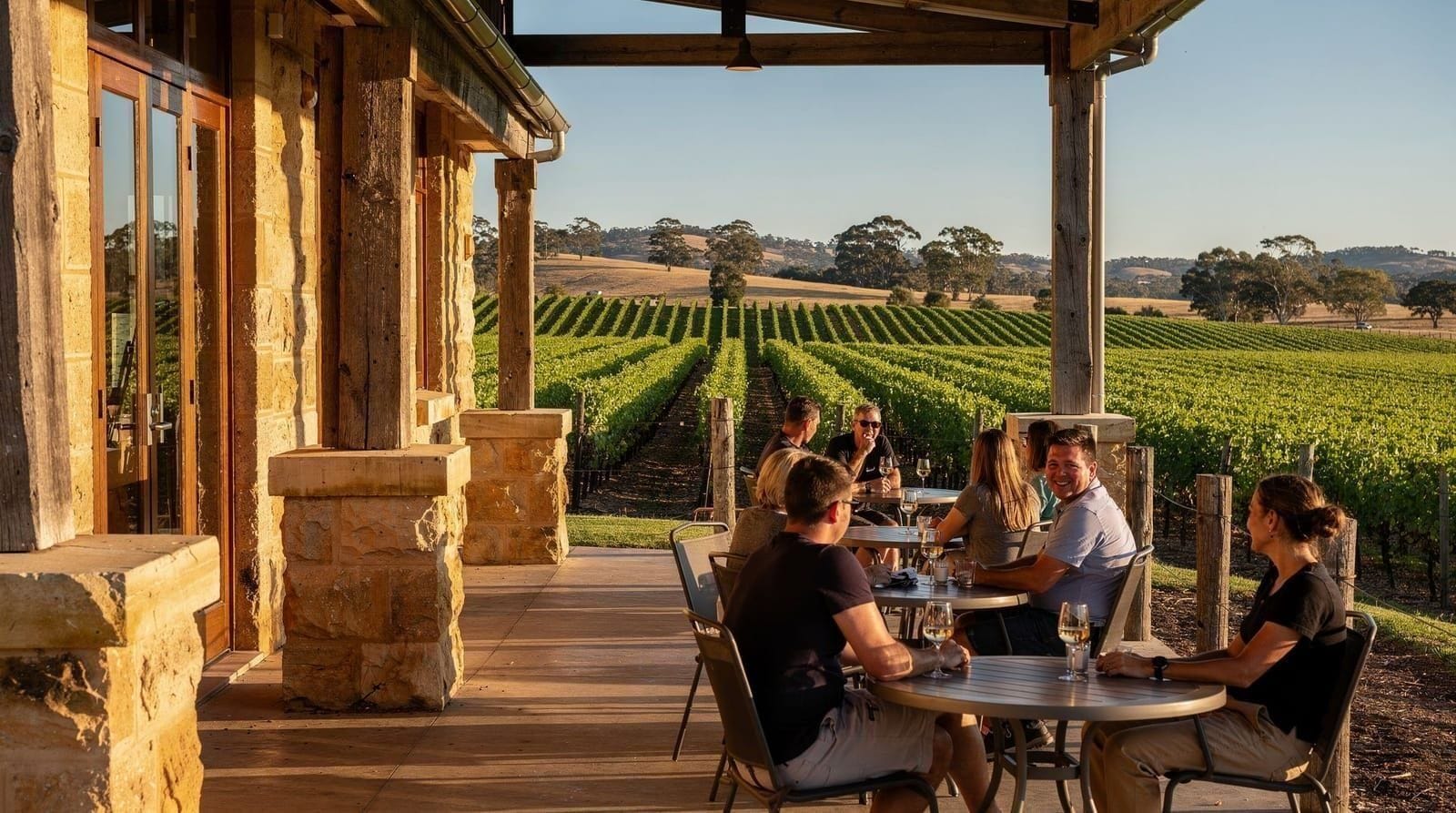
Sydney: Hunter Valley wine tour with 3 tastings and garden lunch
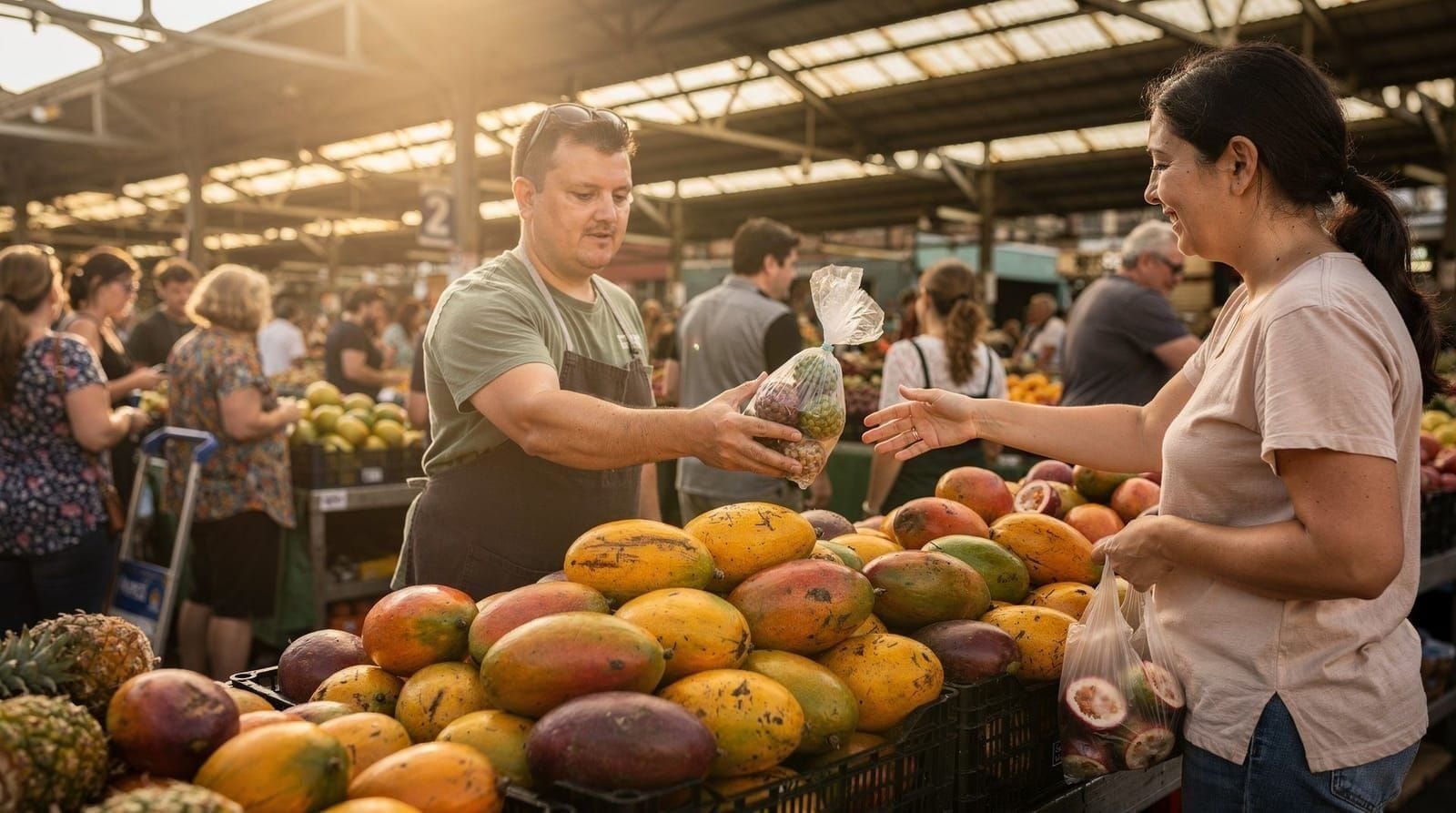
Hunter Valley: Wine gin cheese chocolate tour from Sydney