Hunter Valley day trip from Sydney — wine, logistics, and honest advice
Sydney: Wine tour from Sydney inc lunch cheese choc vodka
How do you get to Hunter Valley from Sydney for a day trip?
Hunter Valley is 160–170 km north of Sydney via the F3 Pacific Motorway, roughly a 2 to 2.5 hour drive. There is no practical train connection to the wine region itself. Most visitors join a guided day tour from Sydney — prices start around AUD 120 per person with tastings and lunch included — which solves the obvious problem of visiting a wine region without a designated driver.
Hunter Valley is Australia’s oldest wine region and one of the most accessible wine destinations from any Australian city. At 160–170 km north of Sydney, it is a manageable day trip — but the logistics require more planning than the Blue Mountains or beach day trips because there is no useful public transport and, by definition, you have come to drink.
This guide covers driving vs guided tours, which parts of the valley are worth prioritising, what a realistic day looks like, and the honest advice on whether it is worth the effort for different types of traveller.
| At a glance | |
|---|---|
| Where | Pokolbin, Lower Hunter — 160–170 km north of Sydney |
| Cost | Guided tour from around AUD 120–180 per person; self-drive fuel roughly AUD 60–80 per car |
| Time needed | Full day, around 12–14 hours door to door |
| Getting there | Self-drive via the M1/F3, or a guided coach tour with hotel pickup |
| Best time | Autumn (March–May) or spring (Sept–Oct); avoid October long weekends and January |
Getting there
Driving from Sydney
The standard route is the M1/F3 Pacific Motorway northbound from the Sydney CBD to Beresfield, then west on the New England Highway toward Cessnock — about 160–170 km depending on which part of the valley you are heading to. Outside peak hour, the drive takes roughly 2 to 2.5 hours. There are tolls on the Sydney motorway network — have a prepaid E-TAG or contact an operator about purchasing a day pass; visiting without a tag will generate a toll invoice to your hire car company.
Driving yourself is only really viable if at least one person in your group is not drinking. Hunter Valley has good cellar door service on a moderate budget, but it is not a place to drink and drive. NSW has strict blood alcohol limits (0.05% for full licence holders, 0.00% for learners and P-platers) and regular roadside testing on popular routes.
Self-driving visitors who want to taste without issues often focus on non-alcoholic experiences: cheese tastings, the chocolate factory, and lunch — genuinely worthwhile on their own.
Guided day tours from Sydney
A guided day tour is the practical choice for most visitors. Standard packages include hotel pickup from the CBD, a coach to the Hunter Valley, visits to 3–4 cellar doors with included tastings, lunch (usually a garden picnic or sit-down restaurant), stops at specialty food producers, and return transfer. Prices typically run from AUD 120 to AUD 180 per person for standard group tours; premium and private options go higher.
Full-day Hunter Valley wine tour with lunch from SydneyThe main advantage of a guided tour is not just the designated driver — it is the local knowledge about which cellar doors are currently pouring well and have space without pre-booking. On busy weekends, some popular wineries fill up their cellar door sessions; a tour operator with relationships can navigate this more smoothly than independent visitors.
When comparing tours, check: how many wineries do you actually visit (some “multi-stop” tours include cheese and chocolate shops but only 2 actual wine tastings), whether lunch is included or an extra, the vehicle size (minibuses of 10–14 feel more personal than 50-seat coaches), and whether the tour includes hotel pickup from your specific accommodation.
The Hunter Valley wine region
The Hunter Valley wine region centres on the Pokolbin sub-region, about 15 km northwest of Cessnock. This is where most cellar doors are clustered along McDonalds Road, Broke Road, Hermitage Road, and Lovedale Road.
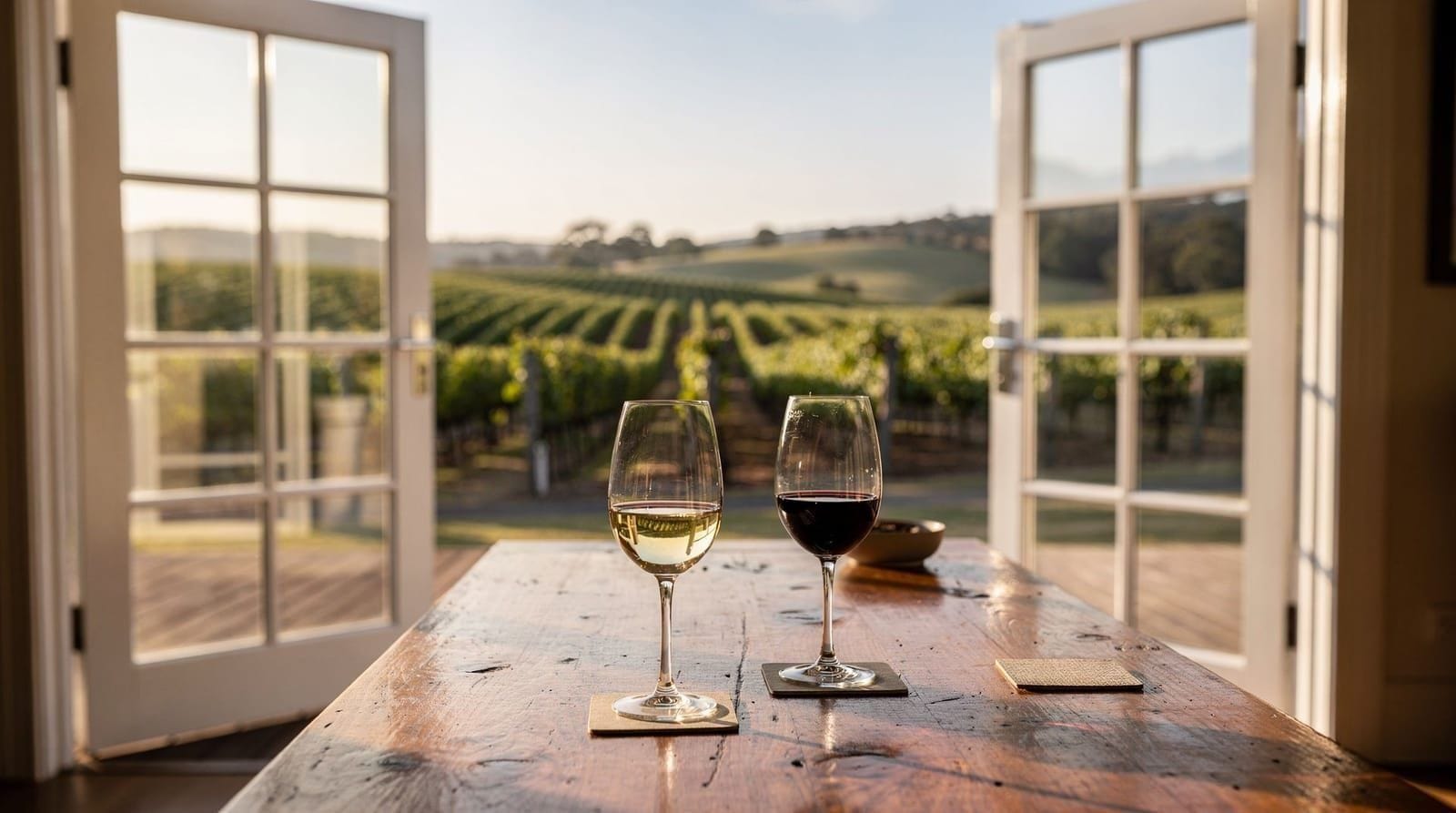
The Hunter is known for two grape varieties above all others: Semillon and Shiraz (called Hermitage locally on older labels). Hunter Semillon is distinctive — when young it is lean, pale, and almost austere, but aged 5–10 years it develops into a honeyed, toasty white wine with no oak. It is one of Australia’s most distinctive regional styles and almost impossible to understand from a description; you need to taste a young and an aged example side by side, which the better cellar doors can arrange.
Hunter Shiraz is softer and less tannic than Barossa Shiraz, with earthy, leathery, and savoury notes. The style suits European palates more than the big fruit-forward Barossa style. Brokenwood’s Graveyard Vineyard Shiraz is the region’s most celebrated wine (and priced accordingly, around AUD 180–250 per bottle). McWilliam’s Mount Pleasant Elizabeth Semillon is the accessible benchmark for aged Semillon.
Key sub-regions and producers
Pokolbin (the main cluster): Tyrrell’s (historic, family-owned, good Semillon value), Brokenwood (premium, busy cellar door), Peterson House (sparkling specialist, popular for events), Two Fat Blokes (relaxed, good food), Pepper Tree (contemporary, wide range).
Broke Fordwich: More off the beaten track, about 20–25 minutes west of Pokolbin. Krinklewood, Andrew Thomas, and Silkman Wines have good reputations for quality-conscious production.
Lovedale: Smaller cellar doors in a scenic setting; less commercial than the main Pokolbin strip.
What to do beyond wine
Hunter Valley has diversified well beyond wine. For visitors accompanying non-drinkers, or for those who want to supplement a wine day with other experiences:
Hunter Valley Cheese Company (McDonalds Road, Pokolbin): tastings of locally made camembert, washed rind, and aged cheddar. Reasonable prices, excellent as a picnic stop.
Adora Handmade Chocolates (De Beyers Road, Pokolbin): a small family chocolate maker with free tasting of truffles and ganaches. Consistently good quality.
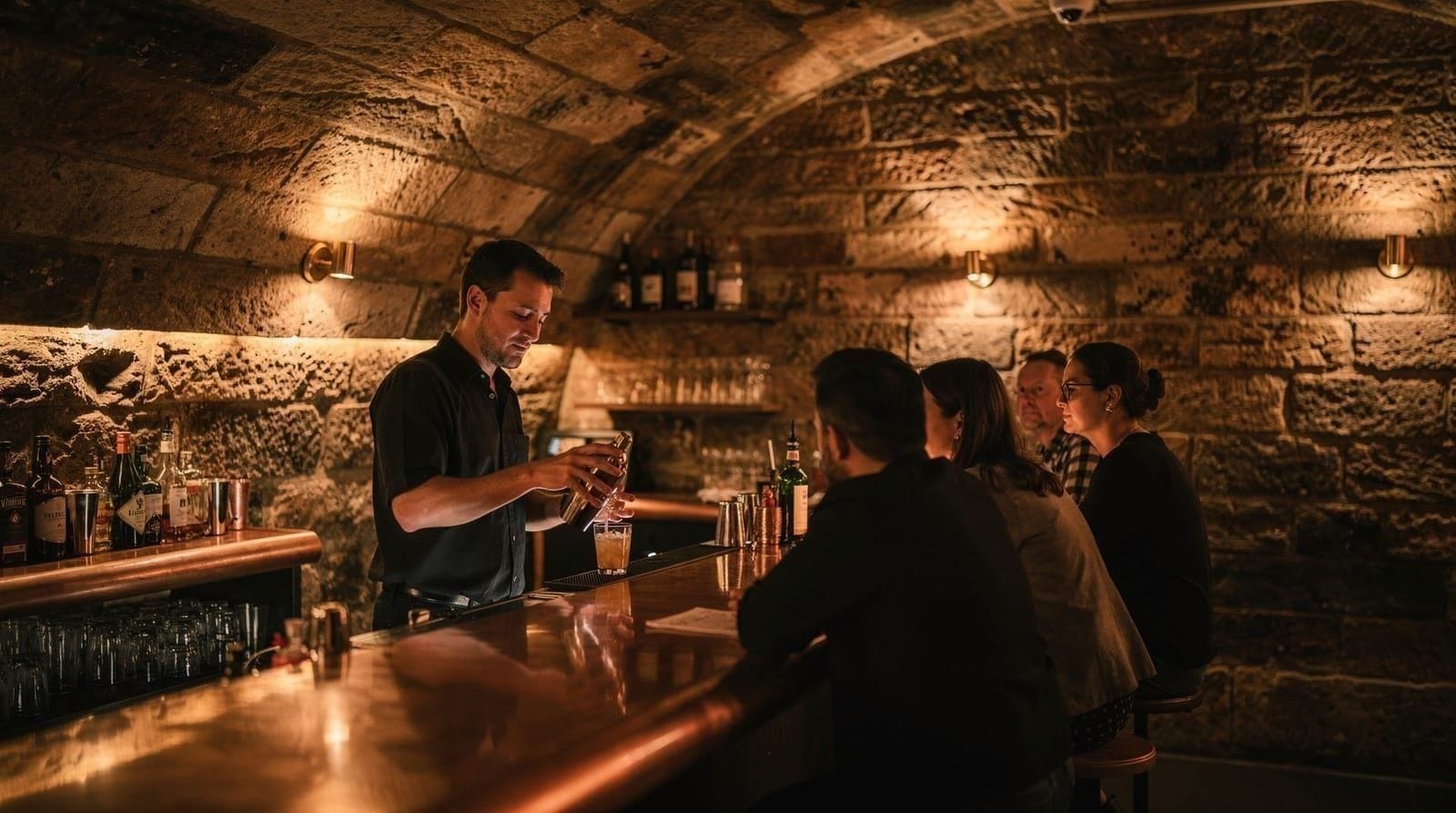
Distillery Botanica (Cnr Broke and Ekerts Road, Pokolbin): craft gin and spirits distillery. The Hunter Gin and Finger Lime Gin are the standouts. Tasting flights available.
Hunter Valley Gardens (Broke Road, Pokolbin): A large themed garden complex (see the official Hunter Valley Gardens website for current admission prices) that can occupy 2–3 hours. Good for families or anyone who wants a break from wine.
Hunter Valley wine, gin, cheese, and chocolate tourA realistic Hunter Valley day trip
Departing Sydney by 7:30–8 am gets you to the cellar door area by 10–10:30 am, when most tastings open. A workable day structure:
Morning (10–12): First cellar door stop — pick an iconic producer (Tyrrell’s or Brokenwood) to orient yourself. Most cellar door tastings cost AUD 10–20 per person, redeemable against purchases.
Lunch (12–1:30): The region has several good lunch options at varied price points. Muse Kitchen (Hunters Dream Winery, Hermitage Road) is the fine-dining benchmark; Two Fat Blokes and the Harrigan’s pub are more casual and reliable without a reservation. Budget AUD 35–60 per person at a restaurant; a cheese-and-charcuterie board plus wine at a cellar door might be AUD 25–35.
Afternoon (1:30–4:30): Two more cellar door stops plus a food producer (cheese, chocolate, or gin). Some visitors find that 3 cellar doors is plenty; more than 4 in a day and palate fatigue sets in.
Depart by 4:30–5 pm to be back in Sydney by 7–7:30 pm, depending on traffic on the M1.
Is it worth the day trip?
For wine enthusiasts: absolutely. Hunter Valley’s unique Semillon and soft Shiraz styles reward visitors who take time to learn as well as drink, and the region’s compact geography makes it easy to cover several producers in a day.
For non-wine travellers: probably not as a primary destination. The food and garden attractions are good, but not exceptional enough to justify a 4–5 hour round trip if wine is not the point. Consider combining it with a night stop or attaching it to a longer NSW road trip.
For families with young children: Hunter Valley is not particularly child-friendly. The focus is adult; most cellar doors are tolerant of kids but not designed for them. Consider the Blue Mountains with kids or Central Coast day trip as family-focused alternatives.
Honest tip on crowded weekends: Hunter Valley in October (Wine and Food Month event season) and during long weekends fills quickly. Cellar doors get congested, restaurants need bookings weeks ahead, and accommodation prices spike. Midweek visits in March–May or September are significantly more pleasant. The wine does not change; the experience improves sharply.
What to buy and bring home
Hunter Valley’s cellar doors generally allow you to purchase and carry wine home. If you are on a guided tour, check the luggage policy — most coaches allow a reasonable amount of wine (2–4 bottles per person is standard). Shipping wine home internationally involves customs regulations specific to your country; for European travellers, personal imports of wine up to certain quantities are typically permitted but check airline carry-on rules (wine must go in checked luggage, not carry-on).
Beyond wine, local specialties worth purchasing: Hunter Valley Cheese Company’s ash-coated brie and aged cheddars travel reasonably well for 2–3 days without refrigeration. Adora chocolates pack well in a padded bag. Distillery Botanica’s gin is available at the cellar door and occasionally in Sydney bottle shops.
Getting more from the trip: combining Hunter Valley with a night stay
If you can extend a Hunter Valley day trip into a 1-night stay, the experience transforms significantly. Pokolbin has an established range of accommodation: vineyard cottages attached to individual wineries, boutique guesthouses, and resort-style properties like Cypress Lakes. Prices range from around AUD 180–250 per room per night at a mid-range vineyard cottage to AUD 400+ at premium resort properties.
With a night stay, you can cover the main valley at a relaxed pace, visit estate restaurants for dinner (Muse Kitchen at Hunters Dream and Bistro Molines at Robert Stein Winery are the most cited), and do a morning cellar door session before driving back to Sydney.
The Hunter Valley wine tour guide and best Hunter Valley wineries guides cover individual producers, accommodation options, and restaurant recommendations in detail.
Hunter Valley vs Yarra Valley
Visitors who have been to Melbourne’s Yarra Valley sometimes ask how Hunter Valley compares. The Yarra Valley (60 km east of Melbourne) is greener, more diverse in varieties (Pinot Noir, Chardonnay, Pinot Gris), and generally easier to navigate by car. Hunter Valley is more distinctively Australian in style — the Semillon and old-vine Shiraz have no equivalents in the Yarra. For a European visitor, Hunter Valley’s Semillon aged styles are more unusual and educational; Yarra Valley’s Pinot Noir is more recognisable to European palates. Both are worthwhile on separate trips.
Links to the destination guide
For detailed profiles of individual producers, accommodation in Pokolbin and Broke, and the distinction between Hunter Valley tour styles, see the full Hunter Valley destination and Hunter Valley wine tour guide.
For context on all Sydney day trips ranked by effort and reward, see best day trips from Sydney.
For a multi-day NSW itinerary that incorporates Hunter Valley as an overnight excursion from Sydney, see the 10-day NSW itinerary.
Best time of year — a quick seasonality view
| Season | Weather | Crowds | Notes |
|---|---|---|---|
| Summer (Dec–Feb) | Hot, can exceed 35°C | High, especially holidays | Air-conditioned tasting rooms help; outdoor terraces uncomfortable midday |
| Autumn (Mar–May) | Mild, 18–24°C | Moderate to high (harvest, Vintage Weekend) | Best overall balance of weather and vine activity |
| Winter (Jun–Aug) | Cool, 8–16°C | Lowest of the year | Cheapest accommodation, quieter cellar doors |
| Spring (Sept–Oct) | Mild, occasional rain | Moderate | Good alternative to autumn, fewer events |
Comparing your options: tour, self-drive, or private car
If you are still deciding how to get there, the honest breakdown is this: a shared coach tour is the cheapest and lowest-effort way to drink freely, self-driving suits groups of four or more with a designated non-drinker, and a private driver or small-group tour splits the difference — more flexibility than a big coach, without the risk of self-driving after tastings. Whichever you choose, do not plan anything energetic for the evening you return; see how many days in Sydney for how a Hunter Valley day affects the rest of a trip’s pacing.
Frequently asked questions about Hunter Valley day trip from Sydney
Can you do Hunter Valley as a day trip without a car? Yes, via a guided coach tour with Sydney CBD hotel pickup — this is by far the most practical option if you don’t have a car or don’t want to arrange a designated driver. Public transport alone (train to Maitland plus taxi) is possible but cumbersome for a single day.
Is Hunter Valley better as a day trip or an overnight stay? A day trip works well for a first taste of the region, but an overnight stay in Pokolbin lets you visit more wineries at a relaxed pace and enjoy a proper estate dinner. If your itinerary has room, see the section above on combining Hunter Valley with a night stay.
Top experiences
Bookable activities with verified prices and instant confirmation on GetYourGuide.

Sydney: Wine tour from Sydney inc lunch cheese choc vodka
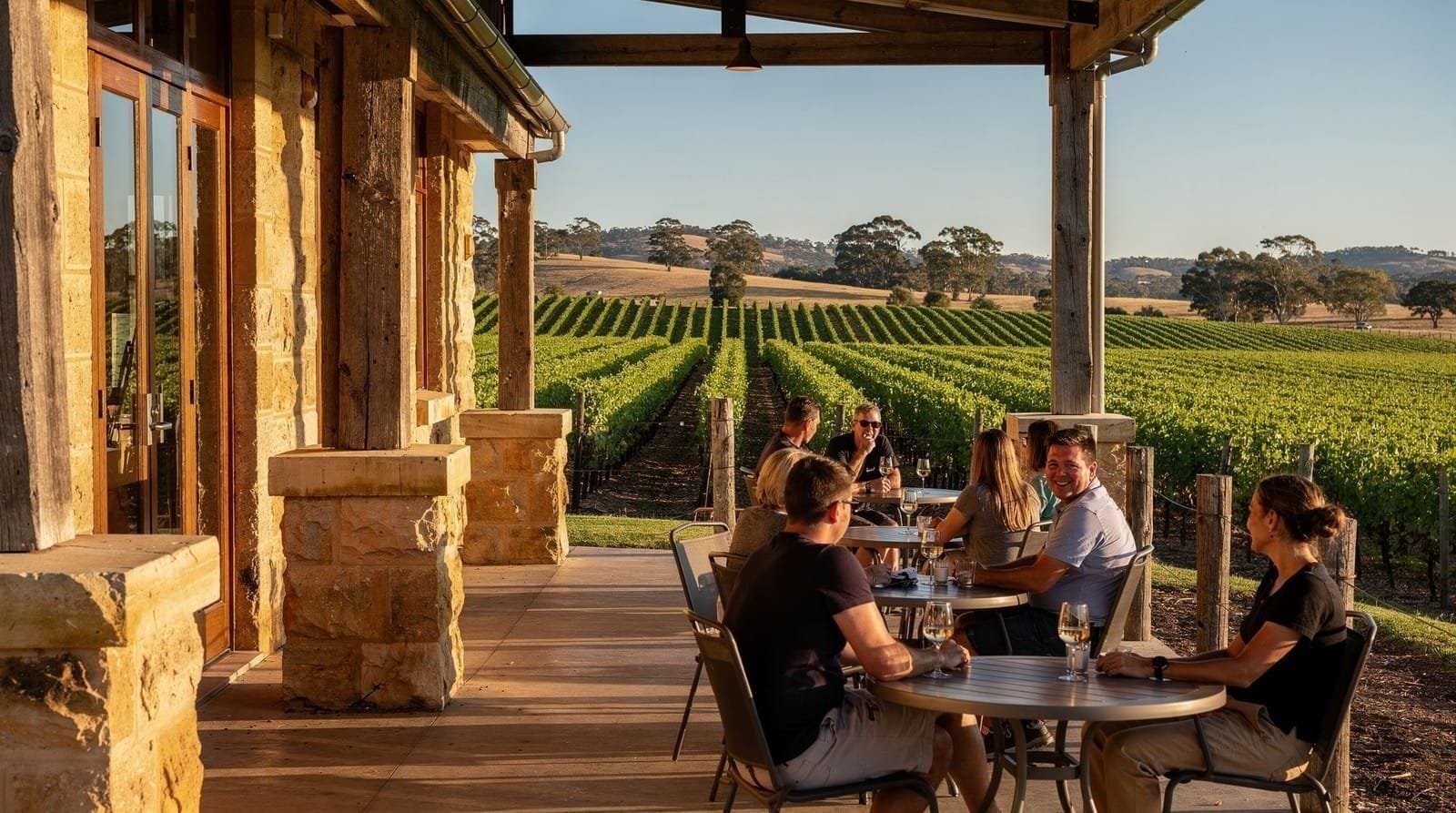
Sydney: Hunter Valley wine tour with 3 tastings and garden lunch
Hunter Valley: Wine gin cheese chocolate tour from Hunter Valley
Hunter Valley: Wine gin cheese chocolate tour from Sydney
Sydney: Private Hunter Valley wine tasting day trip tour from Sydney