Sydney summer without the crowds — how to have the best version
Summer in Sydney is the right problem to have
The problem with Sydney in December and January is not that it’s bad. It’s that everyone knows it’s good, and the convergence of the Southern Hemisphere school holidays (late December through late January), the northern hemisphere peak travel season, and the New Year’s Eve fireworks creates a particular density at all the places you want to be.
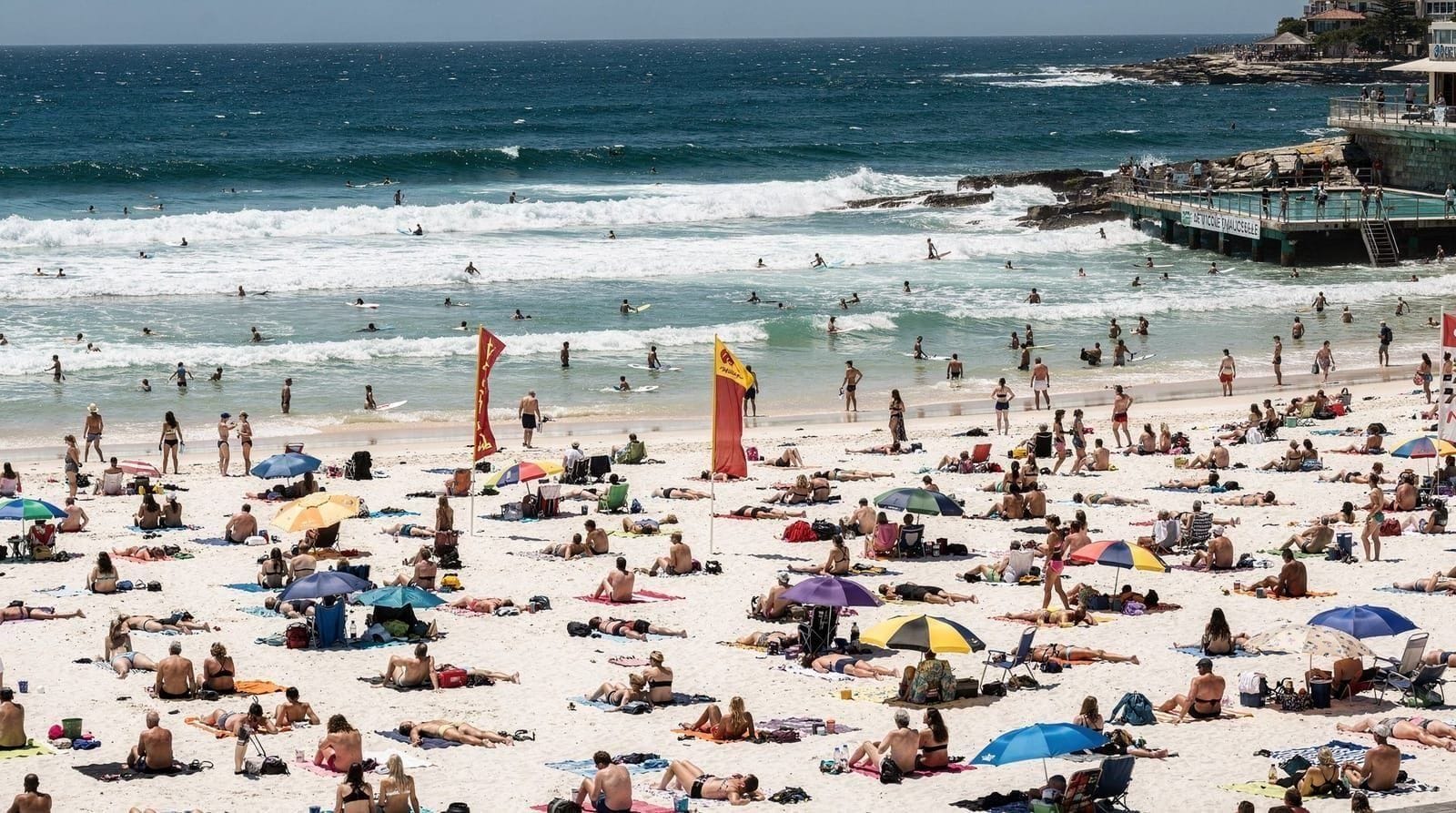
Bondi Beach on a Saturday in January is a genuinely extraordinary piece of urban theatre — 20,000 people on one beach, the surf patrol flags up, ice cream vendors, the jacaranda long past but the heat still full. It’s interesting. It’s also not what most people are hoping for when they picture themselves at the beach.
This guide is about having the summer experience that’s actually possible — beautiful, warm, genuinely Sydney — without the version that Instagram is selling.
At a glance
| When | December to February, with December 26–January 7 the busiest window |
| Cost | No entry fee for beaches or the Bondi to Coogee walk; some ocean pools charge a small fee (see each pool’s official website) |
| Getting around | Opal card on train/bus/ferry; ferries to Manly, Watsons Bay and Taronga are part of the experience, not just transport |
| Best time of day | Before 8am or after 5pm at the main beaches; the middle of the day is when the crowds peak |
| Heat note | February often runs hotter than December/January but with noticeably fewer people |
The timing shift: go early or go late
The single most effective crowd management technique in Sydney summer is adjusting by 90 minutes. The crowds at Bondi and Manly consolidate between 10 am and 4 pm. Before 8 am and after 5 pm, these same beaches belong to a fraction of the number.
Morning swimming culture is strong in Sydney — the ocean pools at Bronte, Bondi (Icebergs), Coogee (Wylie’s Baths), and Malabar all open early in the morning (hours vary by pool; check each pool’s official website), and the people who are there at 7 am are locals doing their actual morning swim, not tourists queuing for a photo. This is a completely different atmosphere.
The evening surf session culture is equally real. After 5 pm when the heat drops slightly, the Bondi Beach surf is often at its best, and the crowd concentration drops as day-trippers leave. The light at Bondi at 7 pm in January is the warm amber that photographers fly from Europe for, and you’re sharing it with maybe a third of the noon crowd.
The beach alternatives nobody is talking about
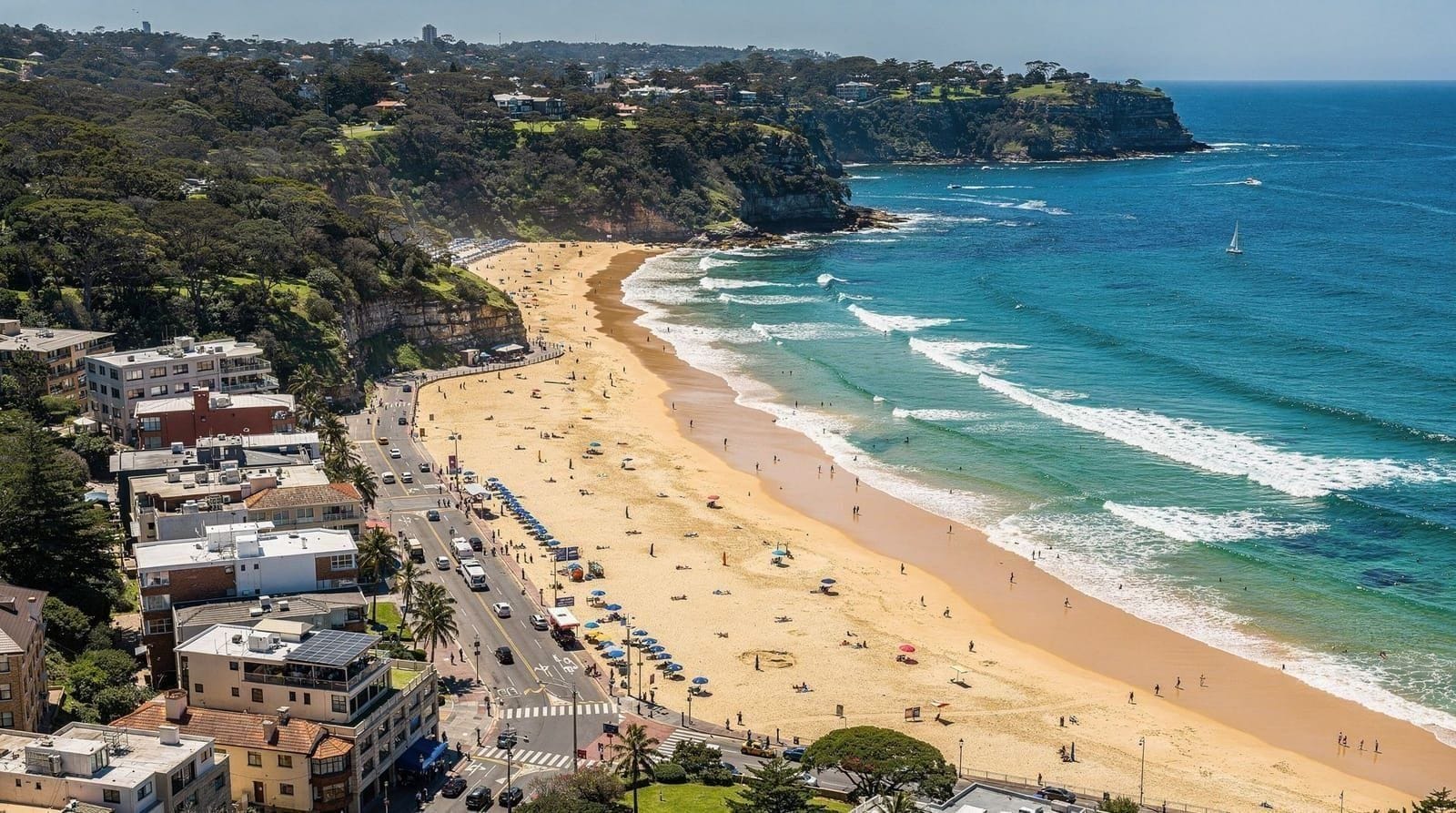
The tourist literature about Sydney beaches focuses on Bondi, Manly, and Coogee. These are genuinely excellent beaches. They’re also the ones on every bus tour and every Instagram post, which means they carry the load of every visitor’s expectations.
The following beaches are not secrets — Sydneysiders know them — but they rarely appear in tourist itineraries:
Balmoral Beach (Mosman): Sheltered harbour beach, shark-netted swimming area, calm water year-round. The ferry to Mosman followed by a short walk (or bus) is easy. In summer, Balmoral has a fraction of the crowd of ocean beaches, better swimming conditions for families, and a beautiful fig-shaded lawn area behind the sand.
Camp Cove (Watsons Bay): Tiny harbour beach at the back of Watsons Bay, accessible by ferry from Circular Quay. Very popular with locals, less known by international tourists. The water is sheltered and warm, and the walk south to The Gap takes 15 minutes for a complete contrast — calm beach then dramatic ocean cliffs.
Shelly Beach (Manly): The back side of the Manly headland, a small cove with snorkelling and rock pools. 10 minutes walk from the Manly ferry wharf through the back streets. Half the crowd density of Manly main beach on a typical summer day.
If you want to get in the water properly rather than just paddle, a guided snorkelling session at Shelly Beach is an easy way to see the cove from below, and it keeps you away from the main Manly sand. Go with the same early-or-late logic as everything else here.
Little Bay: South of Malabar, reachable by bus. A rarely-visited ocean beach in the southern suburbs with good snorkelling around the headlands. Not on the tourist circuit.
Cronulla: Cronulla is a 40-minute train ride from Central on the Cronulla line, and it has 4 km of surf beach that spreads the crowd across a much longer frontage than Bondi’s 1 km. In summer it’s busy, but it’s busy differently — this is Sydney going to the beach, not tourist infrastructure going to the beach.
The heat management reality
Sydney summer heat is not the dry, conceptually pleasant heat of Southern California or Spain. The humidity can be significant, particularly in February, and a 38°C day in Sydney feels closer to 42°C in felt temperature when the humidity is 75%.
The local response to this: go to water. The ocean pool circuit (ocean pools along the coast from Clovelly to Coogee, all publicly accessible, all seawater fed by the ocean), the harbour swimming enclosures, and the harbour beaches are all valid. The air-conditioned alternative — hiding in shopping centres — is what the locals do reluctantly, not happily.
The timing advice above applies directly to heat management: 7 am is already warm but not punishing. 1 pm in January can be genuinely difficult if you’re not near water.
The harbour as summer infrastructure
Sydneysiders relate to Port Jackson the way Amsterdammers relate to their canals — as primary infrastructure rather than tourist amenity. In summer this means:
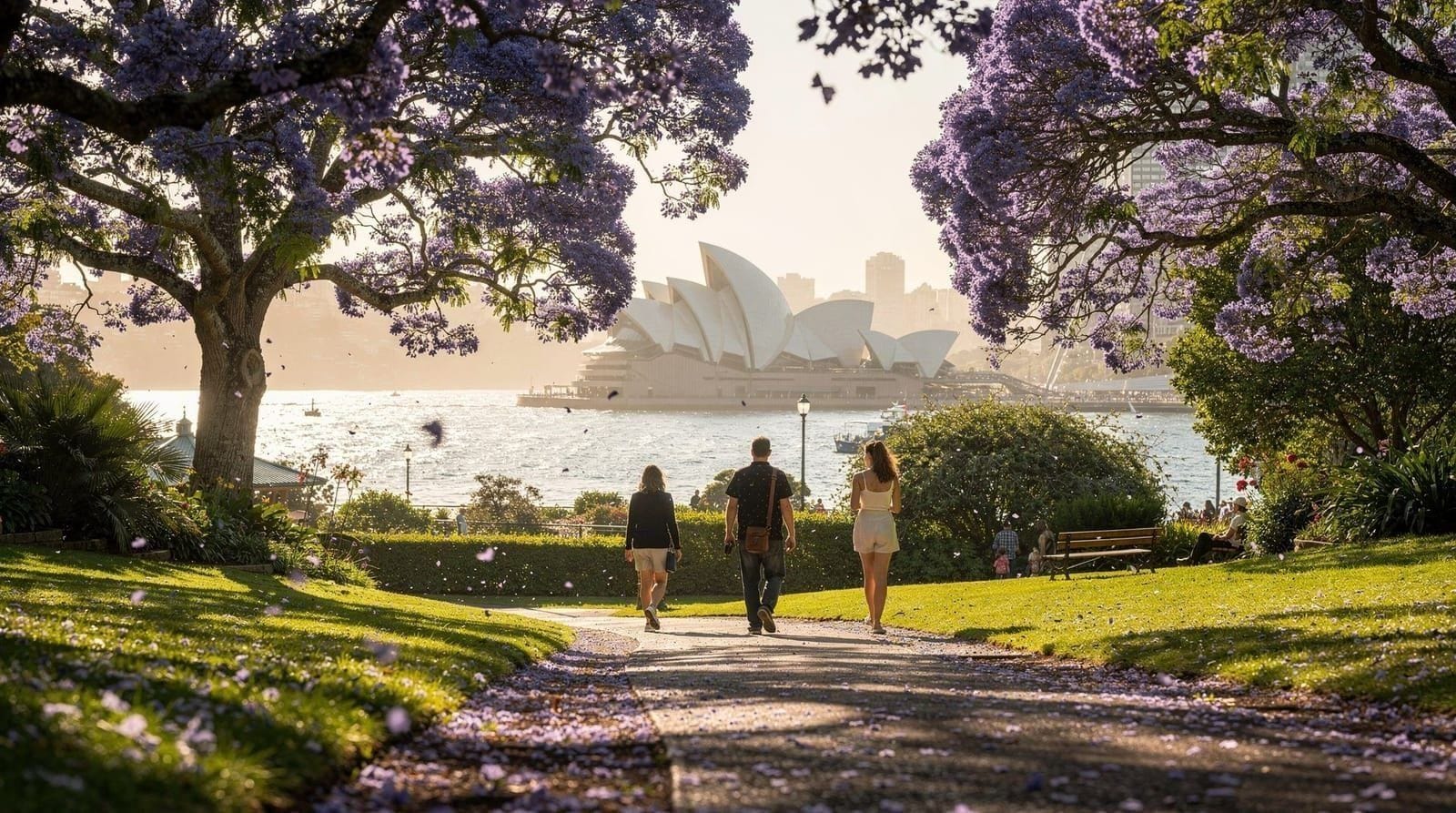
- Ferry commutes that happen to cross one of the world’s most beautiful bodies of water. The morning ferry from Manly to Circular Quay at 7:30 am passes through the heads with the summer light on the cliffs and the sails of the Opera House visible from the approach. People read their phones. Some of them look up.
- Kayak access to coves that are inaccessible from shore. Sydney Harbour kayaking from various launch points gives you reach to beaches and bays that ferries don’t serve.
- Evening harbour swimming at Cremorne Point, Balmoral, and the smaller harbour beaches, when the water is warm from a day of summer sun and the light is doing something spectacular.
If you would rather be on the water than beside it, a sunrise paddle on the harbour puts you out before the ferries fill up and the heat builds. The same logic works at the other end of the day with a sunset kayak on the harbour, when the crowds have thinned and the light is at its best. Both fit the early-or-late rule that runs through this whole guide.
The coastal walk geometry
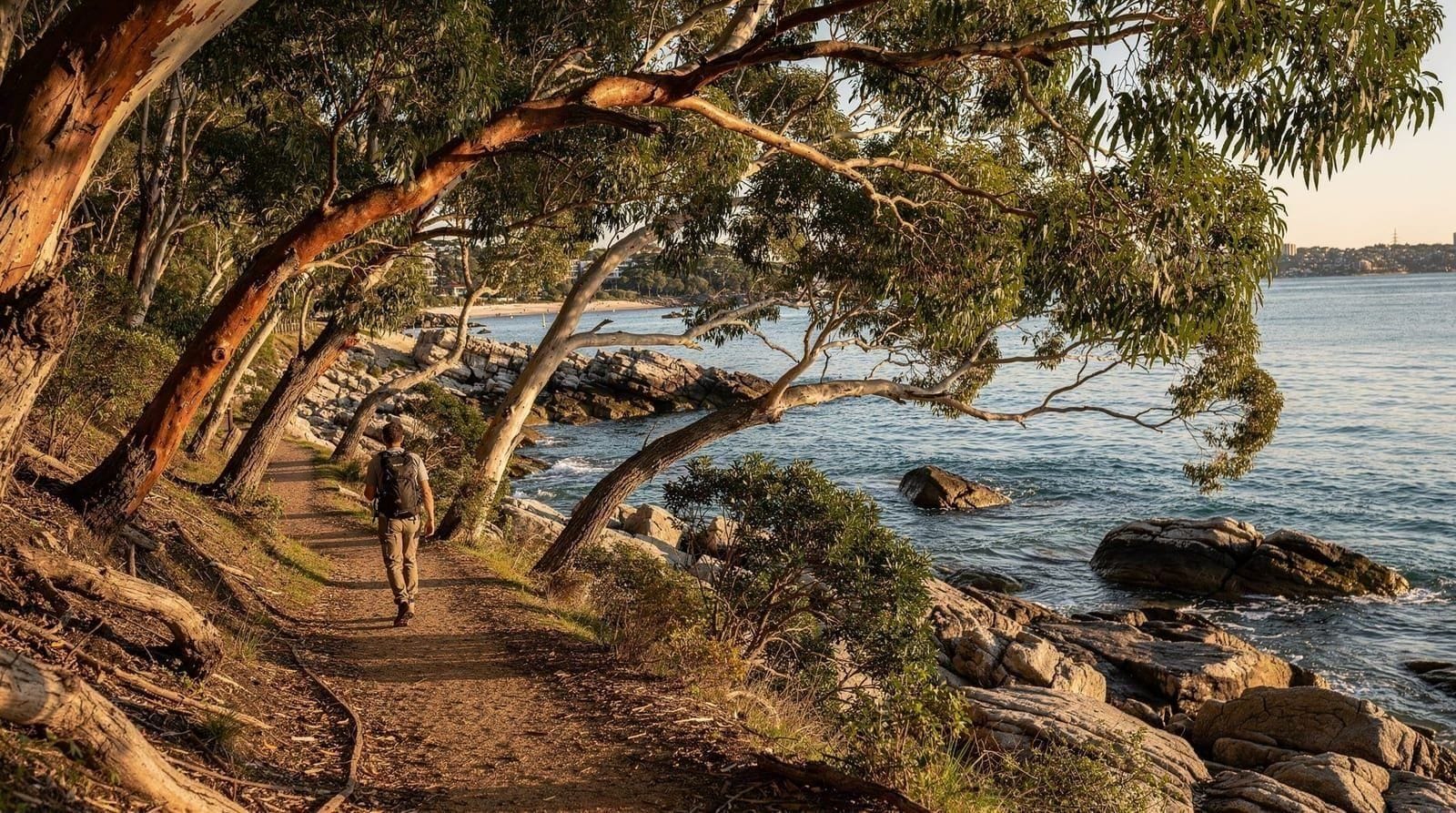
The Bondi to Coogee walk is the most popular coastal walk in the city — 6 km, entirely on paved paths and boardwalks, with the ocean on one side the whole way. In summer, the walk has a very different quality at different hours.
At 7 am it’s runners, early walkers, and people who understand what they’re doing. By 10 am the tourist volume is rising. By 2 pm on a weekend in January it’s shoulder-to-shoulder in the Clovelly section.
The walk in reverse — Coogee to Bondi — is perversely less crowded because most day-trippers start at Bondi and walk south. Starting from Coogee (train to Bondi Junction, bus to Coogee) runs counter to the flow.
A word about New Year’s Eve
NYE fireworks are genuinely spectacular and genuinely require a plan. The best free viewing positions (Mrs Macquarie’s Chair, Milsons Point, Cremorne Reserve) require claiming your spot before noon. The paid options (restaurants, cruise boats, the official ticketed venue areas) require booking well in advance.
The 9 pm family fireworks are less crowded than the midnight show and equally beautiful for photography. If you have children or prefer to be home by 11 pm, the earlier show misses nothing visually significant.
February: the real sleeper month
If you have any flexibility, February in Sydney delivers the full summer without the school holiday density. The Australian school year starts late January/early February, which removes a significant portion of the domestic family travel market. International visitor numbers are lower than January. The beach, the harbour, and the city are all at their most accessible.
The heat in February can be more intense than December and January (late summer), but the accommodation prices drop from their January peak and the beaches are navigable at hours you couldn’t manage in January.
NYE as a case study in crowd management
New Year’s Eve in Sydney is the city’s most crowded single event — a very large crowd across various vantage points for the midnight fireworks. The interesting thing about it from a crowd management perspective is how well-segregated the different experiences are.
The ticketed and paid positions (Bradleys Head at Taronga Zoo, the rooftop venues) require advance booking and have controlled numbers. The free positions (such as Cremorne Point) are first-come physical arrival only but tend to self-sort to sustainable densities because the walking distances from transit keep casual attendees away.
The people who have a miserable NYE in Sydney are usually the ones who attempt the free mid-range positions — the Circular Quay foreshore, the Darling Harbour strip, the Festival gardens at Pyrmont — without understanding the density those attract. The very accessible = very crowded equation is consistent.
The NYE lesson generalises to Sydney summer: where the transit access is easiest, the crowds are thickest. Where getting there requires a ferry plus a walk, or a train plus a bus, the density drops. This is the map to navigate.
The summer swimming infrastructure
Sydney’s ocean pool circuit is arguably the best summer swimming infrastructure of any city in the world. A chain of 60+ ocean pools — seawater pools carved from the coastal rock, flushed by wave action, most of them free to use, a few charging a small entry fee — runs along the eastern and northern suburban coastlines.
The most famous are Bondi Icebergs and Wylie’s Baths (Coogee), but the quieter ones are often better swimming: Malabar Ocean Pool (rarely visited, large, excellent), Mahon Pool (Maroubra, dramatic rock formation), Giles Baths (Coogee, smaller and calmer than Wylie’s), Murray Rose Pool (Double Bay, harbour rather than ocean but sheltered and beautiful).
In summer, the ocean pools solve the surf anxiety problem entirely. The water is the same temperature as the ocean, the environment is less hostile for children and inexperienced swimmers, and the pools are genuinely pleasant — not consolation prizes for people who can’t handle the surf but independent experiences worth seeking out.
See Sydney ocean pools for the full circuit with access details.
What January is actually good for
In the honest accounting: January in Sydney is best for evening culture, not daytime beach. The city’s theatre and concert venues run a summer program that’s often excellent — the Sydney Festival (running through January) brings international acts to the Opera House, the Domain, and various indoor venues. Outdoor concerts in the Domain are free and genuinely high quality in good years.
The combination of a morning swim at an ocean pool (before the crowds), a cool indoor activity mid-day (gallery, cinema, museum), and an evening event (concert, outdoor film screening, harbour dinner) is the actual template for a good January Sydney day. The tourists who go to Bondi at noon and expect it to be relaxing are solving the wrong problem.
The post-Christmas window (26 December – 7 January)
The one period that contradicts almost everything above: Christmas to New Year’s is both crowded and expensive, but it’s also the most festive. The Boxing Day Test at the SCG is an Australian institution and the atmosphere around Moore Park is specific and worth experiencing even if you don’t care about cricket. The NYE fireworks justify the investment in planning. The Sydney Festival events in the first week of January are worth checking before dismissal.
The advice for this window is not to avoid it but to plan in unusual detail. Accommodation booked in advance, restaurants with reservations, transit plans in place. The city is running at maximum capacity and maximum energy simultaneously. It’s exhausting and often extraordinary.
For more on seasonal planning: best time to visit Sydney, Sydney in summer, and the three-day first-timer itinerary.
Sydney summer month by month
| Month | Weather | Crowd level | Notes |
|---|---|---|---|
| December | Warm, building humidity, occasional storms | Very high from mid-month | School holidays start late Dec; Christmas/NYE window is the single busiest fortnight of the year |
| January | Hot, most humid month alongside Feb | Peak — highest of the year | Sydney Festival runs through the month; beaches and ferries at capacity on weekends |
| February | Hottest, sticky, but school holidays over | Noticeably lower | Best value month for accommodation with genuinely full summer weather |
Where this leaves a first-time visitor
If you only have a few days and summer is your window, the honest move is to anchor your trip around water — a morning swim, a ferry somewhere, an ocean pool session — rather than trying to “see” the beaches the way a checklist suggests. The Bondi Beach guide and the best beaches roundup are useful for picking a shortlist, but the timing advice above matters more than which beach you choose. A Cronulla day trip on the train is also a reliable way to get summer Sydney without the CBD-adjacent crush.
Quick answers on timing
Is Sydney summer too crowded to bother visiting in January? No — it’s the most crowded month, but the crowding concentrates at specific times and places (main beaches, 10am–4pm, Circular Quay on NYE). Shift your clock and your beach choice and the crowding largely disappears.
Which is better for a first visit, December or February? February, if your dates are flexible. You get the same heat and water quality with school holidays over and accommodation prices down from their January peak.