Sydney Harbour kayaking guide
Sydney: Harbour sunrise kayak tour
Duration: 2 hours
Can beginners kayak Sydney Harbour?
Yes — all commercial kayak tours on Sydney Harbour use sit-on-top kayaks that are stable and require no prior experience. Guides provide a full safety briefing and paddle technique before launching. The harbour is generally calm in the mornings and early evenings, which is when most tours run. You do not need to be a strong swimmer, but being comfortable on water helps.
At a glance
| Where | Launches mostly from McMahons Point, Milsons Point, or Blues Point Reserve |
| Cost | See the tour operator’s official website for current prices |
| Time needed | 2 hours on the water; half a day with brunch |
| Getting there | Ferry from Circular Quay to McMahons Point (15 min), or train to North Sydney |
| Best time | Sunrise for calm water and light; autumn for the most stable conditions |
Kayaking Sydney Harbour is one of the most underrated active experiences in the city. While the vast majority of visitors photograph the Opera House and Harbour Bridge from the land-side promenades, a two-hour guided paddle puts you level with the water, inches from the shoreline, with an unobstructed view of both icons from angles that no deck, roof terrace, or ferry can replicate.
This guide covers every operator format, the best time slots, realistic costs, physical requirements, and what actually happens on a harbour kayak tour — so you can decide whether it fits your Sydney itinerary.
Why kayak the harbour specifically?
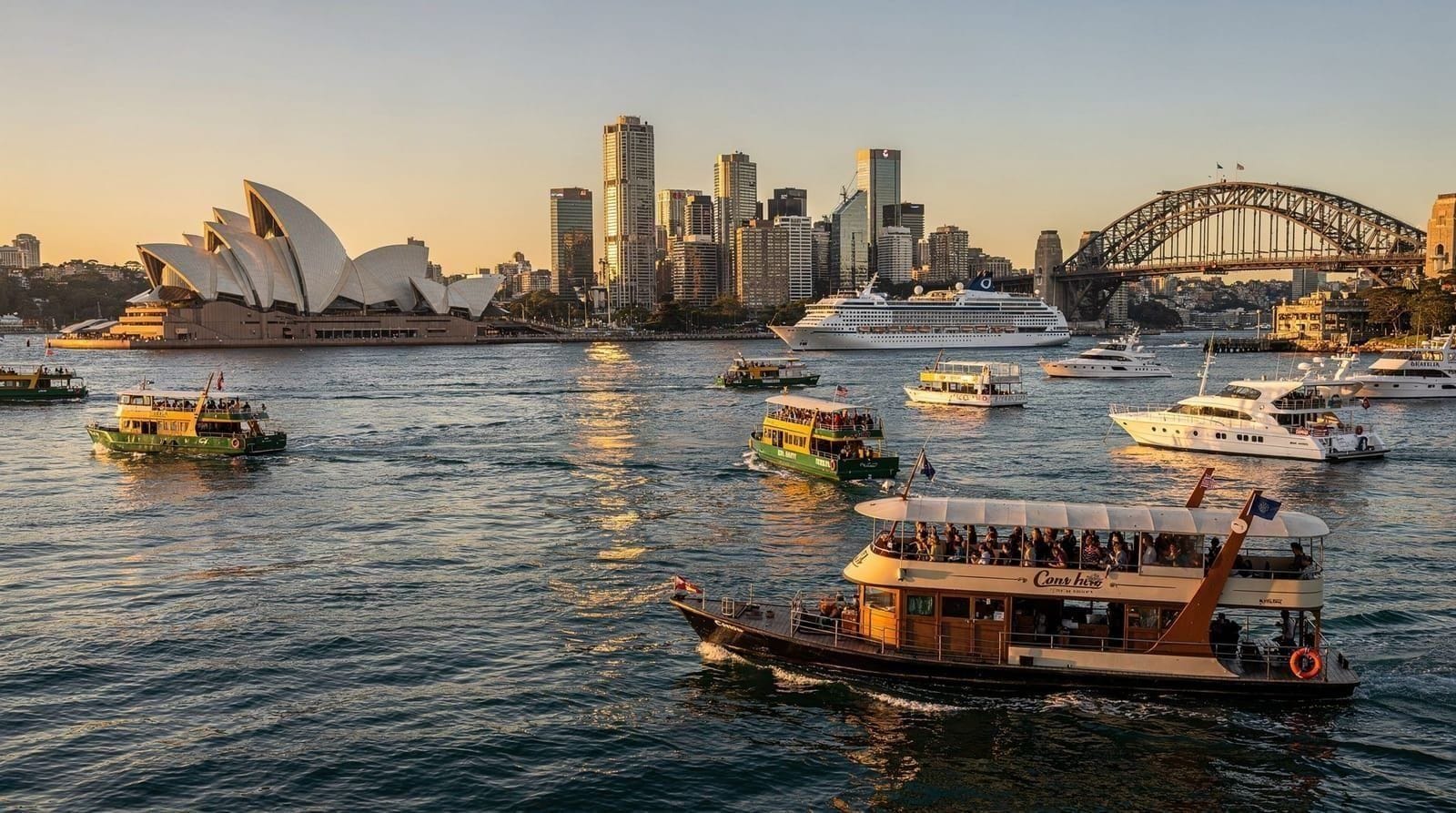
Sydney Harbour (formally Port Jackson) is a drowned river valley covering 55 square kilometres, with 317 km of foreshore including beaches, sandstone cliffs, bush reserves, and heritage islands. From a kayak, you access stretches of the waterway that ferries and cruise boats bypass — coves, rocky points, and the underside of the Harbour Bridge itself.
The commercial kayak routes almost all focus on the central harbour corridor between Milsons Point (North Shore) and Circular Quay, covering the Harbour Bridge and Opera House within a 3–5 km circuit. This is the most scenic section and the most photographed waterway in Australia.
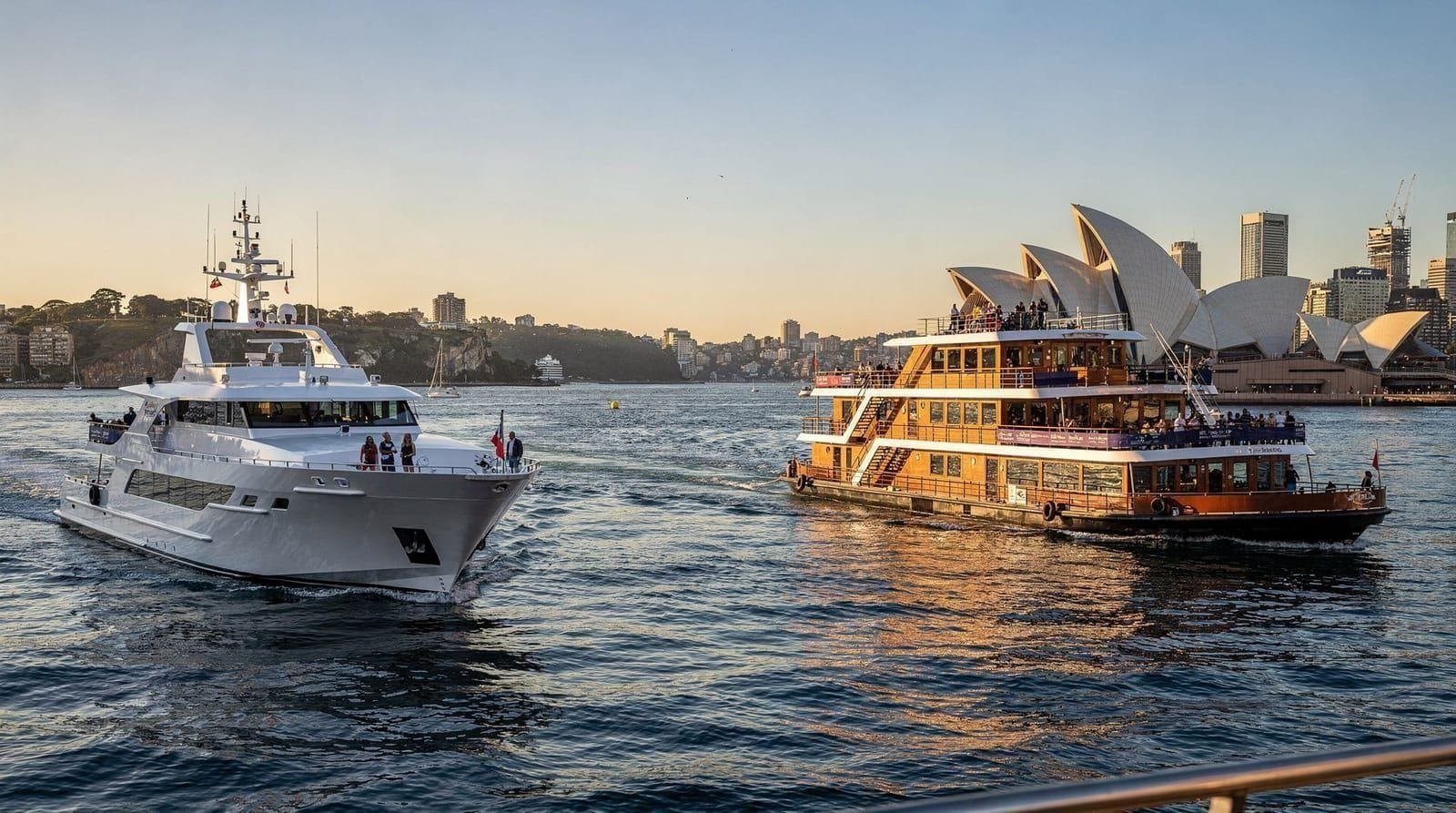
For a different perspective on the harbour, compare kayaking with the Sydney harbour cruise options — the cruise gives you comfort and commentary; the kayak gives you physical immersion and photography flexibility.
Guided tours: operators and routes
Sunrise kayak tours
The most popular format. Most operators launch around 6:30 am from a point on the North Shore (usually Blues Point Reserve in McMahons Point or near Milsons Point Wharf) and paddle south and east toward the Harbour Bridge and Opera House. The round trip covers approximately 5–7 km over 2 hours.
A Sydney Harbour sunrise kayak tour is the benchmark option — designed for the flattest water and best light. Most reviews highlight the experience of paddling under the Harbour Bridge arch at water level as the trip highlight, followed by the opera-house view from the eastern harbour. Guides provide narration on harbour history and point out resident bird life (cormorants, pelicans, and occasionally dolphins in the deeper sections).
Price: see the tour operator’s official website for current prices.
Kayak under the Harbour Bridge with Opera House views
The sunrise kayak past the Opera House under the Harbour Bridge combines both major landmarks in a single circuit. This tour launches from the north side and arcs across to the Opera House forecourt before returning — a route of about 6 km in 2 hours. Suitable for beginners; no prior experience required.
The guide ratio on most tours is approximately 1:8 — guides are competent at keeping the group together without making it feel like a military exercise.
Sunset kayak tours
Evening paddles depart around 5–5:30 pm, depending on sunset time (sunset in Sydney ranges from 5 pm in June to 8 pm in January). A sunset kayak on Sydney Harbour suits travellers who prefer to sleep past 6 am. Wind is typically stronger in the afternoons than at dawn, so expect slightly more effort paddling. The light in the final 30 minutes before sunset is photogenic in a different way from sunrise — warmer and more dramatic sky conditions.
Not recommended in strong southerly or northerly winds. Operators check forecasts and may reschedule.
Kayak and brunch tours
Some operators combine a morning harbour paddle with a seated brunch at a waterside café — typically a 4-hour experience including 2 hours on the water and 1.5 hours at the venue. The route is usually the standard Opera House circuit, adding a social dimension to the morning.
A guided kayak tour with harbour brunch is popular for special occasions and travellers who want the active experience followed by a relaxed recovery. The café quality varies by operator — read recent reviews before booking to confirm the food component meets expectations.
Goat Island tours
Goat Island (Memel in Cadigal language) sits roughly in the middle of the central harbour, about 3 km west of the Harbour Bridge. The island served as a shipyard, gunpowder magazine, and quarantine station through the 19th century and is now a heritage-listed reserve managed by NSW National Parks. Several operators run guided paddles to the island, with optional time ashore.
The route is longer than the standard Opera House circuit and involves some open-water crossing. It suits intermediate paddlers or beginners willing to put in slightly more effort. Book through GYG for guided versions.
Launch points
Most commercial tours launch from the North Shore (McMahons Point, Milsons Point, or Blues Point Reserve) because the north side gives a clear paddle south with both Opera House and Harbour Bridge in sight. A smaller number of operators launch from Darling Harbour or Walsh Bay.
To get to McMahons Point from the CBD: Ferry from Circular Quay to McMahons Point Wharf (15 minutes), or train to North Sydney and walk 10 minutes. Operators generally provide meeting point details at booking — allow extra travel time if going early for a sunrise session.
Who kayaking suits — and who it does not
Kayaking on the harbour suits most adults and teenagers who are reasonably comfortable near water. Sit-on-top kayaks are stable — harder to capsize than a recreational canoe. You do not need to know how to swim, but you should be comfortable wearing a life jacket in open water.
Not ideal for: very young children under 7 (check the operator’s minimum age); travellers with significant upper body strength limitations; anyone prone to seasickness (the harbour can be choppy in afternoon wind).
Families with children should check the minimum age policy with the specific operator before booking. Most dawn tours are adult-oriented.
Physical effort and what to expect
A standard 2-hour harbour kayak involves roughly 5–7 km of paddling on sit-on-top kayaks. The effort level is moderate — similar to a brisk walk. Guides set a pace that accommodates the slowest paddler in the group. Most participants are not sore afterward; some have mild shoulder fatigue the following day if they are not accustomed to paddling.
Expect to get some water on you from splashing and from ferry wake. In summer this is pleasant cooling; in winter (June–August) it is cold. Wear layers and a windproof outer for winter sessions.
Booking and cancellation
Most operators run tours daily, weather permitting. Bookings are confirmed 24 hours in advance pending weather checks. Cancellations due to unsafe conditions are typically rescheduled or refunded. Book via the GYG listings for best pricing and secure payment; some operators also take direct bookings via their own websites for a slightly lower commission-free rate.
Peak periods (December–January, Easter, school holidays in July) fill quickly. Book at least 48 hours in advance for sunrise slots.
How kayaking compares with other harbour activities
| Activity | Duration | Price range (AUD) | Effort | Best for |
|---|---|---|---|---|
| Sunrise kayak | 2 hrs | See operator | Moderate | Active, photography |
| Sunset kayak | 2 hrs | See operator | Moderate | Flexible schedule |
| Harbour cruise (sightseeing) | 1.5 hrs | See operator | None | Families, all ages |
| Dinner cruise | 2 hrs | See operator | None | Romance, food focus |
| Jet boat | 30–45 min | See operator | Minimal | Adrenaline, short day |
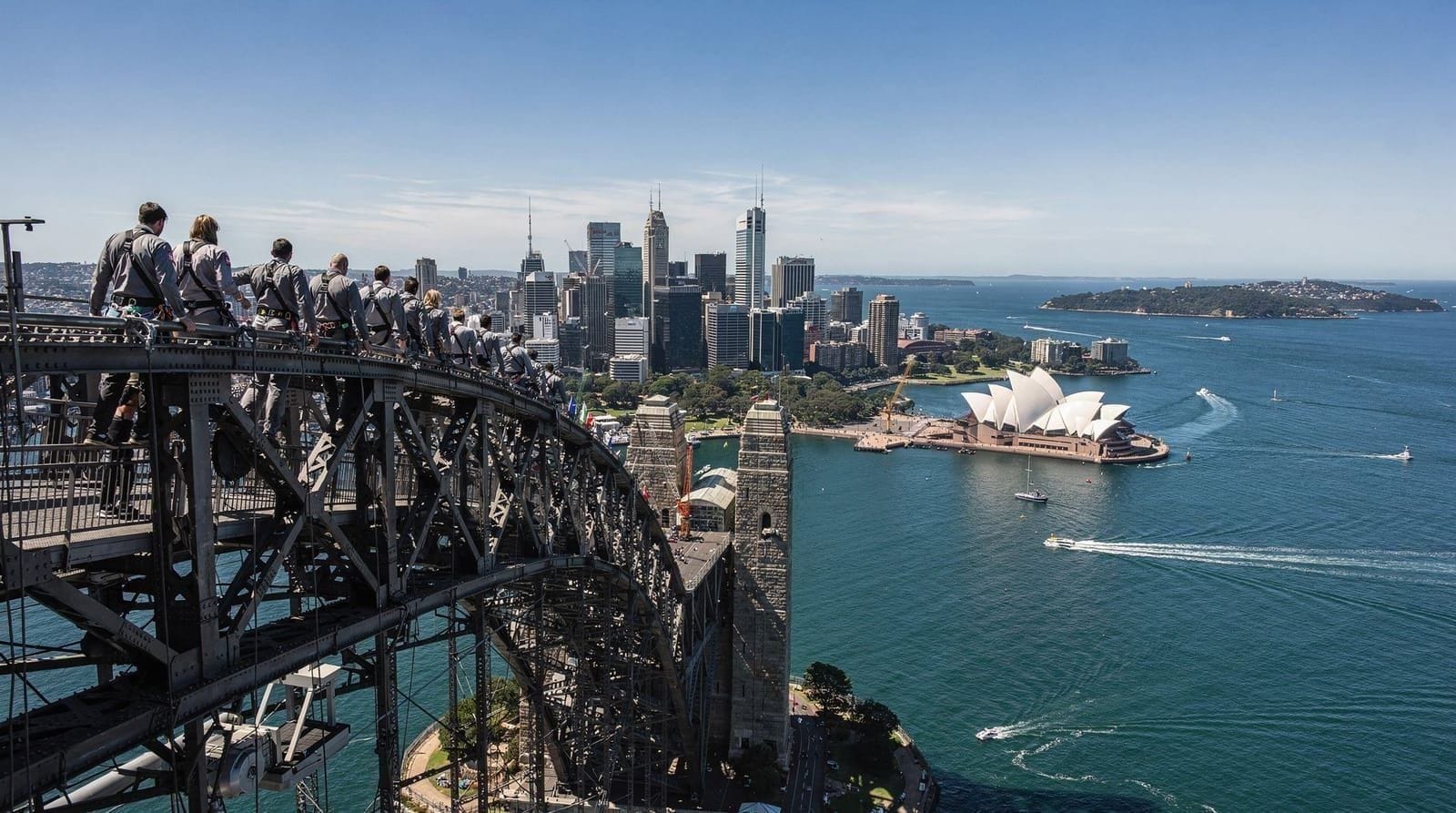
| BridgeClimb | 3 hrs | See operator | Moderate | Bucket list, views |
For the comparison between kayak and jet boat in detail, see the jet boat vs sailing guide. For BridgeClimb vs the free Pylon Lookout alternative, see BridgeClimb vs Pylon Lookout.
Photographing the harbour from a kayak
The harbour kayak is an exceptional photo opportunity, but the window for iconic images is narrow. Tips:
- Use a waterproof phone case or a dry bag with a clear pocket. Salt spray and accidental dips are real risks.
- The best Opera House + Harbour Bridge dual shot occurs when you are directly in front of the opera house on the water, approximately in line with Bennelong Point — your guide will signal this.
- Sunrise: shoot east for the light on the Opera House and north for the bridge. Arrive at least 15 minutes before sunrise on the water.
- The ferry traffic from about 7 am creates wake that makes stable shots harder — use burst mode.
Seasonal guide
Autumn (March–May) — best overall conditions. Water temperature around 20–22°C, stable mornings, mild air (18–24°C). Low wind frequency. March is ideal.
Winter (June–August) — glassy, still mornings common but cold (air 10–15°C, water 17°C). Dress warmly. Fewer crowds; operators sometimes offer modest discounts. Excellent for photography: crisp air, moody light.
Spring (September–November) — variable conditions; spring southerlies can delay sunset tours. Mornings generally fine. Comfortable temperatures.
Summer (December–February) — popular and warm. Morning slots are best (afternoons can be windy and choppy). Book well ahead.
Getting the most out of a harbour kayak day
Combine the kayak with other water-level experiences for a full day on the harbour. A morning kayak pairs naturally with an afternoon ferry ride to Manly or Watson’s Bay, giving you the harbour from multiple perspectives. See the Sydney ferry guide for the best routes.
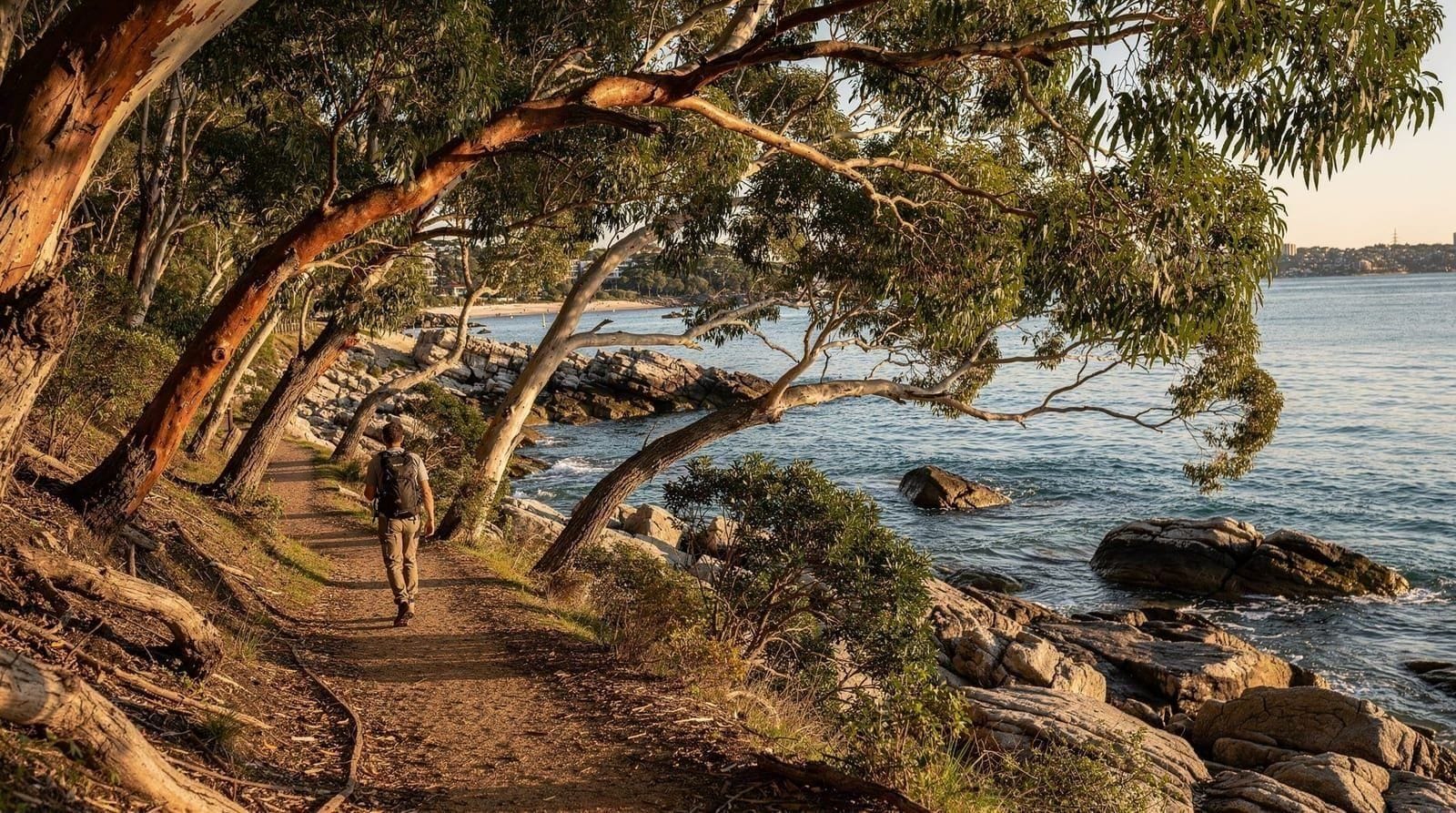
For an overview of all active adventures around Sydney beyond the harbour, see the Sydney coastal hikes guide and the complete adventure activities hub.
How kayaking fits into a wider Sydney visit
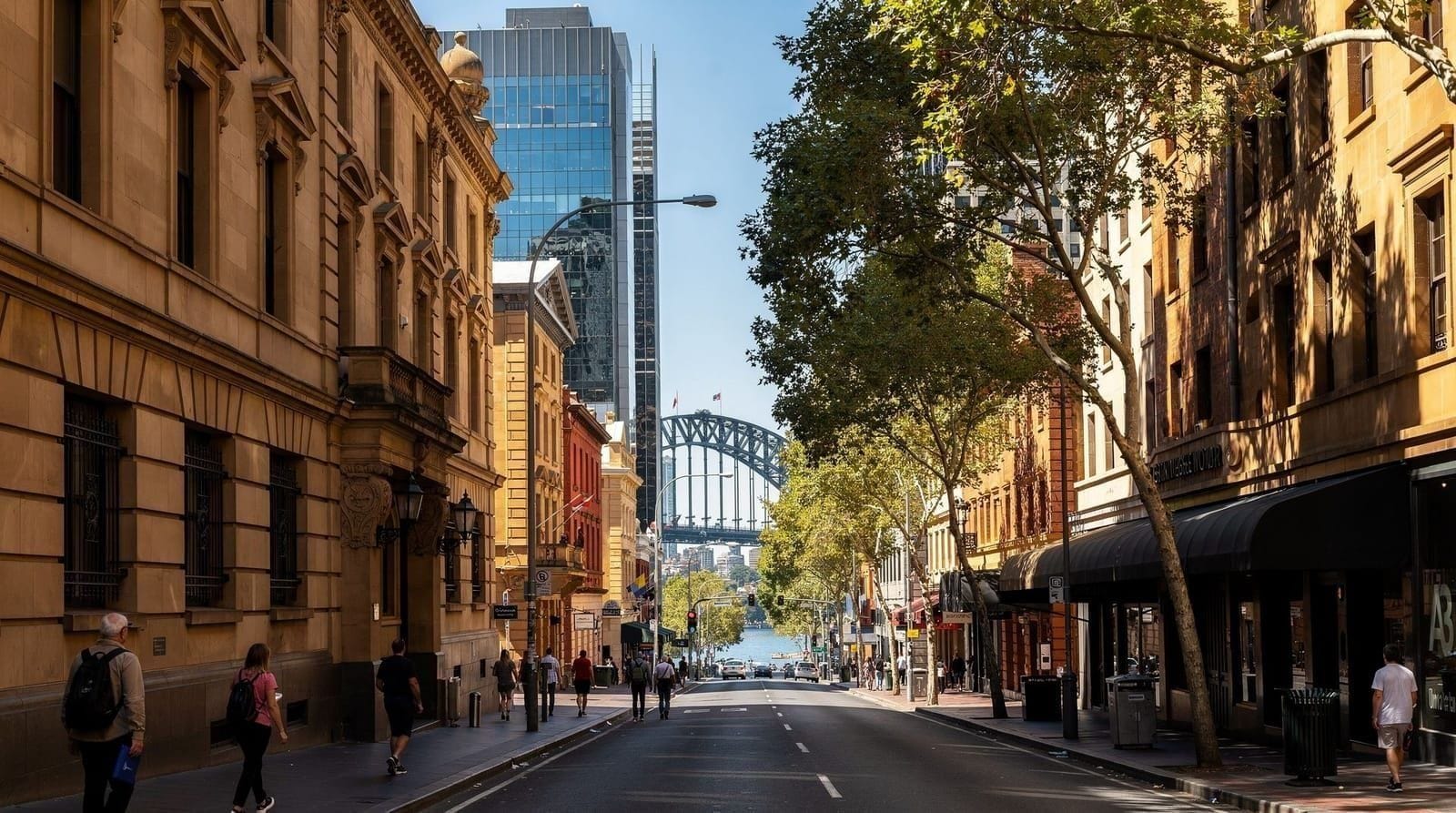
Most guided kayak tours run early morning, which makes them easy to combine with a full day of sightseeing afterward — you’re typically back on land by 8:30–9:30am even on a sunrise slot. Pair it with a Harbour Bridge walk or a visit to The Rocks in the same morning, since you’re already on the water’s edge near Circular Quay. For a first Sydney visit trying to decide how much time an activity like this deserves, see the Sydney for first-timers guide — kayaking sits in the “good but not essential” tier for most travellers, ahead of it for anyone who specifically wants an active, on-water morning.
If the Harbour Bridge is the main draw, comparing the kayak route with BridgeClimb is worth doing before booking either — the climb gives you height and the arch experience, the kayak gives you water level and the underside of the structure. Both are genuinely different, not competing versions of the same view.
Planning the rest of your harbour morning
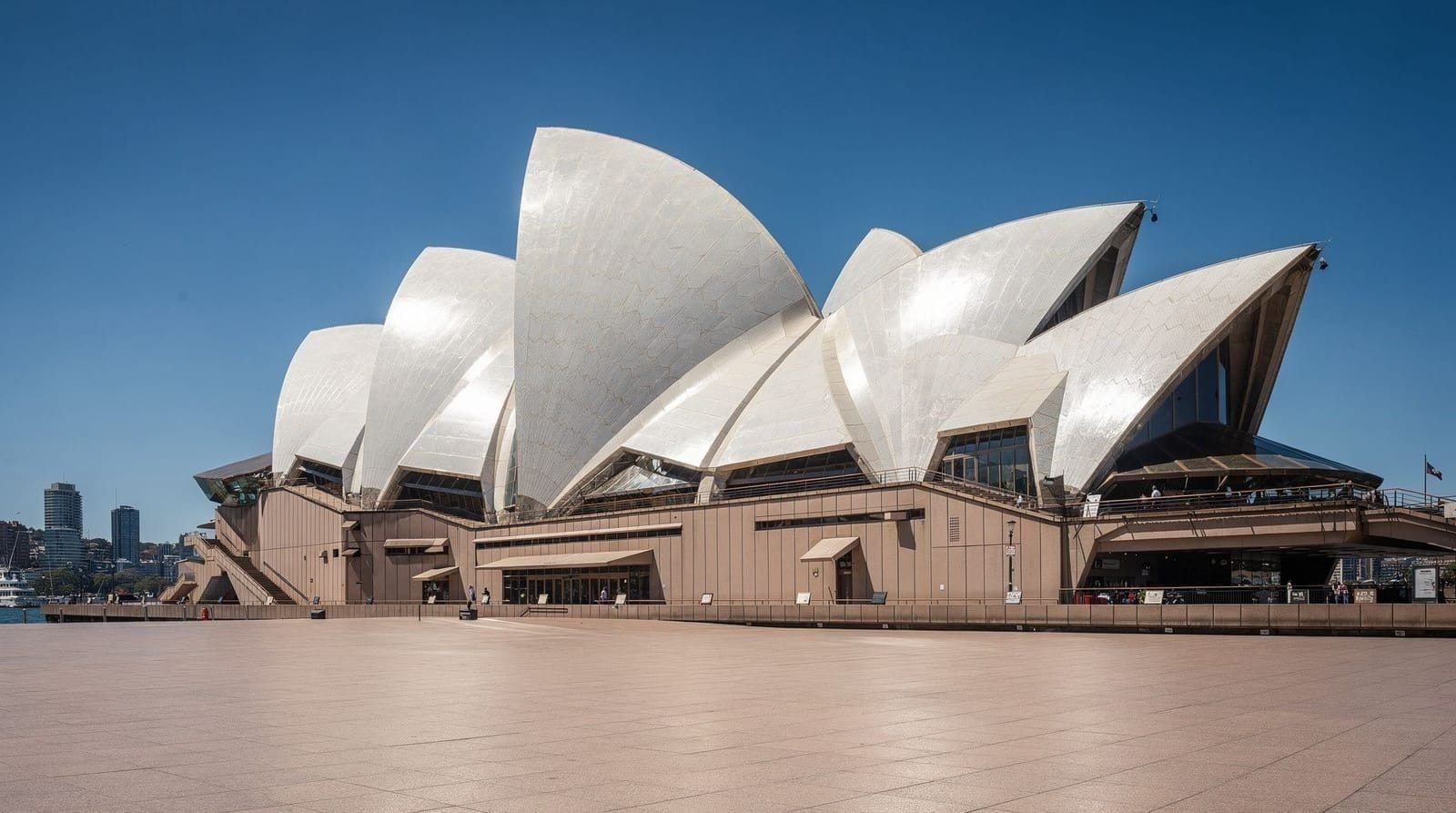
A paddle on the water pairs well with time on the shore afterwards. If you want to understand the landmarks you have just seen from below, the Sydney Opera House guide and the Harbour Bridge guide explain what to look at once you are back on land. Circular Quay and The Rocks sit right beside the water and make an easy next stop for a coffee and a walk.
Travellers who prefer to stay dry in the evening can look at sunset harbour cruises as a gentler alternative to the evening paddle. For the wider setting of the waterway you have been paddling, the Sydney Harbour destination page gives the bigger picture of its bays and foreshore.
If you are deciding when to go, the best time to visit Sydney guide helps you weigh weather against crowds, and the Sydney weekend in 48 hours itinerary shows how an early paddle can slot into a short stay without crowding out the rest of your plans.
Frequently asked questions about Sydney Harbour kayaking
Do I need to bring my own kayak?
No — all guided tours provide kayaks, paddles, life jackets, and dry bags. Some operators also provide splash jackets for cooler months. You need only bring clothing suitable for getting wet, sunscreen, and a secured phone if you want photos.
How far in advance should I book?
For weekend and sunrise slots in peak season (December–April), book 3–5 days in advance. Weekday slots in winter are often available 24 hours before. Cancellation policies typically require 48 hours notice for a full refund.
Can I do a self-guided kayak hire on the harbour?
Self-guided kayak hire directly onto the main harbour (with its ferry traffic) is not generally offered by commercial operators for safety reasons. A few operators in sheltered bays north of the harbour (Manly area, Middle Harbour) offer self-guided hire in calmer water. For the central harbour circuit past the Opera House, a guided tour is the practical option.
What types of kayak tours are available on Sydney Harbour?
Tours run at sunrise (typically 6:30–8:30 am), morning (8:30–10:30 am), sunset (5:30–8 pm), and as combined kayak-brunch experiences. Routes vary — the most popular circuit paddles past the Opera House and under the Harbour Bridge, usually launching from near Milsons Point or Blues Point Reserve. Some tours head to quieter bays like Goat Island or Balls Head Bay.
How much does a Sydney Harbour kayak tour cost?
Check the tour operator’s official website for current prices. The kayak-plus-brunch option includes a café stop at a waterside venue. Solo kayak hire without a guide is harder to find centrally — most operators are tour-based for safety on the harbour.
Is the Harbour Bridge kayak tour worth it?
Paddling under the Harbour Bridge at water level is a genuinely different experience from any land-based view — you see the bridge’s understructure, the ferry traffic, and the Opera House from an angle most visitors never reach. Sunrise is the best time, with orange light on the sandstone and (usually) minimal wind on the water. The experience itself is worth it for anyone active.
What should I bring on a Sydney Harbour kayak tour?
Wear clothing you do not mind getting wet — splash is inevitable even in calm conditions. Bring sunscreen (SPF 50+, UV is high on open water), a hat, and sunglasses with a strap. Most operators provide life jackets, paddles, and dry bags for your phone and wallet. Leave valuables at the hotel.
Is kayaking available year-round on Sydney Harbour?
Tours operate year-round. Summer (December–February) has warm air and water, but afternoon winds can make the harbour choppy — morning and sunrise tours are recommended. Autumn (March–May) is the most comfortable season with stable conditions. Winter (June–August) is cool (water around 17°C) but mornings are often glassy-calm. Tours may be cancelled in high winds or dangerous conditions.
Are there kayak tours that go to Goat Island?
Yes — some operators run guided paddles to Goat Island (Memel), a heritage island in the middle of the harbour historically used as a quarantine station and gunpowder store. The paddle is about 3 km each way from Blues Point. These tours are less common than the Opera House circuit but offer a quieter, more historically interesting route.
Can I kayak to the Opera House?
You paddle near the Opera House — close enough for excellent photos — but landing on the forecourt is not permitted. The kayak route passes the eastern side of Circular Quay, giving clear sightlines to both the Opera House and the Harbour Bridge from the water. It is the closest most visitors get to both landmarks simultaneously.
What is the difference between a sunrise and sunset kayak tour?
Sunrise tours (around 6:30 am) offer low-angle golden light, calm water, minimal boat traffic, and the satisfaction of watching the city wake up from the water. Sunset tours (from 5:30 pm) have better weather insurance — you can see the sky darkening over the harbour — but afternoon sea breezes can create some chop. Most experienced paddlers prefer sunrise; sunset suits those who cannot face a pre-7 am alarm.
Top experiences
Bookable activities with verified prices and instant confirmation on GetYourGuide.
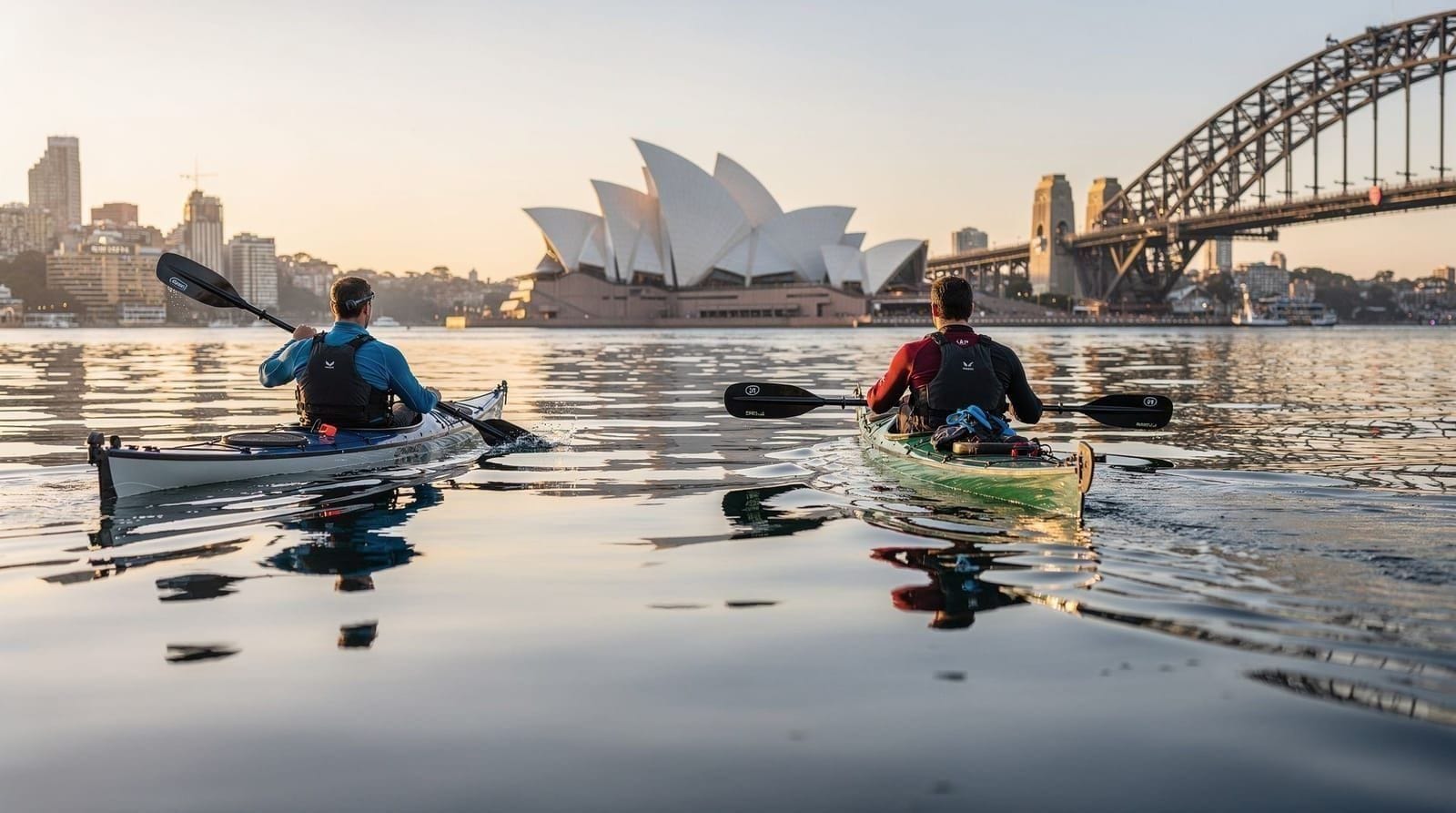
Sydney: Harbour sunrise kayak tour
Sydney: Sunrise kayak Opera House under Harbour Bridge
Sydney: Sunset kayak tour on Sydney harbour
Sydney: Opera House and harbor kayak guided tour with brunch
Sydney: Kayak to goat island at the heart of Sydney harbour