Sydney vs Melbourne — an honest comparison for travellers
Sydney: Blue Mountains 3 rides no lunch day tour
Is Sydney or Melbourne better to visit?
Sydney has the stronger natural settings — the Harbour, Bondi Beach, Blue Mountains, and a more reliable climate. Melbourne has the stronger cultural scene — galleries, live music, laneways, food diversity, and better access to great wine regions nearby. Both are world-class cities; the better choice depends on what you want from a trip.
The Sydney–Melbourne rivalry is Australian shorthand for a comparison that matters to millions of visitors each year. Both cities are international-calibre destinations, both are expensive by regional standards, and both have genuine strengths the other cannot match. The honest answer to “which is better” is that they are different cities with different personalities — the right choice depends entirely on what you want from a visit.
This guide compares them on the factors that matter most to travellers: natural settings, culture, food, transport, cost, day trips, and who each city suits best.
At a glance
| Sydney | Melbourne | |
|---|---|---|
| Strongest suit | Harbour, beaches, natural scenery | Food, coffee, arts, laneways |
| Mid-range daily cost | around AUD 180–250 | around AUD 180–250 |
| Flight between them | ~1.5 hours, fares vary by date | ~1.5 hours, fares vary by date |
| Best day trips | Blue Mountains, Hunter Valley | Yarra Valley, Great Ocean Road |
| Best for families | Slightly ahead (beach access) | Good, less beach-focused |
How to use this comparison
Read the verdicts below as tendencies, not rules. Travellers who love cities for their streets and cafés often rate Melbourne higher, while those who want to swim before breakfast and watch ferries cross a harbour at sunset tend to fall for Sydney. If you are still undecided, our more conversational take, Sydney vs Melbourne: the debate, shows how the argument plays out between people who have lived in both. For the Sydney side of the trip, when to visit Sydney helps you decide which season suits the experience you want.
Natural setting and scenery
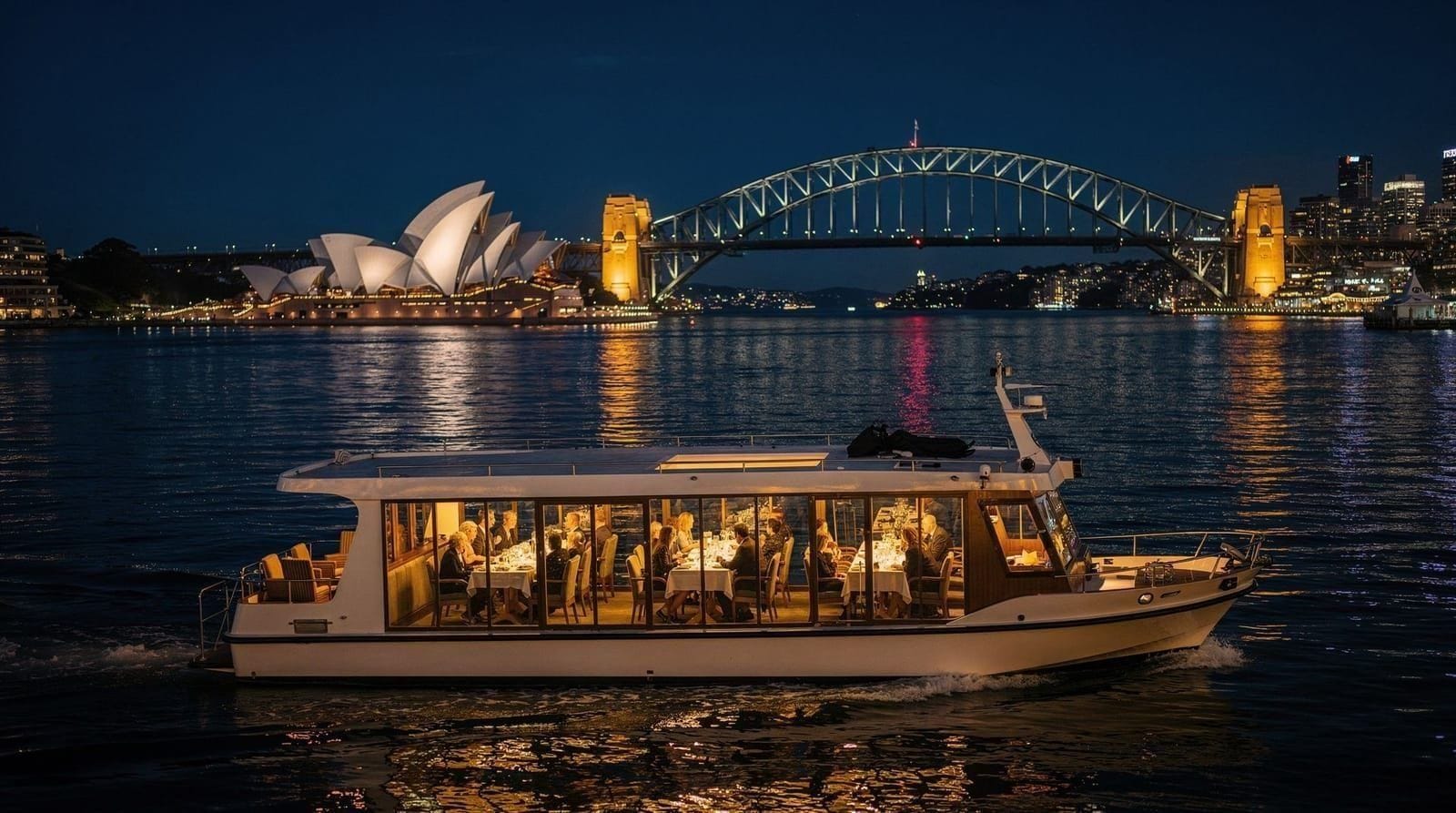
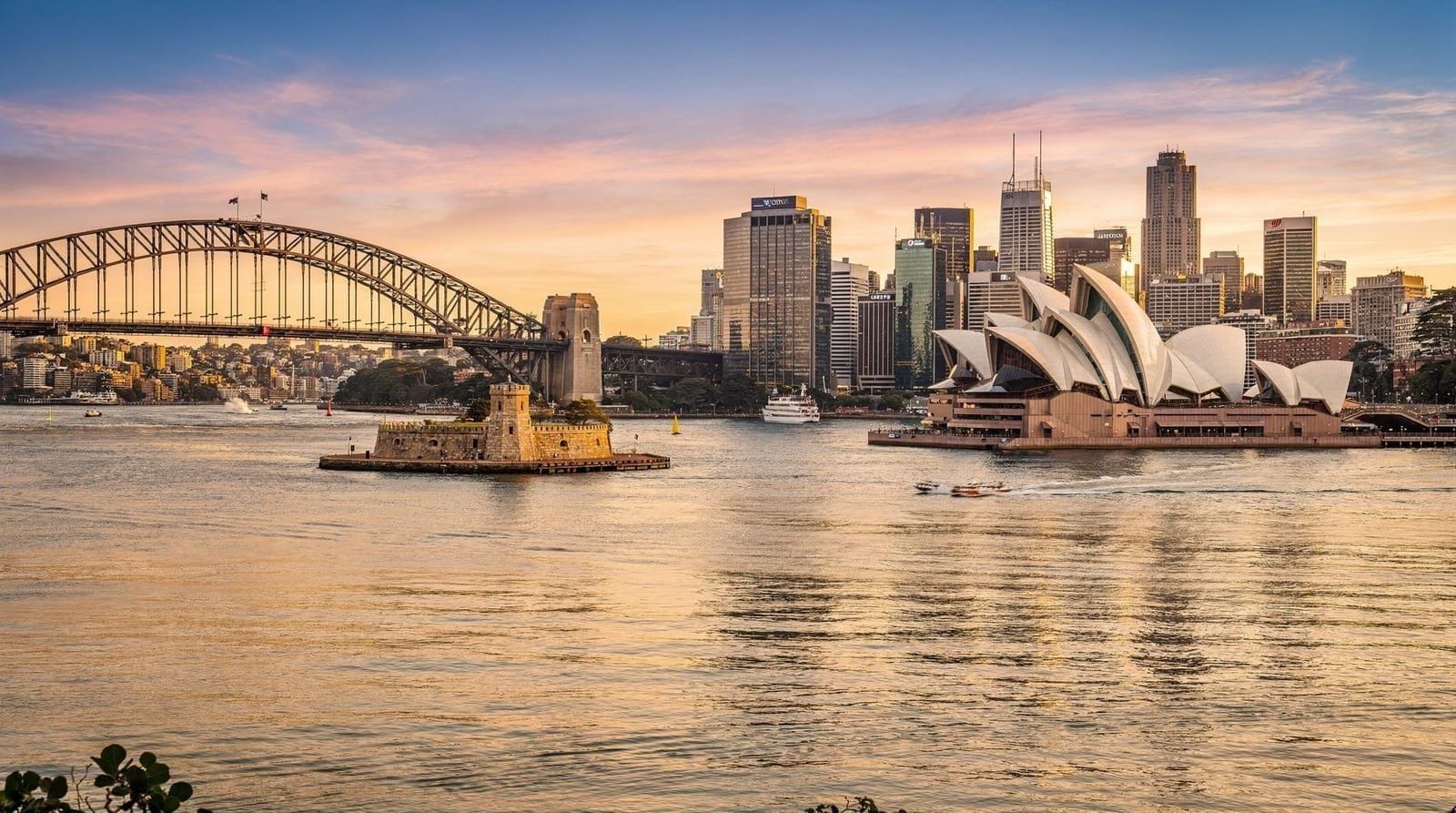
Sydney has the clearest advantage here. Sydney Harbour — the world’s largest natural harbour — frames the city in a way that no other Australian city can match. The Sydney Opera House and Harbour Bridge are instantly recognisable, but the broader harbour geography (30+ beaches within the harbour, ferry routes, the North Head and South Head headlands, islands accessible by public ferry) gives the city a natural setting that Melbourne simply does not have.
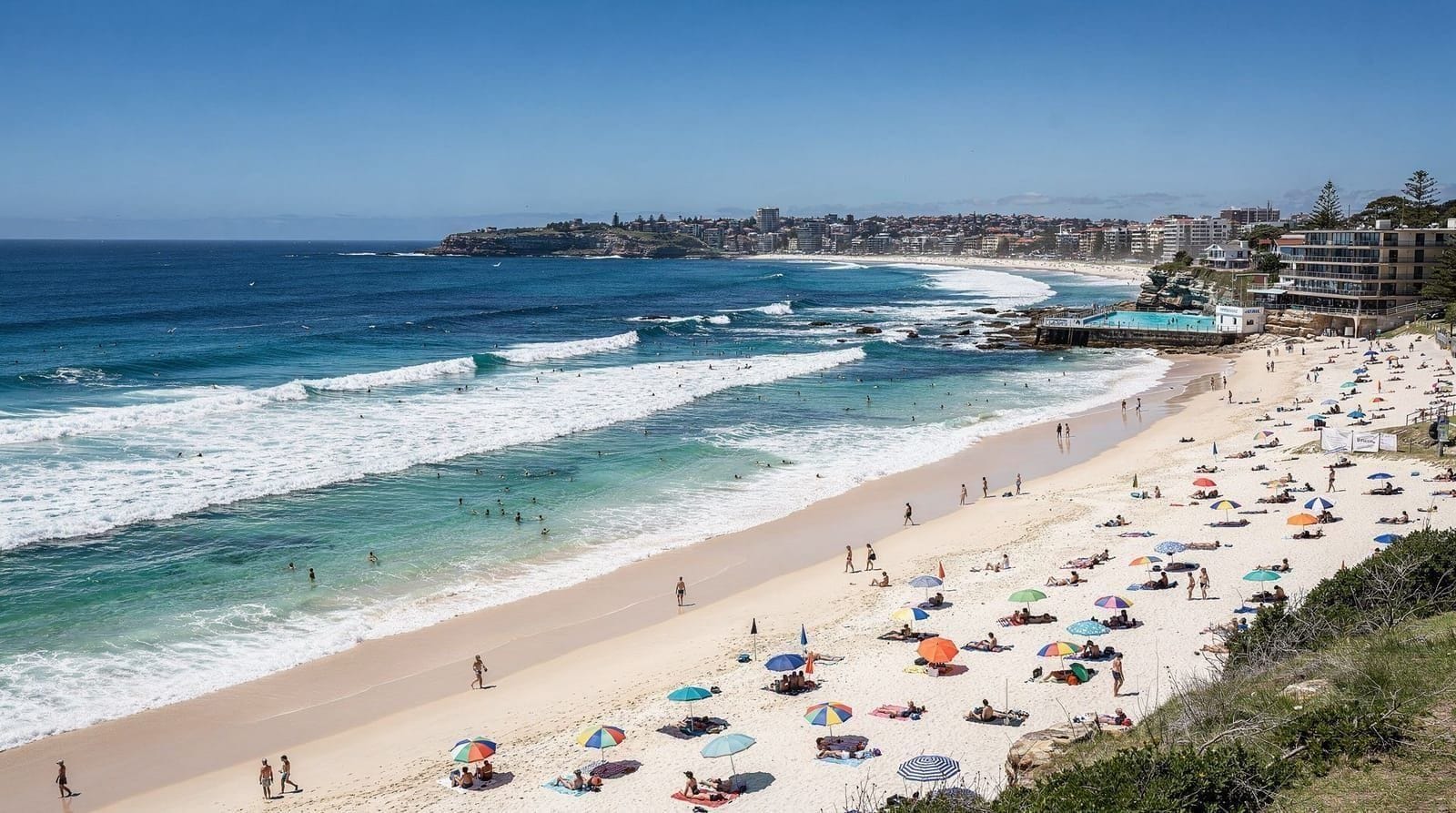
Sydney’s ocean beaches are exceptional. Within an hour of the CBD: Bondi, Manly, Palm Beach, Cronulla, and dozens more. The Bondi to Coogee walk and the Manly Beach ferry experience are activities without direct Melbourne equivalents.
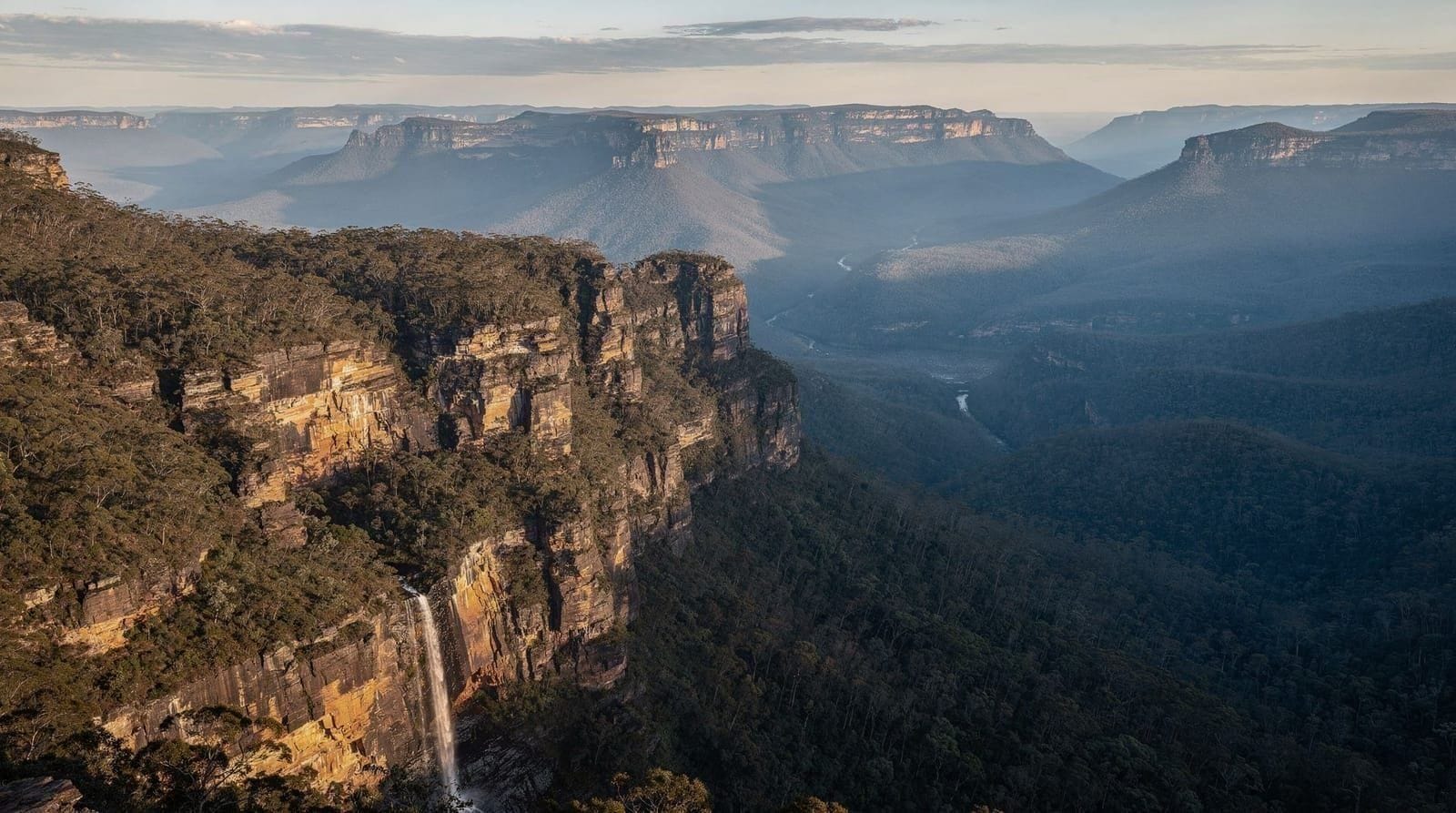
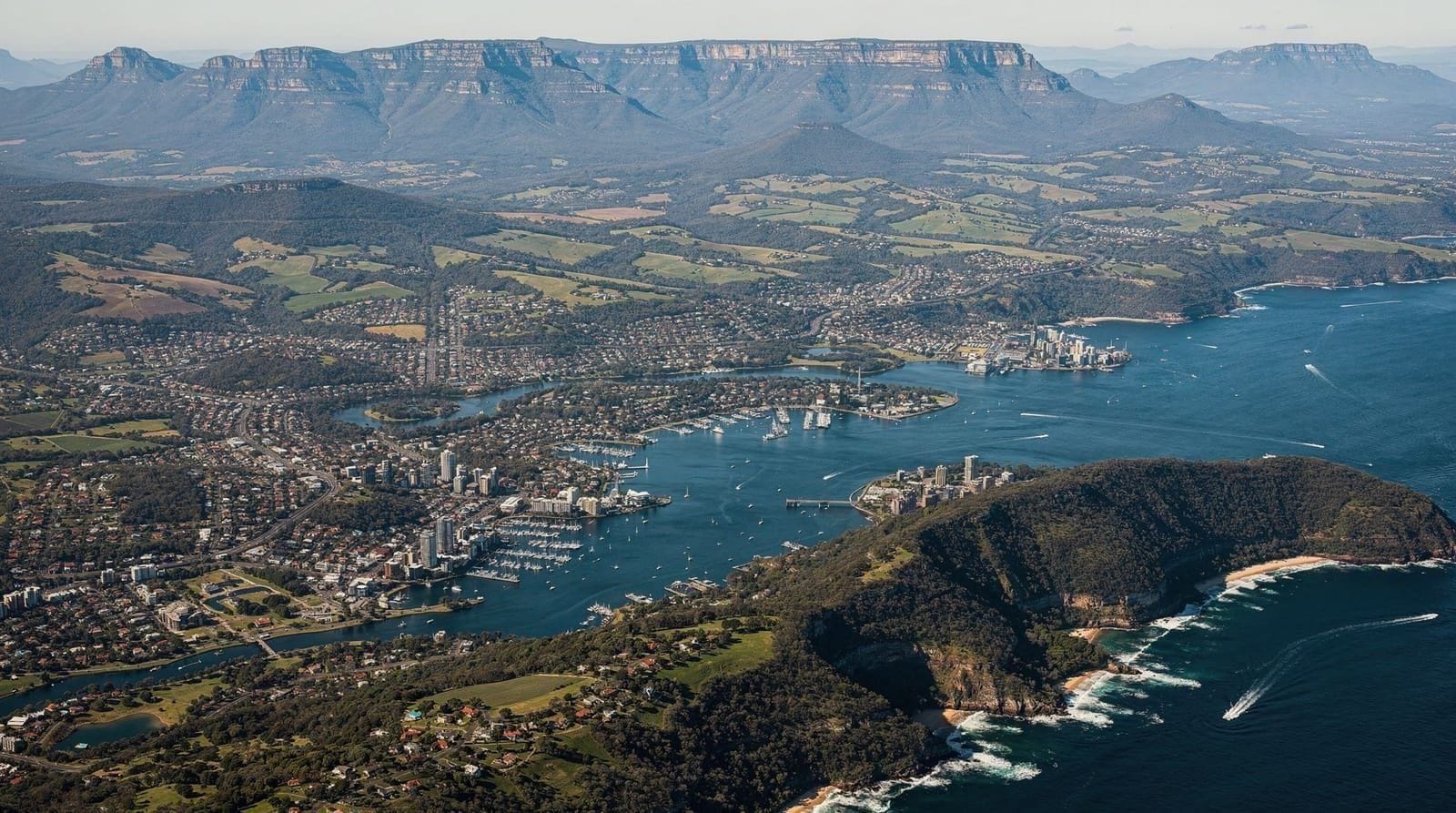
The Blue Mountains — 104 km west, 2 hours by train — provide dramatic gorge and escarpment scenery. Melbourne’s equivalent (the Dandenong Ranges) is greener and gentler but less visually striking.
Verdict: Sydney, clearly. Melbourne’s Yarra River is an industrial waterway; the bay is calmer but less dramatic. No contest on natural setting.
It helps to think about how that setting shapes a day. In Sydney, the landscape is the activity: you walk across or beside the Sydney Harbour Bridge, take a ferry rather than a taxi, and end the afternoon at a headland or an ocean pool. The best beaches in Sydney range from surf-focused stretches to sheltered harbour coves, so there is a beach for nearly every type of traveller, including those who would rather paddle than surf. If you like the idea of swimming beside the sea but not in it, Sydney’s ocean pools are a distinctive local habit.
Melbourne’s appeal is subtler. Its parks, tree-lined avenues and the pleasant bay-side suburbs reward people who like to wander without a fixed destination. It is a city you appreciate through its streets, rather than one that hands you a postcard view the moment you arrive.
Culture, arts, and nightlife
Melbourne has the stronger cultural reputation and has earned it. The National Gallery of Victoria (NGV) is the most visited art museum in Australia; the Melbourne Museum handles natural and social history; the State Library is architecturally stunning and freely accessible. Theatre and live performance are deeply embedded in Melbourne culture — the major performing arts venues (Arts Centre Melbourne) and the secondary live music circuit (Corner Hotel, the Forum, Chapel off Chapel) together form a denser cultural infrastructure than Sydney’s.
Melbourne’s laneways — Hosier Lane, Centre Place, Degraves Street, Flinders Lane — are the defining civic spaces of inner Melbourne, replete with street art, coffee, boutiques, and a pedestrian culture that Sydney’s CBD (more car-oriented) has never quite replicated.
Sydney’s cultural infrastructure is solid: the Art Gallery of NSW, the Museum of Contemporary Art at the Rocks, the Australian Museum, and the Sydney Opera House as the most architecturally significant performance venue in the country. But Sydney’s cultural scene feels more concentrated in specific pockets (Surry Hills, Newtown) rather than woven through the city’s fabric.
Verdict: Melbourne for culture and nightlife. Sydney for specific spectacle (the Opera House performance experience is unmatched).
If you do pick Sydney and want to go deeper on its evenings, the Sydney nightlife guide and the live music guide explain where the energy actually sits today. Rooftops are one area where Sydney competes well, and the rooftop bars guide covers them. Neighbourhoods such as Newtown and Surry Hills are where visitors who want a more local, less polished night out usually end up.
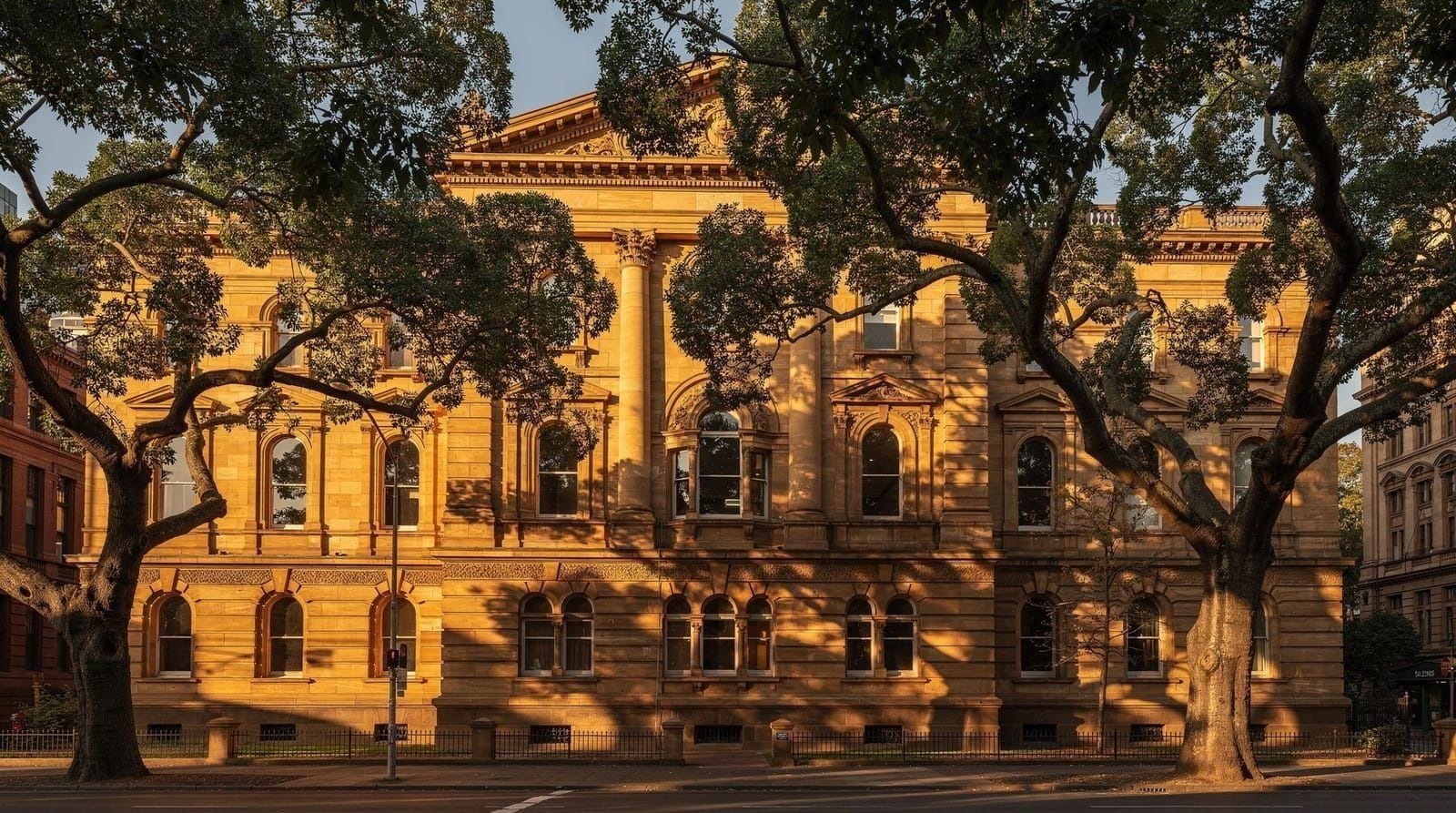
For history rather than nightlife, Sydney has an advantage that is easy to overlook: the oldest part of the colonial settlement is still walkable. A stroll through The Rocks history walk gives context that galleries alone cannot, and the Sydney Aboriginal heritage guide is a good starting point for understanding the much longer story of the place. Anyone who prefers a guided introduction can pair either guide with a local walking tour, which tends to make the stories behind the sandstone buildings far easier to follow than a plaque would.
Food
Melbourne is Australia’s food capital, and the gap over Sydney has widened over the past 20 years. The city’s café culture (the flat white is Melbourne’s most famous contribution to global coffee), the density of exceptional restaurants across Southeast Asian, European, Middle Eastern, and contemporary Australian cuisine, and the influence of Melbourne’s immigrant communities (particularly Greek, Italian, Vietnamese, Chinese) make for a richer overall food landscape than Sydney.
That said, Sydney’s seafood is outstanding. The Sydney Fish Market, the waterfront restaurants from Watsons Bay to Manly, and the concentration of Japanese restaurants (some of the best outside Japan) in the Haberfield and CBD areas give Sydney genuine culinary strengths. Sydney’s Eastern Suburbs restaurant scene (Surry Hills, Paddington) is excellent.
Sydney food tour in Surry HillsVerdict: Melbourne overall. Sydney for seafood and waterfront dining.
Sydney is not short of choice, though, and a first-time visitor can eat very well with a little planning. Coffee lovers should read the Sydney coffee culture guide, since the city takes its flat whites seriously even if Melbourne claims the origin story. For sit-down meals, the best restaurants in Sydney and the cheap eats guide cover both ends of the budget, and the Sydney Fish Market guide explains the easiest way to eat seafood without a restaurant bill. If you would rather have someone else choose the stops, the Sydney food tours guide compares the options.
Transport
Both cities use smart-card public transport (Sydney’s Opal card, Melbourne’s Myki). The systems are structured differently:
Sydney: Excellent train network with Airport Link. The ferry system is genuinely part of the tourist experience — the Manly Ferry, the Parramatta River services, and the harbour hop-on-hop-off routes. Buses cover the gaps. Getting to outer suburbs or day-trip regions by public transport varies: Blue Mountains by train is easy, everything further north or south requires a car.
Melbourne: Extensive tram network covering inner suburbs (trams are free within the CBD fare zone). Trains reach outer suburbs well. Regional rail connects to Geelong, Ballarat, Bendigo, and the Latrobe Valley. No ferry network (the city is not on a navigable waterway for leisure).
Sydney Harbour sightseeing cruise from Circular QuayVerdict: Draw. Sydney’s ferries are more scenic; Melbourne’s trams give better inner-city coverage.
For practical detail on the Sydney side, the Opal card guide explains how to pay, the Sydney ferries guide lists the routes worth riding for the view, and getting around Sydney puts trains, buses and ferries together. If you are arriving by air, Sydney Airport to the CBD covers the first journey. Visitors who plan to hire a car should check whether a car is needed in Sydney before paying for one they may barely use.
Day trips
Sydney has a broader range of accessible day trips for a coastal Australian city:
- Blue Mountains by train (2 hours; check the fare on the official Transport for NSW website)
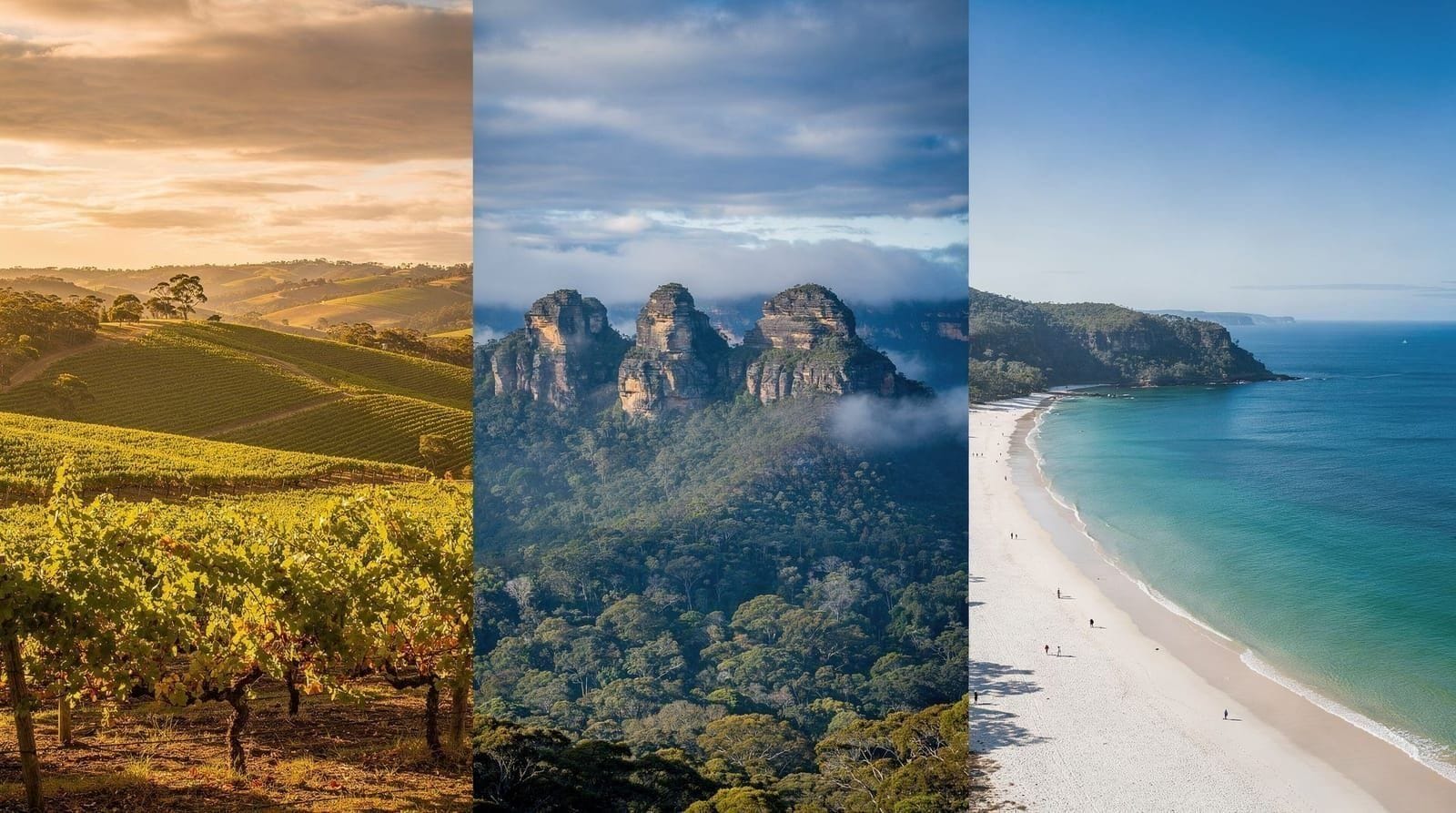
- Hunter Valley by guided tour (wine region, 2–2.5 hours)
- Port Stephens (dolphins, dunes, 2.5–3 hours)
- Jervis Bay (white beaches, whales, 2.5–3 hours)
- Royal National Park (second-oldest national park, 40 minutes)
Melbourne’s day trips are also good:
- Yarra Valley (wine region, 1 hour by car)
- Mornington Peninsula (beaches, hot springs, wine, 1–1.5 hours)
- Great Ocean Road (12 Apostles, 2.5–3 hours to the best section)
- Grampians National Park (2.5–3 hours for rock art and sandstone gorges)
For the full Sydney day trip breakdown, see best day trips from Sydney. The Blue Mountains day trip guide and the Hunter Valley day trip are the two most requested, while Port Stephens and Jervis Bay suit travellers who want sand and wildlife more than lookouts.
Verdict: Sydney for coastal nature (dolphins, whales, coastal parks). Melbourne for wine country access (Yarra Valley is closer to Melbourne than Hunter Valley is to Sydney). The Great Ocean Road gives Melbourne a spectacular coastal drive that Sydney’s south coast matches in sections but not in scale.
Cost
Both cities are expensive by Asia-Pacific standards. A meaningful comparison:
| Item | Sydney (AUD) | Melbourne (AUD) |
|---|---|---|
| Budget accommodation (hostel dorm) | 45–60/night | 40–55/night |
| Mid-range hotel | 180–280/night | 160–250/night |
| Harbour/bay view hotel | 280–500/night | 200–350/night |
| Café breakfast | 18–28 | 16–24 |
| Mid-range restaurant main | 30–45 | 28–40 |
| City public transport (daily cap) | AUD 19.30 (Mon–Thu) | Similar Myki fare |
| Major museum entry | Free (most) | Free (most) |
Sydney tends to cost slightly more, particularly for accommodation with harbour views. Melbourne’s inner-suburb restaurants often provide better value at the mid-range. Both cities are meaningfully cheaper during shoulder seasons (March–May, September–October).
The biggest swing factor is where you sleep rather than what you eat. A room close to the water in Sydney carries a premium, while a room a short ride from the centre often costs noticeably less and still keeps you close to the action. Our where to stay in Sydney guide compares neighbourhoods, and the Sydney trip cost guide and Sydney on a budget break down what a realistic spend looks like. Whichever city you pick, watch for overpriced attractions; the Sydney tourist traps guide names the ones to skip.
Who should choose Sydney
- Your priorities are: beach, harbour, outdoors, natural scenery
- You want day trips to national parks and coastal wildlife (dolphins, whales)
- You have children (beaches, Taronga Zoo, Blue Mountains)
- You want to start a longer Australian road trip heading north along the east coast
- You care most about the Instagram-famous iconic shots (Opera House, Harbour Bridge)
Families will find more detail in Sydney with kids, and anyone short on time can lean on the Sydney weekend in 48 hours itinerary to see the essentials without rushing.
For Sydney trip planning, see Sydney for first-timers and the 3-day Sydney itinerary.
Who should choose Melbourne
- Your priorities are: food, coffee, arts, nightlife, galleries
- You want the best restaurant and café experience in Australia
- You are interested in multicultural urban neighbourhoods
- You want to see the Great Ocean Road or the Grampians as a day trip
- You prefer a cooler, less beach-oriented city atmosphere
Doing both
Sydney and Melbourne are 1.5 hours apart by flight (fares vary by date; check the airlines). The logical way to visit both is to fly into one and out of the other. Sydney is usually the better entry point for European visitors coming via the major hub airports; Melbourne works well as a last stop before departing.
For a 10-day NSW itinerary that incorporates Sydney with Blue Mountains and Hunter Valley before continuing south or west, that guide gives a structured multi-day plan.
Blue Mountains day tour from SydneyIf you are building a longer trip around both cities, the 5-day Sydney essentials itinerary shows how much the city can absorb before you move on, and how many days in Sydney helps you decide how much of your total time it deserves. A sensible habit is to allocate time to each city according to the strongest reason you came: if it is the harbour and the beaches, give Sydney the longer share; if it is galleries, coffee and long lunches, flip the balance. Leave a little slack on either side of the flight, since travel days rarely feel as short as the timetable suggests, and avoid booking a tight connection on the day you arrive from overseas.
The short answer: neither city is the wrong choice for a two-week Australian visit, but choosing based on your priorities rather than reputation produces a more satisfying trip.
Frequently asked questions about Sydney vs Melbourne
Is Sydney or Melbourne more expensive?
They are broadly similar in cost. Accommodation in Sydney tends to run slightly higher (Bondi and Harbour-view rooms command a premium), but Melbourne's inner-suburb accommodation is often cheaper. Both cities average AUD 180–250 per day for mid-range travel including accommodation, meals, and transport. Sydney's day trips can add cost if you take guided tours; Melbourne's regional trips (Yarra Valley, Mornington Peninsula) are more self-drive friendly.Which city has better weather?
Sydney has more consistent and warmer weather year-round — summers average 26°C, winters rarely drop below 10°C in the city, and the climate is sunnier. Melbourne is famously variable ("four seasons in one day") with cooler winters, more rainfall, and occasional extreme heat days in summer. Sydney is the clear winner for beach weather; Melbourne's autumn is genuinely beautiful. Spring and autumn are the best seasons in both cities.Is Sydney or Melbourne better for food?
Melbourne is widely regarded as Australia's food capital — a denser concentration of exceptional restaurants across more cuisines, a café culture (the flat white arguably originated in Melbourne's laneways), and influential dining neighbourhoods like Fitzroy, Collingwood, and Carlton. Sydney has excellent food, particularly for seafood and waterfront dining, but Melbourne edges it on diversity, innovation, and sheer restaurant density per capita.Which city is easier to get around without a car?
Melbourne has a more extensive tram network that covers the inner suburbs well, plus trains and buses. Sydney's ferry network is exceptional for harbour routes. Both cities require a car or taxi for outer suburbs. For a tourist staying in the inner city, Melbourne's trams give slightly better walkability-without-driving; Sydney's ferries make harbour-side sightseeing uniquely easy.How long is the flight or train between Sydney and Melbourne?
The Sydney–Melbourne flight takes about 1.5 hours and is heavily competed (Qantas, Jetstar, Virgin Australia, Rex) with fares that vary by date (check the airlines). The XPT overnight train takes approximately 11 hours and is more comfortable than flying for people who do not mind overnight travel; fares are similar or cheaper. Both routes are domestic so no passport or customs involved.Should I visit both Sydney and Melbourne on the same trip?
If you have 10+ days in Australia, yes — flying between them is cheap and fast, and the two cities complement each other well. A common routing is Sydney (4–5 days) with Blue Mountains day trip, then Melbourne (3–4 days) with a Yarra Valley or Great Ocean Road add-on. Both in under a week is rushed; prioritise one and do it properly if your time is limited.Which city is better for families?
Sydney edges Melbourne slightly for families, primarily because beach access is easier — Manly, Bondi, and a dozen other patrolled beaches are within 30–90 minutes of the city centre. Melbourne's beaches (St Kilda, Brighton) are on Port Phillip Bay and calmer but less spectacular. Both cities have good zoos (Taronga in Sydney, Melbourne Zoo), aquariums, and family museums. The Blue Mountains day trip from Sydney is also more accessible for families than most Melbourne day trips.Which city has better nightlife?
Melbourne has the reputation for better nightlife — the CBD's laneways, the inner suburb bars, the live music scene (Victoria has more live music venues per capita than almost anywhere in the world), and late licensing hours in some venues. Sydney's nightlife was constrained by lockout laws introduced in 2014; they were lifted in the CBD and Oxford Street in January 2020 and in Kings Cross in March 2021. Sydney's Newtown and Surry Hills precincts offer good bar scenes outside the lockout zone.Is Sydney or Melbourne better for a first-time visit to Australia?
Sydney is the more common first stop, largely because it has the iconic imagery (Opera House, Harbour Bridge) and better direct international flight connections. First-timers with limited time (under a week) generally get more satisfaction from Sydney's compact list of must-sees; Melbourne rewards a slower, more exploratory visit and suits second-time or culture-focused visitors better.
Top experiences
Bookable activities with verified prices and instant confirmation on GetYourGuide.