Is a car needed in Sydney? — honest assessment for visitors
Sydney: From Sydney Hunter Valley wine tasting day tour
Do you need a car in Sydney as a tourist in 2026?
No, for central Sydney. The train, ferry, and bus network covers all major tourist attractions with the Opal card. A car becomes worth renting for Hunter Valley wine touring (no practical alternative) and for more flexible Blue Mountains exploration (though the train works for Katoomba).
The short answer
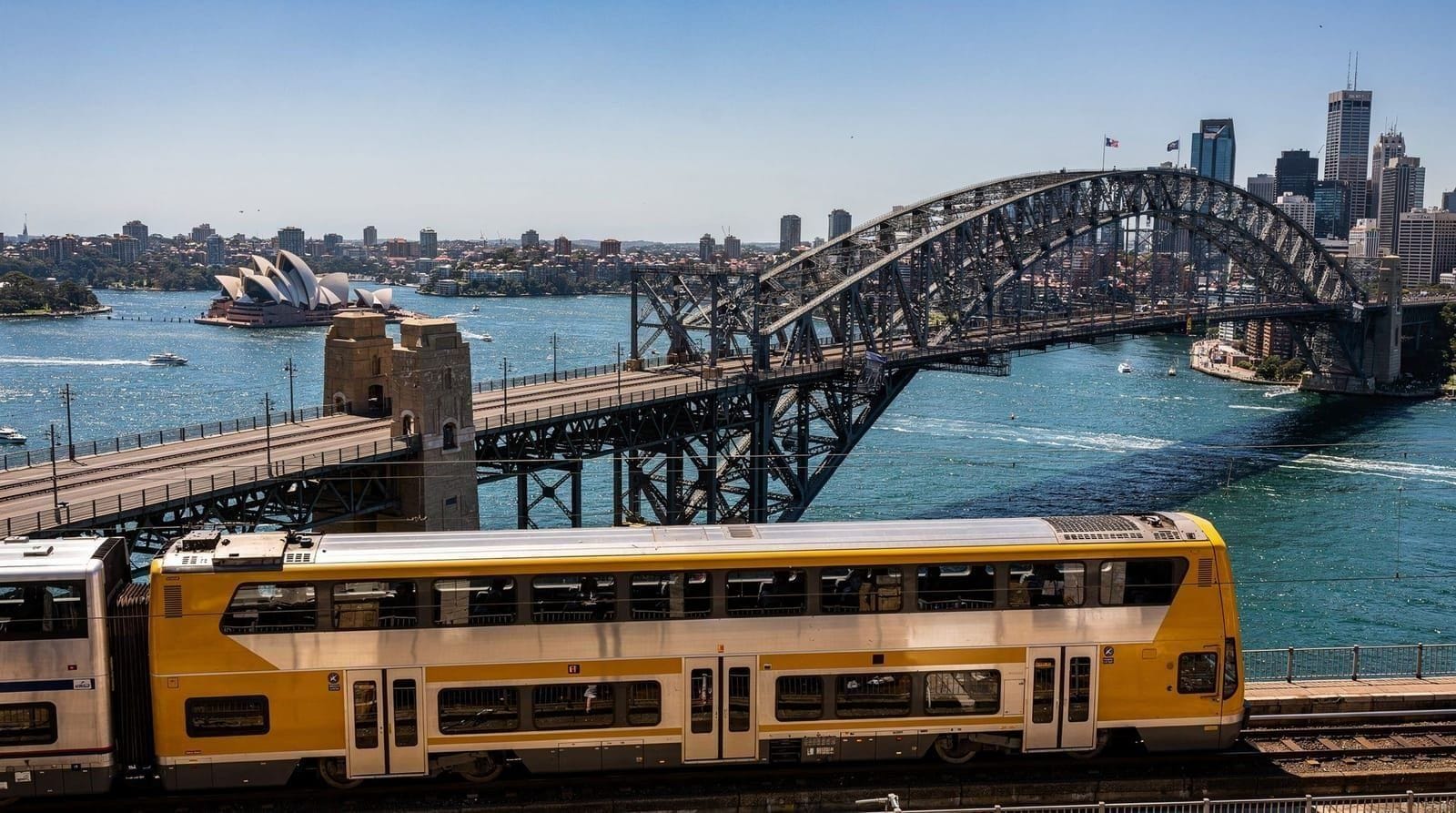
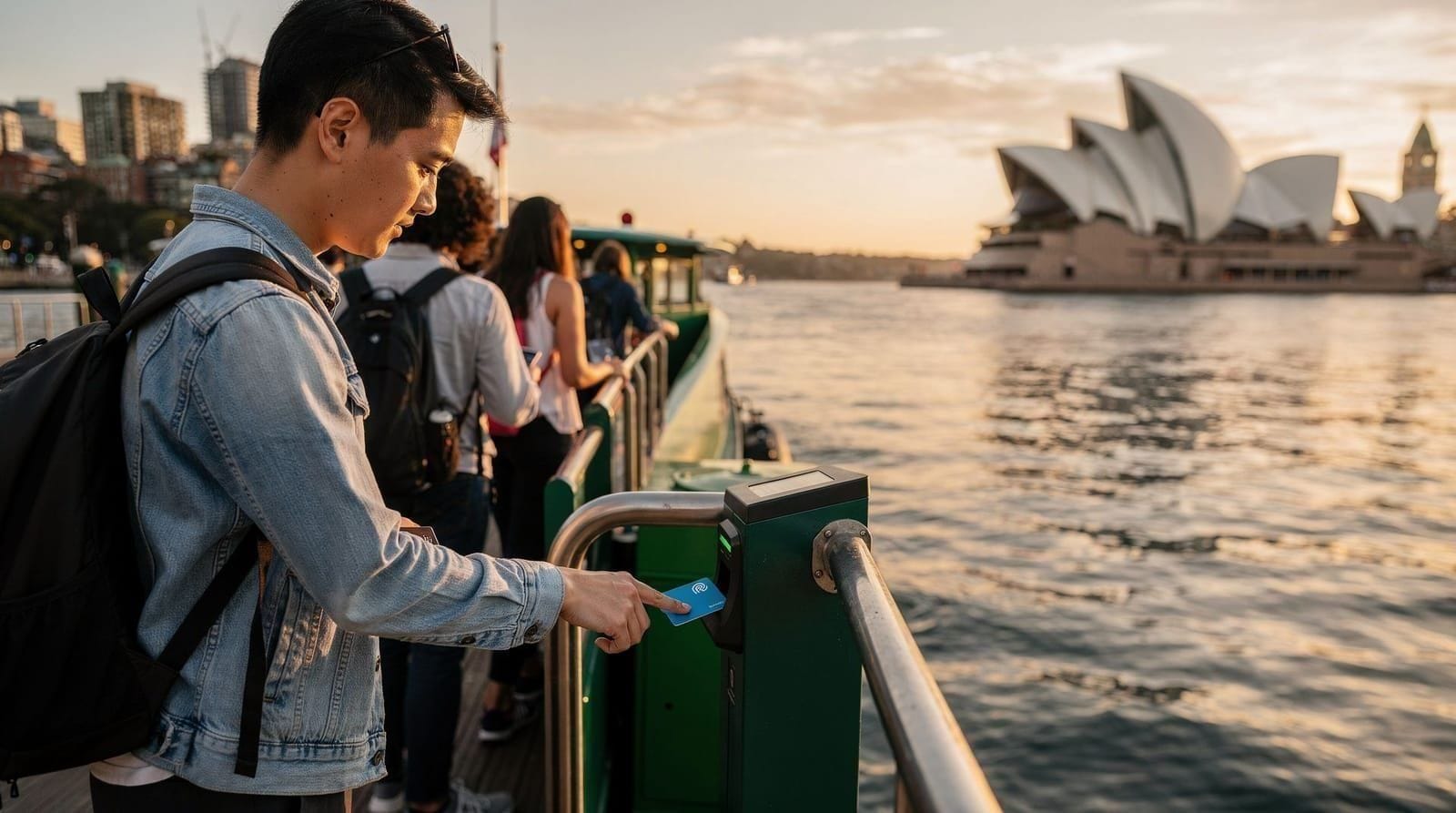
You do not need a car to have a full Sydney experience. The public transport network (trains, ferries, buses, light rail) covers all major tourist destinations in the metropolitan area. The Opal card or contactless bank card works on all modes, with a daily cap of AUD 9.65–19.30 and a weekly cap of AUD 50.
| Do you need one? | No, for Sydney itself — yes/optional for a few day trips |
| Cost if you rent | Around AUD 60–80/day plus tolls and fuel |
| Public transport cost | Opal daily cap around AUD 9.65–19.30 |
| Where a car helps most | Hunter Valley, Jenolan Caves, extended NSW road trips |
| Best alternative | Train, ferry, bus (Opal card) or an organised day tour |
The cases where a car genuinely adds value are specific and mostly involve day trips. This guide addresses each scenario honestly.
What you can do without a car
Almost everything most tourists want to do:
Central Sydney: Train to Circular Quay for the Opera House, ferry terminal, The Rocks. Circular Quay train station is three minutes from Town Hall. The Opal network puts the harbour at the centre of the city for transport purposes.
Beaches: Bus 333 from Circular Quay to Bondi Beach (35–45 min). Bus 373/374 to Coogee. Ferry to Manly (30 min from Circular Quay, scenic crossing). All on Opal; bus fares depend on the distance travelled, so check the fare in the Transport for NSW trip planner.
Cultural institutions: Art Gallery of NSW (train to St James), Powerhouse Museum (light rail to Exhibition Centre), Australian Museum (train to Museum station).
Inner suburbs: Train to Newtown, Surry Hills (short walk from Central or bus), Surry Hills itself (bus from Town Hall).
Taronga Zoo: Ferry from Circular Quay to Mosman Wharf (12 minutes).
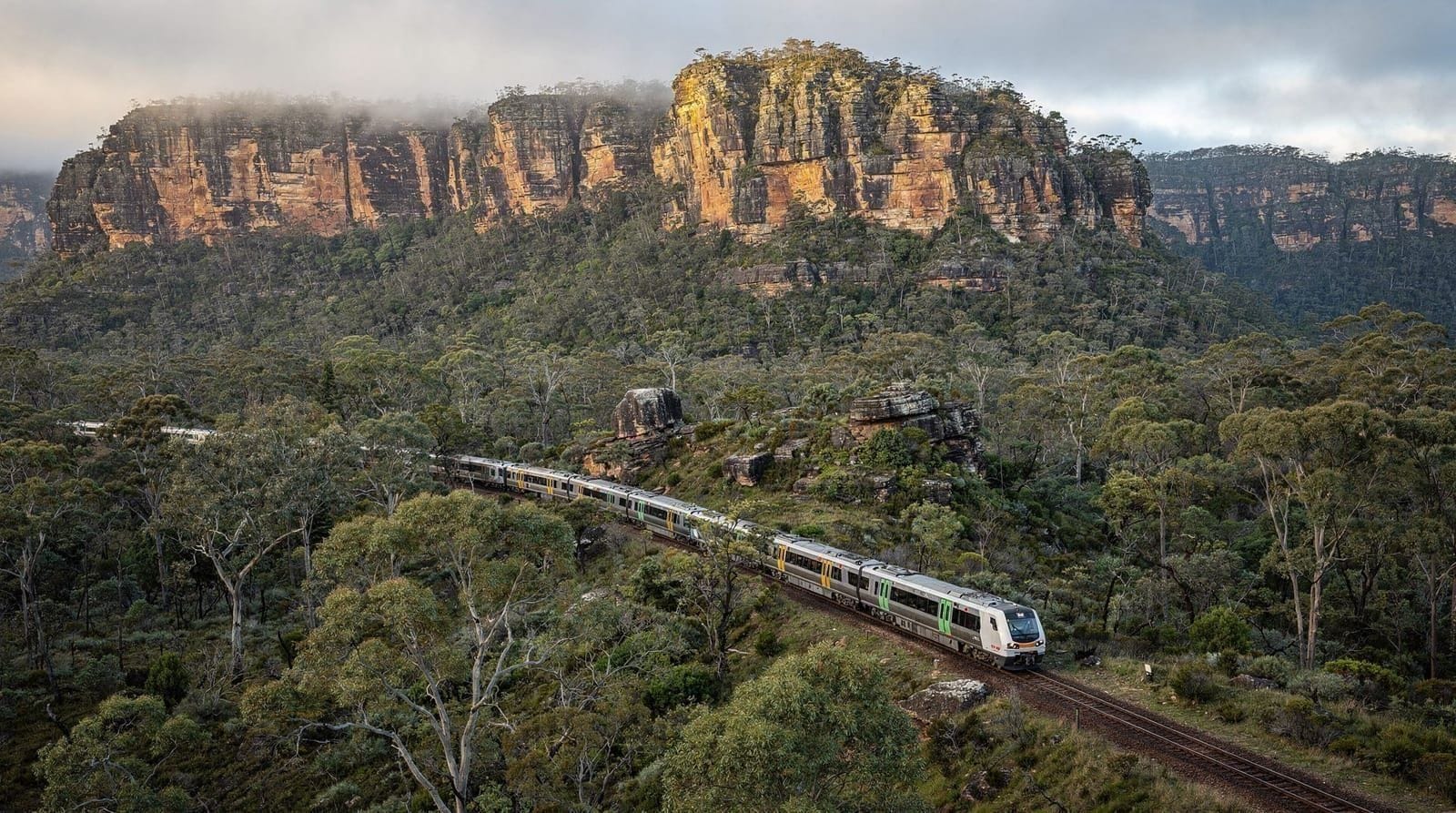
Blue Mountains (Katoomba): Train from Central station to Katoomba (2 hours). Scenic World and Echo Point are both walkable from Katoomba station.
Northern Beaches general: Ferry to Manly, then buses north to Dee Why, Narrabeen, and further. Manageable but requires some planning — see the Northern Beaches guide.
Where a car makes a real difference
Hunter Valley wine region
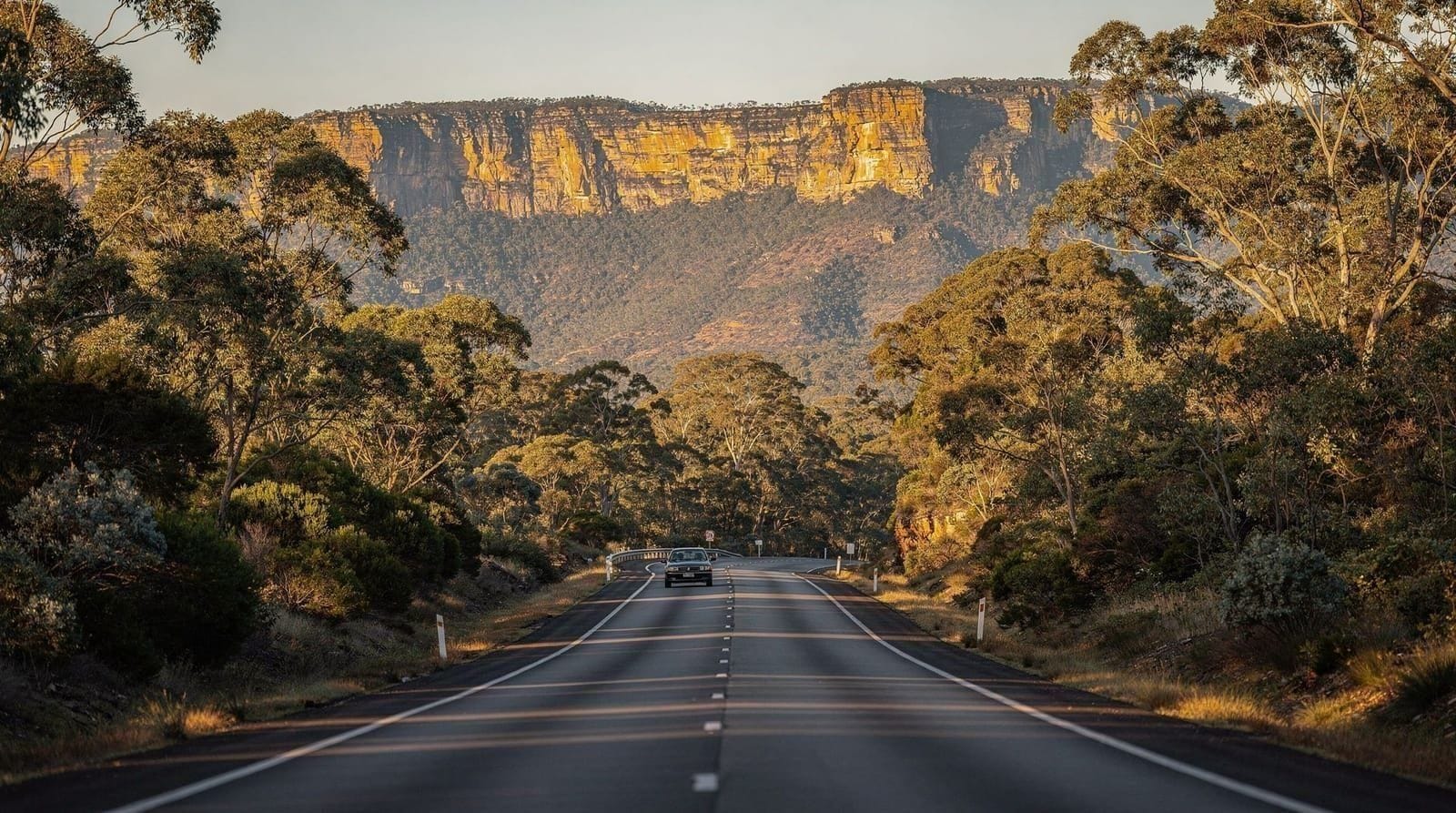
The Hunter Valley (2–2.5 hours north of Sydney) has wineries, restaurants, and cellar doors clustered around Cessnock, Pokolbin, and Broke. There is no practical public transport between venues — the distances between wineries are 5–15 km, on rural roads without footpaths.
Options without a car: book an organised wine tour from Sydney (coach tours depart daily, AUD 130–200 per person, including transport and multiple winery visits) or hire a driver/cab service in the Hunter Valley itself (expensive). Self-driving is the most flexible option but obviously excludes alcohol.
If tasting is the point of the day, leave the driving to someone else: a guided wine tasting day tour from Sydney removes the question of who stays sober, and a private wine day trip suits small groups who want to set their own pace between cellar doors.
Self-driving if you don’t plan to drink: entirely practical. The roads are good and traffic is light outside winery festival weekends.
See the Hunter Valley wine tour guide for organised tour options and the Hunter Valley day trip guide for the self-drive route.
Blue Mountains beyond Katoomba
The T1 train to Katoomba covers the most visited Blue Mountains sites (Three Sisters, Echo Point, Scenic World). A car adds access to:
- Jenolan Caves (45 km beyond Katoomba, no regular public transport)
- Leura village (short drive or walkable from Katoomba)
- Wentworth Falls and back-country trails
- The scenic Bells Line of Road return route
For a standard Blue Mountains day trip (Katoomba + Scenic World), the train is sufficient. For a longer, more exploratory visit or to include Jenolan Caves, a car is worth the cost. See the Blue Mountains day trip guide.
Port Stephens
Port Stephens (2.5–3 hours north) has its main attractions (dolphin cruises, sand dunes, Nelson Bay) spread across a large bay area. A coach tour from Sydney typically includes the main experiences (dolphin cruise, 4WD dune tour) and transport. Self-drive offers more flexibility for less popular beaches and the Myall Lakes area.
Bus services from Sydney to Nelson Bay exist (Port Stephens Coaches) but take over 3 hours and require connections. For a day trip, the organised tour or self-drive are the practical options.
Jervis Bay and South Coast
Jervis Bay (196 km south, 2.5–3 hours) is reachable by coach or intercity bus to Nowra, then connecting service. However, the white beaches and national park areas require local transport from Huskisson. A car gives freedom to stop at the Sea Cliff Bridge (a spectacularly engineered coastal road south of Sydney), the Royal National Park, Kiama blowholes, and Wollongong along the way.
Alternatively, a day trip coach tour covers the main Jervis Bay attractions without self-drive, and a private day out through Jervis Bay, Kiama and Kangaroo Valley gives you the stops a car would, with someone else at the wheel. See the Jervis Bay day trip guide.
The cost of renting a car — is it worth it?
Car rental in Sydney starts at approximately AUD 60–80 per day for a small hatchback from a major company (Avis, Hertz, Europcar) at the airport, before toll management fees (AUD 5–10/day extra). Fuel adds AUD 15–30 for a day trip depending on distance.
For a Blue Mountains day trip by train (approximately AUD 20 return Opal), versus car hire (rental, toll management, fuel and parking add up quickly), the train is significantly cheaper if Katoomba is the main destination.
For the Hunter Valley, a car makes financial sense for groups: AUD 80 rental + AUD 20 fuel (return trip) = AUD 100, split among 4 people is AUD 25 each, versus AUD 130–200 per person for an organised tour.
The honest conclusion: rent a car for multi-day NSW road trips or the Hunter Valley. Use public transport for everything Sydney-specific.
Parking in Sydney — the reality
If you do bring a car into Sydney:
CBD parking: AUD 15–25 per hour in commercial carparks. A day’s parking easily exceeds AUD 60. Some hotels offer parking from AUD 25–40 per day — significantly cheaper, but limited availability.
Inner suburbs: Metered street parking, typically 1–2 hours maximum during business hours. Residential permit zones restrict non-resident parking in many areas.
Beaches (Bondi): Bondi’s council carpark charges AUD 6–10 per hour. On summer weekends, it fills before 10am. Side streets require 15+ minutes walk and fill quickly.
Blue Mountains (Katoomba): Echo Point carpark is free and usually has spaces. On peak autumn and spring weekends, arrive before 10am.
Tips for driving in Sydney
If you do rent a car, several practical points:
- Drive on the left. The adjustment period takes 30 minutes to feel comfortable; takes longer to feel fully natural.
- Sydney’s motorways are heavily tolled — an E-Tag transponder or toll management add-on from your rental company is essential. Cash is not accepted at any toll point.
- Peak hour traffic on the Harbour Bridge, M1, and Eastern Distributor is genuinely severe. Avoid arriving or departing the CBD by car between 7–9am and 4:30–6:30pm.
- The GPS in rental cars is generally outdated. Use Google Maps or Apple Maps on your phone (mounted, not held) for current traffic and route information.
See the full driving in Sydney and NSW guide for toll roads, speed limits, and fuel stops.
Verdict — car or no car?
| Destination | Car needed? | Alternative |
|---|---|---|
| Sydney CBD and inner city | No | Train, bus, ferry |
| Bondi, Coogee, Eastern Beaches | No | Bus from Circular Quay / Bondi Junction |
| Manly and Northern Beaches | No (mostly) | Ferry + bus |
| Taronga Zoo | No | Ferry |
| Blue Mountains (Katoomba only) | No | T1 train from Central (2 hours) |
| Blue Mountains (+ Jenolan Caves) | Yes | No practical alternative |
| Hunter Valley wine | Yes (or tour) | Organised coach tour |
| Port Stephens | Optional | Coach tour or organised day trip |
| Jervis Bay | Optional | Coach tour or intercity bus |
| Extended NSW road trip (7+ days) | Yes | N/A |
The bottom line: budget the car rental for the Hunter Valley if that’s on your list, and trust the Opal card for everything else.
Rideshare and taxis as a middle ground
For visitors who want occasional car-level convenience without renting, Uber and taxis cover most gaps public transport leaves. A rideshare from the airport to CBD is priced by the app depending on traffic and time of day (check the app for the current fare), and is usually faster to book than working out the train with luggage. For a late-night return from a Bondi dinner or a Watsons Bay sunset, rideshare fills the gap where buses thin out. It is not a substitute for the day trips above, where the whole point is stopping at multiple spread-out places.
How your trip style changes the answer
The right choice depends less on the destination than on how you like to travel. Visitors who plan a few big days and sleep in a central hotel are almost always better off on foot, on the water and on rails. The Sydney weekend in 48 hours and 3 days for first-timers routes work entirely on public transport, and so does the 5-day essentials plan. If this is your first visit, the first-timers guide shows how much ground the harbour and the ferries cover on their own.
Families with small children and heavy gear sometimes feel differently. Prams, beach bags and tired toddlers make a taxi or rideshare attractive for specific legs, yet a rental for the whole stay still rarely pays off in the city. Our Sydney with kids guide and Sydney with a baby guide cover which routes are easy with a pushchair and which are not.
Travellers on a tight budget should treat the car as the first thing to cut. The Sydney trip cost breakdown and the honest budget guide show where money actually goes, and a rental plus parking is rarely the best use of it. Before you decide, read the getting around Sydney guide, the trains guide and the ferries guide to see how far the network takes you. For a wine day with friends, the best Hunter Valley wineries page helps you pick a shortlist whichever way you travel, and the Hunter Valley destination page gives the wider picture.
Renting only for part of the trip
A pattern that works well for many visitors: use the Opal card for the entire Sydney-based portion of the trip, then pick up a rental car for a single overnight loop — Hunter Valley for one or two nights, or a Blue Mountains-plus-Jenolan Caves overnight via the Blue Mountains day trip guide and Jenolan Caves guide. Renting for 2 days instead of the whole week avoids paying for a car sitting unused in a CBD carpark at AUD 25–40/day.
Frequently asked questions about Is a car needed in Sydney
Is it cheaper to use rideshare instead of renting a car in Sydney? For occasional trips, yes. A handful of Uber rides across a week (airport transfer, late-night returns) will almost always cost less than a multi-day rental plus parking and tolls. Rideshare only becomes uneconomical if you need several trips a day to spread-out destinations, which is rare for a typical Sydney visit.
Can I do a Hunter Valley day trip without a car or an organised tour? Not practically. There is no regular public transport between Hunter Valley wineries — a private driver or hire car (if not drinking) covers it, but neither is cheaper than the organised coach tours described above unless you are travelling in a group of four or more.