Jervis Bay day trip from Sydney — beaches, whales, and logistics
Sydney: From Sydney Jervis Bay day tour and dolphin watching cruise
How far is Jervis Bay from Sydney and is it worth a day trip?
Jervis Bay is 196 km south of Sydney CBD, about 2.5–3 hours by car via the Princes Highway and the Jervis Bay Road turn-off near Nowra. It is worth the day trip for the beaches — Hyams Beach has famously white sand — and for whale watching from June to November. No public transport reaches the bay directly; you need a car or a guided tour.
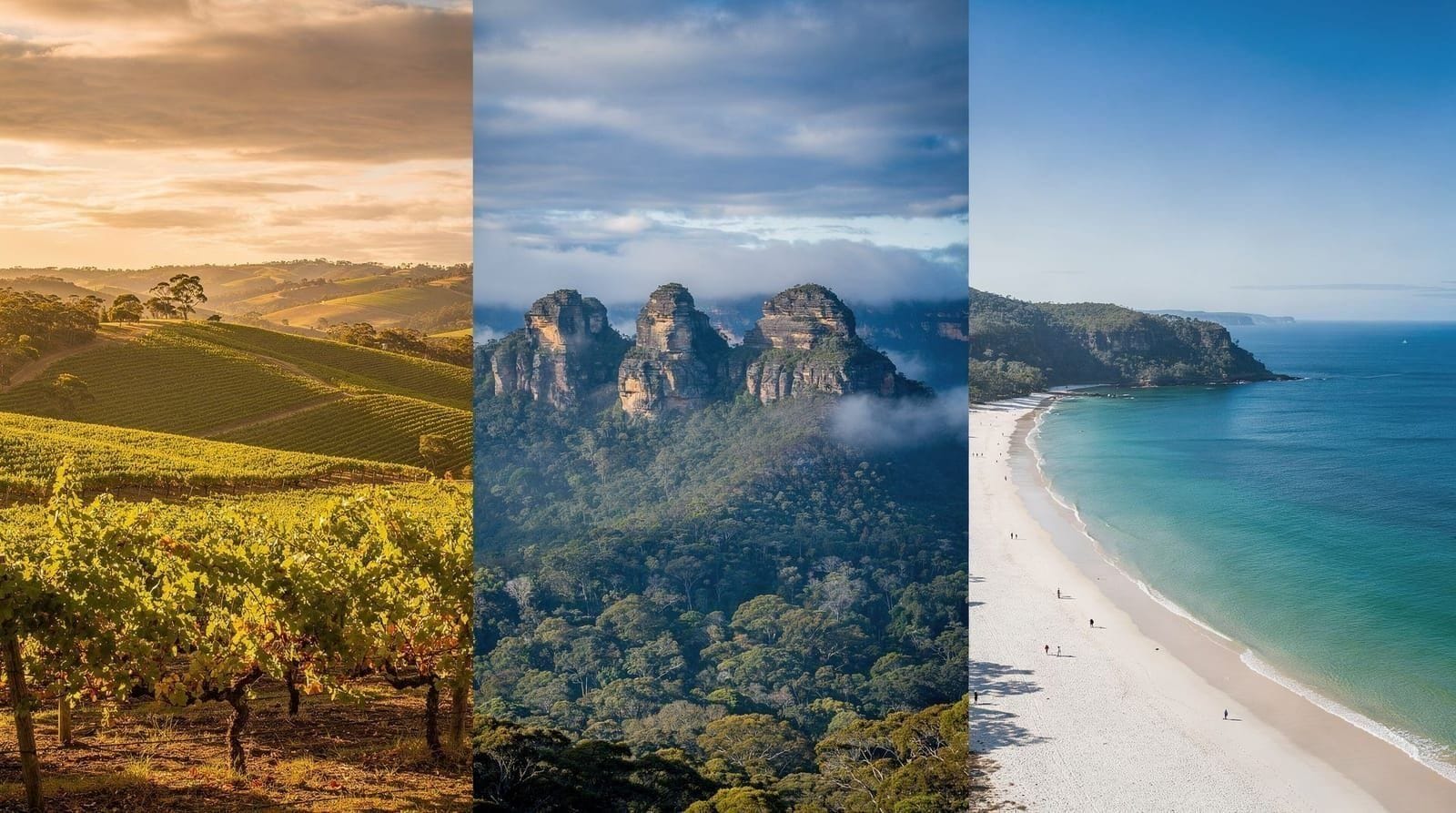
Jervis Bay sits on the New South Wales south coast about 196 km from Sydney CBD — roughly 2.5 to 3 hours by car. The bay is sheltered by two headlands (Point Perpendicular to the north and Booderee National Park to the south), giving it extraordinarily calm, clear water and the white silica sand beaches that have earned it a reputation as one of the finest coastal environments on the east coast.
| Where | 196 km south of Sydney, near Nowra and Huskisson |
| Cost | Around AUD 20/day park entry, plus AUD 30–175 for cruises or tours |
| Time needed | Full day trip, or overnight for a more relaxed pace |
| Getting there | Self-drive (2.5–3 hours) or a guided day tour — no direct public transport |
| Best time | June–August for whales and fewer crowds; avoid January weekends |
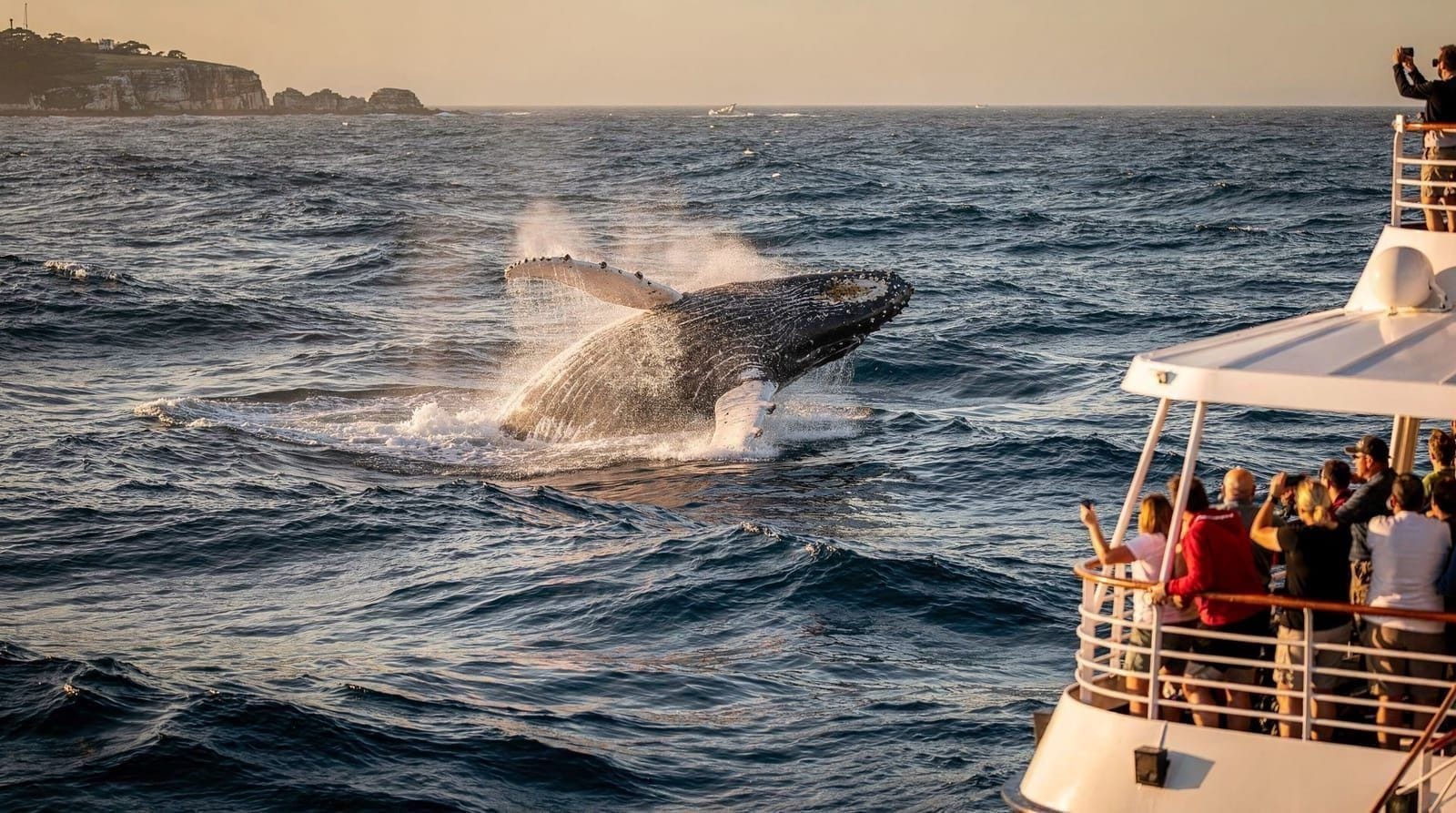
During whale migration season (May–November), Jervis Bay becomes a world-class whale watching destination. The humpback migration corridor runs directly past the headlands, bringing whales within close range of the shore and the smaller commercial vessels that operate inside the bay.
Getting there
Driving from Sydney
The standard route heads south from Sydney on the Princes Highway (or the M5 then Hume Highway to Nowra, slightly faster), turning east at Nowra onto the Jervis Bay Road toward Huskisson. The total distance from Sydney CBD is approximately 196 km; allow 2.5–3 hours depending on Sydney traffic and which part of the bay you are heading to.
From Nowra, the road to Huskisson passes the Jervis Bay turn-off and adds about 25 km. Huskisson is the main village on the northern shore and has most cafes, restaurants, and the dolphin and whale cruise operators.
Booderee National Park occupies the southern headland. Vehicle entry costs AUD 20 per day (buy a pass online in advance or at the visitor centre). The park has no fuel or shops inside.
Guided day tours from Sydney
Several guided day tours make the Jervis Bay run from Sydney. Standard inclusions vary — some focus on the dolphin/whale cruise and beaches; others combine Jervis Bay with Kiama and Kangaroo Valley on a south coast loop. Tour prices typically run from AUD 100 to AUD 175 per person.
Jervis Bay day tour from Sydney with dolphin watching cruiseGuided tours are practical for visitors without a car. Check whether the tour includes entry to Booderee National Park and which activities (cruise, beach time, wildlife spotting) are included versus at additional cost.
The beaches
Hyams Beach is Jervis Bay’s most famous beach and reputedly holds a Guinness World Record for whitest sand (the claim is disputed, but the sand is genuinely white and squeaks underfoot). It is a short, sheltered beach in a small town — Hyams Beach township has a handful of holiday houses and little else. The beach gets extremely crowded on summer weekends, with limited parking. Arrive before 9 am or after 3 pm in summer to avoid frustration.
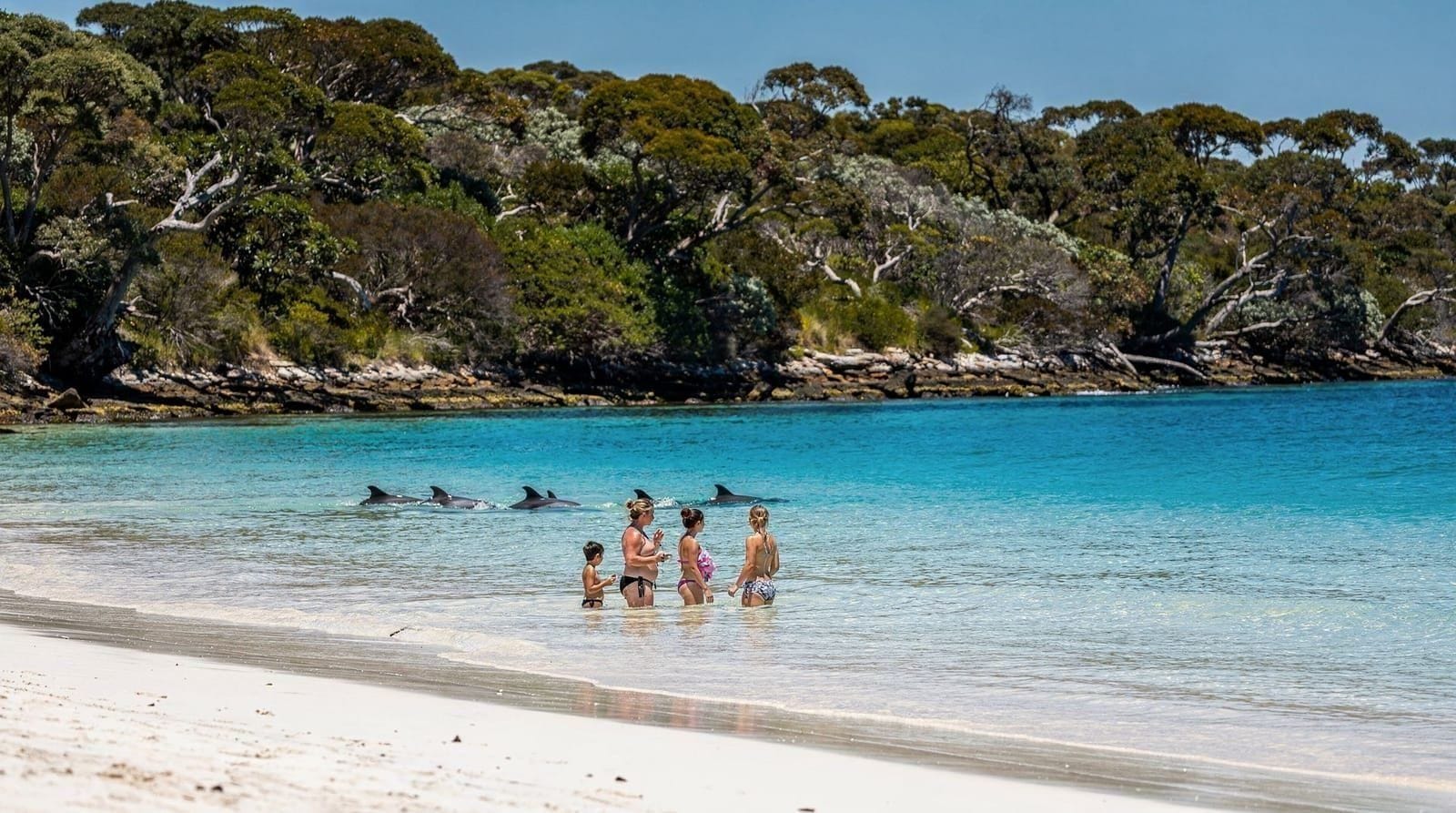
Green Patch Beach in Booderee National Park is the better beach for a relaxed swim — longer, less crowded, and with kangaroos that regularly come down to the sand at dawn and dusk. The water is remarkably clear; visibility for snorkelling is often 10–15 metres.
Murrays Beach (also inside Booderee) is smaller, quieter, and accessed via a 5-minute walk from the car park. Good for families — very calm, very clear, and with minimal wave action.
Chinamans Beach near Huskisson is the most accessible beach from the main village, with easy parking and calm conditions. Less spectacular than Hyams or Green Patch but useful as a base.
Whale watching
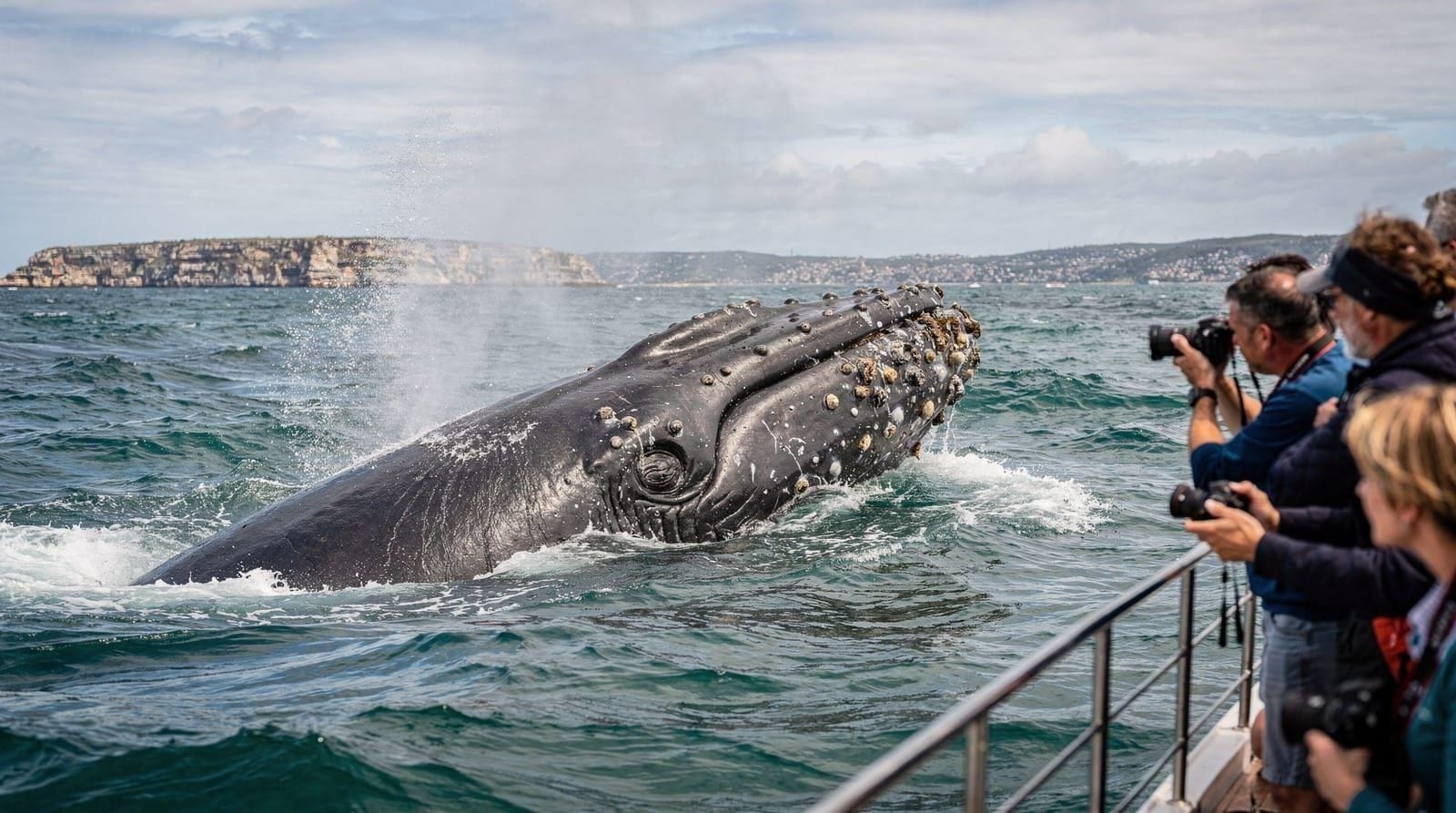
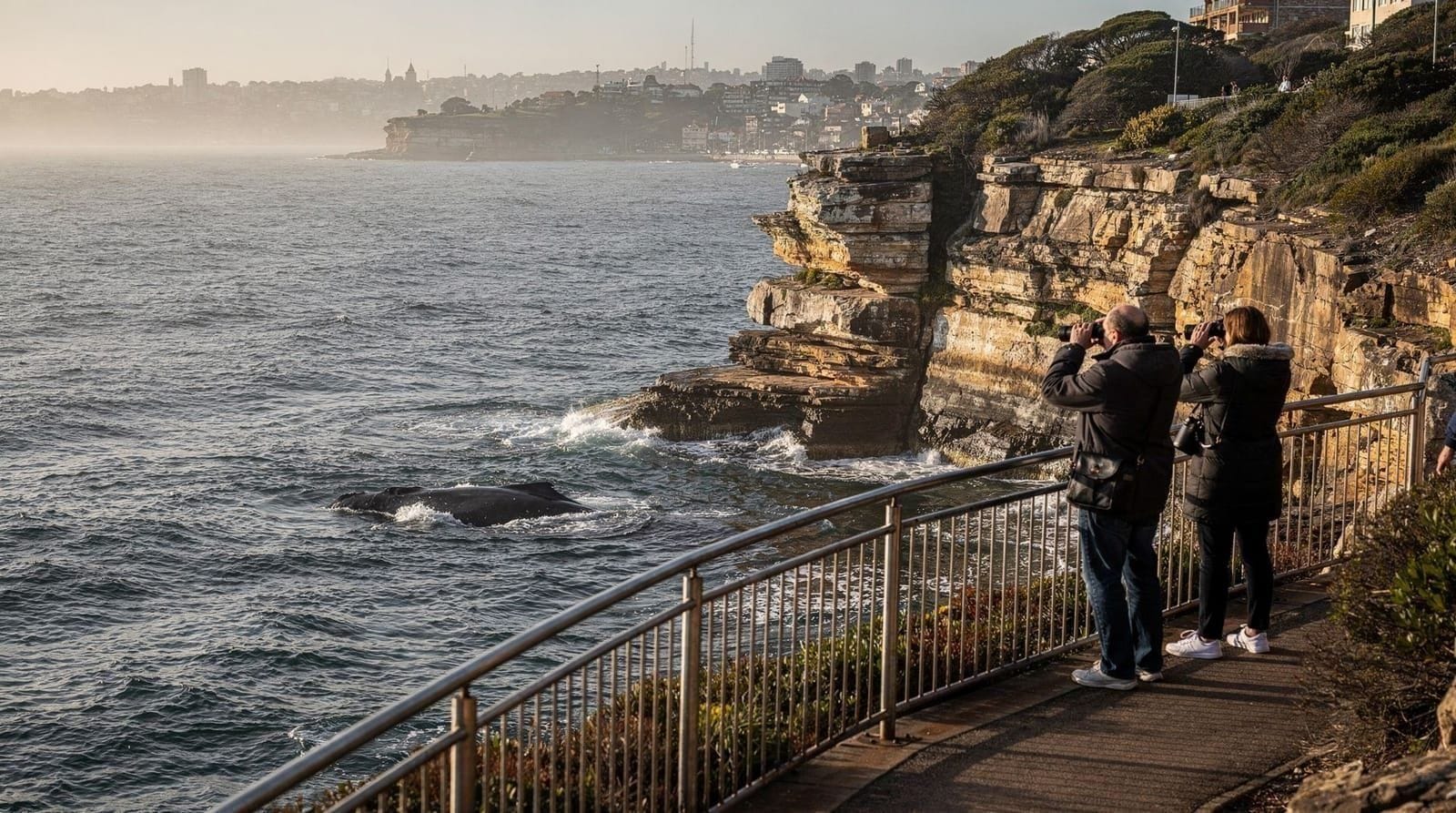
Jervis Bay is one of the best whale watching locations in New South Wales. The humpback migration runs close to the headlands from May through November, with peak numbers passing June to August. Southern right whales also appear in the bay, occasionally with mothers and calves resting in the sheltered water.
Whale watching cruises operate from Huskisson, typically running 2-hour morning tours. The vessels are smaller than Sydney’s large whale watching boats, which allows closer approaches when permitted. Operators are required to comply with NSW regulations on approach distances (100 m minimum for vessels, 30 m for swimmers).
Jervis Bay 2-hour whale watching cruiseSighting guarantees are offered by some operators (credit toward a future trip if no whale is seen). Given the location on the migration corridor, sighting rates June–August are high — though never 100%. Outside the peak migration months, the bay still supports year-round bottlenose dolphins and Australian fur seals on the rocky headlands.
Booderee National Park
Booderee National Park covers the southern headland of Jervis Bay and is managed jointly by the Australian Government and the Wreck Bay Aboriginal Community (Booderee means “bay of plenty” or “plenty of fish” in the local Dhurga language). The park takes its cultural and ecological management seriously — ranger-led cultural walks are available and recommended.
Main attractions in the park:
Cape St George Lighthouse: The remains of an 1860 lighthouse on the southern point, accessible via a 20-minute walk from a car park near the park’s southern boundary. Good whale watching spot in season — bring binoculars.
Booderee Botanic Garden: One of Australia’s few coastal botanic gardens, with a good collection of heath and wetland native plants. Free entry; open daily.
Bherwerre Beach: A long beach on the ocean side of the park, accessible via a 15-minute walk through heath. Exposed to swell — better for walking than swimming.
Murray’s Beach: See beaches section above. The park’s most family-friendly swim beach.
Vehicle entry to Booderee costs AUD 20 per day. Camping is available inside the park (book well ahead for school holidays and long weekends).
Other activities
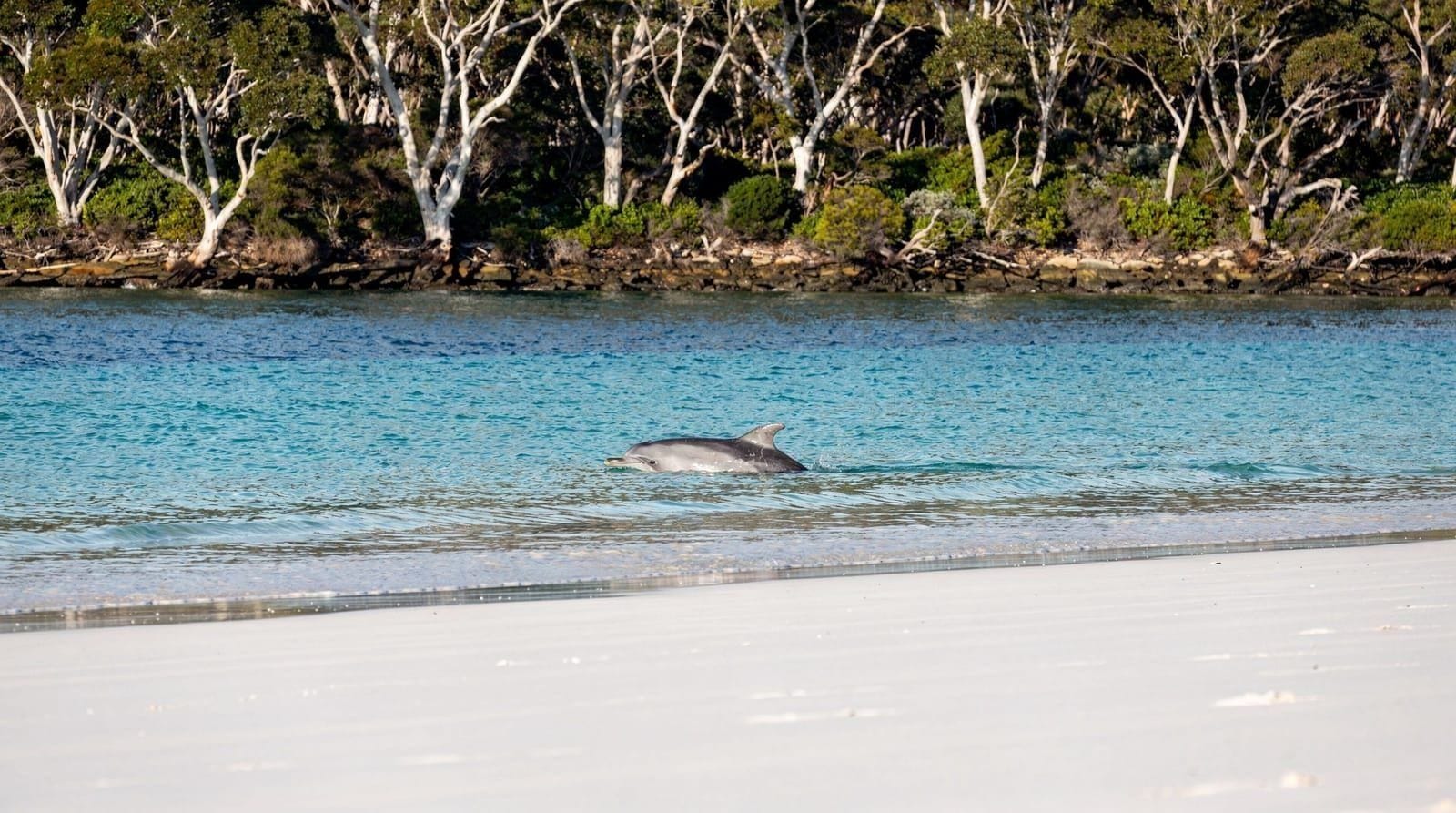
Dolphin watching: Year-round resident bottlenose and common dolphins are regular in the bay. The dolphin cruise operators (primarily departing from Huskisson) offer morning tours combining dolphin encounters with a general bay cruise (AUD 30–50 per adult, about 1.5 hours).
Jervis Bay 1.5-hour dolphin cruiseKayaking and paddleboarding: Several operators in Huskisson rent kayaks and SUPs. The calm inner bay is excellent for paddling, with clear-water visibility of the sandy bottom and seagrass beds. Self-guided paddles to Green Patch or Hole in the Wall (a rock arch on the western shore) are popular.
Snorkelling: The marine park status of Jervis Bay means waters are protected from commercial fishing. Fish populations are dense by NSW standards. Green Patch and Murrays Beach are the most accessible snorkel spots from shore.
Realistic day structure
Departing Sydney at 7 am gets you to Huskisson by around 9:30–10 am.
10–12 noon: Whale watching or dolphin cruise from Huskisson (2-hour morning tour). Book 1–2 days ahead in peak season.
12–1:30 pm: Lunch in Huskisson. Gunyah Restaurant inside Booderee National Park is the best sit-down option (requires advance booking); Huskisson Hotel (the pub) is the no-fuss local choice. Fresh fish from the takeaway shops along Owen Street is cheap and good.
1:30–4 pm: Booderee National Park — Green Patch Beach for a swim, Cape St George walk, or a drive through to Bherwerre Beach.
Depart by 4:30 pm to be back in Sydney by 7:30–8 pm.
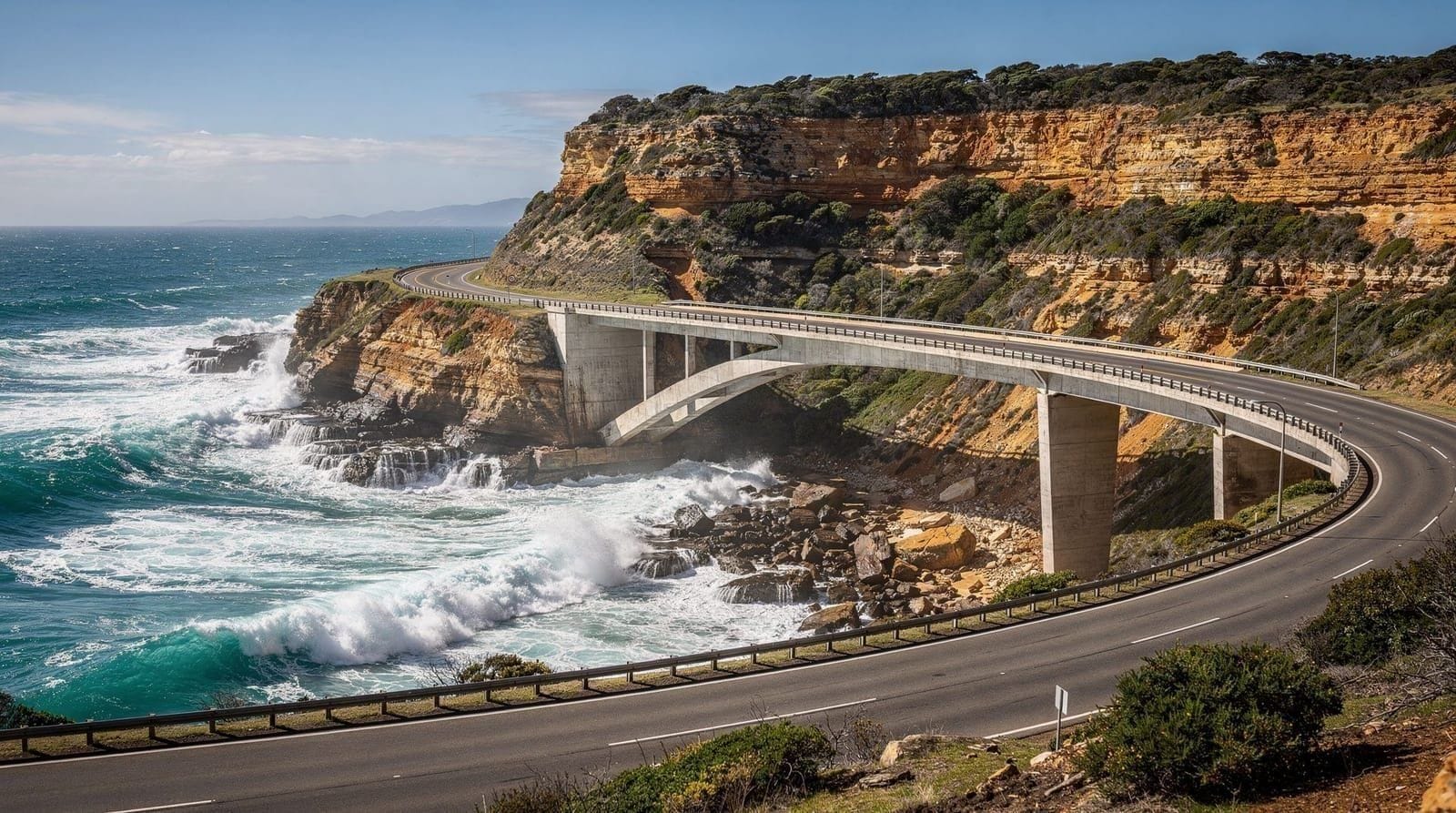
If you are combining with Kiama Blowhole and the Sea Cliff Bridge (about halfway between Sydney and Jervis Bay), factor an extra 45–60 minutes. This makes for a full but rewarding south coast drive; see the Wollongong and Grand Pacific Drive guide for detail on the northern stretch.
Is it worth the day trip?
For beach lovers and whale watching enthusiasts: Jervis Bay is hard to match within a 3-hour drive of Sydney. The combination of white sand, calm clear water, and one of the east coast’s most reliable whale migration corridors makes it genuinely worth the trip. June–August is the best time for overall value.
For casual visitors without a car: A guided day tour is the only practical option and makes the experience significantly more efficient.
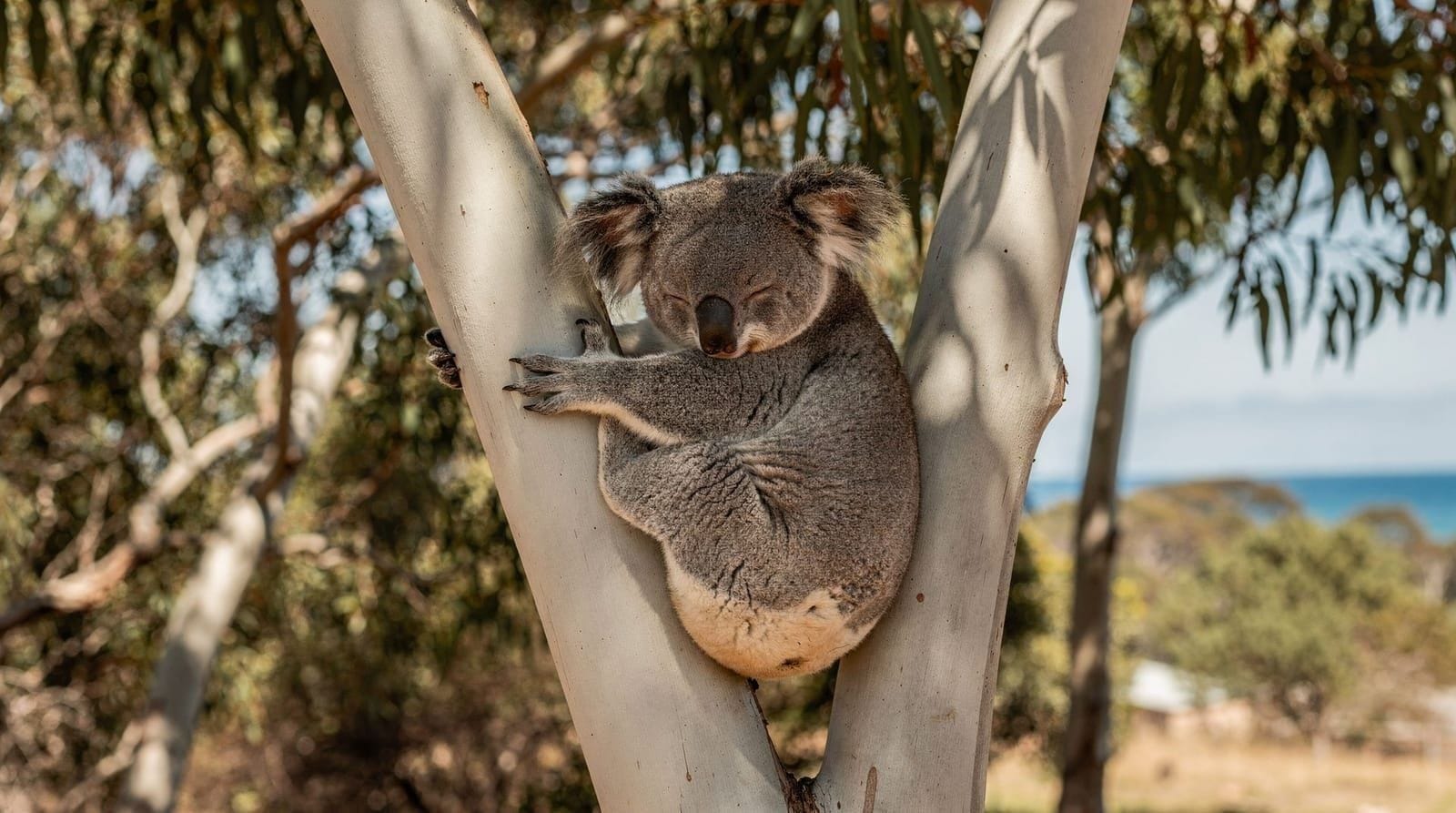
For families: The calm beaches inside Booderee National Park (Green Patch, Murrays Beach) are excellent for young children. The wildlife in the park — eastern grey kangaroos at dawn and dusk, rosellas, wallabies — adds a nature element without requiring hiking.
Honest caveat on summer crowding: Hyams Beach in particular becomes very crowded in January and on summer long weekends. Traffic on the Jervis Bay Road backs up from Nowra. If you are visiting in school holidays, consider going to Green Patch or Murrays Beach inside Booderee instead — same water quality, a fraction of the crowds.
Huskisson town and eating options
Huskisson (population around 2,000) is the main service town on Jervis Bay’s northern shore. Owen Street, the main street, runs from the foreshore down through the village. Practical amenities:
Gunyah Restaurant: Inside Booderee National Park, this is the best restaurant within striking distance of the bay — contemporary Australian cuisine using native ingredients, advance booking essential on weekends. Budget AUD 40–60 per main.
Huskisson Hotel: The pub on Owen Street; predictable pub menu, outdoor beer garden with bay view on clear days. Good for a casual cold drink before the drive home. AUD 20–35 for a meal.
Chinamans General Store: A well-regarded café for breakfast and lunch, usually busy from 8 am on weekends. Eggs, sourdough, good coffee. Budget AUD 18–26.
Fresh fish: Several takeaway fish and chip shops on Owen Street operate throughout the day; Huskisson locals take the fish quality seriously. Expect fresh local flathead or barramundi, reasonable prices.
Groceries and supplies: A small IGA and a bakery serve essential resupply needs. The IGA stocks insect repellent (useful in the national park), sunscreen, and snacks.
Practical notes
Fuel: Fill up in Nowra before heading to Jervis Bay — the Huskisson petrol station is functional but more expensive than the highway alternatives. There is no petrol inside Booderee National Park.
Insects: March flies (biting flies that inflict a sharp bite) can be present at bush edges in summer. DEET-based repellent is effective. They are most active midday in warm weather.
Booderee advance booking for camping: If you are considering an overnight stay at Booderee, note that camping is extremely popular and books out weeks to months in advance for school holiday periods. Midweek bookings in winter (June–August) are easier to obtain.
Combination with the Southern Highlands: Jervis Bay and the Southern Highlands are both accessible from the same Hume Highway/Princes Highway route. A logical 2-day itinerary: Day 1 through the Southern Highlands (Berrima, Bowral) with an overnight near Nowra; Day 2 at Jervis Bay. See Southern Highlands day trip for detail on the Highlands section.
Whale watching season timing: The humpback migration passes the bay in two phases — northward migration (April–June) and southward migration (September–November). The southbound phase (September–October) is when mothers with calves are most frequently seen, as they linger in the sheltered bay for their calves to gain strength before continuing south. Southern right whales are present winter to early spring and tend to stay longer in the bay.
For the full destination guide including accommodation and town-by-town breakdown, see the Jervis Bay destination guide.
For comparisons with other south coast and day-trip options, see best day trips from Sydney and the best whale watching tours guide.
Jervis Bay by season
| Period | Weather | Whales | Crowds |
|---|---|---|---|
| Dec–Feb (summer) | Hot, best beach swimming | Unlikely | Very busy, especially Hyams Beach |
| Mar–May (autumn) | Mild, still good swimming | Northward migration starts late Apr | Moderate, quieter on weekdays |
| Jun–Aug (winter) | Cool, water colder | Peak northward migration, high sighting rates | Low — the best value window |
| Sep–Nov (spring) | Mild, warming | Southward migration, mothers and calves | Moderate, building toward summer |
When to go if beaches are the priority
If whale watching is not the focus, summer (December–February) gives the warmest water and the most pleasant swimming, at the cost of heavy crowding at Hyams Beach and busy roads from Nowra. For a quieter beach visit with still-comfortable swimming, late autumn (April–May) or spring (October–November) offer a reasonable trade-off — see the best beaches Sydney guide for how Jervis Bay compares with the city’s own beaches.
Frequently asked questions about Jervis Bay day trip from Sydney
Is Jervis Bay better than the Blue Mountains as a first-time day trip from Sydney? For most first-time visitors with limited days, the Blue Mountains is the more essential stop — it is closer, reachable by train, and covers iconic Sydney-adjacent scenery. Jervis Bay suits visitors with more time or a specific interest in beaches and whale watching; see best day trips from Sydney for a full comparison.
Do you need to book Booderee National Park entry in advance? Not for a standard day visit — the AUD 20 vehicle fee can be bought online or at the visitor centre. Advance booking matters mainly for overnight camping, which sells out well ahead for school holidays and long weekends.
Top experiences
Bookable activities with verified prices and instant confirmation on GetYourGuide.