Wollongong and the Grand Pacific Drive — the complete day trip guide
Sydney: Woollongong and Kiama
What is the Grand Pacific Drive and is it worth doing from Sydney?
The Grand Pacific Drive is a scenic coastal route from the Royal National Park at Stanwell Tops, south through Sea Cliff Bridge (a spectacular arch bridge over Tasman Sea cliffs), to Wollongong and Kiama. It runs about 140 km from Sydney CBD to Kiama and takes 2–2.5 hours by car, longer if you stop. It is one of the most rewarding half-day to full-day drives on the NSW coast.
At a glance
| Where | South of Sydney via the Princes Highway / Grand Pacific Drive, ending in Kiama |
| Distance | Around 140 km from Sydney CBD to Kiama |
| Cost | Fuel/tolls only if self-driving; train to Wollongong paid with Opal (no public transport for the coastal drive itself) |
| Time needed | A full day (8 am–7 pm) covers Sea Cliff Bridge, Wollongong and Kiama comfortably |
| Getting there | Self-drive is strongly preferred — the Sea Cliff Bridge section has no train or bus access |
| Best time | March–May and September–October for clear escarpment views |
The Grand Pacific Drive is the name given to the stretch of NSW coastal road between the Royal National Park and Wollongong, most of it south of Sydney’s Stanwell Tops. It is one of Australia’s genuinely photogenic coastal drives — the road runs close to the sea cliffs, passing the Sea Cliff Bridge, small headland towns, and the northern edge of Wollongong’s beach strip. From Sydney, it makes an excellent full-day trip, either as a loop (heading out via the motorway and returning via the coast road, or vice versa) or as the first leg of a longer south coast journey toward Jervis Bay.
The alternative to driving is the train from Sydney Central to Wollongong — about 90 minutes and paid with Opal — which gives you Wollongong itself without the coastal drive section. Both approaches are covered here.
The route: from Sydney to Kiama
The Grand Pacific Drive technically begins at Stanwell Tops, a clifftop suburb at the northern edge of Royal National Park about 60 km from Sydney CBD (via the Princes Highway and the Lawrence Hargrave Drive turn-off). From Sydney, the standard approach is:
- Sydney CBD south via the M5 or Eastern Distributor
- Join the Princes Highway at Sutherland or Waterfall
- Continue south to Stanwell Park and the Lawrence Hargrave Drive descent to Coalcliff
This section is narrow in places and requires care. The reward is the coastal panorama from Bald Hill Lookout at Stanwell Tops — a famous paragliding launch site — before you descend the escarpment to sea level.
Sea Cliff Bridge
The Sea Cliff Bridge at Clifton is the centrepiece of the Grand Pacific Drive. Opened in 2005, the bridge spans 665 metres along a sheer sea cliff between Clifton and Coalcliff, hanging over the Tasman Sea approximately 50 metres above high-water mark. The bridge replaced a section of road periodically closed by rockfalls.
Pull into the viewing areas at both ends — the southern end has the better photographic angle. The bridge is free to cross and there is no toll. Clifton itself has a small café and surf club.
Thirroul and Lawrence Hargrave Drive
Between Sea Cliff Bridge and Wollongong, Lawrence Hargrave Drive runs through a series of small coastal towns: Coalcliff, Scarborough, Coledale, Austinmer, Thirroul. These are residential communities rather than tourist towns — the appeal is the ocean proximity and the small-town feel rather than specific attractions.
Thirroul has a café strip (the Thirroul Beach Trader is popular for breakfast and coffee) and an ocean pool. D.H. Lawrence wrote Kangaroo (1923) here during an extended stay — a literary footnote of minimal practical relevance but noted in the local café decor.
Austinmer Beach is a family beach with an ocean pool and lifeguard patrol, less known than Wollongong’s main beaches but very good for a swim.
Wollongong
Wollongong is New South Wales’s third-largest city with around 300,000 people. It functions primarily as an industrial city (BlueScope Steel at Port Kembla dominates the skyline to the south) but has genuine attractions:
Wollongong City Beach and North Beach: Adjacent patrolled beaches with a shared headland. The lighthouse on the headland is the oldest navigational lighthouse on the Australian mainland (built 1872). Free to visit, good views of the coastline.
Nan Tien Temple (Berkeley, south of Wollongong city centre, off the F6): The largest Buddhist temple in the Southern Hemisphere, built in 1995 and open to visitors of all backgrounds. The main temple complex contains ornate halls, a pagoda, and extensive gardens. Entry is free; a suggested donation is welcomed. The vegetarian restaurant on site is genuinely good and serves lunch daily. About 15 minutes south of the Wollongong city centre.
Wollongong Art Gallery: Free entry; a solid regional collection with Indigenous and contemporary Australian work. Closed Mondays.
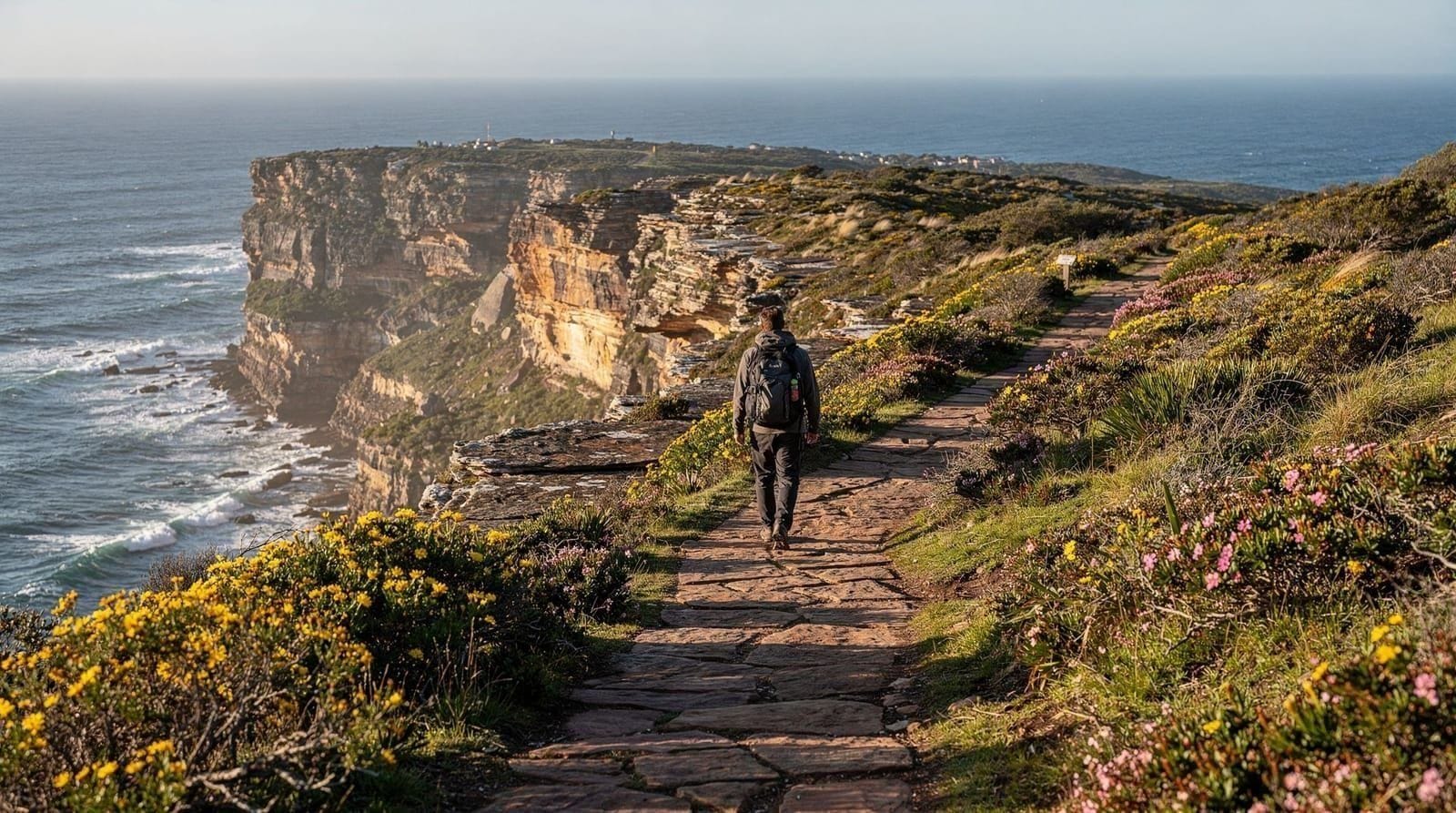
Illawarra Escarpment Walk: The escarpment behind Wollongong rises steeply to about 400 m. Several walking tracks access lookout points with views over the city and the ocean — Mount Keira Summit Walk (4 km loop, allow 2 hours) is the most accessible.
Wollongong and Kiama day trip from SydneyKiama
Kiama is 45 km south of Wollongong along the Princes Highway, a smaller coastal town (population ~25,000) with two significant attractions and a pleasant town centre.
Kiama Blowhole: The larger of two blowholes on the Kiama headland, the Kiama Blowhole can jet seawater up to 25 metres into the air during heavy swells. Timing is unpredictable — you may wait 20 minutes and see nothing, or witness six jets in a row. Free, well-signed from the town centre, with parking adjacent. The smaller blowhole at Blowhole Point is 1.5 km south.
Cathedral Rocks Headland Walk: A 2.5 km loop from the Kiama town centre along the coast, passing the blowholes, Surf Beach, Kiama Harbour, and the Cathedral Rocks sea stack. Flat, easy terrain; 45–60 minutes. Good views along the whole circuit.
Jamberoo Action Park: A water park at Jamberoo, about 12 km inland from Kiama. Open November–March; mainly for families with children.
Symbio Wildlife Park (Helensburgh)
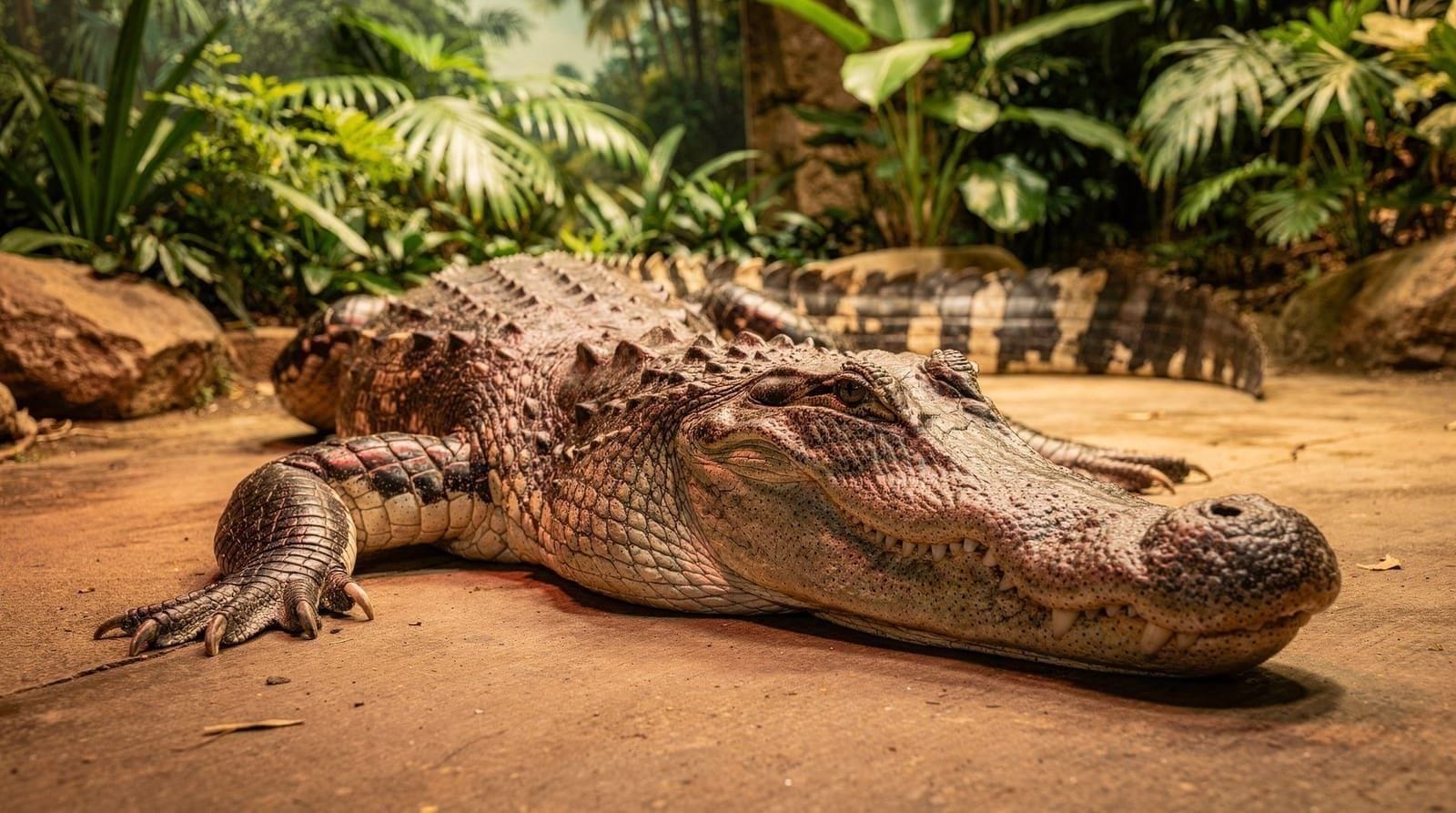
Symbio Wildlife Park is on the highway at Helensburgh, 8 km before the Royal National Park entry from Sydney. It is a small to medium wildlife park with koalas (holding available), kangaroos, wombats, Tasmanian devils, meerkats, and a petting zoo. Check the official Symbio Wildlife Park website for current ticket prices.
It is a convenient add-on to the Grand Pacific Drive if travelling south (stop on the way out of Sydney), less efficient as a separate destination. The wildlife quality is good; the park is clean and well-run.
Wildlife, waterfalls, and wine tour including Symbio Wildlife ParkBy train: Wollongong without the drive
If you do not have a car, the Sydney–Wollongong train (Illawarra Line from Central Station) runs frequently and takes about 90 minutes, paid with Opal. The train arrives at Wollongong station, a 10-minute walk from North Beach and the lighthouse headland.
Wollongong city is manageable on foot or by local bus. The Nan Tien Temple requires a local bus or taxi. The Grand Pacific Drive itself is not accessible by public transport — the Sea Cliff Bridge section requires a car.
Realistic day structure
Day trip by car:
- Depart Sydney 8 am via M5/Princes Highway
- 9 am: Bald Hill Lookout, Stanwell Tops (15 minutes)
- 9:30–10 am: Sea Cliff Bridge (30 minutes including photo stops and walk on bridge footpath)
- 10:30 am: Thirroul or Austinmer coffee stop
- 11 am–1 pm: Wollongong (lighthouse headland, North Beach, city centre)
- 1–2 pm: Lunch at Diggies Beachside Café (Wollongong North Beach) or Nan Tien Temple vegetarian restaurant (the latter requires heading south of the city)
- 2:30–4:30 pm: Drive to Kiama; blowhole, Cathedral Rocks walk
- Depart Kiama by 5 pm, back in Sydney by 7 pm via Princes Highway or F6 Motorway
Extending to Jervis Bay: Kiama to Jervis Bay is about 80 km further south (50–60 minutes). Adding this makes the trip a full south coast loop — manageable but a long day. See Jervis Bay day trip for what you would need to prioritise.
Is it worth the drive?
For Sydney visitors with a car and a day to spare: yes, clearly. The Grand Pacific Drive is one of the best short coastal drives in NSW, Sea Cliff Bridge is a genuine engineering spectacle, and Kiama’s blowhole adds a natural curiosity. The drive can be done comfortably without rushing and returns to Sydney well before dark in most seasons.
For visitors without a car: The train to Wollongong is worth an afternoon if you have a spare half-day in Sydney — it is an easy short trip with a different vibe from the city. But the drive section is the main draw; the train option gives you the city without the coastal road.
Best season: March–May and September–October for clear air and comfortable temperatures. June–August can bring low cloud on the escarpment; the views at Bald Hill are spectacular when cloud is below the cliff edge but you may miss them if the fog is thick.
For the destination guide to Wollongong and for Royal National Park logistics (the northern trailheads connect to Stanwell Tops), see the Royal National Park guide.
Parking and practical logistics
Bald Hill Lookout and the Sea Cliff Bridge viewing areas both have free car parks, but they fill by mid-morning on weekends — arrive before 9:30 am if you want the closest spots and want to avoid backtracking. Wollongong’s North Beach has metered street parking and a paid car park near the lighthouse headland; check the signs for current rates. Kiama’s blowhole car park is free but small and the busiest single spot on the whole route on weekends and school holidays.
Fuel is available in Helensburgh, Wollongong, and Kiama — there’s no need to fill up before leaving Sydney. Mobile reception is patchy on the descent into Coalcliff, so download offline maps if you’re relying on a phone.
Combining with other south coast stops
If you have more than a single day, the Grand Pacific Drive pairs naturally with Royal National Park in the morning (the Sea Cliff Bridge section starts right where the park ends at Stanwell Tops) or with a longer run to Jervis Bay if you’re prepared to drive back after dark.
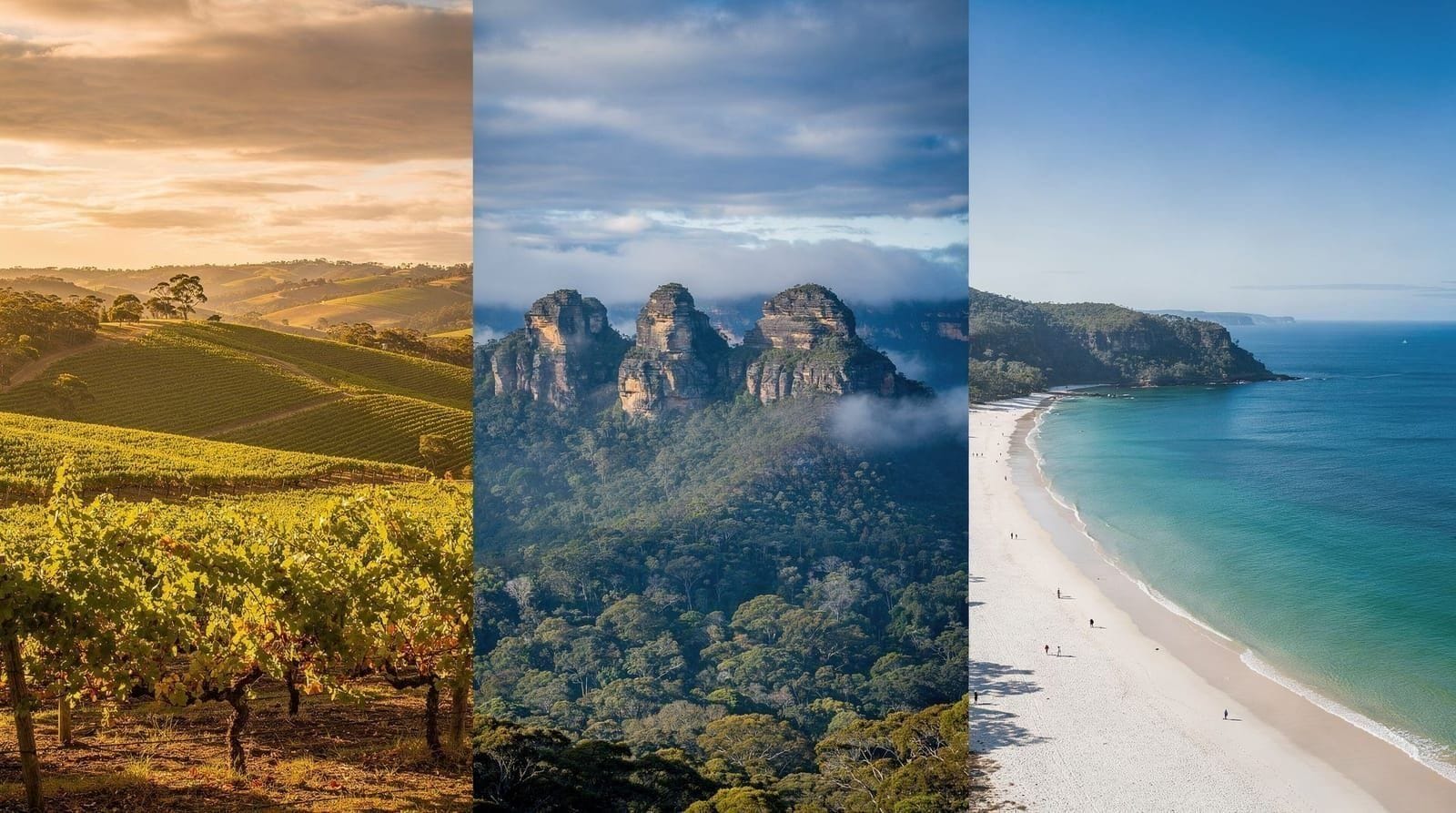
For visitors weighing up which NSW day trip suits them best, the best day trips from Sydney guide compares this route against the Blue Mountains, Hunter Valley and Central Coast options. Families debating Wollongong versus a wildlife-focused day should also check Symbio Wildlife Park style options along the way, and swimmers who want an ocean pool stop beyond Austinmer should see Sydney’s ocean pools guide for the Wollongong-area equivalents.
Frequently asked questions about Wollongong and the Grand Pacific Drive
Can you do the Grand Pacific Drive without a car?
Partly. The Sydney-Wollongong train covers Wollongong itself (about 90 minutes), but the Sea Cliff Bridge section and the drive to Kiama are not served by public transport. A day tour that includes the coastal drive is the only car-free way to see the whole route.Is Kiama or Wollongong better for a first visit?
Wollongong has more to fill a half-day (lighthouse headland, Nan Tien Temple, the Illawarra Escarpment Walk). Kiama is smaller and quicker to see (blowhole and Cathedral Rocks walk in under 2 hours) but has less to fall back on if the weather turns.
Top experiences
Bookable activities with verified prices and instant confirmation on GetYourGuide.