Royal National Park guide — coastal walks, wildlife, and day trip logistics
Sydney: Royal National Park day trip
How do you visit Royal National Park from Sydney?
Royal National Park is 36 km south of Sydney CBD — about 40 minutes by car to the Audley visitor centre or 1 hour by train to Waterfall station on the Illawarra Line. Vehicle entry costs AUD 12 per day. For the celebrated Coastal Track, take the train to Cronulla and the ferry to Bundeena — a much more scenic entry to the park's eastern coast.
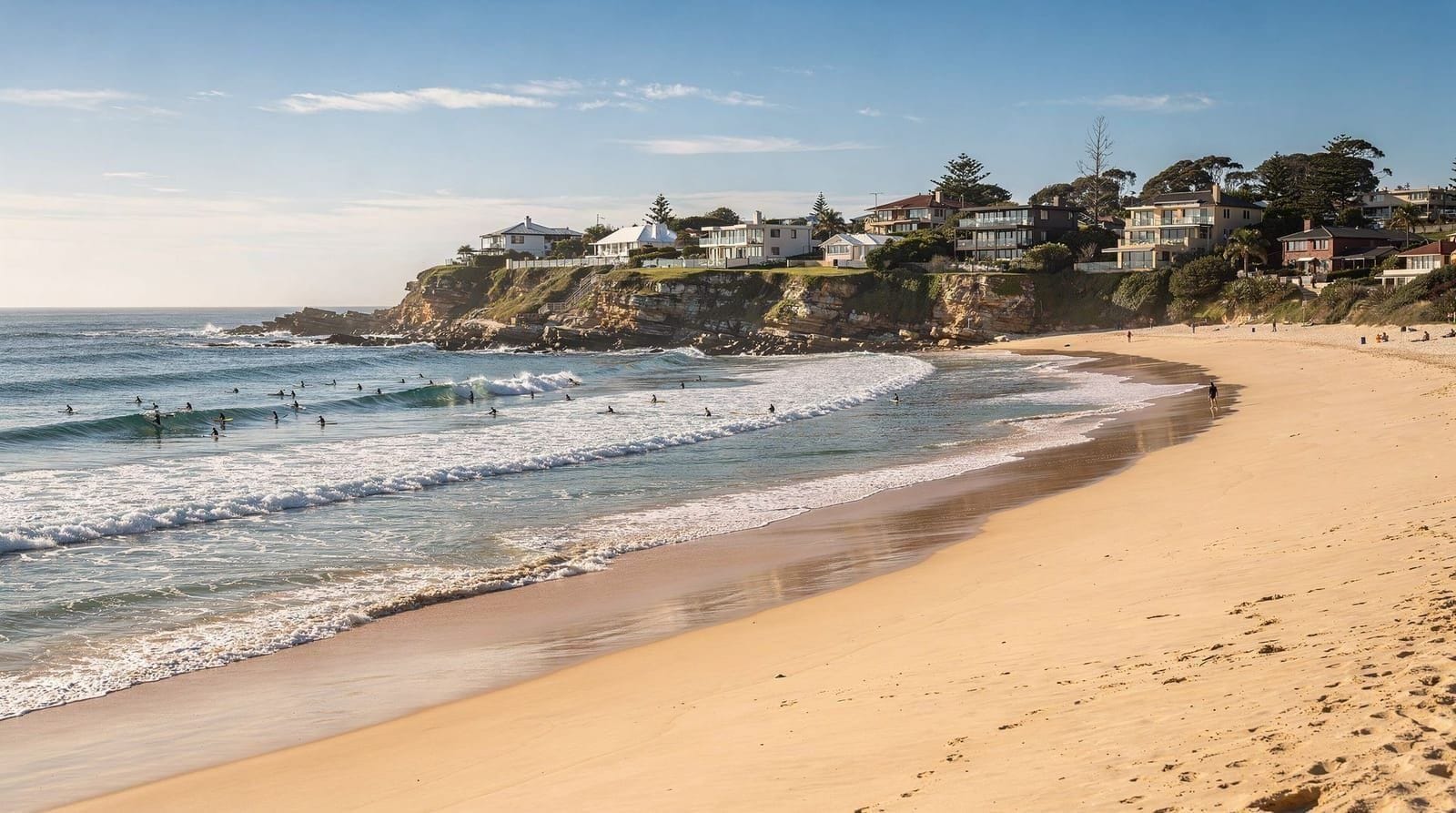
Royal National Park, established in 1879, is the second-oldest national park in the world and one of Australia’s best. Sitting just 36 km south of Sydney CBD, it is the closest wilderness to the city — a 15,080-hectare expanse of coastal heath, eucalyptus forest, sea cliffs, and beach that feels entirely different from urban Sydney. The park’s Coastal Track is regarded as one of the best coastal walks in New South Wales.
Despite its proximity, most Sydney visitors and many long-term residents have never visited. The park lacks a single “must-see” spectacle (unlike the Blue Mountains’ Three Sisters or Jervis Bay’s white sand) but rewards properly — particularly for walkers, birdwatchers, and anyone who wants to escape city noise without a long drive.
At a glance
| Where | 36 km south of Sydney CBD, entered at Loftus (car) or via the Bundeena ferry from Cronulla |
| Cost | Vehicle entry around A$12/day; free by train, ferry, or bike; for camping, check the official NSW National Parks website |
| Time needed | Half a day for Wattamolla or Audley; a full day for the Bundeena-to-Garie coastal walk; 2 days for the full Coastal Track |
| Getting there | Illawarra Line train to Loftus/Waterfall/Otford, or train to Cronulla + ferry to Bundeena |
| Best time | Wildflower season August–November for waratahs; midweek year-round to avoid car park crowding |
Getting there
By car
From Sydney CBD, take the M5 or the Princes Highway south to the park’s northern entry at Loftus (off the Princess Highway, near Sutherland). The Audley visitor centre, on the Hacking River within the park, is about 40 minutes from the CBD without traffic.
Vehicle entry fee is AUD 12 per day, paid at the entry station (cash or card). The fee covers the vehicle, not individual passengers. Carparks inside the park fill on summer weekends and long weekends by 9–10 am — arrive early or visit midweek.
By train
The Illawarra Line from Central Station stops at Loftus (for the park’s northern walking tracks), Engadine, Heathcote, Waterfall (for the southern end of the Coastal Track and the Uloola Falls area), and Otford (for the southern end of the Coastal Track). Journey times from Central vary from 50 minutes (Loftus) to about 75 minutes (Otford).
There is no bus service inside the park. Arriving by train requires planning your walk to begin and end at or near a station, or at Bundeena (accessible by ferry, see below).
Bundeena ferry from Cronulla
The most scenic and logistically elegant way to access the Coastal Track is via the Bundeena ferry. From Sydney CBD, take the train to Cronulla (about 60 minutes), then the National Park Ferry from Cronulla Wharf to Bundeena (a 30-minute crossing). The ferry runs roughly hourly (check the official National Park Ferries timetable and fare; last return ferry timing matters for walkers).
Bundeena is a small village inside the park’s eastern edge, with a beach, a pub, and the start of the Coastal Track heading south.
The Coastal Track
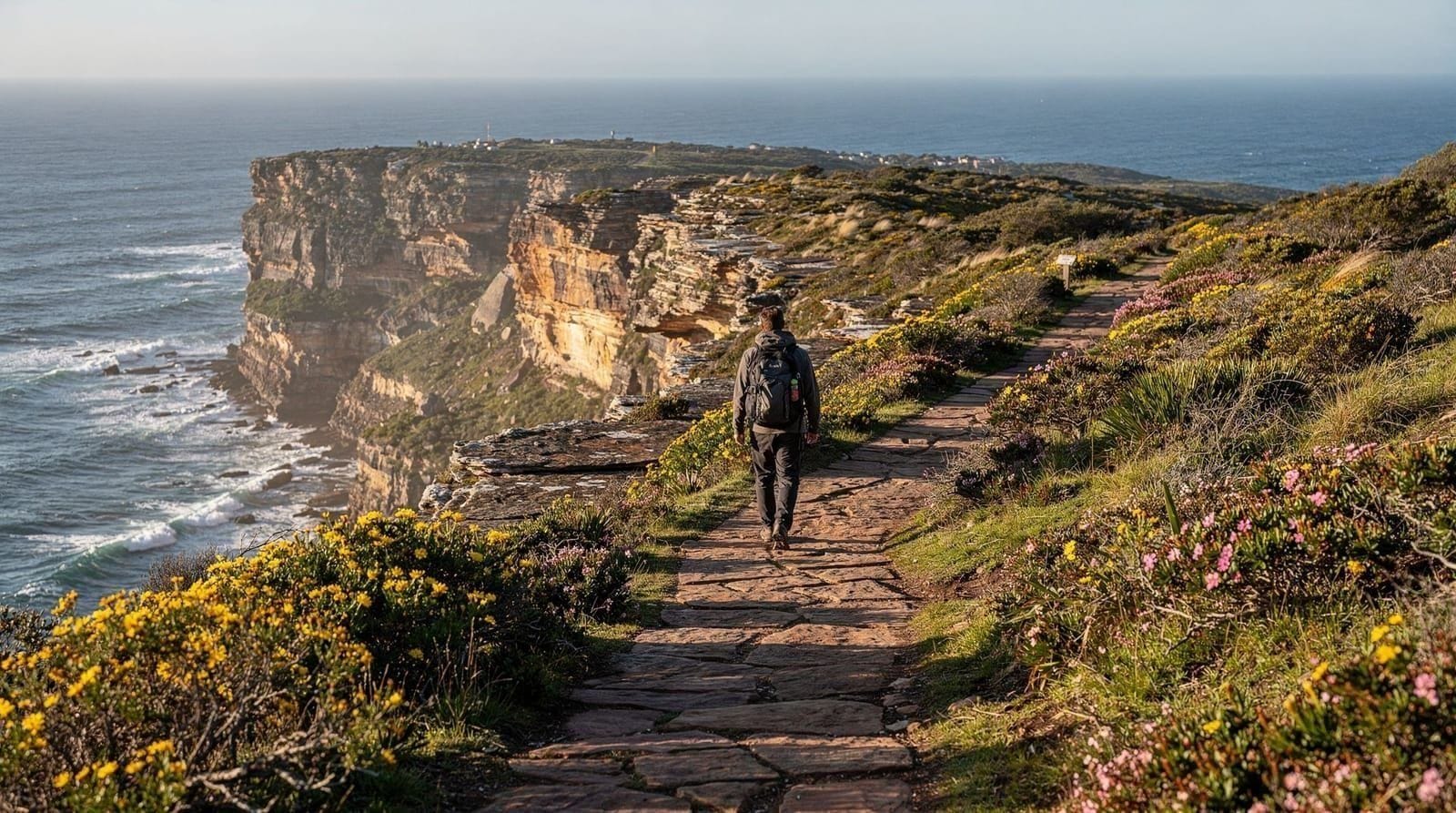
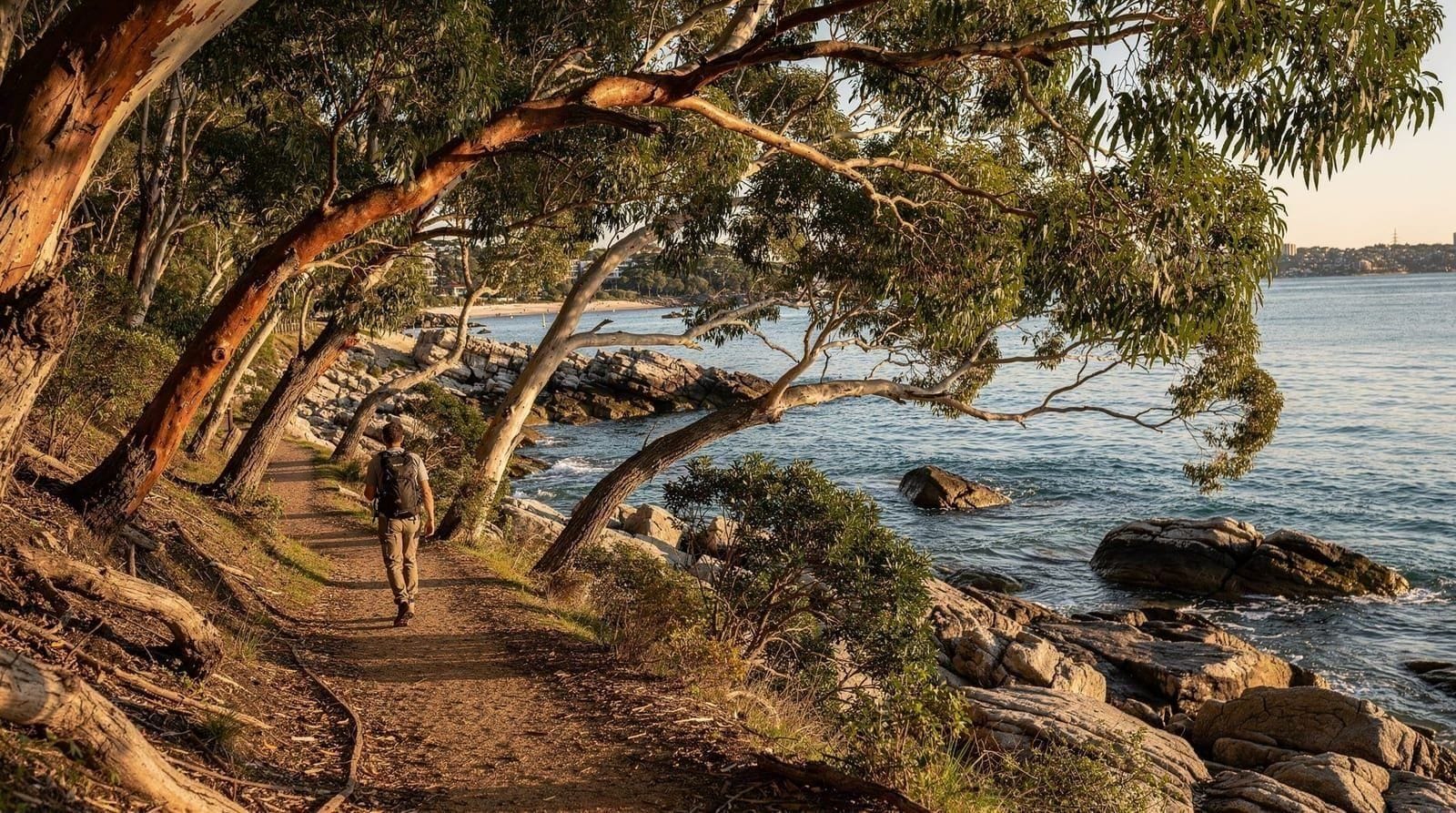
The Coastal Track is Royal National Park’s premier walk — a 27 km route along sea cliffs from Bundeena in the north to Otford in the south (or vice versa). The track is well-marked and the terrain varies from sandy beach walking to exposed clifftop sections with the Tasman Sea below.
Full 27 km walk (2 days): The standard way to do the Coastal Track is to split it over two days with a night camping. Check the official NSW National Parks website for current campsites, permits and fees, and book well in advance for weekends and school holidays. This is a genuine overnight wilderness walk — bring a tent, food, and water (no water supply on the track; you carry it from Bundeena).
Bundeena to Garie Beach (12 km, one way): A manageable day walk for fit hikers, covering the northern half of the track. From Garie Beach, a private bus service or shuttle can be pre-arranged back to Bundeena or the highway. This section has the best coastal cliff views and includes the boulder scramble section at Little Marley.
Otford to Burning Palms (6 km return): An easier half-day walk from Otford station (accessible by train from Sydney in about 75 minutes), this section descends to Burning Palms beach — a remote, surf-exposed beach with lifeguard patrols on peak summer weekends. The return involves a steep 200 m climb back to the clifftop; allow 3–4 hours.
Royal National Park coastal walk from Bundeena to WattamollaOther walks and areas
Wattamolla: A sheltered lagoon with a beach and a cascade waterfall, accessible by car from the Garie Road within the park. Popular for swimming, picnics, and kayaking. Parking fills quickly on summer weekends by 9 am.
Uloola Falls: A 10 km loop from Heathcote station (Illawarra Line, about 65 minutes from Central), following Uloola Creek to a waterfall and returning via the forest. Mostly shaded, no steep sections. Good in autumn and winter when the creek flows strongly.
Lady Carrington Drive: A 10 km walk along a sealed heritage road (closed to vehicles) following the Hacking River from Audley visitor centre to Waterfall. Flat, easy, suitable for wheelchairs and bikes. Good birdwatching.
Marley Beach headland walk: From the Marley Beach car park, a 4 km loop to Marley Head with ocean views, then back via Little Marley Beach — one of the park’s quiet sandy beaches accessible only on foot.
Wildlife
Royal National Park is a serious birdwatching destination. The heath and coastal scrub support yellow-tailed black cockatoos (a spectacular species that sometimes flies over coastal sections of the track), glossy black cockatoos, honeyeaters, fairy-wrens, and raptors including white-bellied sea eagles along the coast. Dawn and dusk at Audley or Wattamolla frequently produce eastern grey kangaroos and wallabies grazing on the grass areas.
Wildflower season (August–November) is the park’s botanical highlight. The coastal heath turns to a mosaic of waratahs (NSW state emblem), banksias, hakeas, and native orchids. Peak waratah season is typically September–October. The Garrawarra Farm area on the park’s western edge is worth visiting in September specifically for waratahs.
Audley visitor area
The Audley visitor centre sits on the Hacking River inside the park, accessed from the Princes Highway at Loftus. Facilities include a café (Audley Dance Hall, a historic 1920s building now operating as a café and function venue), canoe and kayak hire on the river, and barbecue picnic areas. The visitor centre has park maps and can advise on current track conditions.
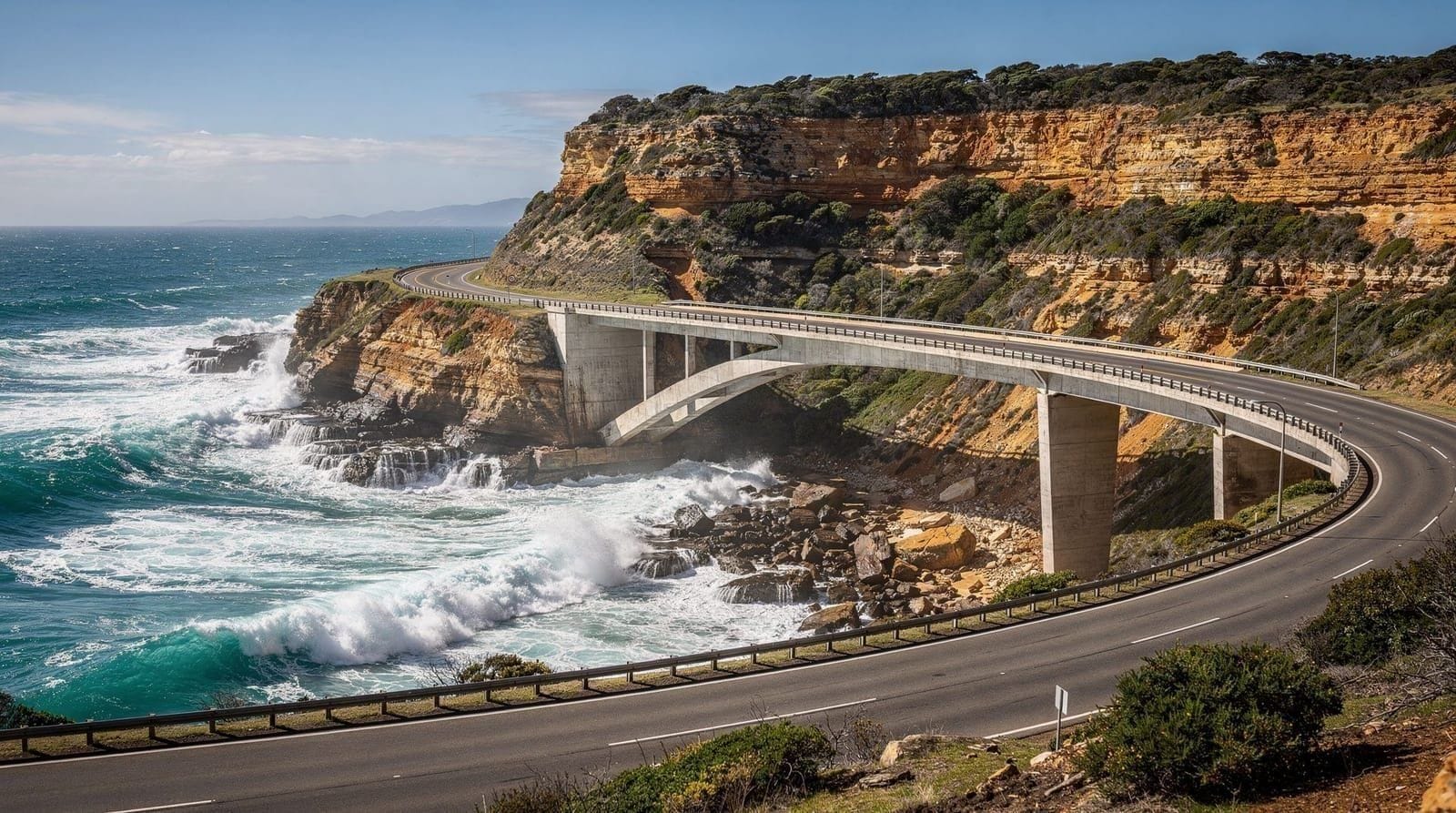
Royal National Park day trip from SydneyPractical notes
Vehicle entry: AUD 12 per vehicle per day. No entry fee if you arrive by train, ferry, or bicycle.
Camping: Check the official NSW National Parks website for current campgrounds, permits and fees. Bonnie Vale campground near Bundeena has powered sites and is more accessible.
Water: The Coastal Track has no reliable water source between Bundeena and Otford. Carry at minimum 2–3 litres per person; more in summer.
Seasonal conditions: Summer (December–February) brings high UV, heat, and the highest fire risk. The park sometimes closes sections during extreme fire danger days (Total Fire Ban days). Always check NSW National Parks and the NSW RFS app before a summer visit.
Mobile coverage: Patchy inside the park, particularly on the Coastal Track. Download offline maps before entering.
Is it worth the day trip?
For walkers: Royal National Park is outstanding. The Coastal Track is world-class for a half or full-day walk, and the Bundeena ferry approach makes it a genuinely different kind of Sydney day. The park consistently rewards visitors who arrive with a specific walk in mind rather than just driving in and looking for signage.
For casual visitors: Wattamolla is a beautiful picnic and swimming spot that requires no hiking. Audley has the café and the river. The park works for families who want a green escape from the city.
What it is not: It is not a substitute for a proper national park wilderness experience requiring days to explore. The park’s proximity to Sydney means weekend crowding at car parks and popular spots. Midweek visits are dramatically quieter. For reference on combining Royal National Park with the Wollongong coastal drive, see Wollongong and the Grand Pacific Drive.
Bundeena: the village inside the park
Bundeena is a small, low-key beach village (population around 2,000) within the park’s eastern boundary, accessible only by the ferry from Cronulla or a long drive through the park. It has the feel of a place slightly outside time — a handful of cafés, a surf club, the Bundeena Hotel (pub), and an arts community that has grown up here due to the isolation and cheap-by-Sydney-standards rents.
For a day trip, Bundeena functions primarily as the start of the Coastal Track or a quiet beach visit (Jibbon Beach, 5 minutes’ walk from the wharf, is calm and good for families). The Jibbon Head Aboriginal engraving site is a 1.5 km loop from the wharf — an accessible set of engravings on a sandstone platform with ocean views. Allow 45 minutes.
The Bundeena Hotel (a classic Australian bush pub) serves a reasonable lunch and is a good spot to wait for the return ferry if you have timed your walk to finish before the last service.
Ferry timing: The last return ferry from Bundeena to Cronulla departs in the late afternoon (around 5:30–6 pm depending on the season). If you are walking the Coastal Track from Bundeena south, confirm the return service does not strand you — the park does not have taxis.
Visitor comparison: Royal National Park vs Blue Mountains
Both are within 2 hours of Sydney and offer genuine nature day trips. The comparison:
- Blue Mountains: More dramatic scenery (deep gorges, iconic viewpoints), better infrastructure (Scenic World, visitor centre, restaurants in Katoomba), more suitable for non-hikers (viewpoints accessible by bus or car).
- Royal National Park: More intimate, less commercialised, best for walking (particularly the Coastal Track). The Bundeena ferry adds a uniquely pleasant approach. No comparable dramatic viewpoint for non-walkers.
For most international first-time visitors, Blue Mountains is the priority day trip. Royal National Park rewards visitors on second or subsequent Sydney visits, or those specifically interested in coastal walking.
How to plan a guided tour
For visitors without a car who want the full park experience beyond the Bundeena ferry, guided tours from Sydney cover the park’s highlights with transport included.
Private Royal National Park tour from SydneyA private tour is worth considering for groups of 4–6 who want to cover both the Coastal Track section and Wattamolla without the logistics of train/ferry coordination.
For the destination entry, see Royal National Park destination guide. For comparisons with Blue Mountains and other nature day trips, see best day trips from Sydney.
Combining with Cronulla and other coastal walks
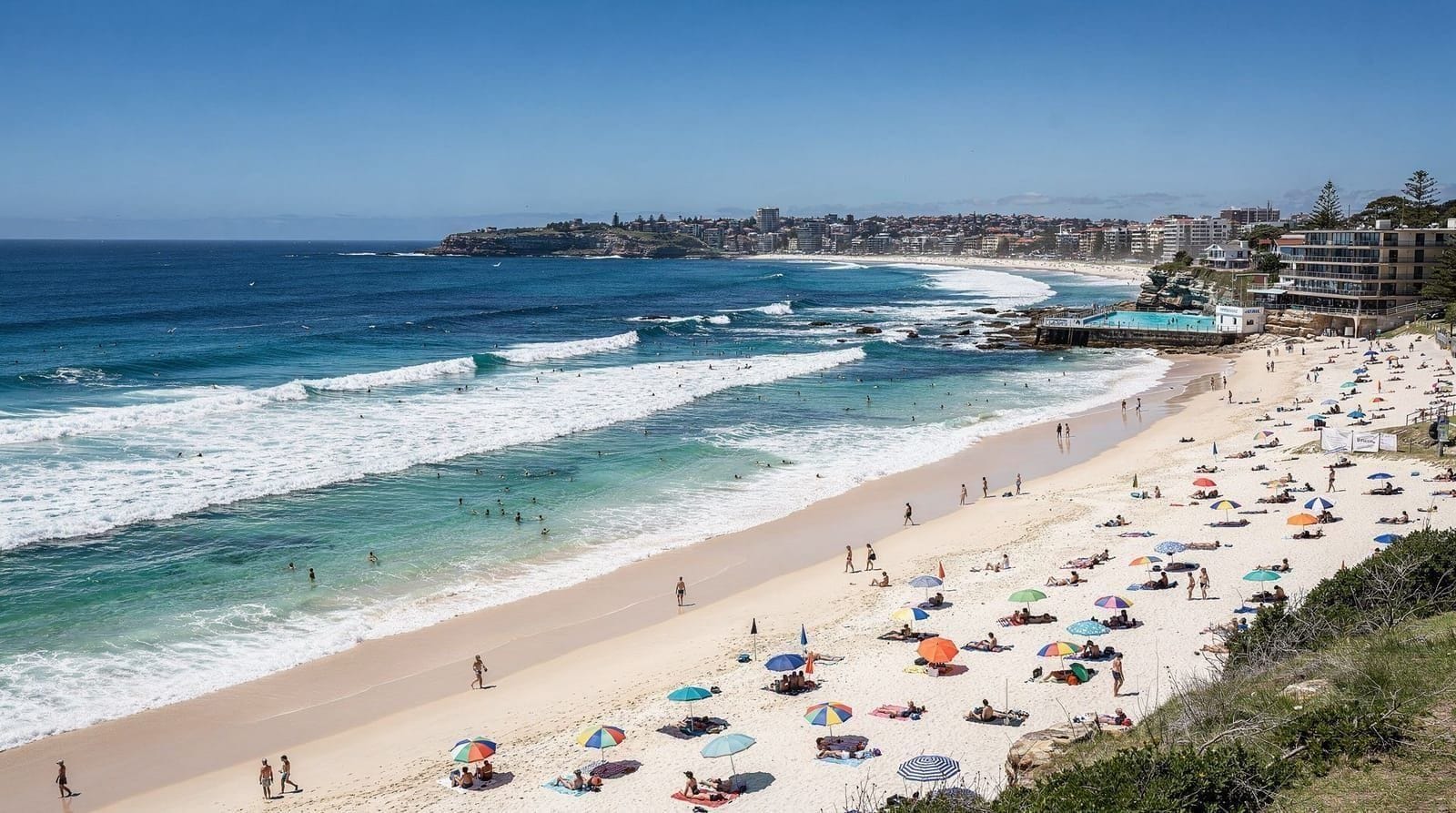
Because the Bundeena ferry departs from Cronulla, it’s easy to build a full day around both. Cronulla’s beaches are worth an hour or two before or after the ferry crossing, and if coastal walking is the main draw, this track sits alongside other options covered in Sydney’s coastal hikes — useful for comparing effort and scenery before committing a full day to the Royal National Park version.
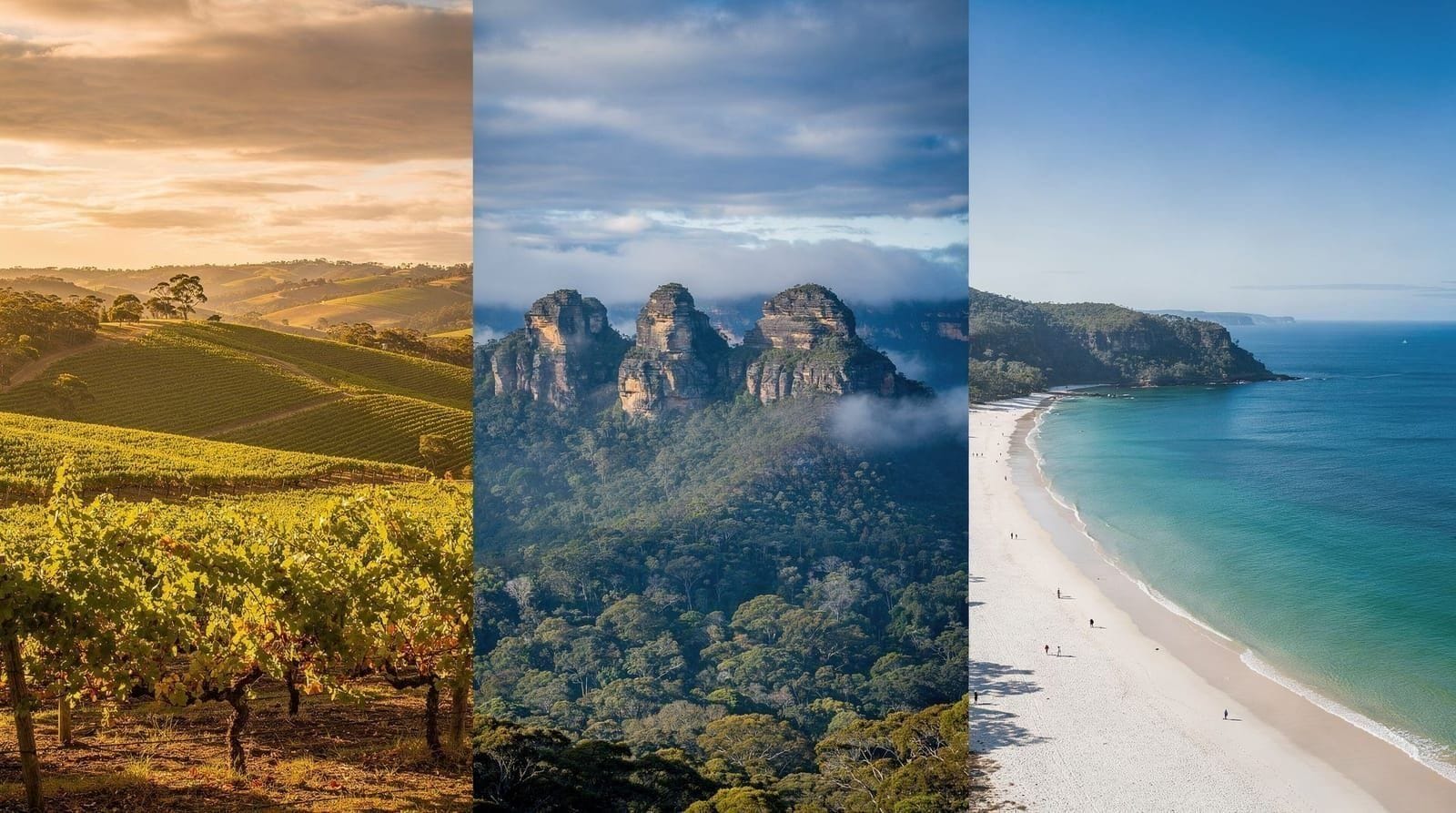
For visitors deciding between this and other day trips, Jervis Bay offers whiter sand and calmer water but a longer drive, while the Blue Mountains day trip guide remains the more common first choice for visitors without a car. Royal National Park works best as a second or third nature day trip, or as the priority pick for anyone who specifically wants a serious coastal walk rather than a lookout-and-cafe day.
Top experiences
Bookable activities with verified prices and instant confirmation on GetYourGuide.