Featherdale Wildlife Park — visitor guide and honest review
Sydney: Featherdale wildlife park general entry ticket
What makes Featherdale Wildlife Park different from Sydney's CBD wildlife venues?
Featherdale (Doonside, Western Sydney) allows hands-on encounters not possible at Taronga or CBD venues — you can hand-feed kangaroos and wallabies freely, and koala photo experiences are available. Entry is AUD 49 per adult (10% off online), making it significantly cheaper than Taronga. The trade-off is location — it's 45 minutes from the CBD by train plus a short bus or taxi ride.
Featherdale Wildlife Park in Doonside (Western Sydney) occupies a specific niche in Sydney’s wildlife landscape: it’s the most affordable and hands-on native wildlife experience within reasonable distance of the CBD. The park focuses entirely on Australian species, allows direct interaction with free-roaming kangaroos and wallabies, and offers koala photo experiences that aren’t available at most inner-Sydney venues due to New South Wales regulations.
| At a glance | |
|---|---|
| Where | Doonside, Western Sydney (217–229 Kildare Road) |
| Cost | AUD 49 per adult (10% off online), AUD 29 per child |
| Time needed | Around 2 hours |
| Getting there | Train to Blacktown, then a short taxi/rideshare (around 50 minutes door to door from the CBD) |
| Best time | Weekday mornings, outside NSW school holidays |
Why visit Featherdale rather than Taronga or WILD LIFE
The comparison comes down to what experience you’re prioritising:
- Featherdale: hands-on, affordable, Australian animals only, 45 minutes from CBD. Kangaroos walk around your legs and take food from your hand. Koala photos available. A 2-hour visit at AUD 49 per adult.
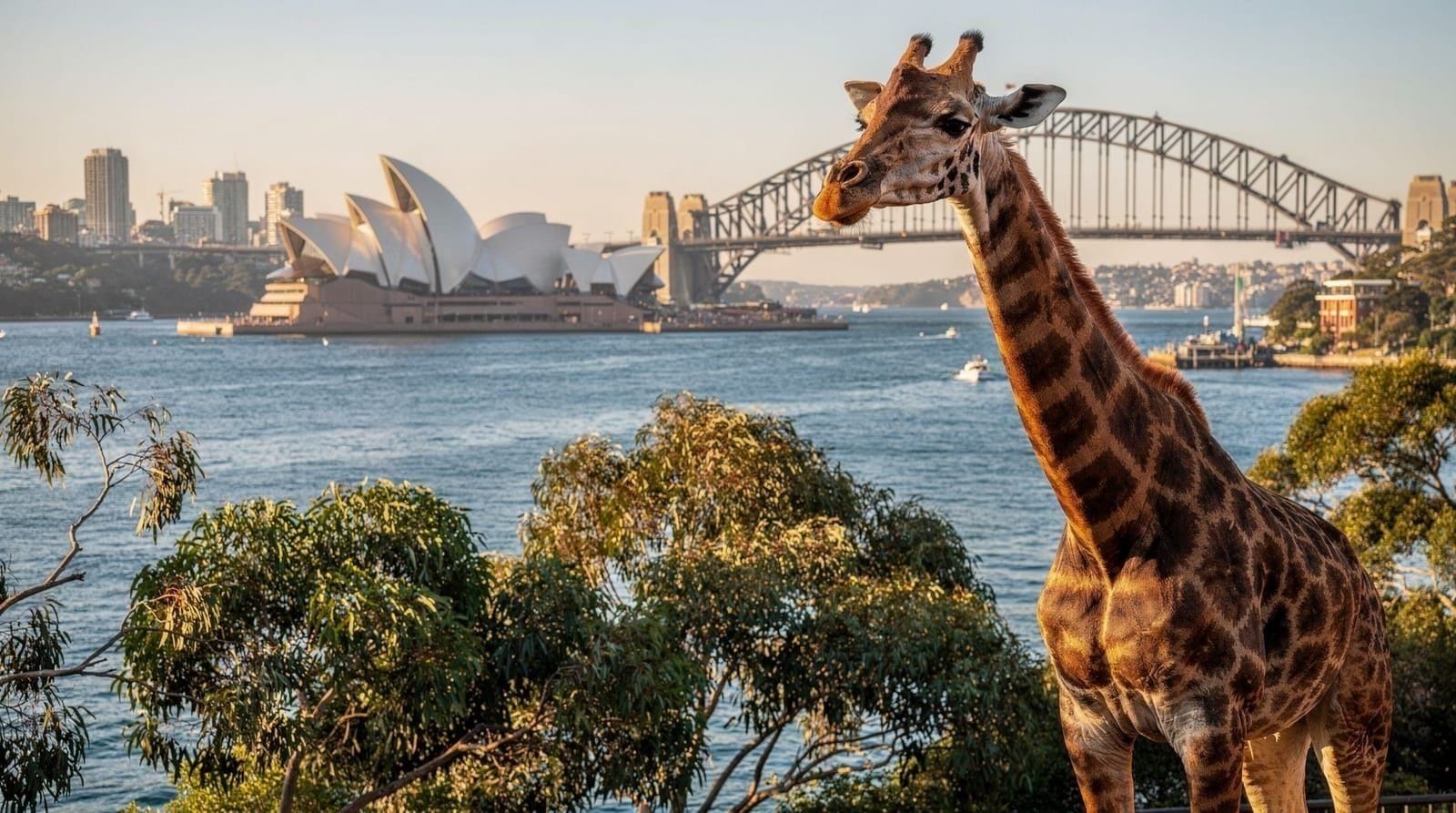
- Taronga Zoo: world-class zoo, harbour views, international species, ferry experience, full day, AUD 54–90 per person. See Taronga Zoo guide.
- WILD LIFE Sydney Zoo: Australian animals only, CBD location, entirely indoor, no hands-on interaction, AUD 44 per person.
For families — particularly those with children under 10 who want tactile animal encounters — Featherdale consistently outperforms the CBD venues per dollar. The moment a toddler hand-feeds a wallaby for the first time is genuinely hard to replicate in a glass-fronted exhibit. For adults who want comprehensive wildlife coverage including gorillas, giraffes, and international species, Taronga is the better choice.
Featherdale Wildlife Park general entry — book onlineWhat’s in the park
Free-roaming kangaroos and wallabies
This is the headline feature. Multiple species of kangaroo and wallaby roam the open walkways — you walk among them throughout your visit. Visitors can purchase animal food pellets at the gate (AUD 5 per cup of feed, while stocks last, included in some ticket packages). The animals are accustomed to human contact and will approach for food. Extending a flat hand with pellets toward a wallaby is straightforward; the animals bite gently and the texture of their lips is a surprisingly memorable sensory detail for children.
Species typically present include red kangaroos (Australia’s largest marsupial, up to 90 kg), eastern grey kangaroos (the most widespread Australian kangaroo), red-necked wallabies (smaller, with rufous shoulders), and swamp wallabies (darker, stockier). Staff can identify the animals if you want to know which is which.
The free-roaming nature means encounters are genuinely unscripted — some animals will approach immediately; others will ignore you entirely. This unpredictability makes it more authentic than managed feeding sessions where animals are guided by keepers.
Koala encounters
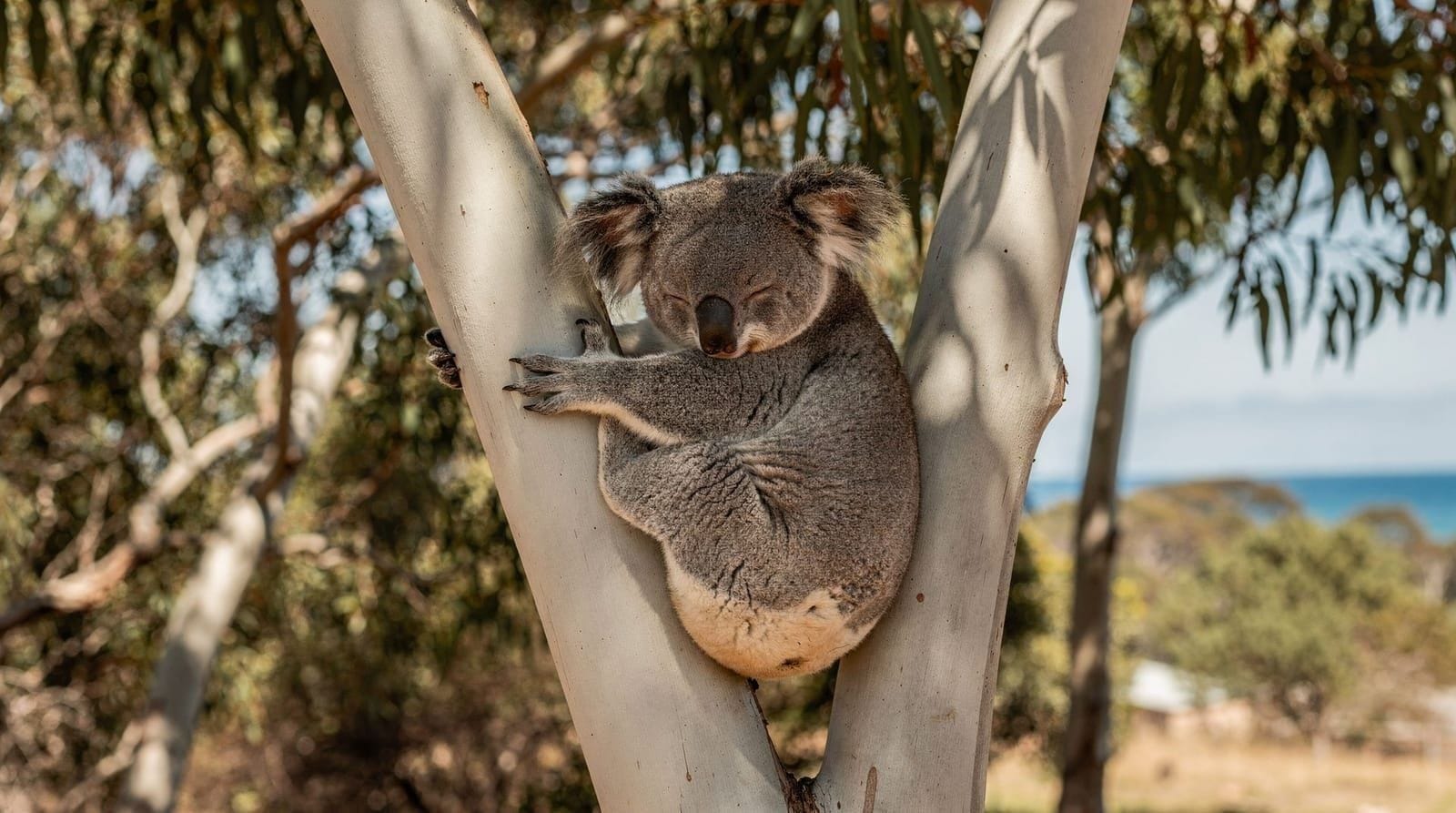
The park has a large koala population across several habitat trees. Viewing platforms bring you to tree height for close observation. The koala photo experience — sitting next to (not holding) a koala on a keeper’s arm for a photograph — is available at an additional AUD 20–25 and includes a professional digital photo. Sessions are available most days; book at the gate on arrival as slot numbers are limited, particularly on weekends.
The koala holding distinction in New South Wales is important: unlike Queensland and South Australia, NSW legislation does not permit members of the public to hold koalas independently. At Featherdale, the paid Personal Koala Experience lets you pat a koala with a keeper, with a souvenir photo included — a compliant and still rewarding encounter.
Koalas sleep for 18–20 hours a day, so expect to see them in their typical resting posture. Morning visits (park opens at 8 AM) increase your chances of seeing them moving between trees or feeding.
Wombats
Featherdale’s wombat enclosure allows close viewing and sometimes hands-on interaction during keeper sessions. Common wombats and southern hairy-nosed wombats are typically both represented. Wombats are more active than they look — capable of running at 40 km/h for short distances, though you’re unlikely to see this in a park setting. Their cube-shaped droppings (unique in the animal kingdom) are a reliable conversation-starter for accompanying children.
Echidnas
Echidnas are egg-laying monotremes — one of the world’s most evolutionarily unusual mammals, sharing this distinction only with the platypus. They feed primarily on ants and termites using a long, sticky tongue. Their quills are defensive rather than actively launched (a common misconception). Featherdale’s echidnas may be handled by keepers during presentations; animals’ feeding behaviour in keeper sessions is interesting to watch. Check the daily programme for echidna presentation times.
Tasmanian devils
Tasmanian devils are carnivorous marsupials about the size of a stocky dog. They have the strongest bite relative to body size of any living land mammal. The vocalisations — a startling screech during feeding — are one of the more memorable sounds at Australian wildlife parks. Featherdale’s devils are fed on a schedule (posted at the entry board each morning). The feeding presentation is worth attending for the behaviour it triggers.
Reptiles and birds
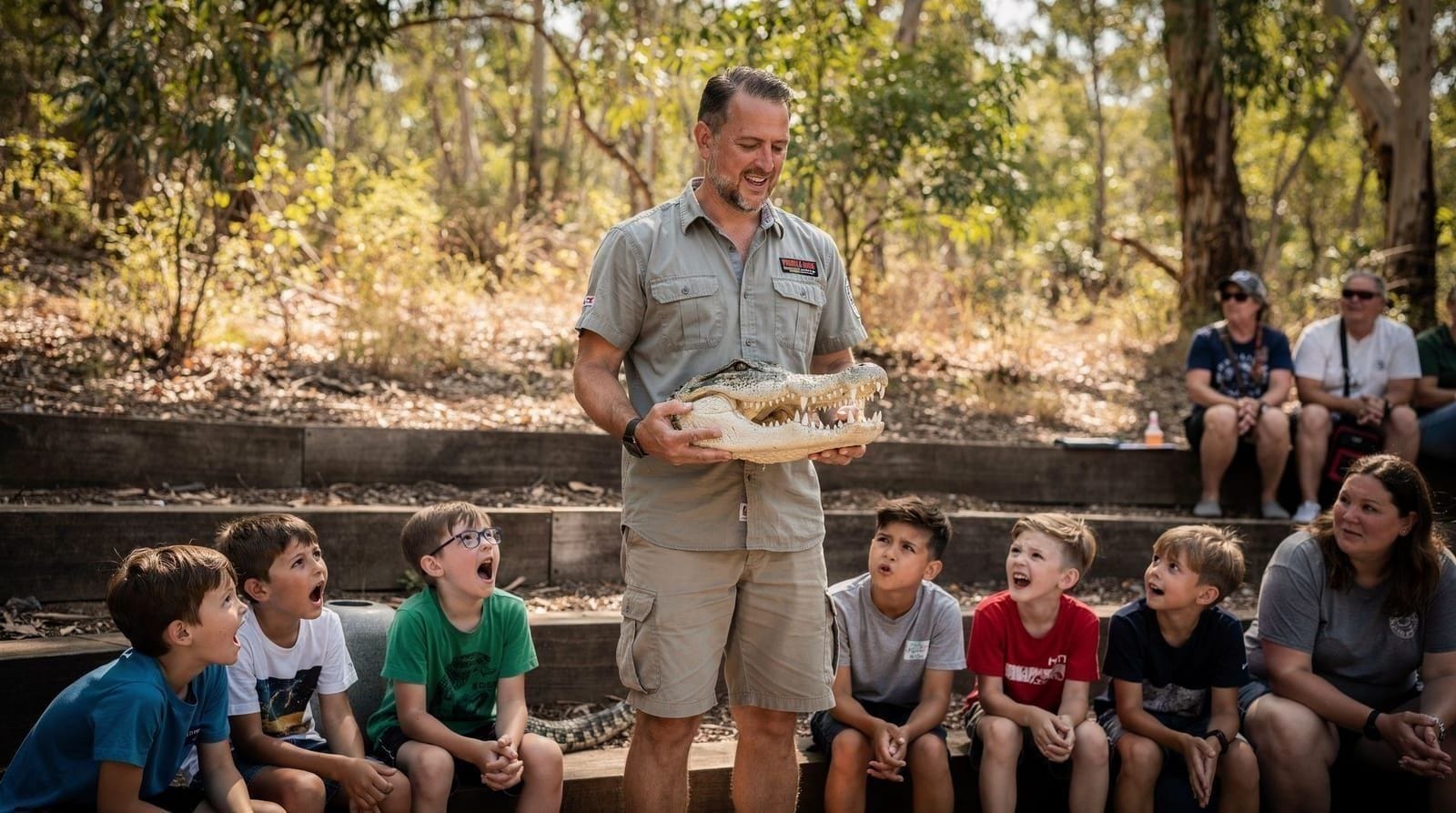
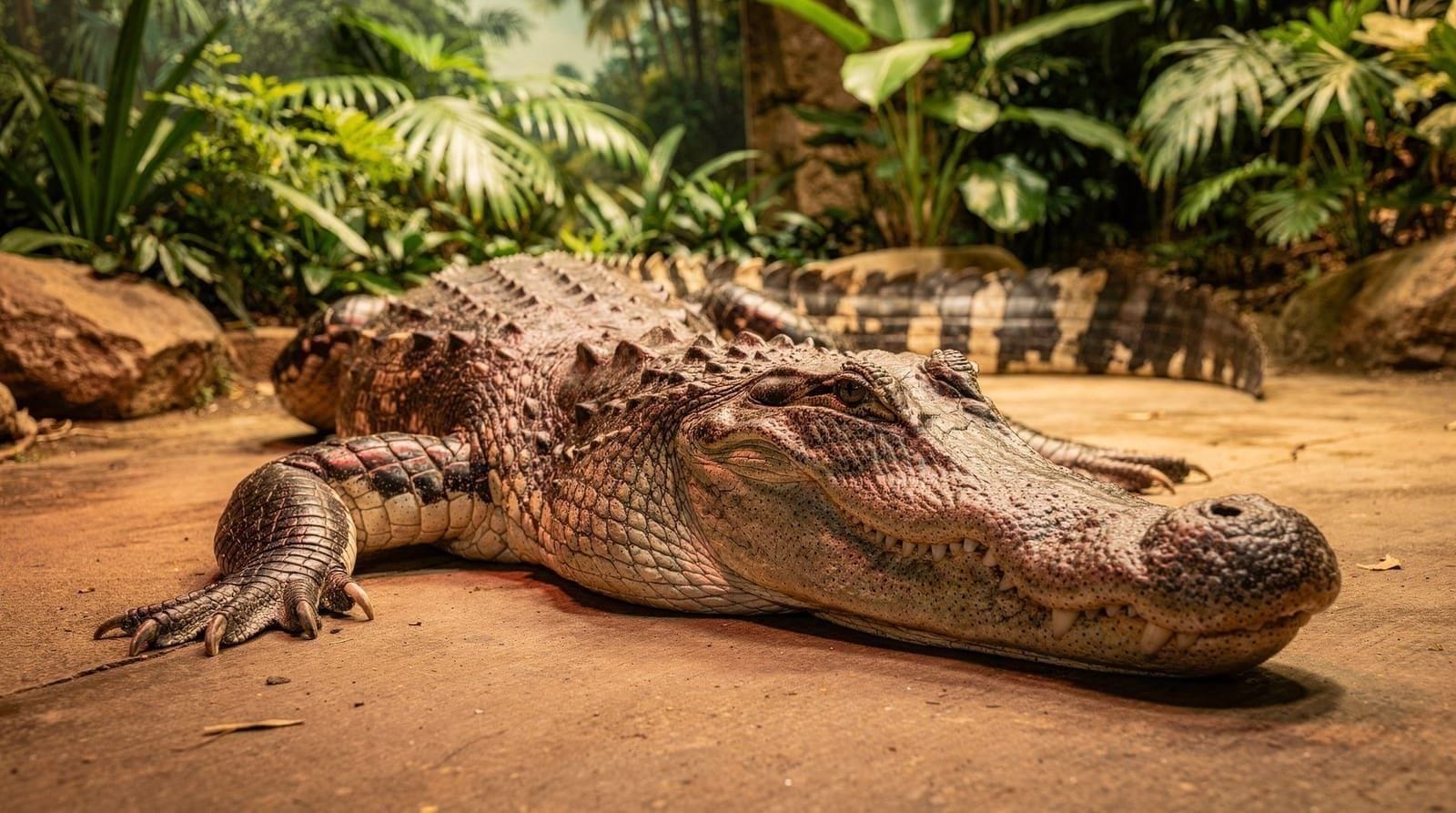
Featherdale’s reptile collection includes freshwater crocodiles, monitors (goannas), various python species, blue-tongue lizards, shinglebacks, and water dragons. The bird section covers native parrots (sulphur-crested cockatoos, rainbow lorikeets, red-tailed black cockatoos), emus, and various waterbirds. Free-flight bird shows are occasional rather than guaranteed daily — check the programme board.
Dingoes
A small dingo exhibit with keeper presentations provides context on Australia’s wild dog — both its ecological role and the controversy around its management. Dingoes are genetically distinct from domestic dogs, though the two can interbreed, and pure dingo populations are increasingly rare. The exhibit is informative rather than spectacular.
Wading birds and waterbirds
A pond area with native waterbirds — spoonbills, ibis, herons, and various duck species. Some of these can be fed with purchased pellets. The ibis in particular are famously bold and will approach without invitation — the standard white ibis found throughout Sydney parks is a common sight here as well as elsewhere.
Weather, comfort and what to bring
Western Sydney runs noticeably hotter than the harbour and coastal suburbs — summer days (December–February) can push into the mid-to-high 30s°C, and the kangaroo walkways have limited shade over gravel paths. Bring a hat, water, and sunscreen if visiting between November and March, and aim for the morning session when the animals (and you) are more comfortable. Closed shoes are sensible for the wombat and reptile areas, though sandals are fine on the main paths. A change of clothes for young children is worth packing — pellet feeding is a hands-and-sleeves activity.
If reptiles and snakes are what your group is really after, the Australian Reptile Park guide covers a different kind of wildlife day, and the two parks complement each other rather than overlap. Anyone weighing up the other big Sydney options can also read the WILD LIFE Sydney Zoo guide to see how an indoor, central venue compares with Featherdale’s open-air walkways.
For families combining Featherdale with a wider Sydney-with-kids trip, the park’s flat layout and shaded picnic areas make it an easy half-day slot; see the Sydney with kids guide for how it fits into a broader family itinerary.
Getting there
Featherdale is at 217–229 Kildare Road, Doonside NSW 2767.
By train and taxi/rideshare (recommended)
The most practical option. From Central Station, take the Western Line train to Blacktown (30–40 minutes, approximately AUD 4–6 on Opal). From Blacktown station, a taxi or rideshare to the park takes about 10 minutes. Total door-to-door from the CBD: about 50 minutes.
If you are new to Sydney’s public transport, the Opal card guide explains how to tap on and off, and the Sydney trains guide is useful for understanding the network before you head out to Western Sydney.
By train and bus
A cheaper but slower alternative. Take the train to Blacktown, then Bus 729 to Doonside. Allow 60–75 minutes total from the CBD. Bus frequency can be limited on weekends — check Transport NSW for current timetables.
By car
Depart the CBD west via Parramatta Road or the M4 motorway. Approximately 40–45 minutes in light traffic (longer during morning peak). Parking at Featherdale is free on-site, which is a meaningful saving compared to parking in the CBD.
As part of a Blue Mountains day trip
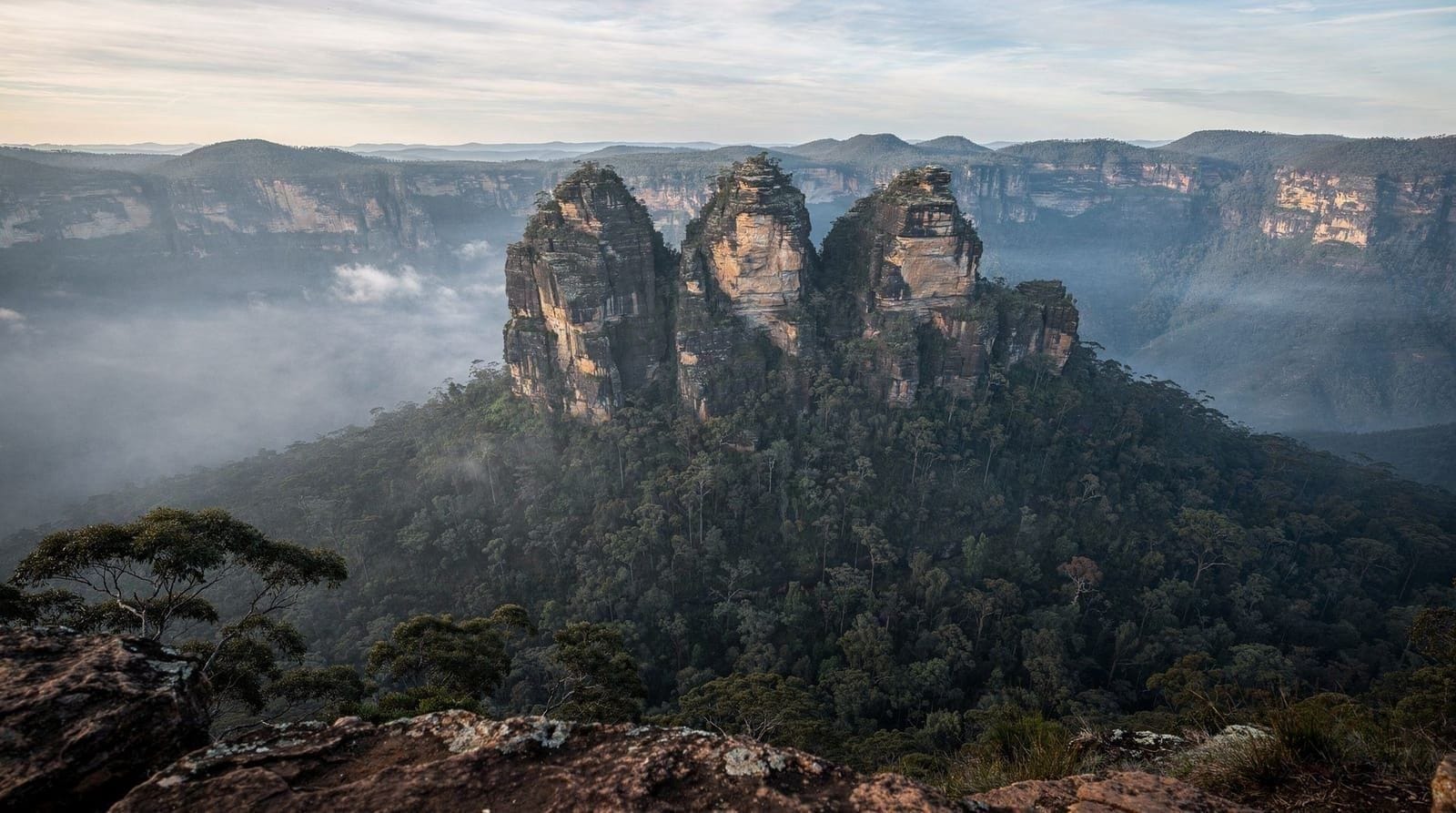
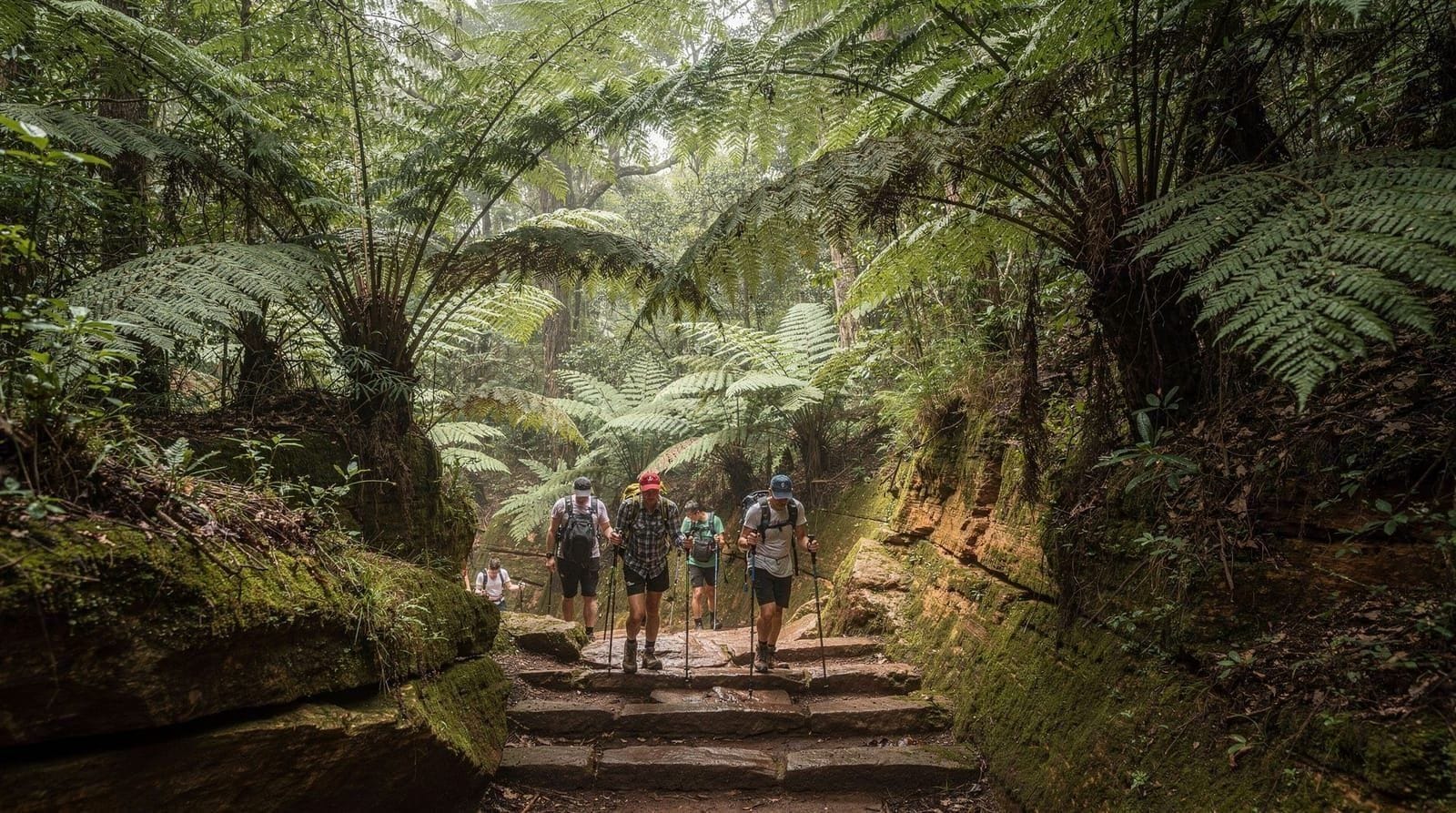
Featherdale is on the direct route from Sydney to Katoomba (Blue Mountains). Many visitors and guided day tours include Featherdale as a 2-hour morning stop before continuing to the mountains. This is an efficient use of time and avoids making a separate dedicated trip to Western Sydney — see the Blue Mountains day trip guide for how the two combine into a single day.
For visitors specifically chasing koala sightings elsewhere in the region, the koalas near Sydney guide compares Featherdale with other viewing spots, including wild populations outside the city.
Blue Mountains + Featherdale Wildlife Park combo tour from Sydney Featherdale Wildlife Park private guided tourTickets and pricing
- Adult (16+): AUD 49 at the gate, 10% off online
- Child (3–15): AUD 29
- Children 2 and under: free
Booking online saves 10%. The park also offers annual membership — good value if you’re Sydney-based and plan more than three visits; see the official Featherdale Wildlife Park website for current prices.
Best time to visit
Morning sessions (8–11 AM) are universally the best time. Animals are most active before the heat of midday, feeding is more likely, and queues for koala encounters are shorter. On weekdays outside NSW school holidays, the park is often quiet enough that you can move freely between exhibits without crowds.
Weekend afternoons see the highest visitor numbers and the warmest temperatures. If weekend visiting is unavoidable, arrive at opening (8 AM) and target the kangaroo area first.
Winter (June–August): The park is open year-round and winter mornings are pleasant at Featherdale — temperatures of 12–17°C are comfortable for visitors and active for the animals. Avoid rainy days as the kangaroo area has unshaded gravel paths that become muddy.
NSW school holidays: The first day of each holiday period is the busiest. The second and third days are manageable; the final week of holidays sees a drop-off as families plan other activities.
Honest assessment
Featherdale is an unpretentious, genuinely enjoyable wildlife park with a clear proposition: close-contact Australian wildlife encounters at reasonable prices. It’s not competing with Taronga Zoo on breadth or ambition — and that clarity of purpose is exactly right. The kangaroo and wallaby free-roaming area, the koala photo experience, and the hands-on quality of the whole visit deliver something that Sydney’s CBD venues cannot. For first-time visitors to Australia who specifically want to feed, touch, and photograph native animals, and for families with children under 10 who need physical engagement rather than glass-fronted viewing, Featherdale is the best option within reach of Sydney.
The 45-minute travel from the CBD is the primary barrier. The reward on arrival is a park that consistently delivers on its core promise.
For a full comparison of Sydney’s wildlife venues, see best zoos and aquariums in Sydney.
Frequently asked questions about Featherdale Wildlife Park
Can you cuddle a koala at Featherdale?
In NSW, koala holding is prohibited under state wildlife regulations. At Featherdale, a keeper-assisted photo experience is available — the paid Personal Koala Experience lets you pat a koala with a keeper, with a souvenir photo included. This is the closest contact permitted under NSW law. The experience is still memorable and the photograph is professional quality. If specifically wanting to hold (not just photograph) a koala, Queensland’s Lone Pine Koala Sanctuary allows it under different state regulations.
How do you get to Featherdale Wildlife Park from the city?
The most practical option is train to Blacktown (Western Line from Central, 30–40 minutes) then rideshare or taxi to the park (10 minutes). By bus (Bus 729 from Blacktown) adds time but costs less. By car from the CBD, take the M4 motorway west and allow 40–50 minutes depending on traffic. The park is well-signed from the main road.
Is Featherdale good for toddlers?
Excellent for toddlers. The free-roaming kangaroos and wallabies approach at toddler height and are gentle feeders. The park is largely flat, stroller-accessible, and sized for a 2-hour visit that matches toddler attention spans. See the Sydney zoos for toddlers guide for a detailed comparison with other venues.
What animals will I definitely see at Featherdale?
The free-roaming kangaroos and wallabies are guaranteed — they’re present throughout the park at all times. Koalas are reliably in their viewing exhibit. Wombats, Tasmanian devils, and various reptiles are typically visible. Echidna activity depends on timing (they’re more active during keeper sessions). The dingoes may be in their enclosure or in the off-display rest area. Check the daily programme at the entrance for scheduled presentations.
Is Featherdale worth it compared to Taronga Zoo?
They serve different purposes. Featherdale is hands-on, affordable, and focused on Australian animals. Taronga is a world-class zoo with international species, harbour views, and a full-day format. If you can only visit one and budget is a consideration, Featherdale delivers more per dollar for Australian-native wildlife encounters. If you want a comprehensive zoo experience and the harbour ferry, Taronga is irreplaceable. See Taronga vs Featherdale for a detailed head-to-head comparison.
Can I visit Featherdale without a car?
Yes — it’s straightforward by public transport. Take the Western Line train from Central to Blacktown (30–40 minutes), then a short taxi or rideshare (around 10 minutes) to the park entrance. Budget around 50 minutes door to door. A cheaper but slower option is Bus 729 from Blacktown station, which adds 15–20 minutes but avoids the taxi fare.
Top experiences
Bookable activities with verified prices and instant confirmation on GetYourGuide.