Sydney zoos and wildlife parks for toddlers — honest guide
Sydney: Featherdale wildlife park general entry ticket
Which Sydney zoo or wildlife park is best for toddlers under 5?
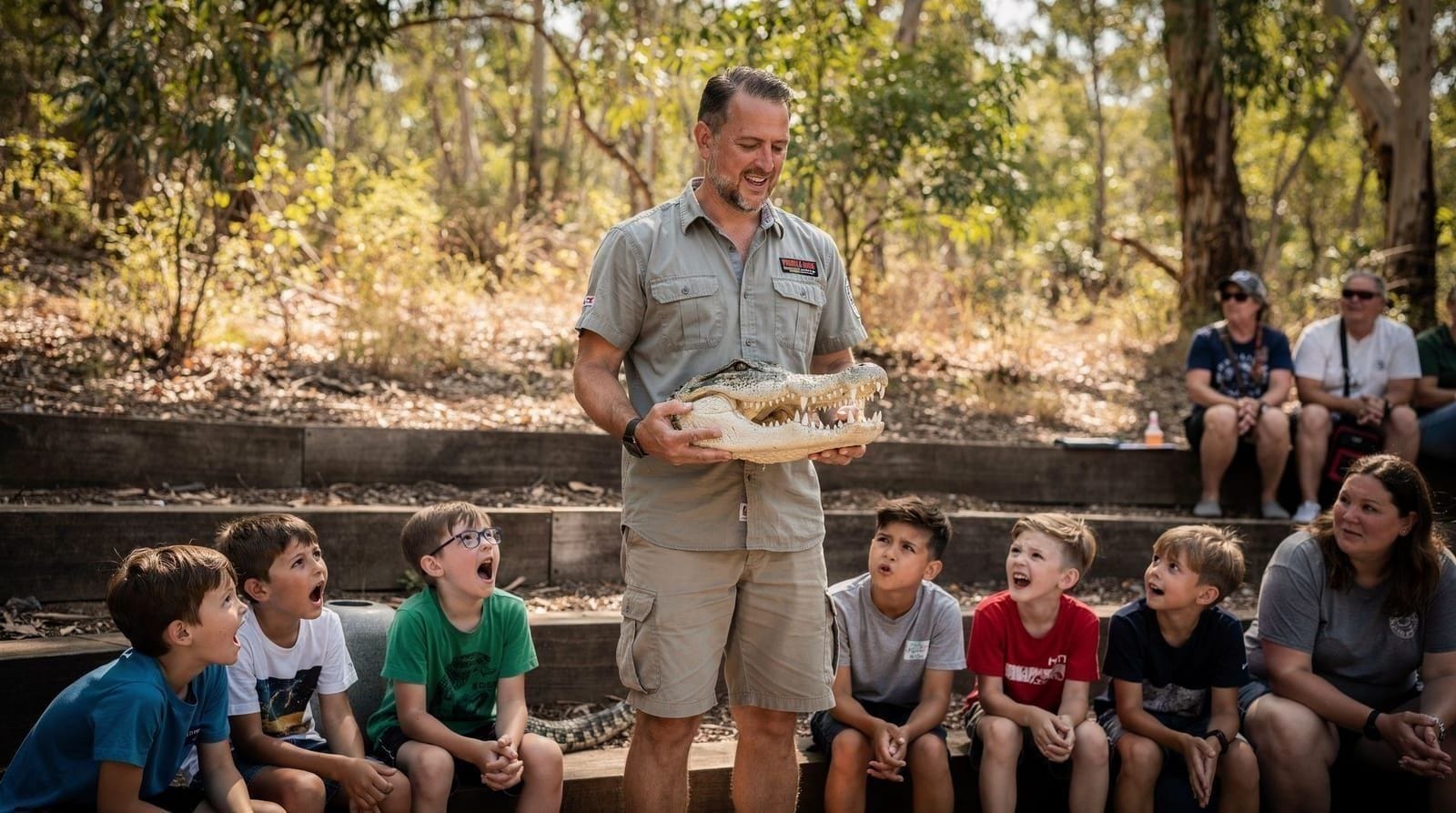
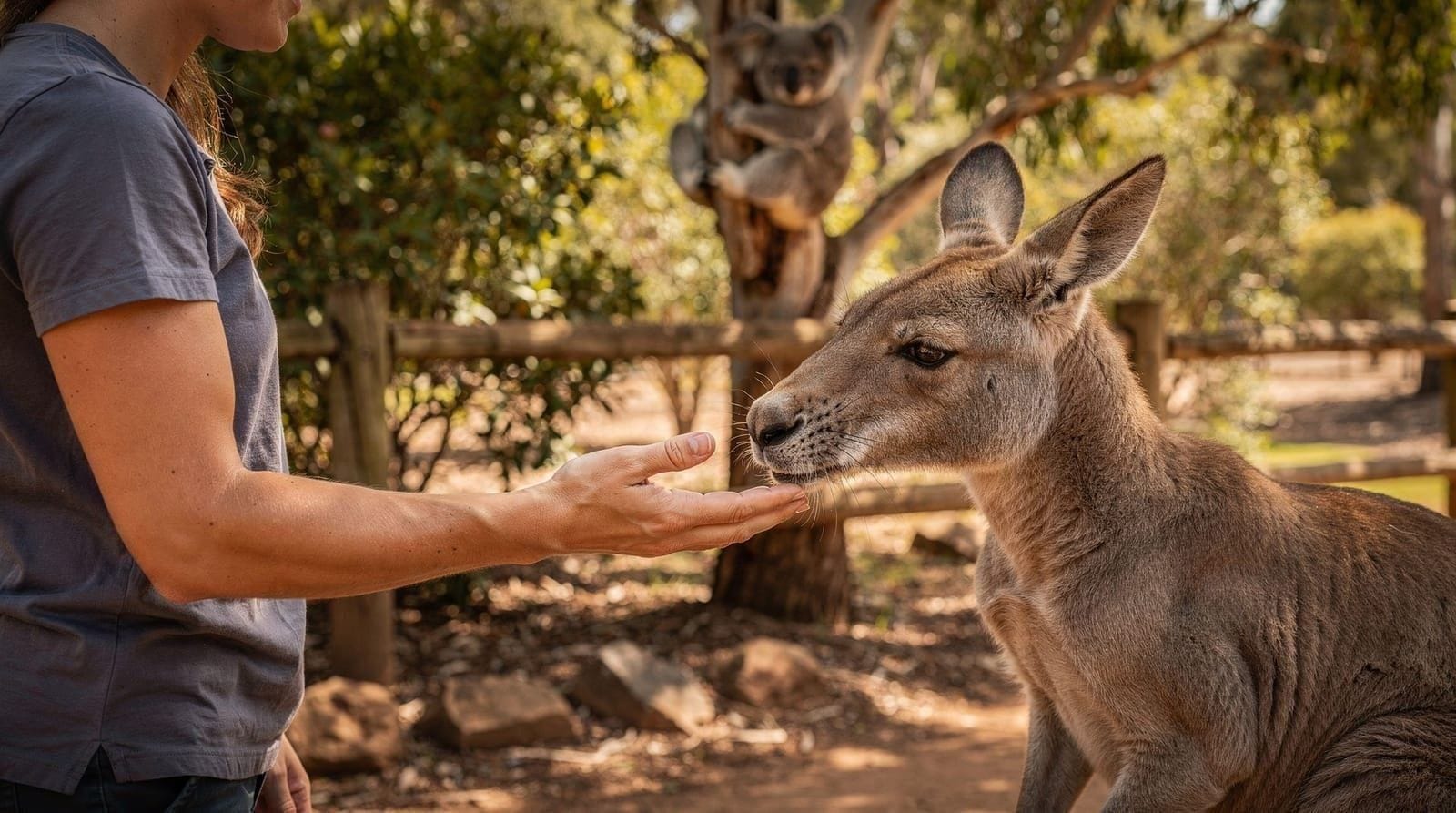
Featherdale Wildlife Park is the best for toddlers — kangaroos walk right up to children at eye level and take food from their hands, which is developmentally more engaging than looking at animals through glass. SEA LIFE Aquarium is excellent for toddlers too (touch pool, brightly coloured fish, moving images in tunnels). Taronga Zoo is good but tiring for small children due to the hilly terrain.
Taking a toddler to a zoo or wildlife park is a different experience from taking a school-age child. Toddlers (broadly, ages 1–4) engage most with sensory experiences — things they can touch, things that come close, things that make sounds or move unpredictably. A giraffe 30 metres away behind a fence means less to a 2-year-old than a wallaby who walks up and takes a pellet from their outstretched hand. This guide ranks Sydney’s wildlife venues specifically for toddler engagement.
| At a glance | |
|---|---|
| Best pick for toddlers | Featherdale Wildlife Park (free-roaming kangaroos, flat paths) |
| Cost | Adult entry roughly AUD 39–57 depending on venue; free-entry age limits differ by venue (Featherdale 2 and under, WILD LIFE 0–1, SEA LIFE under 2, Taronga under 4) |
| Time needed | Around 2–2.5 hours is the toddler sweet spot |
| Getting there | Featherdale: 45 min from CBD by train + taxi/bus. SEA LIFE/WILD LIFE: Darling Harbour, walkable from Town Hall. Taronga: 12-min ferry from Circular Quay |
| Best time | Weekday mornings, 9–11 AM, before nap window |
Why toddler priorities differ
Before the rankings: a brief note on what toddlers actually respond to at wildlife venues:
- Proximity and movement: Close animals that move toward them. A fish swimming past a glass panel at eye height is more engaging than a static exhibit.
- Sensory input: Texture (touching a starfish), sound (birds calling), smell (the authentic wildlife park smell).
- Pacing: Toddlers fatigue faster than school-age children. Two hours is often sufficient; four hours is often too much.
- Terrain: Toddlers in strollers need flat or manageable paths. Steep hills mean more time in the stroller and less engagement.
Ranking for toddlers
1. Featherdale Wildlife Park — best for toddlers overall
Why it works: The free-roaming kangaroos and wallabies are the key. Animals at toddler height, approaching for food, making eye contact. For a 2-year-old who has never seen a marsupial, a wallaby coming up and taking food from their hand is a genuinely formative encounter. The park is largely flat (good for strollers), well-shaded by trees, and sized for a 2-hour toddler attention span without overwhelming.
The koala viewing platforms at Featherdale put adults and toddlers at tree-height for close observation. Wombats and echidnas add variety. The park doesn’t have the vast range of Taronga Zoo but has more per-encounter impact for young children.
Practical: 45 minutes from CBD by train + taxi. Strollers work well on the paths. Morning is best (cooler, animals more active). Entry AUD 49 adult, children 2 and under free.
Featherdale Wildlife Park — book entry online2. SEA LIFE Sydney Aquarium — best indoor toddler option
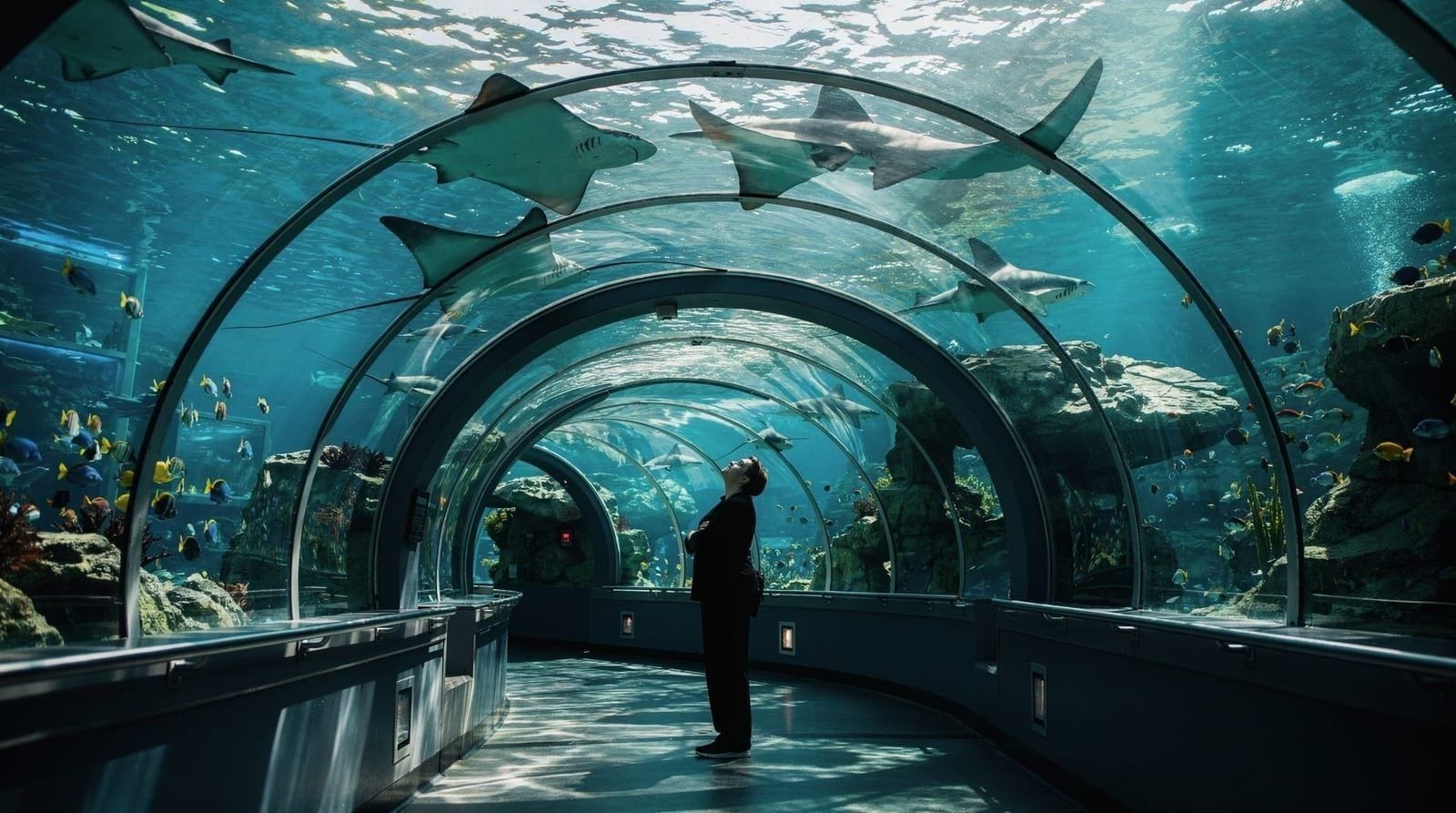
Why it works: Dark tunnel environments with large fish and sharks moving around you at eye level are genuinely captivating for toddlers. The touch pool (shallow tank with starfish and sea cucumbers) is explicitly designed for small children’s hands. The brightly coloured clownfish and reef tanks provide constant visual interest without requiring explanation.
The aquarium is entirely indoor (great for rainy days and summer heat) and is stroller-accessible throughout. The layout means you don’t need to walk far between exhibits — compact and manageable. The penguin colony is a consistent hit.
Practical: Darling Harbour, 10 minutes from Town Hall. Fully pram-accessible. Entry from AUD 39 adult online, under 2 free.
SEA LIFE Sydney Aquarium — book online3. WILD LIFE Sydney Zoo — second best indoor option
Why it works: The butterfly garden is spectacular for toddlers — butterflies may land on them, the colours are vivid, and it’s a calm, warm environment. The nocturnal house is hit-or-miss (depends on whether the toddler finds darkness interesting or frightening). The wombat walkthrough and koala platforms are good. The quokkas are a novelty.
Overall, WILD LIFE is slightly less engaging for toddlers than SEA LIFE because the touch/proximity opportunities are more limited, but it’s a solid second for an indoor Darling Harbour day.
Practical: Adjacent to SEA LIFE. Can combine both in one 4-hour session if the toddler has the energy. Entry AUD 49 at the gate (from AUD 39 online on weekdays), 0–1 free.
4. Taronga Zoo — good but challenging for toddlers
Why it works: The breadth of animals is unmatched — gorillas, giraffes, koalas, seals, and penguins in one day. The Australian Walkabout section with kangaroos and koalas is well-designed for close viewing.
The challenge: Taronga is hilly. The zoo is built on a headland and while the downhill route (top entrance to lower ferry wharf) manages much of this, there are significant gradient changes throughout. Strollers are manageable but require effort. The size means a thorough visit takes 4–6 hours — beyond the realistic attention span of most toddlers under 3. Energy management is essential.
The ferry: The 12-minute harbour ferry is the access route. With a stroller and a toddler, this requires planning — bringing the right size stroller (small umbrella strollers are easier on ferries), navigating the boarding and disembarkation with a young child. It’s manageable but adds a logistical layer.
For families who want the full Taronga experience and have a toddler, plan for 3–4 hours maximum, time the visit for a morning, and bring a carrier for when the stroller becomes impractical on the steeper sections.
Practical: Adult AUD 57 at the gate; under 4 free. See Taronga Zoo guide.
5. Australian Reptile Park — too far for most toddler day trips
The 1-hour drive from Sydney and the reptile-heavy focus (spiders, snakes, crocodiles) are not naturally aligned with toddler engagement. The mammal section (kangaroos, koalas, wombats) is good, but the journey time makes it a significant commitment for a toddler day. Better suited to families with older children who specifically want the reptile experience.
Stroller practicalities at Sydney wildlife venues
| Venue | Stroller-friendly rating | Notes |
|---|---|---|
| Featherdale | Very good | Mostly flat, gravel and paved paths |
| SEA LIFE Aquarium | Excellent | Flat, wide corridors, lifts between floors |
| WILD LIFE Sydney Zoo | Excellent | Indoor, flat, lifts throughout |
| Taronga Zoo | Fair | Hilly; lifts in some areas; see the official Taronga website for accessible routes |
| Australian Reptile Park | Good | Mostly flat, some gravel sections |
Tips for wildlife visits with toddlers
- Feed before you go. A hungry toddler at a wildlife park is a short visit.
- Go in the morning. Most wildlife parks are least crowded 9–11 AM, and animals are more active in cooler temperatures.
- Time the visit for under 2.5 hours. Accept that you won’t see everything and focus on the best 3–4 exhibits rather than a comprehensive tour.
- Bring snacks. Wildlife park food is expensive. Toddler-specific snacks keep them going between exhibits.
- Download the relevant app before visiting. Taronga Zoo and SEA LIFE both have apps showing feeding schedules and exhibit locations — saves time with a tired child.
For broader family planning in Sydney, see Sydney with kids and best family attractions in Sydney.
What wildlife parks are free or very cheap for toddlers?
This is a common concern for families with young children — free-entry age limits differ by venue (Featherdale 2 and under, WILD LIFE 0–1, SEA LIFE under 2, Taronga under 4), which substantially reduces the effective cost for families with a child under that age. The cost burden falls on the adults, not the child.
At Featherdale, a family of two adults and one toddler (2 and under) pays AUD 98 — two adults at AUD 49. At Taronga, the two adults pay AUD 57 each at the gate. The relative cost shapes which venue makes sense for your family composition.
Practical logistics at each venue with a pram
Pram/stroller at Featherdale
Standard umbrella or lightweight strollers work well on Featherdale’s paths. Jogger-style strollers are fine. The kangaroo free-roaming area has a low-friction surface (compacted gravel) that works for most wheels. The only challenge is the kangaroo themselves approaching the stroller — this is not a hazard but can surprise toddlers in the stroller.
Pram at SEA LIFE and WILD LIFE
Both venues are lift-accessible throughout and have corridors wide enough for double strollers. These are the most pram-friendly of all Sydney’s wildlife venues. The indoor environment also means no mud, no uneven ground, and no weather concerns.
Pram at Taronga Zoo
Manageable but requires planning. See the official Taronga Zoo website for current cable car stroller policy. The main pathways are paved. The steeper connecting paths between levels may require lifting a lighter stroller; a heavier pram can navigate the same paths more slowly. Taronga provides stroller maps on request showing the gentler gradient routes.
Timing a visit around toddler nap schedules
Wildlife parks with toddlers require scheduling around nap time:
-
Option A: Morning visit (arrive at opening, 9–10 AM, depart by 12–1 PM before nap). Works for venues with early opening (Featherdale, Taronga) and allows you to see animals in their active morning period.
-
Option B: Afternoon visit after nap (arrive 2 PM, depart 4:30–5 PM). Animals may be less active in the mid-afternoon heat but the end of the day often sees keeper feeds and activity. Works for venues with later closing times.
Don’t plan a wildlife park visit to span the toddler’s nap window (typically 12–2 PM) — a nap-fighting toddler in a hot queue is a miserable experience for everyone.
Feeding stations and family facilities
Featherdale Wildlife Park
The on-site café serves standard café food (sandwiches, pies, hot drinks, children’s boxes) at reasonable prices for a wildlife park. Covered picnic tables are well-placed around the park. Nappy change facilities are available at the main toilets. Animal food bags are available at the entry kiosk for hand-feeding.
SEA LIFE and WILD LIFE
Café facilities are inside each venue. Prices are elevated (cafeteria pricing in a tourist venue). Nappy change rooms are on multiple levels. The Darling Harbour precinct around the venues has better value cafes and restaurants within a 3-minute walk.
Taronga Zoo
Multiple food outlets including a café at the top entrance and a kiosk near the Australian Walkabout. Nappy change facilities throughout. The lawn area near the African Savannah is an excellent picnic spot — packing your own lunch from a CBD supermarket and picnicking here saves money over the zoo’s internal food.
When the wildlife park experience disappoints with toddlers
It happens. Not every toddler responds enthusiastically to wildlife parks — some are frightened by proximity to large animals, some are simply not at the developmental stage where the experience registers meaningfully, and some are simply tired and hungry regardless of what you’ve planned.
If Featherdale’s kangaroos unsettle a toddler (some children find the approaching animals alarming rather than delightful), redirect to the birds and wombat viewing. If SEA LIFE’s darkness unsettles a toddler, skip the tunnel and focus on the touch pool and brightly-lit reef tanks.
The key practical principle: have a fallback. A wildlife park that isn’t working for a particular toddler on a particular day is fine. The nearby park, cafe, or playground can salvage the afternoon.
See Sydney with kids for the complete family planning guide including non-wildlife options for toddlers.
Should you combine a wildlife venue with anything else that day?
With a toddler, resist the urge to stack a wildlife visit with another major activity. A morning at Featherdale followed by an afternoon at Darling Harbour sounds efficient on paper but usually means a meltdown by mid-afternoon. If you want to build a wildlife morning into a broader day, pair it with something low-effort and nearby rather than another ticketed attraction — a play in a local park, or simply heading back to accommodation for the nap. Families building a longer stay around Sydney with young children should see Sydney with kids: 5-day itinerary for how to space wildlife days against beach days and rest days.
Where to read more before you choose
If you are still deciding between venues, Taronga vs Featherdale sets the two side by side, and best zoos and aquariums in Sydney covers the wider field including options aimed at older children. For a closer look at the Darling Harbour venue, the WILD LIFE Sydney Zoo guide goes into the exhibits in more detail, and the Australian Reptile Park guide explains what the trip involves if an older sibling is keen.
Rainy forecast? Rainy day Sydney with kids lists indoor fallbacks beyond the aquarium. Travelling with a very young baby as well as a toddler? Sydney with a baby covers the practical side of getting around with the smallest travellers. School holiday dates change how busy every venue feels, so check Sydney school holidays before fixing your day. A beach morning can balance a wildlife day nicely, and Sydney beaches for families helps you pick a calm one. For the ferry leg to Taronga, Circular Quay is where it starts. For a parent’s-eye account of what toddler days in the city are really like, read Sydney with toddlers: real talk.
Koala encounters: what’s actually available for toddlers
Toddlers are too young to be offered the formal koala photo experience at Featherdale in most cases (check the official Featherdale website for any age policy), but they can still view koalas closely from the platforms at Featherdale and Taronga. If a keeper-side koala photo is a must-have for an older sibling on the same trip, check the age policy on the day — policies vary by venue and can change. For the fullest picture of where to see koalas around Sydney at any age, see koalas near Sydney.
A couple more questions parents ask
Do any of these venues have a quiet room or feeding area for babies and toddlers? Yes — SEA LIFE, WILD LIFE, and Taronga all have nappy-change facilities and reasonably quiet corners (the aquarium’s touch pool area and Taronga’s Australian Walkabout lawns are the calmest). Featherdale’s picnic tables under trees serve the same purpose informally.
Is it worth doing more than one wildlife venue in the same trip with a toddler? Generally space them out over different days rather than combining SEA LIFE and WILD LIFE back-to-back — even though they’re adjacent, a toddler’s attention span rarely stretches across both in one sitting. One venue, done well, beats two done in a rush.
Top experiences
Bookable activities with verified prices and instant confirmation on GetYourGuide.