What to pack for Sydney — seasonal packing guide 2026
Sydney: Guided daytime summit climb of Sydney Harbour Bridge
Duration: 3 hours
What should I pack for a trip to Sydney?
Pack for sun above all else — UV in Sydney is significantly stronger than in Europe or the US east coast, year-round. A good SPF 50 sunscreen, UV-blocking sunglasses and a hat are non-negotiable regardless of season. A Type I electrical adapter (three flat pins, Australian standard) is essential. Dress in layers for shoulder seasons (March–May and September–November) when mornings can be cool and afternoons warm.
Packing for Sydney confuses visitors from the northern hemisphere for one simple reason: the seasons are reversed, and the sun intensity is higher than anywhere in Western Europe. A clear July day in Sydney at 17°C can still cause significant sunburn in under an hour. Get the essentials right first, then think about clothes.
Use the Sydney packing list tool for a customisable checklist by season and trip length.
| Key items | SPF 50+ sunscreen, UV sunglasses, wide-brim hat, Type I power adapter |
| Cost if forgotten | Around AUD 15–25 to buy sunscreen, adapter or a hat locally |
| Packing style | Layers year-round — mornings and evenings run cooler than midday even in summer |
| Luggage | A daypack matters more than a large suitcase if doing coastal walks or day trips |
| Best time to pack light | Autumn (March–May) — the narrowest temperature range of any season |
The universal non-negotiables
These apply regardless of which month you visit:
SPF 50+ sunscreen: Australia’s UV index reaches “extreme” (11+) on many summer days, and “high” (6–7) even in winter. European or American sunscreen labelling may use different SPF scales — bring what you know works, or buy Cancer Council brand in Sydney (widely available, ~AUD 15 for 200ml). Apply before going outside, reapply every two hours, and do not skip it on cloudy days — Sydney’s thin-atmosphere, high-altitude UV penetrates cloud cover effectively.
Quality sunglasses with UV 400 rating: Not a fashion item — UV protection is the priority. Polarised lenses reduce glare significantly on the water and at the beach.
Wide-brim hat: Baseball caps leave your ears and neck unprotected. A broad-brim hat (minimum 6 cm) is the standard for outdoor activity in Australia.
Australian power adapter (Type I): Three flat pins in an angled V-shape (AS/NZS 3112 standard). Voltage is 230V, frequency 50Hz. EU plugs (Type C/E/F), US plugs (Type A/B) and UK plugs (Type G) all need an adapter. Multi-country travel adapters usually include Australia — check before buying.
Reusable water bottle: Sydney tap water is safe and excellent to drink. Hotels and many public spaces have filtered refill stations. Buying plastic water bottles is unnecessary.
What to pack by season
Summer (December–February)
Weather: 24–30°C typical, heatwaves to 40°C+ in January and February. High humidity in February. Long daylight hours (~14 hours).
- Lightweight cotton or linen shirts and dresses — synthetics trap heat
- Shorts and light trousers
- Swimwear (multiple sets if beach-heavy — things dry fast)
- A rashguard/UV swim shirt for extended beach days or snorkelling
- Light sandals and one pair of comfortable walking shoes
- One light cotton layer for air-conditioned interiors (restaurants, cinemas and public transport are often aggressively cooled)
- Insect repellent — mosquitoes in some parks and harbour-adjacent areas
What to skip: Heavy layers, jeans (too hot), waterproof jackets (summer rain is warm and brief).
Autumn (March–May)
Weather: 18–24°C, humidity drops, lower rainfall. Widely considered the best time to visit.
- Light layers: a long-sleeve shirt or thin knit over a t-shirt works for most days
- A light jacket for evenings — temperatures drop to 12–16°C overnight by May
- Comfortable walking shoes (you will walk more in good autumn weather)
- Swimwear still useful — beaches remain warm enough for swimming through April
- One smarter outfit if you plan a restaurant dinner or wine event
Winter (June–August)
Weather: 8–17°C, occasional rain, rarely harsh. Sydney winter is milder than almost any Western European winter.
- A medium-weight jacket — a down or synthetic insulated jacket handles Sydney winter without issues
- Layering pieces: thermal base layer, fleece or light sweater
- One warmer jumper/sweater for cooler evenings
- Waterproof outer layer — not a heavy ski jacket, but something wind and rain resistant
- Closed shoes and at least one pair of socks beyond ankle socks
Important distinction: Sydney winter feels cold to people arriving from Sydney summer, not to people arriving from, say, Berlin in November. Temperatures rarely go below 5–6°C overnight. You will not need serious winter gear.
Spring (September–November)
Weather: 18–25°C, increasing warmth through November, occasional gusty days, some rain.
- Very similar to autumn — light layers that can be added or removed
- Umbrella or packable rain jacket — spring showers are more common than autumn
- Swimwear from October onward as sea temperatures rise
- Allergy medication if you suffer from pollen — spring is peak season in Sydney
Beach and water essentials
If you plan to spend meaningful time at Sydney’s beaches:
- Rash vest / UV-blocking swim shirt: Standard for Australians doing extended sessions in the water. More effective than reapplying sunscreen repeatedly.
- Reef shoes or water sandals: Some rocky entry points (Clovelly tidal pool, many northern beaches) benefit from footwear.
- Dry bag or waterproof pouch: For phones and valuables when in and around water.
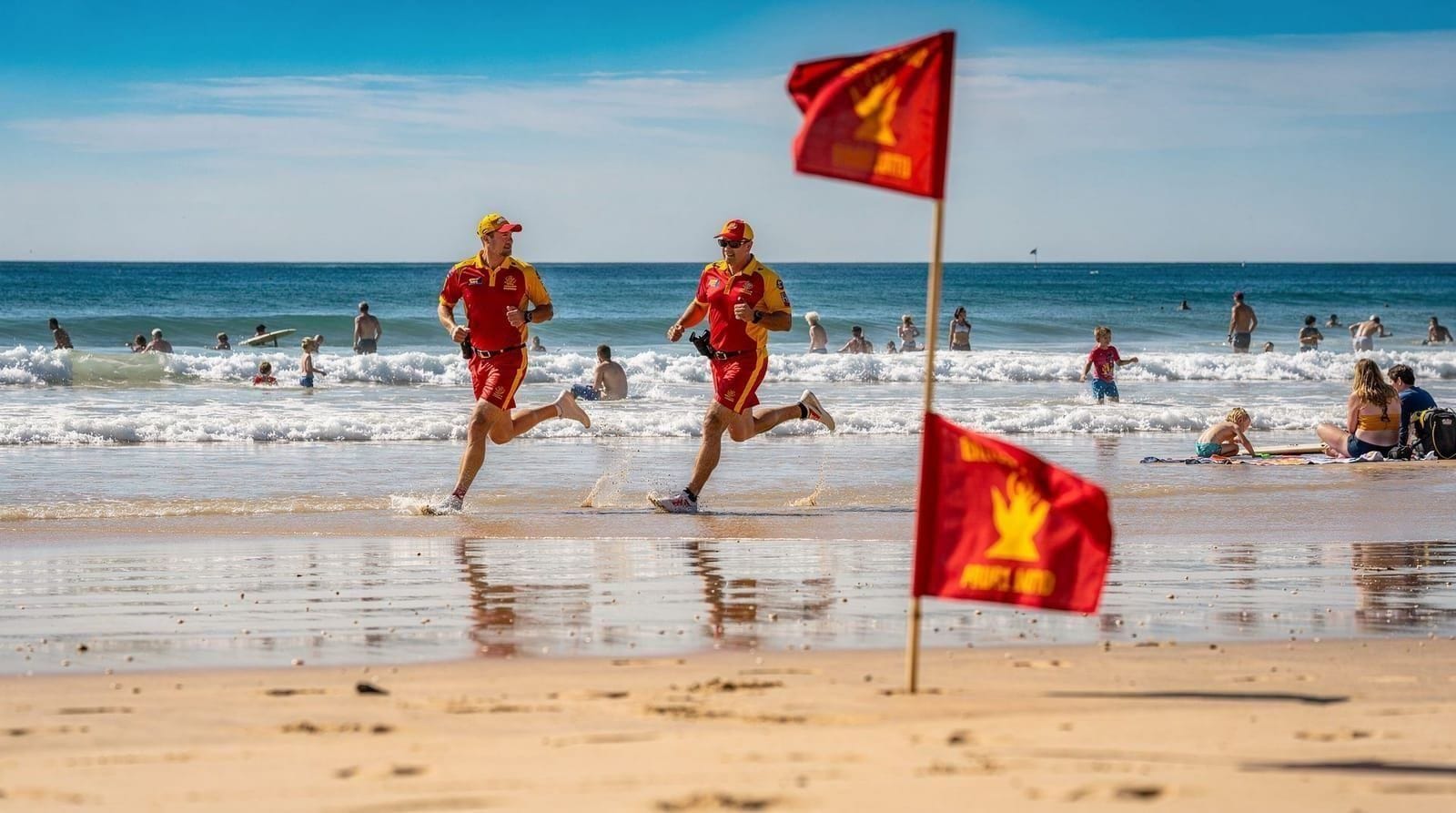
- Rip current awareness: Know how to spot a rip (a channel of calm, darker water between breaking waves moving away from shore) and always swim between the red and yellow patrol flags. See the Sydney safety guide for details.
Electronics and connectivity
- Australian power adapter (covered above — essential)
- Power bank / portable charger: Sydney is a large city; you will be navigating, photographing and using Opal or transport apps all day.
- Australian SIM card or eSIM: Roaming from EU is expensive. Optus, Telstra and Vodafone all offer tourist SIM cards; major provider plans start from ~AUD 30 for 30 days of data + calls. Available at the airport on arrival.
- Offline maps: Download Google Maps or maps.me for the Sydney area before you arrive.
Health and medications
- Personal prescription medications: Bring more than you need — Australian pharmacies stock international brands but not always the same formulations, and Australian prescriptions are required for controlled substances.
- Antihistamines: Useful in spring (October–November) and in summer when bluebottle jellyfish appear at beaches (contact stinging). Standard antihistamines reduce reaction severity.
- Insect repellent: DEET-based or picaridin formulas for any national park day trip.
- Band-aids and blister treatment: Coastal walks average 6–10 km — new shoes are a risk.
What you do not need to pack
- Formal dress: Sydney restaurants are relaxed by European standards. Even upscale restaurants like Quay or Tetsuya’s do not require formal attire — neat smart-casual is fine.
- Heavy waterproofs: Light packable rain layers handle Sydney weather adequately. A dedicated heavy rain jacket takes up unnecessary space.
- Travel towels (for beach): Most mid-range hotels provide decent pool/beach towels. Hostel stays are the exception.
- Multiple pairs of “nice shoes”: One pair of comfortable walking shoes handles almost everything including restaurant dinners.
Luggage considerations
Sydney operates on a clear baggage reality: you will walk a lot. The Opal network means you’re regularly navigating stairs at train stations, the ferry gangways and cobblestone sections of The Rocks. A rolling suitcase with spinner wheels handles the CBD well, but if you’re doing any national park day trips or active sightseeing, a daypack matters more than a large main bag.
Keep a day bag with essentials (sunscreen, water, snacks, phone charger) separate from your main luggage for daily use.
For a detailed season comparison to help you choose your travel dates, see the best time to visit Sydney guide. For what to do with the time you’re there, the Sydney travel tips guide covers practical logistics.
Packing for specific Sydney activities
BridgeClimb
The BridgeClimb provides all necessary climbing equipment (harness, suit, hat), but you must transfer your personal items to a pouch before climbing. Mobile phones, cameras and glasses straps are provided. No special footwear is needed beyond closed-toe shoes — sneakers or walking shoes are fine. For the climb duration, check the official BridgeClimb website; dress one layer warmer than the ground temperature suggests. If you are still choosing between options, the BridgeClimb guide and the comparison in BridgeClimb vs Pylon Lookout explain what each experience involves, and a daytime slot such as a summit climb in daylight is the easiest to dress for, since you can see the weather before you pack your bag. The Sydney Harbour Bridge guide covers the structure itself.
Whale watching cruises
Whale watching cruises (May–November) take you into the open ocean for 2–3 hours. Bring:
- Motion sickness medication (Kwells or Dramamine) taken 1 hour before departure if you are susceptible — the ocean south of Sydney Harbour can have significant swell
- A windproof jacket even in mild weather — the deck gets cold at speed
- Sunscreen and hat (reflected UV on water is higher than on land)
- Polarised sunglasses to reduce glare for spotting whales at distance
For choosing a boat and understanding the season, see the whale watching cruises guide and the whale season guide. If you would rather stay on land, the land-based whale watching guide needs only warm layers and binoculars.
Blue Mountains day trip
A day in the Blue Mountains involves more temperature variation than central Sydney. Katoomba sits at approximately 1,000m elevation — typically 5–7°C cooler than Sydney and windier at the main lookouts. Pack:
- An extra insulating layer even in summer
- Proper walking shoes if you plan to do any of the valley track hikes (not sandals)
- Sunscreen (high UV even on cool, clear days)
- Water (the main Scenic World and Echo Point area has cafés but valley hikes do not)
Bondi to Coogee coastal walk
A 6-km walk in typical Sydney weather. The walk includes cliff edges, some steep sections and sun exposure. Essentials:
- Walking shoes with grip (not thongs/flip-flops — some sections are rocky)
- Sunscreen, hat and sunglasses
- 500ml water minimum
- A light bag to carry layers (it can be warm at Bondi and cooler at the exposed clifftops)
The full route is described in the Bondi to Coogee walk guide, and the wider Sydney coastal hikes guide lists other walks where the same kit applies.
Snorkelling and harbour water activities
Water days call for a rash vest, reef shoes and a dry bag. A guided session such as snorkelling at Shelly Beach near Manly is easy to prepare for: wear swimwear under your clothes and bring a towel and a change of clothes. See the Manly beach guide for the area. For a faster, wetter option on the harbour, the jet boat guide explains what to wear, and a jet boat ride from Circular Quay is a good example of a trip where you want quick-drying clothes and no loose hats.
What to buy in Sydney rather than bring
Some items are worth buying on arrival rather than packing:
Sunscreen: Australian Cancer Council SPF 50+ sunscreen is excellent and modestly priced (~AUD 15 for 200ml) at Chemist Warehouse or Coles. Avoid packing a large bottle from Europe and using precious luggage allowance.
Beach towel: If staying at a hotel, use the hotel towel. If at a hostel or Airbnb, a basic beach towel from Kmart (AUD 10–15) or Target (similar) is lighter than bringing from home.
Packable daypack: A lightweight 20-litre packable daypack is useful for beach days and coastal walks. Good options from Kathmandu or Patagonia in Sydney from AUD 40–80.
Phone screen protector and case: Sydney’s beaches mean sand and salt exposure. Local phone accessories shops and JB Hi-Fi stock these at Australian retail prices.
Items specific to EU visitors
Power adapter: The Type I Australian plug (three flat angled pins) is the most critical item. Multi-country travel adapters (commonly available from EU electronics retailers) nearly always include Australia. A single-country adapter (EU to AU) is also available at Australian airport arrival halls for AUD 15–25.
Medications: Australian pharmacies stock Paracetamol, Ibuprofen and most OTC medications, but brand names differ from European equivalents (Panadol = paracetamol, Nurofen = ibuprofen). Prescription medications must be in original packaging with documentation for customs.
Travel insurance documentation: Carry your insurance policy number and the emergency phone number in both digital and printed form. Some EU reciprocal health agreements cover emergency hospital treatment in Australia (France, Italy, Netherlands, UK) but do not cover GPs, dental, ambulance or non-emergency care.
Packing checklist summary by season
Summer (Dec–Feb): Light cotton/linen clothing, swimwear x2, rashguard, sandals, walking shoes, SPF 50+ sunscreen, hat, UV sunglasses, portable fan, thin layer for air conditioning.
Autumn (Mar–May): Mix of light and medium layers, light jacket, closed walking shoes, swimwear (still swimmable in March–April), SPF 30+.
Winter (Jun–Aug): Medium-weight jacket, sweater/fleece, thermal layer for cold evenings, waterproof outer shell, closed shoes, one heavier layer for Blue Mountains day trip.
Spring (Sep–Nov): Similar to autumn; add umbrella/packable rain jacket; swimwear for October onwards.
The Sydney packing list tool gives you a personalised checklist by selected season and trip length.
What to pack for specific Sydney events
Vivid Sydney (late May–mid June)
Vivid is an evening outdoor event in mild winter conditions (12–17°C in the evenings). Pack:
- A medium-weight jacket (the Circular Quay waterfront has harbour wind)
- Comfortable walking shoes — you will walk 4–6 km over 2–3 hours
- A small bag for phone, power bank and optional warm hat
- Phone with good low-light camera (or dedicated camera)
- No umbrella needed unless rain is forecast; Vivid operates in light rain but it reduces enjoyment
Sydney Mardi Gras (late February)
Parade night is warm (24–26°C at 8pm) and the Oxford Street crowd is dense:
- Lightweight summer clothing — the body heat of large crowds makes it feel warmer
- Comfortable closed shoes or sneakers that won’t cause blisters after 3 hours of standing
- A small crossbody bag that sits in front (pickpocket-aware positioning in dense crowds)
- Earplugs if you are sensitive to sustained loud music
- Cash in moderate amounts — some parade-adjacent food vendors are cash-only
Sydney NYE (31 December)
You will be outdoors for 4–6 hours. December evenings are warm but harbour breezes can feel cool late at night:
- Light summer clothing, one thin layer for midnight
- Comfortable shoes for extended standing
- Portable phone charger — critical for rideshare booking after midnight
- Bag with your own food and water (non-glass containers in most viewing zones)
- No glass containers (enforced in public viewing areas)
Medication and health kit
A travel health kit specific to Sydney:
| Item | Notes |
|---|---|
| SPF 50+ sunscreen (200ml+) | Bring or buy at Chemist Warehouse on arrival |
| Antihistamine (cetirizine/loratadine) | Spring pollen, bluebottle jellyfish stings |
| Ibuprofen | Standard pain and anti-inflammatory |
| Paracetamol | Heat headaches, general use |
| Hydration sachets (electrolytes) | Summer heat exhaustion prevention |
| Motion sickness medication | Whale watching cruises in the open ocean |
| Personal prescription medications | Bring from home with documentation |
| Insect repellent (DEET-based) | National park day trips |
| Blister bandages | Coastal walks in new shoes |
| Waterproof sunscreen stick | Face, ears and lips on beach days |
The Australia-specific shopping list
Some items are worth buying in Sydney rather than bringing or instead of bringing from home:
Birkenstock or equivalent sandals: Sydney’s climate is genuinely sandal-friendly for much of the year. Australian outdoor retailers (Kathmandu, Macpac) stock well-priced quality sandals that handle both beach and café.
Australian wine: If you visit the Hunter Valley, wine purchases to take home are cost-effective (cellar door prices are significantly below retail in Europe or the US). Liquids in checked luggage; pack a wine carrier.
Kakadu plum products: Australia’s native ingredients (Kakadu plum, quandong, bush tomato) are used in skincare and food products. These are genuinely unique to Australia and not widely available in EU markets. Available at Australian Geographic stores and specialty health shops.
Merino wool base layers: Australian merino wool is world-standard quality. Icebreaker (NZ brand, widely sold in AU) and various Australian-made alternatives are priced competitively compared to European retail.
Packing differently depending on your itinerary
A city-only stay (CBD, Circular Quay, the inner beaches) needs less specialist gear than a trip that adds day trips further out. If your plan includes the Blue Mountains day trip or a Hunter Valley wine tour, add a proper insulating layer regardless of season — both regions run several degrees cooler than the coast and Katoomba in particular catches wind at the main lookouts.
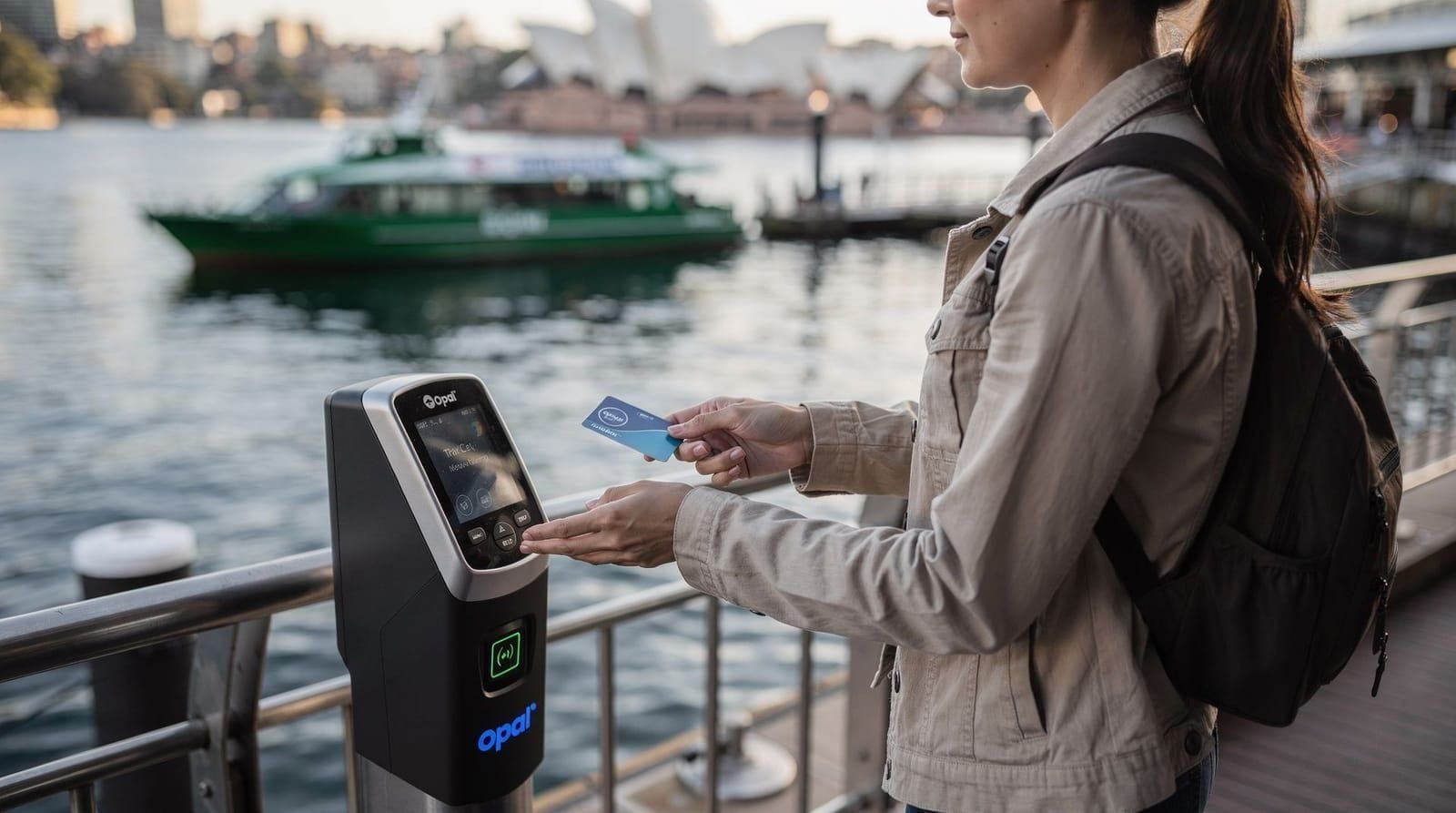
For transport on arrival, the Opal card guide and the getting around Sydney guide help you decide how much luggage you can realistically carry, and the airport to CBD guide covers the first leg. Budget planning sits in the Sydney trip cost guide, and the first-timers guide pulls the basics together.
If beaches are the priority, cross-check the best beaches in Sydney guide for which spots need reef shoes (rockier entries like Clovelly) versus straightforward sand. And if you’re travelling with kids, the Sydney with kids guide has specific advice on sun protection and stroller-friendly footwear that goes beyond this general list.
For a full itinerary-driven packing check, match your plan against the Sydney 3-day first-timer itinerary or the 5-day essentials itinerary — both indicate which days involve beach time, which involve day trips, and which are city-only, so you can pack the right layers for each day rather than over-packing for the whole trip.
Frequently asked questions about What to pack for Sydney
Do I need special gear for Sydney’s UV even in winter? Yes. Sydney’s UV index reaches “high” (6-7) even on mild winter days, well above what most European or North American visitors are used to treating as risky. Sunscreen, sunglasses and a hat remain non-negotiable outdoors year-round.
Is a rolling suitcase practical for getting around Sydney? For CBD and hotel-based stays, yes — most stations and hotels have lifts or ramps. If your plan includes day trips with hikes (Blue Mountains, coastal walks), keep a separate daypack for those days rather than hauling the full suitcase.