Sydney Harbour cruises — the complete guide
Sydney: Harbour highlights cruise
What is the best Sydney Harbour cruise for first-time visitors?
For most visitors, a 1.5–2 hour sightseeing cruise departing Circular Quay gives the best overview of the Opera House, Harbour Bridge, and inner bays for around AUD 35–55. Dinner cruises offer a longer experience but cost AUD 120–200+ per person and are not necessary to appreciate the harbour.
At a glance
| Where | Departures from Circular Quay or Darling Harbour/King Street Wharf |
| Cost | Around AUD 30–55 (sightseeing) to AUD 120–220+ (dinner) |
| Time needed | 1–1.5 hrs (sightseeing) up to 3.5 hrs (dinner) |
| Getting there | Train/ferry to Circular Quay, or light rail/train to Darling Harbour |
| Best time | Late afternoon to sunset for photography; autumn/spring for weather |
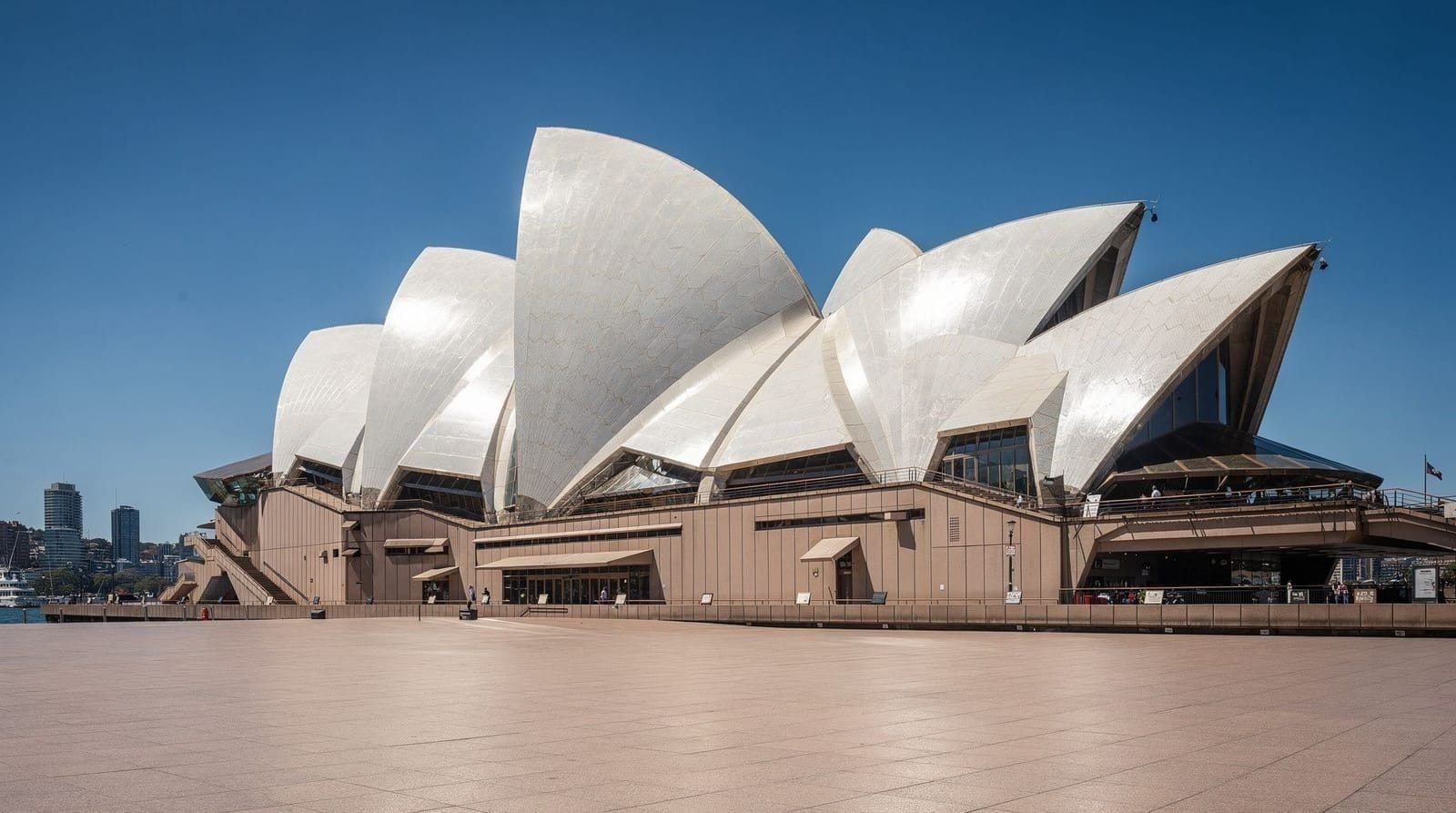
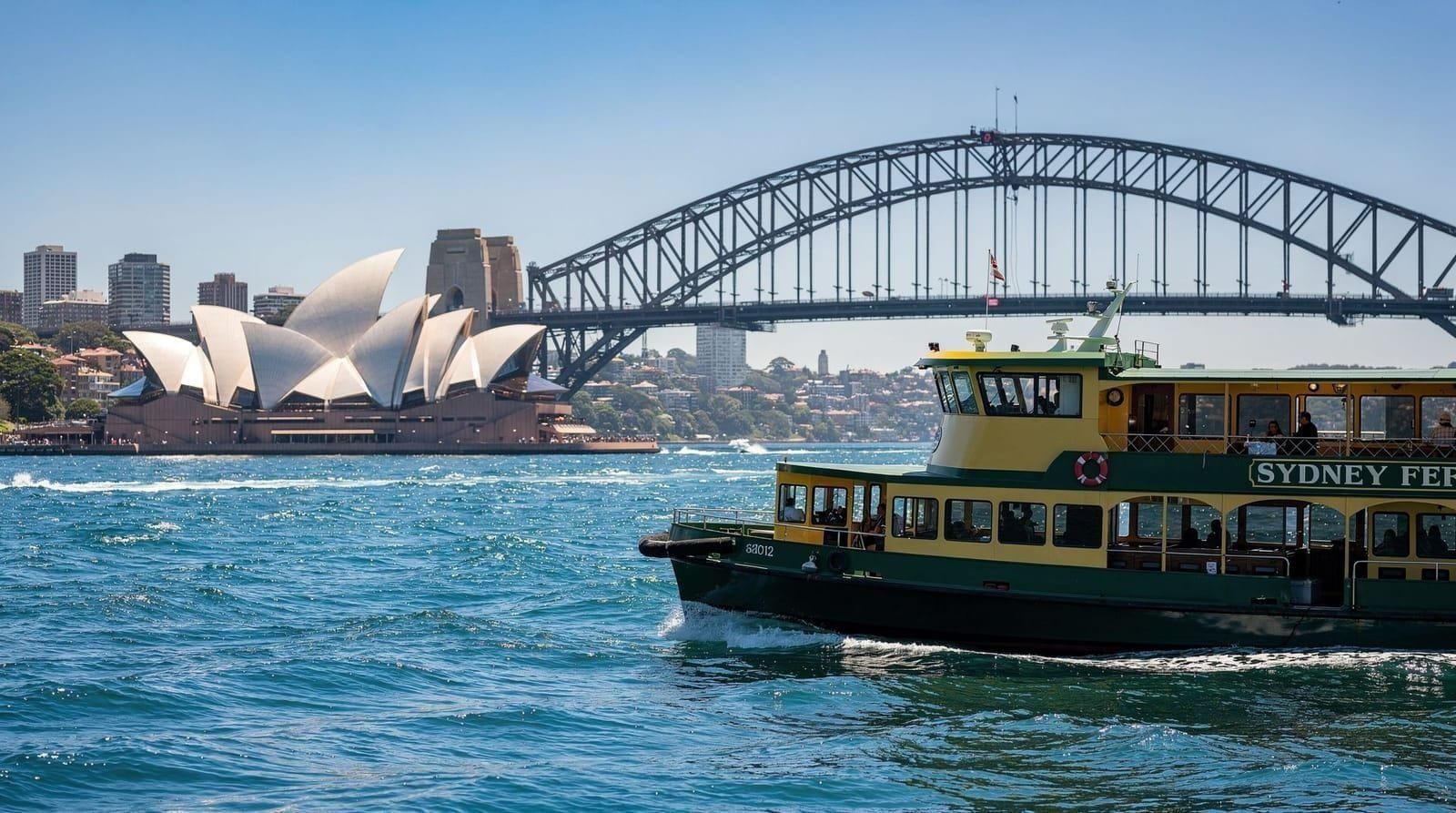
Sydney Harbour is one of the few natural harbours that genuinely rewards a slow approach from the water. Unlike a rushed walk past the Opera House or a shot from the Harbour Bridge, a cruise forces you to stop, turn around, and absorb the scale of the whole scene: the bridge arc, the Opera House shells, the sandstone cliffs of the North Shore, and the ferry wakes crossing in every direction.
This guide cuts through the options honestly — what type of cruise makes sense for your budget and time, which departures to skip, and how to avoid paying a premium for something you can replicate more cheaply.
Types of Sydney Harbour cruises at a glance
Sightseeing cruises (1–1.5 hours, AUD 30–55): The entry-level option. A narrator points out landmarks while you circle the inner harbour. No meal. Good for travellers on a tight schedule who want the water perspective without committing to a full afternoon.
Lunch cruises (2–2.5 hours, AUD 75–120): Buffet or à la carte meals served while the vessel circles the harbour. Depart around 12:00 and return by 14:30. A genuine alternative to a restaurant lunch if you want to combine eating and sightseeing.
Sunset/twilight cruises (1–2 hours, AUD 43–80): Depart 5:00–6:30 PM in summer, earlier in winter. The light at this hour on the water is genuinely good for photography — warm tones on the Opera House and Bridge. Usually include a complimentary drink.
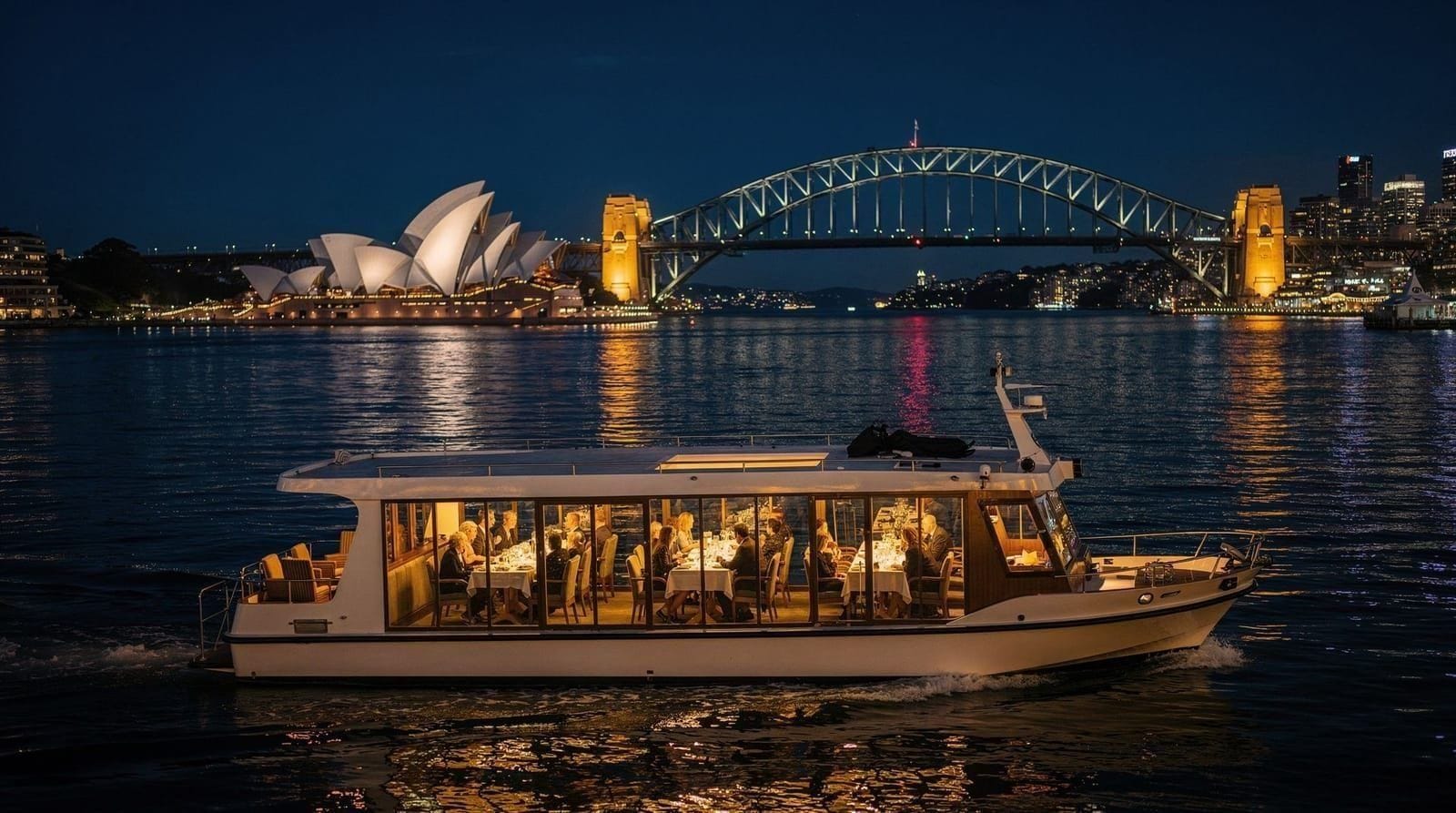
Dinner cruises (2.5–3.5 hours, AUD 120–200+): Three to six courses served on larger vessels. More formal, better suited to celebrations than casual sightseeing. The illuminated harbour at night is a different, quieter spectacle.
Tall ship cruises (1.5–2 hours, AUD 50–90): Heritage replica vessels such as the tall ship brigantine give a different aesthetic from modern catamarans. More atmospheric, slower pace, but fewer departures.
Hop-on-hop-off ferry (full day; check the official Captain Cook Cruises website for current prices): A commercial cruise ferry with multiple stops around the harbour. Not really a cruise experience; more a flexible transport option. Worth comparing with the public ferry network before buying.
Private and yacht charters (AUD 400–1,500+ for the vessel): Groups of 2–12 people. Expensive, but the only way to control the itinerary. Some include a captain who will anchor for swimming.
What the harbour actually looks like from water
The inner harbour stretches roughly 11 kilometres from Circular Quay to the Heads at Manly. Commercial cruises typically cover the main basin — from Circular Quay west to Darling Harbour and east toward Garden Island, with a pass under or near the Harbour Bridge.
A standard sightseeing loop takes in: the Opera House from Farm Cove, the Bridge from the water (the arch spans 503 metres), Lavender Bay on the North Shore, Luna Park’s facade visible from the water, and the working navy base at Garden Island. Some longer cruises go as far east as Shark Island and Clark Island, both of which have picnic areas accessible by ferry.
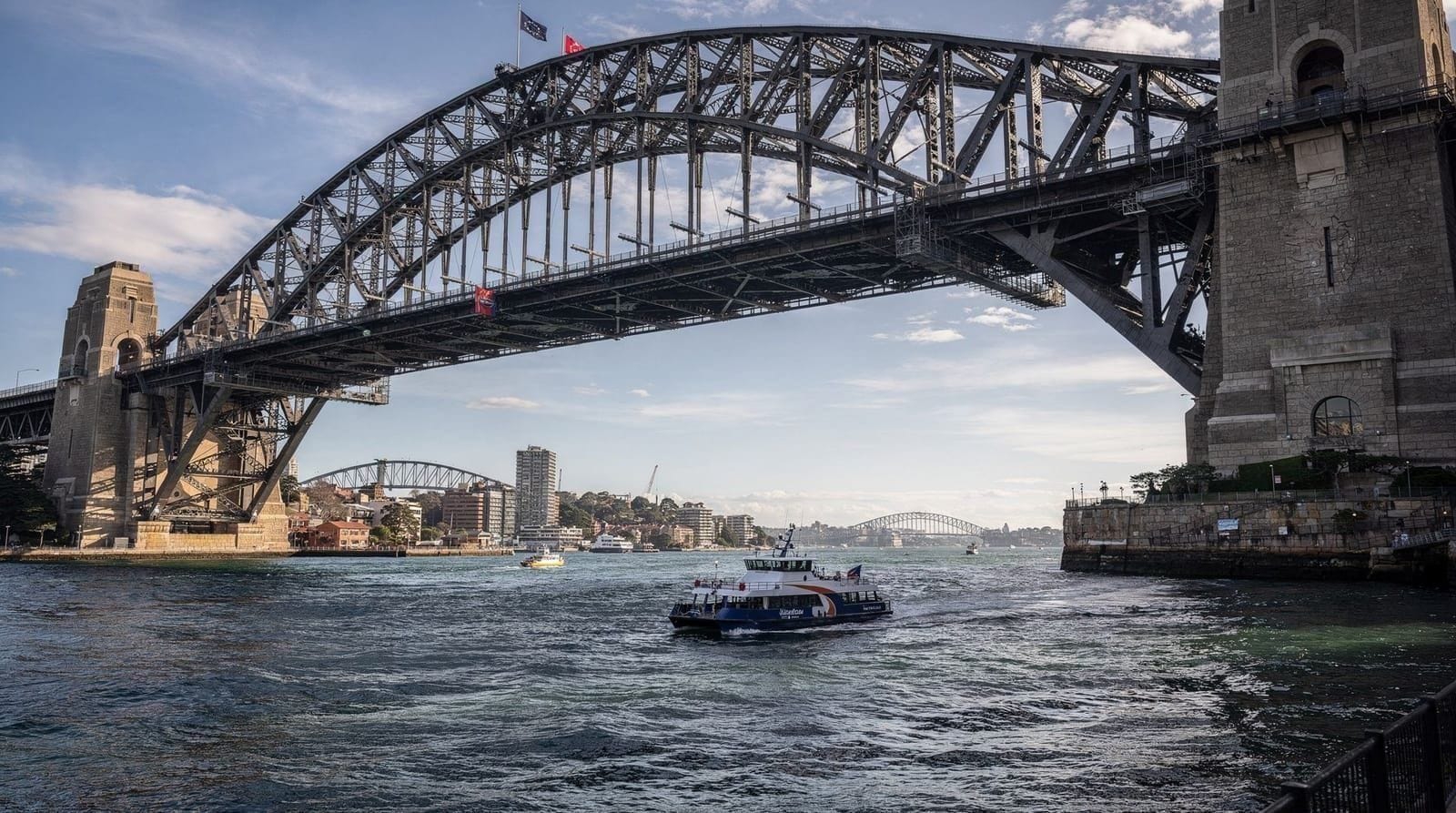
The defining sight is the Harbour Bridge from below. Most photos of the bridge are taken from Milsons Point or the Opera House forecourt, showing it in profile. From the water, directly underneath the arch, you get a completely different geometry — looking up through the steel lattice toward the sky. This is worth experiencing regardless of the cruise type.
Honest assessment: when a cruise is and isn’t worth it
Worth it if:
- You have one or two days and want an efficient way to see Circular Quay, the Bridge, and the Opera House from the right perspective
- You’re celebrating something and dinner on the water makes sense
- You have children who would genuinely enjoy being on a boat
Less worth it if:
- You’re staying several days and can take regular public ferries to Manly or Watsons Bay, which offer similar water-level views at a fraction of the cost
- You expect the food on a dinner cruise to match a comparable land restaurant — it rarely does
- You want an “authentic Sydney experience” — the cruise circuit is largely a tourist operation, which is fine, but manage expectations
The honest alternative to an expensive dinner cruise: catch the public ferry from Circular Quay to Watsons Bay at sunset (about 30 minutes each way, at the standard Opal fare), have fish and chips at Doyle’s on the wharf, and return with the Bridge and Opera House silhouetted against the evening sky. Costs roughly AUD 40 per person including food and drinks.
Booking and timing
When to book: Sightseeing cruises rarely sell out except on weekends and public holidays. Dinner cruises can fill 1–2 weeks ahead in peak season (December–February and during Vivid Sydney in May–June). Lunch cruises are easiest to get last-minute.
Best seasons: Autumn (March–May) and spring (September–November) offer the most pleasant conditions — mild temperatures (18–24°C), lower tourist volumes, and 30–40% cheaper accommodation nearby. Summer (December–February) is hot and crowded; expect peak prices. Winter (June–August) is cool and clear — actually excellent for whale-watching cruises that combine with harbour sightseeing.
Weather: The harbour itself is sheltered, so swell is rarely an issue. Rain cancellations are uncommon — most vessels operate in light rain. Check the operator’s cancellation policy before booking.
Time of day: Morning cruises offer the softest light but the least activity on the water. Midday is good for lunch cruises. Late afternoon through sunset is the most photogenic window. Night dinner cruises have a completely different feel — quieter, the city lights reflecting on the water, and far fewer other vessels.
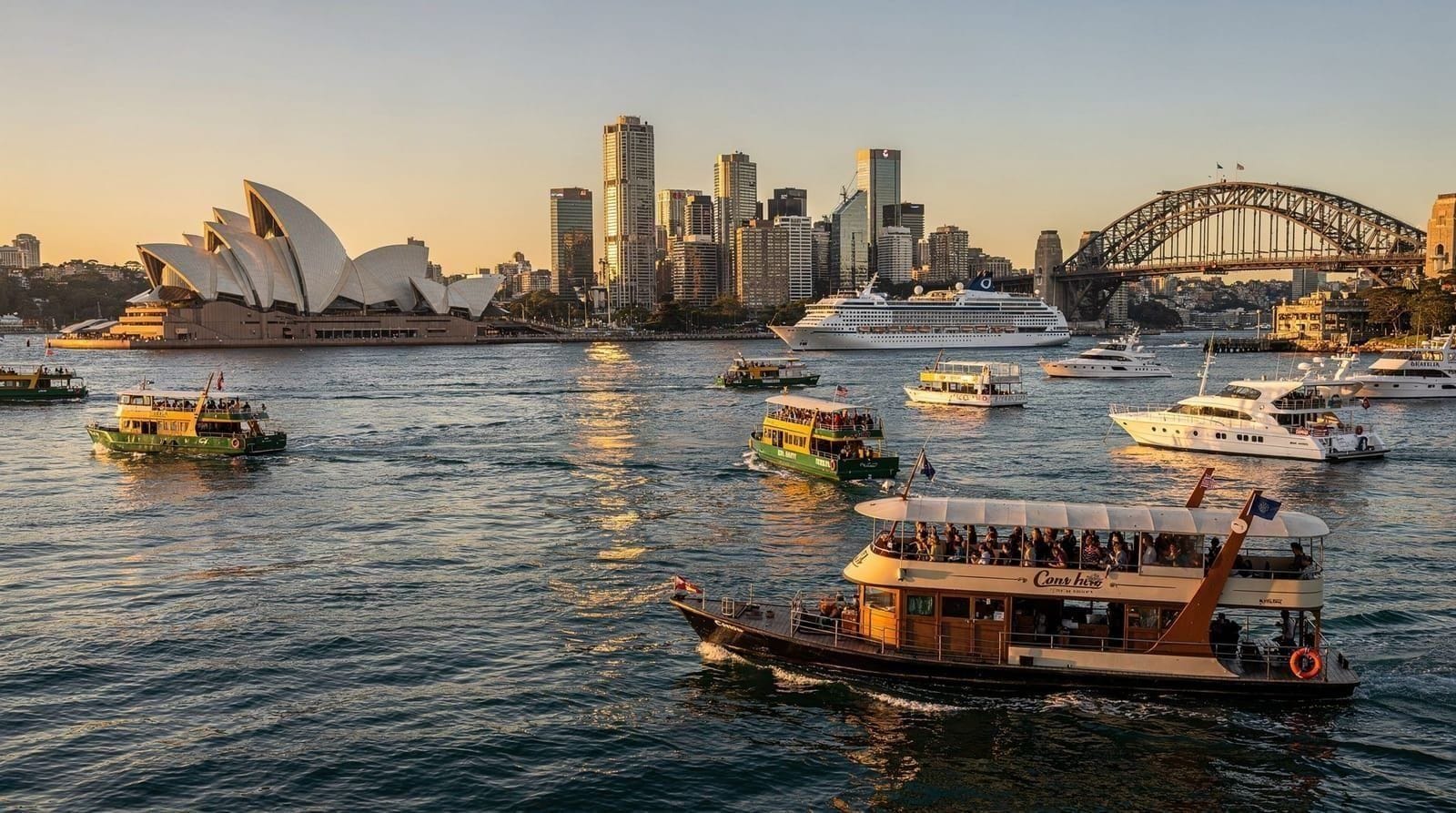
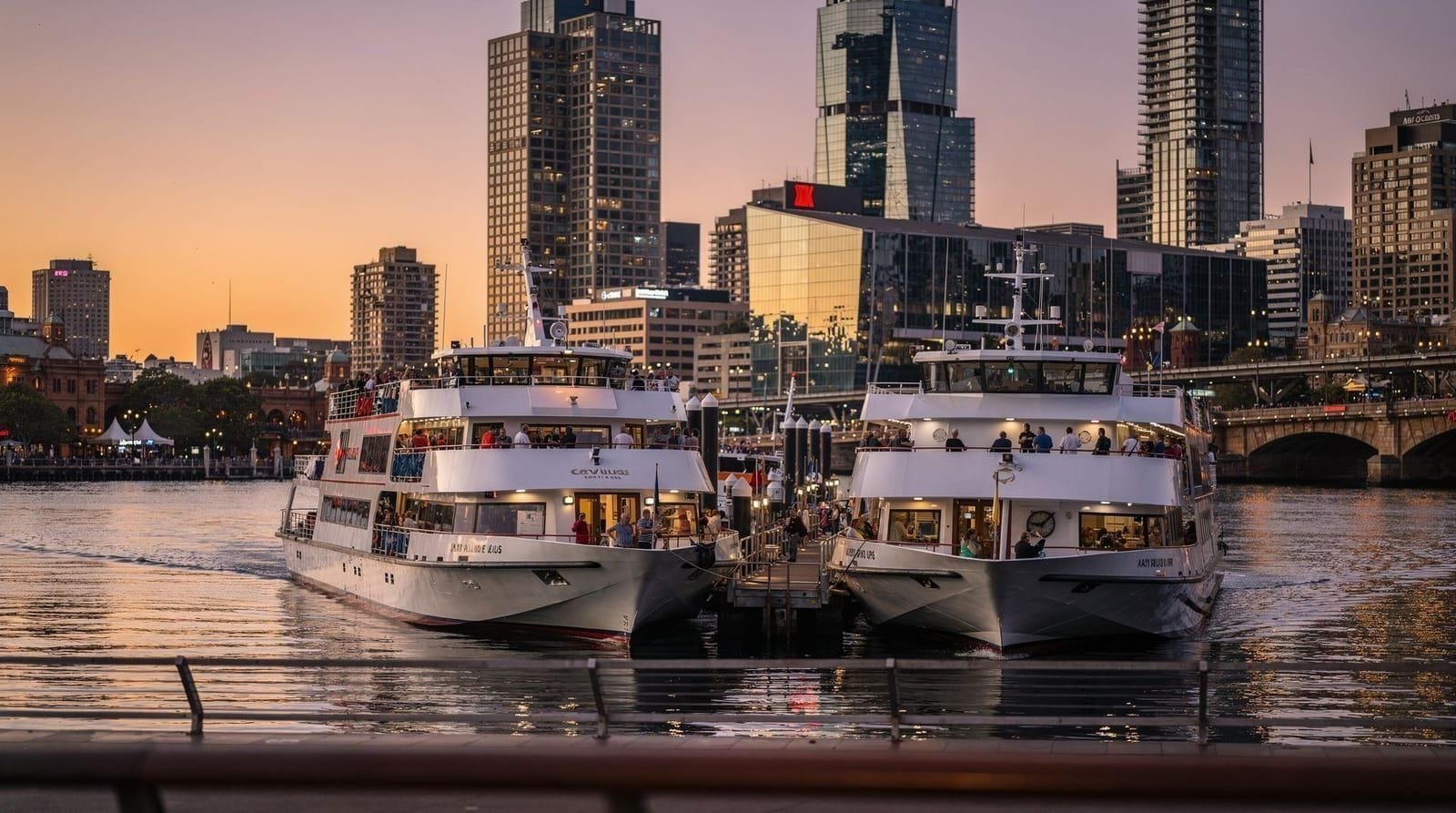
A 1.5-hour harbour highlights cruise departing Circular Quay is the most efficient introduction to the inner harbour — covering the Opera House, Bridge, and key bays without requiring a full afternoon commitment.
Dinner cruises: what you actually get
Dinner cruises are the most expensive option and the most likely to disappoint if expectations are off. Here is a realistic breakdown:
Three-course buffet dinner (AUD 100–140): A rotating selection of carved meats, salads, and desserts. Catering for 200–400 guests. Alcohol is extra unless “all-inclusive” is specified — that term usually covers a basic house package.
Three to four course à la carte (AUD 140–180): A seated menu served at your table. This tier is more like a restaurant experience. The Opera House Dining cruise runs at this level.
Six-course premium (AUD 180–220+): Silver service with matched wines. Reserved for special events and celebrations. Genuinely high quality at the top tier, but the price is hard to justify unless the occasion demands it.
One thing to note: the vessels used for dinner cruises are large — typically 200–400 passenger capacity on three or four decks. This means tables often don’t have a harbour view. Ask specifically about window seating when booking; many operators charge a small premium for it but it is worth the extra AUD 20–30 per person.
A three, four, or six-course dinner cruise on Sydney Harbour works best as a celebration dinner rather than a standard evening out — the setting earns its money as a backdrop, not the food alone.
Lunch cruises: the overlooked option
Lunch cruises are consistently underrated. They depart around noon, return by 2:30 PM, and you eat a full meal on the water while the harbour is at its busiest — ferries crossing, seaplanes landing, and the full daytime cityscape visible.
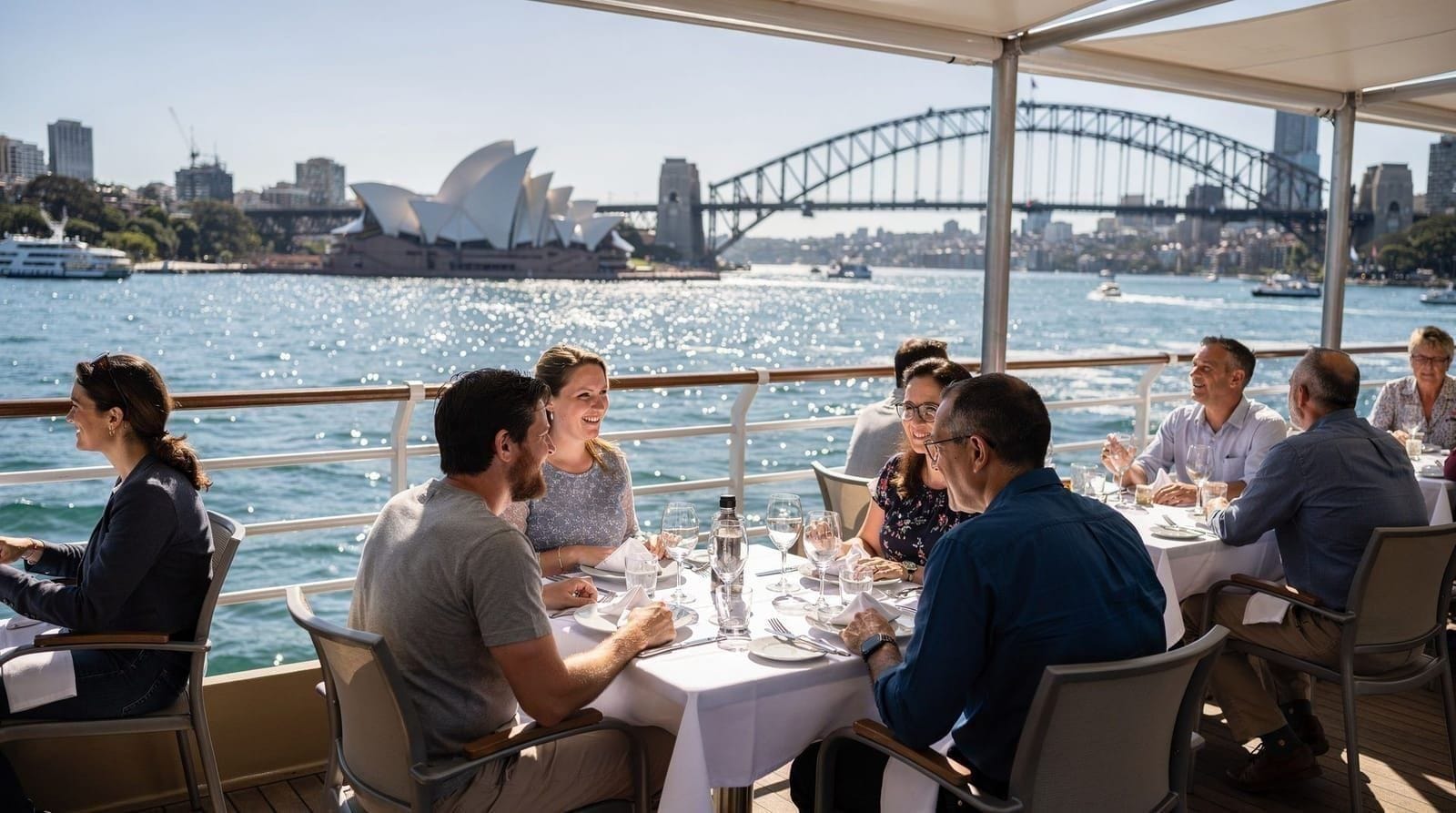
The à la carte harbour lunch cruise sits in the AUD 90–120 per person range and offers a properly plated meal rather than a buffet free-for-all. The major advantage over dinner: you can see everything. The Opera House, the Bridge, the bays — all in full daylight. At night, the illuminated landmarks are dramatic, but daytime is simply more revealing.
Buffet lunch cruises run AUD 70–90 and are a better value for families or groups with varied dietary needs.
Tall ships and heritage vessels
Several tall ship operators run out of Darling Harbour and Circular Quay. These replica vessels — typically brigantines or schooners — are slower and more atmospheric than the modern catamarans dominating the harbour. If the aesthetic of ropes, canvas, and timber appeals to you, the experience is genuinely different from a conventional cruise.
The afternoon tall ship cruise runs around 1.5 hours and costs AUD 50–65. The twilight tall ship dinner cruise adds a two-hour dinner at around AUD 90–120. The vessels typically carry 80–150 passengers and have bar service on deck.
Worth knowing: tall ships run fewer daily departures than mainstream operators, so book ahead, particularly for weekend sailings.
Planning your harbour day
If you want to combine sightseeing with the harbour experience without spending on a dedicated cruise, the public ferry network is genuinely scenic:
- Circular Quay to Manly (F1 ferry, 30 minutes): passes under the Bridge, through the Heads. One of the world’s great short ferry rides and is paid at the standard Opal fare.
- Circular Quay to Watsons Bay (F4 ferry, 35 minutes): reaches the harbour’s eastern suburbs, with the Gap lookout nearby.
- Circular Quay to Taronga Zoo (F2 ferry, 12 minutes): the most direct route, with Zoo wharf views back to the CBD skyline.
For deeper coverage of the public ferry system, see the Sydney ferry guide.
For the harbour’s key landmarks — Opera House, Harbour Bridge, The Rocks — see Sydney Harbour destination.
Practical information
Departure points: Most commercial cruises depart Wharf 6 at Circular Quay or King Street Wharf (Darling Harbour). Exact wharves vary by operator — confirm when booking.
What to wear: The harbour can be 5–8°C cooler than on land due to the wind. Even in summer, bring a layer for evening cruises. Dinner cruise operators sometimes specify smart casual — no shorts or thongs (flip-flops) for formal dinner sailings.
Seasickness: The inner harbour is sheltered. Motion sickness is rare on standard cruises. If you are prone, take a preventive tablet 30 minutes before boarding, and sit toward the middle or front of the vessel on the lowest deck.
Photography: Morning light comes from the east (behind the Opera House from the water). Afternoon light falls on the Opera House faces. Sunset light is warm and from the west — best for Harbour Bridge shots. A basic phone camera works well; the harbour is wide enough that you rarely need zoom.
Children: Daytime sightseeing and lunch cruises are family-friendly. Most dinner cruises are suitable for ages 4+ but check the specific operator’s policy. Life jackets are available on request.
For a full comparison of the two main operators, see Captain Cook Cruises vs Fantasea.
Related guides
- Best dinner cruises on Sydney Harbour
- Sunset harbour cruises
- Sydney lunch cruises
- Whale-watching cruises on Sydney Harbour
- Tall ship sailing in Sydney
- Jet boat rides on Sydney Harbour
- Sydney Harbour Bridge guide
- Sydney 3-day itinerary for first-timers
Cruises versus other ways to be on the water
A commercial cruise isn’t the only way to experience the harbour from the water. A Sydney Harbour kayak tour puts you at water level under the Bridge itself for around AUD 85–100 — closer to the water than any cruise, at a comparable price to a mid-range sightseeing cruise. A jet boat ride is the adrenaline alternative for a short burst rather than a leisurely circuit. If whale season (May–November) coincides with your visit, a dedicated whale-watching cruise covers similar harbour scenery with the added chance of sightings further out toward the Heads.
For visitors deciding how a cruise fits into a broader Sydney visit, see the Sydney for first-timers guide for where a harbour cruise ranks against free alternatives like the Harbour Bridge walk and the Bondi to Coogee coastal walk.
Frequently asked questions about Sydney Harbour cruises
How much does a Sydney Harbour cruise cost?
Prices range from AUD 30 for a basic 1-hour sightseeing trip to AUD 200+ for a six-course dinner cruise. Budget for AUD 45–75 per person for a mid-range 1.5–2 hour cruise with light refreshments, or AUD 100–160 for a proper seated lunch or dinner.Where do Sydney Harbour cruises depart from?
Most commercial cruises depart from Circular Quay (Wharf 6, Darling Harbour, or King Street Wharf). Darling Harbour departures are convenient if you are staying in the CBD. Circular Quay offers the most scenic departure — you leave with the Opera House on your right and the Harbour Bridge ahead.How long are Sydney Harbour cruises?
Sightseeing cruises run 1–1.5 hours. Lunch cruises typically last 2–2.5 hours. Dinner cruises run 2.5–3.5 hours. A tall ship afternoon cruise runs about 1.5 hours. If you are prone to seasickness, note that Sydney Harbour is sheltered — it is rarely rough inside the heads.Are dinner cruises on Sydney Harbour worth the money?
They are a reliable special-occasion experience, but the food rarely justifies the price on its own. A three-course dinner cruise costs AUD 120–180 — comparable to a good restaurant in the CBD without the harbour view. The trade-off is a moving venue with guaranteed views of the illuminated Opera House and Bridge. For the food alone, you will eat better on land.Is the Opal card accepted on cruise ferries?
Regular public ferries (operated by Transport for NSW) accept the Opal card, capped at AUD 19.30 per day (Mon–Thu) and AUD 9.65 (Fri–Sun). Commercial cruise operators charge their own fares and do not accept the Opal card.Can I see the Opera House from a cruise?
Yes — virtually every cruise departs from or passes Circular Quay, so you get a water-level view of the Opera House sails and Harbour Bridge. The best angle is from the water between Farm Cove and Bradleys Head. Sunset and twilight cruises offer particularly good light for photography.What is the difference between Captain Cook Cruises and Fantasea?
Captain Cook Cruises is the dominant operator with the most daily departures, covering sightseeing, lunch, dinner, and hop-on-hop-off ferry services. Fantasea (also marketed as Magistic Cruises) specialises in dinner and event cruises with a slightly more formal presentation. Both depart from Circular Quay and King Street Wharf. There is no strong quality difference — compare specific sailings by price and time rather than by operator.Is a harbour cruise suitable for children?
Yes, daytime sightseeing and lunch cruises are child-friendly. Dinner cruises are aimed at adults (most have a minimum age of 4–5 years and charge full child prices). Kids usually enjoy standing at the bow — dress them in a layer as the wind on the water can be cool even on warm days.
Top experiences
Bookable activities with verified prices and instant confirmation on GetYourGuide.
Sydney: Harbour highlights cruise
Sydney: Harbour dinner cruise with 3 4 or 6 course menu
Sydney: Harbour a la carte lunch cruise
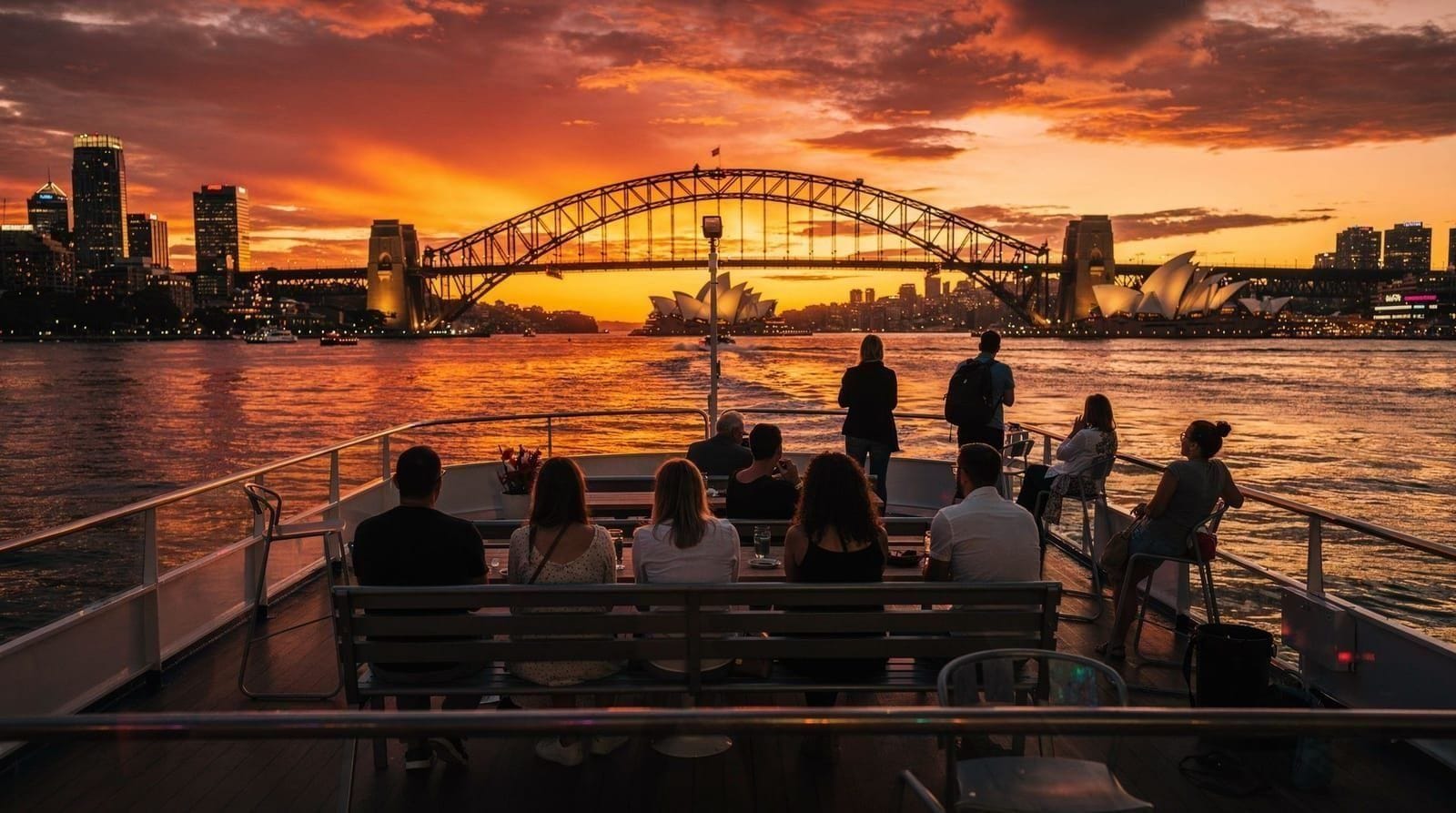
Sydney: Golden glow sunset harbour cruise with 1 drink
Sydney: 2 hour twilight tall ship Sydney harbour dinner cruise
Sydney: Harbour 2 hour morning yacht cruise with morning tea