Royal National Park
Honest guide to Royal National Park — Australia's oldest national park, 35 km south of Sydney with coastal hikes, Wattamolla lagoon, and secluded beaches.
Sydney: Royal National Park day trip
Quick facts
- Distance from CBD
- 35 km south (45 min by car or train to Cronulla)
- Established
- 1879 — Australia's first, world's second national park
- Park entry
- AUD 12 per vehicle (2026); free on foot or bicycle
- Best hike
- Royal Coastal Track — 26 km, typically 2 days
- Best swimming
- Wattamolla (lagoon + beach), Little Marley Beach
- Best months
- April–November (spring and autumn best; avoid summer bushfire risk)
| At a glance | |
|---|---|
| Where | 35 km south of the CBD, accessed via Farnell Avenue (car) or Cronulla + Bundeena ferry |
| Cost | Around A$12 per vehicle entry; free on foot or bicycle |
| Time needed | 1 day for Wattamolla or Bundeena access; 2 days for the full Royal Coastal Track |
| Getting there | Train to Cronulla (around 50 min) then the Bundeena ferry, or drive to the Farnell Avenue entrance |
| Best time | April–November; spring (Sept–Nov) for wildflowers, avoid Jan–Feb bushfire risk |
Australia’s first national park
Royal National Park was established in 1879, making it the oldest national park in Australia and the second oldest in the world after Yellowstone. It covers approximately 15,080 hectares of coastal heathland, eucalyptus forest, river estuaries, and — most spectacularly — 26 kilometres of clifftop coastline overlooking the Tasman Sea. All of this sits 35 kilometres south of Sydney’s CBD.
The park is genuinely wild. Lyrebirds (known for their extraordinary vocal mimicry) inhabit the rainforest gullies. Eastern grey wallabies are commonly seen at dawn and dusk near Wattamolla and Era Beach. Peregrine falcons nest on the coastal cliffs. The wildflower season (September–November) brings hundreds of heath and banksia species into flower — the park contains over 700 native plant species.
The Royal Coastal Track — the main event
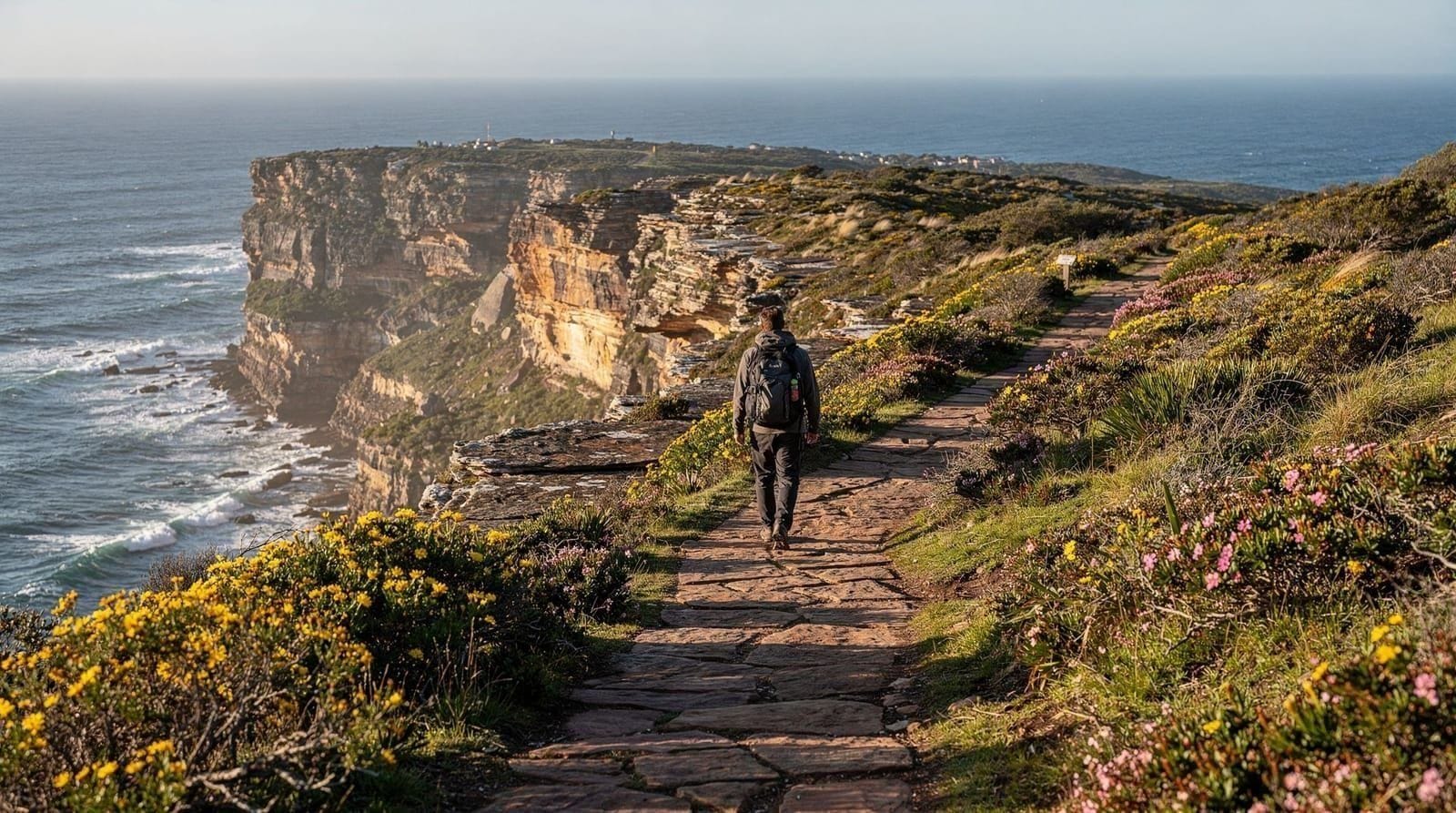
The Royal Coastal Track is a 26-kilometre route along the park’s eastern cliff edge from Bundeena (in the north) to Otford (in the south). It is consistently ranked among Australia’s best multi-day coastal walks, yet it remains far less known than the Bondi to Coogee route — probably because it requires more logistics.
The track passes through sections of dramatic cliff scenery, descends to hidden beaches (Little Marley, Marley, Providore, Era), and crosses the Wattamolla lagoon near its midpoint. Most walkers complete it in two days, camping overnight at North Era or Burning Palms (permits required, booked through NSW National Parks online).
Book a guided Royal Coastal Walk from Bundeena to WattamollaFor day walkers, the most accessible sections are:
- Bundeena to Jibbon Beach: 1.5 km each way. Easy. Passes Aboriginal rock engravings on the Jibbon headland (a genuine highlight — the engravings are 5,000–15,000 years old and clearly visible).
- Bundeena to Marley Beach: 5 km each way. Moderate. Includes heathland, a small lagoon (Little Marley), and an exposed beach.
- Wattamolla to Era Beach: 7 km each way. Moderate. Spectacular cliffs, less accessible without a car to Wattamolla.
Wattamolla — the lagoon beach
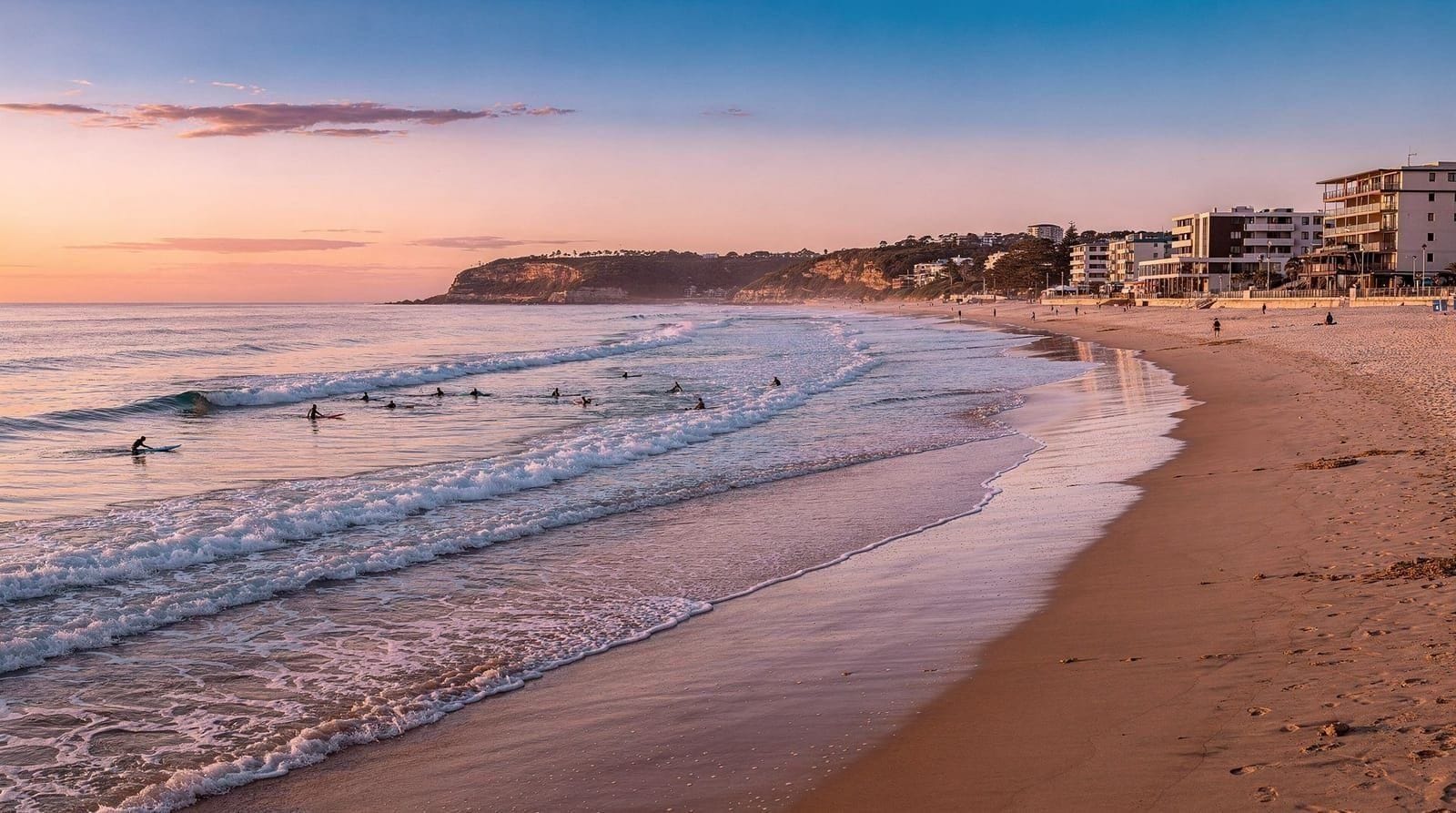
Wattamolla is the park’s most visited spot and the only beach accessible by car from within the park (via Farnell Avenue off the Lady Carrington Drive, 15 km from the Audley park entrance). It has two swimming environments: a calm freshwater lagoon formed by a small creek behind the beach, and the ocean beach itself. The lagoon is perfect for children and non-swimmers; the beach is patrolled on peak summer weekends.
On summer weekends and public holidays, the Wattamolla car park fills by 9 am. If you are driving, arrive before 8 am or visit midweek. There are no facilities beyond toilets and a small kiosk; bring food and water.
Book a Royal National Park day trip from SydneyGetting into the park
Without a car (Cronulla/Bundeena route):
- Train to Cronulla (T4 line from Central, 50 minutes, Opal)
- Bundeena Ferry from Cronulla Wharf (approximately every hour, 15 minutes)
- Walk from Bundeena village to any northern section of the coastal track
This is the only practical car-free route into the park. Note that Wattamolla is not accessible by public transport from Bundeena (it is 15 km by foot through the park).
By car: Enter from Farnell Avenue (Sutherland), paying the AUD 12 per-vehicle daily entry fee at the gate. The Audley Picnic Area (river picnic ground, rowboat hire) is 2 km from the gate. Wattamolla is a further 13 km along Sir Bertram Stevens Drive.
By tour: Guided day tours from Sydney typically pick up from the CBD and drive to Wattamolla, Audley, and one coastal section. This is the most efficient option if you want to see the park highlights without navigating independently.
Practical considerations
Bushfire risk: The park experienced severe fires in 2019–2020. Check the NSW Rural Fire Service “Fires Near Me” website before visiting between October and March. In extreme fire danger periods, the park may close without advance notice.
Water: Carry at least 2 litres per person for any walk over 3 hours. The creek water in the park is not reliably safe to drink without treatment.
Wildlife: The park has brown snakes. On narrow bush tracks, make noise as you walk, watch where you step, and give any snake you encounter time to move off the path.
Wildlife and natural highlights
Beyond the coastal scenery, Royal National Park is rich in wildlife that visitors rarely see in Sydney’s suburbs. The most charismatic resident is the lyrebird — a ground-dwelling bird the size of a small turkey, with an extraordinary tail and the ability to mimic almost any sound including chainsaws, camera shutters, and other birds with near-perfect fidelity. They are heard more often than seen, but the Waterfall Walk and the Lady Carrington Drive sections of the park offer the best chance of an encounter. Morning hours are more productive than afternoons.
Eastern grey wallabies are regularly spotted at the Audley Picnic Area (particularly at dawn and dusk), at Wattamolla, and at Era Beach. They are habituated to humans at Audley and will graze within a few metres. Do not feed them — it habituates them to human food and creates problems for other park visitors.
Spring wildflowers (September–November) transform the coastal heath from dry scrub into a tapestry of yellow, pink, and purple. Waratah (NSW’s floral emblem, a large crimson flower), flannel flower, and tea-tree are among the most visible. The walking tracks are bordered by wildflowers during this season, and the heathland sections of the coastal walk above Wattamolla are particularly spectacular.
The Aboriginal engravings at Jibbon
One of the most significant and least-visited cultural sites in greater Sydney sits in Royal National Park at Jibbon Head, 1.5 kilometres from Bundeena. The Jibbon Aboriginal rock engraving site contains engravings of marine animals — fish, sharks, stingrays, and whales — carved into the sandstone platform by the Dharawal people. The engravings are estimated to be between 5,000 and 15,000 years old and are clearly visible in good light conditions.
The NSW National Parks authority has placed interpretive signage at the site. A National Parks guide leads free tours from Bundeena on selected Sundays (check the NPWS website). Even without a guide, the engravings are accessible, remarkable, and free. This is one of the most significant accessible Aboriginal cultural sites near Sydney.
The Audley Picnic Area — day use hub
The Audley Picnic Area, 2 kilometres from the Farnell Avenue park entrance, is the most accessible part of Royal National Park for families and casual visitors. It sits at the junction of the Hacking River and Kangaroo Creek in a broad, flat valley surrounded by sandstone escarpments.
The area has extensive picnic infrastructure: electric BBQs (free), tables, playgrounds, and a kiosk (coffee, sandwiches, AUD 5–15). The main attraction is the Hacking River itself — flat, shallow, and calm enough for children to paddle in. Rowboats and canoes are available for hire from the boatshed (AUD 30/hour, 4 people per boat), giving a relaxed waterway experience without requiring any skill.
On summer weekends, Audley is extremely busy and the car park fills by 10 am. Arrive before 9 am or visit on a weekday. The entry fee (AUD 12 per vehicle) is paid at the park gate on Farnell Avenue; the fee gives access to the entire park for the day.
Camping in the park
Royal National Park has two bush camping areas for the Royal Coastal Track:
North Era Beach: Approximately 11 km from Bundeena (full-day walk). 40 campsites, basic composting toilets, no water on site (carry in). A nightly fee applies (see the official NSW National Parks website), booked online through NSW National Parks.
Burning Palms: Approximately 16 km from Bundeena, near the park’s southern boundary. A small, isolated beach at the base of steep cliffs. No facilities except basic toilets. A nightly fee applies (see the official NSW National Parks website).
Both sites fill quickly on long weekends and school holidays. Book at least 4–6 weeks in advance for March–May and September–November visits. Campfires are prohibited year-round.
Honest considerations
Royal National Park is a genuine wilderness within 35 kilometres of the CBD, but it presents real hazards that visitors should prepare for. Mobile phone coverage is poor to non-existent on the coastal track south of Marley Beach. Carry a physical map (available from Bundeena General Store or downloaded from the NPWS app). If you are planning a multi-day walk, carry an emergency beacon (personal locator beacon or PLB) — they are available to hire at many outdoor gear shops in Sydney for around AUD 25/day.
The park’s fire history is also important context. The 2019–2020 fires burned through significant sections of the park. Recovery has been substantial, but some tracks remain partially affected, and the heath is sensitive to new ignition. Check current track conditions on the NSW National Parks website before any visit between October and April.
Royal National Park in a broader south coast trip
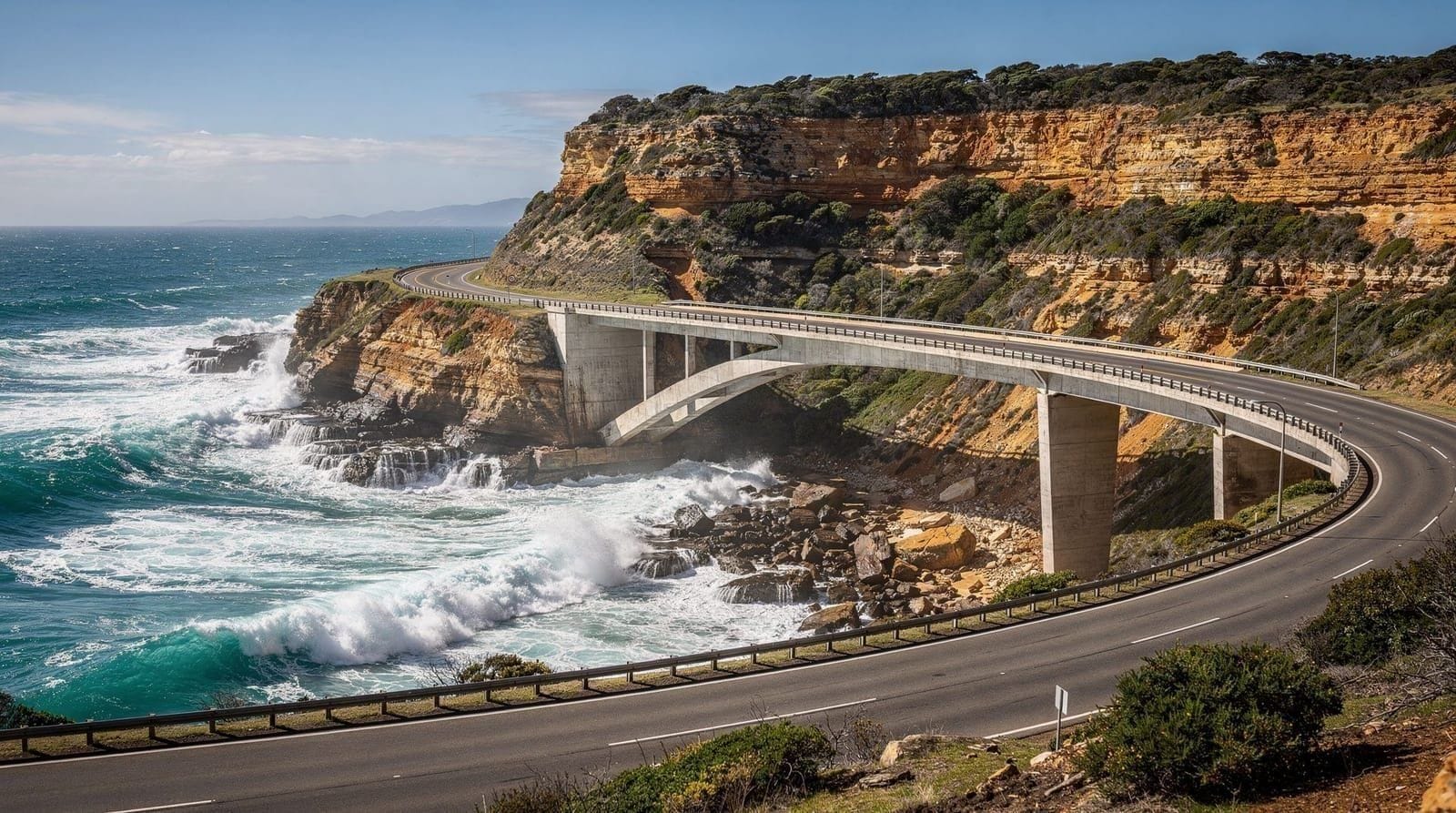
Royal National Park combines naturally with a day in Cronulla (use the Bundeena ferry for park access) or as a stopper on the way to Wollongong via the Sea Cliff Bridge. The Wollongong Grand Pacific Drive guide covers the full coastal route south.
The best day trips from Sydney guide places Royal National Park in context among all the major day-trip options. See the Royal National Park guide for the full hiking routes, camping details, and seasonal wildflower information. The Sydney coastal hikes guide also covers the coastal track sections with difficulty ratings and timing advice.
Royal National Park versus the Bondi to Coogee walk
Visitors weighing up their coastal walking time in Sydney often compare Royal National Park against the far more famous Bondi to Coogee walk. They are different experiences: Bondi to Coogee is a 6 km, flat, urban coastal path with cafes and ocean pools every kilometre or two, doable in under two hours with zero preparation.
The Royal Coastal Track is genuine bushwalking — 26 km, multi-day if done in full, with real navigation and hazard considerations (poor phone coverage, snakes, no drinking water). If you want an easy, sociable coastal stroll, do Bondi to Coogee. If you want a genuine wilderness hiking experience within day-trip distance of the CBD, Royal National Park delivers something the eastern suburbs walk cannot.
For a shorter taste of the park without committing to the full track, the Bundeena-to-Jibbon Beach section (3 km return, passing 5,000-15,000-year-old Aboriginal rock engravings) is achievable in under two hours and gives a genuine sense of the coastline and cultural significance without the logistics of a multi-day walk.
Fitting the park into a longer Sydney stay
Royal National Park works best as one deliberate outdoor day rather than something squeezed between city sights. If you are still deciding how long to spend in town, the how many days in Sydney guide helps you judge whether you can spare a full day for the park. Travellers on a first visit may prefer the Sydney 3 days first time itinerary, which stays in the city, and then add the park if they have an extra day. The Sydney coastal beaches itinerary pairs well with a park day if you want a week built around the sea.
Getting there without a car depends on the rail and ferry network, so it is worth reading the Sydney trains guide and the Opal card guide before you set out. If you are weighing up a hire car for Wattamolla and other trips, the driving in Sydney and NSW guide covers what to expect on the road, and the is a car needed in Sydney guide helps you decide whether it is worth it at all.
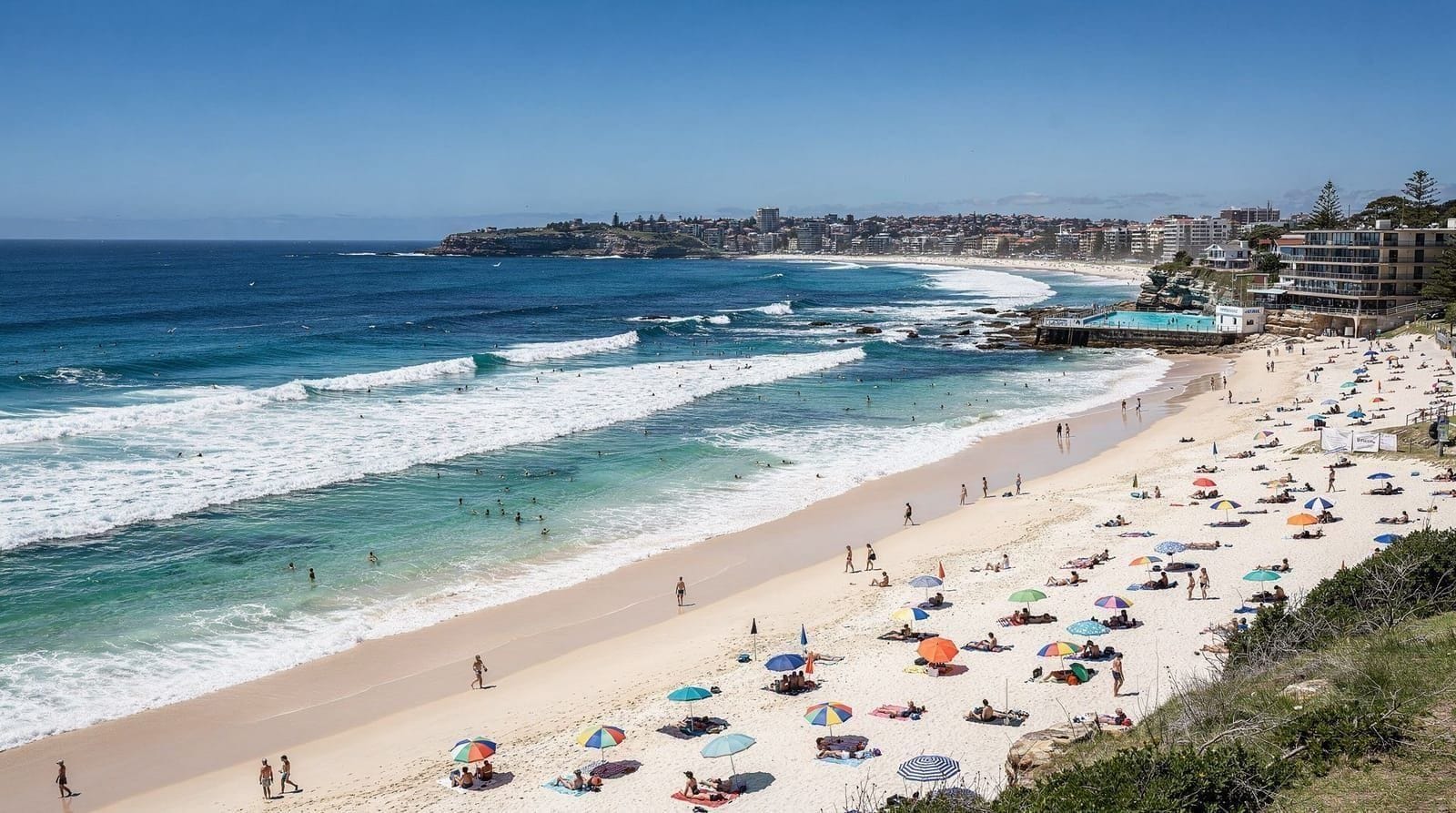
Walkers who enjoy the park often want more of the same elsewhere. The Blue Mountains best hikes guide is the natural next step for bushwalking inland, and the Bondi beach guide covers the busier, more urban side of the coast for the days when you want cafes rather than wilderness. If the sea is the main draw, the best beaches in Sydney guide shows how the park’s quiet beaches compare with the famous ones.
If you would rather leave the navigation and logistics to someone else, a private tour of the national park lets you set the pace and choose which sections to see.
Frequently asked questions about Royal National Park
Is Royal National Park safe to hike alone? Many people do the shorter day sections (Bundeena to Jibbon or Marley) solo without issue, since they’re well-trafficked and close to Bundeena village. For the full multi-day Royal Coastal Track, solo hiking is riskier given the patchy phone coverage and isolated sections south of Marley — going with at least one other person, or carrying a personal locator beacon, is the safer approach.
Can you visit Royal National Park as a half-day trip from Sydney? Yes, via the Cronulla train and Bundeena ferry route, which gets you to Jibbon Beach and its rock engravings in about 90 minutes of travel each way. A half-day is enough for Jibbon but too rushed for Wattamolla, which requires a car and sits deeper in the park.
Top experiences
Bookable activities with verified prices and instant confirmation on GetYourGuide.