Sydney vs Melbourne — an honest attempt at the debate
The argument nobody wins
Ask any Australian where you should go — Sydney or Melbourne — and you will receive a passionate answer that tells you more about the person answering than about the cities. Sydney people say Sydney for reasons that Sydney people always give. Melbourne people make the Melbourne case, often very articulately. The debate is one of Australia’s most reliable social rituals, and it has been running, in essentially its current form, since at least the 1880s.
I have spent significant time in both cities. I have friends who feel strongly about each. I will try to give you something more useful than tribal allegiance.
The short answer: for a first visit to Australia, visit Sydney. For a second visit, consider Melbourne. For a longer stay, split your time.
The longer answer is more nuanced.
At a glance
| Distance between them | Around 1.5 hours by direct flight; train is closer to 11 hours |
| Cost comparison | Melbourne is generally the cheaper city for accommodation and everyday dining |
| Best for a short trip | Sydney — the harbour, beaches, and Blue Mountains reward even 3–4 days |
| Best for a longer trip | Both — split time, or add Melbourne on a return visit |
| Climate | Sydney is warmer and more humid in summer; Melbourne is famously changeable year-round |
What Sydney has that Melbourne doesn’t
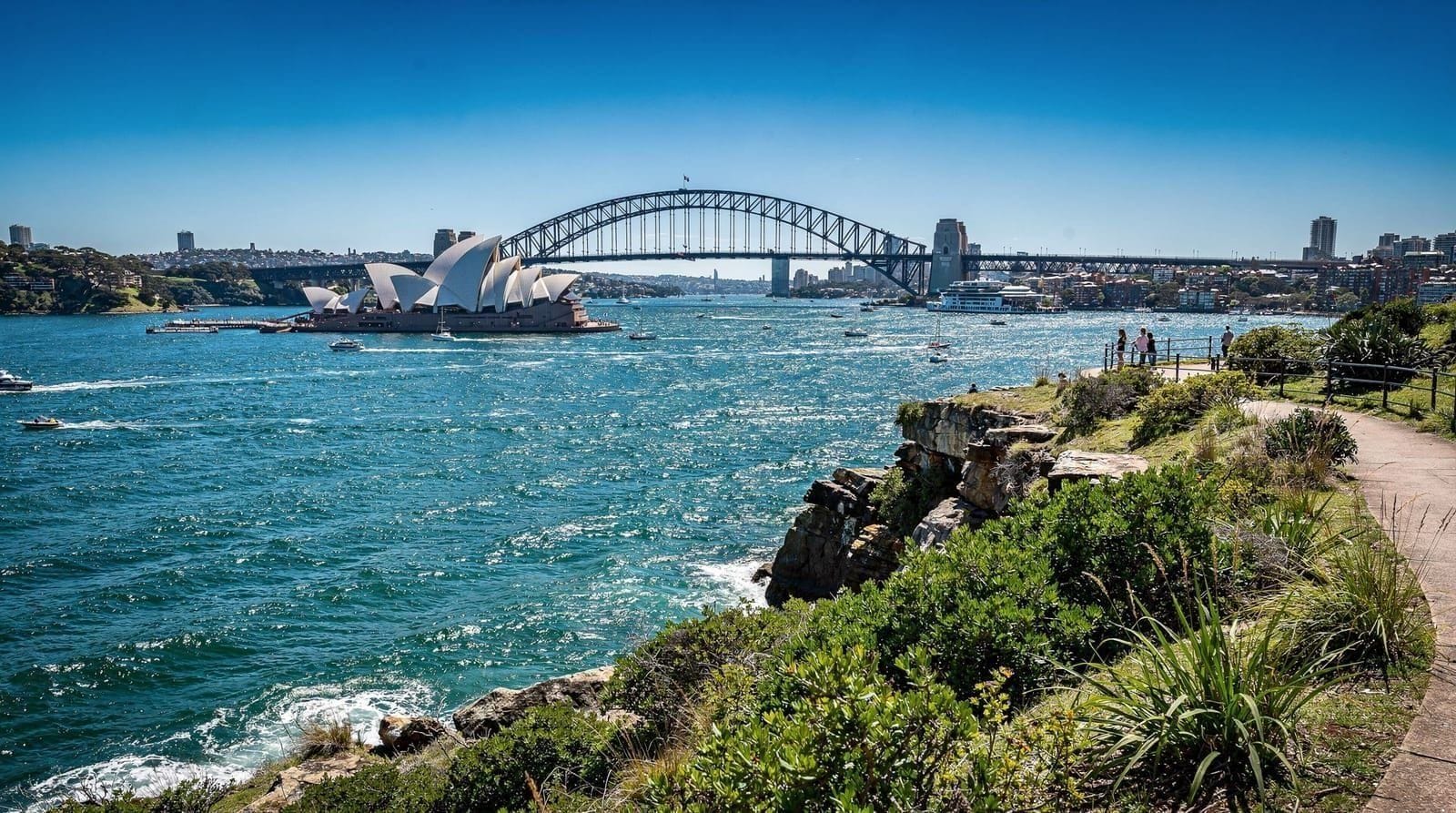
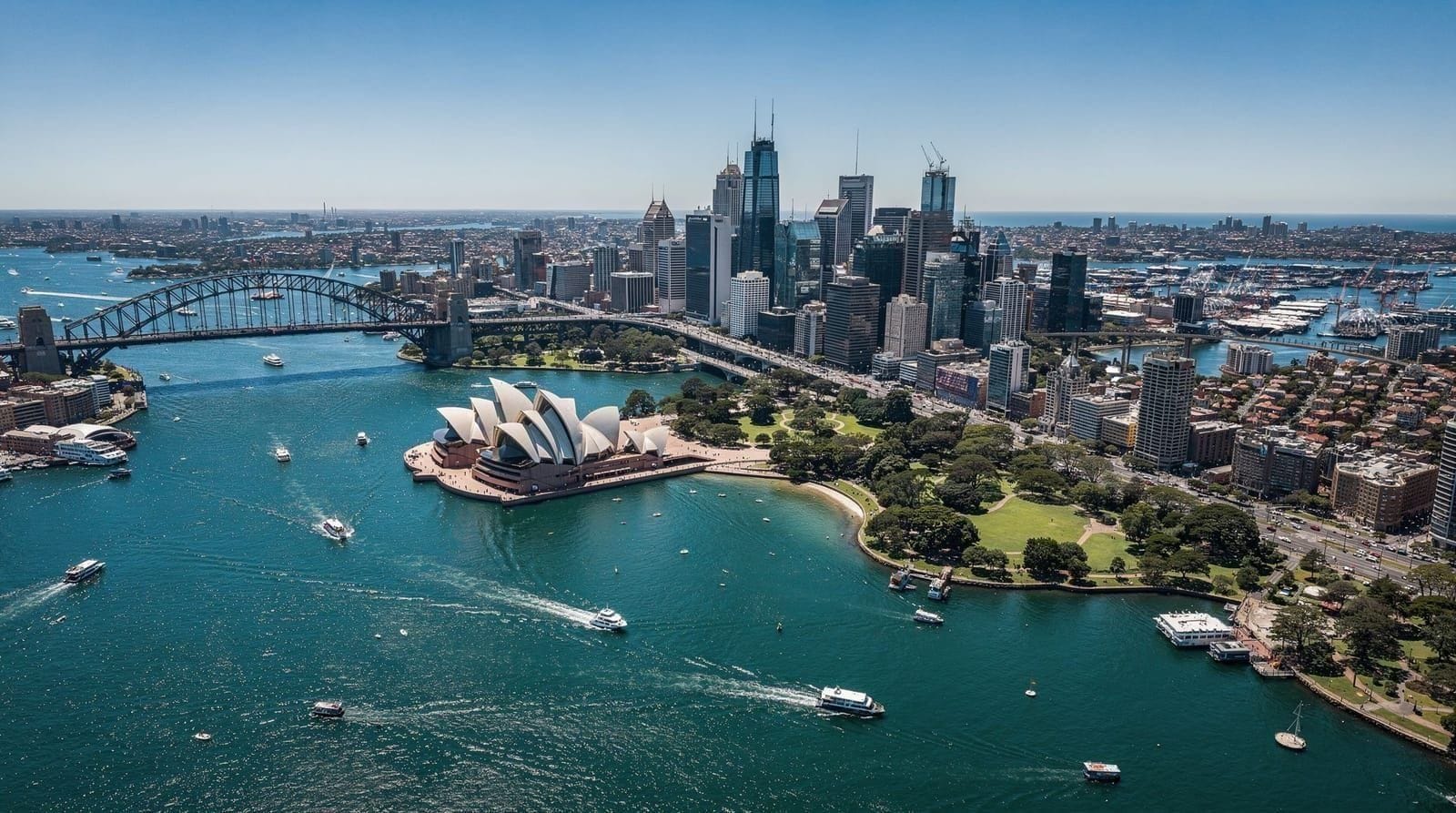
Sydney’s harbour is not a talking point. It is a physical fact that shapes the entire city and provides the most impressive urban natural setting in Australia, and arguably among the most impressive in the world. The combination of the Opera House, the Harbour Bridge, the deep blue harbour water, and the sandstone headlands creates a visual environment that no photograph entirely captures and that walking into for the first time remains genuinely striking.
Melbourne has no equivalent. The Yarra River runs through its centre and the Port Phillip Bay provides waterfront access, but neither produces the kind of involuntary response that Sydney Harbour does on a clear morning. If landscape is what you’re travelling for, Sydney wins this argument without effort.
Sydney’s beaches are also materially better than Melbourne’s. Bondi is famous for reasons that are not entirely hype — the beach itself is genuinely good, the coastal walk to Coogee is outstanding, and the concentration of surf culture, outdoor fitness, and café life creates an environment that Melbourne’s bayside suburbs cannot match. The northern beaches — Manly, Curl Curl, Dee Why, Mona Vale, Palm Beach — extend this character for 50 kilometres up the coast.
The day trips from Sydney are more dramatic. The Blue Mountains are a genuinely arresting landscape about two hours from the CBD by train. Melbourne has the Yarra Valley and the Great Ocean Road, both of which are good, but neither produces the “standing on the edge of an escarpment above 200 metres of eucalyptus forest” sensation that Echo Point delivers.
Getting onto the harbour, not just looking at it
The harbour’s advantage is that you can get into it, not only photograph it. The simplest version costs almost nothing extra: ride a ferry from Circular Quay and let the skyline do the work, as covered in the Sydney ferries guide. If you want something with more adrenaline, a jet boat ride across the harbour gets you moving fast past the landmarks, and a jet boat departing from Circular Quay keeps the logistics easy. Anyone who prefers a slower, quieter look can paddle instead: a sunrise kayak on the harbour shows the water at its calmest, and the Sydney Harbour kayaking guide explains what to expect.
For the view from the top, the BridgeClimb guide and the Harbour Bridge guide lay out the options. A first-timer who wants the experience without committing to the longest version might look at a shorter bridge climb that samples the summit experience. Melbourne simply has no counterpart to any of this, which is part of why the first-visit argument for Sydney holds up.
What Melbourne has that Sydney doesn’t
Melbourne’s food and café culture is genuinely superior to Sydney’s in aggregate. Not in individual excellence — Sydney has restaurants that match anything Melbourne offers — but in the baseline quality and density of the city’s everyday eating culture. Melbourne’s inner suburbs (Fitzroy, Collingwood, Carlton, Brunswick) have a concentration of independent cafes, wine bars, small restaurants, and market-adjacent eating that Sydney’s equivalent suburbs (Newtown, Surry Hills, Paddington) match in quality but not quite in volume or variety.
Melbourne’s arts and music scene has a depth that Sydney’s has struggled to maintain. The historic closures of Sydney live music venues through the 2010s, combined with lockout laws (since lifted) in the Kings Cross precinct that effectively dismantled that nightlife neighbourhood, gave Melbourne an unchallenged lead in the kind of mid-level live music infrastructure that matters. Small venues, independent promoters, a circuit of inner-city bars that actually program bands — Melbourne has it, Sydney has less of it.
Melbourne is also cheaper. Accommodation costs less, restaurant prices are generally lower for equivalent quality, and the transport system — the tram network in particular, which is extensive and free in the CBD — makes moving around the inner suburbs more accessible than Sydney’s more expensive ferry and bus network.
The cultural question
This is where the debate gets interesting and where both cities’ partisans become most tribal.
The Melbourne claim is that it’s more culturally sophisticated — more European in character, more interested in ideas, less preoccupied with appearance and status. Sydney’s response is that Melbourne confuses introversion with depth. Both characterisations are reductive. Both are also partially true.
Sydney is more extroverted. The outdoor lifestyle, the beach culture, the harbour-centred social geography — it’s a city that lives outside and publicly. This is not superficiality; it is a different expression of civic life.
Melbourne has a more developed infrastructure for interior culture — galleries, theatre, literature, music — partly because its climate (famously changeable, frequently cold and wet) necessitates more indoor life. The Melbourne Writers Festival, the Australian Centre for Contemporary Art, the Melbourne Theatre Company, the jazz and experimental music scenes — these reflect a city that has invested in the institutional infrastructure for cultural life.
Neither is simply better. They are differently calibrated.
Weather: the honest assessment
Melbourne weather is frequently used in Sydney-favouring arguments, and this is mostly legitimate. Melbourne’s climate is genuinely variable in a way that can be frustrating: four seasons in a day is not purely an expression; it genuinely describes what can happen on an autumn afternoon. The wind off Port Phillip Bay can be savage. The weeks of flat grey overcast in July are real.
Sydney’s climate is objectively more reliable for visitor-type activities. Summer (December–February) is hot and sometimes humid but mostly sunny. Autumn (March–May) is near-perfect: warm, dry, clear. Winter (June–August) is mild — rarely below 7°C overnight — and mostly clear, with the added benefit of being whale watching season. Spring (September–November) brings the jacarandas and some of the year’s most photogenic light.
The caveat: the summer humidity in Sydney, particularly in January and February, is more oppressive than Melbourne’s heat on comparable-temperature days. Melbourne summers are dry; Sydney’s can be sticky. Neither city has a perfect climate for every preference.
The one-trip visitor
If you have two to three weeks in Australia and cannot visit both cities, visiting Sydney and not Melbourne leaves you with an incomplete picture of Australia. But if the choice is truly binary, the first-time argument for Sydney is strong:
Sydney Harbour, the Opera House, the bridge, Bondi, the Blue Mountains, whale season, the Manly Ferry — these are genuinely world-class. Missing them on a first Australia trip is a real loss. Melbourne’s specific advantages — food depth, arts infrastructure, nightlife — are better appreciated on a return visit or a longer trip when you have the time to inhabit the city at the pace it rewards.
The visitor who comes to Sydney for four days and Melbourne for three, or vice versa, is probably doing it right. The Sydney vs Melbourne guide covers the comparison in more detail and includes honest practical information about transport links between the two cities (regular flights, 1.5 hours; train, an implausible 11 hours).
The day-trips comparison
Sydney’s regional context — the Blue Mountains to the west, the Hunter Valley to the north, the Royal National Park and south coast to the south, Port Stephens further north — gives it a more varied day-trip geography than Melbourne’s immediate hinterland. The Blue Mountains alone, a train ride of about two hours from Central, deliver a landscape experience that Melbourne would need to drive three hours to the Grampians to replicate.
Melbourne’s Great Ocean Road is genuinely world-class but requires a full-day drive. Phillip Island (the penguin parade) is a two-hour drive each way. The Yarra Valley wine region is 90 minutes by car and genuinely good, but more modest in scale than the Hunter Valley. If day trips are important to your travel style, Sydney’s geography is a genuine advantage.
Port Stephens — two and a half hours north of Sydney — offers dolphin watching, sand dunes, and a bay that Melbourne has nothing comparable to within reasonable reach. For a visitor who wants to go beyond the city on multiple days, Sydney’s options are both closer and more diverse.
If you are weighing how to fill those days, the best day trips from Sydney guide compares the options side by side, and our own write-up of the day trips we actually did is a more personal account. The Blue Mountains day trip guide and the Hunter Valley day trip are the two most common choices, and Port Stephens rewards anyone willing to go a little further. For a full plan that puts the city and its surroundings together, the seven-day itinerary is a sensible starting point, while the 48-hour weekend suits anyone squeezing Sydney in before a Melbourne leg.
Which city photographs better
This is a real consideration, not a superficial one, for the large number of visitors who document their travel. Sydney photographs better. The harbour, the Opera House, the Harbour Bridge, the coastal cliffs, the eastern beaches in strong light — Sydney has more photogenic subjects within a smaller geographic area than any other Australian city, and arguably most cities in the world.
Melbourne’s CBD is handsome but not architecturally dramatic. The lanes and graffiti culture of the inner city are genuinely photogenic if you know where to look, but they require local knowledge to find. Sydney’s greatest hits are visible from the ferry, from the foreshore, from a car window crossing the bridge. The city does not require effort to look impressive.
The real answer
Both cities are exceptional in their ways and both punch well above their demographic weight for visitor experience. The rivalry is sustained precisely because neither can definitively claim superiority — it depends what you’re optimising for.
Visit Sydney first. Then visit Melbourne. Then decide which you prefer, and you’ll finally have a real contribution to make to the argument. The Sydney trip planning guide assumes Sydney is the priority; the comparison guide is more balanced for those genuinely choosing between the two.
Sydney vs Melbourne at a glance
| Category | Sydney | Melbourne |
|---|---|---|
| Landscape/harbour | Exceptional — Opera House, Harbour Bridge, harbour beaches | No equivalent; Yarra River and Port Phillip Bay are more modest |
| Beaches | Bondi, northern beaches, major strength | Bayside beaches exist but don’t compare |
| Food and cafe culture | Excellent at the top end | Stronger in aggregate, particularly inner-suburb everyday dining |
| Day trips | Blue Mountains, Hunter Valley, Port Stephens | Great Ocean Road, Yarra Valley, Phillip Island — further to reach |
| Cost | Generally more expensive | Generally cheaper for equivalent quality |
| Nightlife/live music | Recovering after 2010s lockout laws | Deeper mid-level venue circuit |
Practical logistics if you’re doing both
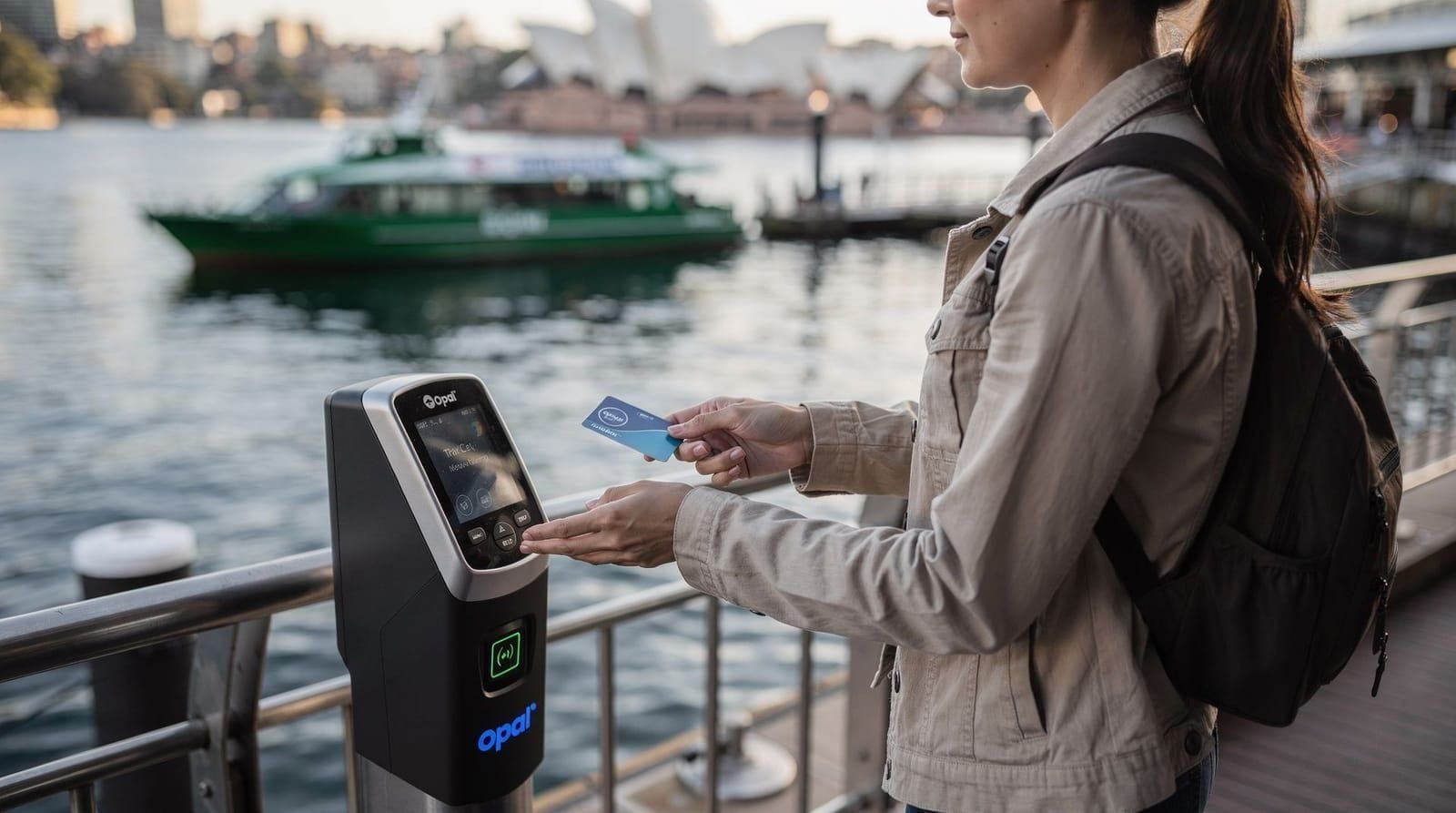
Most visitors splitting time fly between the two cities rather than taking the Opal card network intercity (Opal only covers Sydney and NSW, not Melbourne’s Myki system). Book flights early in December/January and around Easter, when domestic fares spike alongside demand. If your trip includes a Blue Mountains day trip from Sydney, plan it for whichever city you’re in first — trying to slot in a Blue Mountains day around a Melbourne leg wastes travel time you don’t get back.
A couple of questions people ask
Is Sydney or Melbourne better for food? Melbourne wins on everyday café and inner-suburb dining density; Sydney matches it at the top end of restaurants. Neither city disappoints, but Melbourne’s baseline is stronger.
Can I do Sydney and Melbourne as a long weekend each? You can, but it’s tight — a long weekend in Sydney covers the harbour and one beach day; it doesn’t leave room for the Blue Mountains or Hunter Valley. Add a day if either day trip matters to you.