Shark nets and beach safety in Sydney — the facts
Sydney: Manly and Shelly Beach snorkeling tour
Are Sydney beaches safe from sharks?
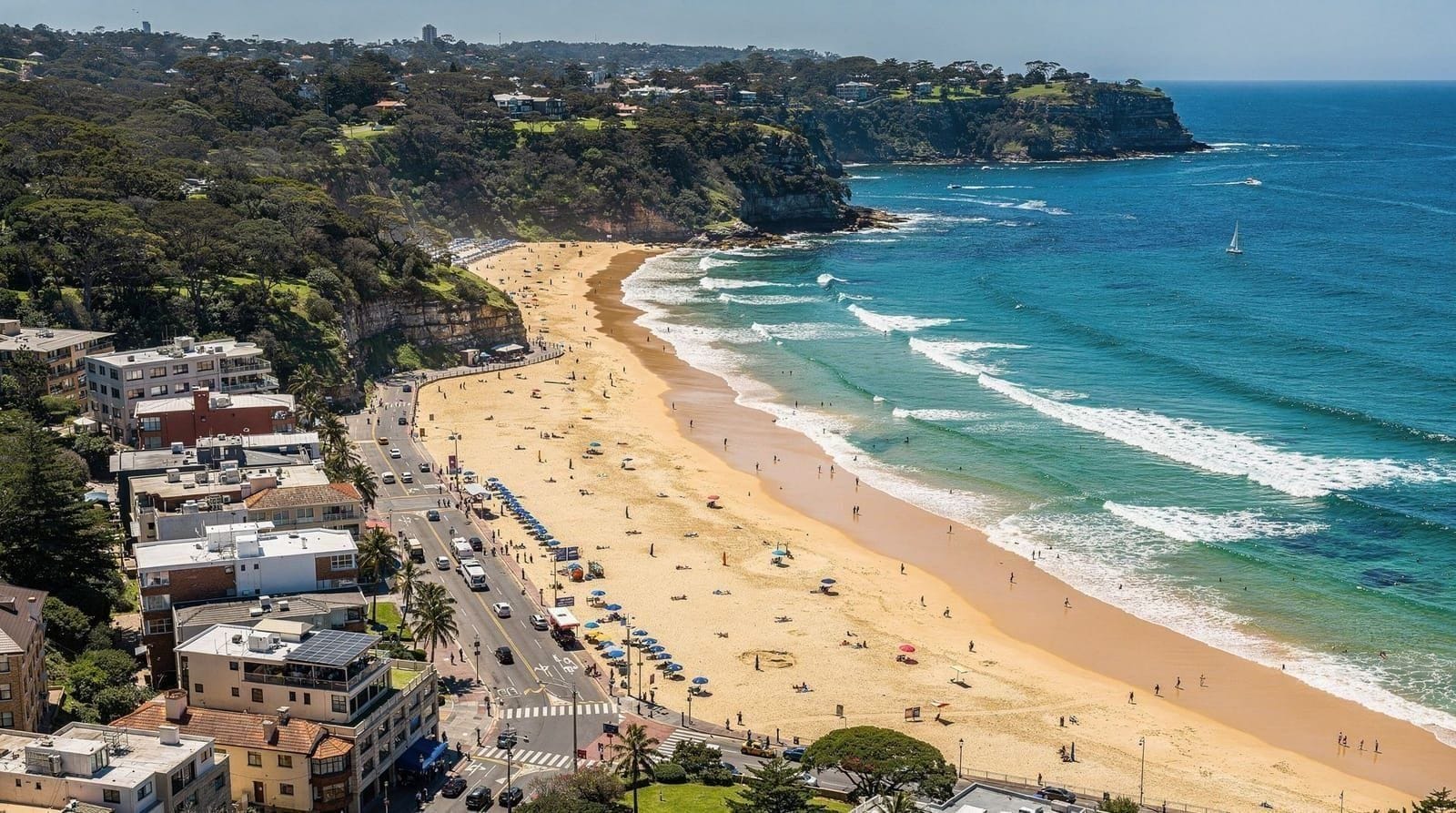
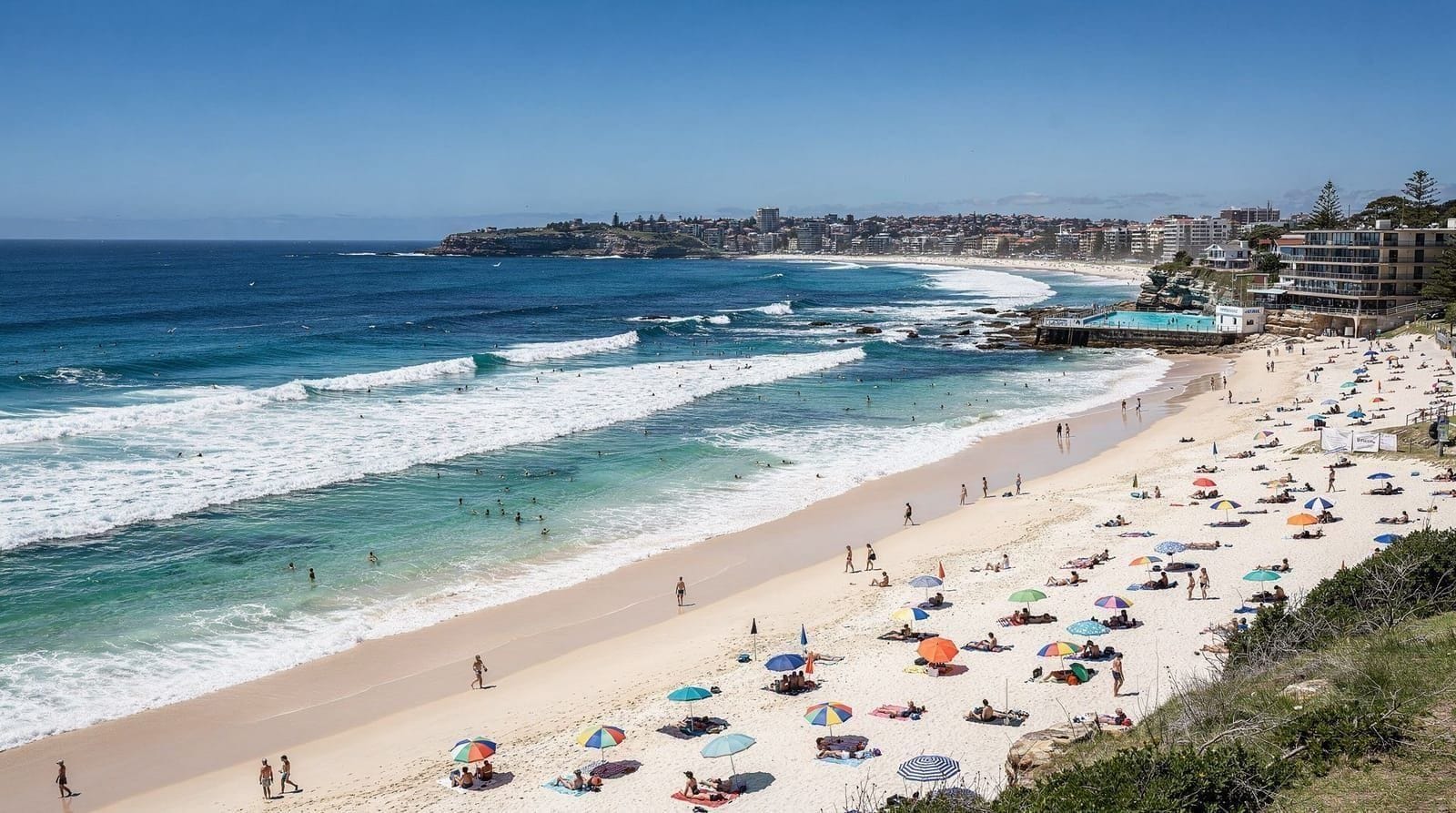
Shark attacks at Sydney's major beaches are rare — there have been fewer than 15 fatal attacks in the Sydney metro area in the past 100 years, most outside patrolled zones. The more significant daily safety issue at Sydney beaches is rip currents, which cause around 2,000 rescues per year at Bondi alone.
At a glance
| Real top hazard | Rip currents, not sharks |
| Shark net coverage | 51 NSW beaches, offshore meshing (not enclosures) |
| Safest swimming | Between the red-and-yellow flags at a patrolled beach |
| Highest-risk times | Dawn/dusk, murky water after rain, unpatrolled spots |
| UV risk | Extreme (11+) Oct–Mar — bigger daily danger than sharks |
Putting shark risk in perspective
The fear of sharks is disproportionate to the actual risk at Sydney’s beaches. This is not to dismiss shark activity — it exists, and it occasionally results in attacks — but to calibrate against the hazards that genuinely claim swimmers in Sydney.
In the past decade, there have been zero fatal shark attacks at any of Sydney’s major patrolled metropolitan beaches (Bondi, Manly, Coogee, Cronulla, Manly). The risks that cause actual harm at Sydney beaches, in order of frequency:
- Rip currents: ~2,000 rescues annually at Bondi alone. Responsible for the vast majority of drowning deaths at Sydney beaches.
- Shore break / dumping waves: Cervical spine injuries in tourists underestimating the power of breaking waves.
- Bluebottle jellyfish stings: Very common in summer, extremely painful, rarely dangerous.
- UV exposure: Sunburn, heat exhaustion, and long-term skin damage from underestimating Sydney’s UV (which reaches extreme levels).
- Sharks: Real but statistically minor at established patrolled beaches.
This guide covers all of these honestly, with the shark netting system in context rather than as a marketing claim.
How shark nets work — and what they do not do
New South Wales has operated a shark meshing program at metropolitan beaches since 1937. The program covers 51 beaches, including all major Sydney beaches.
What shark nets actually are: Meshed nets, typically 150 m long, 6 m deep, set approximately 500 m offshore and not attached to the shore. They are not barriers or enclosures — they do not create a protected zone. They are set and retrieved periodically, and are completely absent from beaches for significant periods.
How they work: The nets are designed to reduce local shark populations around beaches by entangling sharks. Studies suggest they reduce (but do not eliminate) the presence of large sharks in beach areas. The mechanism is lethal — sharks that become entangled typically drown or are dispatched by rangers.
What they do not do:
- They do not enclose the beach or create a continuous physical barrier.
- They catch non-target species including dolphins, rays, turtles, and whales — these incidents are documented and are a continuing environmental controversy.
- They are not deployed continuously at all beaches throughout the year.
- They do not guarantee shark absence — sharks can and do enter the net-adjacent zones.
The honest conclusion: The shark meshing program likely contributes to reduced shark activity near Sydney beaches, but the mechanism is different from what most visitors imagine (“a cage around the beach”). The real-world risk at major patrolled Sydney beaches is very low regardless — largely because great white sharks, the species responsible for most serious attacks, do not habitually frequent busy shallow beach environments.
Which Sydney beaches have shark nets
The NSW DPI shark meshing program covers beaches including:
Eastern suburbs: Bondi, Bronte, Coogee, Maroubra, Clovelly (and others). Northern beaches: Manly, Freshwater, Dee Why, Collaroy, Narrabeen, Newport, Avalon, Palm Beach (and others). South: Cronulla, and several harbour beaches.
The harbour beaches (Balmoral, Nielsen Park) are separately protected by shark nets installed as physical barriers across the cove entrances. These are closer to actual enclosures than the offshore meshing nets.
For the current list of beaches with active netting, the NSW DPI (Department of Primary Industries) publishes seasonal reports. The netting is not deployed year-round at all beaches.
When and where shark encounters occur in NSW
Historical data on shark incidents in NSW shows that encounters are statistically more likely:
- Dawn and dusk (low light conditions)
- Near river mouths and estuaries (food sources for sharks)
- When schools of baitfish are present (creates actively hunting predators)
- In murky water after rain
- At unpatrolled beaches and rock platforms
The majority of serious attacks in NSW over the past 20 years occurred at coastal locations south of Sydney (particularly the South Coast), at unpatrolled beaches or during swimming outside patrol hours.
Rip currents — the real beach hazard
Rip currents cause more rescues and drownings at Sydney beaches than any other hazard. Understanding them is more practically useful than worrying about sharks.
What a rip current is: A narrow channel of water flowing strongly seaward through a gap in the sandbar. The water that waves push onto the beach has to go somewhere — it finds the deepest, lowest-resistance channel back to sea and moves through it rapidly.
How to identify one: Look for:
- A darker section of water between lighter breaking waves (the dark zone is deeper — the gap in the sandbar)
- Foam or floating material moving seaward
- Choppy, disturbed water while adjacent areas are calmer
- A discoloured channel of sandy water heading out to sea
At Bondi, the major rips form at the northern and southern ends of the beach, beside the rocks.
What to do if caught in a rip:
- Do not panic, and do not try to swim directly back to shore against the current.
- Stay calm and float — rips are typically 50–150 m long and their energy dissipates beyond the sandbar.
- Signal for help by waving one arm — this is the international distress signal and lifeguards know it.
- If the rip is moving you sideways as well as out, paddle parallel to the beach until you are out of the current, then angle back in.
Always swim between the red and yellow flags at patrolled beaches. The flags are positioned daily by lifeguards to indicate the safest swimming zone, avoiding the rips.
Other hazards
Bluebottle jellyfish (Physalia utriculus)
Common November through February, particularly after northerly winds. Bluebottles are not jellyfish but colonial organisms — a blue, gas-filled float trailing long tentacles. They sting on contact, causing sharp, burning pain and red welts lasting several hours.
Treatment: The current recommended protocol in Australia is hot water (as hot as can be tolerated) applied to the sting area for 20 minutes. Remove visible tentacles without rubbing. Do not apply ice, vinegar, or urine (these are treatments for other jellyfish species and do not help with bluebottles, and may make them worse).
Bluebottle warnings are posted by lifeguards at beach entrances when conditions are active.
Shore break / dumping waves
A dumping wave breaks heavily in shallow water with a steep forward face. When the wave catches a swimmer in shallow water, the force can push them to the bottom violently. Cervical spine injuries (including spinal fractures) occur every year in Sydney from dumping waves.
The risk is highest during larger swell conditions at steep-profiled beaches. Signs of dangerous shore break: waves that seem to stand straight up before breaking, rather than peeling. If the shore break looks heavy, stay out or stay waist-deep.
Sunburn and UV radiation
Sydney’s UV index regularly reaches 11+ (extreme) from October through March. This is significantly more intense than European visitors typically experience at home, even during overcast conditions. UV passes through cloud.
SPF 50+ sunscreen is mandatory, not optional. Apply 20 minutes before sun exposure and reapply every 2 hours or immediately after swimming. Cover shoulders, back, and the tops of feet and ears — areas commonly neglected and reliably burned.
A rashguard (SPF-rated swim shirt) provides better protection than sunscreen for extended water exposure and is worth purchasing for stays of more than a day or two.
Heat exhaustion
In January, Bondi Beach temperatures can reach 35–40°C with high humidity. Heat exhaustion (heavy sweating, weakness, nausea, rapid pulse) becomes a real risk for visitors not accustomed to these temperatures. Drink at least 500 ml of water per hour during beach visits in summer. Shade (rare on most beach fronts) and the ocean pools are the most effective cooling mechanisms.
Practical beach safety summary
| Hazard | Risk level (major beaches) | Mitigation |
|---|---|---|
| Rip currents | High (daily) | Swim between flags, know the float-and-signal technique |
| Shore break | Moderate | Avoid heavy shore break areas, stay waist-deep in larger swell |
| Bluebottles | Moderate (Oct–Feb) | Check beach signs, treat with hot water if stung |
| UV/sunburn | High (Oct–Mar) | SPF 50+, rashguard, reapply after swimming |
| Sharks | Low (patrolled beaches) | Avoid dusk/dawn swims in murky water, don’t swim outside patrol hours |
Emergency number: Triple Zero (000) — police, ambulance, fire. From the water, wave one arm for lifeguard assistance.
For beach selection and full destination information, see the best beaches in Sydney guide and the Sydney ocean pools guide for enclosed, calmer swimming alternatives.
Which beaches are best if you want extra peace of mind
Visitors genuinely anxious about sharks (even knowing the real statistics) have reasonable alternatives that do not mean giving up the beach experience:
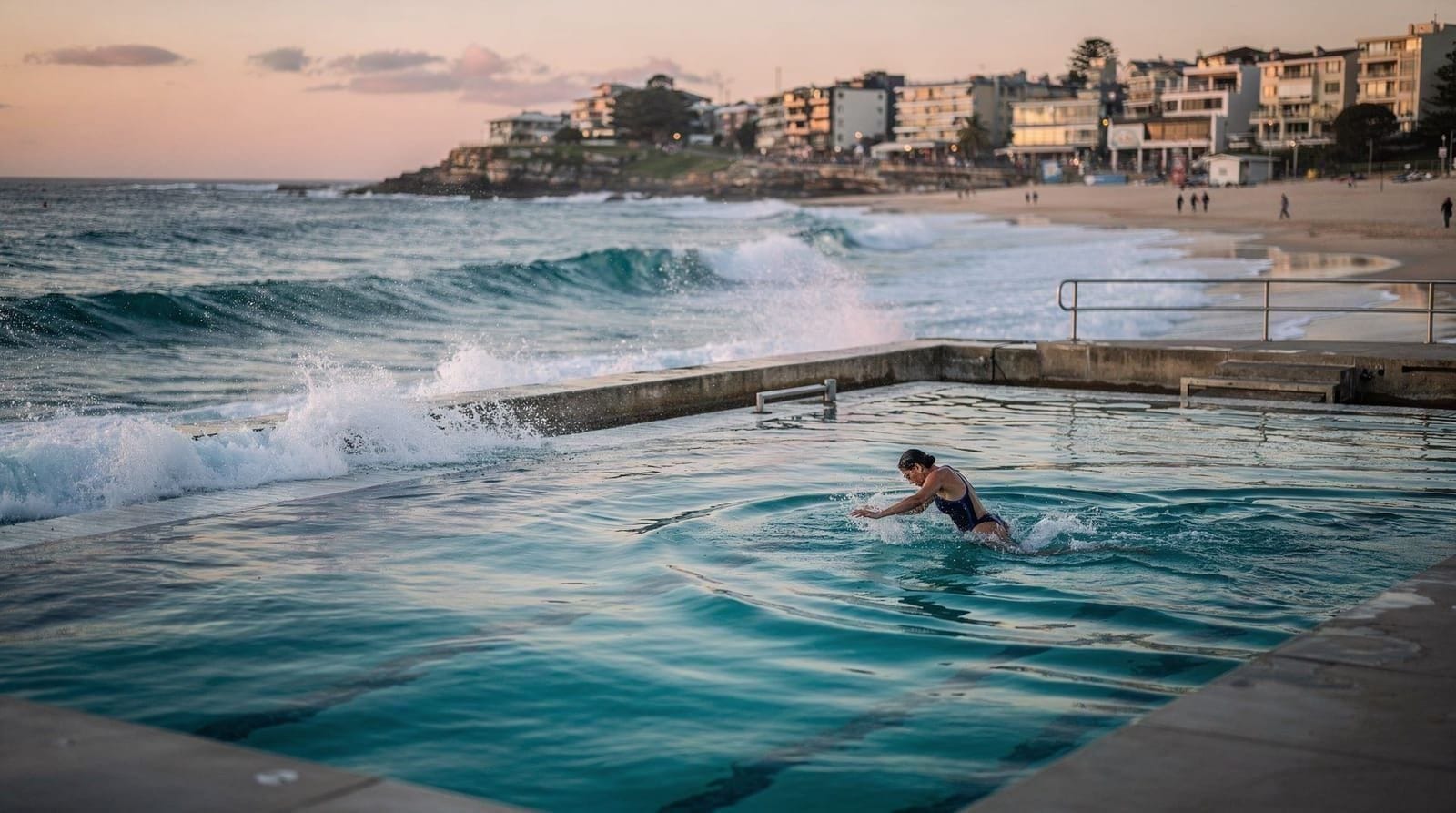
- Ocean pools: Bondi’s Icebergs pool, Bronte’s tidal pool, and Coogee’s Ross Jones and Wylie’s Baths are all seawater but physically enclosed by rock walls — no shark access at all. See the Sydney ocean pools guide for the full list.
- Harbour beaches: Balmoral and Nielsen Park sit inside physical shark barrier nets across the cove entrance, which is a genuinely different (and more reassuring) setup than the offshore meshing at ocean beaches.
- Patrolled hours, patrolled beaches: The overwhelming majority of Sydney’s beach incidents (shark or otherwise) happen outside patrol hours or at beaches without lifeguards. Sticking to the well-known patrolled beaches during flagged hours removes most of the residual risk.
The Bondi Beach guide and Bondi to Coogee walk guide both note flag positions and lifeguard tower locations along the way, which is useful if you are choosing where to swim rather than just where to look at the water.
What this means for your packing and planning
Because UV and rip currents are the real everyday risks, the practical preparation that matters is straightforward: pack SPF 50+ and a rashguard (see the Sydney packing guide), check the surf and flag conditions before you go, and treat the shark question as one line item among several in the broader Sydney safety guide rather than the headline concern. Sydney’s summer beach crowds at spots like Cronulla are, statistically, dealing almost entirely with sunburn and rip rescues, not shark encounters.
Getting in the water with a guide
If you want to be in or on the ocean but would rather not work out conditions alone, a guided activity is a sensible middle ground. Guides read the swell, the wind and the water clarity each day, and they choose where to go accordingly. That removes much of the guesswork about rips and shore break that this guide describes.
Around Manly, a guided snorkel at Shelly Beach is the classic example of calm-water exploring, and one operator offers a snorkelling session in the sheltered cove at Shelly Beach. If you prefer to stay on top of the water, a kayak trip that paddles between the small coves near Manly keeps you close to the shore and lets you take breaks on the sand. Our Manly beach guide and the comparison of Bondi vs Manly help you decide which side of the city suits your trip.
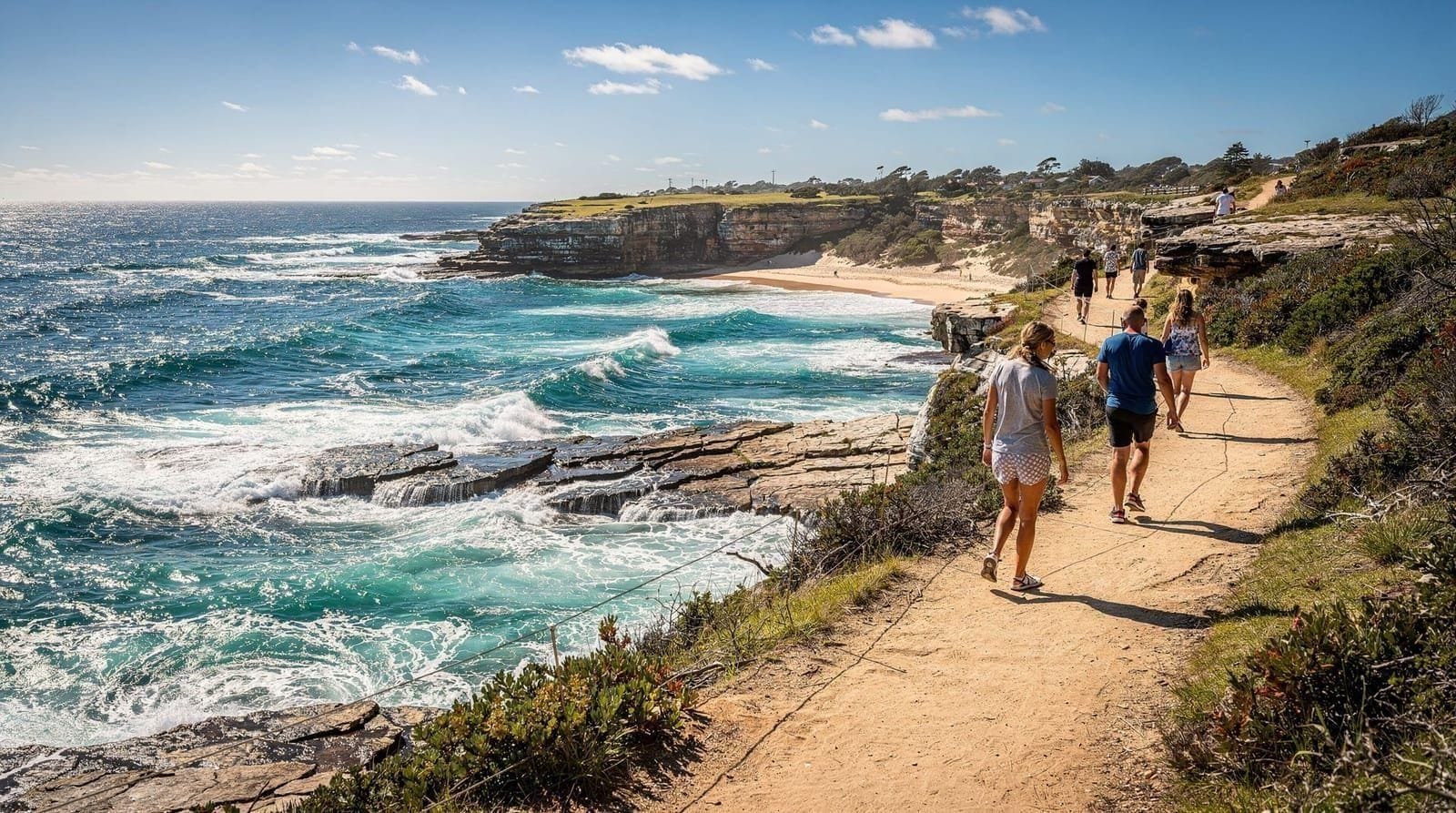
If swimming is not the priority, you can still see the coast without worrying about the surf. a guided day around the northern beaches and Ku-ring-gai lets you look at the beaches from the shore, with a local explaining which ones suit swimmers and which are better for walking. For more ideas, see the northern beaches guide, the Palm Beach guide and the Sydney coastal hikes guide.
Beginners who want to learn to surf will find that instructors teach the same rules covered above: read the flags, spot the rips and stay in the patrolled area. Our surfing for beginners guide and the surfing vs bodyboarding comparison explain what to expect. Families with children can read the Sydney beaches for families guide, and anyone planning a wider trip along the coast will find the Sydney coastal beaches itinerary useful.
Frequently asked questions about Shark nets and beach safety in Sydney
Are shark nets in Sydney cruel to marine life? The meshing program does catch non-target species — dolphins, rays, turtles, and occasionally whales — which is a genuine and ongoing environmental controversy in NSW. This is a real trade-off, not a myth, and is separate from the question of whether the nets make swimmers safer.
Has anyone been attacked by a shark at Bondi Beach? There have been no fatal shark attacks at Bondi in the past decade, and fatal attacks at Sydney’s major patrolled metropolitan beaches remain historically rare overall. The netting, lifeguard patrols, and the fact that great whites do not habitually frequent busy shallow beaches all contribute to this.