Palm Beach guide — lighthouse walk, Pittwater, and what's real
Sydney: S northern beaches and ku ring gai national park tour
Duration: 10 hours
How far is Palm Beach from Sydney and how do I get there?
Palm Beach is 52 km from the CBD. By public transport, take bus 190 from Wynyard Station — the journey takes approximately 90 minutes. By car it takes 60–70 minutes in reasonable traffic. There is no train service to Palm Beach.
At a glance
| Detail | Info |
|---|---|
| Where | Northern tip of the Sydney peninsula, 52 km from the CBD |
| Cost | Free — the beach and headland cost nothing; only ferries, food and the optional lighthouse tour are paid |
| Time needed | Half-day minimum from the city; a full day if combining the lighthouse walk with Pittwater |
| Getting there | Bus 190 from Wynyard (~90 min) or from Manly Wharf (~60 min); no train service |
| Best time | Autumn (March–May) or spring (September–November) for the lighthouse walk and beach combined |
What Palm Beach actually is
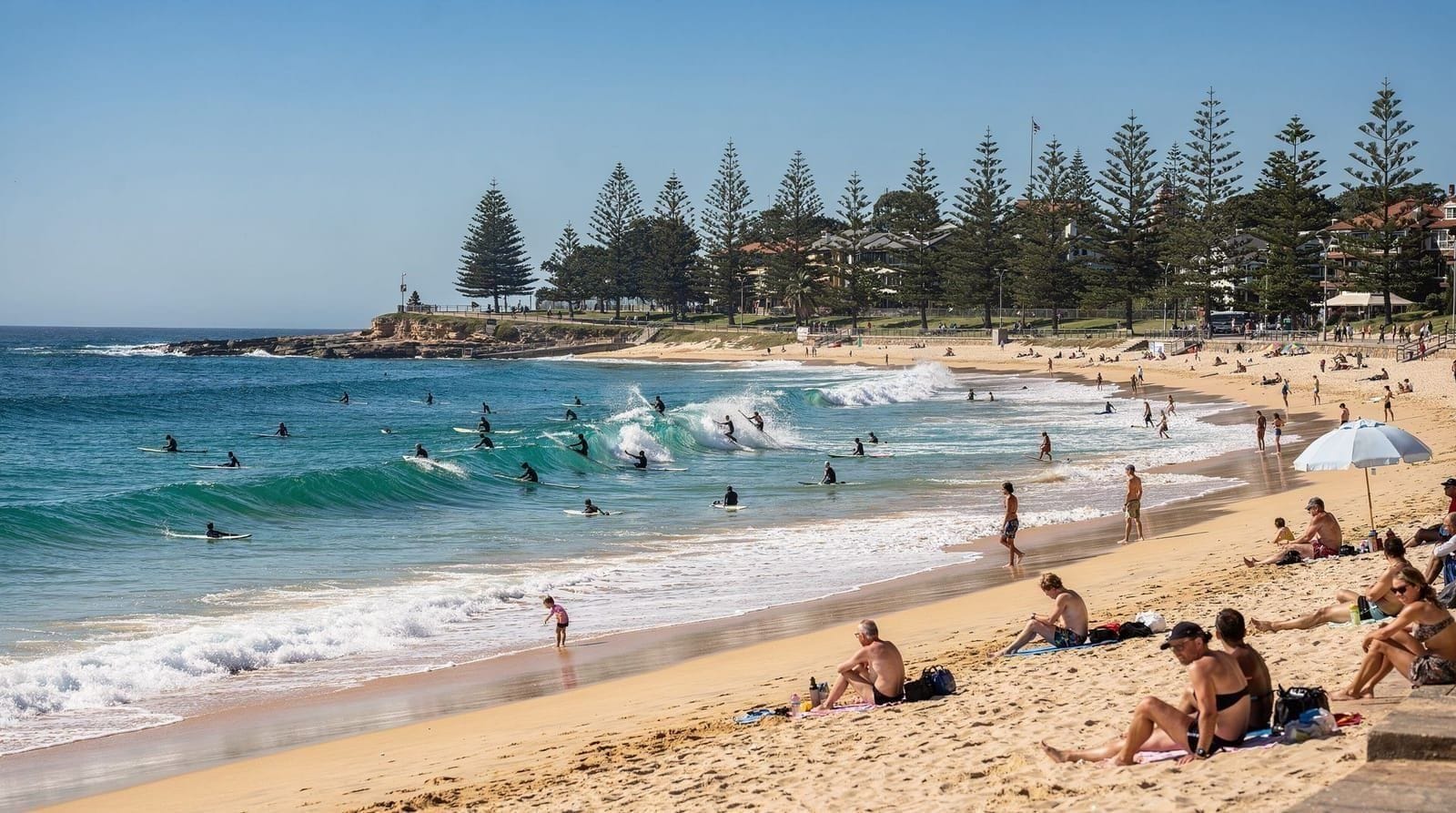
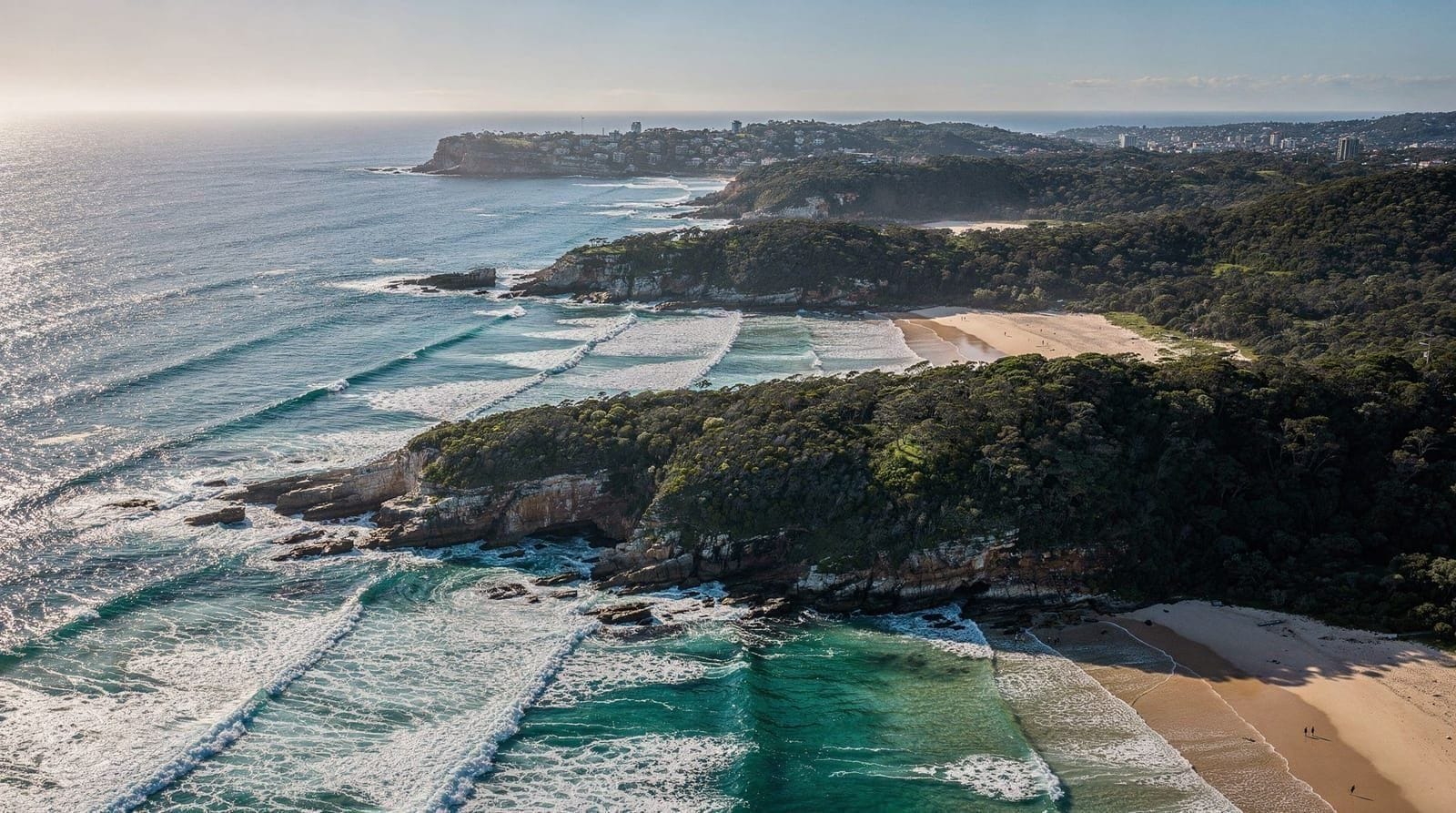
Palm Beach sits at the very tip of the Sydney peninsula, where the ocean beach to the east and the calm Pittwater to the west converge at Barrenjoey Headland. It is as far as the bus goes — the road ends at the beach carpark, and from there you walk or take a boat.
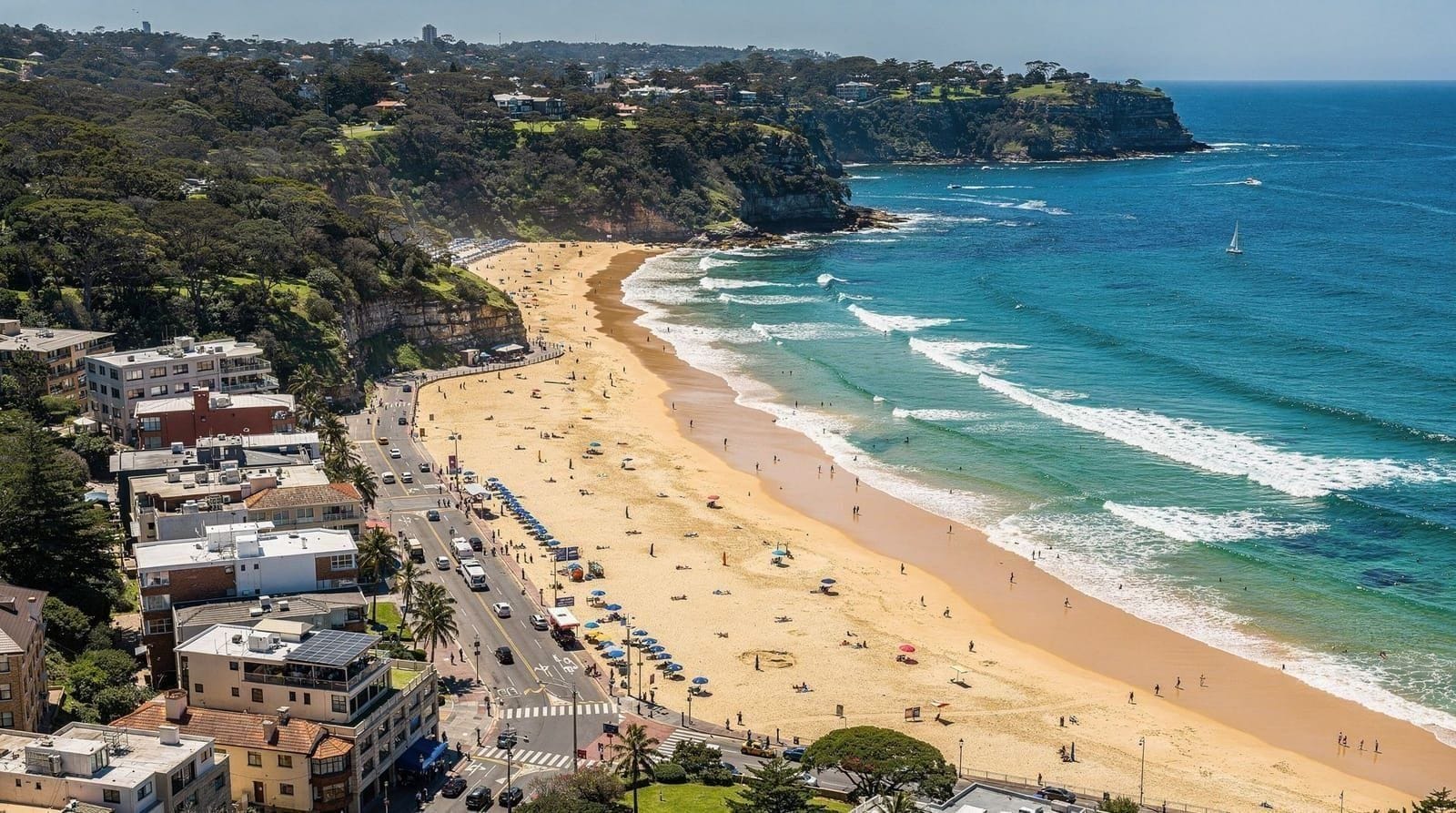
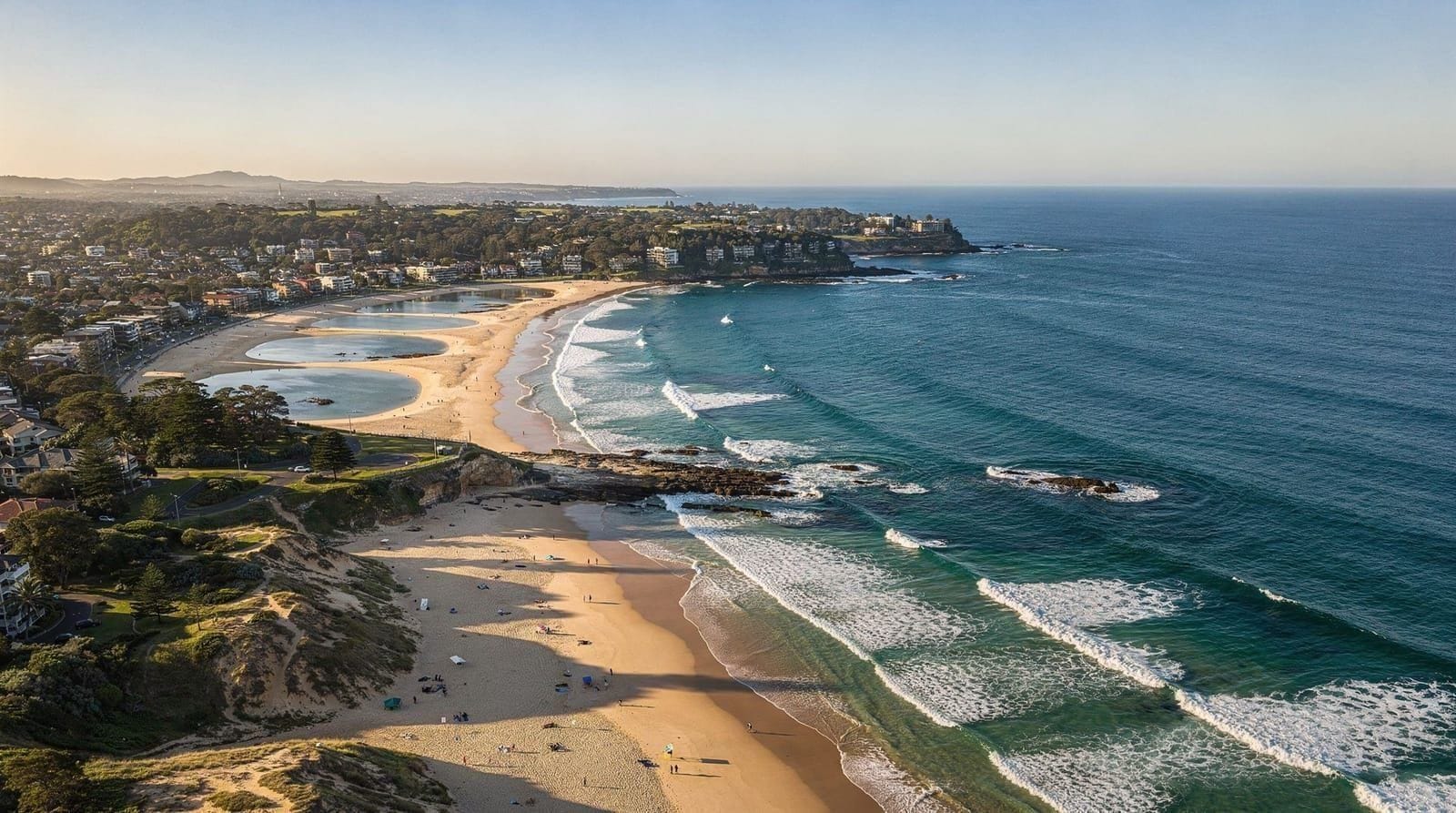
The beach is about 800 m of ocean-facing sand backed by the headland. Barrenjoey Lighthouse crowns the headland and is accessible via a walk of about 40 minutes each way from the car park. On the western side, small watercraft dot Pittwater and the Palm Beach wharf connects by ferry to Ku-ring-gai National Park and the historic villages on the Pittwater western shore.
The TV series Home and Away has filmed exterior scenes at Palm Beach for decades. This brings some visitors specifically looking for recognisable locations. The beach landscape is accurately depicted in the series; the fictional town of Summer Bay is essentially Palm Beach with a different name.
Getting there
By bus (190): From Wynyard Station (Carrington Street bus stop, stand K, L, or M). Journey time approximately 90 minutes. Services run throughout the day but less frequently than city buses — check the Opal Travel app or Transport NSW Journey Planner before departing. The bus stops at several northern beach suburbs on the way; seats can fill in summer.
From Manly Wharf, the same 190 bus takes about 60 minutes.
Opal card accepted. The fare falls within standard daily cap.
By car: Via Pacific Highway north from the CBD to Mona Vale Road, then Pittwater Road to Palm Beach. Allow 60–70 minutes in normal traffic; 90+ minutes on summer weekend mornings. Car parks at the beach fill by mid-morning on summer weekends.
Guided tour: The most efficient way to cover Palm Beach alongside other northern beaches sights in a single day, without managing bus connections.
Northern beaches and Ku-ring-gai National Park day tourThe Barrenjoey Lighthouse walk
The lighthouse walk is the most worthwhile activity at Palm Beach and involves a reasonable amount of physical effort. Two routes lead to the summit:
Beach track (steeper): From the northern end of Palm Beach, a rough track climbs the headland directly. The final section is steep and requires reasonable fitness. Poles are not necessary but the footing is loose in places.
Service road (longer, gentler grade): From the carpark at the base of the headland, a fire access road winds to the lighthouse in a gentler gradient. This is the route most families use.
At the summit (108 m elevation), the lighthouse dates from 1881 and is still operational — managed by the Australian Maritime Safety Authority. The views extend north along the Central Coast, south along the full length of the northern beaches peninsula, east to the open Pacific, and west over Pittwater and Ku-ring-gai National Park.
The lighthouse interior can only be visited on a guided tour run by NSW National Parks on Sundays; check the official NSW National Parks website for times and prices. The headland summit area around the lighthouse is accessible for free during daylight hours.
Time required: About 40 minutes each way from the car park. Add 30 minutes for photography and views at the summit.
What to bring: Comfortable shoes with grip (the beach track is loose in dry conditions), water, and sunscreen. The exposed headland has no shade.
Pittwater
The western side of Palm Beach faces Pittwater — a long, narrow sheltered waterway that runs south to the Spit Bridge at Mosman. The contrast with the ocean beach is complete: Pittwater has no surf, often glassy water, and small yachts, dinghies, and ferries instead of surfers.
Palm Beach Wharf (at the southern end of the Pittwater foreshore) is the departure point for passenger ferries to:
- Wagstaffe and Ettalong on the Central Coast
- Ku-ring-gai National Park access points including The Basin camping area
The Basin is a small beach camping area within Ku-ring-gai Chase National Park, accessible only by boat from Palm Beach Wharf. Day visitors can take the ferry across, walk the surrounding national park trails, and return — roughly 3 hours for the round trip including the crossing. No facilities beyond basic camping infrastructure; bring your own food.
Ferry services are run by Palm Beach Ferries. Fares and timetables change seasonally — check the official Palm Beach Ferries website.
The beach itself
Palm Beach ocean beach faces east-south-east and receives swell from the open Tasman Sea. The break is often cleaner than at more southerly beaches because the headland blocks some of the dominant south-easterly swell, producing offshore conditions on south-easterly winds.
The beach is patrolled by the Palm Beach Surf Life Saving Club from the tower at the centre of the beach. Peak patrol season is October to April; winter weekend-only patrols.
The beach is significantly less crowded than Bondi or Manly, even on summer weekends, due to the distance from the city. On weekdays in autumn or spring, the beach has a near-empty feel that is unusual for Sydney.
Where to eat
The food options at Palm Beach are limited and priced at a premium reflecting the suburb’s affluent character:
Barrenjoey House Hotel: A heritage-listed pub at the southern end of the beach strip with accommodation and a restaurant. Meals are quality but priced accordingly — AUD 30–45 for a main course.
The Boathouse Palm Beach: Waterfront cafe on the Pittwater side with excellent coffee, a good breakfast menu, and reasonable prices for the area (AUD 20–28 for a substantial breakfast).
Palm Beach SLSC Kiosk: Basic — pies, fish and chips, coffee — at honest prices. Open during patrol hours in summer.
Bring your own: For anything more than a snack, buying food in Avalon or Newport (bus stops on the way up) is more practical and better value. Both towns have supermarkets and good cafes.
What not to expect
Palm Beach is not an extended resort destination. There are no cinemas, museums, or shopping centres. Accommodation is very limited and expensive (boutique beach houses at AUD 400–800+ per night). The beach and headland are the entire point.
For visitors who want to spend the night in the northern beaches, Newport or Manly provide more accommodation options and better transport connections, with Palm Beach as a day trip.
Half-day vs full-day
Half-day: Ferry from Circular Quay to Manly (30 min), bus 190 north to Palm Beach (60 min). Lighthouse walk (1.5 hours), a coffee at The Boathouse, return. Back in the city by early afternoon.
Full day: Add the Pittwater ferry to The Basin for national park walking, or spend time at Avalon or Newport beaches on the return journey. Lunch at Newport Arms (outdoor pub garden on Pittwater) is one of the better pub lunch settings in Sydney.
Surfing and water sports at Palm Beach
The ocean beach at Palm Beach has a reliable right-hand break at its northern end near the headland. The wave is typically hollow and faster than many Sydney beach breaks — not ideal for beginners, but one of the better-regarded surf spots on the northern peninsula for experienced surfers visiting from overseas.
Surfboard hire is not widely available at Palm Beach itself — the beach is primarily a destination for local surfers who bring their own equipment. For visitors wanting to surf on the northern beaches, Manly and Dee Why are better-equipped with hire outlets.
On the Pittwater side, kayaking and stand-up paddleboarding (SUP) are well-suited to the calm water. The Palm Beach Surf Club rents SUP boards seasonally; alternatively, guided kayak experiences from Manly cover the harbour side of the northern beaches peninsula.
For a broader kayaking experience covering several Pittwater coves, the Manly-based guided tours are the most practical option for visitors without their own equipment.
If you would rather be in the water than on it, the sheltered side of Manly is a better bet than Palm Beach’s open surf. A guided session such as a snorkelling outing at Shelly Beach suits visitors who want calm conditions and some local guidance. For wave-riding basics, the beginner surfing guide explains where newcomers are best off starting, and surfing versus bodyboarding helps you choose a sport before you rent anything.
Wildlife around Barrenjoey Headland
The national park vegetation on and around Barrenjoey Headland supports several species not typically seen at urban beaches:
Peregrine falcons nest on the headland cliffs — visible circling the headland at various times of year. The Palm Beach Surf Life Saving Club keeps informal records of sightings.
Brush-tailed possum and ringtail possum are common at dusk in the vegetation around the carpark and adjacent residential gardens.
Sea eagles (white-bellied sea eagle) are regularly sighted over Pittwater — distinctive large raptors with white underparts.
Seabirds: Shearwaters, gannets, and occasionally terns move through the coastal headland. The headland lookout toward the ocean provides the best observation point.
The Ku-ring-gai Chase National Park to the west, accessible via the Pittwater ferry, supports far more diverse wildlife in its bushland — kangaroos, echidnas, lyrebirds, and significant populations of wading birds in the mangrove edges of Pittwater.
Swimming and safety
The ocean beach at Palm Beach is patrolled by the Palm Beach SLSC from October to April (daily in peak summer, weekends-only in shoulder months). Outside patrol times, swimming is at the visitor’s own risk.
The beach profile is steep at the southern end, which creates dumping shore break in larger swells. The northern end near the headland is calmer and more suitable for general swimming. As at all Sydney beaches, the red and yellow flags mark the patrolled zone.
The Pittwater western side is calm and unpatrolled — suitable for recreational swimming, kayaking, and SUP in all conditions.
Bluebottles wash onto the ocean beach in northerly winds from November through February. Check the SLSC signs at the beach entrance.
Nearby: Avalon and Newport
If the 90-minute journey to Palm Beach is too far for your schedule, Avalon (on the bus 190 route, 15 minutes south of Palm Beach) and Newport (another 15 minutes south) offer comparable beach quality at shorter transit times. Both have good local cafes and a similarly uncrowded atmosphere.
Newport Arms Hotel (Keogh Street, Newport) is worth a separate mention: a large pub with an outdoor terrace facing Pittwater, reliable food, and a genuinely good setting for a long lunch. It is harder to reach than it looks on maps (a 15-minute walk from the bus stop) but rewards the detour.
Seasonal considerations
Summer (December–February): The beach is at its warmest (water 22–24°C) and most visited. Parking fills quickly. The bus 190 can be crowded on summer weekends. Reserve morning slots.
Autumn (March–May): Optimal for the lighthouse walk and the beach itself — 20–24°C air, manageable crowds, lower parking pressure.
Winter (June–August): The headland walk is excellent in winter (better visibility, no heat, small crowd). The beach is cold for swimming (17°C water) but peaceful. The Pittwater is scenic in winter light.
Spring (September–November): Similar to autumn — a good mid-range choice. Wildflowers on the headland are notable in September.
Whale watching from Barrenjoey Headland
Between roughly May and November, Barrenjoey Headland is one of the better free land-based whale-watching points in the Sydney region — humpback whales migrate along this stretch of coast, and the elevation of the headland (108 m) gives a genuine vantage over a wide stretch of ocean. Sightings are not guaranteed on any single visit; binoculars help considerably. For a fuller rundown of timing and other land-based spots around Sydney, see the whale watching guide.
Practical transport notes
Fares on the 190 bus and any connecting services fall under the standard Opal card daily cap, so a Palm Beach day trip combined with other travel earlier in the day won’t add materially to your transport cost. There is no Opal integration on the Palm Beach Ferry Service across to Ku-ring-gai National Park or the Central Coast — those are a separate, privately operated fare, paid at the wharf or online.
Combining Palm Beach with the rest of your trip
Palm Beach works best when you treat it as the quiet counterpoint to the busier parts of town. If your plans include the Bondi to Coogee walk or a day on Bondi Beach, a Palm Beach day gives a very different feel of the coast. The Sydney coastal hikes guide lists other headland and clifftop walks if the lighthouse climb whets your appetite, and the Royal National Park guide covers a bigger bushland-and-cliffs option on the southern side of the city.
Travelling with children? The Sydney beaches for families guide compares which sands suit small swimmers, and the safety guide and shark nets explainer answer the questions most visitors have before getting in the water. For choosing your travel days across the year, see the best time to visit Sydney, and for the wider picture of how this beach fits into a first trip, the Sydney for first-timers guide is a good starting point.
Planning for the northern beaches broadly
Palm Beach makes most sense as part of a broader northern beaches day. The northern beaches guide covers the full peninsula from Manly to Palm Beach with transport logistics. The Manly Beach guide covers the southern start point and the most practical base.
The bus 190 route serves as a linear exploration of the entire coast — you can get on and off at multiple beaches, covering Dee Why, Narrabeen, Newport, and Avalon before Palm Beach on a single Opal card tap. This structure allows an efficient beach-hopping day without car dependency.
For a full itinerary structure that incorporates Palm Beach within a broader Sydney coastal visit, the Sydney coastal beaches itinerary covers 4 days of eastern and northern beach exploration in detail. If comparing which beaches deserve a full day trip against a shorter visit, the best beaches in Sydney guide ranks Palm Beach alongside the eastern suburbs options.
Frequently asked questions about Palm Beach guide
Is Palm Beach worth the 90-minute bus trip from the city? For most visitors, yes, but only with a full day to spend — the lighthouse walk and the Pittwater side genuinely offer something different from the closer eastern beaches. If your time in Sydney is under three days, prioritise Manly or Bondi first.
Can I do Palm Beach as a half-day trip from Manly? Yes — Manly to Palm Beach is around 60 minutes by bus, versus 90 minutes direct from the city, making it a more efficient add-on to a Manly-based morning.
Top experiences
Bookable activities with verified prices and instant confirmation on GetYourGuide.