Vivid Sydney 2026 — what to expect and how to plan ahead
Why Vivid 2026 matters more than usual
Vivid Sydney has been running since 2009, and in that time it’s gone from a modest creative industry festival to the largest event of its kind in the Southern Hemisphere — 2.8 million attendees in 2024, with the 2025 edition reportedly exceeding that figure. Vivid 2026 is the 18th edition, arriving at a moment when the organisers have both an established formula and some genuine pressure to evolve it.
What’s worth watching in 2026: the expanding First Nations art program (significantly strengthened since 2023), the confirmed return of the extended Chatswood and Darling Harbour precincts, and what appears to be an overhaul of the crowd management around Circular Quay — the long-standing weak point of the event.
If you’re planning to attend, this is what we know now and how to position yourself before the surge.
| At a glance | |
|---|---|
| Where | Circular Quay, The Rocks, Barangaroo, Darling Harbour, Chatswood, Central Station |
| Cost | Free outdoor lights and installations; BridgeClimb, Vivid at the Zoo, cruises, and Ideas talks are ticketed extras (see the official Vivid Sydney website for prices) |
| Time needed | One evening covers the highlights; two or three nights lets you spread across precincts |
| Getting there | Train to Circular Quay or Martin Place, or ferry from the north shore; free shuttle to Chatswood |
| Best time | Weeknights in week one or three of the festival, arriving before 6:30pm |
Dates: 22 May to 13 June 2026
Vivid Sydney has run for 23 days in both 2024 and 2025. Vivid Sydney 2026 runs for 23 nights, from 22 May to 13 June:
- Opening night: Friday 22 May 2026
- Closing night: Saturday 13 June 2026
The festival runs every night from 6 pm to 11 pm.
Official confirmation comes via the Vivid Sydney website — sign up for the email alert rather than tracking announcements on social media, which is always delayed.
The three-nights strategy
The tourists-to-locals ratio inverts across the festival’s three weeks. Week one has the best mix of enthusiasm and manageable crowds. Week two is the peak for international visitors and weekend crowds. Week three, particularly the final days, sees the locals return.
Our recommendation: if you have flexibility, target weeknights in weeks one or three. Tuesday and Wednesday nights in week one are consistently cited by festival veterans as the optimal combination of quality and accessibility.
Saturday nights: expect very large crowds in the Circular Quay precinct. This is not comfortable sightseeing. If Saturday night is all you can do, have a clear plan of two or three priority installations, arrive before 6:30 pm, and leave before 9 pm or after 10 pm when crowds thin.
What to expect at the Opera House
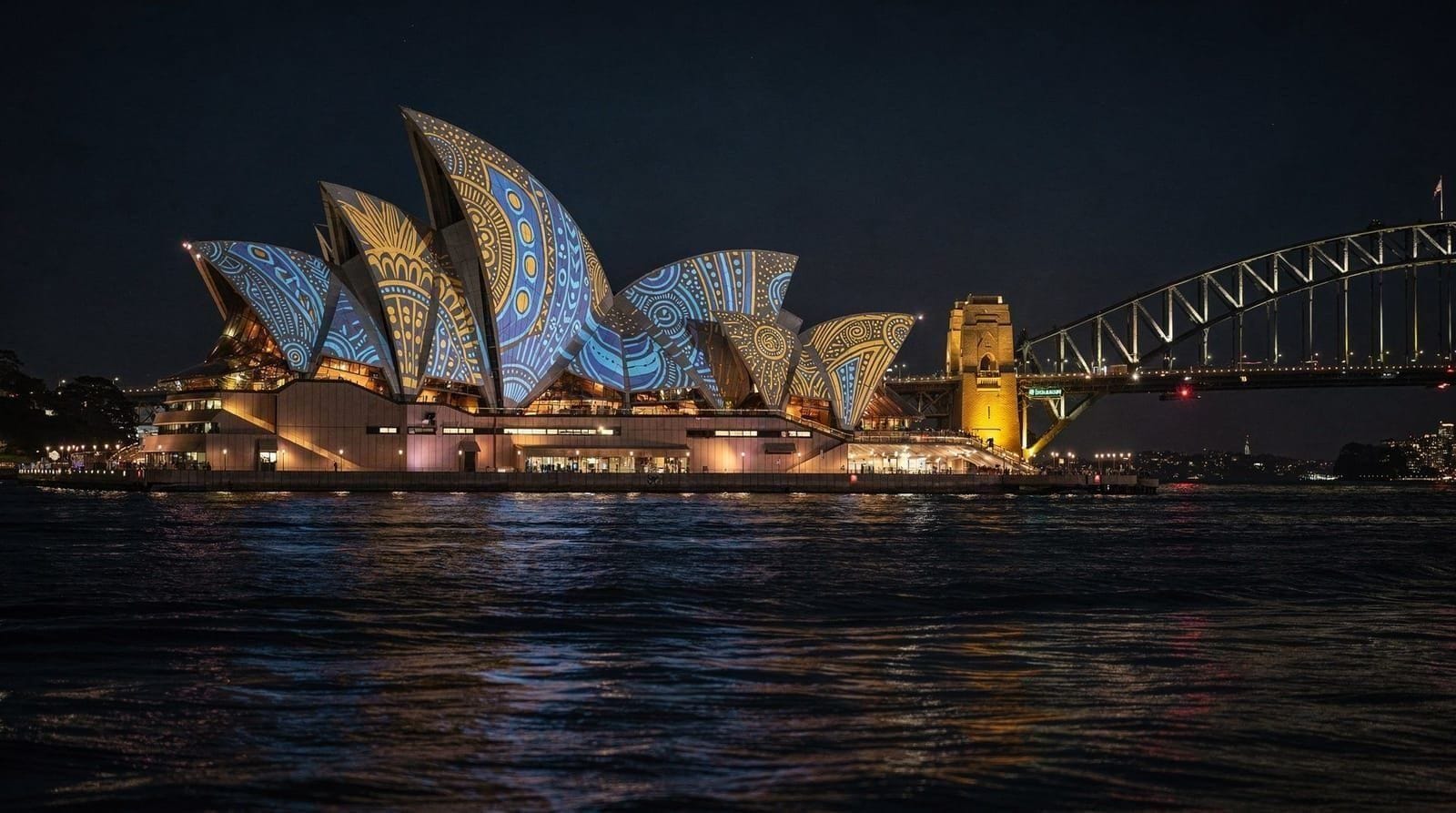
The Opera House projections remain the centrepiece and are reliably the most technically impressive installation. The full show cycle (6–10 minutes, repeating continuously) is best appreciated from:
Circular Quay West upper concourse: The widest field of view and the most crowded position.
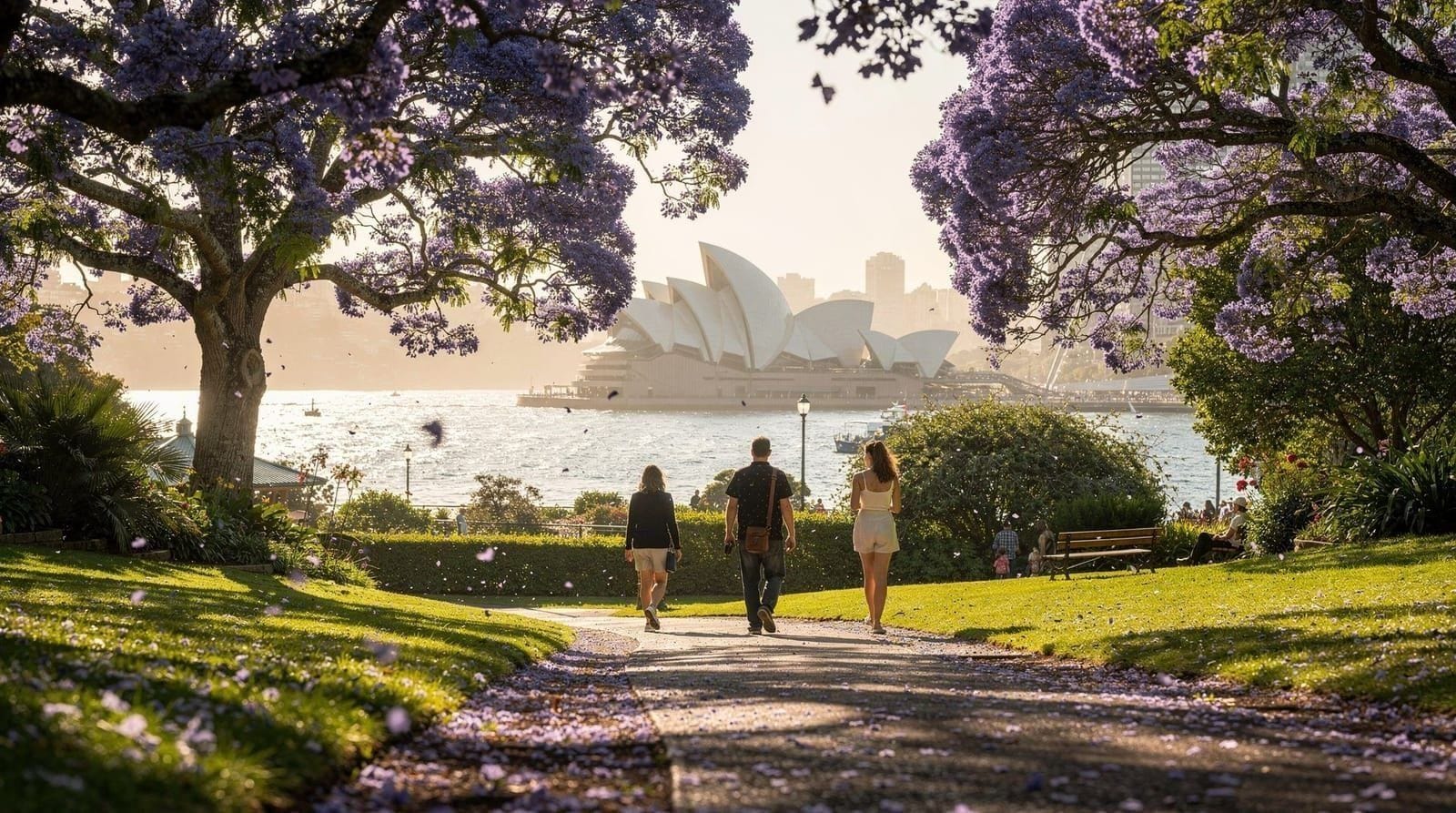
Mrs Macquarie’s Chair (Royal Botanic Garden foreshore): 1.2 km from the Opera House but with the full profile of Bridge and Opera House together — excellent for photography, and the crowd here is a fraction of Circular Quay.
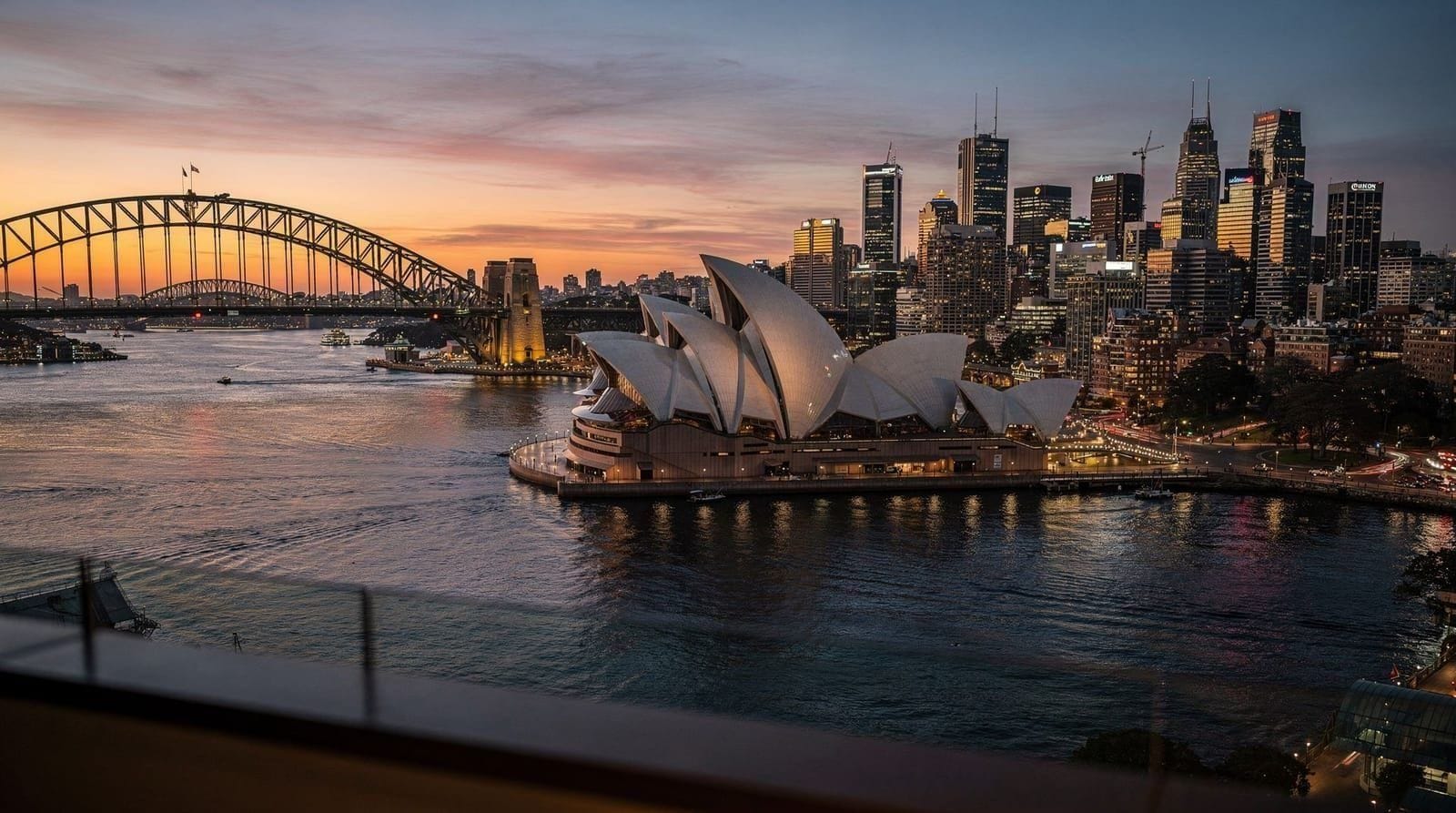
Milsons Point/Kirribilli by ferry: Looking south across the harbour at the lit Bridge with the Opera House projections visible in the distance — a completely different perspective and typically far less crowded. The ferry to Kirribilli runs from Circular Quay during Vivid (check the official Transport for NSW website for times and fares).
The precincts beyond Circular Quay
One of the best-kept secrets of Vivid is that the non-harbour precincts are significantly more enjoyable on a busy night. In 2024 and 2025, these performed strongly:
Chatswood: Consistently the most interactive and ambitious of the satellite precincts, and a fraction of the Circular Quay density. Free shuttle buses run from Town Hall (check the official Vivid Sydney website for shuttle details).
Barangaroo: The waterfront installations at Barangaroo Reserve are physically close to Circular Quay but accessible via the quieter western approach along the foreshore. This precinct tends to attract a more local crowd.
Central Station: Relatively new to the festival rotation and genuinely striking — the heritage station building provides unusual projection surfaces. Well-connected by transport in all directions.
Taronga Zoo (nights): Vivid at the Zoo is a separately ticketed evening event that combines the animal night habitats with light installations. It’s consistently praised by attendees with children, and the combination of wildlife and light art is genuinely distinctive. Book early — these evenings sell out.
Booking strategy: what sells out early
BridgeClimb twilight and night: The twilight BridgeClimb during Vivid is one of the most sought-after experiences in Sydney across the festival period. Weekend spots sell out weeks to months in advance. Book immediately once Vivid dates are confirmed. Weeknight availability is better but still constrained.
The night BridgeClimb has the advantage of the city entirely lit below — the harbour and the festival lights from the summit is the kind of view you get nowhere else.
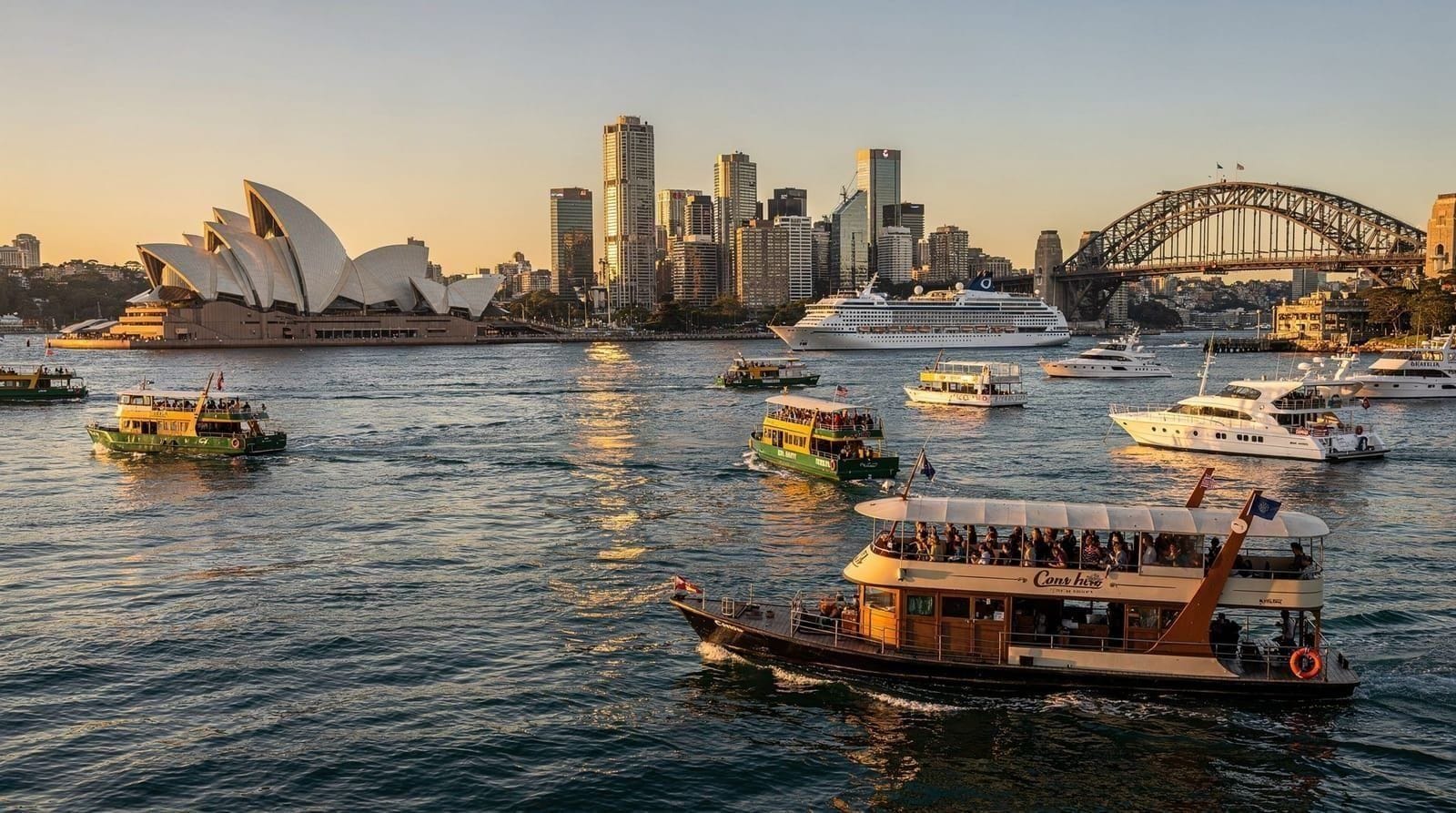
Harbour cruises: Purpose-built Vivid cruises book out rapidly. The regular Manly ferry on a weeknight is not a cruise but it passes the Opera House and Bridge at the right height and distance for the projections — genuinely good for the price.
Vivid Music and Ideas: The ticketed concert and speaker programs book quickly, particularly for international acts. The Ideas program (talks and panels) often has more availability than the Music program.
Accommodation: book now
Circular Quay, The Rocks, and the CBD see significant price increases during Vivid. By May, anything within walking distance of the harbour is at premium pricing.
Alternatives that work: Surry Hills (15-minute walk to Hyde Park, bus to Circular Quay), Newtown (train to Town Hall in 10 minutes, much better prices), Neutral Bay or Cremorne on the north shore (short ferry ride directly to Circular Quay, often overlooked by international visitors).
The ferry commute to Vivid is itself a good experience.
For broader accommodation guidance: where to stay in Sydney.
Getting there, getting home
The train to Circular Quay or Martin Place is the default arrival mode. The key challenge is getting home after 9:30 pm when the crowds disperse. Trains run late but platforms get congested. The strategy most locals use:
- Option 1: Leave at 9:30 pm, just before peak outflow. You miss nothing important — the installations continue until 11 pm but the best moment is usually the first viewing.
- Option 2: Stay until 10:30–11 pm when the crowd genuinely thins.
- Option 3: Move to a different precinct (Chatswood, Barangaroo) for the late session and travel home from there.
The Opal card guide has details on the weekly cap (A$50) that applies across the full Vivid festival period — if you’re attending multiple nights, your transit costs for the week may be largely covered by the cap.
Photography in 2026
The technical demands of photographing Vivid haven’t changed: a stable platform (tripod or railing), manual white balance (not auto — the warm gold installations are blown out by auto correction), and an understanding of where the crowds will be.
For the Opera House: Mrs Macquarie’s Chair for the full profile, Milsons Point for the harbour reflection, and the Botanical Garden foreshore for the interplay of natural and lit colour.
For installations: approach them from a 45-degree angle rather than straight-on to give depth. The light art works that photograph most interesting tend to be the interactive ones where people become part of the image.
The honest view on Vivid 2026
Vivid is one of the genuinely good things about June in Sydney — a cold, often rainy month that is transformed by the festival into a reason to be outside every night. At its best, the combination of extraordinary architecture, world-class light art, and the harbour setting creates something that doesn’t have a direct equivalent anywhere else.
The frustrations — crowds, expensive food, the occasional installation that doesn’t deliver on its concept — are real and worth managing around. With the planning approach above, Vivid 2026 can be excellent. Without it, you’ll spend half your evening trying to see past other people’s phones.
Which precinct suits you
| Precinct | Best for | Crowd level | Access |
|---|---|---|---|
| Circular Quay | The Opera House projections, atmosphere | Very high, especially Saturdays | Train/ferry to Circular Quay |
| Chatswood | Interactive installations, families | Low | Free shuttle from Town Hall |
| Barangaroo | A quieter harbour angle | Moderate | Walk along the western foreshore from Circular Quay |
| Central Station | Unusual projection surfaces | Low to moderate | Well served by trains from any direction |
| Taronga Zoo (nights) | Wildlife plus light art | Low (ticketed, capped) | Ferry from Circular Quay |
If your trip is short, our best time to visit Sydney guide can help you decide whether to build the whole visit around Vivid dates or treat it as a bonus on a June trip already planned for other reasons. For the wider harbour cruise scene beyond the festival cruises mentioned above, see the Sydney harbour cruises guide, and if you’re weighing whether the paid Opera House experiences are worth adding to your nights out, the BridgeClimb guide covers the twilight and night options in more detail.
Managing children at Vivid
Vivid is an excellent family festival with the right approach. The wrong approach is taking young children to Circular Quay on a Saturday night. The right approach:
Under 6 years old: Chatswood precinct on a weekday evening, arriving at 6 pm and leaving by 8:30 pm. The interactive installations here are at toddler-friendly height, the crowd density is a fraction of the harbour, and the shuttle bus is itself an event for small children.
Ages 6–12: The wildlife event at Taronga Zoo (Vivid evenings at the Zoo) is consistently the best family Vivid option — combines animals, light, and manageable crowd size. Book early.
Teenagers: The Music program often has shows with no age restrictions, and the Circular Quay/Barangaroo circuit on a weeknight is genuinely good at 15–17.
The Vivid Ideas program in 2026
The Ideas program — the speakers, panels, and creative industry sessions — runs concurrently with the lights and music and draws far less attention from general visitors. This is a mistake if you have any interest in design, technology, urbanism, or creative industries.
The 2025 program featured panels on AI and creative work, several sessions on Indigenous cultural sovereignty and technology, an excellent architecture lecture series tied to new Sydney projects, and a film program that ran independently of the LGBTQ film festival earlier in the year.
The 2026 Ideas program will be announced in May. Check the Vivid Sydney website and book interesting sessions within a week of announcement — the good ones sell.
Photography planning for 2026
The serious photographers arrive at Mrs Macquarie’s Chair before 4 pm to secure the railing position. The harbour goes golden at approximately 5:30 pm in late May/early June, and the Opera House projection begins at dusk (around 5:45–6 pm). The window between the golden hour and the start of the projections — when both natural and artificial light are present simultaneously — lasts approximately 15 minutes and is the most photographically interesting moment of the entire festival.
For street-level installation photography, Chatswood and the Barangaroo installations allow proximity that’s impossible at the Opera House. The interactive works produce compositions involving people and light that are genuinely interesting if the crowd density is low enough to compose.
If you’re shooting on a phone: use Pro mode or the manual equivalent, fix your white balance at around 3500K–4000K, and use a railing or wall as a stabiliser for exposures longer than 1/30 second.
The honest question: is Vivid worth planning a trip around?
If you’re already planning a Sydney visit in May or June, yes — Vivid is a significant bonus that should influence your exact dates. If you’re considering flying specifically for Vivid, the honest answer is more nuanced: the free outdoor program is excellent, but it’s not the primary reason to fly to Sydney from Europe or North America the way a specific once-in-a-generation event might be.
What Vivid is: the best version of what Sydney’s winter evening has to offer. A free, consistently high-quality, city-wide creative festival that uses one of the world’s great built environments as its canvas. It makes a Sydney trip in May–June significantly better than the same trip without it.
Full details in our Vivid Sydney guide.