Is Sydney actually expensive in 2026? An honest answer
The honest answer: it depends which Sydney you’re in
| At a glance | |
|---|---|
| Mid-range daily budget | Around A$150-220 per person |
| Biggest cost driver | Accommodation, especially near Circular Quay |
| Cheapest way to eat well | Chinatown, Newtown, Surry Hills — A$12-25 per person |
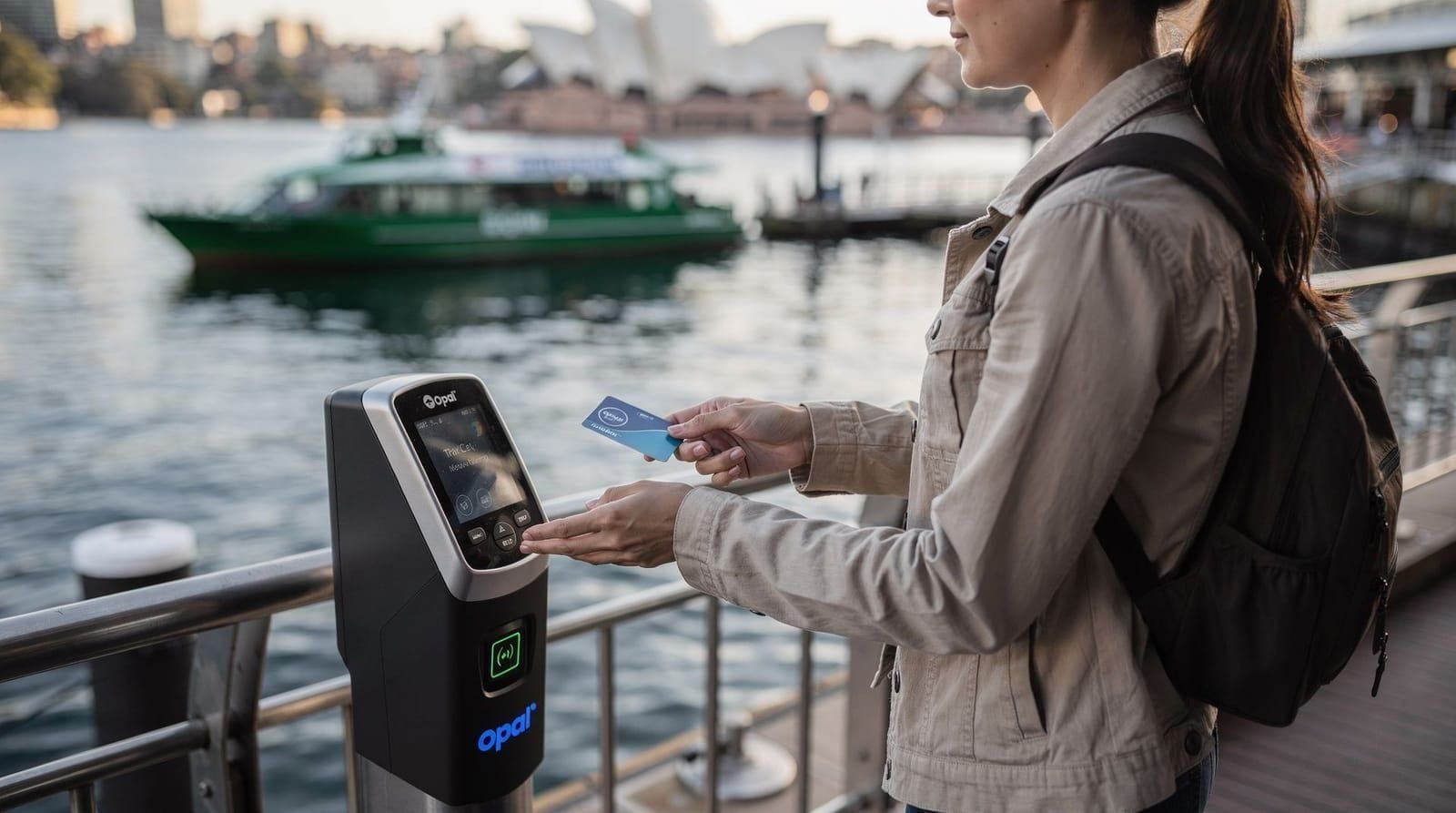
| Transport | Opal weekly cap around A$50 per person |
| Free and genuinely worthwhile | Coastal walks, Botanic Garden, Art Gallery NSW |
Sydney has a reputation for being expensive, and that reputation is accurate in specific places and at specific times. A cocktail at a harbour-view bar will cost you A$24. A boutique hotel at Circular Quay will cost A$280+ per night. A family meal at a tourist restaurant near the Opera House will cost significantly more than it should.
It’s also true that you can eat an excellent plate of dumplings in Chinatown for A$16, ride the harbour ferry for the price of an Opal fare, and spend an entire day doing genuinely world-class things — the coastal walk, the Botanic Garden, Barangaroo — for free.
Sydney is selectively expensive. The tourism infrastructure is well-developed and prices accordingly. But the city itself — the public version, the version Sydneysiders actually inhabit — is not a budget-breaker. This is a guide to understanding the difference.
Accommodation: where the real cost lives
This is the biggest line item and the most legitimate complaint about Sydney’s cost. The accommodation market is tight due to a combination of population growth, short-term rental regulation that hasn’t kept pace with demand, and genuine infrastructure pressure in the inner suburbs.
Rough 2026 benchmarks:
- Budget hostel dorm: A$40–55 per person per night
- Mid-range hotel (double room, inner suburbs): A$160–220 per night
- Hotel at or near Circular Quay (central harbour access): A$250–350 per night
- Inner-city Airbnb/short-stay apartment: A$170–280 per night for a one-bedroom
The trick is positioning. Staying in Newtown (15 minutes by train to the CBD), Leichhardt, or Marrickville gets you within 20 minutes of everything in the city while paying A$40–80 less per night than equivalent quality near Circular Quay.
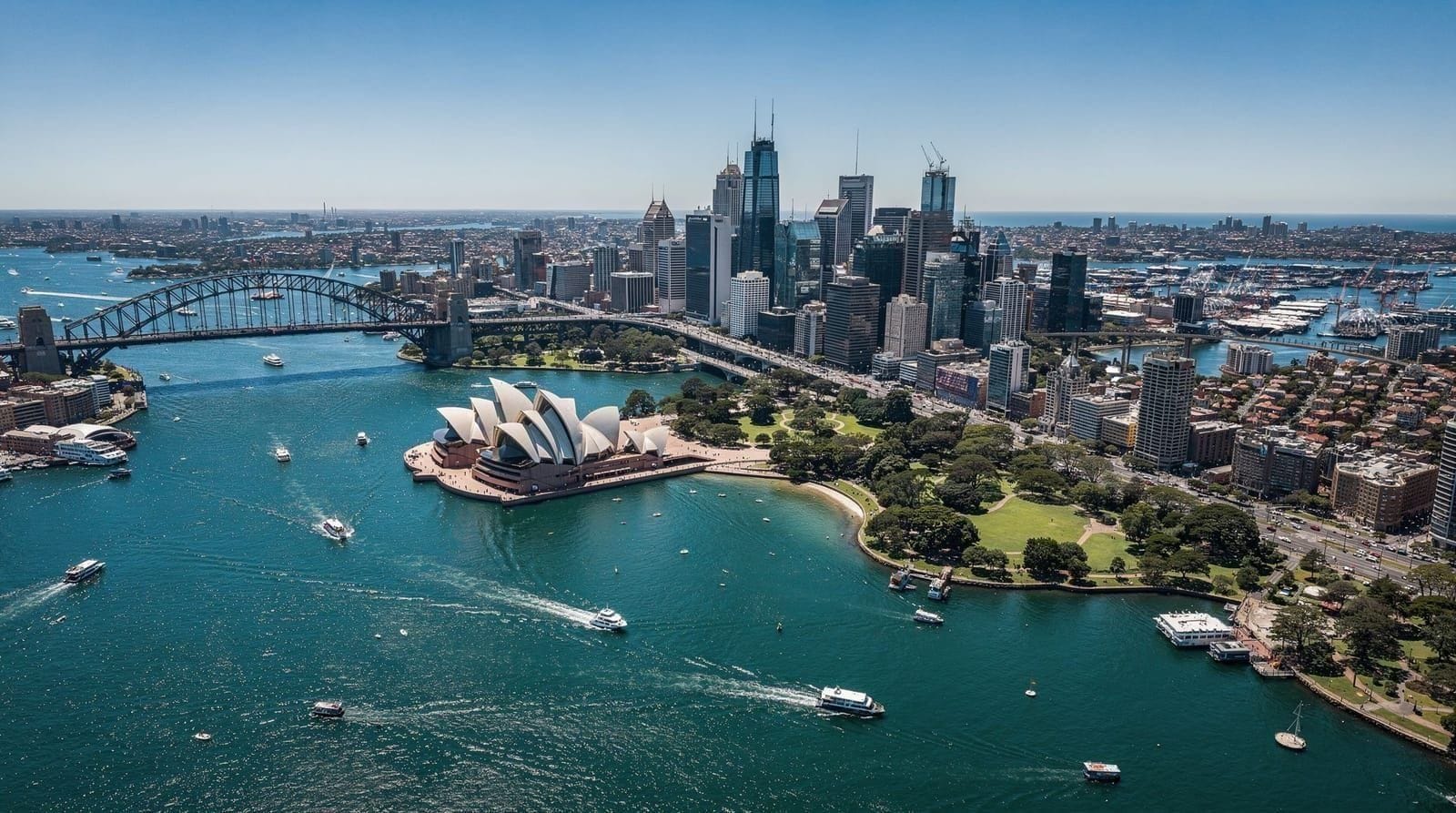
The premium for harbour proximity is real but not always justified. You can see the harbour from a ferry for the price of an Opal fare. You don’t need to sleep 300 metres from it.
Food: highly variable
Where it’s cheap (genuinely, not just relatively cheap):
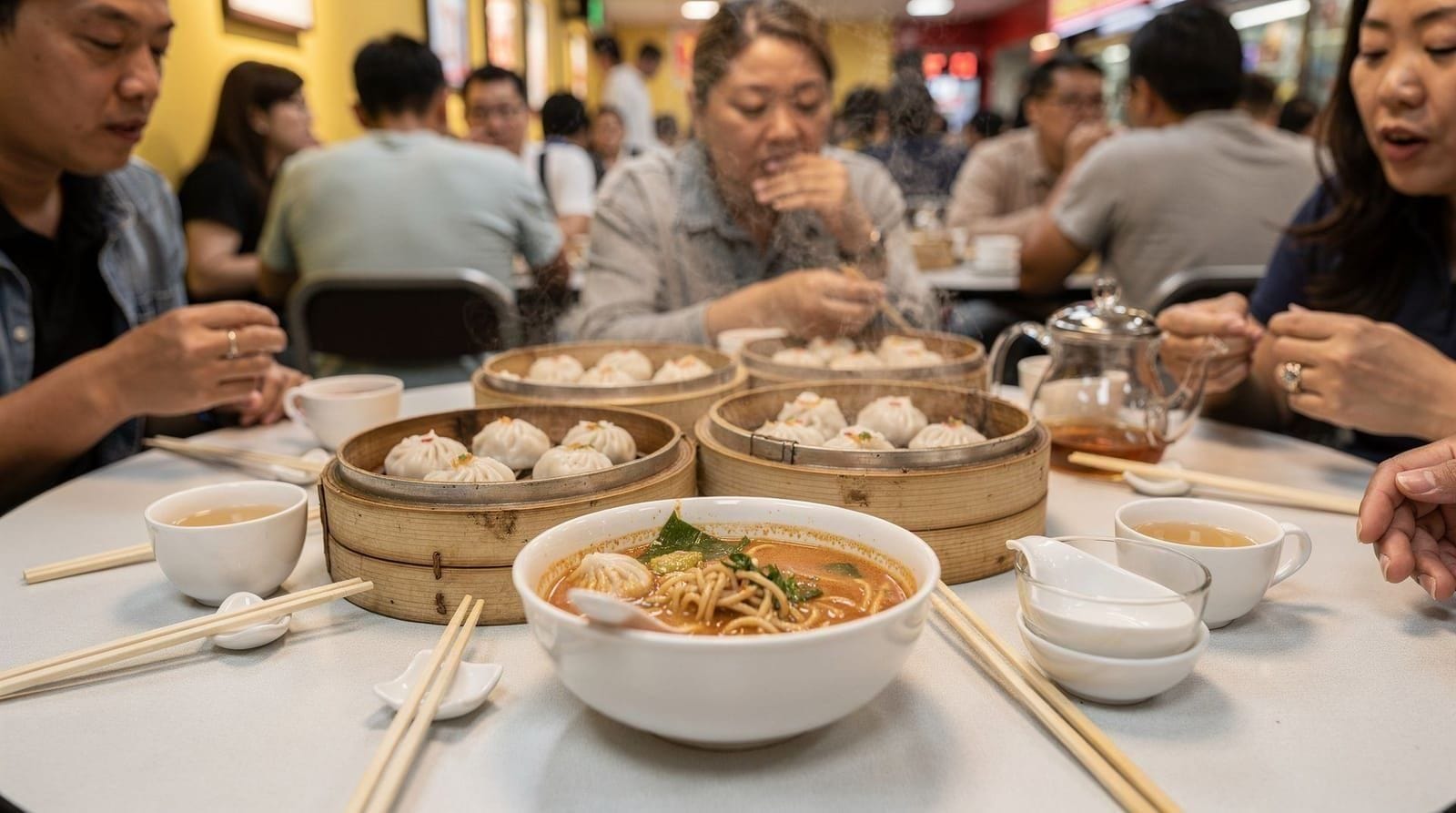
- Chinatown (Haymarket, 10 minutes walk from Central): Dumplings, congee, hotpot, laksa. A$12–18 per person for a full meal. The xiaolongbao at a few key spots in the Dixon/Hay Street grid rival anything you’d pay three times as much for elsewhere.
- Newtown Vietnamese and Thai: The King Street strip from Newtown to Enmore station has Vietnamese pho, pad thai, and bánh mì at prices that feel anachronistic relative to the rest of Sydney. A$15–25 per person for a full meal.
- Surry Hills cafes: The café-restaurant density here is extreme and competitive. Lunch options at A$18–25 are normal and the quality is high.
- Sydney Fish Market: A solid prawn and oyster lunch for two runs A$45–60 and the setting is better than any tourist restaurant.
Where it’s expensive:
- Any restaurant with direct harbour views. The view premium is approximately A$8–15 per dish, and the food is often merely adequate.
- Darling Harbour restaurants as a category. The captive-audience pricing is real.
- Hotel breakfast. A$30–45 per person for a breakfast that costs A$12 at the café two streets away. Eat out.
If you’d rather have a guide take you to the right counters than hunt them down yourself, a guided tasting walk can be a sensible way to spend a food budget. A street food tour of Chinatown bundles several tastings into one booking, which makes it easy to see what you’re spending before you leave the hotel. Our Sydney food tours guide compares the main options, and the Sydney Fish Market guide explains how to order there without overpaying.
For a different angle on the same neighbourhoods, a walking food tour through Surry Hills pairs well with the cafés mentioned above. The Sydney best restaurants guide is the place to go when you want to splurge deliberately rather than by accident, and the Sydney foodie weekend itinerary shows how to string cheap and special meals together.
Activities: surprisingly well-priced if you’re selective
Sydney’s built attraction market is competitive and some of the pricing is genuinely reasonable:
- BridgeClimb: see the official BridgeClimb website for current prices (twilight is premium). Not cheap, but genuinely a once-in-a-lifetime type experience that doesn’t have a direct equivalent.
- Taronga Zoo: A$57 adult at the gate (from A$51.30 online). Comparable to equivalent zoos in London or Paris.
- SEA LIFE/WILD LIFE combo: see the official SEA LIFE Sydney and WILD LIFE Sydney websites for current combo prices. Overpriced at full walk-up rates, reasonable online.
- Blue Mountains day trip: A$79–149 depending on the operator and inclusions. For a full guided day including transport and lunch, this is competitive.
The free activities are genuinely excellent and not consolation prizes:
- Coastal walks (Bondi to Coogee, Spit to Manly, Northern Beaches circuit)
- Art Gallery NSW and Museum of Contemporary Art permanent collections
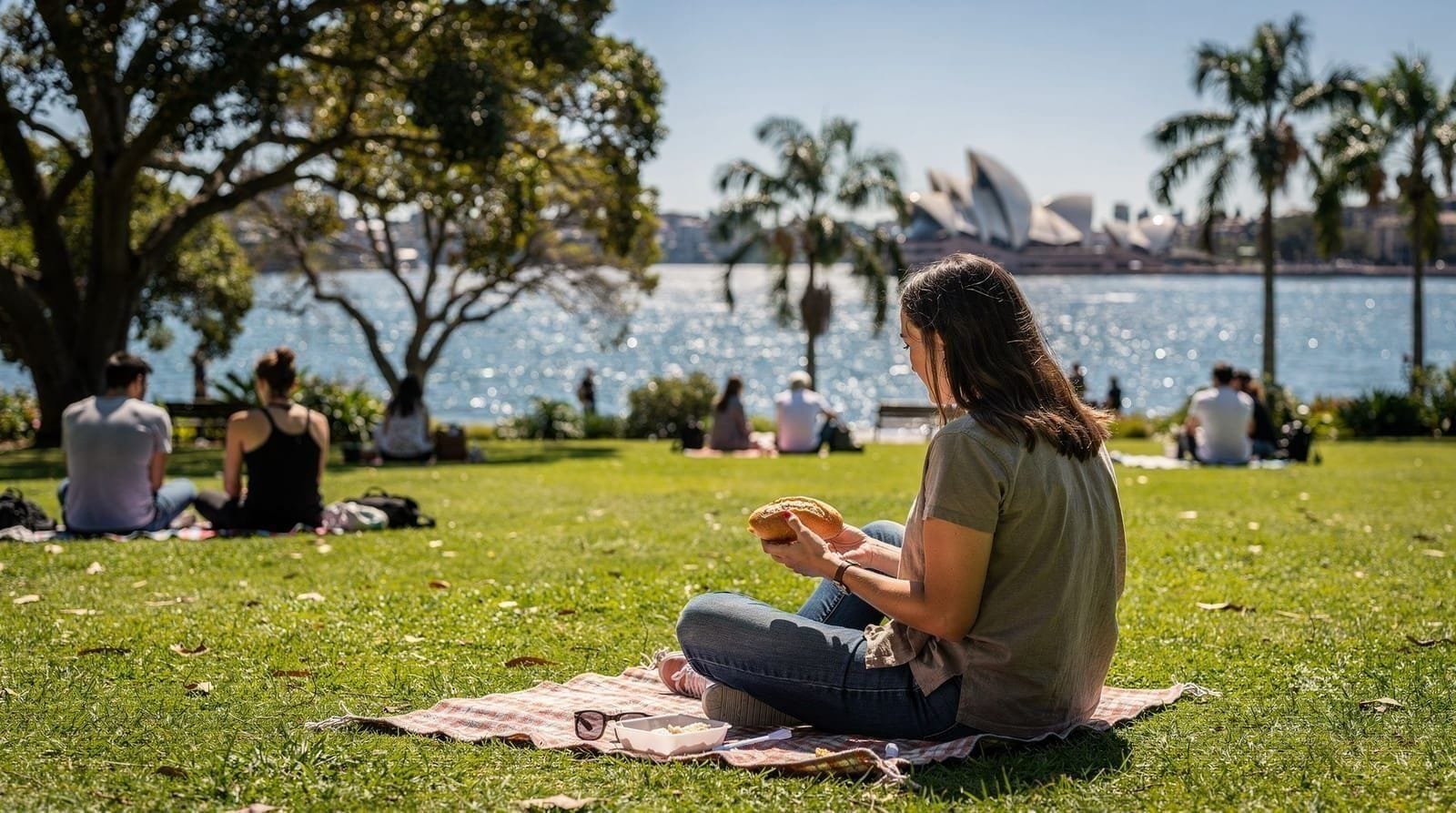
- Royal Botanic Garden, Barangaroo Reserve, Centennial Park
- The Rocks precinct and Circular Quay foreshore
A visitor who prioritises the free activities and is selective about paid ones can have a full, high-quality Sydney week spending significantly less on activities than they would in London or Paris.
If you’re going to spend on one big thing, make it count. The BridgeClimb guide explains the options, and a daytime summit climb of the Harbour Bridge is the way in if you’d rather not pay the twilight premium mentioned above. If the price makes you hesitate, the BridgeClimb vs Pylon Lookout comparison shows what a cheaper view gets you. For other ways to keep spending down, see the free things to do in Sydney and the Sydney on a budget 5-day itinerary. Traps worth sidestepping are listed in our Sydney tourist traps guide, and the Sydney travel tips page covers the practical side of getting around without wasting money.
Transport: genuinely cheap once you understand it
The Opal card weekly cap of A$50 per person means that if you’re using transit daily, your transport for a full week won’t exceed A$50 regardless of what you do. The Friday-to-Sunday cap (A$9.65 per day) keeps weekend transit cheap.
The Airport train station access fee (A$18.61 on top of the normal Opal fare) is the one legitimate grievance. It’s disproportionate for a 20-minute journey. The alternatives — shuttle bus, ride-share — are approximately the same price and often slower.
Full breakdown: Opal card guide.
The 2026 cost picture specifically
Consumer prices in Australia rose about 3.8% year-on-year in the March 2026 quarter, which is a moderation from the 2022–2024 peak. Restaurant prices are up but have stabilised. Accommodation in Sydney specifically has continued to rise — inner-city accommodation is approximately 12–15% more expensive than 2022 in nominal terms.
The AUD has strengthened slightly against EUR and GBP in early 2026, which means European visitors are getting marginally less purchasing power than in 2023–2024.
The one honest comparison: Sydney is cheaper than Tokyo, Singapore, and London for equivalent quality of experience. It’s more expensive than Bangkok, Lisbon, and Budapest. It’s broadly similar to Melbourne, slightly more expensive than Berlin, and significantly more expensive than a week in regional Southeast Asia.
Who Sydney is affordable for
If you’re visiting from a high-income country (Western Europe, North America, Japan, Singapore), Sydney’s costs are manageable at mid-range. The combination of excellent free infrastructure, the Opal cap, and competitive activity pricing means a well-planned week is not a financial shock.
If you’re on a genuinely tight budget, Sydney rewards specific behaviours: cooking most meals, staying outside the inner-tourist-belt, using free beach and park infrastructure, and being selective about paid activities.
If you’re expecting Southeast Asian prices, Sydney will disappoint. But if you’re coming with realistic European expectations, Sydney often surprises — the free coastal walks, the world-class public galleries, and the Opal system deliver genuine value.
The tipping culture question
Australia does not have a tipping culture. This is significant for visitors from North America in particular, who may expect to add 15–20% to restaurant bills. In Sydney, tipping at restaurants is entirely optional and genuinely not expected. Rounding up to the nearest A$5 or leaving a few dollars on a table is seen as a nice gesture rather than an obligation.
Where you might tip: taxi and ride-share (rounding up, not mandatory), hotel porter (genuinely optional), tour guides who’ve delivered exceptional service. At restaurants, cafés, and bars: no expectation whatsoever.
The practical implication is that your food costs include what’s on the menu. A$30 for a main course is A$30, not A$36–45 after service.
Visitor levies and hidden charges
Sydney does not have a city tourist tax (unlike cities such as Amsterdam or Barcelona), so your accommodation costs are the listed rate plus a 10% GST (already included in most displayed prices). There are no additional levies on hotel stays or entry fees.
The charges that catch visitors:
Credit card surcharges: Some Sydney businesses add a 1–2% surcharge for credit card transactions, particularly Amex. Visa and Mastercard are widely accepted without surcharge. This is disclosed at the point of payment and is legally required to be disclosed before you commit.
Public holiday surcharges: On Australian public holidays (there are many in Sydney — NSW has additional state public holidays including Bank Holiday in August and Queen’s Birthday in June), restaurants and cafés legally add a 15% surcharge. This is displayed on the menu. If you sit down on a public holiday without checking, you may be surprised by the bill.
Split bill charges: Some venues charge a small administration fee (A$2–5) for splitting a bill among multiple cards. Increasingly uncommon but still exists.
The neighbourhoods budget comparison
Where you eat, drink, and sleep determines your effective Sydney cost more than any general price-level statement.
High cost: Circular Quay restaurants, Darling Harbour dining strip, Bondi Beach main strip, Manly Corso tourist zone.
Mid-range, good value: Surry Hills café scene, Newtown dining strip, Paddington food corridor on Oxford Street.
Low cost, high quality: Haymarket/Chinatown, Campsie and Burwood (Vietnamese, Chinese, Korean), Marrickville (multicultural, low-tourist, excellent bakeries and Vietnamese).
The outer-ring suburbs’ food quality is often significantly better than tourist-zone equivalents at half the price, but they require the confidence to use the train network to reach them. The getting around Sydney guide covers the train and bus connections, the Sydney trains guide explains the lines, and the Sydney ferries guide covers the water routes. For the airport run specifically, see Sydney Airport to the CBD.
Supermarket costs for self-caterers
For visitors in apartment accommodation planning to cook some meals:
- Woolworths and Coles are the two main supermarket chains; similar pricing.
- Aldi operates in Sydney and is significantly cheaper on staples.
- A basic full breakfast (bread, eggs, butter, coffee, juice) costs approximately A$12–15 for two, bought at a supermarket.
- A simple dinner for two (pasta, sauce, protein, salad) runs A$18–28 at supermarket prices.
Fresh produce at Sydney’s weekend markets — Eveleigh Farmers Market (Saturdays, Redfern), Bondi Farmers Market (Saturdays, Bondi) — is excellent quality and competitive with supermarket prices on seasonal items.
Comparing a cheap week to a comfortable week
| Style | Daily budget per person | What you get |
|---|---|---|
| Lean | A$90-130 | Hostel or budget stay outside the centre, self-catered breakfasts, free activities, occasional cheap eats |
| Mid-range | A$150-220 | Private room in Surry Hills or Newtown, eating out most days, Opal transit, 1-2 paid activities |
| Comfortable | A$280-400+ | Central hotel, restaurants most nights, BridgeClimb or a helicopter, minimal budgeting friction |
The lean and mid-range tiers both deliver a genuinely good Sydney week — the difference is mostly location convenience and how many paid attractions you stack on top of the free ones.
Where visitors most commonly overspend
The pattern repeats across most budget breakdowns we’ve reviewed: hotel breakfast, harbour-view restaurant tables, and airport train surcharges are the three line items that add up without adding proportionate value. None of them are traps exactly — the food and the view are real — but they’re the easiest three things to trim if your budget is tight. The cheap eats guide covers where the good, inexpensive food actually is.
If you’re weighing whether Sydney fits a longer Australia or NSW itinerary, the how many days in Sydney guide is a useful companion piece — cost and trip length are connected, since a longer stay lets you use the free infrastructure more and the paid attractions less per day.
Frequently asked questions about Is Sydney actually expensive in 2026
Is Sydney more expensive than Melbourne? The two cities are broadly comparable overall; Sydney’s accommodation tends to run slightly higher, while Melbourne edges ahead on coffee and restaurant density in some comparisons. Neither is a dramatically cheaper alternative to the other.
What’s the cheapest way to see Sydney’s harbour without paying for a cruise? Ride a standard Opal ferry (a standard Opal fare) from Circular Quay to Manly. It’s a working public transit route, not a tourist cruise, but the harbour views are the same ones the cruises are selling.
For detailed budgeting: Sydney trip cost, Sydney on a budget, and the Sydney budget calculator.