Surfing vs bodyboarding in Sydney — which to try first
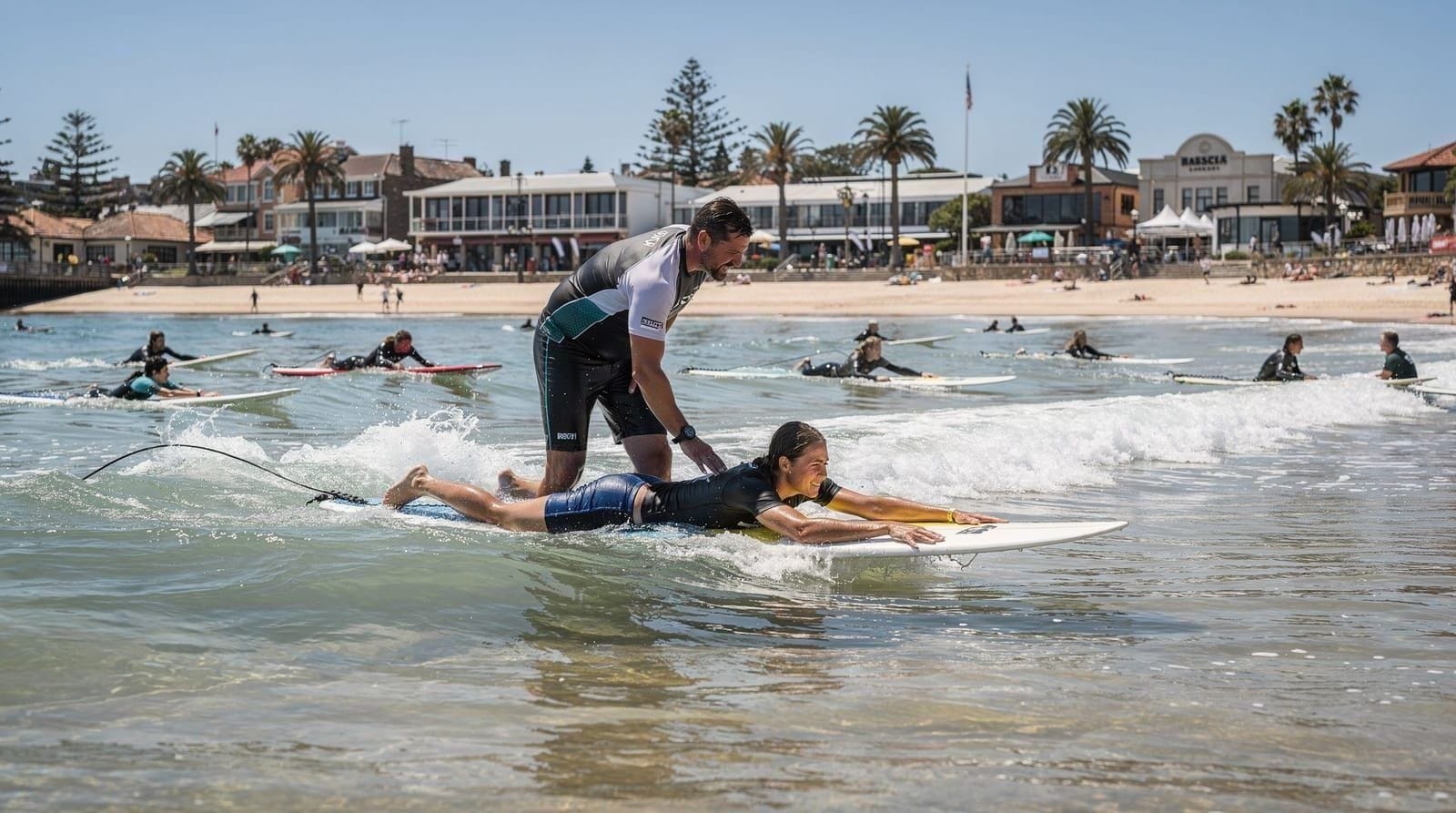
Sydney: From Bondi beach fun 2 hour surf experience for beginners
Duration: 2 hours
Is surfing or bodyboarding easier to learn in Sydney?
Bodyboarding is significantly easier to start — you begin lying down, the equipment is lighter, and catching waves takes most beginners minutes rather than hours. Standing up on a surfboard is harder to learn and takes multiple sessions. For a single Sydney visit, bodyboarding is the practical choice if you want to actually ride waves rather than spend most of the lesson falling off. Surfing is more rewarding long-term.
Sydney’s beaches produce genuinely good surf — consistent swell on the exposed eastern beaches (Bondi, Maroubra, Manly) and protected learner breaks closer to headlands. Both surfing and bodyboarding are accessible to absolute beginners on a first Sydney visit. This guide compares them honestly so you can decide where to spend your session.
| Where | Bondi, Maroubra, Manly, or Cronulla |
| Cost | Bodyboard hire and surf lessons: prices vary by school; check the surf school’s official website |
| Time needed | 20-30 min to catch a first bodyboard ride; 2-4 sessions to stand on a surfboard |
| Getting there | Bus or ferry from the CBD depending on beach |
| Best time | Autumn or spring for the most manageable, consistent conditions |
The honest comparison
Surfing: You learn to paddle on a foam longboard, then work toward “popping up” (standing). For most adults, standing and riding even a small wave takes multiple lessons — typically 2–4 sessions before it feels natural. A 2-hour beginner lesson will have you standing briefly on whitewash (broken waves) but probably not on unbroken waves. Managing to ride to the beach is satisfying; struggling to stand for 3 seconds is less so.
Bodyboarding: You start in a prone (lying) position on a foam board, kicking fins to catch waves. Most beginners catch their first proper ride within 20–30 minutes. The physical demand is lower and the equipment is lighter. Turning and controlling direction at speed takes longer to master, but the basic experience — riding a wave — is accessible on a first session.
For visitors with limited time and no prior experience who want to actively ride waves rather than watch instructors demonstrate, bodyboarding is the practical choice.
How to choose for your own trip
The right pick depends less on fitness than on how much time you can give the ocean. If your Sydney stay is short and your days are already full of harbour sights, treat the session as a single highlight. Bodyboarding fits that mindset: you turn up, hire a board and fins, and you are riding waves the same morning. Surfing suits travellers who plan to stay longer, who might come back to the same beach on several days, or who simply like the idea of building a skill. If that is you, a first lesson is an investment, and the Sydney itinerary for coastal beaches shows how to fit repeat beach mornings around other plans.
Think also about who you are travelling with. Bodyboarding is forgiving for mixed groups because everyone can start at the same level and nobody is left standing on the sand waiting for a pop-up to click. Surfing lessons work well in a group too, but progress varies a lot from person to person, which can feel frustrating if one friend stands on the first morning and another does not. A private session removes that pressure. If you are travelling with children, check the Sydney beaches for families guide first, since the calmest water is not always at the famous beaches.
Finally, consider your comfort in the water. Both activities mean being knocked about by whitewash, swallowing the occasional mouthful of salt water and getting up again. Confident swimmers tend to enjoy either one. If you are nervous, start with bodyboarding in the shallow, patrolled zone and decide afterwards whether a surfboard appeals.
Best beaches for beginners
Bondi Beach
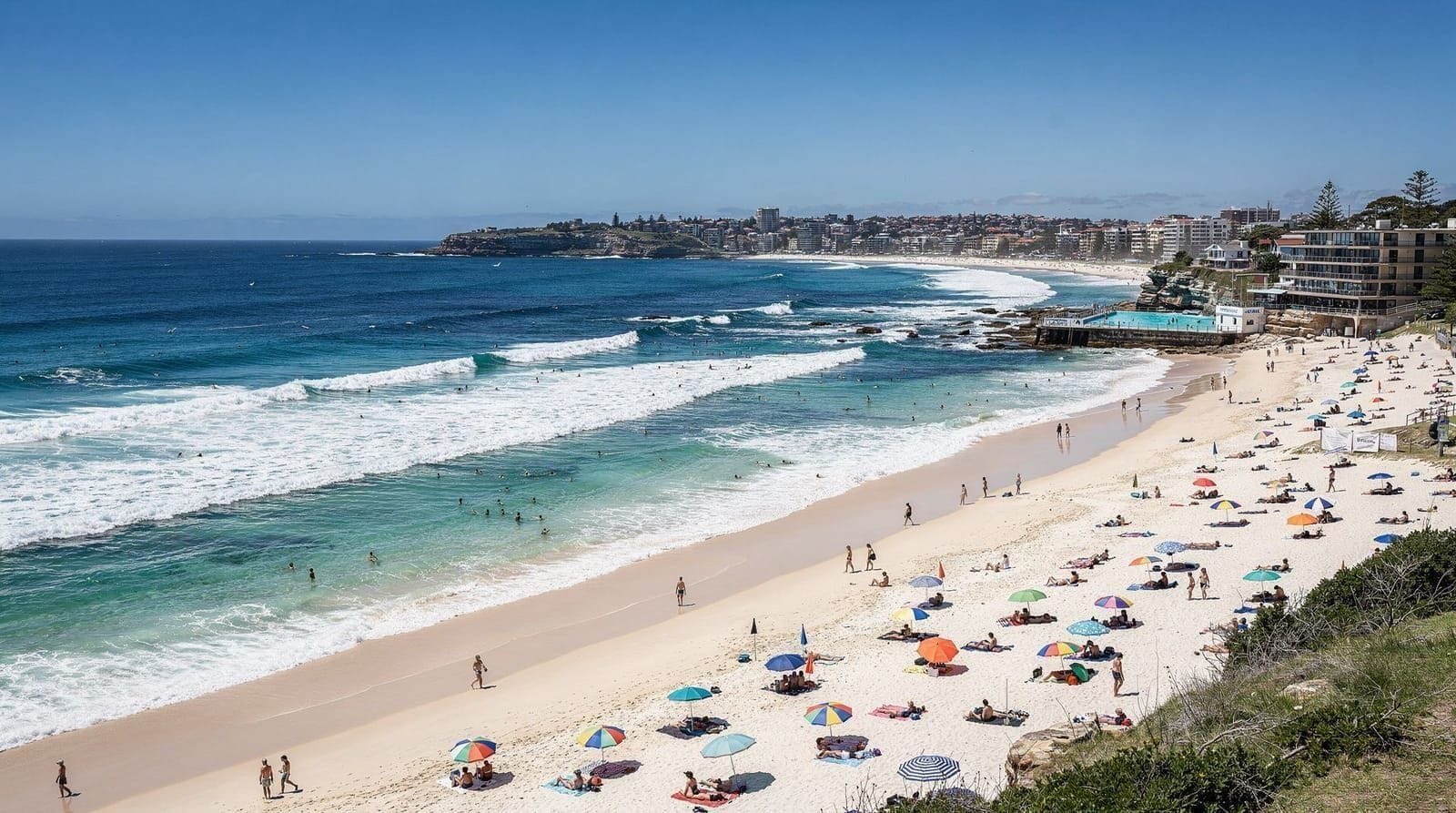
The most famous, not the best for beginners. Bondi’s main beach produces dumpy, quick-breaking waves that are challenging for learners. The northern end near the Bondi Icebergs is more protected. Bondi surf schools operate on the southern end.
A 2-hour beginner surf experience from Bondi Beach uses the south end and includes all equipment. The lesson structure covers beach safety (rip currents, flag zones), board handling, paddling technique, and pop-up. Price: varies by school; check the operator’s official website.
A private Bondi Beach surf lesson gives 1:1 or 1:2 instruction and is noticeably more effective for rapid progress. Price: varies by school; check the operator’s official website.
Maroubra
7 km south of Bondi, Maroubra Beach has more consistent and better-shaped waves than Bondi. Less crowded in the water. The beach has an active local surf culture; beginners are welcome in designated zones but are less visible in the lineup than at dedicated learner schools.
A Maroubra surf lesson through a local school is quieter and often more effective for beginners who feel overwhelmed by Bondi’s crowds.
Manly Beach
The northern-shore option — 30 minutes by ferry from Circular Quay. Manly’s main beach is exposed and can be rough; the inside of Manly Cove (the harbour side) is calm and popular for bodyboarding and stand-up paddleboarding. Multiple surf schools operate at Manly. For learner surfing, go to Manly on a small-swell day.
Cronulla
40 minutes by train from the CBD (Cronulla Line). Several beaches around the Cronulla peninsula, including protected Gunnamatta Bay (very calm, suited to absolute beginners) and the more exposed Elouera Beach for those ready for proper waves. Less crowded than Bondi or Manly.
Equipment and rental
Most surf schools include a foam longboard and leg rope in the lesson price. If hiring independently:
- Foam longboard hire: prices vary by shop; check the shop’s official website
- Bodyboard hire: prices vary by shop, usually including fins
- Wetsuit hire: prices vary by shop (needed in winter, June–August, when water is 17°C)
Recommended hire shops: Lets Go Surfing (Bondi), Manly Surf School (Manly), Maroubra Surf Shop (Maroubra).
Safety: things to know before you go
Swim between the flags: Sydney beaches are patrolled by Surf Life Saving Australia volunteers (and year-round professionals at most major beaches). The red-and-yellow flags mark the safest swimming and surfing area. Do not enter the water outside the flagged zone.
Rip currents: The most common hazard at Sydney beaches. A rip is a fast channel of outgoing water that can carry swimmers offshore quickly. If caught in a rip: do not panic, do not fight it by swimming directly to shore. Float, signal for help, and swim parallel to shore to exit the current. Surf schools cover this in their safety briefing — pay attention.
Surf etiquette: Do not drop in on another surfer’s wave (take off in front of someone already riding). Beginners in the whitewash/inside section are generally expected to stay clear of intermediate surfers on the outer break.
Sun protection: SPF 50+ is non-negotiable. The water reflects UV and most learners spend 60–90 minutes in direct sun during a 2-hour lesson.
Before your first session
A little preparation makes the first session far more enjoyable. Arrive at the beach with time to spare so you are not rushing the briefing, which is where instructors explain the flags, the rips and how to fall safely. Eat something light beforehand, drink water, and apply sunscreen well before you get wet so it has time to settle. Wear swimwear that stays put when a wave tumbles you; a rash vest is a practical addition because it protects your chest from rubbing against the board and adds a layer of sun protection.
Leave valuables at your accommodation or use a locker where one is available, and keep a towel and a change of clothes in a small bag. Most beginners are tired afterwards in a way they did not expect, because paddling and wrestling whitewash use the shoulders and core more than people assume. Plan something gentle for the rest of the day, such as a slow lunch or a stroll on the Bondi to Coogee walk, rather than a hard hike.
If you are staying in the city, the Sydney trains guide and the Opal card guide explain how to reach the coast without a car, and getting around Sydney covers the other options. Carrying a board is not needed when you book a lesson or hire at the beach, so public transport works well.
Reading the conditions
You do not need to be an expert to read a surf report, but a few habits help. Look at the beach before you commit: if the waves are breaking hard and fast across the whole bay, choose a more sheltered spot or a quieter day. If the lifeguards have moved the flags, follow them. Ask the instructor or the hire shop what the water is doing that day; locals are generally happy to point beginners toward the gentlest section. For a wider view of beach hazards, the shark nets and safety guide and the Sydney safety guide cover what the netting and patrols do and do not protect against.
Bodyboarding technique in brief
Lie on the board with your chest toward the top, hold the nose with both hands and keep your fins pointed slightly outward as you kick. Wait for the wave to lift the tail of the board, kick a few times, then let it carry you. Keep your head up and look along the beach rather than down. Shifting your weight to one side nudges the board in that direction, which is the first step toward turning. Most beginners find that the hardest part is not the riding but the paddling back out, so pace yourself.
Surfing technique in brief
On a surfboard, lie centred so the nose sits just above the water, paddle with long, steady strokes and keep your chin up. When a wave picks the board up, press through your hands and bring your feet underneath you in one movement. The common beginner error is standing too slowly or looking at the feet, so look toward the beach instead. Falling is part of every lesson; fall away from the board and cover your head as you surface.
What season is best for learning
Autumn (March–May) and spring (September–November): The best learning conditions — consistent but manageable swell, warm-ish water (20–22°C in autumn), and lower crowds than summer.
Winter (June–August): Water drops to 17°C — wetsuit required but learnable. The waves in June–August can be larger and less consistent; check forecasts. Crowds are lower.
Summer (December–February): Water is warm (22–24°C), no wetsuit needed. Beaches are busy and the learner zones can be crowded. Mornings are best.
Combining a beach session with the rest of your day
A surf or bodyboard session works best when it is the first thing you do, because mornings usually bring calmer conditions and softer light, and the afternoon is then free for something less physical. On the eastern side, that might mean a long lunch near the sand, a wander through the shops and cafés, or simply lying on the beach and watching other people fall off their boards, which is more entertaining than it sounds. If you are based on the harbour, the ferry ride back from Manly is a pleasant way to wind down after a session, and the Sydney ferries guide explains how the crossing works.
Think about the order of your activities across several days too. Big sightseeing days such as the Harbour Bridge climb or a long day trip leave little energy for paddling, so keep the beach for a lighter day. Sore shoulders the morning after a first lesson are normal, and a gentle day of walking is a good way to loosen them. Many visitors enjoy pairing the water with a quieter cultural stop afterwards, and the Sydney with kids guide has ideas that suit mixed-age groups who want to stay close to the coast.
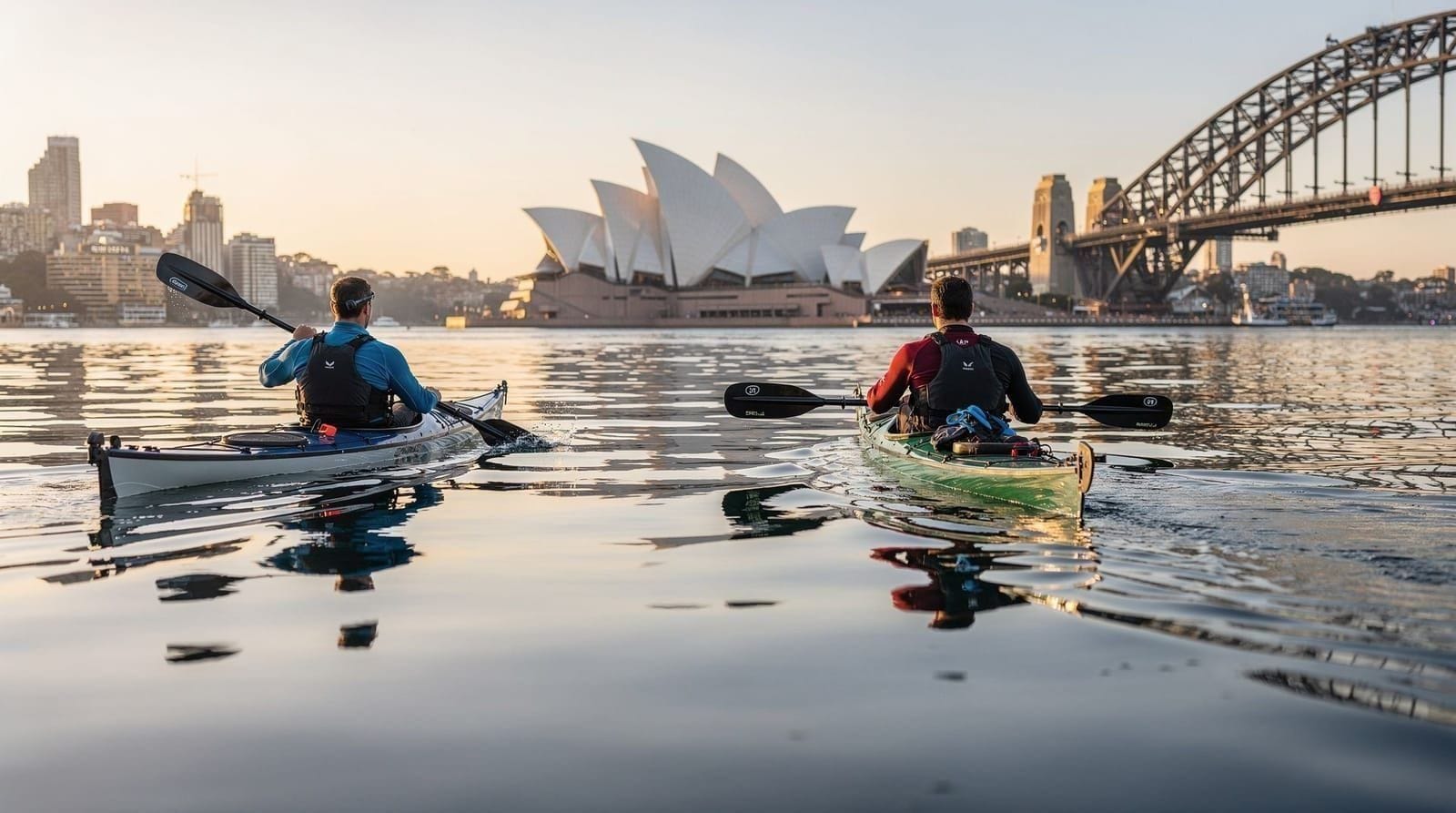
If you fall in love with the ocean, you have plenty of other ways to stay in it. Paddling around the harbour, ocean pools and coastal walks all give a different angle on the same shoreline, and none requires any previous experience. Treat your first surf or bodyboard session as an introduction rather than a test: nobody on the beach expects a beginner to look elegant, and the instructors have seen every kind of wipeout before.
Cost summary
| Activity | Duration | Price |
|---|---|---|
| Group surf lesson | 2 hours | Varies by school |
| Private surf lesson | 2 hours | Varies by school |
| Bodyboard hire | 1 hour | Varies by school |
| Foam longboard hire | 1–2 hours | Varies by school |
| Wetsuit hire | Per session | Varies by school |
Prices are indicative, so check the current rate before you book. Lessons and hire both cost far less than most guided activities in the city, which is one reason a beach morning suits a Sydney on a budget plan, and the Sydney trip cost breakdown helps you place it in your wider spending. The best time of year for the whole trip is covered in best time to visit Sydney.
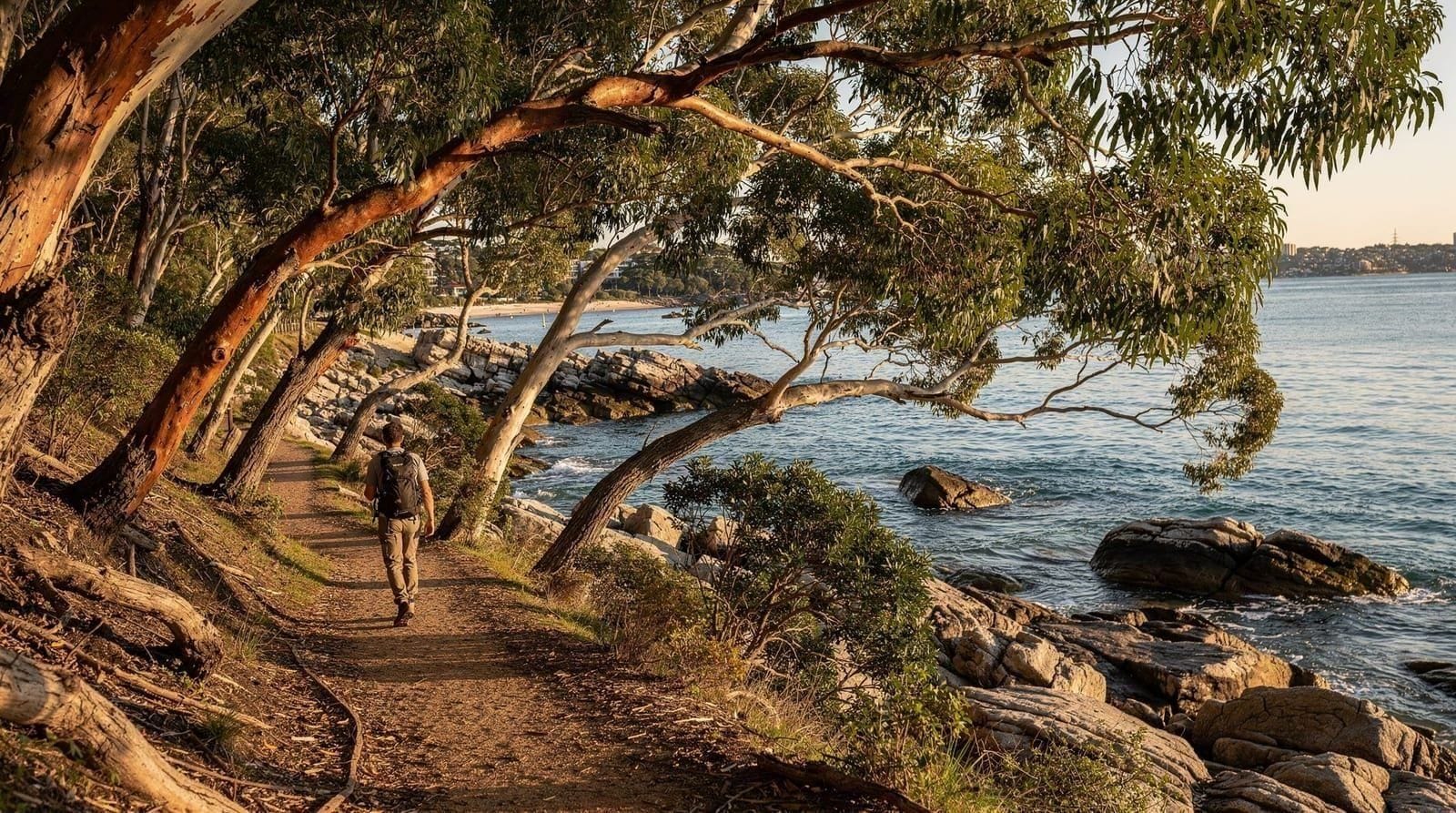
For other active Sydney experiences, see Sydney coastal hikes and Sydney harbour kayaking.
More on each beach and format
For the full picture on the most popular learner beach, see the Bondi Beach guide and the wider best beaches in Sydney roundup. If Manly is more convenient for where you’re staying, the Manly Beach guide covers the ferry crossing and the calmer harbour-side option for a first bodyboarding session. For a deeper look at the surf-lesson format specifically, see surfing in Sydney for beginners.
Frequently asked questions about Surfing vs bodyboarding in Sydney
Can you switch from bodyboarding to surfing later?
Yes, and many people do. Bodyboarding builds comfort reading waves and handling the surf, which transfers usefully when you later try standing up on a surfboard. There is no need to master one before starting the other.Is bodyboarding equipment cheaper to rent than a surfboard in Sydney?
Yes. Bodyboard hire is generally cheaper than a foam longboard (prices vary by shop; check the shop's official website), and bodyboards typically do not require a lesson to use safely in the designated whitewash zones.
Top experiences
Bookable activities with verified prices and instant confirmation on GetYourGuide.