Is Sydney worth visiting for a whole week?
The question people actually ask
| At a glance | |
|---|---|
| Verdict | Yes, worth a week — with one day trip built in |
| Cost | Around A$400-550 AUD/day for two, mid-range |
| Best structure | 4-5 days Sydney + 1-2 day overnight day trip |
| Best time | Autumn or spring for comfortable weather and fewer crowds |
| Who should shorten it | Return visitors, or those tight on overall trip budget |
Most Sydney travel planning questions are practical — how to get from the airport, which neighbourhood to stay in, whether to book the Harbour Bridge Climb. But the more fundamental question, the one that precedes all the others, is whether Sydney is genuinely worth a week of your trip budget in the first place.
It’s an honest question, especially for visitors coming from Europe or North America where the flight itself is already a significant commitment. Sydney is expensive — accommodation, food, and activities at the level most international visitors expect run to $250–400 AUD per day as a realistic baseline. At current exchange rates, that’s real money. The city also has a reputation for being less culturally distinct than somewhere like Kyoto or Istanbul — it’s a comfortable, modern, English-speaking city with a familiar urban structure. Is a week there genuinely justified?
My answer, after several visits of different lengths, is yes — but only if you use the time well. The case for seven days is not that Sydney itself requires seven days of sightseeing. The case is that Sydney is the gateway to a region, and one of the most interesting regions in Australia. A week allows you to see Sydney properly and still reach at least one of the areas around it.
What three days buys you
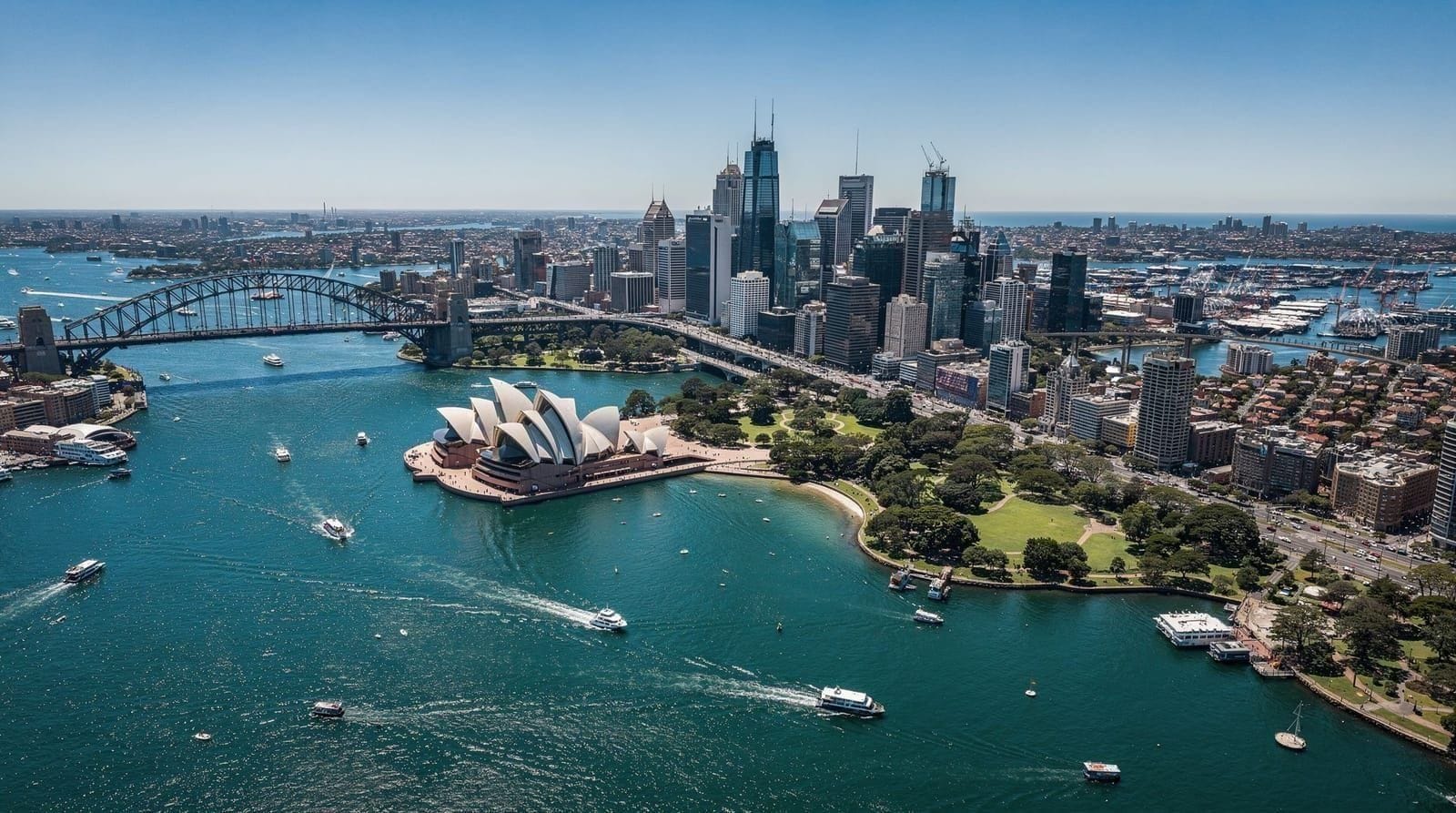
Three days in Sydney is enough to see the essential Sydney: Circular Quay, the Opera House exterior and one performance or tour, the Harbour Bridge from below and ideally from the pylons, the Rocks precinct, the Bondi to Coogee walk, and a harbour ferry to Manly. You can add Taronga Zoo or the Art Gallery of NSW if your interests align.
Three days is not enough to see the city’s actual neighbourhoods at any depth. You’ll experience the tourist infrastructure but not the city Sydneysiders live in. You won’t make it to the inner-west or Surry Hills for the independent restaurant and café culture. You won’t make it to any day trip destination. You’ll leave Sydney having confirmed your expectations rather than having encountered anything that surprised you.
For a first-time visitor with limited time, three days plus a day trip (Blue Mountains or Hunter Valley) is a reasonable minimum that gets the most essential experiences without significant waste.
What a week changes
Seven days changes the fundamental character of the visit.
With seven days, you have enough time to get over the jet lag before making major decisions. The first day or two after a long-haul flight — particularly from Europe, where you’re crossing 9+ time zones — are often better used for easy neighbourhood exploration and early nights than for ticking off major attractions. Building recovery time into a seven-day trip is possible; building it into three days is not.
Seven days also allows you to spend more time in places you genuinely like. I discovered on my third Sydney visit that I could spend an entire day in Surry Hills moving between coffee shops, galleries, and lunch, and it was more satisfying than two days of back-to-back tourist attractions. A shorter trip makes this kind of recalibration feel like wasted time. A longer trip accommodates it.
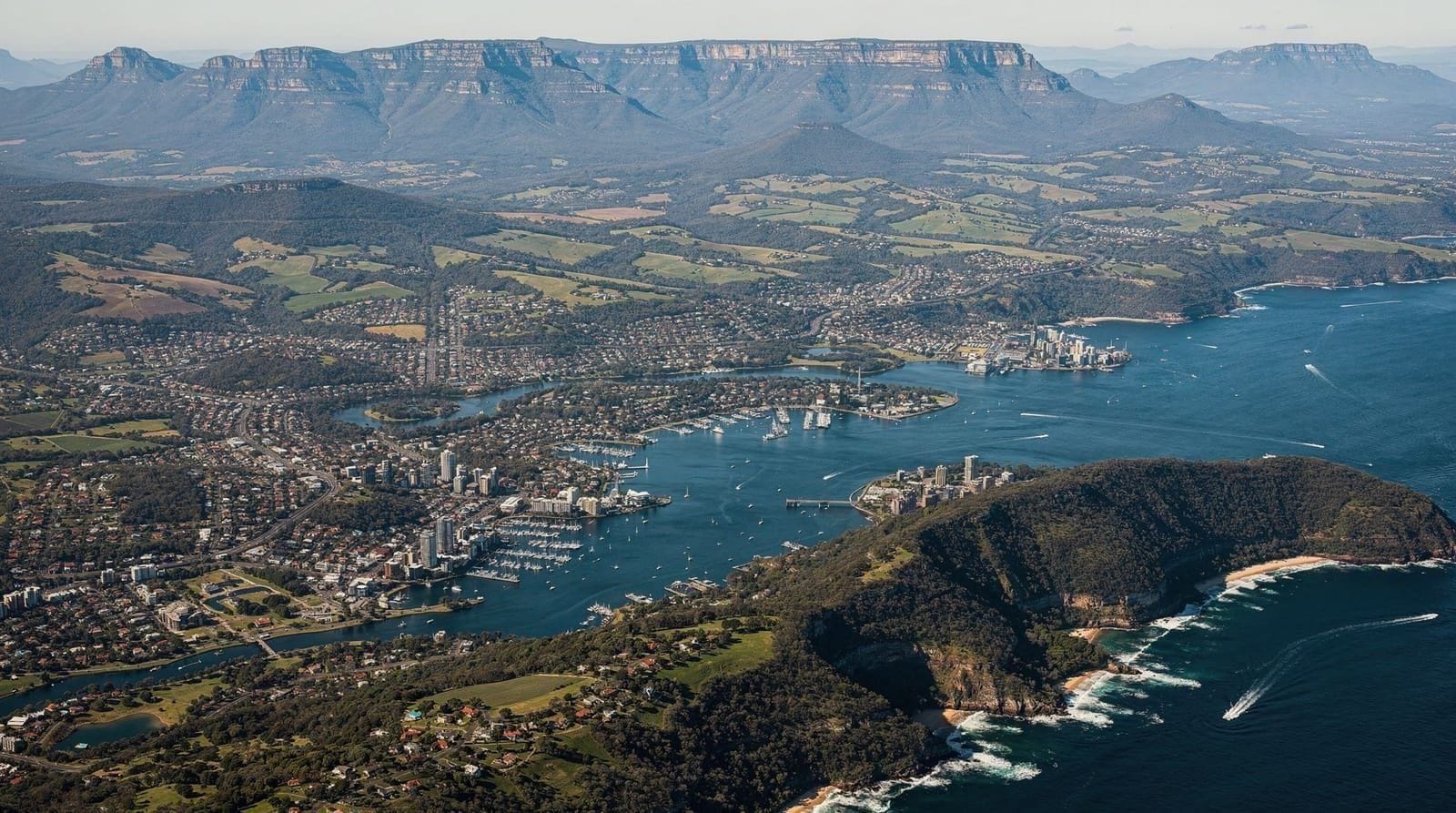
The day-trip calculation improves significantly with a week. The Blue Mountains can be done in one long day, but two days — staying overnight in Katoomba, walking into the valley properly, catching the sunset light on the Three Sisters — is a substantially better experience. The Hunter Valley is similarly improved by an overnight stay that allows for a second day at wineries and a more relaxed schedule. With seven days total, you can do one overnight day trip and still have four full days in Sydney itself.
The honest cost assessment
A week in Sydney at a reasonable mid-range standard (three-star hotel or well-located Airbnb, eating out at lunch and dinner, using public transport, buying Opal-capped day transport, one or two main attraction entries per day) runs to approximately $250–350 AUD per day for a solo traveller and $400–550 AUD for two people sharing a room.
The Sydney trip cost guide breaks this down in detail. The summary is that Sydney’s costs are comparable to London or San Francisco rather than comparable to Southeast Asian travel. If you’re building a multi-country itinerary, be honest about where Sydney sits in your budget distribution.
The meaningful budget drivers:
- Accommodation: central Sydney options range from $120/night (hostel dorm) to $800+/night (harbour-view hotels). The sweet spot for comfort without excess is roughly $180–280/night for a private room.
- Eating: the city’s food scene spans $12 banh mi in Cabramatta to $180 degustations in the CBD. For mid-range dining — proper restaurants, not tourist traps — budget $35–60 AUD per person for dinner.
- Attractions: most of Sydney’s headline attractions cost roughly $40–60 AUD each (Opera House tour, Harbour Bridge Pylon, Taronga Zoo). The BridgeClimb stands alone in its pricing tier; see the official BridgeClimb website for current prices.
Where a week goes wrong
The main risk of a week in Sydney is poor time allocation — spending days on things that aren’t as good as expected while running out of time for things that are.
The specific traps:
Over-scheduling the CBD. George Street, Pitt Street Mall, and the QVB are pleasant for a walk-through but don’t improve with more time. Many visitors allocate half a day to “explore the city centre” and find it underwhelming because the city centre is mostly offices and chain stores. Redirect that time to Paddington, Newtown, or the Botanic Garden.
Darling Harbour dinners. As covered in the tourist traps guide, the Darling Harbour restaurant strip charges a view premium that most visitors wouldn’t pay knowingly. Eating in Surry Hills and strolling to the waterfront afterwards is a better allocation of the same budget.
Underusing the northern beaches. Manly is well-known, but Palm Beach — the northern terminus of the Peninsula, around 55km from the city — is one of Sydney’s most beautiful and least-visited beaches. By car or the L90 bus from the CBD (90 minutes), you can reach a beach that the backpacker circuit rarely reaches. A week gives you the day to spare for this.
Building the week that actually works
The week I’d recommend to a first-time visitor in a neutral season (autumn or spring) follows roughly this structure:
Days 1–2: Jet lag recovery and harbour orientation. Ferry to Manly on day one (the crossing recalibrates your sense of Sydney’s scale). Opera House exterior, Circular Quay foreshore, and a walk through The Rocks in the evening. Day two: the coastal walk from Bondi to Coogee, the Icebergs pool if time permits, an evening in Surry Hills.
Days 3–4: The depth of the city. Art Gallery of NSW in the morning, the Botanic Garden in the afternoon (free, and the view of the Opera House from the garden’s eastern promontory is one of the city’s best). Day four as a neighbourhood day — Newtown, Paddington, or wherever your interests lead. A day without a single queued attraction.
Day 5: Day trip. Blue Mountains by train is the standard choice. A full day out and back, arriving at Echo Point and Scenic World, returning on the late train. Alternatively, Hunter Valley if wine is the priority. Our Blue Mountains day trip guide, the Hunter Valley day trip guide and the wider list of best day trips from Sydney cover the options in detail.
If you would like the week to include a deeper cultural thread, consider adding a guided Aboriginal walking tour with a smoking ceremony early in the trip, so that what you see afterwards has more context. Our Sydney Aboriginal heritage guide explains what to expect.
Days 6–7: The remaining harbour. Taronga Zoo (ferry and entry, the hillside setting is genuinely good). Cockatoo Island if it hasn’t been done. An afternoon at Darling Harbour for the children’s museum or aquarium if relevant, otherwise skip it. Final evening somewhere that feels distinctly Sydney — a late dinner in Newtown, or a sunset ferry run just for the harbour light.
A few optional additions fit naturally into this skeleton, depending on your appetite. If you wake early because of jet lag, turn it into an advantage: a paddle on the water at first light is a calm way to meet the harbour, and a sunrise kayak session such as a guided sunrise kayak paddle on the harbour uses those odd hours well. If you want one big splurge for the week, the bridge is the obvious candidate: a twilight summit climb over the Harbour Bridge gives you the light changing over the city, and our BridgeClimb guide and the comparison with the pylon lookout will help you decide whether it earns its price for you. Travellers who want something louder on the final days can look at jet boating on the harbour, though it is a matter of taste rather than a must-do.
This structure doesn’t try to do everything. It accepts that Sydney in a week means doing a selection well rather than a comprehensive list poorly.
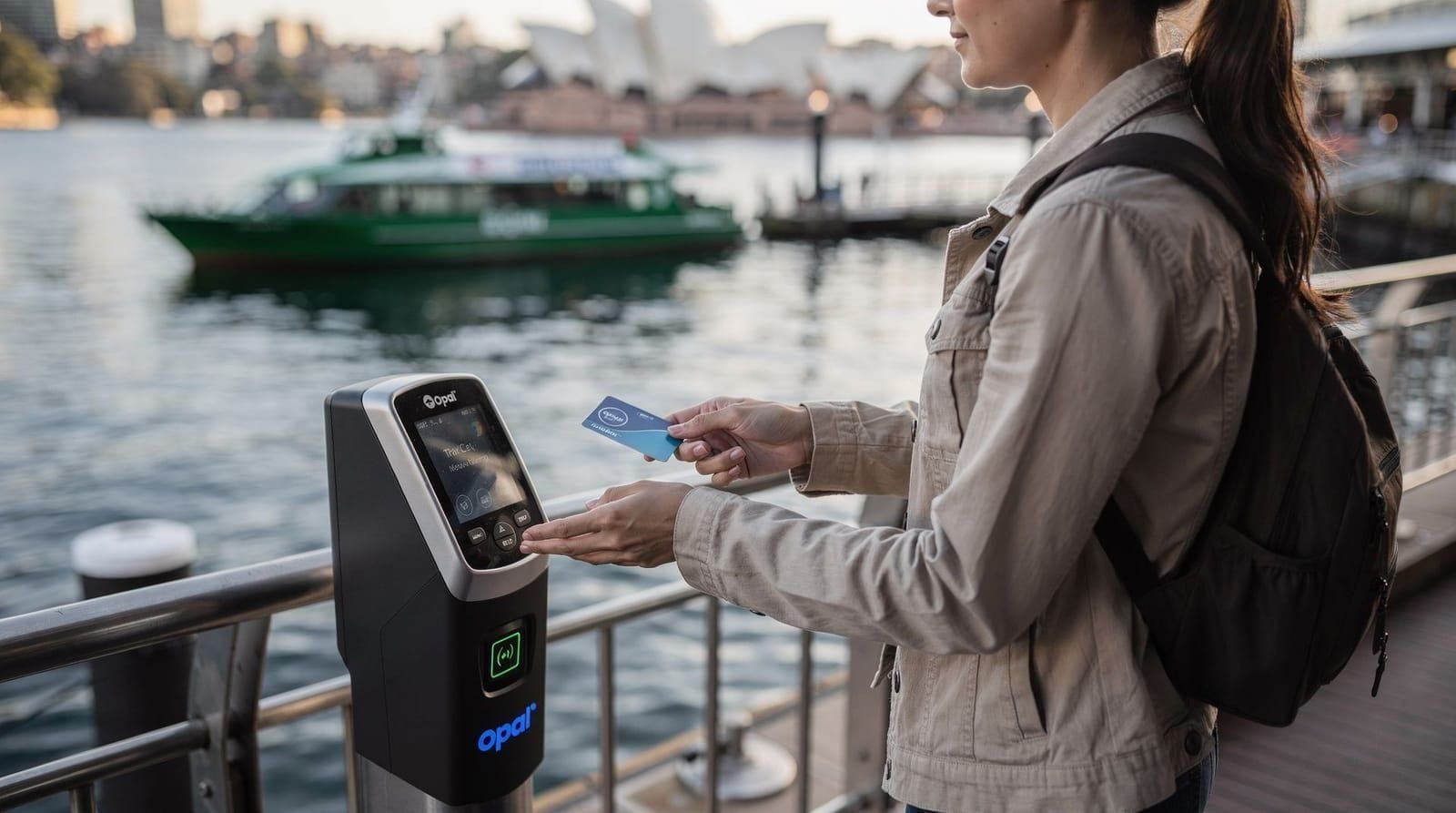
Logistics matter more than people expect over seven days. Learn the Opal card on day one, read the getting around Sydney guide before you plan the week, and treat the ferry network as transport as well as sightseeing. If you are still choosing where to sleep, the where to stay guide compares the bases that work best for a longer visit, and best time to visit Sydney helps you pick the season that suits your week. First-timers who want the essentials in one place can start with Sydney for first-timers.
The case for basing elsewhere
An underused option for a longer Sydney trip: spend the first five days in Sydney proper, then relocate to a different base for the final two days. Katoomba in the Blue Mountains is a two-hour train ride from Central and has genuinely good accommodation and restaurants. The Hunter Valley has a cluster of vineyard stays and guesthouses around Pokolbin. Either makes a satisfying ending to a week-long trip — you’re still close to the airport for your departure, but you’ve seen a dimension of New South Wales that the harbour city alone doesn’t provide.
The 10-day NSW itinerary is the version of this with more room to breathe. But even within a week, the principle applies: Sydney rewards depth rather than breadth, and that depth includes the country surrounding it.
Who should shorten the trip instead
A full week isn’t right for everyone. Return visitors who’ve already done the harbour essentials are often better served by three or four focused days revisiting favourite neighbourhoods rather than a full week repeating ground.
Travellers on a tight overall budget for a longer trip (say, Australia plus New Zealand or Southeast Asia in one itinerary) may find that four days in Sydney plus a longer stretch elsewhere in the region makes more financial sense — the Sydney trip cost guide has the cost detail to help make that call. And families with young children often do better with a shorter, less ambitious Sydney stint paired with more downtime, a point covered in the Sydney with kids guide.
What a week costs versus what three days costs
Stretching from three days to seven doesn’t triple your costs — accommodation and food scale roughly linearly, but the day trip (the main reason a week is worth more than three days) is usually a fixed cost regardless of overall trip length. A rough comparison for two people, mid-range style: three days runs approximately A$1,000-1,300, while seven days including one overnight day trip runs approximately A$2,600-3,200. The extra four days cost proportionally less per day than the first three, because you’re not paying premium first-night logistics twice.
Frequently asked questions about Is Sydney worth visiting for a whole week
Is seven days too long if I’ve already been to Sydney before? For return visitors, often yes — three or four days revisiting favourite spots, paired with more time elsewhere in NSW or Australia, usually makes better use of a limited trip budget.
What’s the single best use of the “extra” days a week gives you that three days doesn’t? An overnight day trip to the Blue Mountains or Hunter Valley. It’s the one addition that changes the character of the trip rather than just adding more Sydney sightseeing.
The verdict
A week in Sydney is worth it, with one condition: that you resist the temptation to treat it as seven days of sightseeing and allow it to also be seven days of inhabiting the city at a more normal pace. Sydney is one of those places that reveals itself slowly — the harbour light in the early morning, the quality of conversation in a good Inner West pub, the specific pleasure of an ocean swim before 8am. None of that appears in a three-day sprint.
Come for a week. Use the 7-day Sydney itinerary as a framework rather than a schedule. Leave some mornings unplanned. The how many days in Sydney guide addresses the question from a different angle if you’re still uncertain about the optimal trip length.